Why Moving Your Body Relieves Pain
Body pain exercise is one of the most powerful, natural tools you have to fight back against chronic aches, stiffness, and discomfort. Whether you're dealing with a sore back, tight shoulders, or throbbing knees, the right movements can strengthen muscles, improve flexibility, and trigger your body's own pain-blocking chemicals.
Quick Answer: Best Body Pain Exercises by Area
- Back Pain: Cat-Cow Stretch, Bridge Exercise, Knee-to-Chest Stretch
- Knee Pain: Straight Leg Raises, Half-Squats, Hamstring Stretch
- Hip Pain: Clamshells, Hip Bridges, Seated Figure-Four Stretch
- Shoulder/Neck Pain: Chin Tucks, Shoulder Rolls, Upper Trap Stretch
- Wrist/Hand/Foot Pain: Wrist Flexor Stretch, Toe Curls, Calf Stretch
Recommended Duration: Start with just 2 minutes daily and build up to 150 minutes of moderate activity per week.
It sounds backwards. When something hurts, your instinct is to rest it. But research shows that staying active is often more effective than staying still when it comes to managing chronic pain.
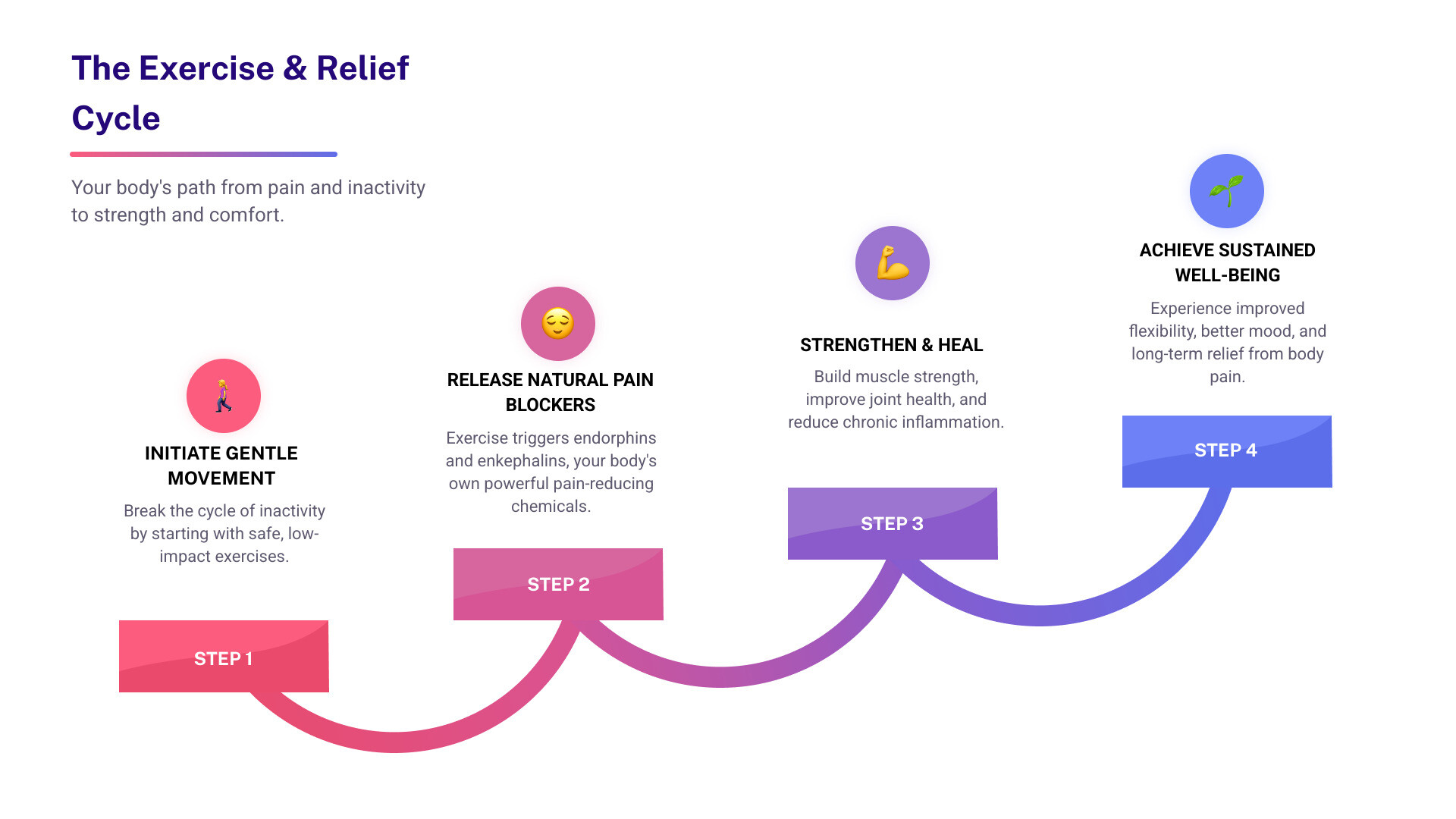
Here's the truth: exercise releases endorphins and enkephalins, natural chemicals that block pain signals from reaching your brain. It also reduces inflammation, strengthens the muscles around painful joints, and improves flexibility. According to studies, just two minutes of daily exercise can provide relief similar to much longer sessions.
The problem? Many people avoid movement because they fear making pain worse. This creates a cycle: less activity leads to weaker muscles, which puts more stress on joints, which causes more pain.
This guide breaks that cycle. You'll learn safe, gentle exercises for every major pain area, find how to start slowly without overdoing it, and understand when to seek professional help.
I'm Tony Enrico, founder of Neuropasil, and I've spent years helping people reclaim their lives from nerve and muscle pain through both targeted topical relief and smart movement strategies. Throughout this guide, we'll explore how body pain exercise can work alongside other pain management tools to give you lasting relief.
Similar topics to body pain exercise:
The Science of Movement: How Exercise Fights Pain
It might seem counterintuitive to move when you're in pain, but our bodies are designed for movement. Engaging in regular body pain exercise offers a multitude of benefits that directly combat discomfort and improve overall well-being.
Endorphin Release: Our Body's Natural Painkillers
One of the most immediate benefits of physical activity is the release of endorphins and enkephalins. These are natural chemicals produced by our brains that act as powerful pain blockers, effectively reducing the intensity of pain signals reaching your brain. Think of it as your body's built-in pharmacy, dispensing relief with every movement.
Reduced Inflammation
Chronic pain often goes hand-in-hand with inflammation. Regular, gentle exercise has been shown to decrease inflammation by regulating inflammatory substances in the body and promoting the release of anti-inflammatory chemicals. A study highlighted the crucial role of physical activity in managing musculoskeletal discomfort, noting its ability to address various aspects, including inflammation.
Improved Joint Health and Stability
Exercise is vital for maintaining healthy joints. It strengthens the muscles and ligaments surrounding our joints, providing better support and reducing stress on painful areas. Stronger muscles mean improved joint stability and integrity, which can significantly reduce the risk of injuries and degenerative changes. For conditions like rheumatoid arthritis, research from the Mayo Clinic shows that exercise helps ease the pain and stiffness by keeping these supporting structures robust.
Increased Muscle Strength and Flexibility
Weak muscles and stiff joints can exacerbate pain. Body pain exercise directly addresses this by building muscle mass and improving muscle function. This improved strength reduces strain during daily movements. Additionally, regular exercises improve flexibility by loosening tight muscles and increasing joint mobility, leading to reduced stiffness and smoother, more fluid movements.
Improved Mood, Alleviating Anxiety and Depression
Living with chronic pain can take a toll on our mental health, often leading to anxiety and depression. Physical activity is a proven mood booster. The endorphins released during exercise not only block pain signals but also help alleviate stress, anxiety, and depression. This mental uplift can make pain more manageable and improve our overall quality of life. Even a simple walk can directly block pain signals to the brain, contributing to a better mood.
Your At-Home Guide to Body Pain Exercise for Common Aches
We understand that when you're hurting, a trip to the gym might feel like climbing Mount Everest. That's why we've compiled a list of gentle, effective body pain exercise routines you can do right in the comfort of your home. Listen to your body and move slowly, never pushing into pain.
Effective Body Pain Exercise for Your Back
Back pain is a common companion for many, but targeted exercises can offer significant relief. These movements focus on strengthening your core, improving spinal flexibility, and stretching tight muscles.
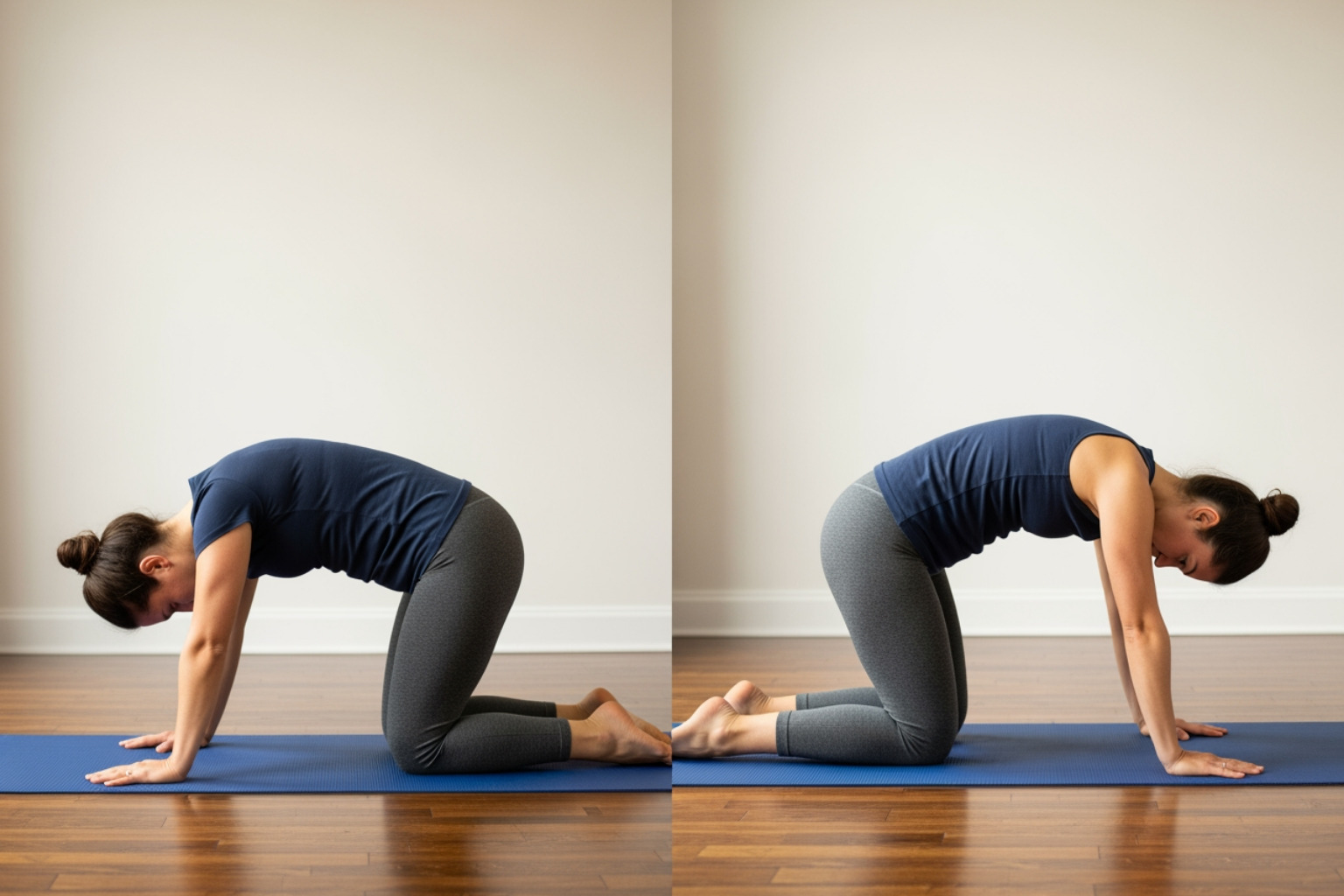
- Cat-Cow Stretch: This gentle yoga pose helps improve spinal mobility. Start on your hands and knees. Inhale as you arch your back, dropping your belly towards the floor (Cow pose). Exhale as you round your spine towards the ceiling, tucking your chin to your chest (Cat pose). Repeat 10-15 times, flowing with your breath. Yoga, in general, has been shown to be as effective as physical therapy for chronic low back pain.
- Bridge Exercise: Lie on your back with your knees bent and feet flat on the floor, hip-width apart. Engage your abdominal muscles and glutes, then lift your hips towards the ceiling until your body forms a straight line from your shoulders to your knees. Hold for 5 seconds, then slowly lower. Start with 5 repetitions and gradually work up to 30. This strengthens your core and back muscles.
- Knee-to-Chest Stretch: Lie on your back, knees bent, feet flat. Gently pull one knee towards your chest, holding it with both hands. Hold for 5-10 seconds, feeling the stretch in your lower back and hip. Repeat with the other leg, then with both legs simultaneously. Do 2-3 repetitions for each. This stretch helps relieve tension in the lower back and hip flexors.
- Lower Back Rotational Stretch: While still on your back with knees bent and feet flat, let both knees slowly fall to one side, keeping your shoulders on the floor. Hold for 5-10 seconds, then return to the center and repeat on the other side. This gently stretches your lower back and glutes.
Building a strong core is essential for supporting your back and preventing pain. For more ways to alleviate general muscle discomfort, check out our guide on Best Ways to Relieve Muscle Aches with Physical Activity and Healthy Living.
Gentle Exercises for Knee Pain
Knee pain can severely limit mobility, but strengthening the muscles around the knee can provide crucial support and reduce discomfort.
- Straight Leg Raises: Lie on your back with one leg bent and the other straight. Engage your thigh muscles and slowly lift the straight leg to the height of your bent knee. Hold for 2 seconds, then slowly lower. Repeat 10-15 times per leg. This strengthens your quadriceps without putting stress on the knee joint.
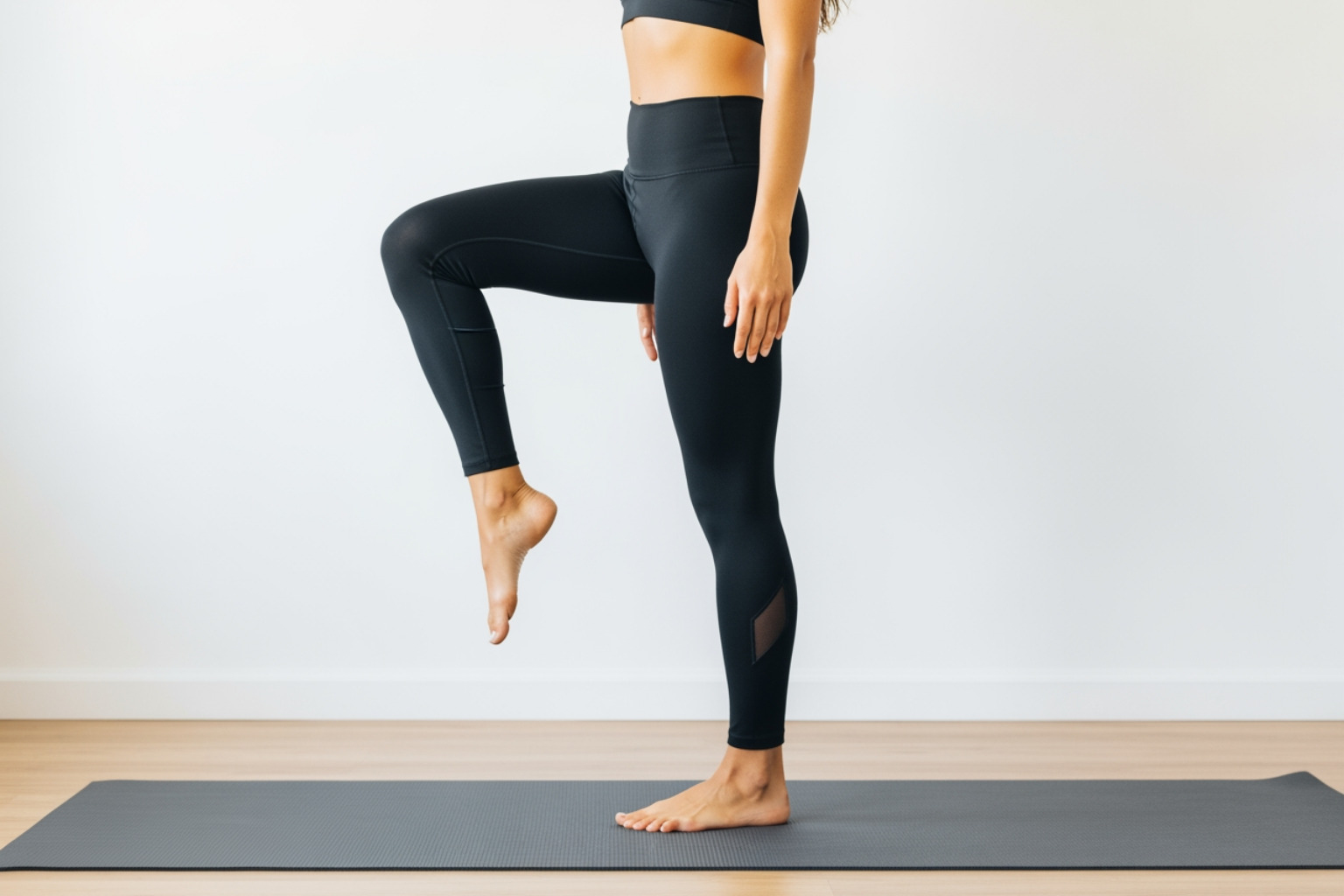
- Half-Squats: Stand with your feet shoulder-width apart, hands extended forward for balance. Slowly lower your hips as if sitting in a chair, only going down a quarter of the way. Keep your back straight and knees behind your toes. Hold for 5 seconds, then return to standing. Aim for three sets of 10 repetitions. Half-squats are great for strengthening the muscles around the knee.
- Quadriceps Stretch: Stand tall and grab your right ankle with your right hand, gently pulling your heel towards your glutes. Keep your knees together and your torso upright. Hold for 20-30 seconds, feeling the stretch in the front of your thigh. Switch sides.
- Hamstring Stretch: Sit on the floor with one leg extended straight out and the other bent with your foot touching the inner thigh of the extended leg. Lean forward from your hips, reaching towards the toes of your extended leg, keeping your back straight. Hold for 20-30 seconds. Switch sides.
- Walking: Simple, everyday activities like walking can directly ease some of the pain by blocking pain signals to the brain. A study published in Arthritis Care & Research found that people with knee osteoarthritis who walked 6,000 steps daily reported less difficulty and pain doing everyday activities such as walking up the stairs.
Simple Movements for Hip Pain
Hip pain can stem from tight muscles or weak supporting structures. These exercises target those areas, promoting flexibility and strength.
- Clamshells: Lie on your side with your knees bent at a 45-degree angle and your feet stacked. Keeping your feet together and your hips stable, slowly raise your top knee towards the ceiling, like a clamshell opening. Hold for a moment, then slowly lower. Repeat 10-15 times per side. This strengthens the gluteal muscles, which are crucial for hip stability.
- Hip Bridges: Similar to the back exercise, this movement is excellent for strengthening your glutes and core, which directly supports hip health. Lie on your back with knees bent, feet flat, and lift your hips. Hold for 3 deep breaths, then lower.
- Seated Figure-Four Stretch: Sit in a chair with your feet flat on the floor. Cross one ankle over the opposite knee. Gently press down on the crossed knee while leaning forward slightly from your hips. You should feel a stretch in your glute and outer hip. Hold for 20-30 seconds, then switch sides. This helps loosen tight hip muscles.
Relief for Shoulder & Neck Pain
Desk jobs, stress, and poor posture often contribute to shoulder and neck discomfort. These exercises help release tension and improve alignment.
- Chin Tucks: Sit or stand tall with a straight back. Gently tuck your chin towards your chest, lengthening the back of your neck. Imagine you're trying to make a double chin. Hold for 5-10 seconds, then release. Repeat 10 times. This exercise improves posture and relieves tension in the neck.
- Shoulder Rolls: Sit or stand with good posture. Slowly roll your shoulders forward in a circular motion 10 times, then reverse and roll them backward 10 times. This helps loosen stiff shoulders and improves circulation.
- Upper Trap Stretch: Sit or stand upright. Gently tilt your head to one side, bringing your ear towards your shoulder. You can use your hand to apply light pressure for a deeper stretch. Hold for 20-30 seconds, then switch sides. Repeat 3 times per side. This targets tightness in the upper trapezius muscles.
- Cross-Body Shoulder Stretch: Bring one arm straight across your chest. Use your opposite hand to gently pull the arm closer to your body, feeling a stretch in your shoulder. Hold for 20-30 seconds, then switch arms. Repeat 2-3 times per arm. This helps relieve shoulder tension.
Stretches for Wrist, Hand, Foot & Ankle Pain
These smaller joints often bear the brunt of repetitive tasks and daily wear and tear. Gentle movements can improve their mobility and reduce pain.
- Wrist Flexor Stretch: Extend one arm straight out in front of you, palm up. With your other hand, gently pull the fingers of the extended hand downwards towards your body. Hold for 20-30 seconds, feeling the stretch in your forearm. Repeat for the other wrist. This helps ease wrist tension, especially for those who spend a lot of time typing.
- Fist-to-Fan Exercise: Make a tight fist with one hand, then slowly open your hand and spread your fingers as wide as possible, like a fan. Repeat 10-15 times per hand. This improves mobility and circulation in your hands, beneficial for conditions like arthritis.
- Calf Stretches: Stand facing a wall, placing your hands on it for support. Step one foot back, keeping that heel on the ground and your leg straight. Lean forward, feeling the stretch in your calf. Hold for 20-30 seconds, then switch legs. This helps reduce heel and arch pain, common in conditions like plantar fasciitis.
- Toe Curls: Place a small towel on the floor in front of you. Using only your toes, try to scrunch up the towel and pull it towards you. Repeat 10-15 times per foot. This strengthens the intrinsic muscles of your feet, improving stability and reducing foot pain.
These exercises are simple yet powerful ways to incorporate body pain exercise into your daily routine. They are designed to be gentle and effective, laying the groundwork for greater comfort and mobility.
Beyond the Moves: A Holistic Approach to Pain Management
While body pain exercise is a cornerstone of pain management, it's part of a larger picture. Pain is a complex experience influenced by many factors, and combining exercise with other strategies can maximize your relief and improve your overall quality of life.
The Power of Breath and Relaxation
When pain strikes, our natural reaction can be to tense up, which paradoxically can make pain worse. Learning to breathe and relax can be incredibly powerful.
- Deep Breathing Techniques: When pain is intense, we often take shallow, rapid breaths, leading to anxiety and muscle tension. Instead, try slow, deep belly breathing. Inhale slowly through your nose, feeling your belly rise, then exhale slowly through your mouth. This helps you feel more in control, keeps you relaxed, and prevents muscle tension from exacerbating your pain. Just 30 to 60 seconds of deep belly breathing can make a difference.
- Meditation and Relaxation: Regular relaxation techniques, such as meditation or guided imagery, can help block pain signals and reduce stress. They teach your mind to respond differently to pain, fostering a sense of calm and control. Exploring resources like Tips for Finding Your Calm can provide valuable guidance.
The Role of Sleep in Recovery
Sleep is not just rest; it's a vital recovery process for our bodies and minds. Sleep deprivation can significantly amplify pain sensitivity, creating a vicious cycle where pain disrupts sleep, and poor sleep worsens pain.
- Establishing a Sleep Routine: Aim to go to bed and wake up at the same time each day, even on weekends. This helps regulate your body's internal clock.
- Avoiding Naps: While tempting, long naps during the day can interfere with nighttime sleep. If you must nap, keep it short (20-30 minutes).
- Sleep Hygiene: Ensure your bedroom is dark, quiet, and cool. Avoid caffeine and heavy meals close to bedtime. Resources like Pain Concern's guide to getting a good night's sleep offer practical tips. For more insights on optimizing your recovery, including sleep, check out our article on How to Get Quick Muscle Recovery with These 5 Quick Changes.
Mind-Body Connection: Therapies and Distraction
Our minds play a significant role in how we perceive and manage pain. Using the mind-body connection can be a game-changer.
- Talking Therapies: Pain can lead to feelings of anxiety, depression, and frustration. Therapies like psychology or hypnotherapy can provide strategies to deal with the emotional impact of pain, helping us process our feelings and develop healthier coping mechanisms. The British Pain Society offers valuable patient information and resources.
- Distraction Techniques: Engaging in activities that capture your attention can be an effective way to temporarily shift focus away from pain. Hobbies like reading, listening to music, gardening, or creative pursuits can serve as powerful distractions. Even simple, everyday activities like dancing can directly block pain signals.
- Self-Management Courses: Many people find immense benefit from self-management courses designed for chronic conditions. These courses equip individuals with practical skills and strategies to live better with long-term pain. In fact, many participants report taking fewer painkillers after completing such courses. The Pain Toolkit offers a booklet packed with simple, practical advice and workshops to help you live better with long-term pain.
Getting Started Safely: Your Pain-Relief Exercise Plan
Starting on a body pain exercise journey requires a thoughtful approach. The key is to start slow, progress gradually, and always listen to your body.
How Often and How Long Should I Exercise?
Consistency is more important than intensity, especially when starting.
- Recommended Duration: Even small bursts of activity can be beneficial. A study showed that just two minutes of daily exercise can be enough to ease pain. For broader health benefits, aim for at least 150 minutes of moderate-intensity aerobic physical activity throughout the week, as recommended by the U.S. Department of Health and Human Services, spread over most days. This could be 30 minutes, five days a week, or shorter, more frequent sessions.
- Recommended Frequency: For general pain relief and health, try to incorporate some form of movement daily. For strengthening exercises, allow for rest days between working the same muscle groups.
- Gentle Everyday Activities: Don't underestimate the power of simple movements. Walking, gardening, and dancing are excellent ways to integrate physical activity into your day without feeling like a chore. These activities can directly block pain signals to the brain.
The 2-Minute Body Pain Exercise Rule
Think you can't fit exercise into your busy day? Think again! The "2-minute rule" is a game-changer for pain relief. A study of 198 office workers with frequent neck and shoulder pain found that those who completed just two minutes a day of resistance exercise with elastic tubing experienced similar relief to those who completed 12 minutes of daily exercise.
This means you can break up your movement throughout the day:
- Short Bursts: Incorporate quick stretches or movements during coffee breaks, while waiting for the kettle to boil, or even during commercial breaks.
- Desk Stretches: If you have an office job, short resistance exercises or stretches at your desk can prevent stiffness. For example, perform wrist circles or shoulder rolls for 10-20 seconds.
- Making it a Habit: The goal is to make movement a consistent part of your day, even if it's just for a few minutes at a time. The Arthritis Foundation provides excellent resources on two-minute exercises for pain relief.
When to See a Doctor or Physical Therapist
While body pain exercise is incredibly beneficial, it's crucial to know when professional medical advice is needed.
- Consulting a Professional: Always talk to your doctor or a physical therapist before starting any new exercise program, especially if you have ongoing pain, a pre-existing condition, or are recovering from an injury. They can help you create a personalized plan that is safe and effective for your specific needs.
- Red Flag Symptoms: Seek immediate medical attention if you experience severe pain, sudden numbness, tingling, weakness, unexplained weight loss, or changes in bowel or bladder function.
- When Pain Persists or Worsens: If your pain doesn't improve with gentle exercise and self-management, or if it worsens, it's time to consult your healthcare provider. They can rule out underlying issues and guide you to appropriate treatments.
Frequently Asked Questions About Exercise for Body Pain
We often hear common concerns when people consider using exercise for pain relief. Let's address some of them.
Is it normal for exercise to hurt when you have chronic pain?
This is a common and valid concern. It's important to distinguish between "hurt" and "harm."
- "Hurt" vs. "Harm": Feeling some discomfort or a gentle pulling sensation during exercise, especially when starting, is often normal. This "hurt" indicates your muscles and joints are getting fitter and adapting. However, experiencing sharp, shooting, or increasing pain that lasts or worsens significantly after exercise could indicate "harm" and means you should stop and consult a professional. The key is to start with a smaller range of motion and gradually increase your activity level.
- The "Crash and Burn" Effect: Many people with chronic pain fall into a "crash and burn" cycle: they do too much on a good day, causing a flare-up, then rest excessively, leading to deconditioning. The goal is to find a consistent level of activity you can maintain, even on "bad" days, and gradually build from there.
Can I do these exercises if I have arthritis?
Absolutely! Exercise is not just safe but crucial for managing arthritis.
- Benefits for Stiffness and Joint Health: Regular, low-impact exercise can significantly ease arthritis pain and stiffness. It strengthens the muscles around affected joints, providing better support and improving overall joint function. The Mayo Clinic emphasizes that exercise helps ease arthritis pain and stiffness.
- Low-Impact Recommendations: Focus on gentle movements that don't put excessive stress on your joints. The exercises listed in this guide are generally low-impact and suitable for many people with arthritis. Always consult your doctor or physical therapist to tailor an exercise plan to your specific type and severity of arthritis.
What are the best low-impact exercises for full-body pain?
For comprehensive pain relief that's gentle on your joints, we recommend:
- Walking: A fantastic full-body, low-impact exercise that improves circulation, strengthens muscles, and boosts mood.
- Tai Chi: This ancient Chinese practice combines slow, flowing movements with deep breathing and meditation. It's excellent for balance, flexibility, and stress reduction.
- Yoga: Gentle yoga poses improve flexibility, strength, and mindfulness. It's highly effective for chronic low back pain and can be adapted for various body pains.
- Gentle Stretching: Incorporating full-body stretches into your daily routine can improve overall flexibility and reduce muscle tension.
Take Control of Your Pain Today
We hope this guide has empowered you with the knowledge and tools to begin your journey towards pain relief through body pain exercise. Movement is medicine, and even small steps can lead to significant improvements in your comfort and quality of life.
By consistently incorporating gentle exercises, practicing relaxation techniques, prioritizing sleep, and engaging your mind, you're building a robust strategy against pain. We believe in a holistic approach, where mindful movement complements targeted relief.
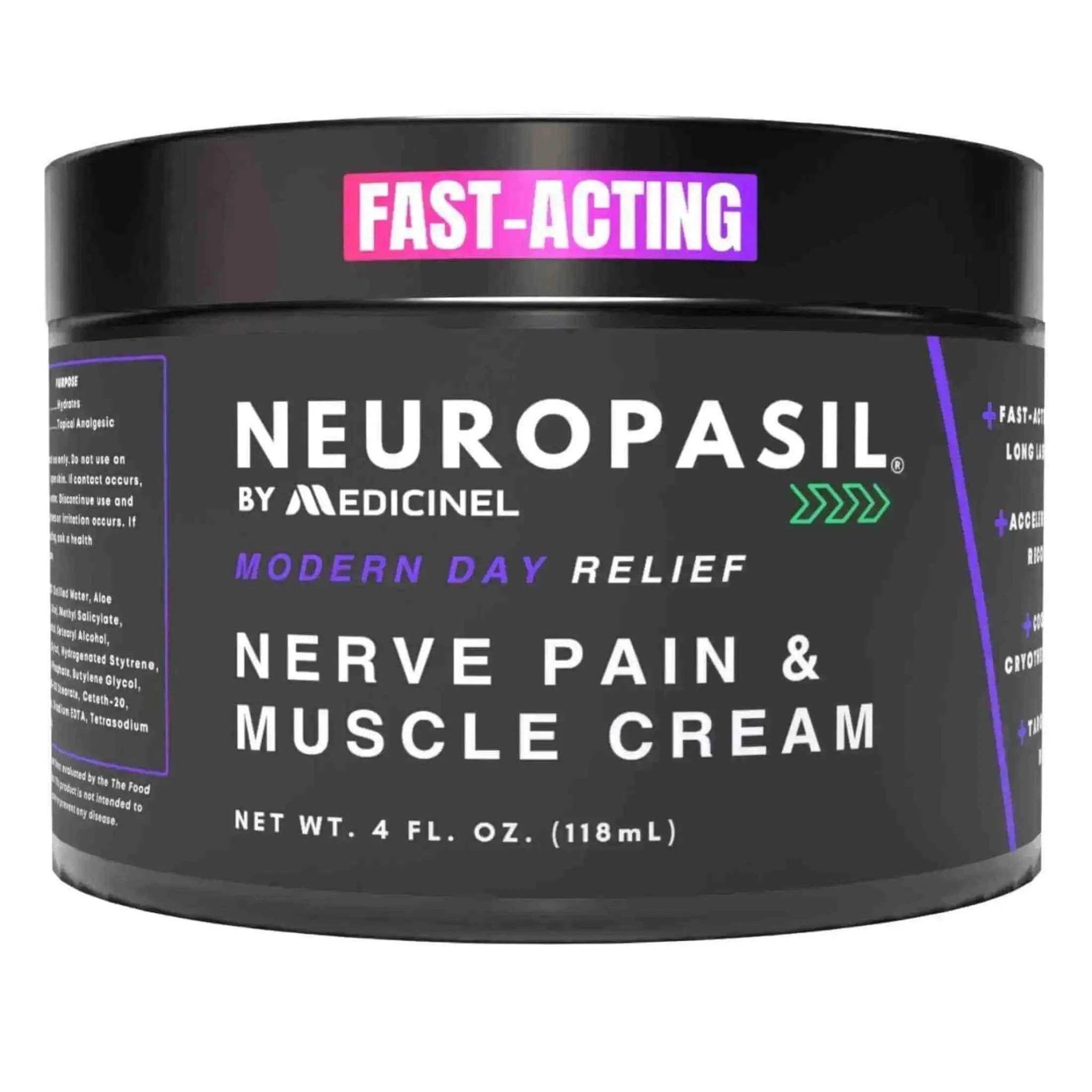
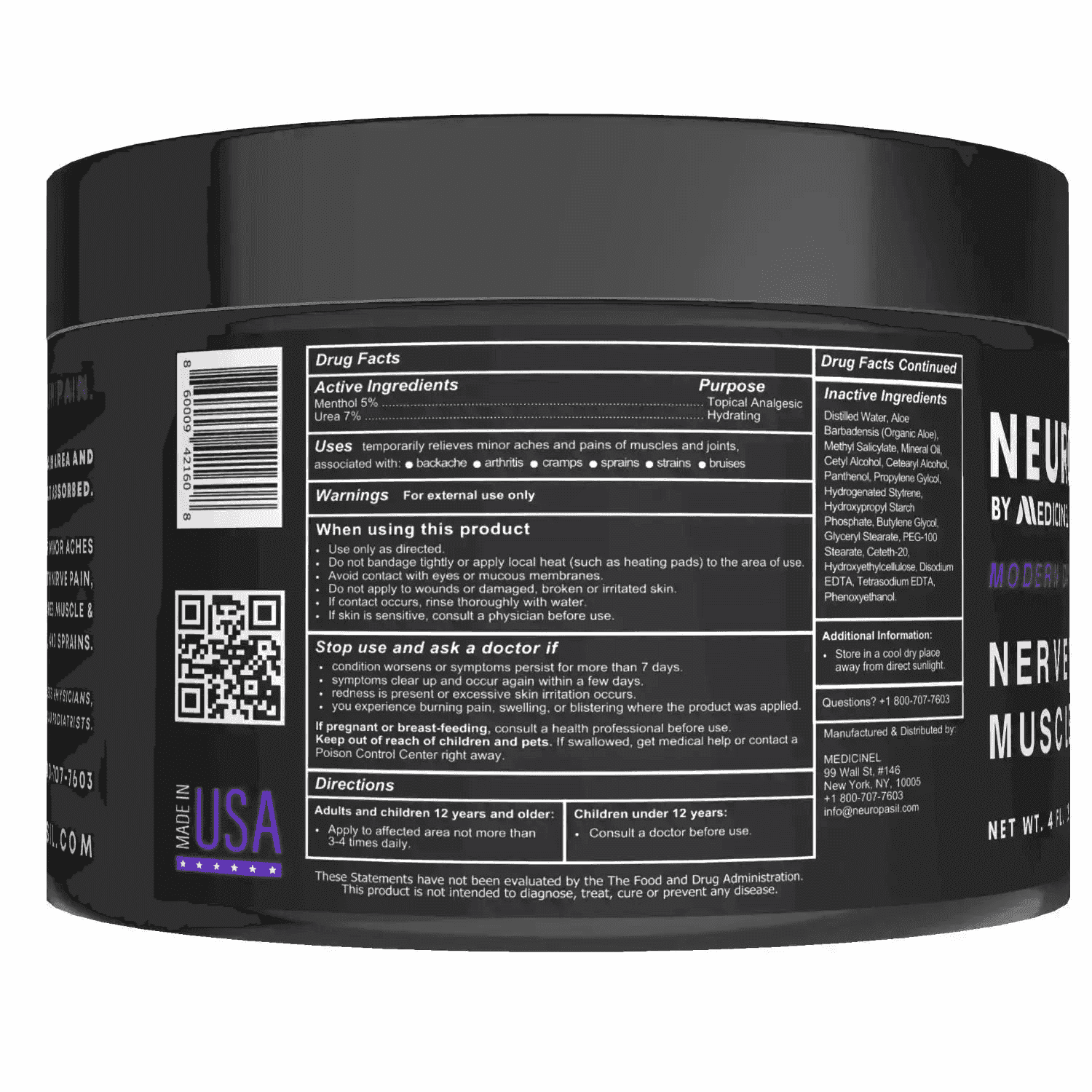
For those moments when you need extra support, especially for nerve pain, muscle soreness, or joint discomfort, Neuropasil offers natural, fast-acting topical creams. Our unique blend of Aloe, Urea, and Menthol provides targeted, soothing relief that works alongside your active lifestyle. Find why our loyal customers trust us for everything from neuropathy and sciatica to post-workout muscle soreness and aching feet.
Ready to find the perfect companion for your pain management journey? Explore our selection and find the best pain relief cream for your muscle pain, or try our fast-acting Nerve Pain Relief Cream today.
References
- AARP. The Best Exercises for Achy Backs, Knees, Hips and More. https://www.aarp.org/health/conditions-treatments/info-2021/exercises-for-back-knee-hip-pain.html
- AARP. Tips for Finding Your Calm. https://stayingsharp.aarp.org/themes/find-your-calm/
- Andersen, L. L., et al. (2008). Effect of two contrasting types of physical exercise on chronic neck muscle pain. Arthritis & Rheumatism (Arthritis Care & Research), 59(1), 84-91.
- Annals of Internal Medicine. (2017). Yoga, Physical Therapy, or Education for Chronic Low Back Pain.
- Arthritis Care & Research. Daily Walking and the Risk of Incident Functional Limitation in Knee OA: An Observational Study.
- Mayo Clinic. (2021). Back exercises in 15 minutes a day. https://www.mayoclinic.org/healthy-lifestyle/adult-health/in-depth/back-pain/art-20546859
- Mayo Clinic. Exercise helps ease arthritis pain and stiffness. https://www.mayoclinic.org/diseases-conditions/arthritis/in-depth/arthritis/ART-20047971
- National Center for Biotechnology Information (NCBI). (2024). The Role of Physical Activity and Exercise in the Management of Musculoskeletal Pain. https://www.ncbi.nlm.nih.gov/pmc/articles/PMC10815384/#sec5-healthcare-12-00242title
- NHS. (2022). 10 ways to reduce pain.
- Pain Concern. Getting a good night's sleep. http://painconcern.org.uk/getting-a-good-nights-sleep/
- The Arthritis Foundation. Two-minute Exercises for Pain Relief. https://www.arthritis.org/health-wellness/healthy-living/physical-activity/other-activities/two-minute-exercises-for-pain-relief
- The British Pain Society. https://www.britishpainsociety.org/
- The Pain Toolkit. https://www.paintoolkit.org/
- U.S. Department of Health and Human Services. (2018). Physical Activity Guidelines for Americans, 2nd edition. https://health.gov/paguidelines/second-edition/