Understanding Intercostal Muscle Pain and Quick Relief
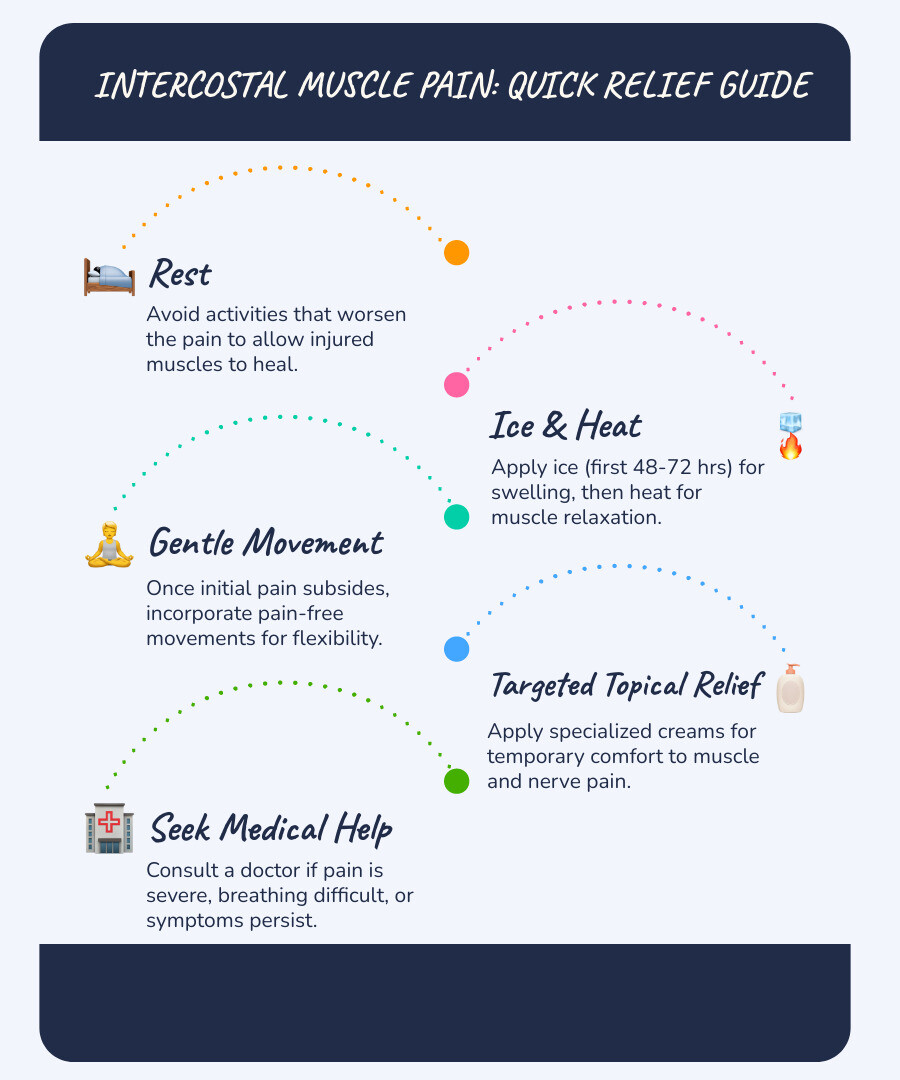
Experiencing intercostal muscle pain can be incredibly uncomfortable. This common injury affects the muscles between your ribs, making simple actions like breathing, coughing, or twisting painful. Here's a quick guide for fast relief:
- Rest: Avoid activities that worsen the pain.
- Ice & Heat: Apply ice packs for the first 48-72 hours, then switch to heat to relax muscles.
- Gentle Movement: Once initial pain subsides, gentle, pain-free movement helps maintain flexibility.
- Targeted Topical Relief: Products designed for muscle and nerve pain can offer temporary comfort.
- Know When to Seek Medical Help: If pain is severe, breathing is difficult, or symptoms persist, consult a doctor.
These muscles are vital for breathing and stabilizing your ribcage. When strained or torn, the pain can be sharp and persistent, making daily tasks a struggle. Understanding this condition is the first step toward relief.
At Neuropasil, our mission is to provide effective solutions for intercostal muscle pain. Our advanced formulas are designed to restore comfort where it's needed most. Let's explore the causes of this pain and how you can find lasting relief.
Intercostal muscle pain glossary:
What Are Intercostal Muscles and Why Do They Hurt?
The intercostal muscles, located between your ribs, are essential to the respiratory system. They play a crucial role in every breath, helping your ribcage expand and contract. Beyond breathing, they also stabilize your upper body and ribcage.
Intercostal muscle pain usually refers to a strain, which occurs when these muscles are overstretched, pulled, or torn. This damage can cause discomfort ranging from a nagging ache to sharp, intense pain, making daily tasks difficult.
What is an intercostal muscle strain?
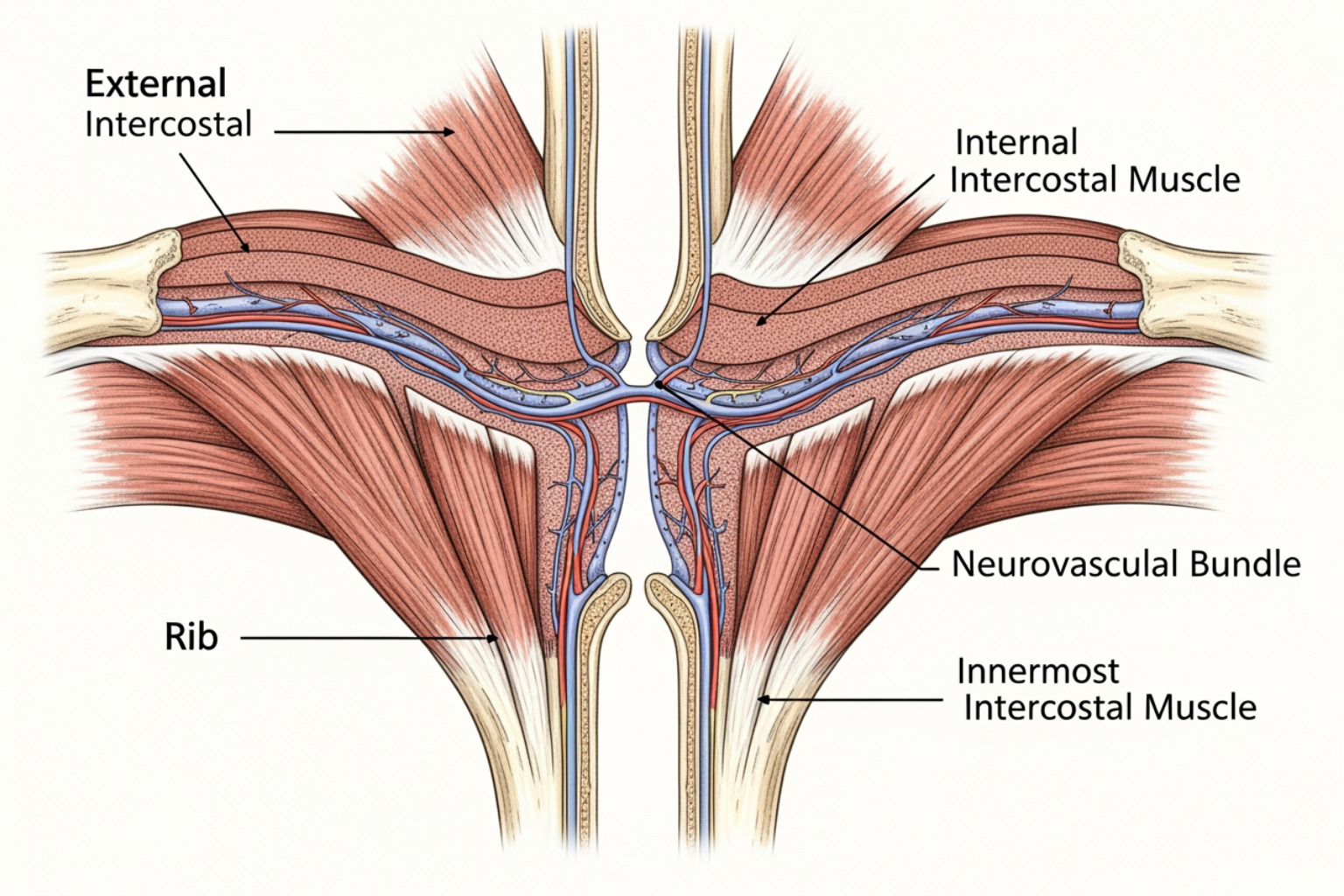
Our intercostal muscles have three layers that work together. An injury to these muscles is classified by severity. For a deeper look at chest muscle anatomy, explore the anatomy of the thorax muscles.
- External Intercostals: The outermost layer, helping you inhale by expanding the ribcage.
- Internal Intercostals: The middle layer, assisting with forceful exhalation.
- Innermost Intercostals: The deepest layer, providing additional support.
An intercostal muscle strain is graded by severity:
- Grade 1 (Mild): Minor damage to a few muscle fibers. You may feel soreness, but movement is generally fine. Recovery typically takes a few days to a week.
- Grade 2 (Moderate): More significant fiber damage, causing more pain, swelling, and limited movement. Recovery can take 3 to 7 weeks.
- Grade 3 (Severe): A complete tear or rupture of the muscle. Pain is intense, with significant swelling and bruising, making movement very difficult. Healing can take several months and may rarely require surgery.
What does intercostal muscle pain feel like?
The sensation of intercostal muscle pain can be alarming due to its location. Here’s how it is often described:
- Sharp, stabbing pain, especially with movement or deep breaths.
- A constant, dull aching or tightness in the chest wall.
- The area is often very tender to the touch.
- Pain worsens with movement like twisting, bending, or reaching.
- Taking deep breaths, coughing, sneezing, or laughing can trigger sharp pain, leading to shallow breathing.
The exact feeling depends on the strain's severity, but even a mild strain can be disruptive.
Common Causes and Symptoms of Intercostal Muscle Pain
Intercostal muscle pain typically occurs after pushing your body too hard or in an unexpected way. These strains often happen during physical activity, heavy lifting, or even awkward reaching. For more general insights, you can check out more info about muscle pain.
It's often the result of a single event, like a hard hit, or repetitive stress that wears the muscles down over time.
Key Causes of Strain
Understanding the cause can help you prevent a recurrence. Common causes include:
- Contact sports: A direct blow to the ribcage from sports like football or hockey can instantly damage these muscles.
- Twisting sports: Activities like golf, tennis, or baseball that involve forceful torso rotation put stress on intercostal muscles, especially with poor technique.
- Heavy lifting: Using improper form, especially when bending and twisting while lifting, puts tremendous strain on these muscles.
- Reaching overhead repeatedly: Actions like painting a ceiling can lead to overuse injuries as the muscles work to stabilize the ribcage.
- Intense coughing or sneezing: The sudden, forceful contraction of chest muscles during a bad cold or allergy attack can strain them.
- Poor posture: Slouching creates muscle imbalances, forcing intercostal muscles to compensate and making them vulnerable to strain.
- Dehydration: Dehydrated muscles lose elasticity and are more prone to injury under stress.
Telltale Signs and Symptoms
How do you know if it's an intercostal muscle strain? The symptoms are quite distinctive:
- Localized pain between the ribs or on the side of the chest. The pain can be a sharp, stabbing sensation or a constant, dull ache.
- Tenderness and swelling in the affected area, which may feel warm to the touch.
- Muscle tightness or spasms, where the muscles feel locked up or twitch involuntarily.
- Difficulty taking deep breaths because the stretching motion hurts. This can lead to a feeling of shortness of breath.
- Pain with coughing, sneezing, or laughing due to the sudden movement of the ribcage.
- Bruising over the injured area in more severe cases, indicating bleeding within the muscle tissue.
Recognizing these symptoms early is the first step toward managing the pain and starting your recovery.
Is It Just a Strain? Differentiating Rib Pain and Knowing When to See a Doctor
Chest or rib pain can be worrying, as it can signal various conditions. While intercostal muscle pain is a common cause, it's crucial to differentiate it from more serious issues that require immediate medical attention.
Differentiating from Other Conditions
Here’s how intercostal muscle pain compares to other conditions with similar symptoms:
- Rib Fracture: Feels similar to a strain but often involves a “popping” sound at the time of injury. The pain is typically more intense and constant. For more details, see the symptoms of a rib fracture.
- Pleurisy: This inflammation of the lung lining causes sharp pain with breathing, often accompanied by fever or a cough. The pain is not caused by a muscle injury.
- Pneumonia: This lung condition presents with chest pain plus red flags like a persistent cough, fever, and difficulty breathing even at rest.
- Heart-related pain: This is the most serious concern. It typically feels like pressure or squeezing in the center of the chest and may spread to the arm, jaw, or neck. It is often accompanied by cold sweats, nausea, or lightheadedness and does not change with movement or breathing.
This table summarizes the key differences:
| Condition | Pain Type | Onset | Key Symptoms |
|---|---|---|---|
| Intercostal Muscle Strain | Sharp, stabbing, worse with movement and breathing | Gradual or sudden after activity | Tenderness to touch, pain with twisting, coughing, or sneezing |
| Rib Fracture | Severe, constant sharp pain | Sudden, often with audible pop | Visible deformity, severe tenderness, possible bruising |
| Pleurisy | Sharp, knife-like with breathing | Gradual | Fever, dry cough, pain lessens when holding breath |
| Heart-Related Pain | Pressure, squeezing, fullness | Sudden or gradual | Radiating to arm/jaw, sweating, nausea, doesn't change with movement |
Red Flags: When to Seek Immediate Medical Help
While most cases of intercostal muscle pain are manageable at home, seek immediate medical help for these warning signs:
- Severe difficulty breathing: If you are struggling to get enough air.
- Coughing up blood: This is never normal and requires immediate evaluation.
- Chest pressure or pain that spreads: Pain radiating to your arm, jaw, neck, or back can be a sign of a heart attack.
- High fever with chest pain, which could signal a serious infection.
- Unexplained weight loss along with persistent chest pain.
- Pain that worsens or doesn't improve after a few days of rest.
Trust your instincts. If something feels wrong, seek medical advice. For confirmed muscle strains, targeted topical solutions can help. You can explore options like the best pain relief creams for muscle pain to support your recovery.
Your Cheat Sheet for Intercostal Muscle Pain Relief
When intercostal muscle pain makes every breath painful, you need immediate relief. Proven strategies, from at-home care to targeted topical solutions, can ease your discomfort. Here's what works.
Immediate At-Home Care (First 48-72 Hours)
The first few days are critical for reducing inflammation and starting the healing process. Here’s how to support your body's recovery:
- Rest: This is non-negotiable. Avoid heavy lifting, twisting, and any activity that causes pain to prevent further injury and shorten recovery time.
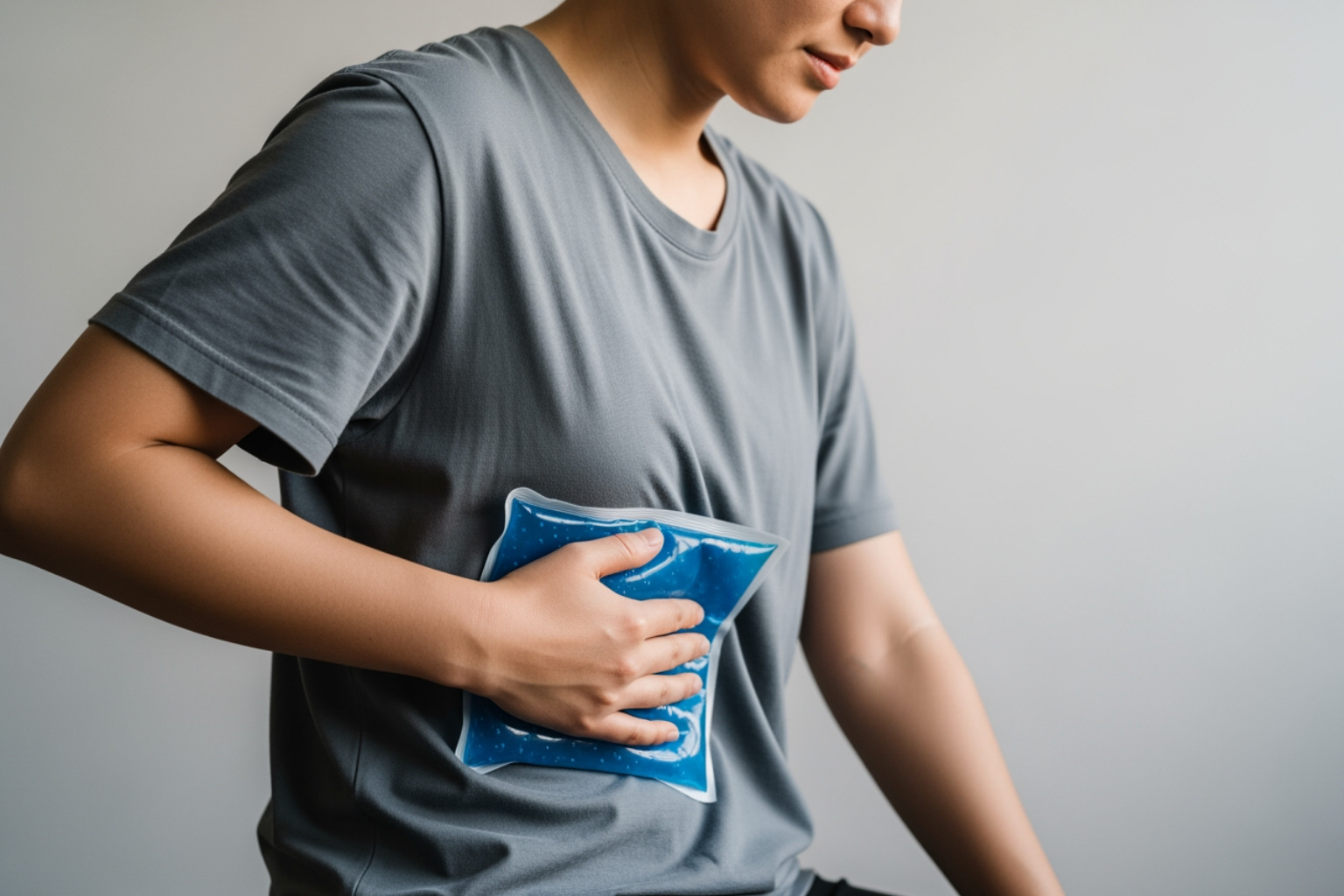
- Ice: For the first 48-72 hours, apply an ice pack wrapped in a towel for 15-20 minutes at a time to reduce inflammation and numb the pain.
- Heat: After three days, switch to a heating pad or warm bath to relax tight muscles and improve blood flow, which aids healing.
- Pillow Splinting: Hold a firm pillow against the injured area when you cough or sneeze to provide support and reduce sharp pain.
- Gentle Movement: Once the worst pain subsides, slow, careful movements within your comfort zone can prevent stiffness. Stop if you feel pain.
- Controlled Breathing: Taking slower, more shallow breaths can minimize ribcage movement. However, if you cannot take a deep breath at all, call your doctor.
Targeted Relief with Neuropasil
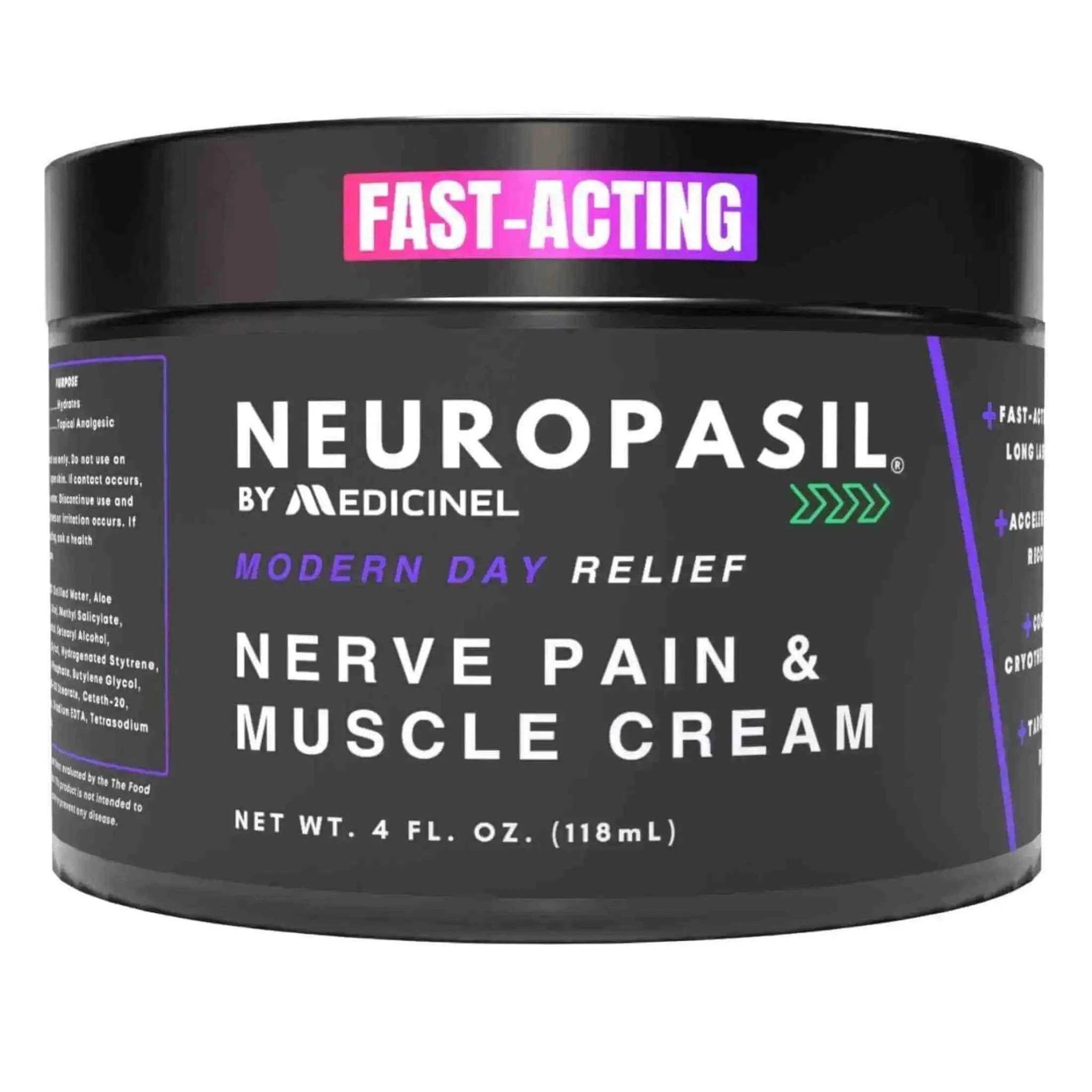
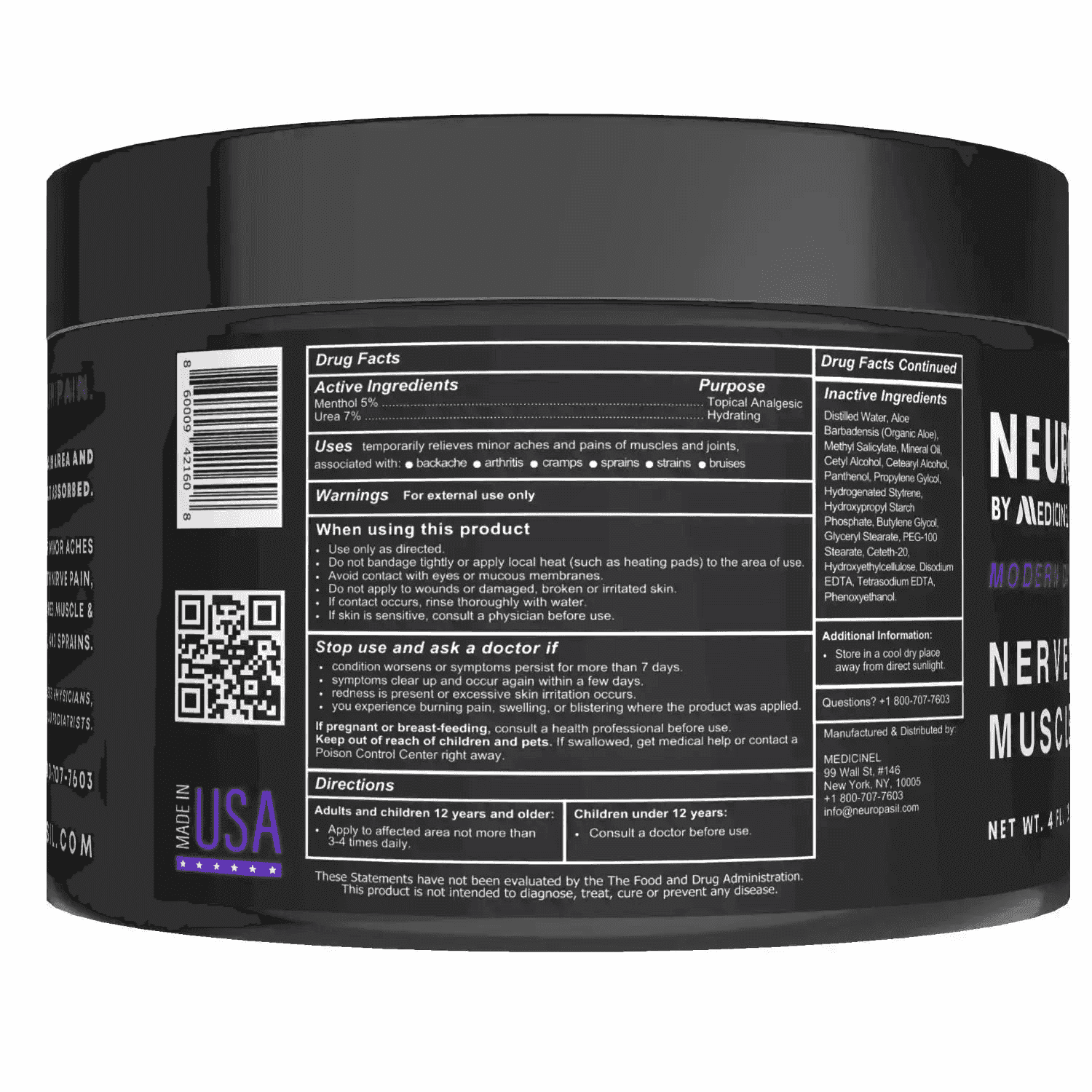
For fast-acting, targeted comfort from intercostal muscle pain, we created Neuropasil Nerve Pain Relief Cream. It's formulated to address both muscle and nerve pain, because we know the discomfort is real, and you deserve relief that works.
Our formula combines powerful natural ingredients. Menthol provides an immediate cooling sensation for temporary analgesic relief. Aloe soothes irritated tissue with its anti-inflammatory properties. Urea helps these active ingredients penetrate deeper to reach the muscles that need them most.
Athletes and loyal customers use Neuropasil for strains, sprains, and muscle soreness. Simply apply it directly to the painful area for soothing relief that lets you get back to your day. For anyone dealing with muscle pain, a reliable topical solution is essential.
If you're ready for targeted comfort, check out our nerve pain relief cream. You can also learn about the best pain relief creams for muscle pain to understand what makes a treatment effective.
The Role of Physical Therapy in Recovery
Once the sharp pain eases, physical therapy is key for a full recovery and preventing recurrence. A physical therapist can guide you through:
- Breathing Exercises: A therapist can teach you diaphragmatic (belly) breathing to restore full breaths without stressing the healing muscles.
- Gentle Stretching: Guided side bends and torso rotations can improve flexibility and range of motion without causing pain.
- Core Strengthening: A strong core (abs, obliques, lower back) supports your ribcage and takes pressure off your intercostal muscles. Exercises may include modified planks or wall push-ups.
- Posture Correction: A therapist can assess your posture and provide exercises to improve alignment, addressing a common root cause of strains.
Professional guidance ensures you are progressing safely. Learn more about our natural approach by exploring our ingredients.
Recovery Timeline and Preventing Future Strains
When dealing with intercostal muscle pain, you want to know how long recovery will take and how to prevent it from recurring. Understanding the healing process and adopting prevention techniques like proper warm-ups, good form, and core strengthening is key.
Typical Recovery Time for intercostal muscle pain
Most cases of intercostal muscle pain heal, but the timeline depends on the strain's severity:
- Mild strains (Grade 1) often feel better within a few days to a week.
- Moderate strains (Grade 2) usually require 3 to 7 weeks for recovery.
- Severe strains (Grade 3), or complete tears, can take several months to heal.
A general healing timeframe for rib injuries is often estimated at around 6 weeks. However, always listen to your body and avoid rushing the recovery process to prevent re-injury. For a general overview of muscle strains, see this guide from Harvard Health here.
How to Prevent Intercostal Muscle Strains
Preventing another strain is the best strategy. Incorporate these habits to lower your risk:
- Warm-up properly: Always include dynamic stretching before physical activity, especially for movements involving the torso, to prepare your muscles.
- Strengthen your core: A strong core provides vital support for your ribcage. Incorporate exercises like planks, bridges, and yoga.
- Use proper form: When lifting, avoid twisting and engage your core to protect your back and ribs.
- Avoid overexertion: Increase the intensity and duration of activities gradually. Listen to your body’s limits.
- Maintain good posture: Be mindful of how you sit and stand to avoid putting unnecessary stress on your intercostal muscles.
- Stay hydrated: Well-hydrated muscles are more elastic and less prone to injury.
- Take frequent breaks: If your routine involves repetitive movements, get up and stretch regularly to prevent muscles from getting stiff.
By being proactive, you can keep your intercostal muscles healthy. For targeted comfort, explore how our natural ingredients support muscle health on our ingredients page.
Conclusion
You now have the knowledge to understand and manage intercostal muscle pain. These small but vital muscles work with every breath, and when injured, the pain is significant. The good news is that recovery is achievable with the right steps.
Your path to feeling better begins with listening to your body. Rest, use ice then heat, and move gently. Give yourself permission to heal at your own pace, as pushing through pain can make things worse.
When you need extra comfort, targeted relief can be a game-changer. That's why we created Neuropasil Nerve Pain Relief Cream—to give you fast-acting, soothing support right where you need it. Our natural formula with menthol, aloe, and urea is designed to help you get back to doing what you love.
Remember the red flags: if you experience severe breathing difficulties, chest pressure, or radiating pain, seek medical attention immediately. Your health is the top priority.
Physical therapy can aid recovery, while prevention strategies—like proper warm-ups, core strengthening, and good posture—will help keep you pain-free long-term.
You don't have to live with pain. With patience, proper care, and the right support, you can breathe easy again. We're here to help you on your journey back to comfort.
Want more helpful tips? Read our blog for more tips and join our community.
References
This article draws upon credible medical sources to provide accurate information about intercostal muscle pain. The following resources were consulted to ensure the advice shared is trustworthy and to allow for further exploration.
- Anatomy & Physiology: Tang, A., & Tang, S. (2023). Anatomy, Thorax, Muscles - StatPearls. National Center for Biotechnology Information.
- Differentiating Injuries: Kuo, K., & Tadi, P. (2023). Rib Fracture - StatPearls. National Center for Biotechnology Information.
- Muscle Strain Recovery: Shmerling, R. H. (2023). Muscle strain - Harvard Health. Harvard Health Publishing.
- Symptoms & Treatment: Morrison, W. (2020). Intercostal muscle strain: Signs, treatments, and remedies. Medical News Today.
- Recovery Timelines: University Hospitals Sussex NHS Foundation Trust (2023). Rib injury.
- Causes & Diagnosis: Spine-health (2017). Causes of Intercostal Muscle Strain and Intercostal Muscle Strain Symptoms and Diagnosis.
- Medical Overviews: Osmosis (n.d.). Intercostal Muscle Strain: What Is It, Causes, Signs, Symptoms, and MSK Doctors (n.d.). Intercostal Muscle Strain: Causes, Symptoms, and Effective Treatment.
- Related Conditions: NIH (2023). Intercostal Neuralgia, and StatPearls Publishing (2025). Intercostal Neuralgia.
- Posture & Pain Management: Health Harvard (2020). 4 ways to turn good posture into less back pain, and National Health Service (NHS) (2024). Broken or bruised ribs.
- Clinical & Diagnostic Info: Stanford Medicine (n.d.). Pulmonary exam: Percussion and inspection, RSNA (2021). US-guided musculoskeletal interventions of the body wall and core with MRI and US correlation, Pain Doctor (n.d.). Coping With Middle Back Pain When Breathing, and livsstilsresepten.no (n.d.). Intercostal Myalgia: Symptoms, Causes and Treatment.