Why Understanding Leg Muscles Pain Reason Matters
The leg muscles pain reason can range from simple overuse to serious medical conditions. While most leg pain results from wear and tear or muscle strain, it can also stem from poor circulation, nerve compression, inflammatory conditions, or nutrient deficiencies.
Quick Answer: Common Reasons for Leg Muscle Pain
- Muscle strains and cramps - overuse, DOMS, dehydration
- Tendon and ligament injuries - tendinitis, shin splints, sprains
- Dehydration and nutrient deficiencies - low electrolytes, vitamins
- Poor blood flow - PAD, DVT, varicose veins
- Nerve compression - sciatica, herniated discs, neuropathy
- Inflammatory conditions - arthritis, gout
- Less common issues - infections, bone conditions, medication side effects
The pain can range from a dull ache to a sharp, debilitating sensation. Understanding the root cause is the first step toward finding effective relief.
As someone who has worked with athletes and individuals managing chronic pain, I know that identifying the correct leg muscles pain reason transforms the path to recovery. This guide will help you recognize what's causing your discomfort and when to seek help.
Related content about leg muscles pain reason:
Common Musculoskeletal Reasons: Overuse, Injury, and Imbalances
The most frequent causes of leg pain are issues affecting the muscles, tendons, and ligaments, often linked to physical activity. Understanding these common and manageable musculoskeletal reasons is crucial.
#1: Muscle Strains and Cramps
The familiar ache after an intense workout is often Delayed Onset Muscle Soreness (DOMS). While uncomfortable, DOMS is a normal response to new or strenuous exercise as your muscles adapt, and it typically resolves within a few days.
A muscle strain is a more immediate pain that happens when muscle fibers are overstretched or torn, leading to tenderness and sometimes swelling. It can occur suddenly or develop from repetitive stress.
A charley horse is a sudden, involuntary, and painful muscle contraction, often triggered by muscle fatigue from prolonged activity.
Symptoms of strains and cramps include aching, stiffness, sharp pain, and tenderness. This is a very common leg muscles pain reason, usually caused by new or intense exercise routines.
For more detailed information on treating these common muscle pains, check out our guide on muscle pain.
#2: Tendon and Ligament Injuries
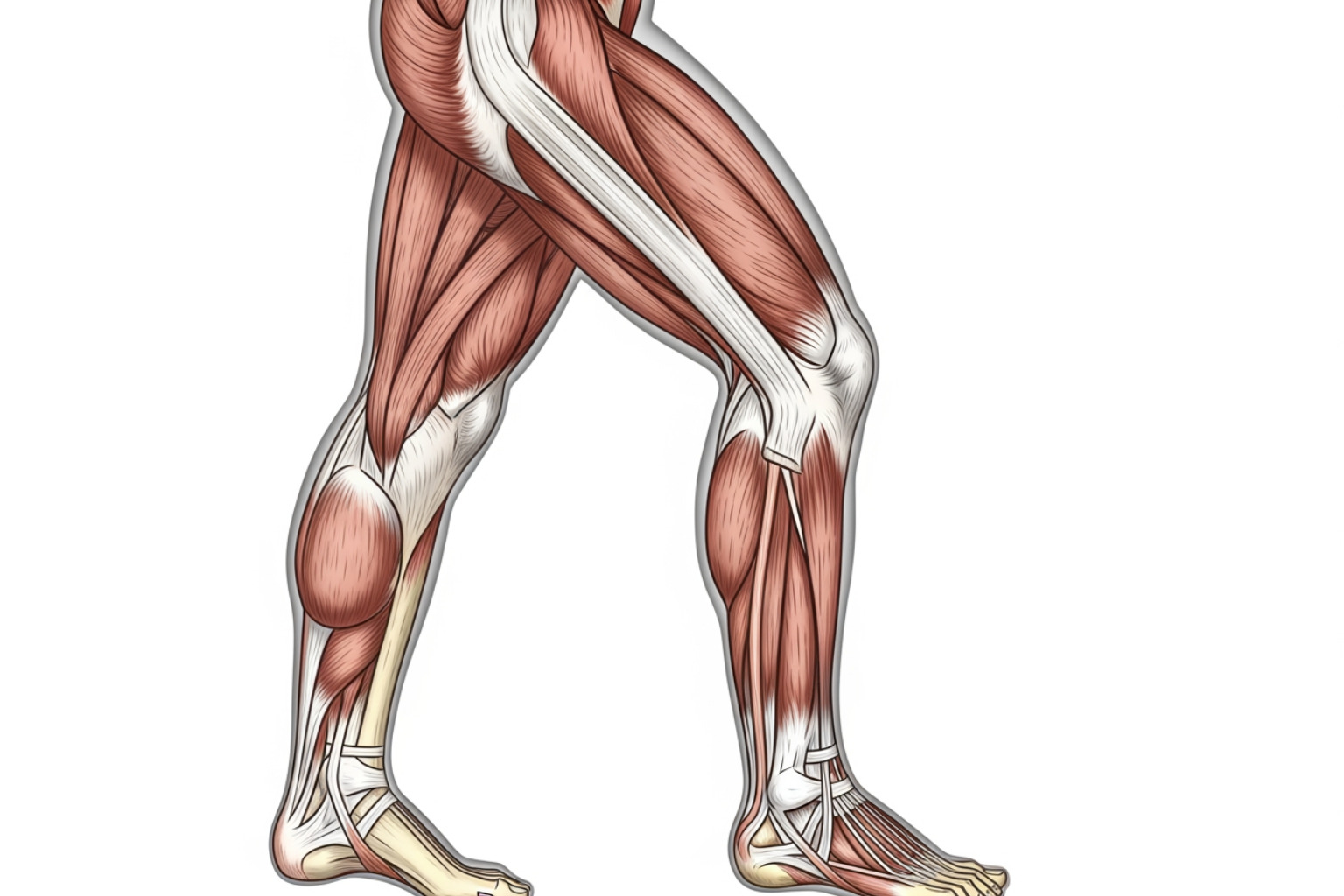
Connective tissues are another significant source of discomfort. Tendons connect muscles to bones, while ligaments connect bones to other bones.
Tendinitis is the inflammation of a tendon from overuse. A classic example is Achilles tendinitis, causing pain and stiffness in the back of the heel. Symptoms include pain with movement, swelling, and tenderness near the joint.
Shin splints (Medial Tibial Stress Syndrome) cause pain along the inner edge of the shinbone. This is common in runners and results from inflammation of the muscles and tissues along the tibia, often due to rapid increases in training intensity.
Sprains involve stretching or tearing ligaments, typically around the ankle or knee, from sudden twists or impacts. Symptoms include pain, swelling, bruising, and limited mobility.
These injuries are frequently caused by repetitive motion or sudden twists that stress these vital connective tissues.
#3: Dehydration and Nutrient Deficiencies
Sometimes the leg muscles pain reason isn't an injury but an internal deficiency. Dehydration is a common culprit for muscle cramps, as it leads to electrolyte imbalances that disrupt muscle function.
Electrolytes like potassium, calcium, and magnesium are vital for muscle contraction and relaxation. A deficiency in any of these can lead to cramps and spasms. Low potassium affects nerve impulses, while insufficient magnesium disrupts muscle relaxation. A Vitamin D deficiency has also been linked to muscle weakness and pain.
Symptoms often present as muscle cramps, weakness, or spasms. Staying hydrated and ensuring a balanced intake of these nutrients can make a significant difference.
Scientific research supports this connection, showing that proper water intake and electrolyte balance are key to preventing cramps.
Deeper Issues: Vascular and Nerve-Related Leg Pain
Sometimes, leg pain originates not from the muscles, but from deeper issues with blood vessels or nerves. Blood vessels deliver oxygen, and nerves send signals; disruptions in either system can cause pain that feels muscular but is actually a sign of a more systemic problem.
#4: Poor Blood Flow (Vascular Problems)
Compromised blood flow is a significant but often unrecognized leg muscles pain reason.
Peripheral Artery Disease (PAD) occurs when plaque buildup narrows arteries, restricting blood flow to the legs. The hallmark symptom is claudication: cramping or pain during activity (like walking) that subsides with rest. This happens because muscles aren't getting enough oxygen.
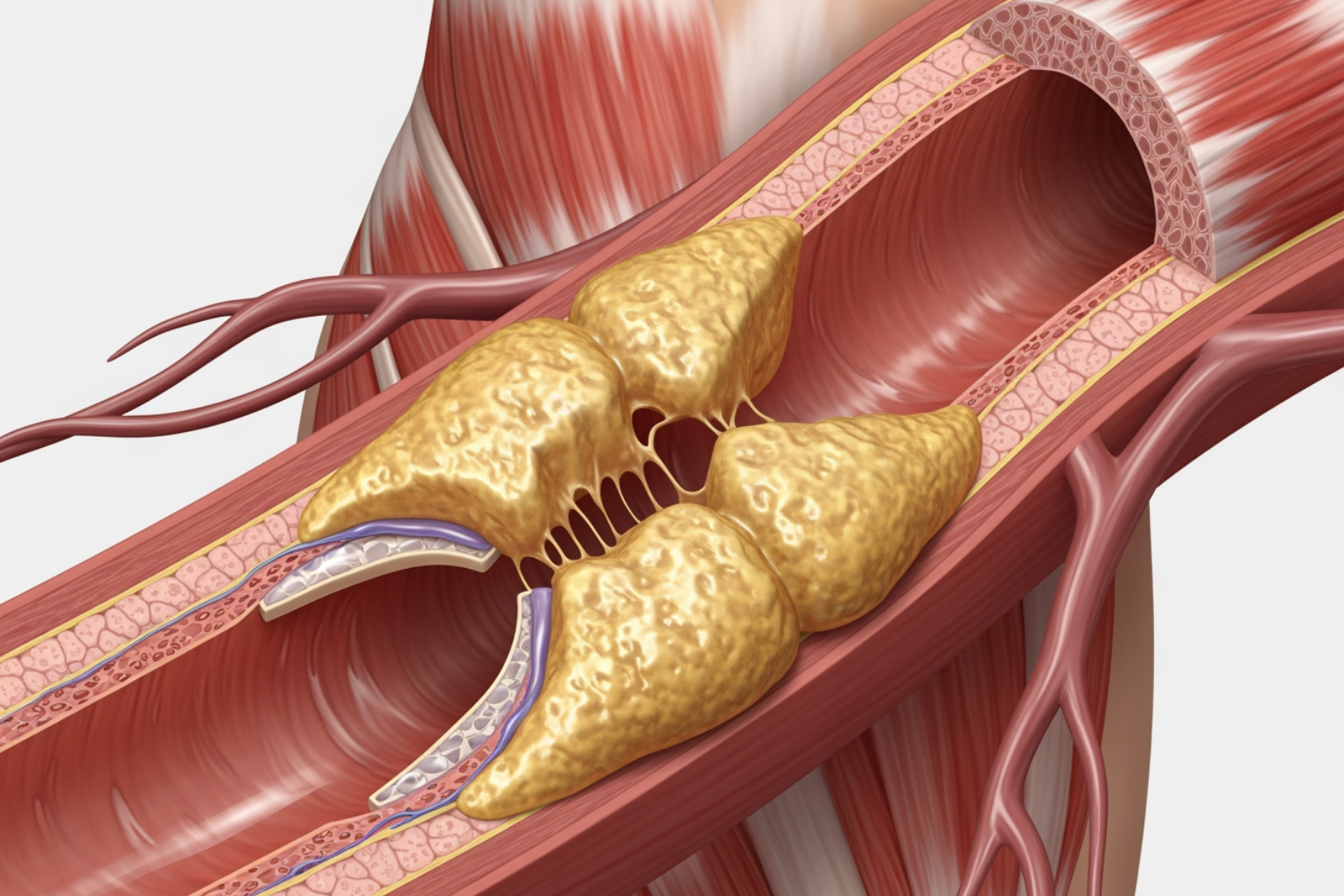
Deep Vein Thrombosis (DVT) is a serious condition where a blood clot forms in a deep leg vein. Symptoms include pain, swelling, redness, and warmth in one leg. DVT requires immediate medical attention, as a clot can travel to the lungs and be life-threatening.
Varicose veins, the twisted, bulging veins under the skin, can cause a persistent aching, heavy, or throbbing sensation in the legs. This discomfort often worsens after standing for long periods as blood pools in the weakened veins.
#5: Nerve Compression and Damage
Nerve compression or damage can cause intense pain and is a frequent, often misdiagnosed, leg muscles pain reason.
Sciatica occurs when the sciatic nerve, which runs from the lower back down the leg, is compressed or irritated by a herniated disk or spinal stenosis. This causes sharp, shooting pain, burning, tingling, or numbness that radiates down the leg.
Peripheral neuropathy involves damage to the peripheral nerves, often caused by diabetes, infections, or injuries. It can cause tingling, numbness, burning pain, or muscle weakness in the legs, often starting in the feet and moving upward.
Herniated disks and spinal stenosis both put pressure on nerve roots in the spine. A herniated disk is a bulging or ruptured cushion between vertebrae, while spinal stenosis is a narrowing of the spinal canal. Both can send pain signals down the legs.
Nerve pain often doesn't respond to typical muscle pain treatments. For targeted relief from nerve-related leg pain, many people find comfort using our nerve pain relief cream, which is specifically formulated to address nerve discomfort with natural ingredients.
Systemic Conditions as a Leg Muscles Pain Reason
Sometimes, leg aches signal a deeper, systemic health condition affecting your joints and muscles. These conditions affect multiple parts of the body and require a different approach to find lasting relief.
#6: Inflammatory Conditions like Arthritis and Gout
When inflammation becomes chronic, it becomes a significant leg muscles pain reason.
Osteoarthritis (OA) is the "wear and tear" of joint cartilage, commonly affecting the knees, hips, and ankles. Pain worsens with activity and improves with rest. Morning stiffness is common but usually eases within 30 minutes.
Rheumatoid Arthritis (RA) is an autoimmune condition where the body attacks joint linings. It is often symmetrical (affecting both knees, for example) and causes prolonged morning stiffness (over an hour), fatigue, and general malaise in addition to joint pain and swelling.
Gout causes sudden, intense attacks of pain, swelling, redness, and warmth in a joint, often the big toe. These attacks are caused by the buildup of uric acid crystals.
Here's a helpful comparison of how osteoarthritis and rheumatoid arthritis differ in the legs:
| Feature | Osteoarthritis (OA) | Rheumatoid Arthritis (RA) |
|---|---|---|
| Cause | "Wear and tear" of cartilage | Autoimmune disease attacking joint lining |
| Onset | Gradual | Often sudden |
| Affected Joints | Typically large, weight-bearing joints (knees, hips) | Often small joints (hands, feet), symmetrical |
| Morning Stiffness | Less than 30 minutes | More than 30 minutes |
| Symptoms | Pain worsens with activity, improves with rest, stiffness | Pain, swelling, warmth, fatigue, can affect other organs |
| Progression | Slow, progressive | Can be rapid, with periods of flare-ups and remission |
#7: Less Common but Serious Medical Issues
Some less common but serious conditions can cause leg pain and require prompt medical attention.
Infections can be a hidden leg muscles pain reason. Cellulitis is a bacterial skin infection causing swelling, redness, and heat. More serious is osteomyelitis, a bone infection causing deep, aching pain, fever, and swelling.
Bone conditions, including rare tumors, can cause persistent leg pain that often worsens at night and doesn't respond to typical pain relief. Unexplained weight loss or a palpable lump are red flags to discuss with your doctor.
Statin-induced myopathy is a side effect of some cholesterol-lowering medications (statins) that can cause muscle pain or weakness. If you take statins and experience new leg pain, talk to your healthcare provider. You can learn more from the Cleveland Clinic's information on statin-related muscle pain. Never stop medication without consulting your doctor.
If your leg pain comes with fever, unexplained weight loss, or pain that worsens at night, seek professional medical evaluation.
How to Manage Leg Pain and When to See a Doctor
Understanding the leg muscles pain reason is the first step, but knowing how to respond is equally important. Many types of leg pain respond to home care, but recognizing when to seek professional help is key.
Immediate Home Care for Mild Pain
For mild leg pain from overuse or minor strains, the R.I.C.E. method is an effective first step.
Rest your leg muscles to allow tissues to heal. Ice the affected area for 15-20 minutes at a time, several times a day, to calm inflammation (never apply ice directly to skin). Compression with an elastic bandage can help manage swelling. Elevation of your leg above heart level helps reduce swelling.
Beyond R.I.C.E., gentle stretching can alleviate cramps and improve flexibility. Staying well-hydrated is also crucial, as dehydration is a common cause of muscle cramps.
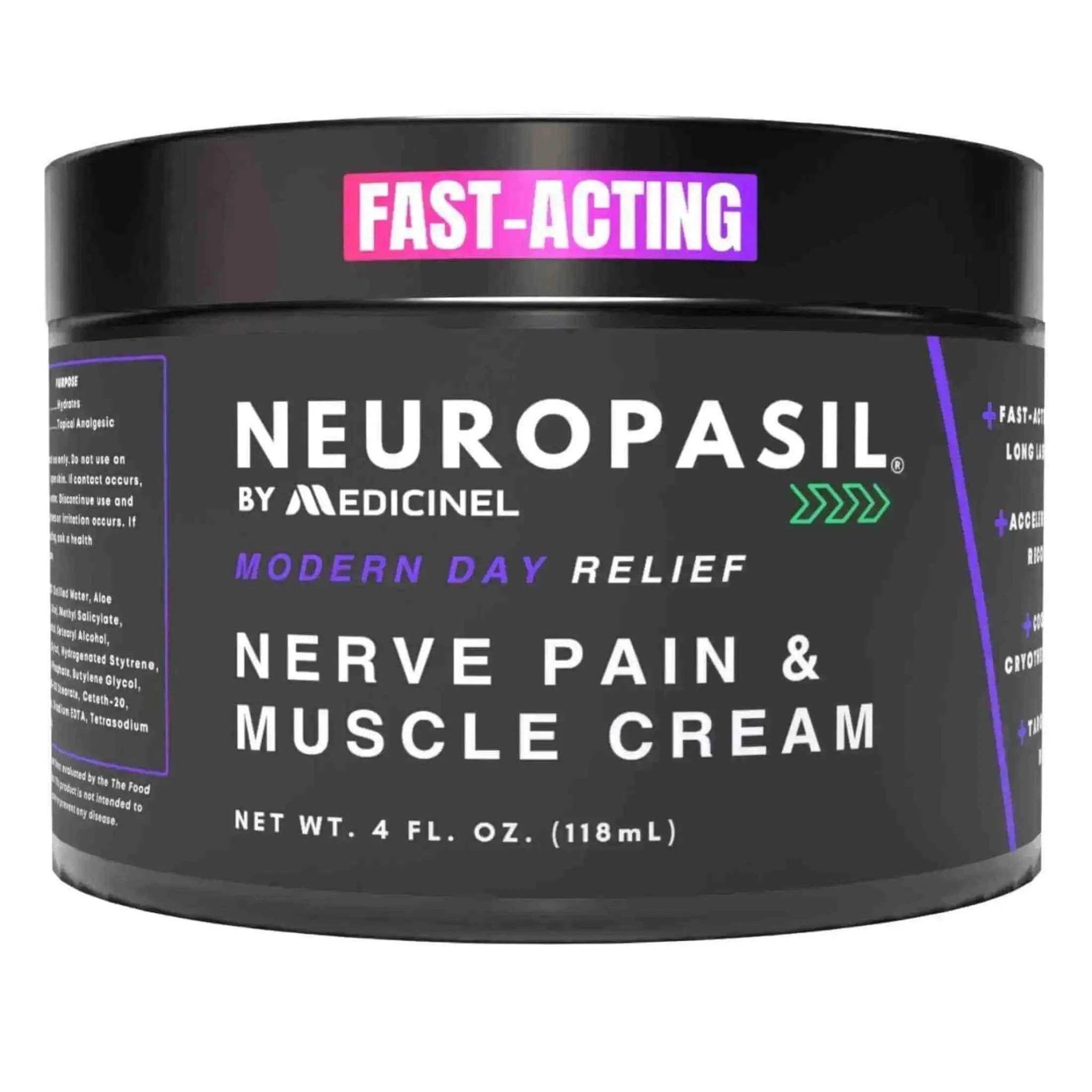
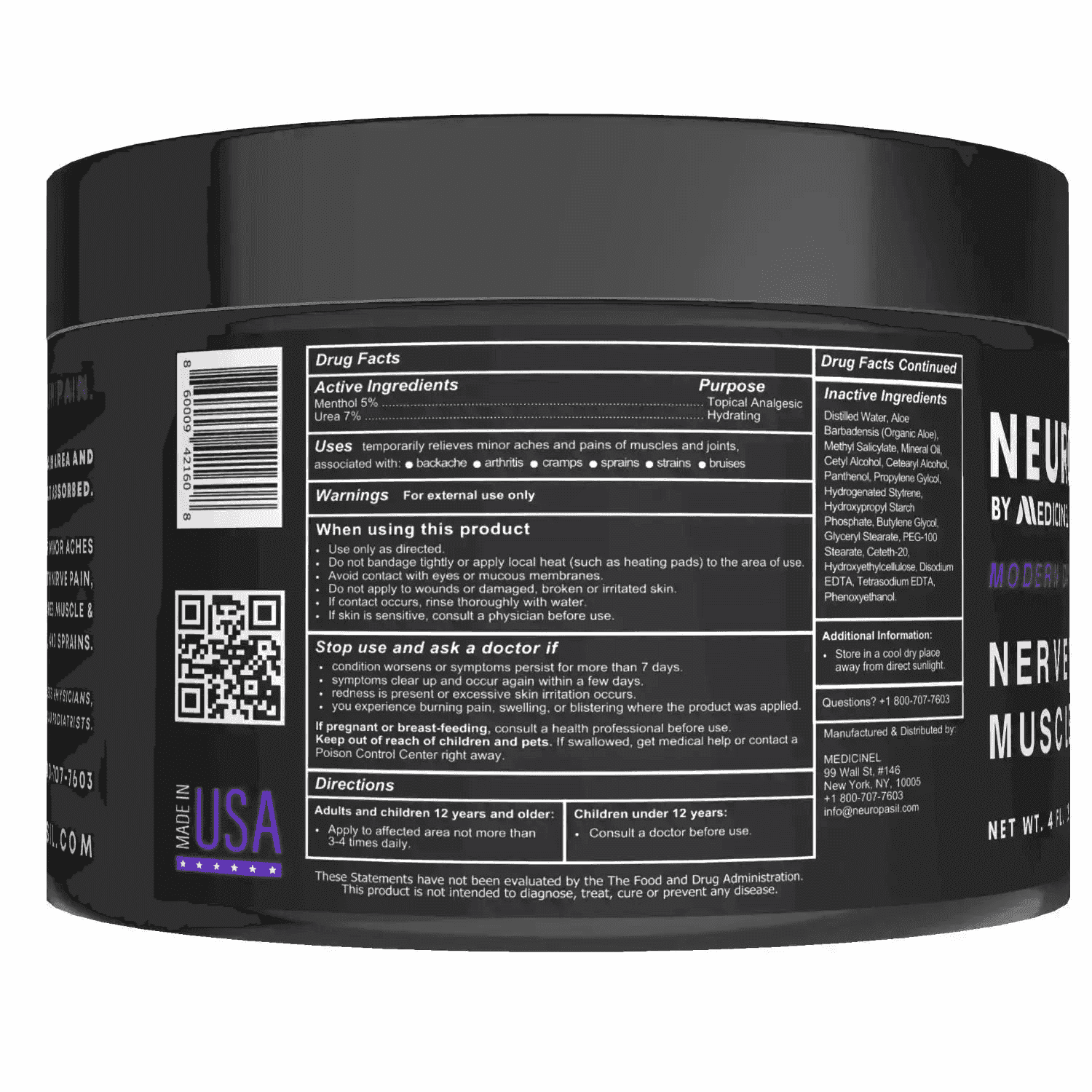
For targeted, soothing relief from minor aches and pains, many people find topical pain relief creams helpful. Our Neuropasil cream is formulated with natural ingredients like Menthol and Aloe to deliver fast-acting comfort. You can explore more options in our guide to the best pain relief creams for muscle pain.
When to Seek Medical Attention
While home care is effective for mild pain, certain "red flag" symptoms require a doctor's attention.
Severe pain or the inability to bear weight on your leg could indicate a serious injury like a fracture. Signs of infection like fever, increasing redness, or warmth also need prompt medical care.
Sudden, unexplained swelling in just one leg is an urgent symptom that could indicate a deep vein thrombosis (DVT), a medical emergency. Similarly, if your leg is cold, pale, or changes color, especially with numbness, it suggests a severe blood flow problem that needs immediate attention.
Pain that doesn't improve with home care after a few days deserves a professional evaluation. Also, pain that worsens with activity and improves with rest can signal Peripheral Artery Disease (PAD).
Finally, leg pain accompanied by numbness, tingling, or weakness points toward potential nerve issues like sciatica. If something feels significantly wrong, consult a healthcare professional for an accurate diagnosis and treatment plan.
Frequently Asked Questions about Leg Muscle Pain
How do I know if my leg pain is serious?
Serious leg pain often comes with "red flag" symptoms. Seek immediate medical attention if you experience any "red flag" symptoms like an inability to walk or bear weight, a visible deformity, a leg that is cold or pale, or signs of infection (fever, redness). Sudden, severe swelling in just one leg could mean a blood clot (DVT) and is a medical emergency.
Pain that worsens with activity but improves with rest might point to circulation issues like Peripheral Artery Disease. If home treatments don't help after several days, or the pain worsens, it's time to call your healthcare provider in New York City. Trust your instincts; if you feel something is seriously wrong, get it checked out.
Can stress cause leg muscle pain?
Yes. Chronic stress causes muscles to remain tense, which can lead to aches, pains, and cramps in the legs. Stress also increases inflammatory hormones like cortisol, which can heighten your perception of pain.
Stress management techniques like exercise, deep breathing, and getting enough sleep can help relax tense muscles. Combining these practices with a topical cream like Neuropasil can address both the physical symptoms and the underlying stress component.
What deficiency causes leg muscle pain?
Deficiencies in key minerals and vitamins are a common leg muscles pain reason. The most common culprits are magnesium, potassium, calcium, and Vitamin D.
Electrolytes are crucial for muscle function, and a Vitamin D deficiency is linked to muscle weakness and aching. These deficiencies can result from an unbalanced diet or heavy sweating without replacing electrolytes.
Eating a varied diet, staying hydrated, and getting adequate sunlight can help. If you suspect a deficiency, talk to your doctor about testing and potential supplementation.
Conclusion: Understanding Your Leg Pain
We've explored the many potential causes of leg pain, from simple muscle strains to more complex vascular, nerve, and systemic conditions. The leg muscles pain reason can vary widely, which is why understanding the source of your discomfort is so important.
A key takeaway is learning to distinguish between minor aches manageable at home and red flag symptoms that demand medical attention. Persistent pain, sudden swelling in one leg, or pain accompanied by fever are all signs your body is asking for professional help.
For many of the muscle and nerve-related causes of leg pain, targeted relief can significantly improve your daily comfort. Neuropasil was created with natural ingredients like Menthol and Aloe to provide fast-acting, soothing relief right where you need it. Whether you're dealing with sore muscles, neuropathy, or general aches, our cream works to help you move more freely.
Many customers in New York City and beyond have found relief using our natural formula. The carefully selected ingredients provide cooling comfort and support your body's healing process. Explore our ingredients to see how each one can help you find the relief you need.
Understanding your leg muscles pain reason is the first step. Listen to your body, don't ignore persistent pain, and know that you have options for managing your discomfort and getting back to the life you love.
References
Throughout this guide, we've drawn on trusted medical sources and scientific research to help you understand the various leg muscles pain reason possibilities. We believe in transparency and want you to have access to the same credible information we've used.
- American Academy of Orthopaedic Surgeons (AAOS). (n.d.). Herniated Disk in the Lower Back. OrthoInfo. Retrieved from https://orthoinfo.aaos.org/en/diseases--conditions/herniated-disk-in-the-lower-back/
- American Cancer Society. (n.d.). Signs and Symptoms of Bone Cancer. Retrieved from https://www.cancer.org/cancer/types/bone-cancer/detection-diagnosis-staging/signs-symptoms.html
- The American Institute of Stress. (n.d.). Stress Effects on the Body. Retrieved from https://www.stress.org/stress-effects-on-the-body
- Centers for Disease Control and Prevention (CDC). (n.d.). Deep Vein Thrombosis (DVT). Retrieved from https://www.cdc.gov/ncbddd/dvt/facts.html
- Centers for Disease Control and Prevention (CDC). (n.d.). Gout. Arthritis. Retrieved from https://www.cdc.gov/arthritis/basics/gout.html
- Centers for Disease Control and Prevention (CDC). (n.d.). Osteoarthritis (OA). Arthritis. Retrieved from https://www.cdc.gov/arthritis/basics/osteoarthritis.htm
- Centers for Disease Control and Prevention (CDC). (n.d.). Rheumatoid Arthritis (RA). Arthritis. Retrieved from https://www.cdc.gov/arthritis/basics/rheumatoid-arthritis.htm
- Cleveland Clinic. (2022, October 17). Statin Muscle Pain: Is It Real? Health Essentials. Retrieved from https://health.clevelandclinic.org/statin-muscle-pain
- Cleveland Clinic. (n.d.). Leg Pain: When to Call the Doctor. Retrieved from https://my.clevelandclinic.org/health/symptoms/17678-leg-pain/when-to-call-the-doctor
- Cleveland Clinic. (n.d.). Vitamin D Deficiency. Retrieved from https://my.clevelandclinic.org/health/diseases/15050-vitamin-d-deficiency
- Johns Hopkins Medicine. (n.d.). Varicose Veins. Health. Retrieved from https://www.hopkinsmedicine.org/health/conditions-and-diseases/varicose-veins
- Mayo Clinic. (n.d.). Leg pain: When to see a doctor. Symptoms. Retrieved from https://www.mayoclinic.org/symptoms/leg-pain/basics/when-to-see-doctor/sym-20050784
- Mayo Clinic. (n.d.). Osteomyelitis. Diseases & Conditions. Retrieved from https://www.mayoclinic.org/diseases-conditions/osteomyelitis/symptoms-causes/syc-20375913
- Mayo Clinic. (n.d.). Sciatica. Diseases & Conditions. Retrieved from https://www.mayoclinic.org/diseases-conditions/sciatica/symptoms-causes/syc-20377435
- Mayo Clinic. (n.d.). Shin splints. Diseases & Conditions. Retrieved from https://www.mayoclinic.org/diseases-conditions/shin-splints/symptoms-causes/syc-20354105
- Mayo Clinic. (n.d.). Spinal stenosis. Diseases & Conditions. Retrieved from https://www.mayoclinic.org/diseases-conditions/spinal-stenosis/symptoms-causes/syc-20352961
- Mayo Clinic. (n.d.). Sprains: First aid. Retrieved from https://www.mayoclinic.org/first-aid/first-aid-sprains/basics/art-20056622
- MedlinePlus. (n.d.). Leg pain. Retrieved from https://medlineplus.gov/ency/article/003182.htm
- National Center for Biotechnology Information (NCBI). (2019). Water intake after dehydration makes muscles more susceptible to cramp but electrolytes reverse that effect. PMC. Retrieved from https://www.ncbi.nlm.nih.gov/pmc/articles/PMC6407543/
- National Heart, Lung, and Blood Institute (NHLBI). (n.d.). Peripheral Artery Disease. Health. Retrieved from https://www.nhlbi.nih.gov/health/peripheral-artery-disease
- National Health Service (NHS). (n.d.). Cellulitis. Conditions. Retrieved from https://www.nhs.uk/conditions/cellulitis/
- National Institute of Neurological Disorders and Stroke (NINDS). (n.d.). Peripheral Neuropathy. Health Information. Retrieved from https://www.ninds.nih.gov/health-information/disorders/peripheral-neuropathy