Why Psoas Muscle Pain Relief Matters for Your Daily Movement
Psoas muscle pain relief is essential for anyone with deep lower back discomfort, hip stiffness, or radiating leg pain. The psoas, a core hip flexor connecting your spine to your thigh, often becomes tight from prolonged sitting, overuse, or poor posture. This can affect your ability to walk, stand, or sit comfortably.
When this deep muscle becomes strained, it can mimic hip problems and limit your mobility. Fortunately, psoas issues typically resolve within 1-2 months with the right approach, which includes:
- Rest and modifying activities
- Applying ice or heat
- Using topical pain relief creams
- Performing gentle stretches
- Strengthening your core and glutes
I'm Tony Enrico, and I've helped thousands find psoas muscle pain relief. My mission is to provide you with practical, science-backed solutions to restore your comfort and freedom of movement.
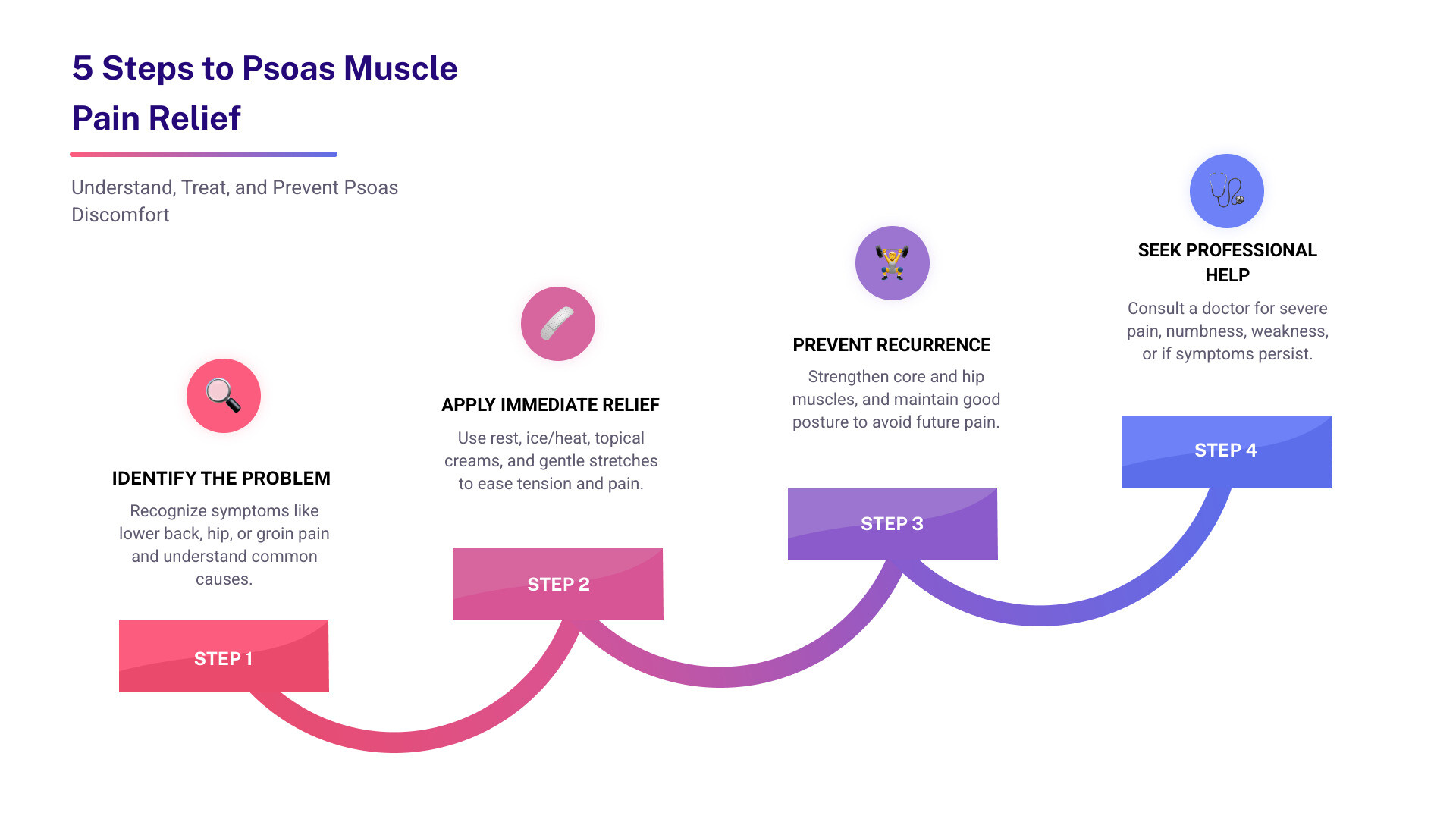
Basic psoas muscle pain relief vocab:
Step 1: Identify the Symptoms and Causes of Psoas Pain
The journey to psoas muscle pain relief begins with understanding this deep core muscle. The psoas (pronounced "SO-ezz") is part of the iliopsoas complex, stretching from your lower back vertebrae, over the pelvis, and attaching to your thigh bone. Think of it as the bridge between your upper and lower body.
Your psoas is crucial for lifting your knee toward your chest, stabilizing your lower spine, and keeping your hip joint mobile. For a deeper dive, check out An overview of the psoas muscles.
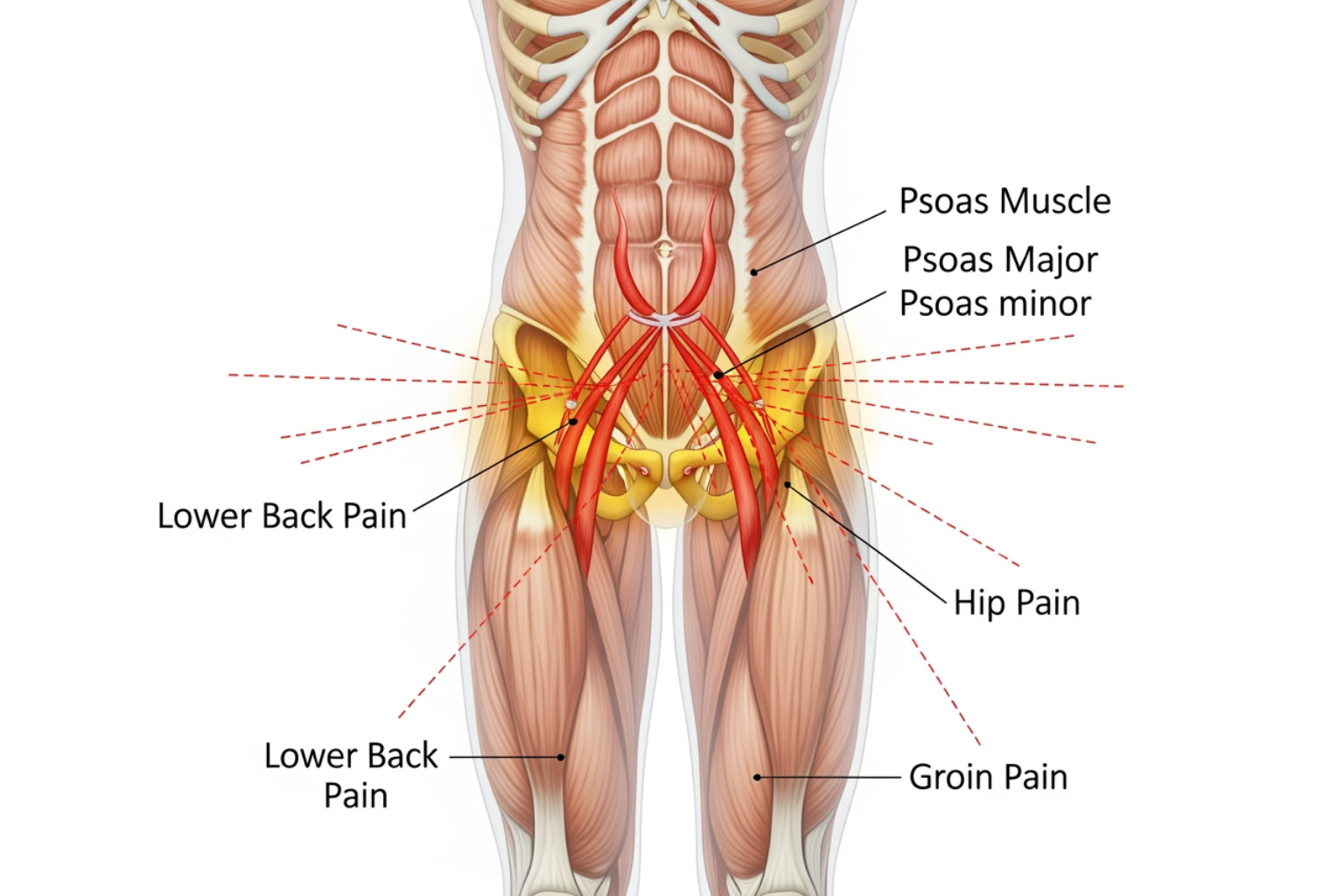
So, what causes this hardworking muscle to become painful? Common causes include (Next Level Urgent Care):
- Prolonged Sitting: Spending hours at a desk or in a car keeps the psoas in a shortened, contracted position, leading to tightness and stiffness.
- Overuse: Athletes like runners, cyclists, and dancers who repeatedly flex their hips can strain or inflame the psoas, a condition known as psoas tendonitis.
- Poor Posture & Weak Core: Slouching or arching your back puts stress on the psoas. When weak core muscles don't provide enough support, the psoas works overtime to stabilize the spine.
- Acute Injury: A sudden awkward movement, heavy lifting with bad form, or a fall can directly strain the muscle.
How do you know if your psoas is the culprit? The symptoms can be varied and are often misdiagnosed. Look for these common signs of psoas syndrome (Dydyk & Sapra, 2022):
- A deep, dull ache in your lower back, often worse when standing up after sitting.
- Pain in the front of your hip or groin, sometimes with a "catching" sensation.
- Discomfort that radiates down your leg, into your pelvis, or buttocks.
- Difficulty standing up straight, limping, or a reduced range of motion.
If you're experiencing hip flexor issues, learn more from Everything You Need to Know About Hip Flexor Pain. Identifying the psoas as the source of your pain is the first step toward targeted relief.
Step 2: Use At-Home Treatments for Immediate Psoas Muscle Pain Relief
Once you've identified your psoas as the likely source of pain, you can use practical at-home strategies for psoas muscle pain relief. These initial steps help calm acute pain and set the stage for healing.
First, rest and modify your activities. This doesn't mean complete bed rest, which can increase stiffness and is generally not recommended for back pain (NIH). Instead, temporarily swap high-impact activities like running for gentler options like swimming or walking. If prolonged sitting is the issue, take short standing and stretching breaks every 30 minutes.
For acute pain and inflammation (the first 24-48 hours), use cold therapy. Apply an ice pack wrapped in a thin towel to your lower abdomen, groin, or upper thigh for 15-20 minutes at a time. For chronic stiffness, switch to heat therapy. A warm bath or heating pad can increase blood flow and relax tight muscles, aligning with expert recommendations for managing pain (Johns Hopkins Medicine).
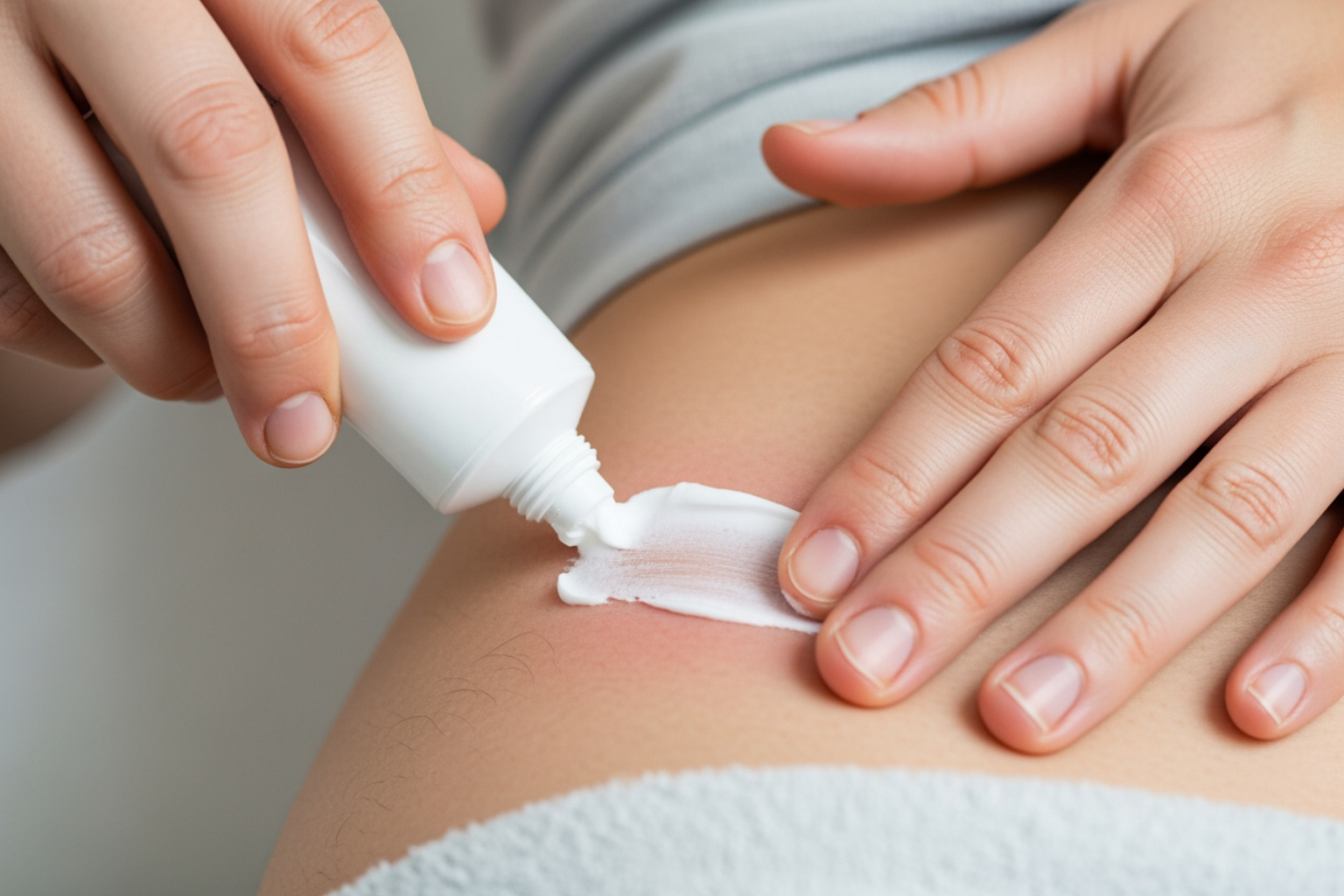
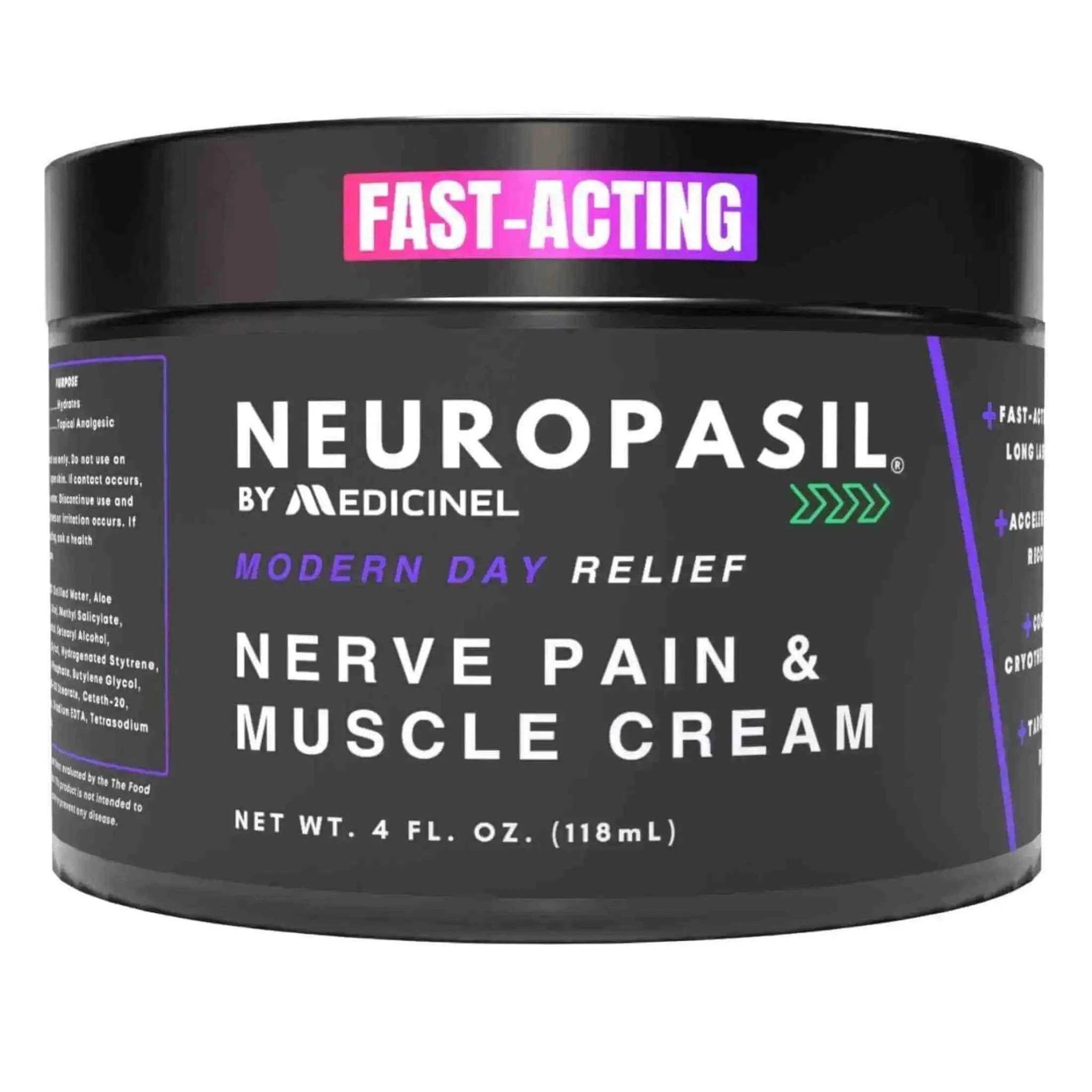
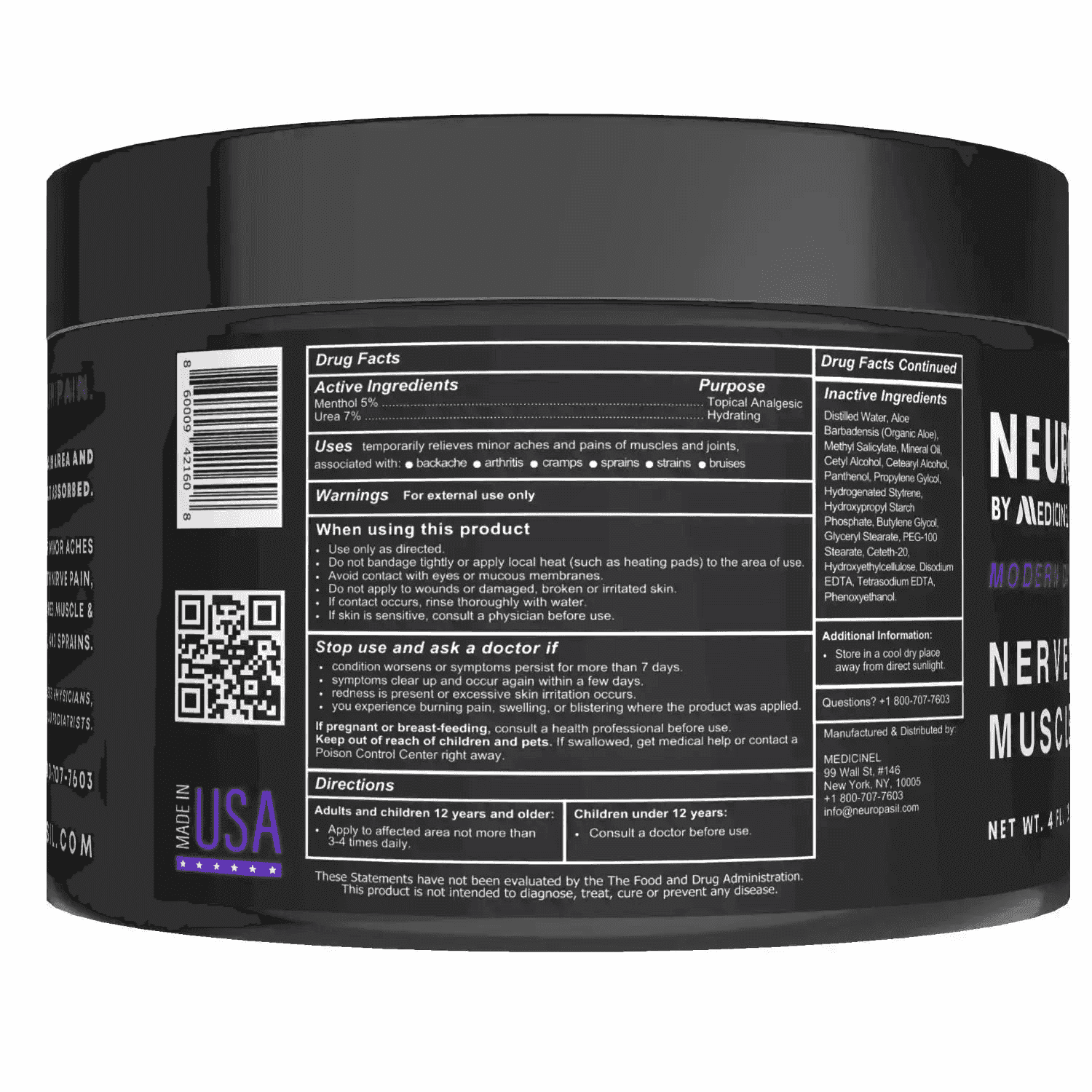
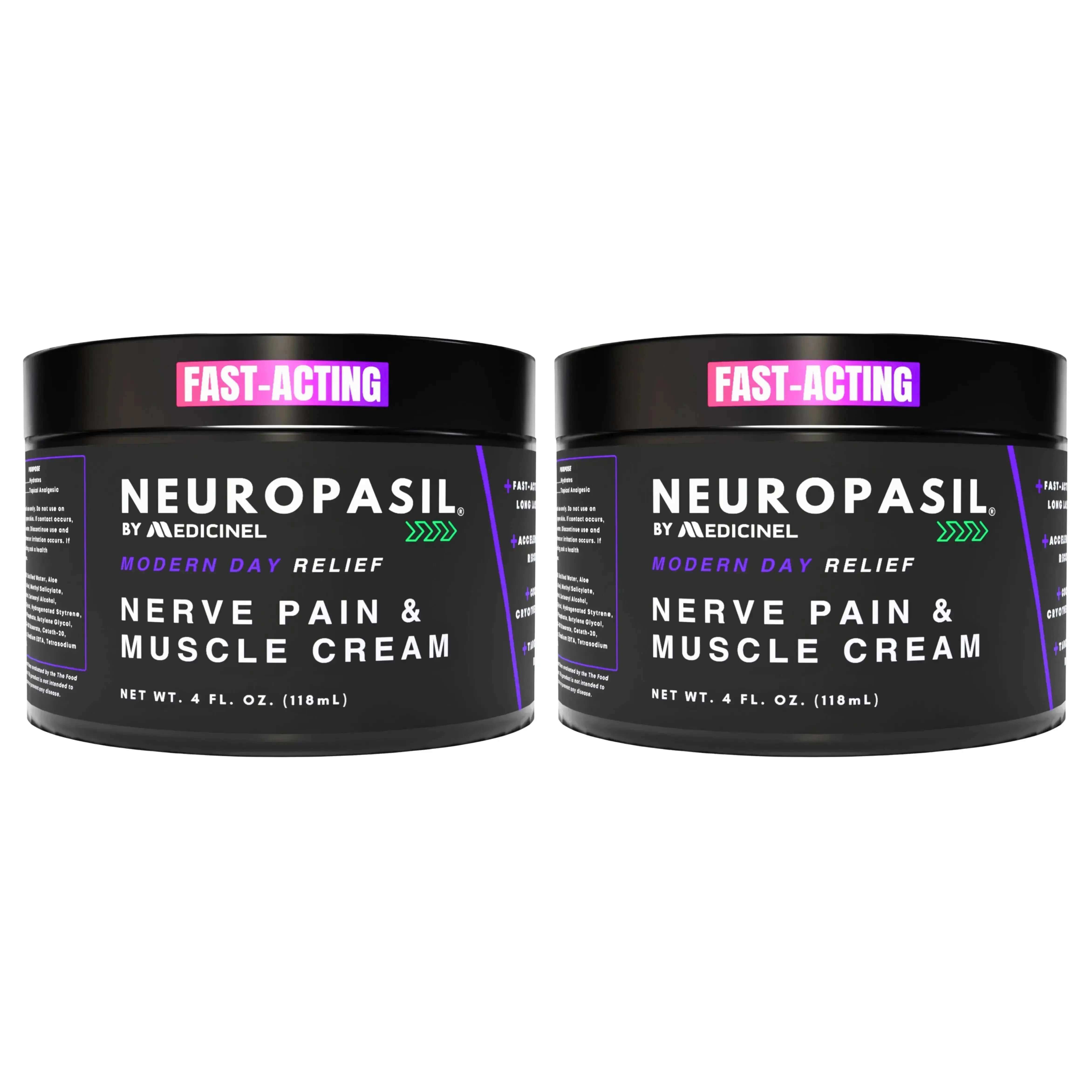
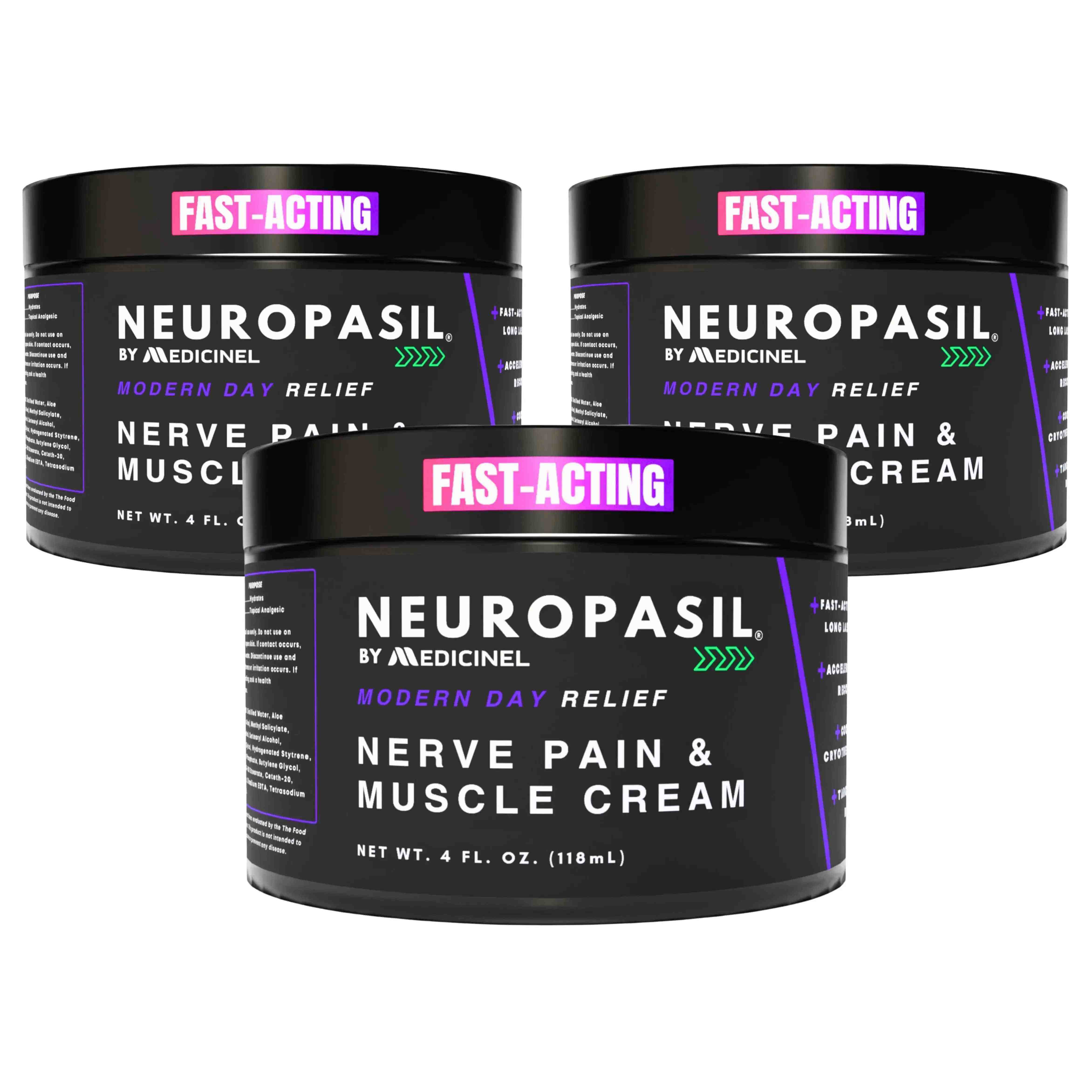
For targeted, fast-acting psoas muscle pain relief, a topical cream can be applied directly where it hurts. We've seen remarkable results with Neuropasil, which uses natural ingredients to provide comfort without the systemic side effects of oral medications.
Neuropasil's formula combines three powerful ingredients. Menthol creates a cooling sensation that distracts your nervous system from pain signals. Aloe Vera offers anti-inflammatory and soothing properties to calm irritated tissue. Finally, Urea helps the active ingredients penetrate deeper for more effective relief. You can apply it directly to your lower back, hip, or groin for localized comfort. To learn more about how these ingredients work, see How Aloe and Menthol Formulas Deliver Fast Soothing Relief.
Step 3: Perform Gentle Stretches to Release Psoas Tension
After managing acute pain, the next step toward lasting psoas muscle pain relief is addressing the underlying tightness with gentle, consistent stretching. A tight psoas can pull on your lumbar spine, disrupt your posture, and force other muscles to compensate, often leading to low back pain and pelvic imbalances (ISSA). Stretching coaxes the psoas to relax and lengthen, taking pressure off your spine.
The key is to be gentle. Forcing a stretch can make the pain worse. Approach each stretch with patience, holding for at least 30 seconds and breathing deeply. Daily consistency is more effective than infrequent, intense sessions.
Here are some of the most effective stretches for releasing psoas tension:
- Kneeling Hip Flexor Stretch: Kneel on one knee with your other foot forward (both knees at 90 degrees). Engage your core, tuck your tailbone slightly, and lean forward until you feel a stretch in the front of the kneeling leg's hip. Hold for 30-60 seconds and switch sides.
- Reclining Psoas Stretch: Lie on your back at the edge of a bed or sturdy table. Pull one knee to your chest and let the other leg hang off the side, allowing gravity to gently lengthen the hip flexor. Hold for 30-60 seconds, then switch.
- Standing Lunge: Step one foot forward into a lunge position, keeping your torso upright. Bend both knees, lowering your hips until you feel a stretch in the front of your back leg's hip. Hold for 30 seconds and switch.
- Supported Bridge: Lie on your back with knees bent. Lift your hips and slide a yoga block or firm cushion under your sacrum (the flat bone at the base of your spine). Relax into the support to feel a gentle lengthening through your abdomen and hip flexors.
Foam rolling your hip flexors can also help release deep tension. For more guidance, the Cleveland Clinic offers a comprehensive guide to psoas stretches. You are retraining a muscle that may have been tight for years. Be patient and consistent. For more on muscle recovery, see our Practical Guide to Improving Workout Muscle Recovery.
Step 4: Strengthen Your Core and Hips for Long-Term Prevention
Achieving psoas muscle pain relief is not just about stretching; it's about building a strong, stable foundation to prevent recurrence. When your core and hip muscles (especially the glutes) are weak, your psoas often overworks to compensate, leading to tightness and pain (ISSA).
Core stability is crucial. Your core muscles act as a natural corset for your spine. When they are strong, the psoas doesn't have to work overtime as a stabilizer. Likewise, glute activation is key. Your gluteal (butt) muscles are primary hip movers. If they are weak or inactive, the psoas takes on their job, leading to imbalances. Strengthening your core and glutes allows the psoas to function properly.
Good habits also play a huge role in prevention. Maintain proper posture and focus on ergonomics at your desk to avoid keeping the psoas in a shortened, tight position (Next Level Urgent Care). Always include warm-ups and cool-downs in your exercise routines to prepare your muscles for activity and help them recover. For more recovery tips, check out Maximize Your Workout Recovery.
Here are some simple exercises to build strength and restore balance (ISSA):
- Glute Bridges: Lie on your back with knees bent. Lift your hips until your body is in a straight line from shoulders to knees. Squeeze your glutes at the top.
- Lying Leg Raises: Lie on your back and slowly lift one straight leg a few inches off the floor, keeping your lower back pressed down. Lower slowly and repeat on the other side.
- Standing Hip Flexion: Stand tall and slowly lift one knee toward your chest without arching your back. Lower slowly and switch legs.
- Psoas Crunches: Lie on your back with knees bent. Lift your head and shoulders, focusing on engaging your lower abdominal muscles.
- ¼ Mini-Squats: Stand with feet shoulder-width apart. Bend your knees about a quarter of the way down, keeping your back straight.
Start gently and focus on consistency. Building a resilient body is the best way to achieve lasting psoas muscle pain relief. For more natural back care strategies, explore our article, Soothe Lower Back Pain Naturally.
Step 5: Know When to Seek Professional Help
While at-home strategies are effective for psoas muscle pain relief, some situations require professional help. The psoas is a deep muscle, and its pain can mimic other conditions, so an expert diagnosis is sometimes necessary.
Red Flags: When to See a Doctor
Seek immediate medical attention if you experience any of the following red flags (NIH):
- Severe, worsening, or persistent pain that doesn't improve with a week of self-care.
- Numbness, tingling, or weakness that travels down your leg.
- Loss of bowel or bladder control (this is a medical emergency).
- Fever or chills accompanying your pain.
Diagnosing and Treating Psoas Syndrome
Psoas syndrome can be difficult to diagnose because its symptoms overlap with other lower back and hip issues. A healthcare provider will perform a physical examination, which may include the Thomas Test to check for hip flexor tightness. They may also order imaging tests like an MRI or X-ray to rule out other conditions such as herniated discs or arthritis. You can learn more about the condition from this Psoas Syndrome explanation.
The good news is that with a proper diagnosis and treatment plan, most cases resolve within one to two months.
Professional Approaches for Psoas Muscle Pain Relief
Once diagnosed, a professional can guide your recovery. Common treatments include:
- Physical Therapy: A physical therapist can design a personalized program of stretches and strengthening exercises and teach you proper body mechanics to prevent future issues.
- Manual Therapy: Hands-on techniques, such as those used by physical therapists or osteopathic doctors, can release deep muscle tension and improve joint mobility.
- Targeted Massage: A licensed massage therapist can perform deep tissue work to release stubborn knots in the psoas.
- Supportive Interventions: In some cases, a doctor might recommend corticosteroid injections to reduce severe inflammation.
Early intervention is key. Addressing psoas pain promptly can prevent it from becoming a chronic issue. Ignoring the pain can lead to compensatory movement patterns that cause problems elsewhere in the body. Seeking professional help is a smart step toward complete recovery and lasting psoas muscle pain relief. For more on managing discomfort, see our guide on Muscle Pain Treatments.
Frequently Asked Questions about Psoas Pain
It's natural to have questions when dealing with a complex muscle like the psoas. Here are answers to some common queries about finding psoas muscle pain relief.
How do I know if my back pain is from my psoas?
Psoas pain can be tricky, but there are key indicators. Look for a deep ache in the lower back that may radiate to your groin or hip. A classic sign is having difficulty standing up straight after sitting for an extended period. You might also find that lying on your back with your knees bent provides relief. Because the symptoms can mimic other issues, a professional diagnosis is always recommended to rule out other conditions (Dydyk & Sapra, 2022).
Can sitting all day cause psoas pain?
Yes, absolutely. Prolonged sitting is a primary cause of psoas pain. When you sit, your psoas muscles are held in a shortened position. Over time, this can lead to chronic tightness and stiffness. When you then try to stand or extend your leg, the shortened muscle protests with pain. This is why experts recommend taking regular movement breaks and focusing on office ergonomics (Next Level Urgent Care).
How long does it take for a tight psoas to heal?
The healing timeline varies, but with consistent and proper care, psoas syndrome typically resolves within one to two months (Dydyk & Sapra, 2022). This includes a dedicated regimen of rest, stretching, and strengthening exercises. Many people feel significant relief much sooner once they begin a targeted program. The key is consistency and listening to your body to avoid overdoing it and re-injuring the muscle.
Conclusion
We've covered a lot of ground on your journey to psoas muscle pain relief. By breaking it down into five manageable steps, you are now empowered to take charge of your comfort and mobility.
Your psoas is a vital muscle, but modern life can easily lead to tightness and pain. The path to feeling better starts with understanding the symptoms and causes. From there, you can use at-home treatments like ice, heat, and targeted topical solutions. Neuropasil cream, with its blend of menthol, aloe, and urea, offers fast-acting comfort right where you need it.
Next, gentle stretching releases tension, while strengthening your core and glutes builds a stable foundation to prevent future flare-ups. Finally, knowing when to seek professional help ensures you get an accurate diagnosis and a comprehensive care plan for severe or persistent pain.
Achieving lasting psoas muscle pain relief is a journey of consistency and patience. By integrating these steps into your routine, you're not just treating pain—you're building a stronger, more resilient body. With dedication, you can reclaim comfortable movement and make your psoas a powerful ally. For more ways to find relief, explore our comprehensive Pain Relief Solution.
References
To ensure you have the most reliable and up-to-date information on psoas muscle pain relief, we've consulted a variety of credible sources. Here's where you can dive deeper into the science and expert advice behind our recommendations:
- American College of Sports Medicine. (2022). Delayed Onset Muscle Soreness (DOMS) | Info Sheet. https://www.acsm.org/docs/default-source/files-for-resource-library/delayed-onset-muscle-soreness-(doms).pdf?sfvrsn=8f430e182.pdf?sfvrsn=8f430e182.pdf?sfvrsn=8f430e182.pdf?sfvrsn=8f430e182)
- Cleveland Clinic. (n.d.). Psoas Muscle. https://my.clevelandclinic.org/health/body/psoas-muscle
- Cleveland Clinic. (n.d.). Stiff or Sore Psoas Muscles? Try These Stretches. https://health.clevelandclinic.org/psoas-stretch-guide-for-psoas-release
- Dydyk, A. M., & Sapra, A. (2022). Psoas Syndrome. In StatPearls. StatPearls Publishing. https://www.ncbi.nlm.nih.gov/books/NBK551701/
- ISSA. (2022). How to stretch and strengthen the psoas. https://www.issaonline.com/blog/post/how-to-stretch-and-strengthen-the-psoas
- John Hopkins Medicine. (2021). Ice Packs vs. Warm Compresses For Pain. https://www.hopkinsmedicine.org/health/treatment-tests-and-therapies/ice-packs-vs-warm-compresses-for-pain#:~:text=facts%20in%20mind.-,Heat,useful%20when%20muscles%20are%20tight
- Konrad A, Močnik R, Titze S, Nakamura M, Tilp M. The influence of stretching the hip flexor muscles on performance parameters. A systematic review with meta-analysis. https://doi.org/10.3390/ijerph18041936
- Medical News Today. (n.d.). Psoas stretches: Yoga, kneeling, and standing stretches. https://www.medicalnewstoday.com/articles/psoas-stretch
- Moriarty, C. M. H., et al. (2016). A pain in the psoas: Groin injury in a collegiate football athlete. https://www.ncbi.nlm.nih.gov/pmc/articles/PMC5089355/
- Next Level Urgent Care. (n.d.). Understanding and Managing Psoas Muscle Pain. https://www.nextlevelurgentcare.com/blog/understanding-and-managing-psoas-muscle-pain/
- NIH (National Institute of Neurological Disorders and Stroke). (2022). Low Back Pain Fact Sheet. https://www.ninds.nih.gov/low-back-pain-fact-sheet
- Rauseo C. The rehabilitation of a runner with iliopsoas tendinopathy using an eccentric-biased exercises-a case report. https://doi.org/10.26603/ijspt20171150
- StatPearls. Osteopathic manipulative treatment: Muscle energy and counterstrain procedure - psoas muscle procedures. https://www.ncbi.nlm.nih.gov/books/NBK560799/
- Treating Tight or Weak Psoas Muscle Pain. (n.d.). https://www.physio-pedia.com/Iliopsoas_Syndrome