Understanding Intercostal Muscle Pain and Fast Relief
Sore intercostal muscles can turn simple actions like breathing, laughing, or reaching overhead into painful experiences. If you're dealing with sharp, stabbing pain between your ribs or a persistent ache in your chest wall, you're likely experiencing an intercostal muscle strain—one of the most common causes of musculoskeletal chest pain.
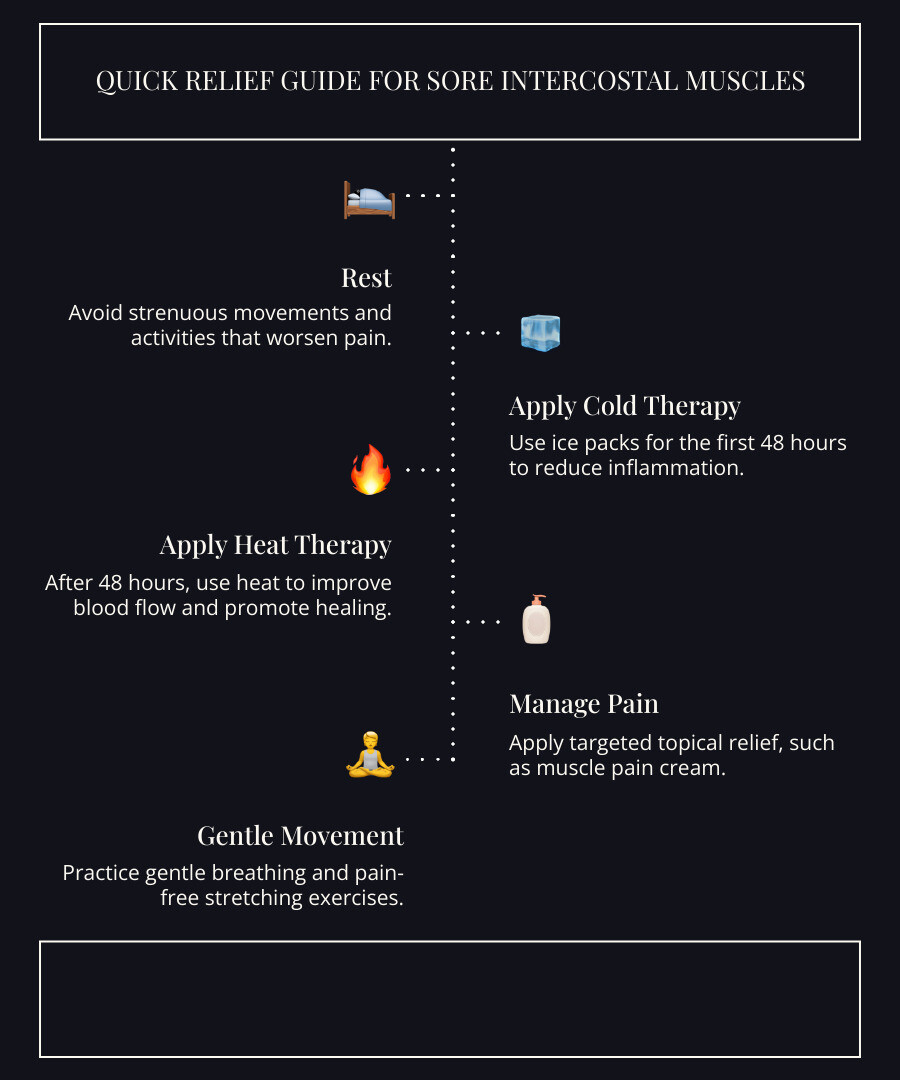
Quick Relief Guide:
- Rest the injured area and avoid activities that worsen pain
- Apply ice for the first 48 hours to reduce inflammation
- Use heat therapy after 48 hours to promote healing
- Manage pain with targeted topical relief like muscle pain relief cream
- Practice gentle breathing and stretching exercises
Healing Time:
- Mild strains: Few days to 3 weeks
- Moderate strains: 3-7 weeks
- Severe strains: 6-10+ weeks
The good news? Most intercostal muscle strains heal completely with simple at-home care. This guide will walk you through five straightforward steps to reduce pain, speed recovery, and prevent future injury.
I'm Tony Enrico, and through my work with Neuropasil, I've helped thousands find relief from muscle and nerve pain, including the challenging discomfort of sore intercostal muscles. Our mission is to provide natural, fast-acting solutions that restore your freedom of movement.
Sore intercostal muscles definitions:
- chest muscle ache
- Muscle soreness
- muscle spasm relief
First, Understand the Symptoms and Causes of Sore Intercostal Muscles
Before finding relief, it's important to understand what's happening when you experience sore intercostal muscles. Knowing the "what" and "why" of this pain will help you recover more effectively.
What Are Intercostal Muscles?
Between each of your ribs are the intercostal muscles. These small but powerful muscles stabilize your rib cage and, most importantly, help you breathe. They exist in three layers that work together to expand and contract your rib cage, a process essential for respiration. When these muscles are injured, even the simple act of breathing can become painful, which is why sore intercostal muscles demand your attention.
Common Symptoms of an Intercostal Strain
When your intercostal muscles are strained, the symptoms can range from annoying to severe. Here’s what to look for:
- Sharp, stabbing pain between the ribs, often with sudden movements.
- A dull, constant ache in the chest or rib area that can last for days or weeks.
- Increased pain when taking a deep breath, coughing, sneezing, laughing, or twisting your torso.
- Tenderness to the touch in the space between your ribs.
- Swelling or bruising around the injured area in more severe cases.
- Muscle tightness and stiffness, leading to limited torso movement.
What Causes Intercostal Muscle Pain?
Intercostal strains typically result from a specific injury, overexertion, or a sudden forceful movement. Common causes include:
- Overexertion during exercise, especially without a proper warm-up.
- Sudden twisting motions, such as swinging a golf club or tennis racket.
- Contact sports or activities with repetitive upper body movements like rowing or swimming.
- Heavy or improper lifting, particularly when twisting the body.
- A severe, prolonged cough from an illness like bronchitis.
- Poor posture, which weakens and overstretches the muscles over time.
The 3 Grades of Muscle Strain
Muscle injuries are classified by severity, which helps set expectations for recovery.
- Grade 1 (Mild): Less than 5% of muscle fibers are damaged. You'll feel mild discomfort and tenderness but have minimal loss of motion. Healing typically takes a few days to three weeks.
- Grade 2 (Moderate): More significant muscle damage, but not a complete tear. Expect moderate pain, swelling, and a noticeable loss of strength. Recovery usually takes three to seven weeks.
- Grade 3 (Severe): A complete tear or rupture of the muscle. The pain is severe, with significant loss of function and possible bruising. Recovery takes six to ten weeks or longer, and may require medical intervention.
Most intercostal strains are Grade 1 or 2 and heal within six weeks with proper care.
Your 5-Step Guide to Relieving Sore Intercostal Muscles
Now that you understand the injury, let's get you on the road to recovery. These five steps will help you manage pain and support your body's natural healing process.
Step 1: Rest and Protect the Injured Area
The first thing your sore intercostal muscles need is a break. Activity modification is key. Temporarily avoid heavy lifting, vigorous twisting, or any strenuous exercise that aggravates your pain. Taking a few days or weeks off now is better than dealing with a chronic injury later.
When you feel a cough or sneeze coming on, hold a pillow firmly against your injured area. This provides support and can dramatically reduce the sharp, jarring pain.
Sleeping positions also matter. Many people find relief by propping themselves up with pillows or sleeping in a recliner. If you prefer lying down, try sleeping on your unaffected side with a pillow between your knees to keep your spine aligned and another to hug for upper body support.
Step 2: Apply Cold and Heat Therapy
Temperature therapy is a scientifically-backed method to aid recovery.

For the first 48 hours, apply a cold pack for 15-20 minutes at a time, several times a day. The cold constricts blood vessels, which helps reduce inflammation, swelling, and pain. Never apply ice directly to your skin.
After 48 hours, switch to heat. A heating pad or warm towel applied for 20 minutes at a time helps relax tight muscles and improves circulation to bring healing nutrients to the area. A warm bath can also be very therapeutic for relaxing sore intercostal muscles.
Step 3: Manage Pain with Targeted Relief
While resting, you still need to manage discomfort. Over-the-counter pain relievers like acetaminophen or ibuprofen can reduce pain and inflammation, but always follow package instructions and consult your healthcare provider before use.
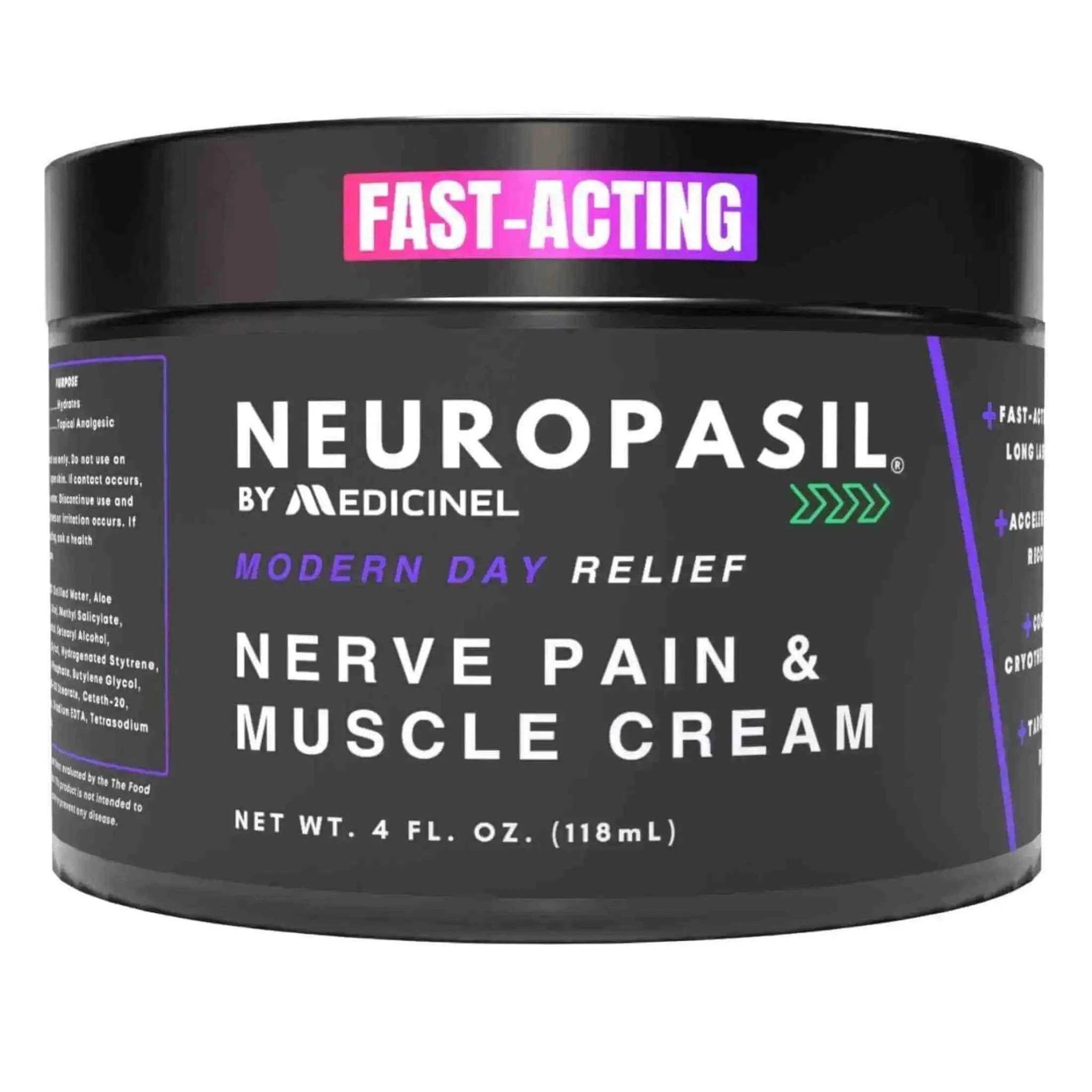
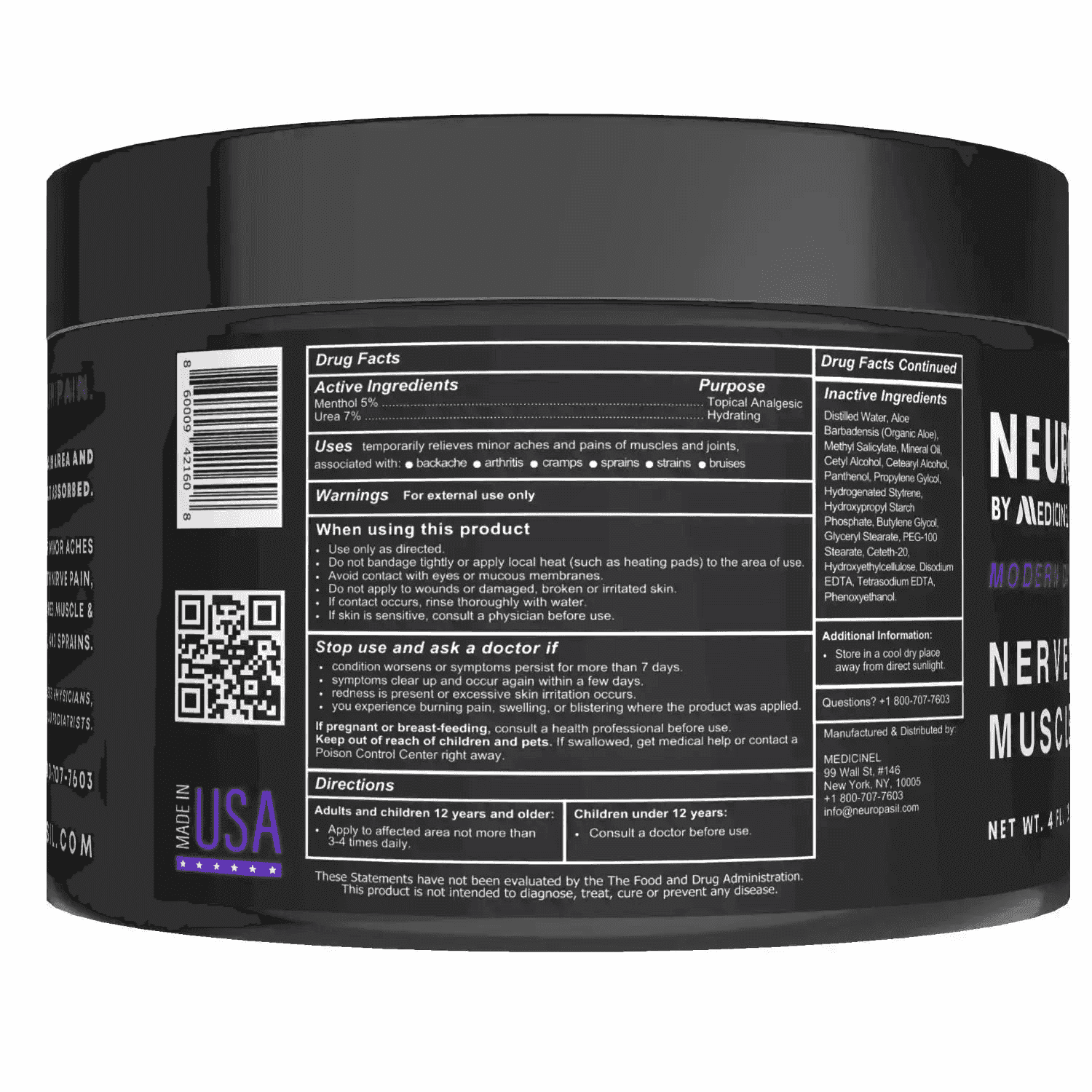
For targeted, localized relief, topical creams are a game-changer. We developed Neuropasil Nerve & Muscle Pain Relief Cream for situations like this. Our formula features menthol, which provides a cooling sensation that distracts the nervous system from pain signals, while aloe and urea keep your skin healthy. Research shows menthol has immediate analgesic effects, making it excellent for acute muscle discomfort.
Neuropasil is effective for anyone dealing with strains, sprains, and general muscle aches. Simply apply it directly to the painful area for relief within minutes. You can learn more about the best creams for muscle pain on our blog.
Step 4: Practice Gentle Breathing and Stretching
Gentle movement is essential for healing and preventing complications like shallow breathing.

Start with diaphragmatic (belly) breathing. Place one hand on your chest and the other on your belly. As you inhale, focus on making your belly rise while your chest stays relatively still. This ensures you get proper oxygen without straining your sore intercostal muscles.
Once acute pain subsides, introduce very gentle torso rotations and side bends. Only move within a pain-free range. These movements help maintain mobility and prevent stiffness.
As Harvard Health Publishing notes, the importance of stretching for muscle health is significant. However, with sore intercostal muscles, be cautious. Stretches should always be gentle. If you're unsure, a physical therapist can provide guidance.
Step 5: Gradually Return to Activity
As you feel better, avoid rushing back to your normal routine, which can cause re-injury.
Listen to your body. If an activity causes sharp pain, stop. Start with low-impact activities like walking, then slowly reintroduce more dynamic movements as your pain decreases.
Core strengthening is crucial. Once you're ready, incorporate exercises for your abdominal and back muscles to help stabilize your torso and reduce the burden on your intercostals. Proper form is essential.
Use the principle of progressive overload: gradually increase the intensity, duration, or resistance of your activities over time. Patience now means a full and lasting recovery.
How to Prevent Future Intercostal Muscle Strain
Once you've recovered from sore intercostal muscles, you'll want to prevent it from happening again. A few smart habits can protect these vital breathing muscles from future injury.
Warm-Up and Cool-Down: Always warm up for 5-10 minutes with light cardio and dynamic stretches (like arm circles and torso twists) before exercise. Cool down afterward with gentle static stretches to maintain flexibility.
Strengthen Your Core: A strong core acts as a natural support system for your torso. Exercises like planks, bridges, and bird-dog movements build this protective foundation without needing special equipment.
Use Proper Lifting Technique: When lifting heavy objects, bend at your knees, keep your back straight, and engage your core. Hold the object close to your body and avoid twisting. As the Mayo Clinic advises, proper technique is crucial.
Maintain Good Posture: Whether sitting or standing, keep your shoulders back, chest open, and head aligned over your spine. Slouching puts unnecessary stress on your intercostal muscles.
Stay Hydrated: Dehydration can lead to muscle fatigue and cramping, increasing injury risk. Drink water consistently throughout the day.
Avoid Overexertion: Build up gradually when starting a new exercise program or returning after a break. Listen to your body's signals and take rest days when you feel fatigued.
When to See a Doctor for Rib Pain
While most sore intercostal muscles can be managed at home, some situations require professional medical attention to rule out more serious issues.
Diagnosis and Professional Treatment
If your pain is severe, persists for more than a week or two despite home care, or you're unsure of the cause, see a healthcare professional. A doctor can provide an accurate diagnosis and a custom treatment plan.
Diagnosis typically involves a physical examination and a review of your medical history. If the injury was significant or the pain is severe, your doctor might order imaging tests. An X-ray can rule out a rib fracture, while an MRI can identify severe muscle tears or other soft tissue damage.
For moderate to severe strains, your doctor might refer you to a physical therapist for guided exercises and stretches. If over-the-counter options are insufficient, a doctor may prescribe stronger pain medications or muscle relaxants. In some cases, therapeutic injections may be considered for persistent pain.
For more information on managing muscle discomfort, you can explore more about muscle pain on our blog.
Differentiating from Other Types of Chest Pain
It's crucial to get an accurate diagnosis, as intercostal muscle pain can mimic other conditions.
- Rib Fracture: Typically causes sharper, more intense pain localized to a specific spot. You may have heard a "cracking" sound when the injury occurred.
- Heart Attack: Chest pain that spreads to the arm, neck, or jaw, accompanied by shortness of breath, sweating, nausea, or dizziness requires an immediate 911 call.
- Pneumonia: Chest pain accompanied by fever, chills, and a productive cough (coughing up mucus).
- Costochondritis: Inflammation of the cartilage connecting ribs to the breastbone, causing sharp pain at the front of the chest.
- Intercostal Neuralgia: Sharp, burning, or shooting nerve pain along the ribs, which may not respond to typical muscle strain treatments.
The bottom line is to get any persistent chest pain diagnosed to ensure you receive the correct treatment.
Red Flag Symptoms Requiring Immediate Attention
Seek immediate medical attention (call 911 or go to the ER) if you experience any of the following with your rib pain:
- Severe, escalating pain that becomes unbearable.
- Significant difficulty breathing or shortness of breath.
- Coughing up blood, even a small amount.
- Fever, chills, or other signs of infection.
- Pain radiating to your arm, neck, or jaw.
- Dizziness or lightheadedness.
Trust your instincts. If something feels seriously wrong, seek help immediately.
Frequently Asked Questions about Intercostal Muscle Strain
How long does it take for a sore intercostal muscle to heal?
Healing time depends on the severity of the strain. According to Harvard Health, timelines are generally as follows:
- Mild (Grade 1) strains: A few days to three weeks.
- Moderate (Grade 2) strains: Three to seven weeks.
- Severe (Grade 3) strains: Six to ten weeks or longer.
Your personal recovery time can vary based on age, overall health, and how well you follow care guidelines.
Can I sleep on my side with an intercostal muscle strain?
Yes, you can, but it's best to sleep on your unaffected side to avoid pressure on the injury. Placing a pillow between your knees helps align your spine and reduce strain. Some people find sleeping in a recliner or propped up with pillows in bed is more comfortable, as it can make breathing less painful. Experiment to find what works best for you.
Is my rib pain a pulled muscle or a broken rib?
It can be difficult to tell without a medical evaluation, but there are some clues. A pulled muscle usually causes a sharp or aching pain over a broader area that worsens with movement or deep breaths. A broken rib often causes more intense, highly localized pain at the fracture site, and you may have heard a "cracking" sound during the injury. The area is often extremely tender to direct pressure.
An X-ray is needed to definitively diagnose a fracture. If your pain is severe or you suspect a broken rib, it is crucial to see a doctor for a proper evaluation.
Conclusion
Dealing with sore intercostal muscles can be a truly discomforting experience, turning even the simplest acts like breathing into a painful ordeal. However, by understanding the nature of this common musculoskeletal injury and following our five simple steps, you can find effective relief and promote a swift recovery.
Remember our key takeaways: rest the injured area and modify activities, wisely apply cold and heat therapy, effectively manage pain with targeted relief (like our Neuropasil Nerve & Muscle Pain Relief Cream), engage in gentle breathing and stretching, and gradually return to activity. Listening to your body throughout this process is your best guide to healing and preventing future strains.
While many intercostal muscle strains resolve with at-home care, we urge you to seek medical attention for severe, persistent, or concerning symptoms. Your health and comfort are our priority.
For more health insights and tips on managing various types of pain, we invite you to explore our blog for more health tips. And for natural, fast-acting relief from muscle and nerve pain, don't hesitate to find natural, fast-acting relief with Neuropasil.
References
Throughout this guide on sore intercostal muscles, we've drawn upon trusted medical sources and scientific research to ensure you receive accurate, actionable information.
Our understanding of intercostal muscle anatomy and function comes from sources like Lancaster University's comprehensive glossary. The Harvard Health Publishing team provided valuable insights into muscle strain grading and healing timelines. For practical treatment and prevention, we consulted expert guidance from the Cleveland Clinic, Physiopedia, the National Health Service (NHS), and the Mayo Clinic. Additional clinical perspectives came from MSK Doctors, Osmosis, Healthline, and CityMD. Every recommendation is grounded in these reputable medical sources, combined with our experience at Neuropasil in helping people find relief from muscle and nerve pain.
- Ray, S. (2023). Intercostal muscle strain: Signs, treatments, and remedies. Medical News Today. https://www.medicalnewstoday.com/articles/320925
- Cleveland Clinic. (2023). How to Cope With an Intercostal Muscle Strain. https://health.clevelandclinic.org/how-to-cope-with-an-intercostal-muscle-strain
- Physiopedia. (n.d.). Intercostal Muscle Strain. https://physio-pedia.com/IntercostalMuscleStrain
- Shmerling, R. H. (2023). Muscle strain. Harvard Health Publishing. https://www.health.harvard.edu/atoz/muscle-strain-a-to-z
- National Health Service (NHS). (2024). Broken or bruised ribs. https://www.nhs.uk/conditions/broken-or-bruised-ribs/
- Mayo Clinic. (2021). Proper lifting techniques. https://www.mayoclinic.org/healthy-lifestyle/adult-health/multimedia/back-pain/sls-20076866?s=3
- Hopkins, B. (2019). Intercostal muscles. Lancaster University. https://www.lancaster.ac.uk/fas/psych/glossary/intercostal_muscles/
- Harvard Health Publishing. (2022). The importance of stretching. https://www.health.harvard.edu/staying-healthy/the-importance-of-stretching
- MSK Doctors. (n.d.). Intercostal Muscle Strain: Causes, Symptoms, and Effective Treatment. https://search.mskdoctors.com/doctors/ella-mcaleese/articles/intercostal-muscle-strain-causes-symptoms-and-effective-treatment
- Osmosis. (n.d.). Intercostal Muscle Strain: What Is It, Causes, Signs, Symptoms. https://www.osmosis.org/answers/intercostal-muscle-strain
- Healthline. (n.d.). How to Identify and Treat an Intercostal Muscle Strain. https://www.healthline.com/health/intercostal-muscle-strain
- CityMD. (n.d.). Protecting your ribs: understanding intercostal muscle strain. https://www.citymd.com/health-and-wellness/protecting-your-ribs-understanding-intercostal-muscle-strain