Why Your Thighs Hurt After Squats: Understanding the Pain
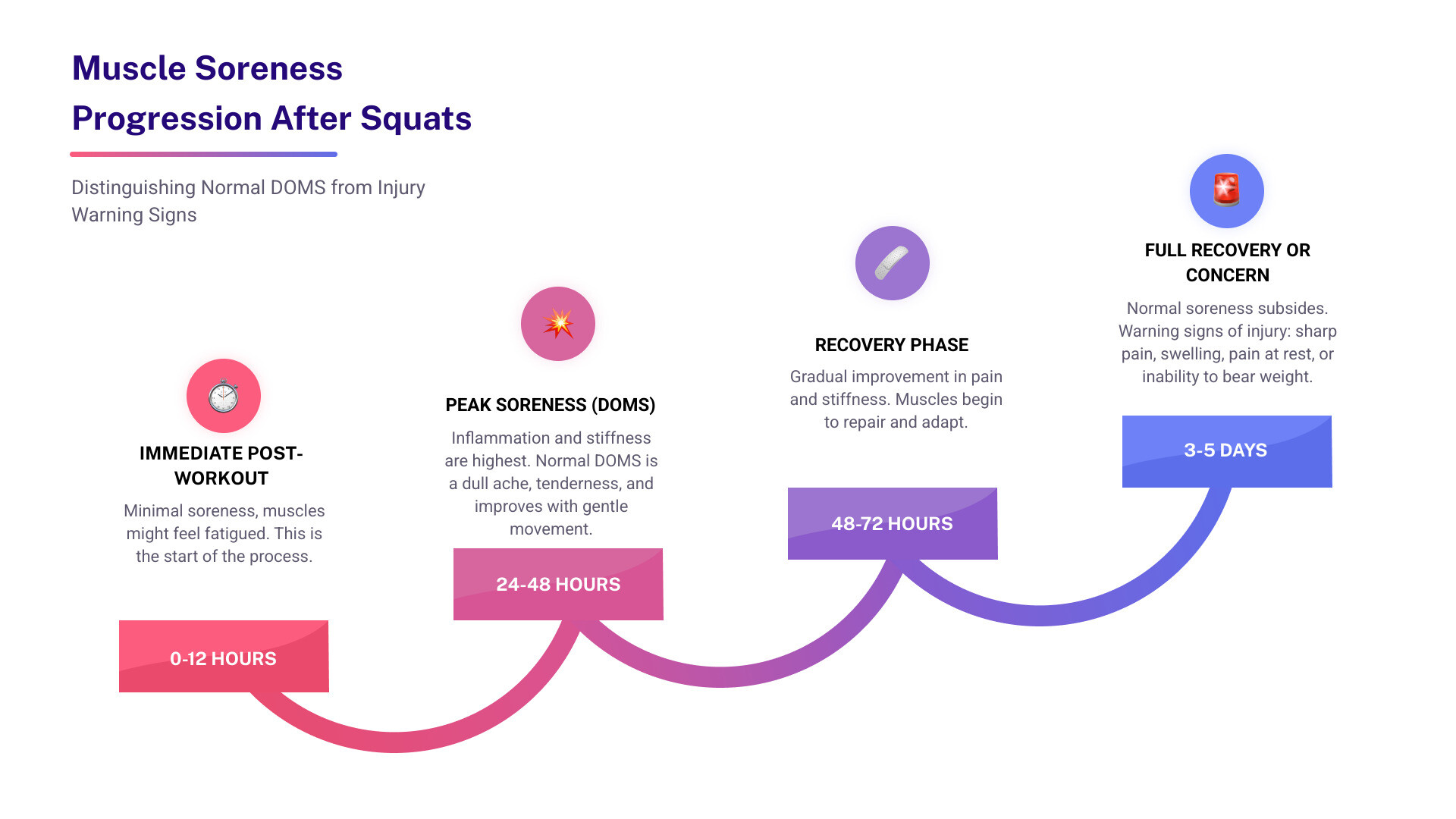
Thighs hurt after squats because of microscopic muscle fiber tears and inflammation, a normal response called Delayed Onset Muscle Soreness (DOMS). This typically peaks 24-48 hours post-workout and subsides within 3-5 days. However, pain can also signal improper form, overuse, or muscle strain.
Quick Answer: Is Your Thigh Pain Normal?
| Type of Pain | What It Means | Action Needed |
|---|---|---|
| Dull ache, tenderness, stiffness | Normal DOMS | Rest, gentle movement, recovery techniques |
| Sharp, shooting pain | Possible muscle strain | Reduce activity, consider medical advice |
| Pain lasting over 72 hours | Overuse or injury | See a healthcare professional |
| Swelling, bruising, can't bear weight | Serious injury | Seek immediate medical attention |
You finish your leg workout feeling accomplished. But the next morning, you can barely walk. Your quadriceps feel like bricks. Every step down the stairs is agony. Sound familiar?
Thigh pain after squats is one of the most common complaints among both beginners and experienced athletes. The good news? Most of the time, it's completely normal and preventable.
The main causes include:
- Delayed Onset Muscle Soreness (DOMS) from microscopic muscle tears
- Poor squat technique putting excessive stress on thigh muscles
- Doing too much weight or too many reps too soon
- Skipping warm-ups and cool-downs
- Muscle imbalances or weakness in supporting muscle groups
Understanding why your thighs hurt is the first step to fixing the problem. More importantly, learning proper form and recovery techniques means you can keep progressing without the debilitating soreness that sidelines your training.
I'm Tony Enrico, and I've spent years helping athletes and fitness enthusiasts understand and manage the muscle pain that comes with pushing their limits, including the frustrating experience of thighs hurt after squats. Through Neuropasil, I've seen how the right knowledge and recovery approach transforms painful workouts into sustainable progress.
In this guide, we'll break down exactly what's happening in your muscles, how to tell the difference between good soreness and bad pain, and most importantly, how to prevent and treat thigh pain so you can squat pain-free.
Thighs hurt after squats further reading:
Understanding Why Your Thighs Hurt After Squats
When you push your body, especially with a challenging exercise like squats, it’s natural to feel some aftermath. The most common culprit behind your aching thighs is Delayed Onset Muscle Soreness, or DOMS. This isn't a sign of injury, but rather your muscles adapting and growing stronger. However, sometimes the pain can be a red flag for something more serious like overuse or muscle strain. Understanding the difference is crucial for your long-term fitness journey.
For a more comprehensive look at muscle soreness, explore our Step-by-Step Guide to Thigh Soreness: Causes and Relief.
The Science of DOMS (Delayed Onset Muscle Soreness)
DOMS is that familiar deep, aching sensation that typically kicks in 12 to 24 hours after an intense workout, peaking between 24 and 48 hours, and can linger for up to 3-5 days. It's a natural and expected physiological response to unaccustomed or intense exercise. When we engage our muscles in new or more challenging ways, particularly during the eccentric (lengthening) phase of a movement, tiny, microscopic tears occur in the muscle fibers.
For instance, during a squat, the eccentric phase is when you're lowering your body. This controlled lengthening under tension creates micro-trauma. In response, your body initiates an inflammatory process to repair these tears, which is what causes the soreness, stiffness, and tenderness we associate with DOMS. This process is essential for muscle adaptation and growth – your muscles are literally rebuilding themselves stronger!
It’s important to clarify a common misconception: DOMS is not primarily caused by lactic acid buildup. While lactic acid is produced during intense exercise, it's typically cleared from the muscles within an hour or so after your workout. The intensity of DOMS is indeed proportional to the intensity and volume of your workout and how unaccustomed you are to the exercise. The more mechanical stress placed on the muscles, the more pronounced the DOMS.
Anatomy of a Squat: Which Thigh Muscles Are Working?
Squats are a powerhouse compound exercise, meaning they engage multiple muscle groups simultaneously, especially in your lower body. This comprehensive engagement is why your thighs hurt after squats so often.
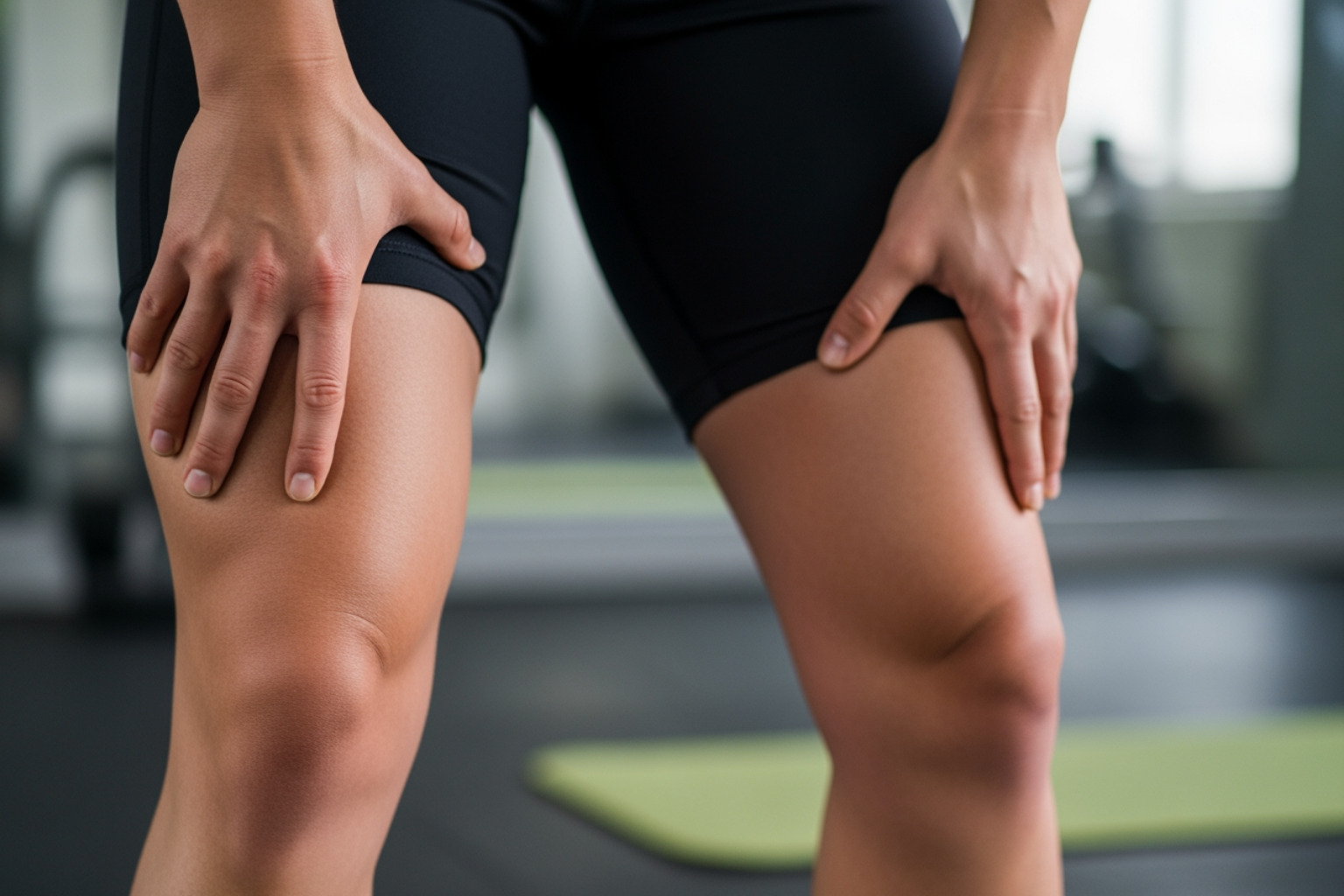
The primary muscles working during a squat include:
- Quadriceps (Quads): Located at the front of your thigh, these are the main drivers for extending your knees and standing up from the squat. They are often the most sore after squats because they bear a significant load, particularly in the upward movement.
- Hamstrings: At the back of your thigh, hamstrings work in conjunction with your glutes to control the descent of the squat and assist in hip extension. You can learn more about their intricate structure in our Hamstring Anatomy 101: Everything You Need to Know About Your Thigh Muscles.
- Adductors (Inner Thighs): These muscles on the inside of your thigh help stabilize your hips and knees, especially as you go deeper into the squat. They also play a crucial role in preventing your knees from caving inward.
- Glutes (Gluteus Maximus, Medius, and Minimus): Your glutes are heavily involved in hip extension and external rotation, particularly as you drive up from the bottom of the squat.
- Core Muscles: Your abdominal and lower back muscles work to stabilize your spine throughout the movement, preventing injury and allowing for efficient force transfer.
Because the quadriceps, hamstrings, and adductors are all heavily recruited and undergo significant eccentric loading during squats, they are particularly prone to post-workout soreness.
Is It Soreness or a Muscle Strain?
While DOMS is a normal and healthy sign of muscle adaptation, it’s crucial to distinguish it from a more serious muscle strain or injury. Pushing through actual pain can lead to prolonged discomfort and potentially worsen the injury.
Here's how to tell the difference:
-
DOMS (Soreness):
- Feeling: A dull, aching pain, generalized tenderness, and stiffness.
- Onset: Typically 12-24 hours after exercise.
- Duration: Lasts 3-5 days, gradually improving.
- Movement: Often feels worse with initial movement but can improve as muscles warm up.
- Location: Affects a broad area of the muscle.
-
Muscle Strain (Injury):
- Feeling: Sharp, sudden pain during the activity, or a persistent, localized sharp pain afterward. Can feel like a "pop" or "pull."
- Onset: Often immediate during or right after the activity.
- Duration: Can last weeks or even months if not properly treated.
- Movement: Pain usually worsens with movement, especially when trying to use the injured muscle.
- Location: Often localized to a specific spot in the muscle.
- Other Symptoms: May include swelling, bruising, muscle weakness, a gap or indentation in the muscle, or inability to bear weight.
If you suspect a muscle strain, back off and consider seeking professional advice. We have a helpful Muscle Strain Relief Guide that digs deeper into managing these types of injuries. Listening to your body is your best defense against serious injury. If you experience any sharp pain, significant swelling, or an inability to move comfortably, it's always best to err on the side of caution.
Prevention is Key: How to Squat Without Pain
The best way to deal with your thighs hurt after squats is to prevent the excessive soreness and potential injuries in the first place. By adopting a few best practices, you can enjoy the immense benefits of squats without the debilitating aftermath. Our goal is to help you build strength and resilience, so you never have to worry about upper thigh soreness again. Check out our guide on How to Never Worry About Upper Thigh Soreness Again.
Common Mistakes in Squat Form That Cause Thighs to Hurt After Squats
Improper squat form is a leading cause of thigh pain and potential injury. Even subtle deviations can place undue stress on your muscles and joints. Improper squat form can strain the thighs, especially with excessive knee flexion between 60° - 90°, which stresses the patellofemoral joint and may worsen conditions like Patellofemoral Pain Syndrome (PFPS).
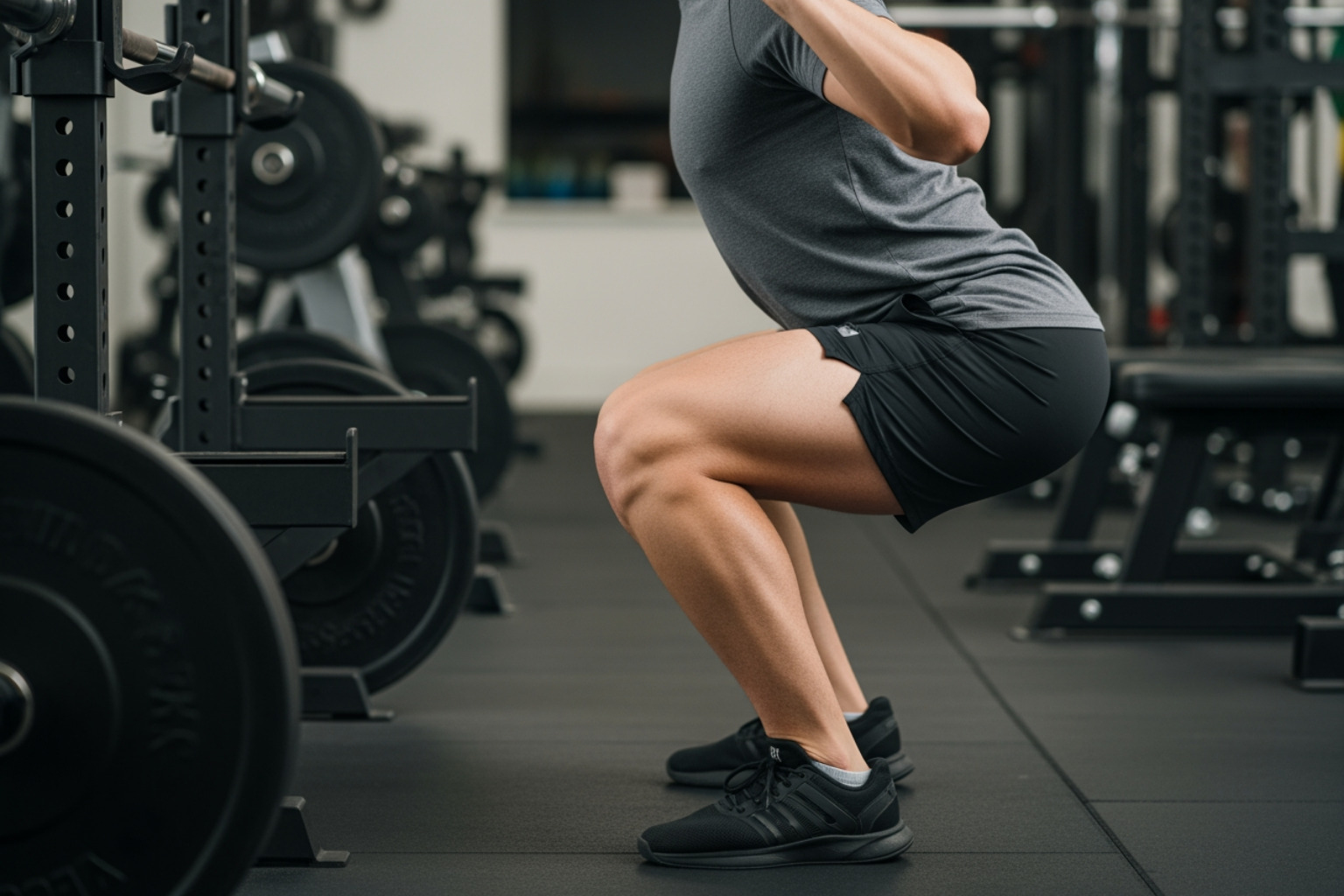
Here are some common mistakes we often see:
- Knees Caving Inward (Valgus Collapse): This is when your knees track inside your feet during the squat. It puts immense stress on your knee joints, patella, and inner thigh muscles (adductors), which are forced to overcompensate, leading to pain and potential injury.
- Leaning Too Far Forward: If your chest drops excessively or your hips rise too quickly, it shifts the load away from your glutes and hamstrings and places it predominantly on your quadriceps and lower back. This can lead to significant quadriceps pain and lower back discomfort.
- Rounded Back: A rounded lower back compromises spinal integrity and can lead to serious injury. It often happens when core engagement is lacking or flexibility is poor.
- Lifting Heels: Your heels should remain firmly planted on the ground throughout the entire squat. Lifting your heels indicates a lack of ankle mobility or a form imbalance, which can strain your knees and calves.
- Improper Squat Depth: While "ass to grass" isn't necessary for everyone, squatting too shallowly might not effectively engage your glutes and hamstrings, leaving your quads to do most of the work. Conversely, going too deep with poor mobility can also be problematic. Aim for at least parallel thighs to the ground.
To prevent your thighs hurt after squats, maintain proper form: keep your chest up, push your hips back and down as if sitting in a chair, ensure your knees track in line with your toes, and maintain a neutral spine. If you're unsure about your form, consider filming yourself or working with a certified coach or physical therapist.
The Perfect Warm-Up and Cool-Down Routine
Often overlooked, a proper warm-up and cool-down are indispensable for preventing muscle soreness and injury. Think of your muscles like a rubber band: cold, they're stiff and prone to snapping; warm, they're pliable and resilient.
Warm-Up (5-10 minutes before squats): The goal of a warm-up is to increase blood flow to your muscles, raise your core body temperature, and prepare your joints for movement.
- Light Cardio: Start with 5 minutes of light cardio like a brisk walk, cycling, or jumping jacks. This gets your heart rate up and blood flowing.
-
Dynamic Stretching: Follow with dynamic stretches that move your muscles through their full range of motion. Examples include:
- Leg swings (forward/backward and side-to-side)
- Walking lunges with a torso twist
- Bodyweight squats or goblet squats with light weight
- Hip circles
- Cat-Cow stretches to mobilize the spine
Cool-Down (5-10 minutes after squats): The cool-down helps your body gradually return to its resting state, reduces muscle stiffness, and can aid in recovery.
- Light Cardio: A few minutes of very light cardio, like walking, helps flush metabolic byproducts.
-
Static Stretching: Focus on static stretches, holding each for 20-30 seconds, targeting the muscles you just worked.
- Quadriceps stretch: Standing or lying quad stretch.
- Hamstring stretch: Seated or standing hamstring stretch.
- Adductor stretch: Seated butterfly stretch or wide-leg forward fold.
- Glute stretch: Figure-four stretch or pigeon pose.
As the American Heart Association emphasizes, a proper warm-up and cool-down are vital components of any exercise routine.
Gradual Progression: Don't Do Too Much, Too Soon
One of the quickest ways to experience severe thighs hurt after squats is by doing too much, too soon. Your muscles need time to adapt to new stresses. This principle is known as progressive overload.
- Start with Bodyweight: If you're new to squats, master the bodyweight squat first. Focus on form, not weight.
- Gradually Increase Reps: Once your form is solid, gradually increase the number of repetitions or sets.
- Add Weight Slowly: Only introduce external weight (dumbbells, barbells) when you can perform bodyweight squats with perfect form for several sets. Start with very light weights and make small increments.
- Mind Your Training Frequency: Don't hit your legs with maximum intensity every day. Allow adequate rest days between challenging leg workouts.
- Listen to Your Body: This is perhaps the most important rule. If you're excessively sore or feel sharp pain, it's a sign to back off. Easing into new types of training helps reduce the risk of soreness after workouts.
Consistency and gradual progress are more effective than sporadic, high-intensity sessions that leave you sidelined for days.
Soothing Sore Thighs: Effective Relief & Recovery Strategies
Even with the best prevention, sometimes your thighs hurt after squats. That's where effective relief and recovery strategies come into play. We believe that recovery is just as important as the workout itself. Our mission at Neuropasil is to help you maximize your workout recovery and get back to feeling your best. You can explore more about how our topical cream supports faster relief for sore muscles and nerves in our guide: Maximize Your Workout Recovery: How Neuropasil Cream Supports Faster Relief for Sore Muscles and Nerves.
Immediate Relief When Your Thighs Hurt After Squats
When that post-squat soreness hits, immediate action can make a big difference in your comfort levels.
Here are some strategies for immediate relief:
-
R.I.C.E. Method (Rest, Ice, Compression, Elevation):
- Rest: Give your muscles a break. Avoid strenuous activity that aggravates the pain.
- Ice: Apply an ice pack to the sore areas for 15-20 minutes at a time, several times a day. This can help reduce inflammation and numb the pain.
- Compression: Wearing compression garments (like sleeves or tights) can help reduce swelling and provide support.
- Elevation: Elevating your legs above your heart can help reduce swelling.
- Gentle Movement / Light Walking: While rest is important, complete inactivity can sometimes worsen stiffness. Gentle activities like a light walk can increase blood flow, which helps remove metabolic waste products and delivers nutrients to aid recovery.
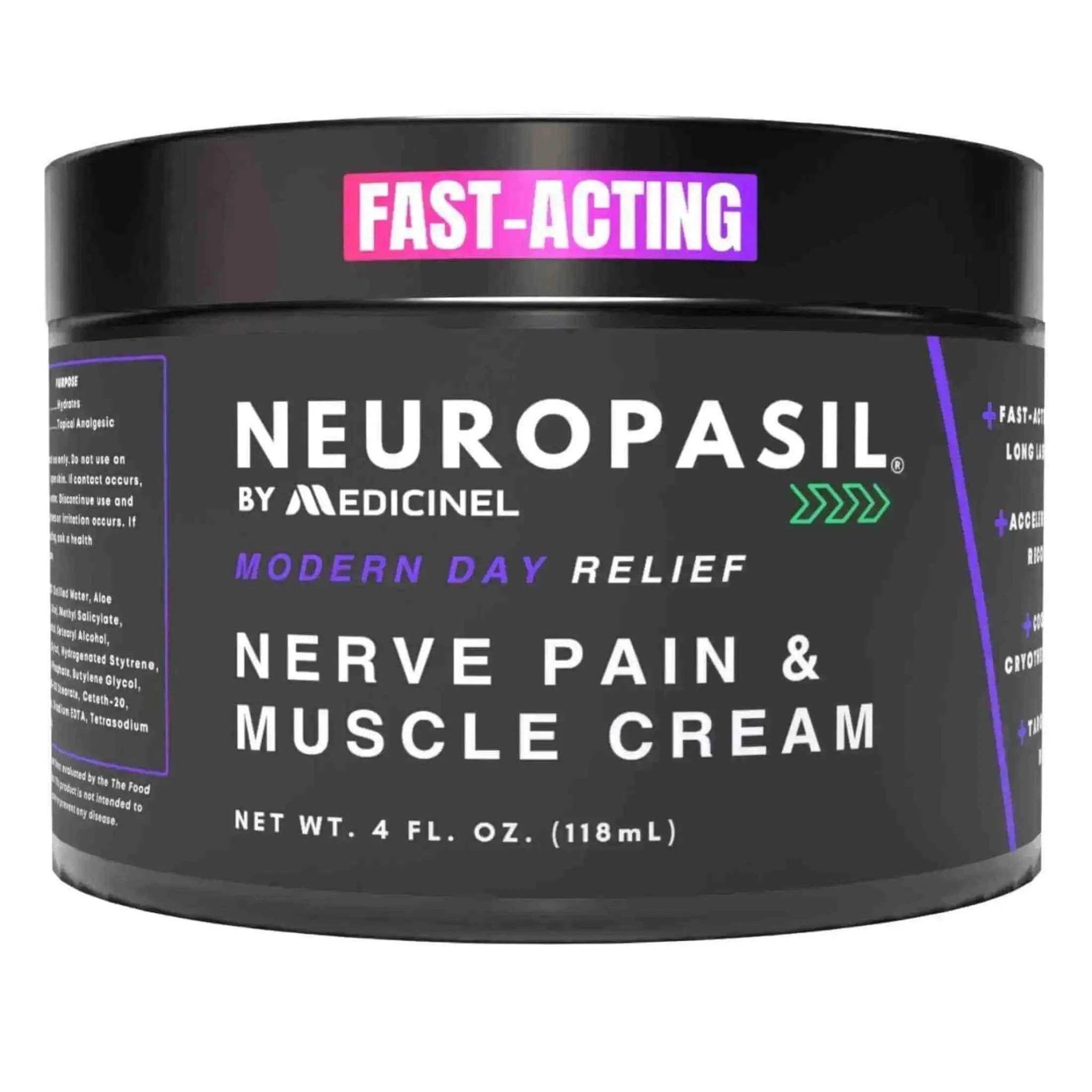
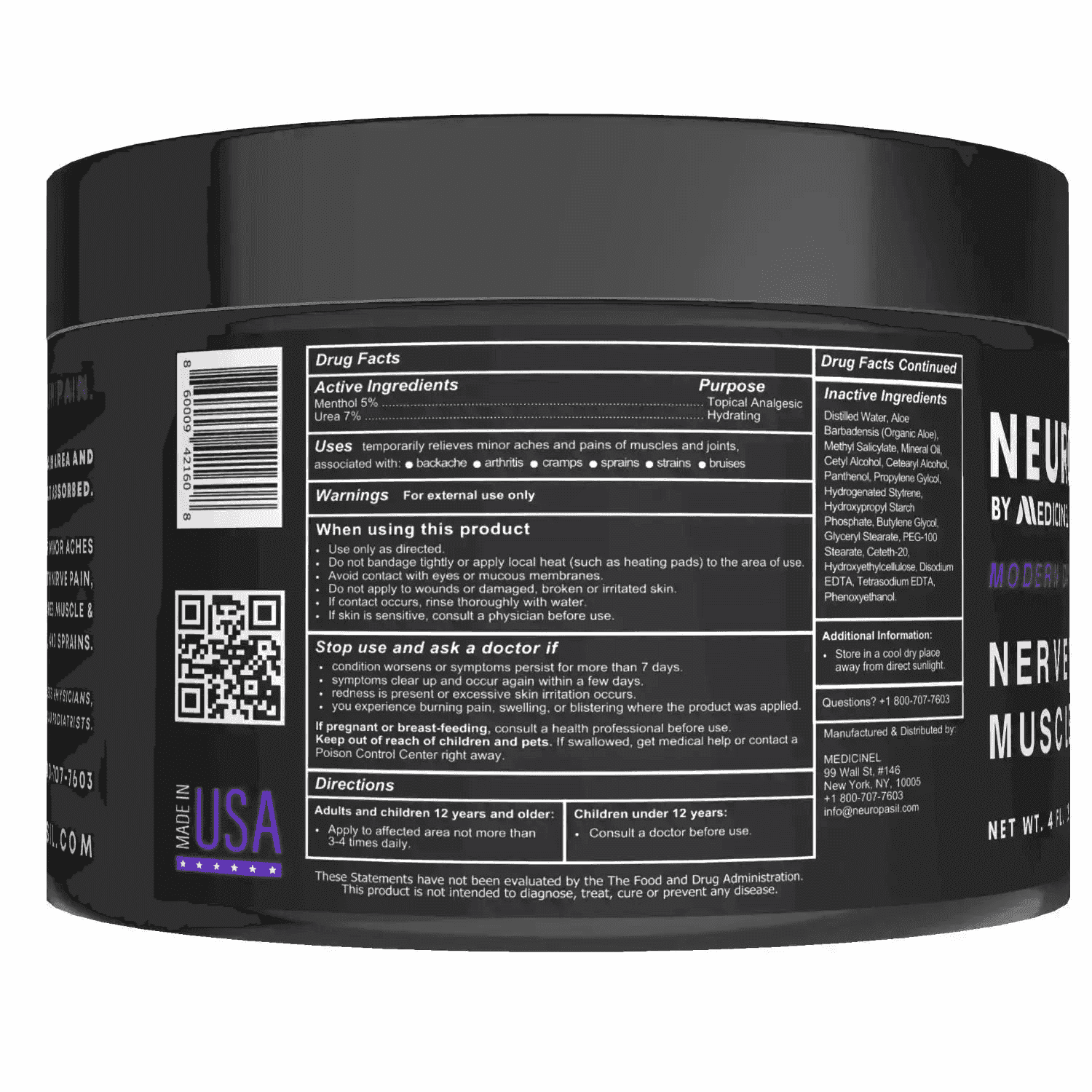
- Topical Creams: For targeted relief, topical pain relief creams can be incredibly effective. Products like Neuropasil, with its blend of natural ingredients such as Aloe, Urea, and Menthol, offer fast-acting, soothing relief directly to the affected area. Menthol, for example, creates a cooling sensation that can help distract from pain and provide temporary relief. We offer powerful solutions for muscle pain relief. Learn more and Shop for fast-acting muscle pain relief.
Choosing between ice and heat often comes down to personal preference, but generally, ice is for acute pain and inflammation, while heat is for relaxing stiff muscles after the initial soreness has subsided.
Recovery Techniques: Foam Rolling and Massage
Beyond immediate relief, incorporating regular recovery techniques can significantly reduce the impact of DOMS and improve muscle health.
- Foam Rolling: This self-massage technique applies pressure to specific muscle groups, helping to release tension, break up muscle knots (adhesions), and improve blood flow. When your thighs hurt after squats, foam rolling your quadriceps, hamstrings, and adductors can be particularly beneficial. While some find it intense, studies have shown it can help speed up recovery from DOMS.
- Massage Therapy: Whether it's a professional massage or self-massage using your hands or a massage tool, manual manipulation of muscles can reduce swelling and alleviate DOMS pain. Massage can improve circulation, reduce muscle tension, and promote relaxation, all of which contribute to faster recovery. The American College of Sports Medicine suggests that massaging tender points can help ease DOMS symptoms. For more tips on relieving muscle soreness, check out our guide on How to Get Rid of Sore Muscles.
When to See a Doctor
While most post-squat thigh pain is due to DOMS and can be managed with self-care, there are instances where you should seek professional medical attention. Ignoring these warning signs could lead to more serious complications.
Consult a healthcare professional if you experience:
- Pain lasting over 72 hours and showing no signs of improvement.
- Sharp, shooting pain that is localized and doesn't ease with rest or gentle movement.
- Inability to bear weight on the affected leg or significant difficulty with daily activities like walking or climbing stairs.
- Significant swelling or bruising that appears suddenly or worsens.
- Signs of Patellofemoral Pain Syndrome (PFPS), often referred to as "runner's knee," which can manifest as pain around or behind the kneecap, especially when squatting, going up/down stairs, or sitting for long periods. PFPS is quite common, affecting approximately 22.7% of the general population.
- Any pain accompanied by numbness, tingling, or weakness in the leg or foot.
- A "popping" sensation at the time of injury, which could indicate a muscle tear or ligament damage.
A medical professional can properly diagnose the issue and recommend an appropriate treatment plan, which might include physical therapy, specific exercises, or other interventions.
Frequently Asked Questions about Thigh Pain from Squats
We hear these questions all the time! Let's clear up some common concerns about why your thighs hurt after squats.
Why do my inner thighs hurt more than the rest of my leg?
If your inner thighs (adductors) are particularly sore after squats, it’s usually due to increased engagement of these muscles. This can happen for several reasons:
- Wide Squat Stance: A wider foot placement emphasizes the adductors more than a narrow stance.
- Sumo Squats: These variations specifically target the inner thighs and glutes, so soreness here is expected.
- Unaccustomed Movement: If you’ve recently incorporated wider stances or sumo squats, or if your adductors aren’t as strong as your quadriceps, they will experience more micro-trauma and thus more DOMS.
- Knees Caving Inward: As mentioned earlier, if your knees tend to collapse inward during your squat, your adductors might be working overtime to stabilize your knees, leading to overuse and soreness.
For a deeper dive into this specific pain, you might find our resource on Why do my inner thighs hurt after doing squats? insightful.
How long is it normal for thighs to be sore after squats?
For typical DOMS, the soreness usually begins 12-24 hours post-workout, peaks around 24-48 hours, and gradually subsides over 3-5 days. This timeline can vary significantly based on several factors:
- Workout Intensity: The harder you pushed, the longer and more you might be sore.
- Novelty of Exercise: If squats are a new exercise for you, or you've introduced a new variation (e.g., front squats vs. back squats), expect more soreness.
- Individual Variability: Everyone's body responds differently. Some people are more prone to DOMS than others.
- Recovery Habits: Proper nutrition, hydration, and sleep can shorten the duration of soreness.
If your pain extends beyond 5 days, or if it's accompanied by other concerning symptoms, it's time to re-evaluate your training or consult a professional.
Should I squat again if my thighs are still sore?
This is a common dilemma! The answer depends on the type and intensity of your soreness:
- Mild Soreness (DOMS): If you're experiencing mild, generalized muscle soreness that feels like a dull ache and improves with movement, it's generally okay to engage in light activity or even train again. This is known as "active recovery" and can actually help increase blood flow to the muscles, aiding the recovery process. You might opt for a lighter squat session, reduced volume, or focus on a different muscle group. As experts often say, it's considered okay to exercise with sore muscles to a certain degree.
- Severe Pain or Muscle Strain: If your thighs hurt after squats with sharp, localized pain, significant stiffness, or if the pain is severe enough to alter your form, you should absolutely rest the affected muscles. Pushing through this kind of pain can exacerbate an injury and prolong your recovery. Listen to your body and prioritize recovery over pushing through discomfort. There's a fine line between challenging your muscles and damaging them.
Conclusion
Experiencing thigh pain after squats is a common hurdle for many, but it doesn't have to derail your fitness goals. By understanding the causes, particularly Delayed Onset Muscle Soreness (DOMS), and differentiating it from more serious strains, you empower yourself to train smarter, not just harder.
Prevention is always better than cure. Prioritizing proper squat form, incorporating thorough warm-up and cool-down routines, and embracing gradual progression in your training are fundamental steps to keeping your thighs happy. When soreness does strike, effective recovery strategies—from immediate relief techniques like the R.I.C.E. method and targeted topical creams such as Neuropasil, to long-term practices like foam rolling, adequate nutrition, and quality sleep—are your best allies.
Muscle soreness is a sign that your body is adapting and growing stronger. Accept it as part of your journey, but always listen to your body's signals. Knowing when to push and when to rest, and when to seek professional medical advice, ensures your progress is sustainable and pain-free.
For more insights into muscle health and recovery, we invite you to explore our blog for more muscle health tips. And if you're looking for targeted relief for sore muscles, find why Neuropasil is trusted by many to provide soothing comfort. You can also find the best pain relief cream for your needs in our comprehensive guide.
References
- American College of Sports Medicine. (2022, December 11). Delayed Onset Muscle Soreness (DOMS) | Info Sheet. https://www.acsm.org/docs/default-source/files-for-resource-library/delayed-onset-muscle-soreness-(doms).pdf?sfvrsn=8f430e182.pdf?sfvrsn=8f430e182)
- American Heart Association. (2014, September 1). Warm Up, Cool Down. https://www.heart.org/en/healthy-living/fitness/fitness-basics/warm-up-cool-down
- Healthline. (2019, June 25). What Is Delayed Onset Muscle Soreness (DOMS) and What Can You Do About It?. https://www.healthline.com/health/doms
- Houston Methodist. (2021, September). Muscle soreness after a workout: Can it be prevented?. https://www.houstonmethodist.org/blog/articles/2021/sep/muscle-soreness-after-a-workout-can-it-be-prevented/
- Houston Methodist. (2022, March). Should you still work out when you’re sore or in pain?. https://www.houstonmethodist.org/blog/articles/2022/mar/should-you-still-work-out-when-youre-sore-or-in-pain/
- Medical News Today. (n.d.). Workouts with many eccentric exercises. https://www.medicalnewstoday.com/articles/eccentric-exercise
- National Center for Biotechnology Information (NCBI). (2005, September). Effects of massage on delayed-onset muscle soreness, swelling, and recovery of muscle function. https://pubmed.ncbi.nlm.nih.gov/16284637/
- National Center for Biotechnology Information (NCBI). (2011, June). Effect of Topical Menthol on Ipsilateral and Contralateral Superficial Blood Flow Following a Bout of Maximum Voluntary Muscle Contraction. https://www.ncbi.nlm.nih.gov/pmc/articles/PMC3109898/#:~:text=Menthol%20is%20a%20terpene%20compound,muscle%20soreness,%20and%20joint%20pain
- National Center for Biotechnology Information (NCBI). (2015, December). Patellofemoral Pain Syndrome (PFPS) affects approximately 22.7% of the general population. https://pmc.ncbi.nlm.nih.gov/articles/PMC5764329/
- National Center for Biotechnology Information (NCBI). (2022, August). Improper squat form can strain the thighs, especially with excessive knee flexion between 60° - 90°. https://pmc.ncbi.nlm.nih.gov/articles/PMC9367913/
- Neuropasil. (n.d.). Hamstring Anatomy 101: Everything You Need to Know About Your Thigh Muscles. https://neuropasil.com/blogs/news/hamstring-anatomy-101-everything-you-need-to-know-about-your-thigh-muscles
- Neuropasil. (n.d.). How to Get Rid of Sore Muscles. https://neuropasil.com/blogs/news/how-to-get-rid-of-sore-muscles
- Neuropasil. (n.d.). How to Never Worry About Upper Thigh Soreness Again. https://neuropasil.com/es/blogs/news/how-to-never-worry-about-upper-thigh-soreness-again
- Neuropasil. (n.d.). Maximize Your Workout Recovery: How Neuropasil Cream Supports Faster Relief for Sore Muscles and Nerves. https://neuropasil.com/blogs/news/maximize-your-workout-recovery-how-neuropasil-cream-supports-faster-relief-for-sore-muscles-and-nerves
- Neuropasil. (n.d.). Muscle Strain Relief Guide. https://neuropasil.com/blogs/news/muscle-strain-relief-guide
- Neuropasil. (n.d.). Step-by-Step Guide to Thigh Soreness: Causes and Relief. https://neuropasil.com/es/blogs/news/step-by-step-guide-to-thigh-soreness-causes-relief
- Neuropasil. (n.d.). The Ultimate Guide to Comparing Muscle Creams for Pain. https://neuropasil.com/blogs/news/the-ultimate-guide-to-comparing-muscle-creams-for-pain
- Ubie Doctor's Note. (n.d.). Why do my inner thighs hurt after doing squats?. https://ubiehealth.com/doctors-note/inner-thigh-pain-squats-causes
- Vive Health. (n.d.). What's Causing Your Thigh Pain?. https://www.vivehealth.com/blogs/resources/thigh-pain?srsltid=AfmBOop_vnnPkxeFjkzxxjxRKIpD0WS7Qb4KhTruq7rTUjoioX5XP4nk
- Torokhtiy. (n.d.). Why Do My Legs Hurt So Much After I Do Squats?. https://torokhtiy.com/blogs/guides/why-do-my-legs-hurt-so-much-after-i-do-squats
- Everything Powerlifting. (n.d.). Squat Pain: Why Thigh Sore Muscles Hurt So Much After Squats?. https://everythingpowerlifting.com/blogs/news/squat-pain-why-thigh-sore-muscles-hurt-so-much-after-squats
- Pliability. (n.d.). How to Prevent Soreness After Leg Day for Pain-Free Progress. https://shop.pliability.com/
- Gunsmith Fitness. (n.d.). Why Do My Quads Hurt So Much After Squatting?. https://gunsmithfitness.com/blogs/news/why-do-my-quads-hurt-so-much-after-squatting
- Healthline. (n.d.). Treating Pain with Heat and Cold. https://www.healthline.com/health/chronic-pain/treating-pain-with-heat-and-cold
- NCBI. (n.d.). it has been shown to help speed up recovery of DOMS. https://www.ncbi.nlm.nih.gov/pmc/articles/PMC4299735/