Why Finding the Right Pain Relief Balm Matters
The best pain relief balm options use active ingredients like menthol, camphor, and natural botanicals for targeted relief of muscle aches, joint pain, and nerve discomfort. Here are some top-performing balms:
Top Pain Relief Balms at a Glance:
| Product | Best For | Key Ingredients | Price Range |
|---|---|---|---|
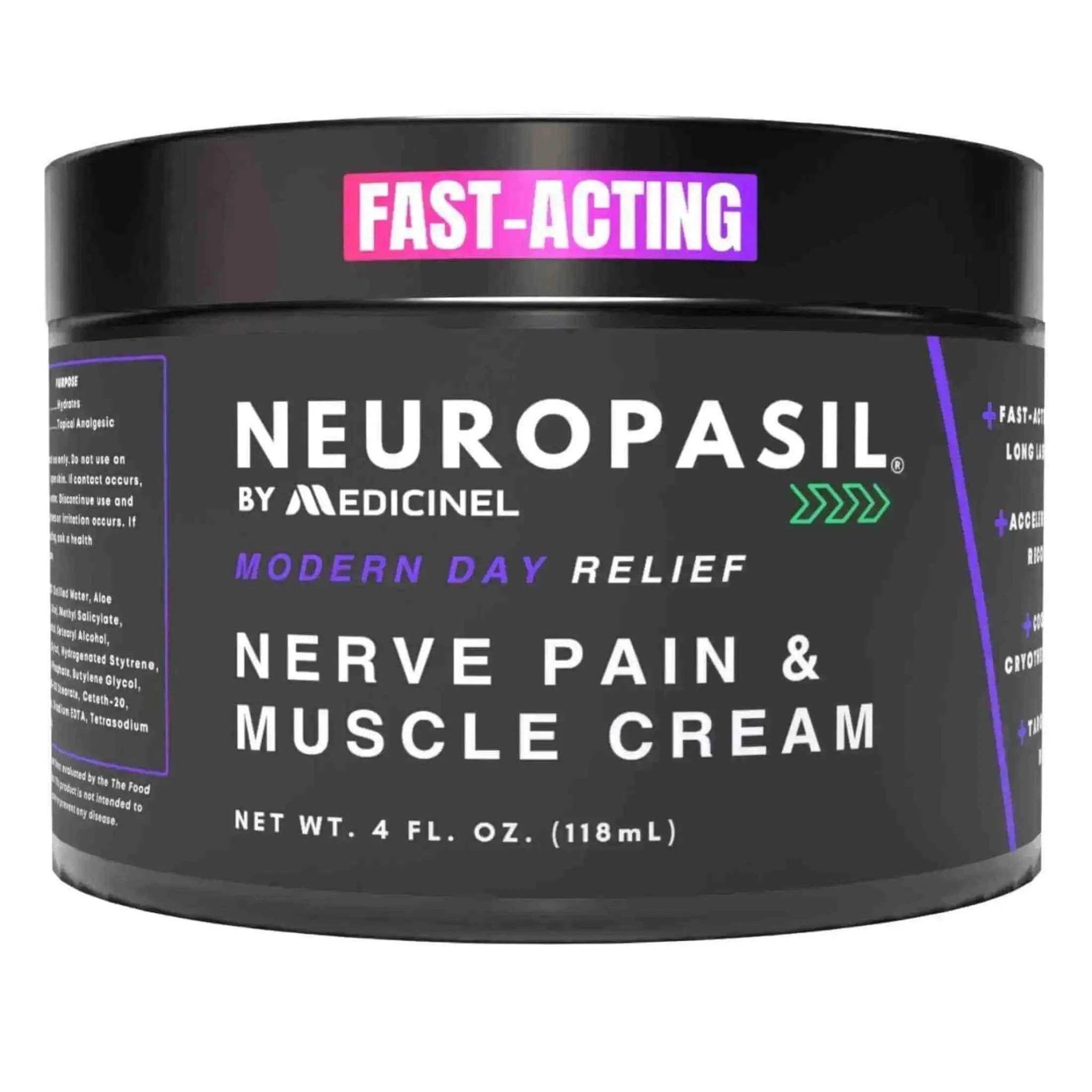
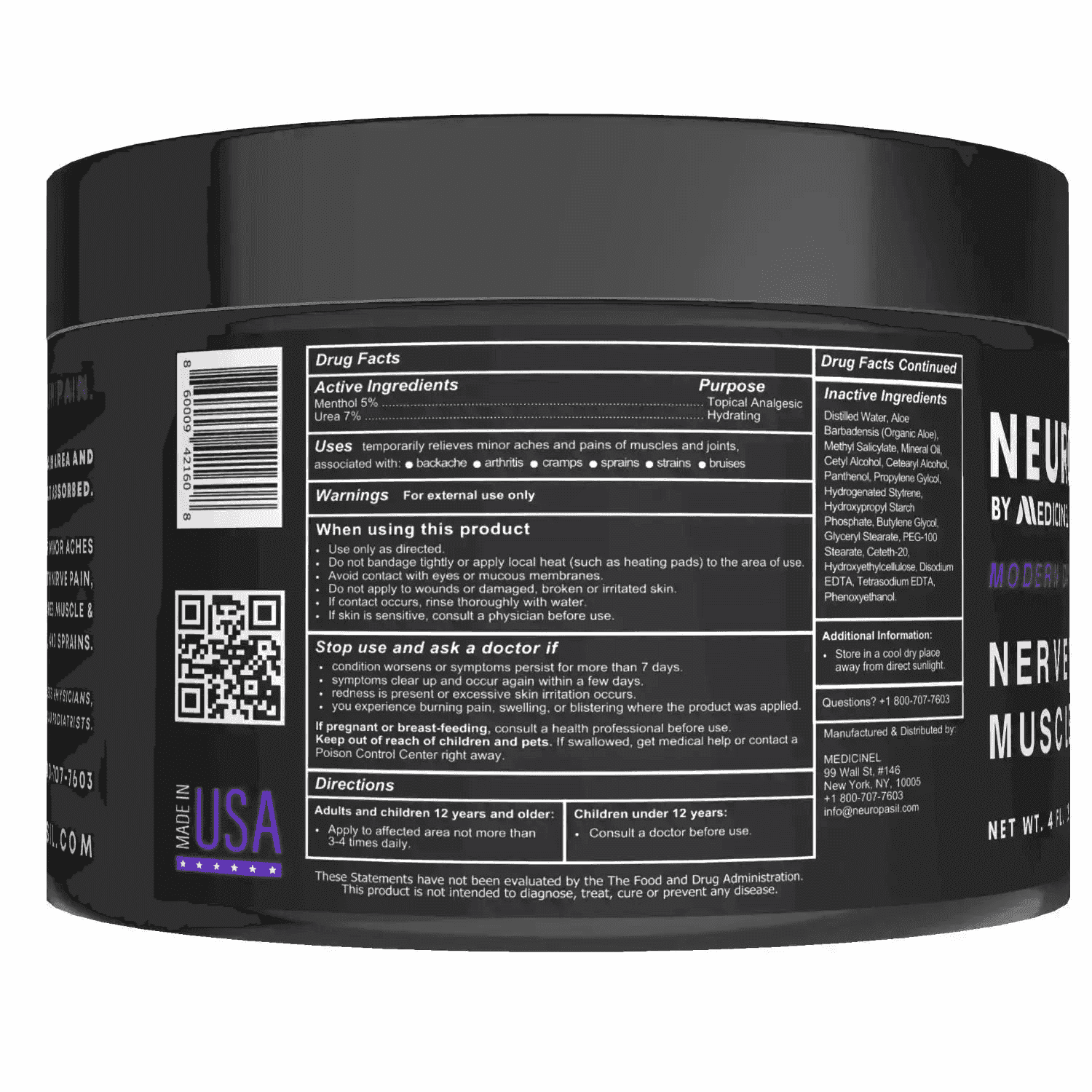
| Neuropasil Pain Relief Cream | Overall relief, nerve pain, muscle recovery | Menthol, Aloe Vera, Urea, Panthenol | $$ |
| Tiger Balm Ultra Strength | Intense muscle soreness | 11% Camphor, 11% Menthol | $ |
| Voltaren Gel | Arthritis and joint pain | Diclofenac (NSAID) | $$$ |
| Biofreeze Professional | Athletes and active recovery | 10.5% Menthol | $$ |
Pain can disrupt your life, whether you're an athlete, dealing with chronic pain, or facing daily discomfort. The right topical solution can make a significant difference.
Research shows that topical analgesics may reduce pain by up to 50 percent. Unlike oral medications, pain relief balms work locally, absorbing through the skin to target pain at the source.
However, not all balms are the same. With countless products featuring ingredients from menthol and camphor to lidocaine and arnica, choosing the right one depends on your specific type of pain.
At Neuropasil, we've spent years researching and developing effective topical solutions for nerve pain, muscle aches, and joint discomfort. This guide will explain how these products work, what ingredients to look for, and which formulations deliver the best results for different types of pain.
How Pain Relief Balms Work: The Science of Soothing Aches
When you apply a best pain relief balm, you're initiating a biological process. Through topical absorption, active ingredients penetrate the skin to reach underlying tissues. They don't heal the injury but interrupt pain signals traveling to your brain, making discomfort more manageable.
The primary mechanism is counter-irritation theory. The balm creates a new sensation, like cooling from menthol or warming from capsaicin, which distracts your nervous system from the pain. Your pain receptors focus on the new sensation, reducing the intensity of the ache.
Scientific research on topical analgesics shows these products can reduce pain by up to 50 percent. Most start working within 30-60 minutes, providing significant relief without pills. For more details, see The Lowdown on Lotions: What Topical Creams Do for Muscle Aches.
Key Active Ingredients and Their Roles
The effectiveness of a best pain relief balm comes from its active ingredients.
- Counterirritants: These create sensations that divert your brain from pain. Menthol delivers a refreshing cooling effect. Learn more in Menthol's Secret: How It Soothes Your Aches. Camphor provides a similar cooling, then warming sensation. Methyl salicylate (from wintergreen oil) creates warmth by widening blood vessels, increasing blood flow and relaxing muscles.
- Salicylates: Related to aspirin, these reduce pain when absorbed through the skin, effective for joints near the surface like fingers and knees.
- Capsaicin: Derived from chili peppers, it depletes Substance P, a neurotransmitter for pain signals, according to clinical studies. After an initial warming or burning sensation, regular use can significantly reduce chronic joint and nerve pain. Read more in From Spice to Science: A Deep Dive Into Capsaicin.
- Anesthetics: Lidocaine numbs the area by blocking pain signals at the nerve, providing straightforward dulling of pain.
- Natural Ingredients: Many balms include ingredients with soothing and anti-inflammatory properties. Arnica is used for bruising and pain. Aloe vera soothes and moisturizes, helping other ingredients penetrate the skin. Urea is a natural compound that improves absorption and moisturizes. For more on natural options, see Natural Pain Relief Solutions.
Our Top Pick for the Best Pain Relief Balm of 2024
Our selection criteria for the best pain relief balm focuses on ingredient quality, user reviews, effectiveness for various pain types, and value. We also consider absorption and user experience. For a broader comparison, see our Topical Analgesic Solution Showdown.
Our Top Pick: Neuropasil Pain Relief Cream
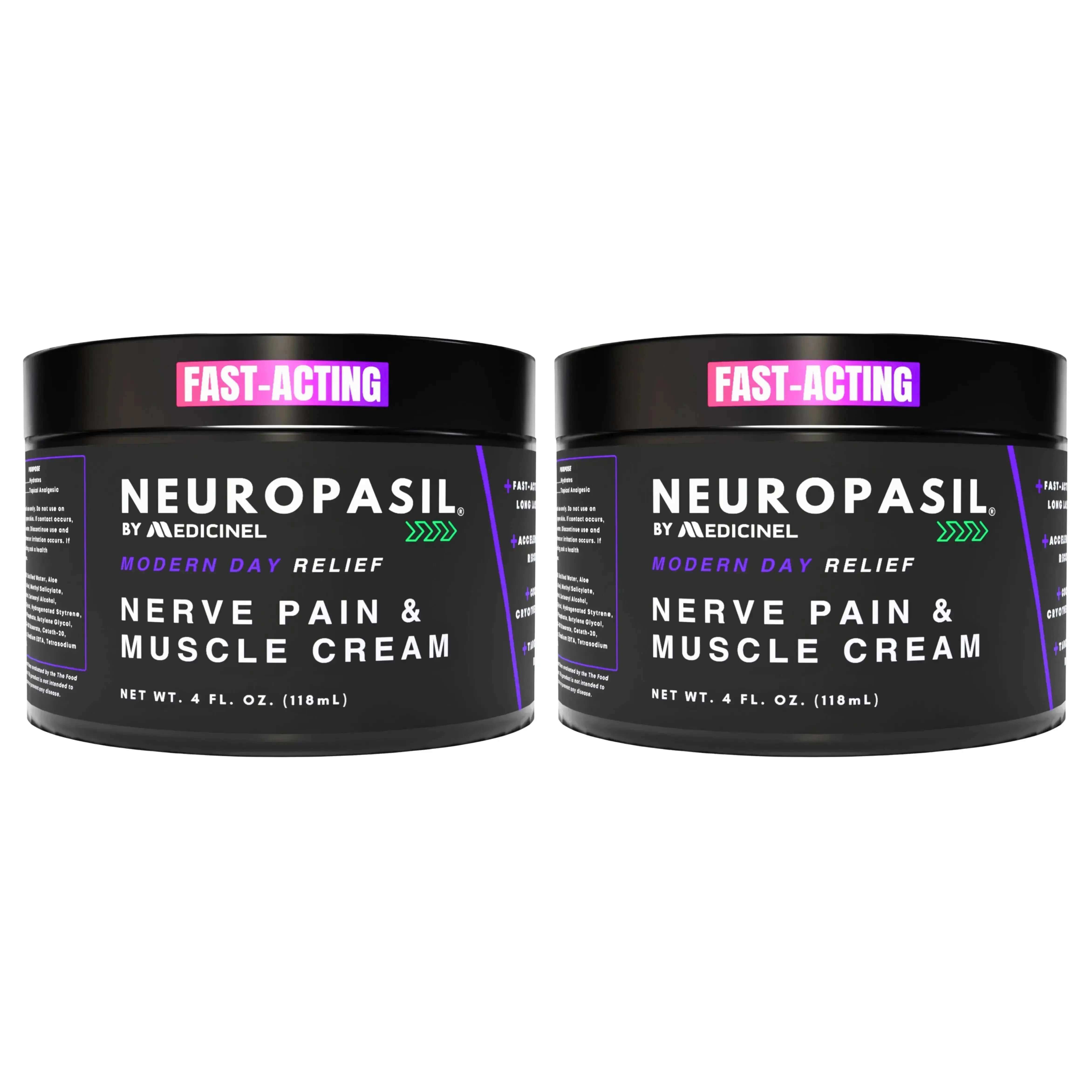
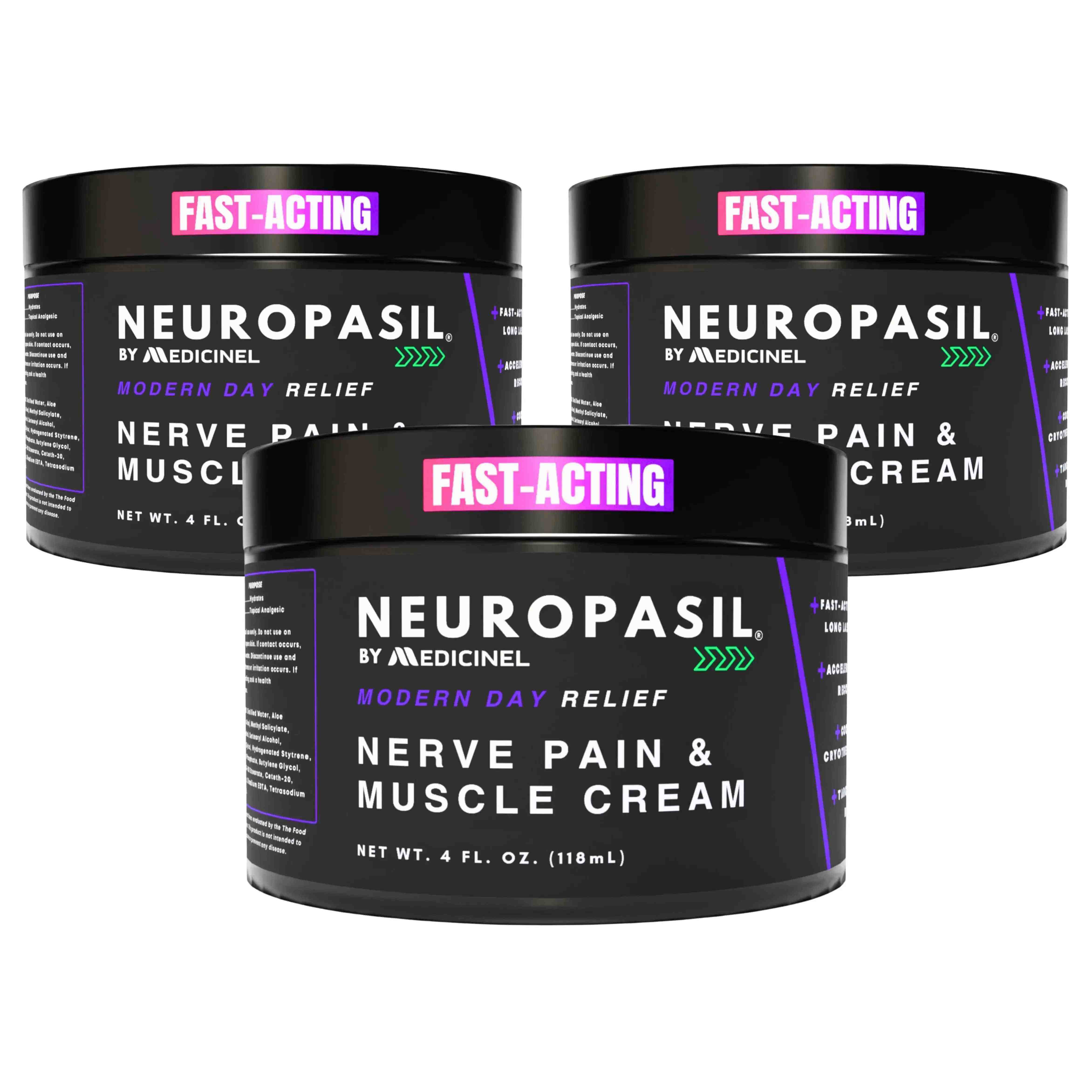
Our top recommendation is the Neuropasil Pain Relief Cream. Its versatile formula delivers targeted, soothing relief for a wide array of discomforts, making it the best choice for overall use, nerve pain, muscle recovery, and as a natural option.

Why we love it:
- Versatile & Effective Formula: Neuropasil combines Menthol for immediate cooling, Aloe Vera for soothing hydration, and Urea to ensure deep penetration. This blend provides comprehensive relief for neuropathy, sciatica, fibromyalgia, strains, sprains, and general aches.
- Ideal for Nerve Pain & Muscle Recovery: The synergistic formula is specifically designed to calm nerve discomfort. For athletes, the fast-absorbing cream soothes sore muscles and accelerates recovery. Many customers in New York City, NY, rely on it for persistent nerve pain.
- Natural & User-Friendly: The formula prioritizes natural ingredients like Menthol, Aloe Vera, and Arnica, known for their anti-inflammatory properties. It's non-greasy, absorbs quickly, and provides a refreshing cooling effect without harsh chemicals.
Learn more about how it works in How Neuropasil Cream Soothes Sore Muscles and Eases Nerve Pain and explore natural ingredients in 7 Practical Ways to Use Natural Anti-Inflammatories.
Choosing Your Balm: A Buyer's Guide
Finding the best pain relief balm is easier when you know what to look for. Understanding the differences between formulations and considering your personal needs will help you choose wisely.
| Product Type | Texture | Absorption Speed | Greasiness | Best Use Case |
|---|---|---|---|---|
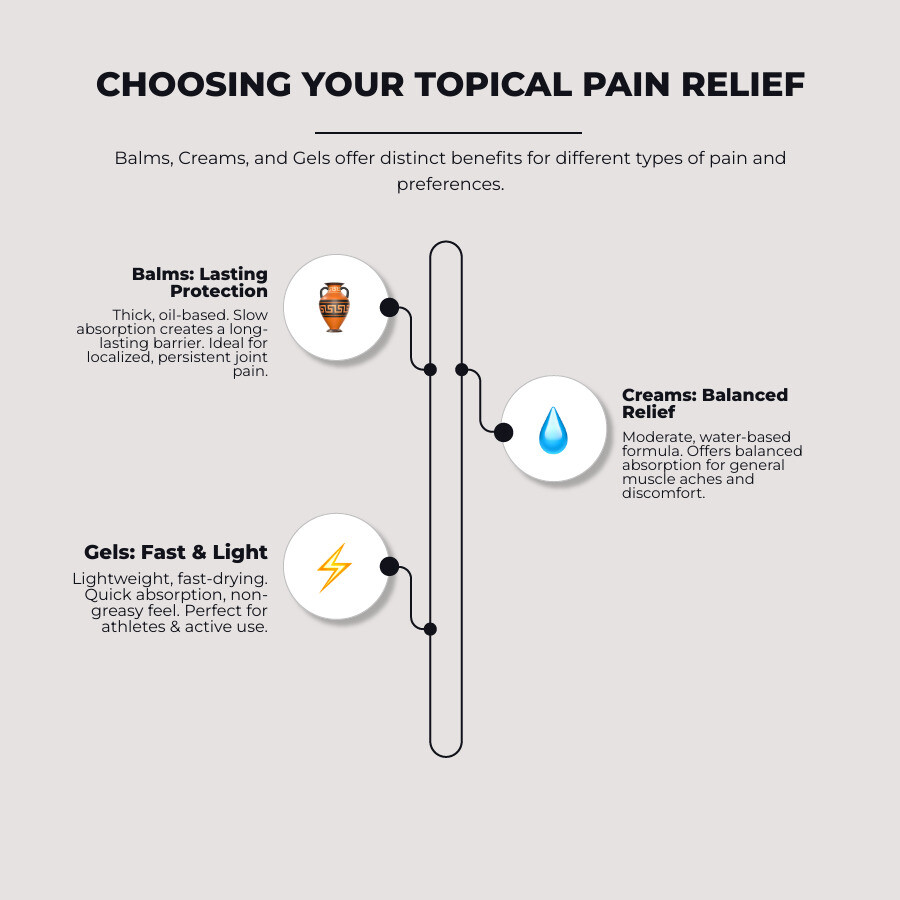
| Balm | Thick, Waxy | Slow | Can be greasy | Localized, long-lasting barrier, joint pain |
| Cream | Moderate, Smooth | Moderate | Often non-greasy | General muscle aches, larger areas |
| Gel | Lightweight, Clear | Fast | Non-greasy | Athletes, quick relief, non-staining |
For a deeper dive, explore Topical Pain Relief Creams, Gels, and Ointments Explained.
Understanding Formulations: Balm vs. Cream vs. Gel
The terms "balm," "cream," and "gel" describe distinct formulations, each with unique properties.
- Balms: With a thick, waxy consistency from an oil and beeswax base, balms absorb slowly. This creates a long-lasting barrier, making them ideal for localized joint pain. They can feel greasy.
- Creams: Offering a middle ground, creams have a smooth texture that's lighter than a balm. As water-based emulsions, they have a moderate absorption rate. Modern creams like Neuropasil are often non-greasy, making them versatile for general muscle aches. Learn more about Non-Greasy Creams for Aches and Pains.
- Gels: These are lightweight, water-based, and absorb very quickly, leaving no residue. Gels are a favorite among athletes for their fast-drying, non-sticky feel.
Factors to Consider When Selecting the Best Pain Relief Balm
Choosing the right product is a personal decision. Here’s what to consider:
- Type of Pain: For general muscle soreness, counterirritants like menthol are effective. For joint stiffness, NSAID topicals or deep-penetrating balms may work best. Nerve pain from conditions like neuropathy or sciatica often responds well to specialized formulas like Neuropasil. Find your match with our guide, Neuropathy's Nemesis: Finding Your Perfect Topical Relief.
- Ingredient Preferences: Decide if you prefer natural botanicals like arnica or the power of an NSAID or anesthetic. Always read the active ingredients list.
- Scent: Some balms have strong medicinal odors. If you're sensitive, look for unscented or milder options.
- Texture and Feel: Consider your preference. Do you want a thick balm, a smooth cream, or a quick-drying gel? Your choice will affect how consistently you use the product.
- Price: Evaluate the cost per application, not just the upfront price. A more effective product used sparingly can be more economical.
For a complete checklist, see our guide on How to Choose the Best OTC Topical Pain Relief.
How to Use Pain Relief Balms Safely and Effectively
Using your best pain relief balm correctly is key to getting the best results. Proper application and safety awareness will maximize your relief.
Maximizing Your Relief: Application Best Practices
Follow these steps for the most effective application:
- Start with clean, dry skin: Wash and dry the area to remove any barriers like dirt or oils that could block absorption.
- Apply a thin layer: More is not better. A thin, even layer allows the active ingredients to absorb properly.
- Massage gently: Rub the product in with circular motions for about 30 seconds to help it penetrate and to stimulate blood flow.
- Wash your hands: After application, wash your hands thoroughly to avoid accidentally touching your eyes or other sensitive areas, especially with ingredients like menthol or capsaicin.
- Avoid heat and tight bandages: Never use a heating pad or wrap the area tightly after applying a balm. This can cause burns or severe skin irritation.
- Follow product instructions: Adhere to the recommended application frequency on the label, typically 3-4 times per day.
For sport-specific tips, see our Athlete's Guide to Fast-Acting Relief.
Potential Side Effects and Precautions
While generally safe, be aware of potential side effects:
- Skin Irritation: Mild cooling, warming, or tingling is normal. However, wash the product off if you experience intense burning, blistering, or a rash.
- Allergic Reactions: Though rare, symptoms can include hives, severe itching, or swelling. Discontinue use and seek medical attention if this occurs.
- Patch Test First: Before widespread use, apply a small amount to your inner forearm and wait 24 hours to check for irritation.
- Avoid Sensitive Areas: Keep balms away from eyes, mucous membranes, and broken or damaged skin. Applying to wounds can cause irritation and unwanted absorption.
- Consult Your Doctor: If you are allergic to aspirin or take blood thinners, talk to your doctor before using products with salicylates.
For more on side effects, read What Are the Side Effects of Arnica Gel?. Always listen to your body and discontinue use if something doesn't feel right.
When to See a Doctor for Your Pain
While the best pain relief balm is excellent for temporary, localized discomfort, it's not a substitute for professional medical care for serious conditions. Knowing when to see a doctor is crucial.
Consult a healthcare provider if you experience any of the following:
- Pain that lasts for more than seven days despite using a balm.
- Severe swelling, intense redness, or changes in skin color around the painful area.
- Numbness, tingling, or weakness in the affected limb, which may indicate nerve involvement.
- Pain that worsens after using a topical product, or excessive skin irritation.
- Chronic pain that significantly impacts your daily life, work, or sleep.
Topical balms manage symptoms, but persistent or severe pain requires a proper diagnosis and treatment plan. For joint issues, see an orthopedic specialist. For suspected nerve pain, consult a neurologist. Listen to your body; it will tell you when it needs more help than a cream can provide.
Frequently Asked Questions about the Best Pain Relief Balm
Here are answers to common questions about finding and using the best pain relief balm.
How long does it take for pain relief balm to work?
Most people feel relief within 30 to 60 minutes after applying a best pain relief balm. The exact time depends on the active ingredients, your skin's absorption rate, and the type of pain. Ingredients like menthol provide an immediate cooling sensation, while deeper relief may take longer. Once effective, relief can last for several hours.
Can I use pain relief balm every day?
Yes, for short-term use, most balms are safe for daily application, typically 3 to 4 times a day as directed on the label. However, if you need to use a balm every day for more than a week, consult your doctor. Persistent pain may signal an underlying issue that requires medical diagnosis and treatment.
Are pain relief balms better than pills?
They are different tools for different situations. Balms offer targeted, local relief with fewer systemic side effects, making them ideal for localized muscle aches, joint stiffness, or nerve pain. Pills work systemically and may be more appropriate for widespread or severe pain. Often, a combination approach is effective. For a detailed comparison, read our guide on Muscle Pain Relief: Oral vs. Topical Options. Always choose the method that best suits your pain type and consult a healthcare professional for a comprehensive strategy.
Conclusion
Don't let pain control your life. Finding the best pain relief balm for your specific needs—whether it's post-workout soreness, chronic nerve pain, or daily aches—can transform your daily experience. This guide has covered how topical solutions work, the key ingredients like menthol, arnica, and capsaicin, and how to choose the right formulation for you.
We recommend Neuropasil Pain Relief Cream as a top choice for its fast-acting, non-greasy, and effective formula. Its unique blend of Menthol, Aloe Vera, and Urea provides targeted relief for a wide range of issues, from nerve pain to muscle recovery.
Remember to use topical products safely and consult a doctor for persistent or worsening pain. Your health and comfort are paramount. At Neuropasil, we are committed to helping you find effective relief so you can live your life to the fullest.
Ready to find a solution that works? Explore our natural, fast-acting pain relief solutions and start your journey to better pain management.
References
Throughout this guide, we've drawn on trusted research and clinical studies to ensure you have accurate, science-backed information about pain relief balms. Understanding the evidence behind these topical treatments helps you make informed decisions about your pain management.
The foundation of our discussion on how topical analgesics work comes from a comprehensive Cochrane Review by Derry S, et al. (2017), which examined multiple studies on topical pain relievers for both acute and chronic pain in adults. This systematic overview provides strong evidence for the effectiveness of various topical formulations. You can read the full review at the Cochrane Library.
We also referenced important research by Jorge LL, et al. (2011) on the efficacy and patient adherence of topical pain preparations. This study highlights not just whether these products work, but how real people use them in their daily lives—a crucial consideration when choosing your pain relief solution. The complete study is available through the National Center for Biotechnology Information.
For specific ingredient mechanisms, we referred to sources such as a 2011 review in the British Journal of Anaesthesia on capsaicin's effect on Substance P and MedlinePlus for its explanation of how lidocaine works.
For practical guidance on using topical pain relievers, particularly for arthritis and joint pain, we consulted the Mayo Clinic's expert resources on treatments absorbed through the skin. Their patient-focused approach aligns with our commitment to helping you understand your options clearly. Visit their article on arthritis pain treatments for additional insights.
These reputable sources form the scientific backbone of our recommendations, ensuring that when we discuss the best pain relief balm options, we're not just sharing opinions—we're providing evidence-based guidance you can trust.