Why Sore Muscles Happen and What You Can Do About It
Sore muscles from working out are a common experience for anyone who exercises. The good news is that this soreness is usually a normal sign that your muscles are adapting and getting stronger.
Quick Relief Methods for Sore Muscles:
- Active Recovery - Gentle movement like walking or swimming
- Temperature Therapy - Ice for the first 24-48 hours, then heat
- Massage - Foam rolling or professional massage
- Topical Relief - Creams with menthol for fast-acting relief
- Hydration & Nutrition - Water and protein to aid muscle repair
- Rest & Sleep - 7-9 hours nightly for optimal recovery
It's important to distinguish between the "good" soreness from a challenging workout and the sharp, persistent pain that signals an injury. Normal muscle soreness typically appears 24-48 hours after exercise and subsides within a few days. However, if pain lasts longer than five days, limits daily activities, or feels sharp and localized, it's time to see a doctor.
This guide covers why sore muscles from working out happen, how to relieve them, prevention strategies, and when soreness might be an injury. I'm Tony Enrico, and through my work with Neuropasil, I've helped thousands find relief from muscle and nerve pain. My mission is to provide the knowledge to manage discomfort so you can continue to live an active life.
Terms related to sore muscles from working out:
Understanding Why Your Muscles Are Sore After a Workout
That familiar tenderness after a tough workout is your body's way of signaling that important repair work is underway. When you push your muscles beyond their usual limits, you create microscopic tears in the muscle fibers. This is a normal and intentional part of getting stronger.
In response, your body initiates an inflammation response to begin healing. Specialized cells rush to the site to clear out damaged tissue and start repairs. While this inflammation causes discomfort, it's a crucial step in the process. This cycle of controlled damage and repair is how your muscles adapt, rebuild, and grow stronger and more resilient. So, while you may feel stiff, soreness is often a sign your muscles are adapting.
What is Delayed Onset Muscle Soreness (DOMS)?
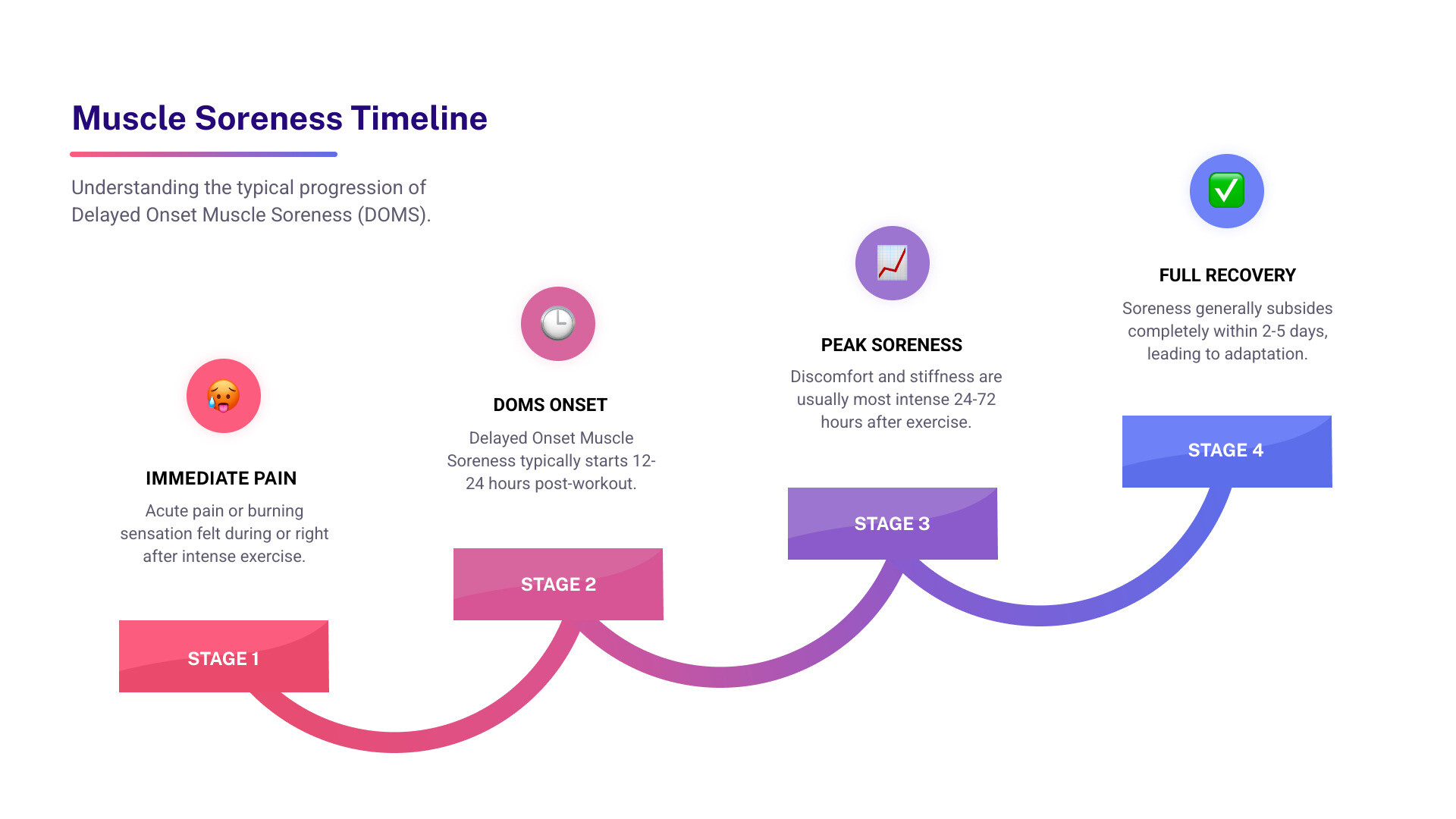
The official term for this post-workout ache is Delayed Onset Muscle Soreness (DOMS). According to the American College of Sports Medicine, DOMS is the muscle pain and stiffness that appears 12 to 24 hours after unaccustomed or strenuous exercise.pdf). It affects everyone, from beginners to seasoned athletes.
Key signs of DOMS include stiffness, tenderness to the touch, a temporary reduction in strength, and limited range of motion. The "delayed" nature of DOMS is its defining feature; the pain typically peaks between 24 and 72 hours post-exercise before gradually subsiding.
Eccentric contractions are the primary cause of DOMS. These are movements where a muscle lengthens under tension, such as lowering a weight in a bicep curl, the downward phase of a squat, or running downhill. These movements place significant stress on muscle fibers, leading to more microscopic tears and subsequent soreness.
How Long Does Muscle Soreness Typically Last?
The good news is that sore muscles from working out are temporary. Most discomfort begins to ease after one to three days and typically resolves within five to seven days.
However, the duration can be influenced by several factors, including exercise intensity, your fitness level, and the type of activity. If you're new to exercise or trying an activity with many eccentric movements, soreness may last longer.
It's crucial to know when soreness becomes a concern. Health experts advise that if your pain lasts longer than five days without improvement or worsens over time, it may indicate a more serious muscle injury. Learning to listen to your body's signals is key to knowing when to rest and when to seek professional advice.
6 Effective Ways to Relieve Sore Muscles
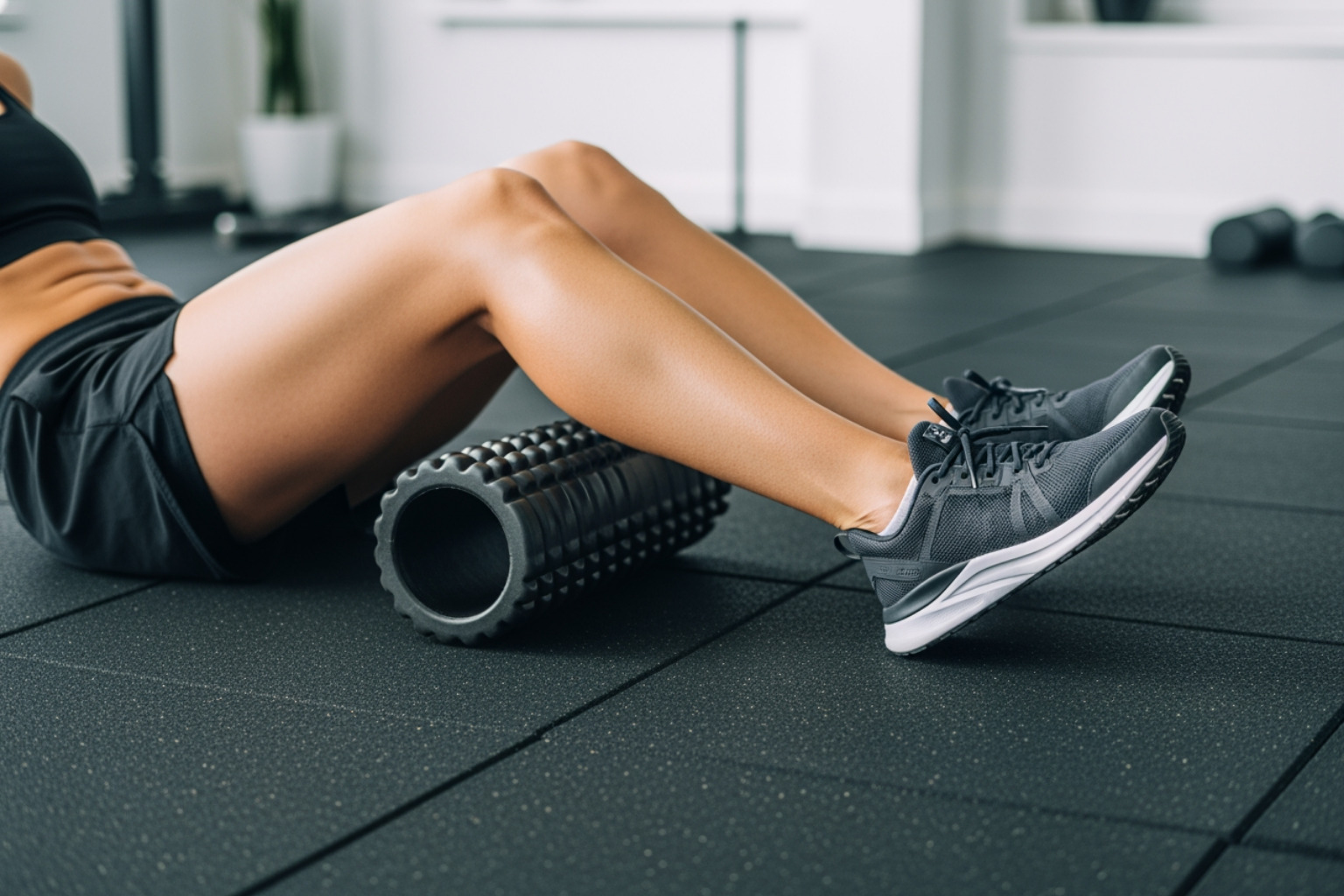
While sore muscles from working out are a normal part of fitness, you don't have to simply endure the discomfort. An effective recovery strategy often involves multiple methods to ease pain and speed up healing. Here are six top strategies to help you recover faster.
1. Active Recovery: The "Keep Moving" Method
It may seem counterintuitive, but gentle movement is one of the best remedies for sore muscles. Active recovery increases blood flow, delivering oxygen and nutrients to your muscles while helping to flush out metabolic waste. This can reduce stiffness more effectively than complete rest. Try light activities like a walk, easy swimming, or restorative yoga. As familydoctor.org explains, active recovery is a great strategy.
2. Temperature Therapy: Ice and Heat
Using ice and heat provides a powerful one-two punch against soreness. In the first 24-48 hours, apply an ice pack for 10-15 minutes to reduce inflammation and numb pain. Some research shows cold water immersion is also beneficial. After 48 hours, switch to heat therapy. A warm bath, shower, or heating pad can increase blood flow, relax muscles, and ease stiffness. Many people find Epsom salt soaks soothing for sore muscles from working out.
3. Massage and Myofascial Release
Massage is a proven recovery tool that eases muscle tightness, improves circulation, and reduces pain. It helps break up adhesions in muscle fibers and flush out waste. You can also perform self-myofascial release using tools like foam rollers or a tennis ball to apply pressure to tight spots, releasing tension. A review in the International Journal of Sports Physical Therapy found that self-myofascial release can reduce pain after intense exercise.
4. Topical Pain Relief for Targeted Comfort
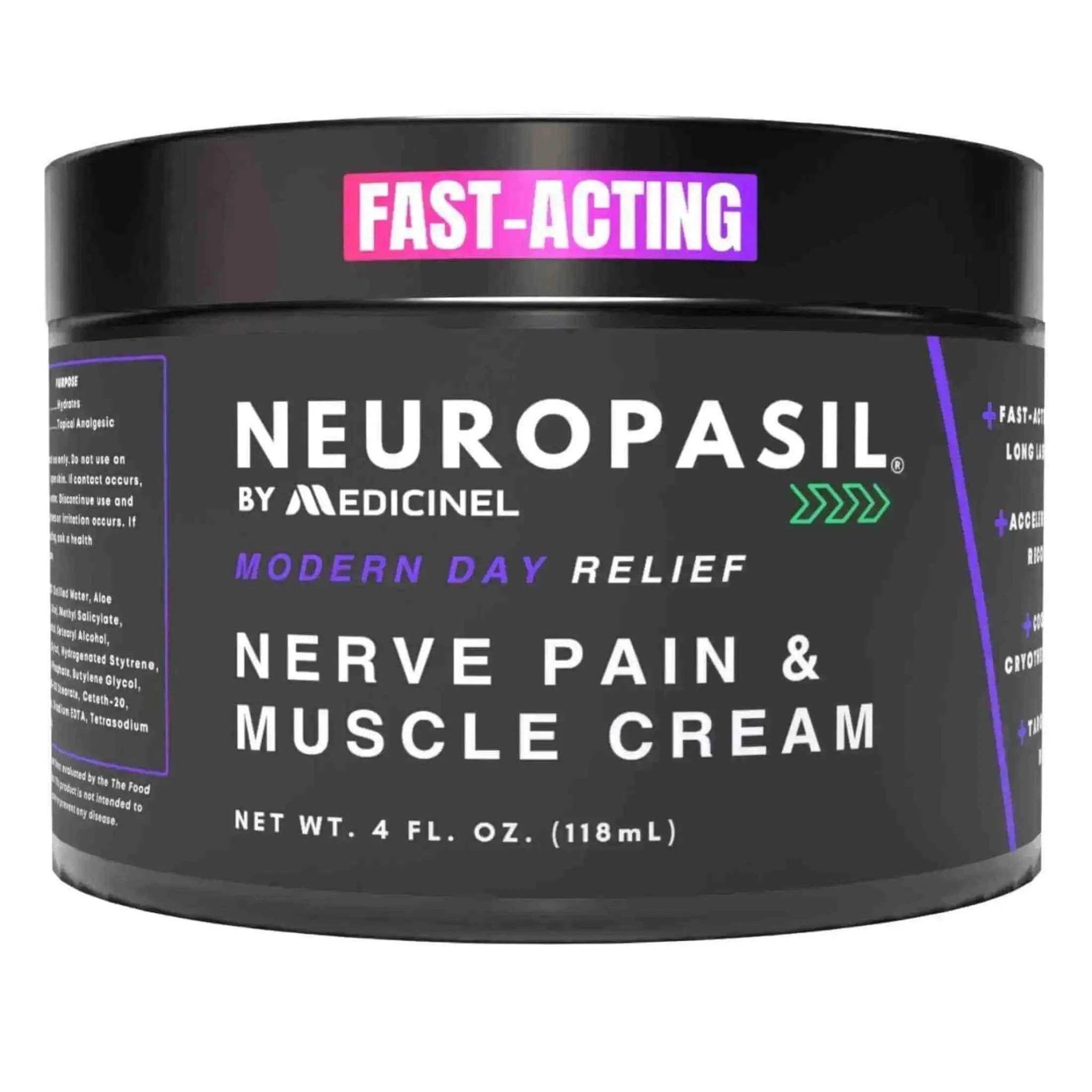
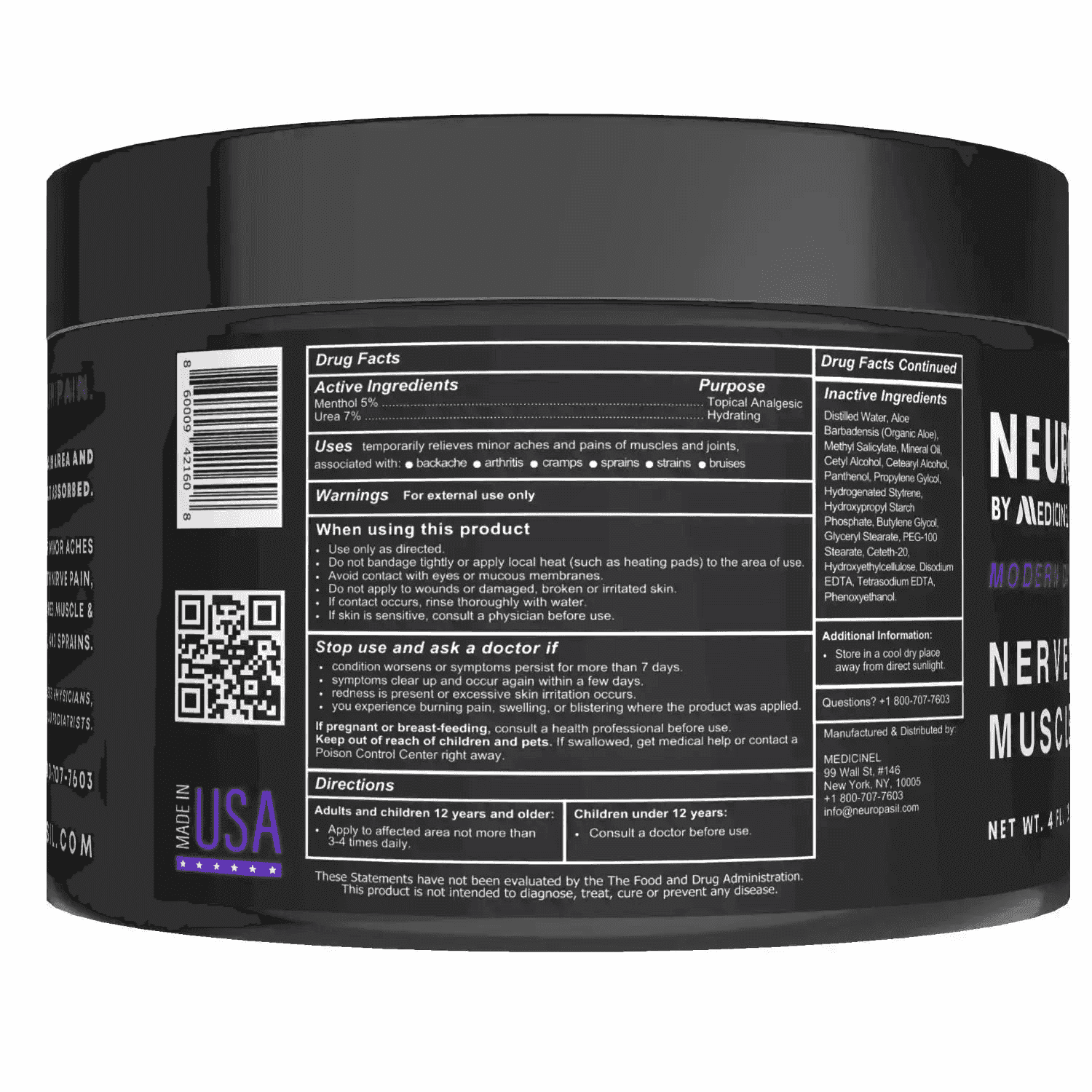
For fast relief right where it hurts, topical pain relief creams are an excellent choice. Many of these creams use ingredients like menthol to create a cooling sensation that helps overpower pain signals. At Neuropasil, our cream is formulated with a blend of natural ingredients like Aloe, Urea, and Menthol to provide targeted, soothing relief. It's a trusted solution for athletes and active individuals looking to recover smarter and get back to their training. You can find more info about the best pain relief creams for muscle pain and review an overview of topical analgesics for pain.
5. Nutrition and Hydration for Muscle Repair
Proper nutrition and hydration are fundamental to recovery. Hydration is critical for flushing out metabolic byproducts that contribute to soreness. Dehydration can make muscle pain feel worse. Protein is essential for muscle repair, providing the amino acids needed to fix micro-tears, a fact supported by the International Society of Sports Nutrition. Carbohydrates replenish glycogen stores, your body's main energy source. Additionally, anti-inflammatory foods like turmeric can help reduce DOMS. A 2020 review suggests that curcumin, found in turmeric, might help reduce DOMS.
6. The Power of Rest and Sleep
Never underestimate the power of rest and sleep. Rest days are crucial, giving your muscles dedicated time to repair without added stress. Pushing through significant soreness can lead to overuse injuries. Most importantly, your body releases human growth hormone (HGH) during deep sleep, which is vital for tissue repair and growth. Aiming for 7-9 hours of quality sleep per night is non-negotiable for optimal recovery and adaptation.
Preventing Excessive Sore Muscles from Working Out
While some muscle soreness is a sign of progress, debilitating pain that sidelines you for days is counterproductive. The goal isn't to eliminate soreness entirely but to manage it intelligently so it doesn't derail your fitness goals.
The secret is gradual progression. Your body is highly adaptable, but it needs time to catch up to your ambitions. Increasing workout intensity, duration, or frequency too quickly is a common cause of excessive sore muscles from working out. Consistency is also key; as your body adapts to a routine, soreness will naturally become less frequent and intense.
The Importance of a Proper Warm-Up and Cool-Down
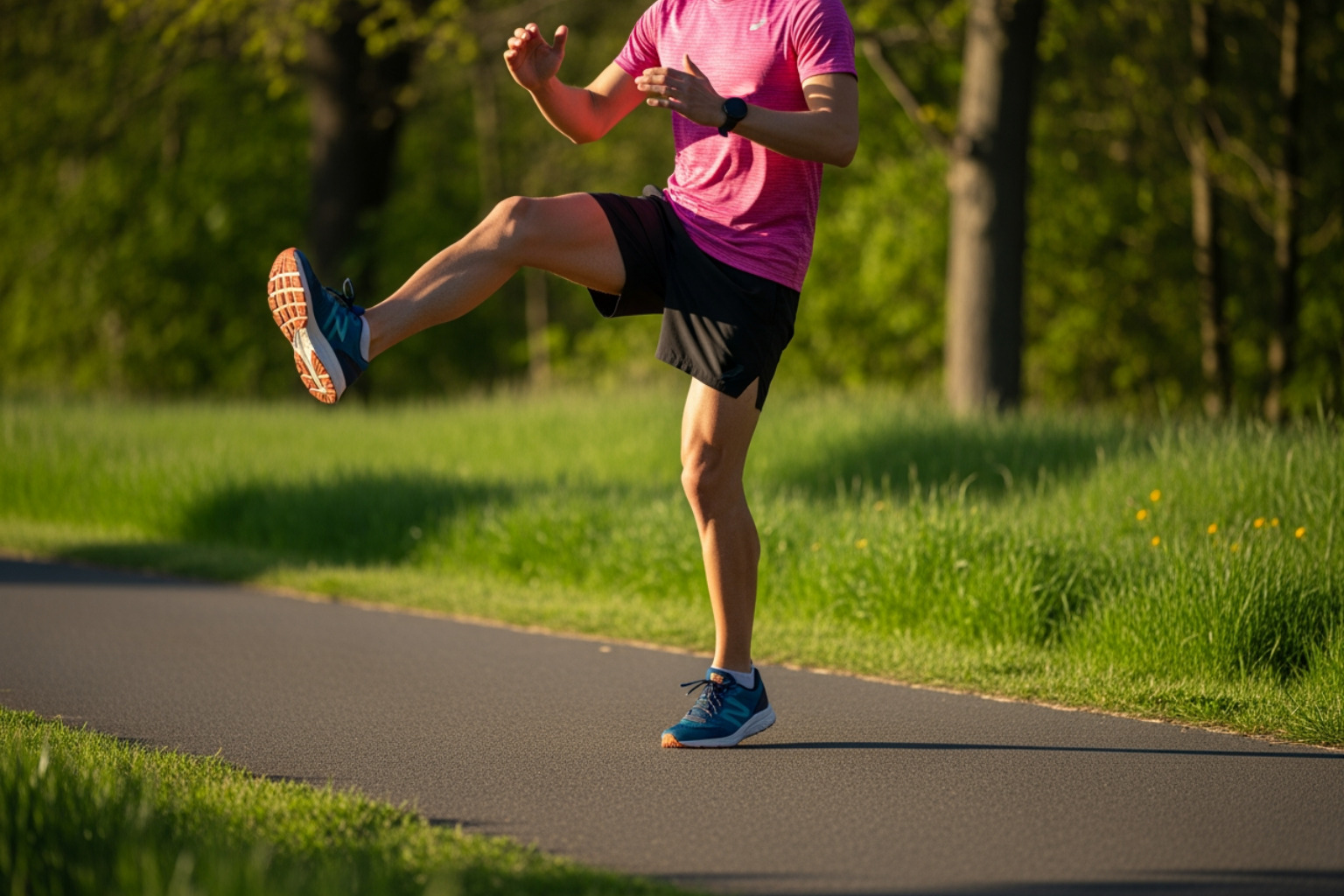
Think of your muscles like an engine: they need to be warmed up before performing and cooled down afterward. A proper warm-up and cool-down routine prepares your body for exercise and aids recovery.
Warm-Up with Dynamic Stretching: Start with active movements like arm circles, leg swings, and walking lunges. These increase blood flow, raise your heart rate, and warm up muscle tissues, making them more pliable and helping to prevent acute injuries.
Cool-Down with Static Stretching: After your workout, hold stretches for 20-30 seconds. This helps improve long-term flexibility and signals to your nervous system that it's time to begin the recovery process. An active cool-down can also help prevent fluid from pooling in your muscles.
For practical routines, the NHS offers a helpful guide on warming up and cooling down.
How to Prevent Sore Muscles by Pacing Yourself
Pacing yourself is the most effective way to prevent excessive soreness. While motivation is great, it should be tempered with a smart approach.
Start New Routines Slowly: If you're new to exercise or an activity, begin at a low-to-moderate intensity to allow your body to adapt.
Increase Gradually: Apply the principle of progressive overload by slowly increasing workout intensity, duration, or frequency over weeks, not days. Small, consistent increases allow muscles to adapt without being overwhelmed.
Focus on Proper Form: Correct technique ensures you're targeting the right muscles and significantly reduces the risk of injury and unnecessary strain.
Listen to Your Body: Your body sends signals. Sharp pain during an exercise is a red flag to stop. If you're constantly sore, you may be overdoing it. Don't be afraid to take a rest day.
Soreness vs. Injury: When to See a Doctor
It's crucial to know whether your sore muscles from working out are a sign of progress or something more serious. Understanding the difference, as outlined by health institutions like the Mayo Clinic, is key to your long-term health and staying active.
Signs of Normal Soreness vs. a More Serious Injury
Normal DOMS feels like a dull, generalized ache that affects muscles on both sides of the body and often improves with light movement. An injury, however, typically involves sharp, stabbing pain that is localized to one specific area, often appears immediately during activity, and worsens with movement.
| Symptom | Delayed Onset Muscle Soreness (DOMS) | More Serious Injury |
|---|---|---|
| Feeling | Dull, generalized ache; muscle stiffness | Sharp, stabbing, or intense localized pain |
| Location | Often bilateral (both sides); affects entire muscle group | Usually unilateral (one side); specific spot or near a joint |
| Onset | 12-24 hours post-exercise | Immediately during or shortly after activity |
| Movement | Improves with light movement | Worsens with movement; may prevent normal function |
| Accompanying Signs | Mild swelling possible | Significant swelling, bruising, redness, warmth |
| Duration | 1-5 days; gradually improves | Persistent pain lasting longer than 5-7 days; may worsen |
| Function | May make activities uncomfortable but not impossible | Limits ability to move limb or bear weight |
Red Flags: When to Seek Medical Attention
While normal soreness is no cause for alarm, certain warning signs indicate it's time to see a doctor. Seek professional help if you experience any of the following:
- Pain lasting longer than 5-7 days without any improvement.
- Unbearable pain that limits your ability to perform daily activities.
- Complete inability to move a limb or bear weight on it.
- Significant swelling, redness, or warmth around the affected area.
- Dark, tea-colored urine after a workout. This is a critical sign of rhabdomyolysis, a rare but serious condition where rapid muscle breakdown can damage the kidneys. The CDC warns this requires immediate medical care.
Athletic trainers, physical therapists, and sports medicine physicians can properly diagnose the issue and create a treatment plan. When in doubt, getting checked out is always the safest option. You can find a sports medicine specialist today for an evaluation.
Frequently Asked Questions about Muscle Soreness
Let's clear up some of the most common questions about sore muscles from working out.
Are sore muscles a sign of a good workout?
Soreness can be a sign of a productive workout, as it indicates you've challenged your muscles enough to stimulate adaptation and growth. However, a lack of soreness does not mean a workout was ineffective. As you become fitter, your body adapts and recovers more efficiently. As fitness experts explain, progress can be measured in many ways beyond soreness, including increased strength, improved endurance, and better performance. Don't rely on soreness as your only metric for success.
Does lactic acid cause muscle soreness?
This is a common and persistent myth. Lactic acid does not cause delayed muscle soreness. Lactate is a byproduct of intense exercise that causes the temporary burning sensation you feel during a hard effort. However, it's cleared from your body within an hour after you stop exercising. As numerous studies have confirmed, Delayed Onset Muscle Soreness (DOMS) is caused by microscopic muscle damage and the subsequent inflammatory repair process, which is why the pain appears 12-24 hours later.
Can I take pain relievers for muscle soreness?
Yes, pain relievers can help manage the discomfort of sore muscles from working out.
Topical relievers like Neuropasil offer targeted relief directly to the affected area without systemic side effects. Ingredients like menthol create a cooling sensation that can override pain signals, providing fast comfort. For localized soreness, this is often an ideal first-line approach. You can learn more about our formula on our ingredients page.
Oral pain relievers are another option. Some, like NSAIDs, work by reducing inflammation. However, inflammation is a necessary part of the muscle repair and growth process. While these medications can be effective for occasional, significant discomfort, some research suggests that relying on them regularly might interfere with your body's natural adaptation to exercise, as high doses may inhibit muscle protein synthesis.
Always consult a healthcare professional before starting any new medication, especially if you have underlying health conditions.
Conclusion: Accept the Process and Recover Smarter
We've learned that sore muscles from working out are a normal part of the fitness journey—a sign that your body is adapting and getting stronger. But we've also found that there's a clear line between productive soreness and an injury. Knowing when to rest and when to seek help is crucial for staying healthy and active long-term.
Recovery is an active process. Strategies like active recovery, temperature therapy, massage, proper nutrition, and quality sleep all play a vital role in helping you bounce back stronger. Fitness is a marathon, not a sprint. Listen to your body, respect the recovery process, and be patient as you build resilience.
For those times you need targeted, fast-acting relief, many athletes trust Neuropasil's natural formula. Our blend of Aloe, Urea, and Menthol provides soothing comfort right where you need it, helping you recover smarter. Learn more about our powerful ingredients or shop Neuropasil for Muscle & Nerve Pain Relief today.
Accept your fitness journey, celebrate your progress, and know that each ache is part of your body preparing for the next adventure.
References
- American College of Sports Medicine (ACSM) on Delayed Onset Muscle Soreness (DOMS).pdf)
- American Council on Exercise (ACE) on Muscle Soreness as a Workout Indicator
- Centers for Disease Control and Prevention (CDC) on Rhabdomyolysis Symptoms
- Healthline on DOMS Symptoms and Duration
- International Society of Sports Nutrition Position Stand on Protein and Exercise
- Mayo Clinic on Pain and Exercise
- NCBI Study on Cold Water Immersion for Muscle Soreness
- NCBI Review on Curcumin for DOMS
- NCBI Review on Self-Myofascial Release
- NCBI Overview of Topical Analgesics for Pain
- NCBI Article on Sleep and Human Growth Hormone
- NHS Guide on Warming Up and Cooling Down
- Research on the Lactic Acid Myth from the University of New Mexico
- Study on NSAID Interference with Muscle Adaptation
- Why Active Recovery is a Great Strategy via familydoctor.org