Introduction: Decoding Left-Sided Chest Discomfort
Chest muscle pain left side can be alarming, often triggering immediate worry about your heart. The good news is that most chest pain isn't cardiac. In fact, according to the American Heart Association, while more than 6.5 million ER visits annually are for chest pain, over half have noncardiac causes.
Quick Answer: What Causes Left-Side Chest Muscle Pain?
- Muscle strain from exercise, heavy lifting, or forceful coughing
- Costochondritis (inflammation of rib cartilage)
- Poor posture from prolonged desk work
- Direct injury to the chest wall
- Intercostal muscle strain from repetitive twisting
When to seek emergency care immediately:
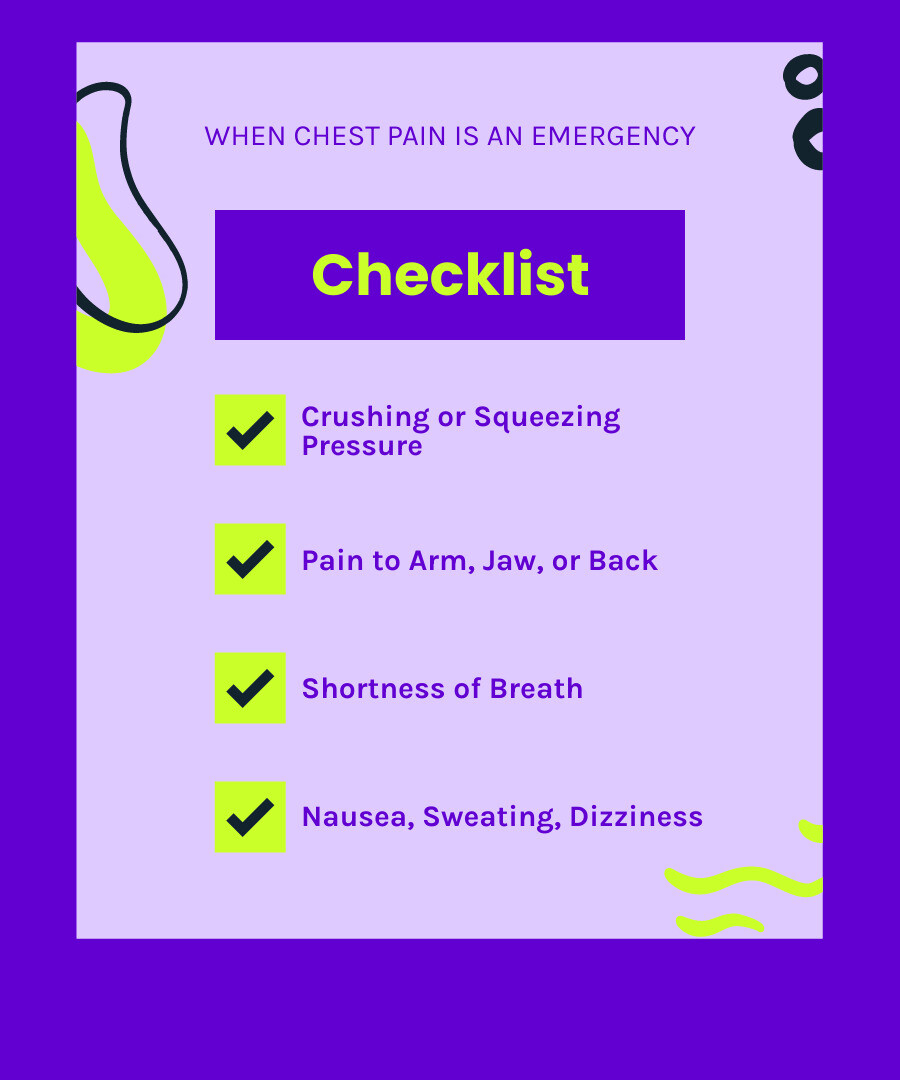
- Pain with crushing pressure, squeezing, or tightness
- Pain radiating to the arm, jaw, neck, or back
- Shortness of breath, sweating, nausea, or dizziness
This article will help you understand the causes of your discomfort, know when to worry, and find relief. We'll explore the common culprits behind chest muscle pain left side, explain how to distinguish it from heart-related pain, and provide actionable treatment options.
I'm Tony Enrico. At Neuropasil, I've helped thousands manage muscle and nerve pain. My mission is to provide clear, practical information so you can take control of your pain and get back to what you love.
Quick chest muscle pain left side terms:
Is It Your Muscle, Heart, or Something Else? Distinguishing the Pain
When you feel pain on the left side of your chest, it's natural to think of a heart attack. However, many causes are non-cardiac. Observing your pain's characteristics is key, but self-diagnosis is no substitute for a professional medical evaluation. If you have any doubt, seek medical attention.
This comparison can help you understand the differences:
| Characteristic | Muscular Chest Pain | Heart-Related Chest Pain | Other (Lung/Digestive/Anxiety) Chest Pain |
|---|---|---|---|
| Sensation | Sharp, aching, sore, stabbing; localized; tender to touch | Pressure, tightness, squeezing, crushing, heaviness; dull ache | Burning (GERD), sharp/stabbing (Pleurisy), tightness (Anxiety), dull ache (Pneumonia) |
| Location | Specific spot on chest wall; worsens with palpation | Often central, but can radiate to left arm, jaw, neck, back | Varies: behind breastbone (GERD), localized over lung (Pleurisy), diffuse (Anxiety) |
| Triggers | Movement, stretching, deep breaths, coughing, sneezing, exercise, lifting, direct pressure | Exertion, stress; sometimes at rest | Eating (GERD), deep breaths/coughing (Lung), stress/panic (Anxiety) |
| Relief | Rest, ice/heat, position change, gentle stretches, OTC pain relievers | Rest, nitroglycerin (for angina) | Antacids (GERD), relaxation (Anxiety), specific treatments for lung issues |
| Associated Symptoms | None, or localized swelling/bruising | Shortness of breath, sweating, nausea, dizziness, irregular heartbeat | Shortness of breath, cough, fever (Lung), palpitations, tingling (Anxiety), regurgitation (GERD) |
| Duration | Can be constant, intermittent, or worsen with activity | Can last minutes or be intermittent; sometimes goes away and returns (CDC) | Varies: minutes (Panic Attack), hours (GERD), days/weeks (Lung issues) |
While these distinctions are helpful, symptoms can overlap. A medical professional is your best resource for an accurate diagnosis.
Typical Symptoms of Chest Muscle Pain
Discomfort from the muscles, ligaments, and cartilage of your chest wall has specific characteristics that help differentiate it from other causes.
Typical symptoms of chest muscle pain left side include:
- Localized Pain: The pain is confined to a specific area you can often pinpoint with a finger.
- Tenderness to Touch: Pressing on the affected area makes the pain worse, a strong indicator of musculoskeletal pain.
- Sharp or Aching Sensation: The pain can be a sharp, stabbing feeling or a dull, persistent ache.
- Pain with Movement: Twisting, reaching, or lifting can intensify the pain.
- Pain with Deep Breaths or Coughing: Deep breathing, coughing, or sneezing can stretch the strained muscles, increasing pain.
As Banner Health notes, there are key differences between heart and muscle pain. Heart pain often feels like pressure and may radiate, while muscular pain is typically localized and worsens with pressure or movement.
Red Flags: When Chest Pain Is a Medical Emergency
While most chest muscle pain left side isn't serious, it's crucial to recognize emergency signs. Call 911 immediately if you experience any of the following:
- Sudden, Severe Chest Pain without a clear cause.
- Discomfort Lasting More Than a Few Minutes: The CDC states that heart attack discomfort often lasts more than a few minutes or may go away and return.
- Squeezing, Crushing Pressure, or Fullness in the Chest: A classic heart attack symptom.
- Pain Radiating to the arm (especially left), jaw, neck, or back.
- Shortness of Breath, especially with chest pain.
- Nausea or Vomiting alongside chest pain.
- Cold Sweats without exertion.
- Dizziness or Lightheadedness.
- Symptoms of a Pulmonary Embolism: According to the Mayo Clinic, these can include sudden, sharp chest pain that worsens with breathing, plus breathlessness, a cough (sometimes with blood), dizziness, or a rapid heartbeat.
Heart attack symptoms can vary, especially in women, who may experience more fatigue, nausea, and lightheadedness. When in doubt, seek emergency medical help. Do not drive yourself; call 911.
Common Causes of Chest Muscle Pain on the Left Side
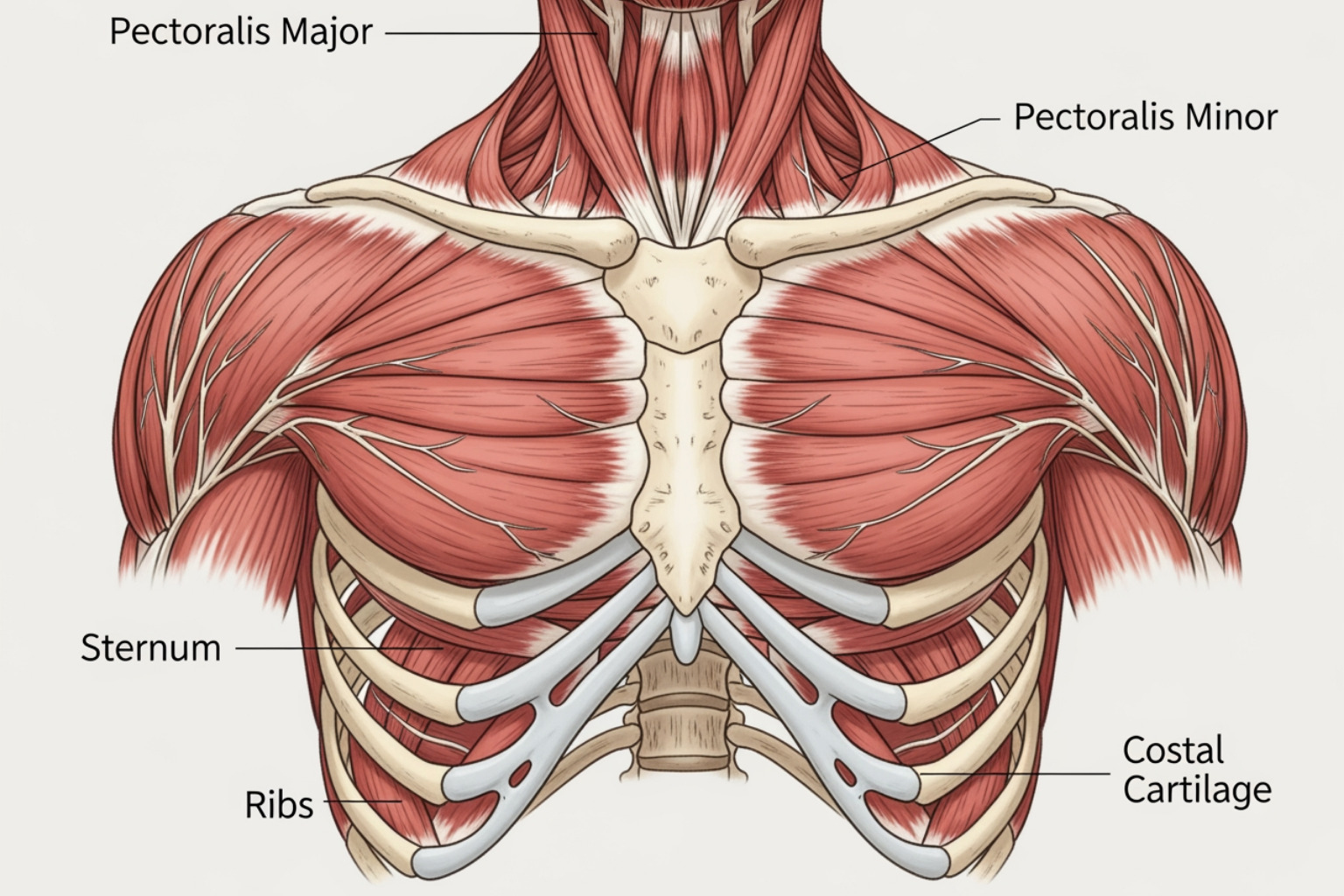
The chest wall is a complex structure of bones, cartilage, and muscles. When any of these components are irritated or injured, it can lead to chest muscle pain left side. While we often think of the heart first, many common causes of chest pain are musculoskeletal.
Musculoskeletal Culprits: Strains, Injuries, and Posture
Our daily activities, whether active or sedentary, can strain the muscles and structures of our chest, resulting in chest muscle pain left side.
Common musculoskeletal causes include:
- Pectoral Muscle Strain: Overstretching the large chest muscles during activities like weightlifting or push-ups can cause sharp pain and tenderness.
- Intercostal Muscle Strain: The small muscles between your ribs can be strained by forceful twisting, reaching, or even intense coughing. This causes sharp pain that worsens with deep breaths.
- Weightlifting Injury: Improper form can lead to various chest wall injuries beyond simple strains.
- Forceful Coughing or Sneezing: Persistent, forceful coughing can put immense stress on intercostal muscles, leading to inflammation and pain.
- Poor Posture: Prolonged sitting with a hunched back can shorten chest muscles and weaken back muscles, leading to chronic discomfort.
- Broken or Bruised Ribs: Direct trauma from a fall or accident can result in broken or bruised ribs, causing intense, localized pain that worsens with breathing or coughing.
Understanding Costochondritis and Chest Wall Inflammation
Costochondritis is a frequent cause of chest muscle pain left side, involving inflammation of the cartilage connecting your ribs to your breastbone (sternum).
- What it is: This condition causes localized, sharp, or aching pain where the ribs meet the sternum. As the Mayo Clinic explains, it often worsens with pressure, deep breaths, or coughing.
- Causes: The inflammation can result from minor injury, viral infections, or strenuous activity, though the cause is often unknown.
- Key Symptom: The hallmark of costochondritis is tenderness when pressing on the affected joints, which helps distinguish it from heart-related pain.
- Tietze Syndrome: A related but less common condition that also involves visible swelling of the cartilage.
Non-Muscular Causes Mimicking Chest Muscle Pain Left Side
Sometimes, pain felt in the chest wall originates from other body systems, mimicking chest muscle pain left side.
- GERD or Acid Reflux: When stomach acid flows back into the esophagus, it can cause a burning sensation behind the breastbone, often mistaken for chest pain. The NIDDK confirms this can mimic heart-related pain.
- Hiatal Hernia: Part of the stomach pushing into the chest cavity can cause pressure or pain, especially after eating.
- Pleurisy: Inflammation of the lung lining, which the Mayo Clinic notes causes sharp, stabbing pain that worsens with breathing or coughing, similar to an intercostal strain.
- Pneumonia: This lung infection can cause sharp chest pain that worsens with breathing, often accompanied by fever and a cough, as confirmed by sources like the Mayo Clinic.
- Panic Attack Symptoms: A panic attack can cause very real physical symptoms, including chest tightness, pain, a racing heart, and shortness of breath, which are often mistaken for a heart attack.
Finding Relief: Treatments and Recovery Timeline
Once a muscular cause for your chest muscle pain left side is likely, the next step is managing the discomfort and promoting healing. For most musculoskeletal issues, relief comes from rest, targeted therapies, and a gradual return to activity.
At-Home Remedies for Minor Muscle Pain
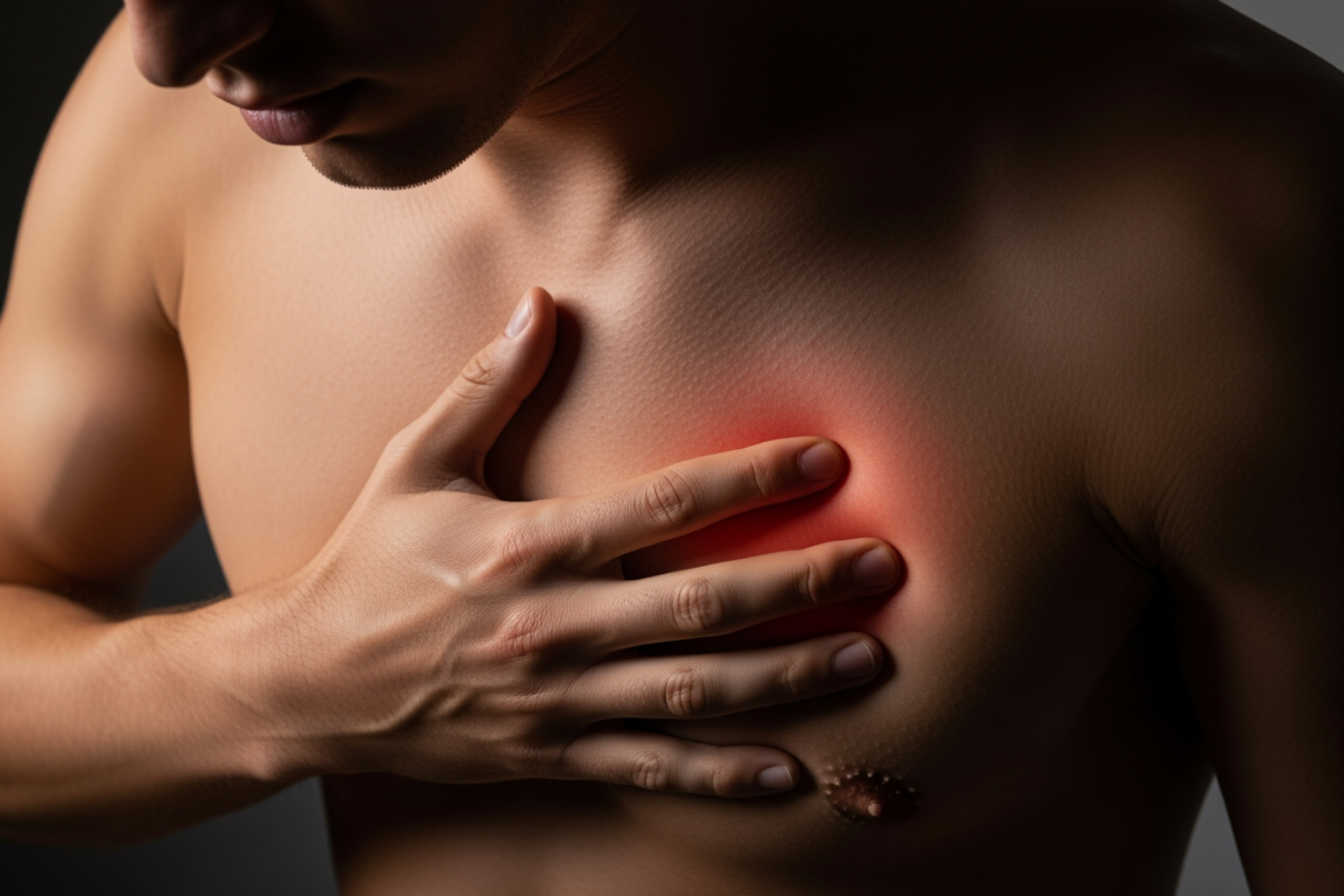
For minor strains and aches, you can alleviate chest muscle pain left side at home:
- Rest and Gentle Movement: Avoid activities that aggravate the pain, but incorporate gentle, pain-free movement to maintain circulation and prevent stiffness.
- Hot or Cold Therapy: According to Cleveland Clinic's advice on hot or cold therapy, use ice for the first 48 hours to reduce inflammation, then switch to heat to relax muscles and increase blood flow.
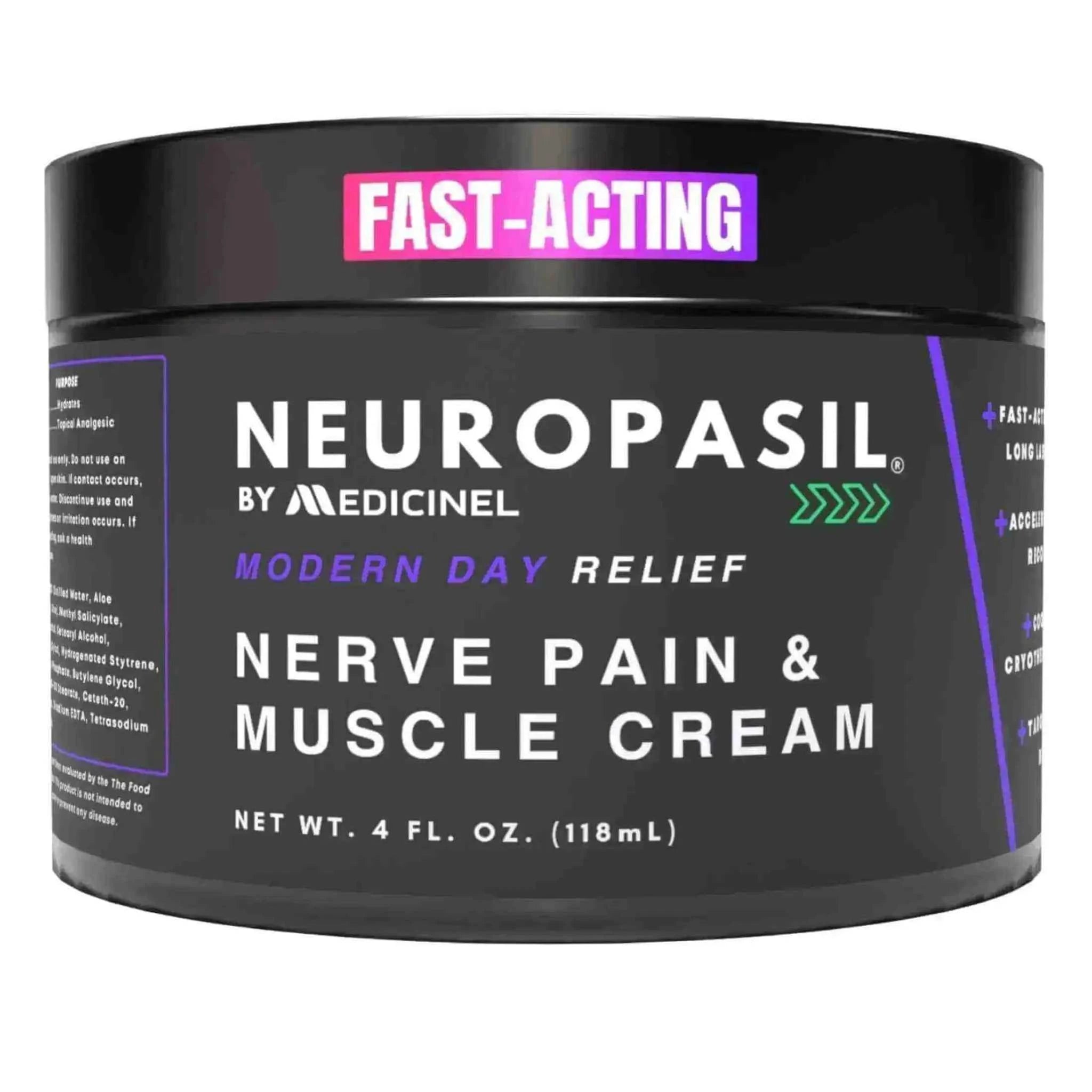
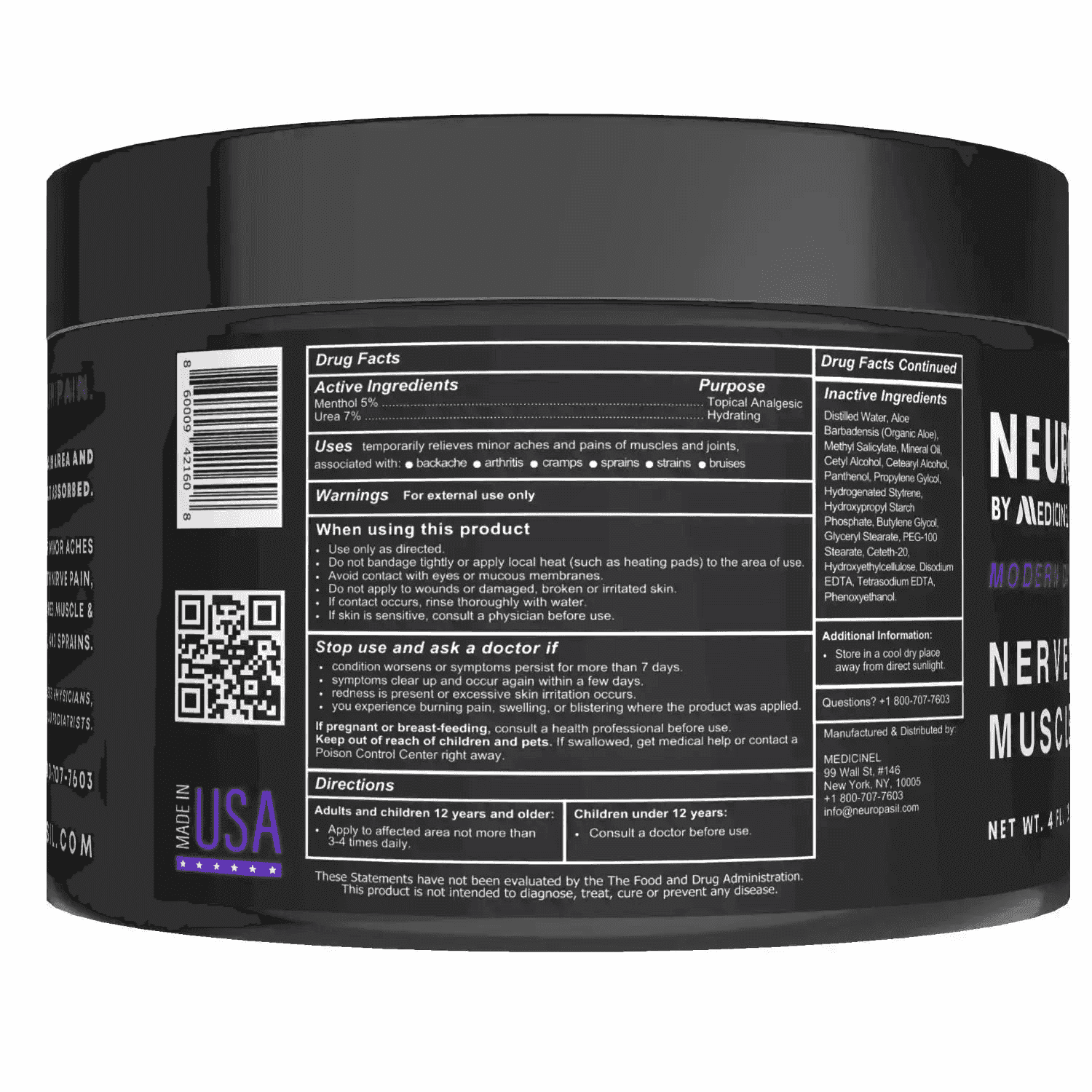
- Use a High-Quality Muscle Pain Relief Cream: Topical products offer targeted relief. We recommend a muscle pain relief cream like Neuropasil. Its blend of Aloe, Urea, and Menthol penetrates deeply to soothe sore muscles and strains. You can find relief for muscle pain with a fast-acting, targeted formula.
- Over-the-Counter Pain Relievers: NSAIDs (like ibuprofen) or acetaminophen can help reduce pain and inflammation. Follow dosage instructions carefully.
Stretches and Exercises for Prevention and Alleviation
Gentle exercises can alleviate existing chest muscle pain left side and prevent future issues by improving flexibility and posture.
- Doorway Chest Stretch: Stand in a doorway with forearms on the frame, elbows bent. Lean forward to feel a stretch across your chest. Hold for 20-30 seconds.
- Upper Back Strengthening: Use resistance bands for rows or simply pinch your shoulder blades together to strengthen postural muscles.
- Cat-Cow Stretch: On hands and knees, alternate between arching your back (inhale) and rounding your spine (exhale) to improve mobility.
- Thoracic Extension: Lie with a foam roller across your mid-back and gently extend your upper back over it to improve thoracic spine mobility.
- Posture Correction: Regularly pull your shoulders back and down, engage your core, and align your head over your shoulders.
- Proper Warm-Up: Always warm up before exercise to prepare muscles and prevent strains.
Perform these gently and stop if you feel sharp pain. Consistency is key.
Medical Interventions and Expected Recovery Time
While home remedies are effective for minor pain, medical intervention is sometimes necessary.
- When to See a Doctor: See a doctor if pain is severe, persistent, worsens, or is accompanied by red flag symptoms. Also, seek help if you suspect a broken bone or if the pain doesn't improve after a few days.
- Professional Treatments: A doctor may recommend physical therapy for a personalized exercise plan, prescription medications (stronger anti-inflammatories, muscle relaxants), or corticosteroid injections for severe inflammation like costochondritis.
- Expected Recovery Time: According to Banner Health, minor muscle strains may heal in a few weeks, while severe strains can take several months. Recovery from a bruised or broken rib typically takes 3 to 6 weeks, while a more severe injury like a sternal fracture can take 10 weeks or more.
Untreated chronic chest muscle pain left side can lead to long-term discomfort, reduced mobility, and compensatory pain elsewhere. Early and appropriate treatment is crucial to prevent these complications.
Frequently Asked Questions about Left-Sided Chest Muscle Pain
Here are straightforward answers to some of the most common concerns about chest muscle pain left side.
How do you know if your chest pain is muscular or heart-related?
While only a medical professional can give a definitive diagnosis, you can look for key differences:
- Muscular Pain is typically sharp, localized, tender to the touch, and worsens with movement, deep breaths, or coughing. It usually doesn't radiate to other areas.
- Heart-Related Pain is often a deep pressure or squeezing sensation, feels more diffuse across the chest, is not tender to the touch, and may radiate to the arm, jaw, or back. It is often accompanied by shortness of breath, sweating, or nausea.
If your pain feels like pressure and comes with other symptoms, assume it's heart-related and seek immediate medical attention.
How long does chest muscle pain typically last?
The duration depends on the cause and severity:
- Muscle Strain: A minor strain may heal in a few weeks, while a more severe strain can take several months, sometimes requiring physical therapy.
- Costochondritis: Can last for weeks or months but often improves with treatment.
- Rib Fractures: Recovery from a bruised or broken rib typically takes 3 to 6 weeks. More severe injuries to the chest wall can take longer.
If pain from chest muscle pain left side persists for more than a week or worsens, consult a healthcare provider.
Can anxiety cause real physical chest pain?
Yes. Anxiety and panic attacks can cause very real and alarming physical symptoms. The body's "fight or flight" response can lead to muscle tension, causing chest tightness, sharp pains, a racing heart, and shortness of breath. The ADAA notes these symptoms can be so severe they mimic a heart attack. While the pain itself isn't physically dangerous, it's distressing. It's important to rule out serious medical causes with a doctor before attributing chest pain to anxiety.
Conclusion: Taking Control of Your Chest Health
Experiencing chest muscle pain left side is concerning, but as we've explored, the cause is often musculoskeletal rather than cardiac. The key is to differentiate the symptoms: localized, sharp pain that worsens with movement often points to a muscle issue, while crushing pressure with radiating pain and shortness of breath is a red flag for a medical emergency.
For most cases of minor chest muscle pain left side, at-home remedies like rest, hot/cold therapy, and gentle stretches can provide relief. For targeted, soothing comfort from muscle aches and strains, consider a topical solution like Neuropasil Nerve Pain Relief Cream. Its unique blend is formulated to penetrate deeply and ease discomfort, helping you return to your daily activities.
This guide provides insight, but it is not a substitute for professional medical advice. Always consult a healthcare provider for persistent, severe, or alarming chest pain. Taking proactive steps to understand and address your pain is key to your health and peace of mind.
Learn more about managing muscle pain and find how Neuropasil can support your journey to a more comfortable life.
References
AHA Journals. (2021). 2021 AHA/ACC/ASE/CHEST/SAEM/SCCT/SCMR Guideline for the Evaluation and Diagnosis of Chest Pain. https://www.ahajournals.org/doi/pdf/10.1161/CIR.0000000000001029; Anxiety & Depression Association of America. (n.d.). Panic Disorder Symptoms. https://adaa.org/understanding-anxiety/panic-disorder-agoraphobia/symptoms; Banner Health. (n.d.). What to Know About Strained Chest Muscles. https://www.bannerhealth.com/healthcareblog/better-me/what-to-know-about-strained-chest-muscles; CDC. (2024). About Heart Attack. https://www.cdc.gov/heartdisease/heart_attack.htm; Cleveland Clinic. (2022). Should You Use Ice or Heat for Pain?. https://health.clevelandclinic.org/should-you-use-ice-or-heat-for-pain-infographic; Mayo Clinic. (2021, August 11). Costochondritis. https://www.mayoclinic.org/diseases-conditions/costochondritis/symptoms-causes/syc-20371175; Mayo Clinic. (2022, May 13). Pleurisy. https://www.mayoclinic.org/diseases-conditions/pleurisy/symptoms-causes/syc-20351863; Mayo Clinic. (2022, June 14). Pneumonia. https://www.mayoclinic.org/diseases-conditions/pneumonia/symptoms-causes/syc-20354204; Mayo Clinic. (2022, December 14). Pulmonary embolism. https://www.mayoclinic.org/diseases-conditions/pulmonary-embolism/symptoms-causes/syc-20354647; NCBI. (2024). Sternal Fracture. https://www.ncbi.nlm.nih.gov/books/NBK507790/; National Institute of Diabetes and Digestive and Kidney Diseases. (2024). Definition & Facts for GER & GERD. https://www.niddk.nih.gov/health-information/digestive-diseases/acid-reflux-ger-gerd-adults/definition-facts#gerd; NHS. (n.d.). Broken or bruised ribs. https://www.nhs.uk/conditions/broken-or-bruised-ribs/;