Why Muscle Soreness Happens and What You Can Do About It
Relieve muscle soreness with these proven methods:
- Ice therapy - Apply ice packs for 15-20 minutes during the first 48 hours.
- Heat therapy - Use warm baths or heating pads after 48 hours.
- Active recovery - Engage in light walking, swimming, or yoga.
- Proper hydration - Drink plenty of water to flush out waste.
- Topical pain relief - Apply menthol or capsaicin creams for comfort.
- Rest and recovery - Allow muscles time to heal between intense workouts.
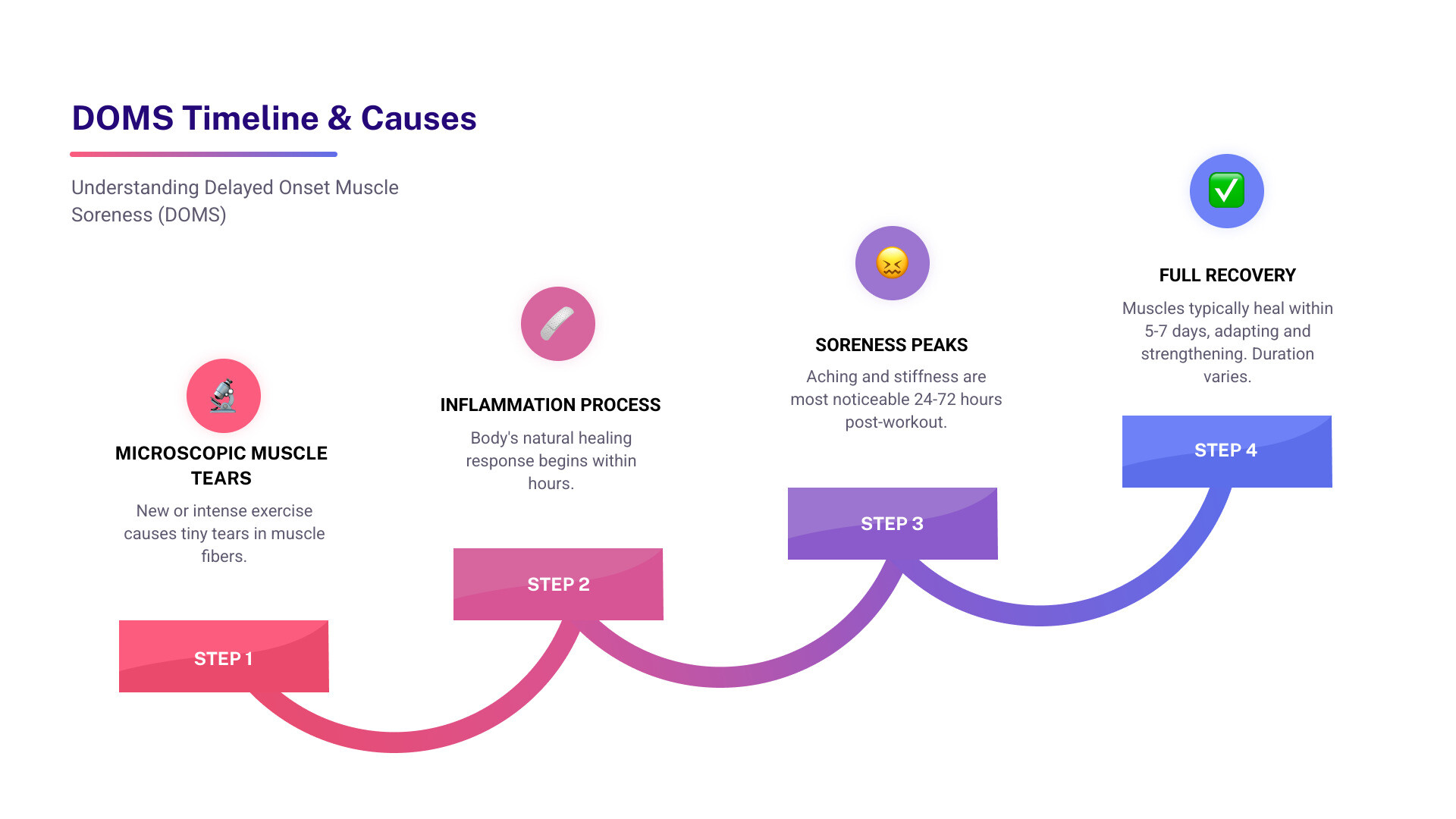
Waking up stiff and achy after a tough workout is a classic sign of Delayed Onset Muscle Soreness (DOMS). This discomfort is caused by microscopic tears in your muscle fibers created during exercise. Your body's natural healing process involves inflammation, leading to soreness that appears 12 to 24 hours later and can last for several days.
The good news is that DOMS is a normal sign of your body adapting and getting stronger. Better yet, there are proven strategies to speed up recovery. This guide covers everything from immediate home remedies to long-term prevention, helping you recover faster and keep moving.
I'm Tony Enrico, and through my work with Neuropasil, I've helped thousands relieve muscle soreness with effective, natural solutions, empowering them to reclaim their active lives.
Relieve muscle soreness basics:
Immediate Home Remedies to Relieve Muscle Soreness
When muscle soreness strikes, you want relief right away. The good news is that proven home remedies can bring quick and meaningful comfort.
For the first 48-72 hours, the R.I.C.E. method is a trusted first step: Rest, Ice, Compression, and Elevation.
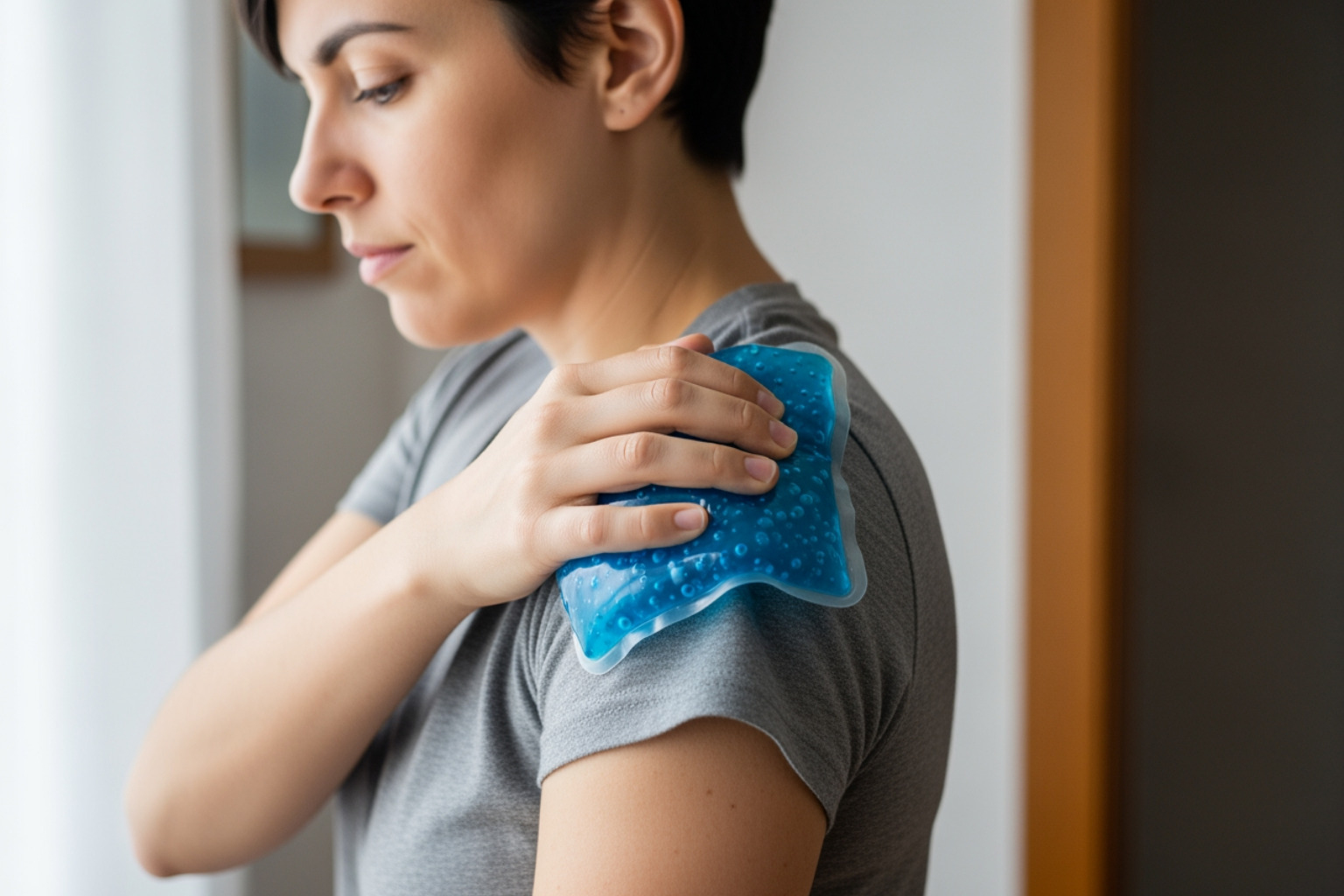
Rest the affected muscle, and apply Ice for 15-20 minutes at a time to reduce swelling and numb pain. Use Compression with a snug bandage to minimize swelling, and Lift the sore muscle above your heart to help drain fluid.
After the initial 48-72 hours, switch to heat therapy. A warm bath or heating pad can increase blood flow, relax tight muscles, and promote healing, as explained in this guide on using ice or heat for pain.
Self-Massage and Topical Solutions
Self-massage and topical solutions offer targeted relief. Massage loosens tight spots and improves blood flow, aiding recovery. Tools like foam rollers apply pressure to break down knots, while massage guns use percussion to warm tissues and boost circulation. These mimic the benefits of massage therapy and can be done at home.
For direct, fast relief, topical creams are a great option. Key ingredients include:
- Menthol: Creates a cooling sensation that distracts from pain.
- Capsaicin: Derived from chili peppers, it reduces pain signals. Studies show that topical capsaicin is effective for reducing various types of musculoskeletal pain.
- Lidocaine: A local anesthetic that gently numbs the area.
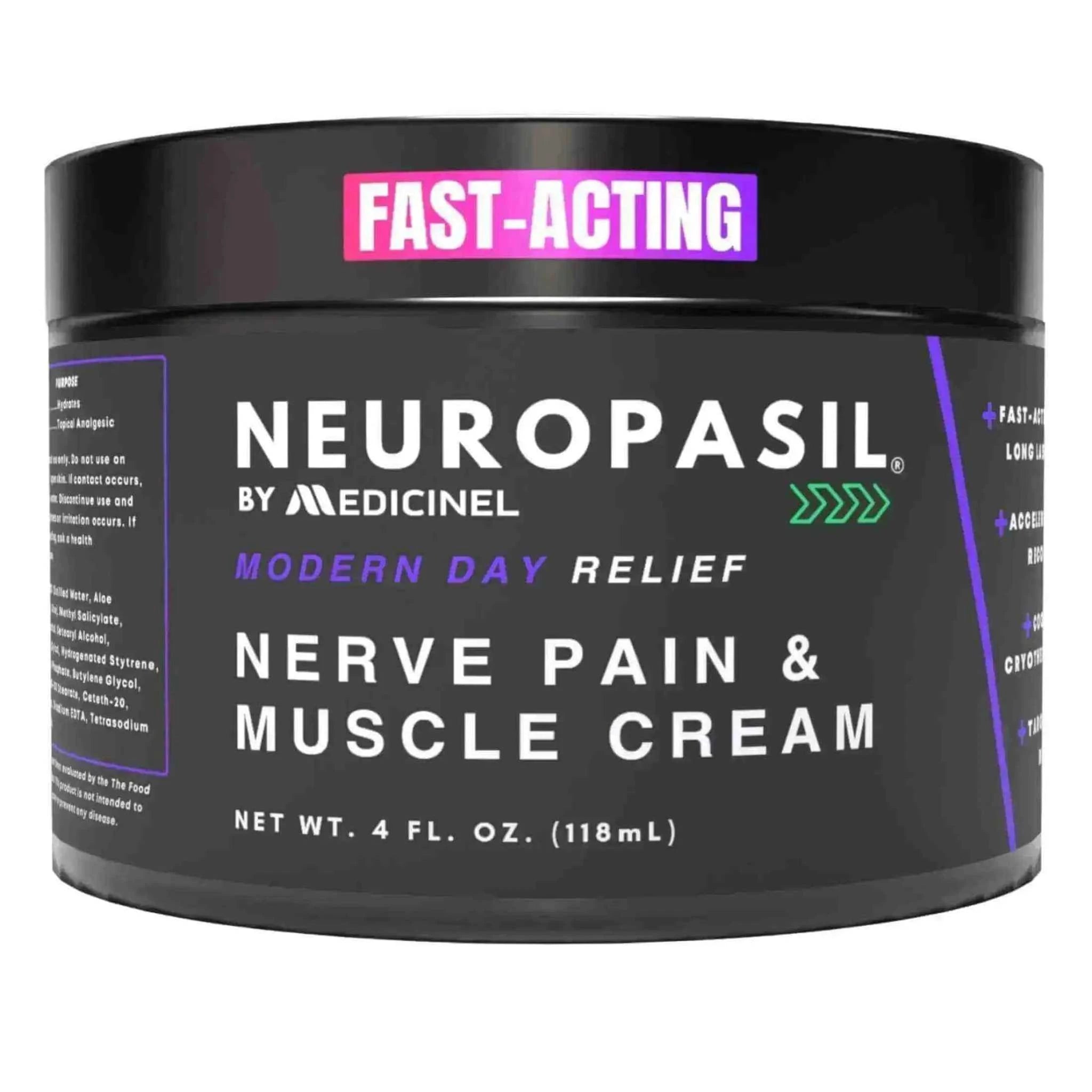
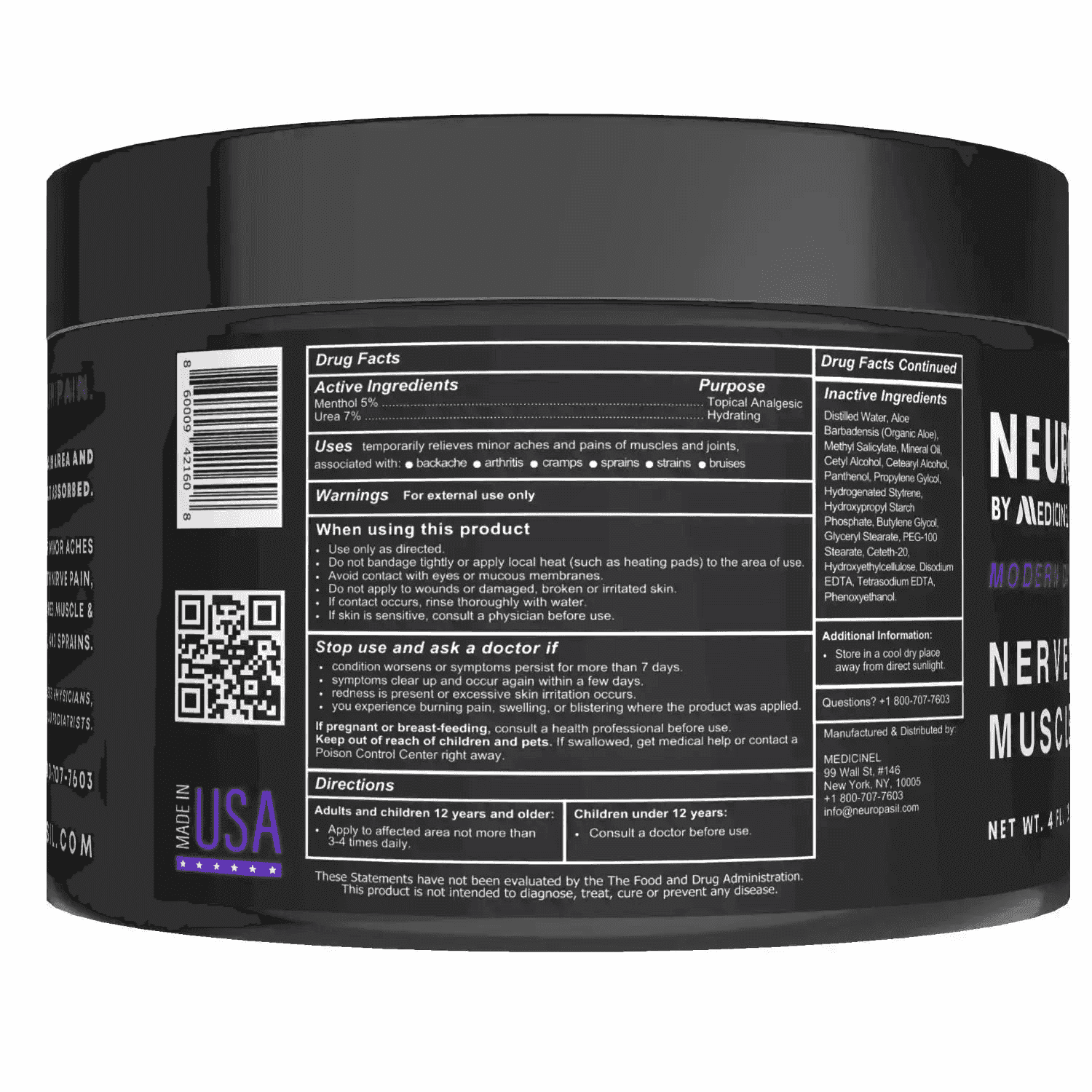
Neuropasil specializes in natural topical creams designed to relieve muscle soreness and nerve pain. Our Neuropasil Nerve Pain Relief Cream is packed with powerful ingredients to soothe and comfort, trusted by athletes for faster recovery. You can find more info about our pain relief creams on our website.
Lifestyle and Active Recovery Strategies
While immediate remedies help, building smart habits into your routine can prevent soreness from becoming a problem. The right lifestyle choices and active recovery techniques don't just relieve muscle soreness—they can stop it from starting.

Sleep is crucial; during deep sleep, your body releases growth hormone, which is essential for muscle repair and growth. Aim for 7-9 hours nightly. A proper warm-up (10-15 minutes of dynamic stretching and light cardio) prepares muscles for exercise by increasing blood flow and temperature, making them less prone to injury. Equally important is a cool-down. A 10-15 minute period of gradually decreasing intensity and static stretching helps clear metabolic waste and allows your heart rate to return to normal.
How Active Recovery Helps Relieve Muscle Soreness
When you're sore, gentle movement is better than staying still. Active recovery is one of the most effective ways to relieve muscle soreness. Light exercise like walking, swimming, or easy cycling increases blood circulation, delivering oxygen and nutrients to speed up healing while flushing out metabolic waste.
Yoga and Tai Chi are excellent for recovery, combining slow movements with deep breathing to release muscle tension. Tai Chi, in particular, is great for improving posture and strength without stressing sore muscles. Always consult a doctor before starting a new exercise program if you have health concerns.
Finally, hydration is critical. Water regulates body temperature, lubricates joints, and transports nutrients. For recovery, it's essential for flushing out waste products that accumulate during exercise. Dehydration hinders this process, so drink water regularly throughout the day, especially during and after your workouts.
Nutrition and Supplements for Muscle Repair
What you eat is vital for how effectively you relieve muscle soreness and recover from physical activity. Nutrition provides the essential building blocks for repair and helps calm inflammation.
Post-Workout Nutrition
After a workout, your muscles need fuel to repair. The ideal combination is protein and carbohydrates. Protein provides amino acids to rebuild muscle fibers, while carbohydrates replenish glycogen (energy stores). Consuming 20-40 grams of protein with carbs within two hours of exercise optimizes recovery, as this combination is highly effective for protein and carbs for muscle repair.
Key Supplements
While a balanced diet is key, certain supplements can boost recovery. Always consult a healthcare professional before starting new supplements.
- Omega-3 Fatty Acids: Found in fish oil, they have anti-inflammatory properties that can reduce exercise-induced inflammation and soreness.
- Collagen: This protein supports connective tissues. Some studies suggest it may improve joint comfort and decrease muscle soreness.
- Turmeric: Contains curcumin, a powerful anti-inflammatory. Research shows that combining it with black pepper (piperine) significantly improves absorption.
Since supplements are not regulated by the FDA in the same way as drugs, choose reputable brands. Neuropasil is committed to quality and natural ingredients. You can learn more about our ingredients.
Best Foods to Relieve Muscle Soreness
Eating specific whole foods can also help relieve muscle soreness. Focus on an anti-inflammatory diet rich in antioxidants and omega-3s.
- Tart cherries and juice: Research shows their antioxidants can lessen inflammation and muscle pain.
- Fatty fish: Salmon and mackerel are high in anti-inflammatory omega-3s.
- Leafy greens: Spinach and kale are packed with healing vitamins and antioxidants.
- Berries: Blueberries and strawberries contain antioxidants that protect cells from exercise-induced damage.
- Ginger: A natural anti-inflammatory and pain reliever.
- Nuts and seeds: Almonds and walnuts provide healthy fats and anti-inflammatory compounds.
At the same time, limit added sugars, alcohol, and processed foods, as they can increase inflammation and slow recovery.
When to See a Doctor: Soreness vs. Injury
It's vital to distinguish normal soreness from a more serious injury. Understanding the difference can prevent a minor issue from becoming a major setback.
Normal muscle soreness (DOMS) is a dull ache that appears 12-24 hours post-workout, peaks at 24-72 hours, and fades within a few days. It's uncomfortable but allows for a full range of motion.
In contrast, a muscle strain or tear involves sharp, immediate pain at the time of injury. Symptoms include swelling, bruising, significant weakness, and an inability to move the joint normally. A 'pop' sound may indicate a severe tear.
When to Seek Medical Attention
While most soreness resolves with home care, see a doctor for these red flags:
- Pain lasting more than 5-7 days without improvement.
- Severe pain that interferes with daily activities.
- Signs of infection like redness, warmth, or swelling.
- Dark, tea-colored urine, which could signal rhabdomyolysis, a medical emergency.
- Sudden muscle weakness, dizziness, or trouble breathing.
- Calf soreness with swelling, redness, or warmth, which could indicate a blood clot.
- Muscle pain that begins after starting a new medication.
For more details, see this guide on When To Call the Doctor for Muscle Pain.
Professional Help
If you need expert guidance, consider these specialists:
- Physical therapists design custom exercise programs to restore strength and flexibility.
- Sports medicine physicians diagnose and treat activity-related injuries.
- Athletic trainers focus on injury prevention, immediate care, and rehabilitation.
If you're in New York City and dealing with persistent pain, seeking a professional diagnosis is crucial for a speedy recovery. To complement your treatment, explore our solutions designed to find help for your pain.
Frequently Asked Questions about Relieving Muscle Soreness
Here are answers to some of the most common questions we receive about managing muscle soreness.
How can I quickly relieve muscle soreness?
For quick relief, start with the R.I.C.E. method (Rest, Ice, Compression, Elevation) to reduce swelling and pain in the first 48 hours. Combine this with gentle stretching for temporary flexibility and stay hydrated to flush out waste products. For targeted, fast-acting comfort, topical creams are highly effective. Our Neuropasil creams, available to customers in New York City and beyond, are designed to relieve muscle soreness quickly with natural ingredients like menthol.
Is it okay to work out with sore muscles?
It depends on the severity. If you have mild soreness that eases with movement, light activity or active recovery (walking, swimming) can be beneficial by increasing blood flow. However, if you have severe pain, weakness, or limited range of motion, rest that muscle group to avoid injury. Consider working on a different area instead. Listen to your body to distinguish between productive discomfort and harmful pain. For more guidance, see this article on should you workout when sore?.
Does stretching help relieve muscle soreness?
While stretching feels good and can temporarily ease stiffness, research, including a Cochrane Review on stretching, shows it doesn't significantly prevent or reduce DOMS. However, stretching is still vital for flexibility, mobility, and injury prevention. Use dynamic stretching in your warm-up and static stretching in your cool-down. View it as part of a complete muscle care routine, combined with hydration, nutrition, and topical relief, to help relieve muscle soreness.
Conclusion: Your Path to a Soreness-Free Life
Conquering muscle soreness is achievable with the right strategies. By being proactive, you can reduce discomfort and minimize its impact on your active life. Our goal is to help you relieve muscle soreness and keep moving.
Here's a recap of the key takeaways:
- Prevention: Always warm-up and cool-down. Fuel your body with balanced nutrition, including post-workout protein and carbs.
- Immediate Relief: Use the R.I.C.E. method for acute pain, and try warm baths or massage for soothing relief.
- Long-Term Habits: Incorporate active recovery like walking or yoga, stay hydrated, and most importantly, listen to your body to distinguish soreness from injury.
Consistency with these practices will build muscle resilience. For targeted relief that complements these strategies, natural topical solutions like Neuropasil can help relieve muscle soreness and pain. Our creams are a trusted companion for many who want to get back to doing what they love.
By empowering yourself with these techniques, you're investing in your long-term well-being. To learn more about our mission and how we're helping people in New York City and beyond, visit Learn more about our mission.
References
We believe in providing you with reliable, evidence-based information. We've consulted these credible sources to bring you the most accurate and helpful advice on managing muscle soreness:
- American College of Sports Medicine (ACSM) - Hydration for Athletic Performance
- American Council on Exercise (ACE) - The Science of a Cool-down
- Cleveland Clinic - Benefits of Massage
- Cleveland Clinic - Should You Use Ice or Heat for Pain?
- Cleveland Clinic - Should You Workout When Sore?
- Cleveland Clinic - Sore Muscles After Exercise
- Cleveland Clinic - When to Call the Doctor for Muscle Pain
- Cochrane Review - Stretching for Muscle Soreness
- Harvard Health Publishing - Foods That Fight Inflammation
- Journal of the International Society of Sports Nutrition - Cherry Juice Study
- NCBI - Carbohydrate and Protein for Muscle Repair
- NCBI - Collagen Peptides in Sports Nutrition
- NCBI - Curcumin: A Review of Its Effects on Human Health
- NCBI - Effectiveness of Topical Capsaicin for Pain
- NCBI - Omega-3 Fatty Acids and Indices of Inflammation
- NCBI - The Role of Sleep in Recovery and Performance
- NHS 24 MSK Clinical Advisory Group
- Tai Chi for Health Institute
- U.S. Food & Drug Administration (FDA) - Dietary Supplements