Understanding Torn Trapezius Muscle Treatment and Recovery
Torn trap muscle treatment involves a combination of immediate care, targeted pain relief, and gradual rehabilitation to restore strength and mobility to the large triangular muscle spanning your upper back, shoulders, and neck.
Quick Treatment Overview:
- Immediate Care - Apply ice for 10-15 minutes every 2-3 hours, protect the area from further strain, and begin gentle movement as pain allows
- Pain Management - Use topical pain relief creams with menthol and anti-inflammatory ingredients, or take over-the-counter NSAIDs as needed
- Physical Therapy - Start gentle stretching exercises within a few days, progressing to strengthening exercises as healing occurs
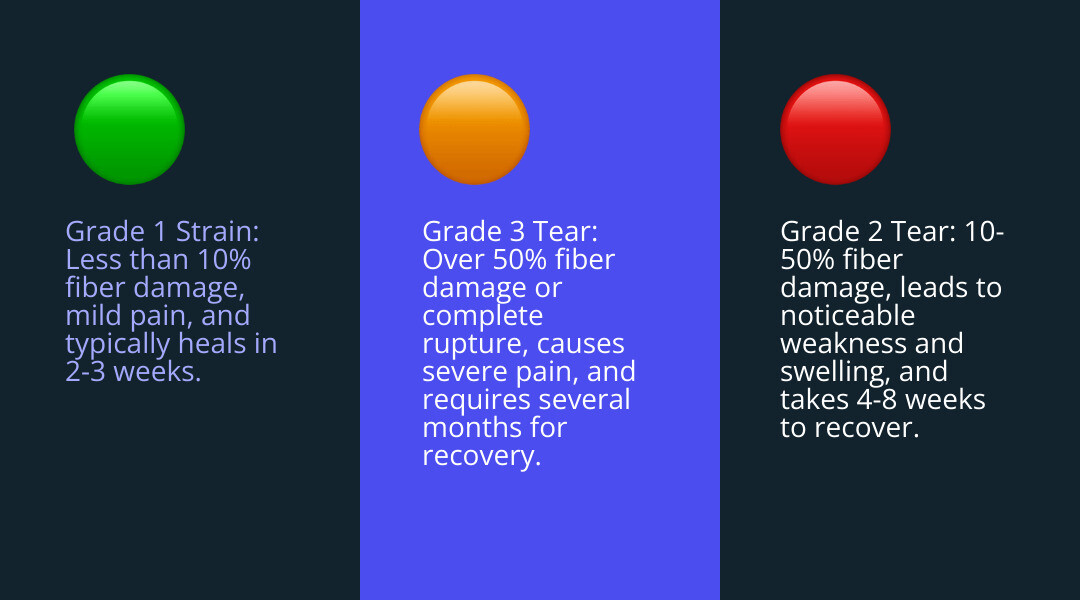
- Recovery Timeline - Mild strains (Grade 1) heal in 2-3 weeks, moderate tears (Grade 2) take 4-8 weeks, severe tears (Grade 3) may require several months
When to See a Doctor: Seek immediate medical attention if you experience severe muscle weakness, inability to move your shoulder or lift your arm, a visible gap or deformity in the muscle, or a sudden "pop" with intense pain.
A torn trapezius can halt daily life. Caused by workouts, heavy bags, or poor posture, the pain and stiffness can make simple movements like turning your head feel impossible.
The trapezius is a large upper-body muscle controlling your shoulder blade, arm lifts, and neck support. An overstretched or torn trapezius means its fibers are damaged, ranging from mild to a complete rupture.
Understanding the injury's severity is key. Grade 1 strains are mild, causing some pain but allowing most activities. Grade 2 tears are more significant, causing noticeable weakness and making activities difficult. Grade 3 tears involve a full rupture, causing severe pain and loss of function. The recovery timeline often corresponds to these grades.
Most trapezius injuries respond well to conservative treatment. A combination of rest, pain relief, and progressive exercise can reduce pain in weeks and lead to a full recovery in a few months.
I'm Tony Enrico with Neuropasil. We've helped thousands find effective torn trap muscle treatment options that restore comfort and mobility. Our mission is to provide accessible, effective relief built on science-backed ingredients.
Simple guide to torn trap muscle treatment:
Understanding Your Trapezius Injury: Symptoms and Causes
Recognizing the symptoms of a trapezius injury is key to effective torn trap muscle treatment.
Symptoms of a Torn Trapezius Muscle
The symptoms you experience can vary depending on the severity of the injury, but common indicators include:
- Pain Characteristics: A dull ache that worsens with movement, or a sharp, sudden pain. It can also feel like a burning sensation or soreness at the base of the neck or around the shoulder blades.
- Stiffness: Stiffness in the neck and shoulders, limiting range of motion, especially in the morning.
- Muscle Spasms: Involuntary muscle contractions (spasms or cramps), which can feel like painful "knots."
- Limited Range of Motion: Difficulty turning your head, lifting your arms, or reaching for objects.
- Swelling and Inflammation: Swelling, warmth, or bruising in the injured area.
- Headaches: Tension headaches starting at the base of the skull.
- Tingling or Weakness: Tingling or weakness in the arm(s), which may indicate a more severe injury.
To help you understand the difference in symptoms based on severity, here's a comparison:
| Symptom Category | Mild Strain (Grade 1) | Severe Tear (Grade 3) |
|---|---|---|
| Pain Level | Mild, aching pain; often tolerable | Intense, sharp pain; often debilitating |
| Movement | Slight discomfort with movement; generally functional | Significant limitation; inability to move shoulder/arm |
| Swelling/Bruising | Minimal to none | Noticeable swelling and bruising; potentially visible gap |
| Strength | Mild weakness; able to perform most tasks | Significant weakness or complete loss of function |
| Sound/Sensation | May feel a slight pull | Often a "pop" or "rip" sensation at time of injury |
| Recovery Time | 2-3 weeks | Several months; often requires medical intervention |
Common Causes of a Torn Trapezius Muscle
Understanding how these injuries occur can help in both prevention and effective torn trap muscle treatment. Trapezius strains are often categorized into acute injuries or those caused by overuse.
-
Acute Injury Causes: Caused by sudden events that over-stress the muscle.
- Trauma: Direct blows from a fall or collision.
- Sudden Movements: Sudden, forceful twists or exertions, common in sports or weightlifting.
- Heavy Lifting: Lifting heavy objects with improper technique.
-
Overuse Causes: Develops over time from repetitive stress.
- Poor Posture: Chronic strain from poor posture, such as slouching at a desk.
- Repetitive Activities: Repetitive arm and shoulder movements from work or hobbies.
- Carrying Heavy Loads: Carrying heavy bags, especially on one shoulder.
- Weightlifting: Repetitive training in weightlifting without enough recovery.
How a Torn Trapezius is Diagnosed
If you suspect a trapezius injury, especially one with severe symptoms, getting a professional diagnosis is crucial for the right torn trap muscle treatment.
When to See a Doctor: We strongly recommend seeking medical attention if you experience:
- Severe muscle weakness.
- Inability to move your shoulders or lift your arms.
- Difficulty moving your head.
- A sudden "pop" or "rip" at the time of injury.
- A visible dent or gap in the muscle, which may indicate a complete rupture.
- Symptoms that worsen or don't improve within a few days of self-care.
In New York City, our orthopedic specialists can provide an expert evaluation. You can also use virtual telehealth services for immediate guidance.
Diagnostic Process:
- Medical History Review: Your doctor will review your symptoms, the cause of the injury, and your medical history.
- Physical Examination: The doctor will perform a physical exam to check for tenderness, assess your range of motion, and evaluate muscle strength.
-
Imaging Tests: Imaging tests may be used to confirm the diagnosis:
- X-ray: Rules out bone fractures or other skeletal issues.
- MRI Scan: An MRI provides detailed images of soft tissues, showing the location and severity of the muscle tear.
Immediate Torn Trap Muscle Treatment at Home
Prompt home care is vital for healing and pain reduction, forming the cornerstone of effective torn trap muscle treatment.
The PEACE Protocol
For acute strains, we advocate for the PEACE protocol. While compression and elevation are difficult for the trapezius, the other principles are highly beneficial. Scientific research on the PEACE protocol for soft-tissue injuries supports its use.
- P - Protection: Avoid activities that cause pain for the first few days. This means relative rest, not complete immobilization.
- E - Optimal Loading: As pain allows, begin gentle movement. This "optimal loading" promotes healing and prevents stiffness. "Movement is often the fastest way to healing for strained muscle fibers."
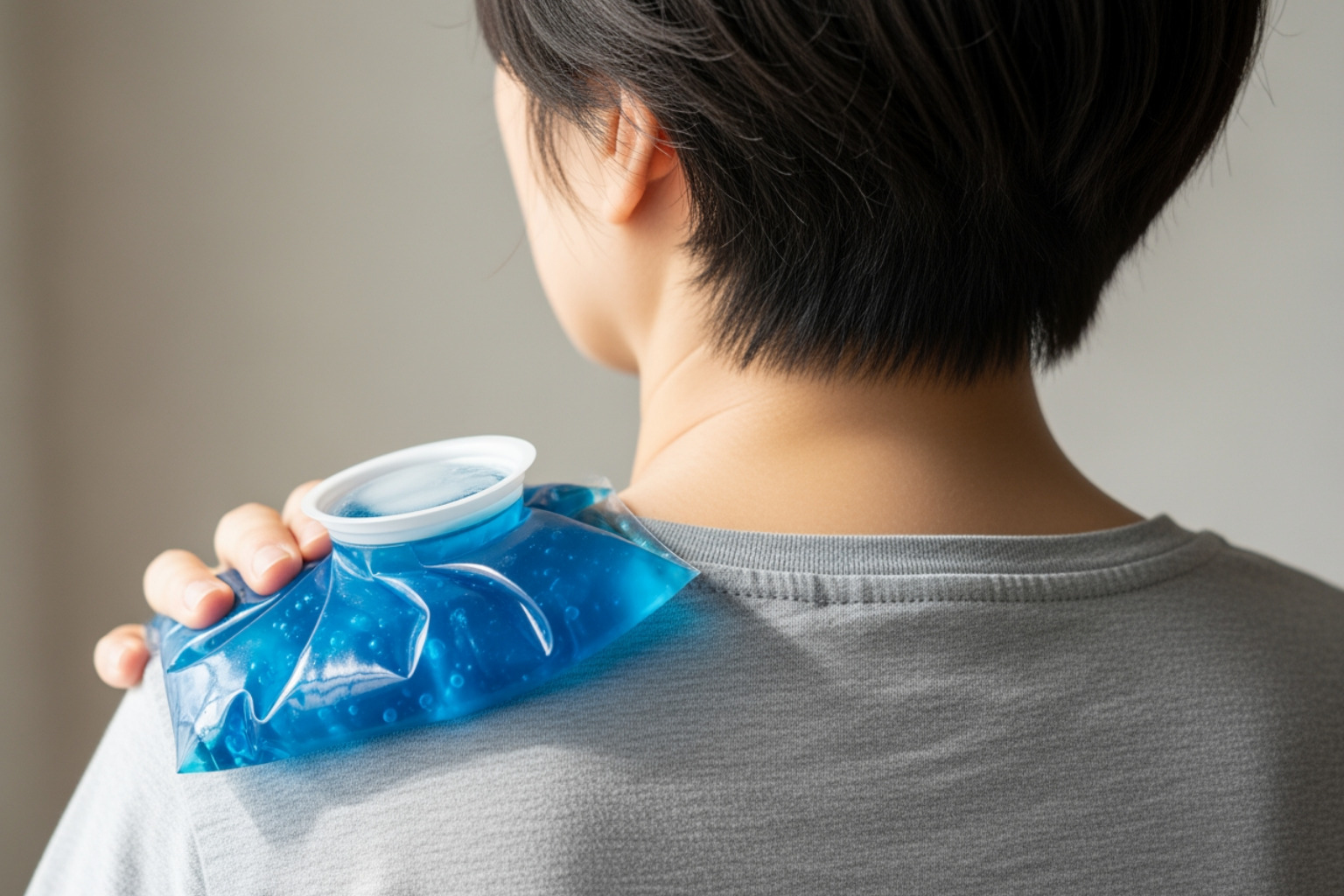
- A - Ice Application: Apply an ice pack for 10-15 minutes every 2-3 hours to reduce pain and swelling. Use a towel to protect your skin. Continue for the first 24-72 hours.
- C - Compression: While challenging for the trapezius, a light compression bandage can help reduce swelling if applied comfortably.
- E - Elevation: This is also difficult, but sitting upright rather than slouching can have a similar effect to reduce swelling.
Over-the-Counter Medication
OTC pain relievers like NSAIDs (ibuprofen, naproxen) can manage pain and inflammation. Acetaminophen is another option. Always follow dosage instructions and consult a professional if needed.
Topical Pain Relief
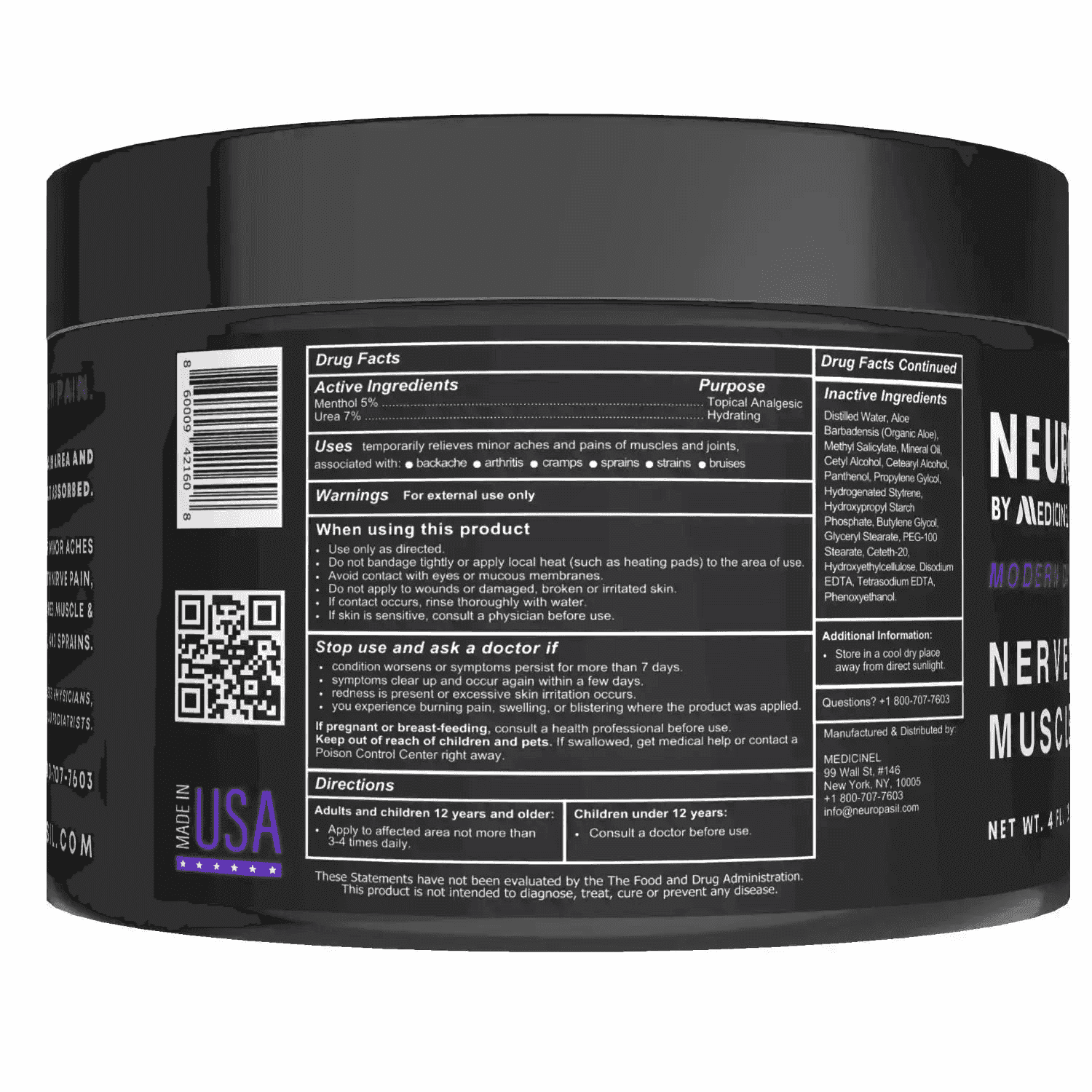
Topical creams offer targeted relief directly at the site of pain. Neuropasil provides soothing, fast-acting relief with a cream formulated with powerful natural ingredients to alleviate discomfort.
- Neuropasil Cream for Targeted Muscle Pain Relief: Our unique blend is designed to provide rapid relief for sore muscles, including those affected by a torn trapezius.
- Menthol: A key ingredient in Neuropasil, menthol provides a cooling sensation that helps distract from pain.
- Aloe Vera: Known for its soothing and anti-inflammatory properties, aloe vera contributes to comfort and healing.
- Urea: This ingredient helps improve the penetration of other active ingredients, allowing them to reach the affected muscle tissue more effectively.
Applying Neuropasil offers significant comfort, especially when combined with rest and ice, and helps manage pain without the systemic side effects of oral medications. Find more info about muscle pain relief creams and how they can support your recovery.
Advanced Torn Trap Muscle Treatment Options
While home care is essential, some trapezius injuries may require professional guidance and advanced interventions.
Physical Therapy Guidance
Physical therapy is a cornerstone of torn trap muscle treatment, especially for moderate to severe injuries. A physical therapist in New York City can create a personalized plan focusing on restoring range of motion, strengthening, pain management, and posture correction.
Gentle Manual Therapy
Manual therapy, performed by a physical therapist or chiropractor, uses hands-on techniques like massage and joint mobilization to reduce pain and improve function.
Supportive Taping Techniques
Kinesiology tape can provide support, reduce swelling, and improve circulation. When applied by a professional, it may help manage symptoms. Research on Kinesiology tape for trapezius strain suggests its short-term effectiveness.
When to Consider Medical Intervention for Severe Cases
Surgery is rare but may be necessary for severe Grade 3 tears (complete ruptures). If conservative treatments fail, a doctor may recommend surgery to repair the muscle, followed by extensive physical therapy.
Recovery and Prevention: Exercises and Lifestyle Changes
Successful torn trap muscle treatment includes preventing future injuries. This requires understanding your recovery timeline, returning to activity gradually, and adopting healthier habits.
Recovery Timeline
The duration of your recovery largely depends on the severity of your trapezius strain:
- Grade 1 Strain: These mild injuries typically take "just 2 or 3 weeks to recover" with proper care.
- Grade 2 Tear: Moderate tears may require 4-8 weeks for recovery.
- Grade 3 Tear: Severe tears can take "a couple of months" or longer to heal, especially if surgery is involved.
"Most patients are able to return to their normal activities within a few weeks or months after treatment," depending on the severity and adherence to the treatment plan. Statistics on recovery time for muscle strains highlight this variability.
Gradual Return to Activity
Patience is key. Return to activities gradually to avoid re-injury. Start with light, pain-free movements, slowly increasing intensity. Find your "movement sweet spot" that challenges the muscle without causing damage.
Ergonomics
Optimizing your environment is one of the most impactful preventive measures.
- Workstation Setup: Set up your workstation with the monitor at eye level, a supportive chair, and keyboard placement that keeps shoulders relaxed. Avoid cradling your phone.
- Frequent Breaks: Take short breaks every 30-60 minutes to stand and stretch, preventing static muscle load.
Proper Lifting Techniques
Incorrect lifting is a common cause of injury. Always prioritize safe lifting practices:
- Bend Your Knees, Not Your Back: Bend at your hips and knees, keeping your back straight.
- Keep Weight Close: Hold the object as close to your body as possible.
- Engage Your Core: Tighten your abdominal muscles to support your spine.
- Lift with Your Legs: Use your strong leg muscles to power the lift.

Good Posture Habits
Good posture reduces trapezius strain. Stand and sit tall with a straight spine, shoulders back, and head aligned over your shoulders.
Recovery and Exercises for Torn Trap Muscle Treatment
Once initial pain subsides, gentle exercises are crucial. Perform them slowly and stop if you feel sharp pain.
Here is a list of gentle stretches and strengthening exercises that can be beneficial:
- Neck Tilts: Gently tilt your head, bringing your ear toward your shoulder. Hold for 15-20 seconds and repeat on the other side.
- Shoulder Blade Squeezes: Sit or stand tall and squeeze your shoulder blades together for 5-10 seconds. Keep shoulders down. Repeat 10-15 times.
-
Cat-Cow Stretch: This gentle spinal movement can help loosen the entire back. Start on your hands and knees.
- Cat: Arch your back towards the ceiling, tucking your chin to your chest.
- Cow: Drop your belly towards the floor, lifting your head and tailbone.
- Move slowly and fluidly between these two positions.
Doorway Stretch: In a doorway, place your forearms on the frame with elbows bent. Lean forward gently to feel a stretch across your chest and shoulders.
- Scapula Setting: Lie on your stomach with arms at your sides. Pull your shoulder blades together and down, lifting your chest slightly. Hold briefly and release.
Warm-up Routines: Always warm up before physical activity with light cardio and dynamic stretches.
Cool-down Routines: After a workout, cool down with gentle stretches to help your muscles recover.
For more detailed guidance and specific routines, find more tips for fast recovery on our blog.
Frequently Asked Questions about Trapezius Tears
We often hear similar questions from individuals dealing with trapezius injuries. Here are some common concerns and our expert answers.
How long does a torn trap muscle take to heal?
Healing time for a torn trap muscle depends on the injury's severity and your adherence to your torn trap muscle treatment plan.
- Grade 1 Strains: Heal within 2 to 3 weeks. Expect mild soreness with mostly normal function.
- Grade 2 Tears: Take 4 to 8 weeks to recover, with more pain, swelling, and weakness.
- Grade 3 Tears: Can take several months to heal and often require medical intervention like physical therapy or surgery.
The importance of proper torn trap muscle treatment cannot be overstated. Adhering to your treatment plan can significantly influence your recovery timeline.
Can you work out with a torn trapezius?
Yes, but carefully. "Relative rest" is key, not absolute rest. The goal is to promote blood flow and prevent stiffness without causing further damage.
- Avoid Painful Movements: Do not perform any exercise that causes sharp pain, as this can worsen the injury.
- Accept Gentle Movement: As pain subsides, light, targeted movements like stretching or walking are beneficial.
- Listen to Your Body: Stop any activity that increases pain.
- Consult a Professional: A physical therapist in New York City can provide a safe, customized exercise plan to guide your recovery and prevent re-injury.
Athletes should focus on "working around" the injury by modifying exercises and avoiding stress on the trapezius, such as by focusing on lower body or core work.
What does a torn trapezius feel like?
A torn trapezius can manifest with a range of sensations, depending on the severity. Common feelings include:
- Sudden Sharp Pain: An intense pain at the moment of injury, especially with severe tears.
- Popping Sensation: A "pop" or "rip" may be heard or felt during the injury.
- Aching or Burning: A persistent ache or burning sensation, especially with movement.
- Muscle Knots and Tenderness: The muscle feels tight, knotted, and is tender to the touch.
- Weakness: Noticeable weakness in the arm or shoulder, making it hard to lift things.
- Stiffness: Limited mobility in the neck and shoulder, making it hard to turn your head or raise your arm.
The sensation can range from mild stiffness to debilitating pain. If symptoms are severe or don't improve with home care, seek medical advice for proper diagnosis and torn trap muscle treatment.
Take Control of Your Muscle Pain Recovery
A torn trapezius is challenging, but effective torn trap muscle treatment is achievable. The key is understanding your symptoms, getting a diagnosis, and following a plan that includes home care and, if needed, medical options.
The journey to recovery involves a summary of key treatments:
- Rest and Protection: Allowing the injured muscle time to heal.
- Targeted Pain Relief: Utilizing ice, OTC medications, and topical solutions like Neuropasil.
- Gradual Rehabilitation: Engaging in gentle exercises and physical therapy.
- Preventative Measures: Adopting good posture and proper lifting techniques.
Patience is crucial. Muscle healing takes time, and rushing can lead to re-injury. Listen to your body and be kind to yourself during recovery.
Proactive steps empower your healing. At Neuropasil, we provide tools for targeted, natural relief. Our cream, with its blend of Menthol, Aloe Vera, and Urea, is designed to offer soothing support directly to your sore muscles. Learn more about our natural ingredients and find how they can become a vital part of your recovery regimen.
Don't let muscle pain hold you back. Take control of your recovery and reclaim your comfort and mobility. Visit our homepage for pain relief solutions that can make a real difference in your life.
References
- Dubois B, et al. (2020). Soft-tissue injuries simply need PEACE and LOVE. https://bjsm.bmj.com/content/bjsports/54/2/72.full.pdf
- Gulotta LV. (2019). Muscle strain: Causes, symptoms, treatment. https://www.hss.edu/conditions_muscle-strain.asp
- Halski T, et al. (2015). Short-term effects of Kinesio taping... https://www.ncbi.nlm.nih.gov/labs/pmc/articles/PMC4602325
- Mulcahey MK. (2020). Sprains, strains and other soft-tissue injuries. https://orthoinfo.aaos.org/en/diseases--conditions/sprains-strains-and-other-soft-tissue-injuries/
- Ourieff, J., & Amit Agarwal. (2018). Anatomy, Back, Trapezius. https://www.ncbi.nlm.nih.gov/books/NBK518994/
- Resurgens Orthopaedics. (n.d.). Trapezius Strain: Signs, Causes & Treatment. https://www.resurgens.com/spine/conditions/trapezius-strain
- Healthline. (n.d.). Healing a Trapezius Strain: Exercises, Recovery Timeline & More. https://www.healthline.com/health/trapezius-strain
- Hinge Health. (n.d.). How to Prevent and Treat a Trapezius Strain, According to Physical Therapists.
- Physiopedia. (n.d.). Trapezius Myalgia.
- Cleveland Clinic. (n.d.). Trapezius Muscle Strain.