Why Sore Muscle Relief Matters for Your Active Life
Sore muscle relief is something most of us need after a tough workout, a long day of physical work, or trying a new activity. Whether you're an athlete pushing your limits or someone who just wants to move without pain, understanding how to ease that post-exercise ache can transform your recovery and keep you active.
Quick relief strategies that work:
- Apply cold therapy - Ice packs for 15-20 minutes to reduce inflammation in the first 24-48 hours (Cleveland Clinic, 2022)
- Use heat therapy - Warm baths or heating pads after the first 48 hours to relax muscles and increase blood flow (Cleveland Clinic, 2022)
- Stay hydrated - Drinking plenty of water after exercise helps your body recover and flush out waste products (Cleveland Clinic, 2022)
- Try gentle movement - Light walking or stretching keeps blood flowing without causing more damage
- Consider topical relief - Natural creams with menthol provide fast, targeted cooling relief
- Rest strategically - Give muscle groups 2-3 days to recover between intense workouts (Cleveland Clinic, n.d.)
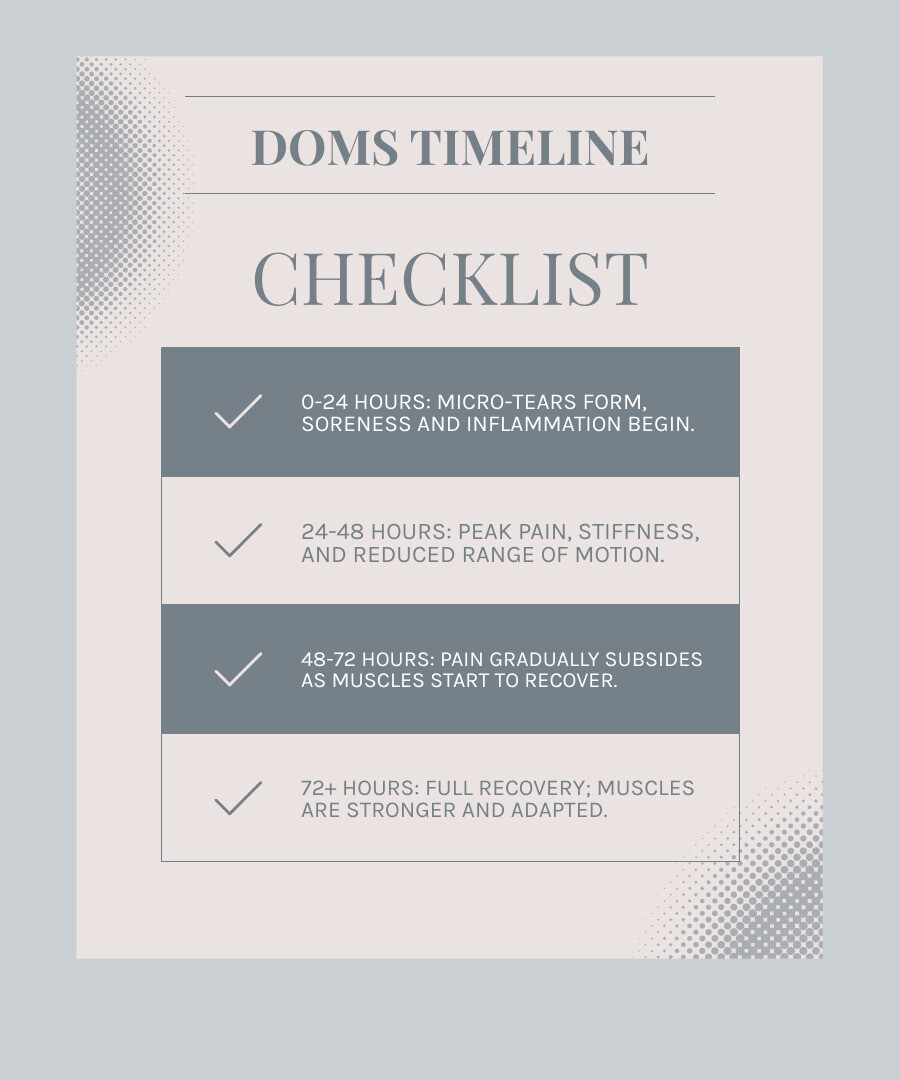
Muscle soreness happens because exercise creates microscopic tears in your muscle fibers. This sounds scary, but it's actually how your body gets stronger. The inflammation and fluid buildup around these tiny tears cause that familiar tight, tender feeling that peaks 24 to 72 hours after your workout (Cleveland Clinic, 2022).
The good news? Most muscle soreness resolves on its own within 2 to 5 days. But you don't have to just wait it out. The right combination of rest, movement, temperature therapy, and targeted relief can dramatically reduce your discomfort and speed up recovery.
I'm Tony Enrico, and I've spent years helping people find effective sore muscle relief through natural, science-backed solutions that work fast. My experience has shown me that the best approach combines immediate comfort with strategies that support your body's natural healing process.
Understanding Why Your Muscles Get Sore
Have you ever woken up after a particularly intense workout feeling like you've been hit by a truck? That familiar ache is a sign that your muscles have been hard at work. But what exactly is happening under the surface?
Our muscles get sore for a few common reasons, usually tied to physical activity. When we engage in new exercises, increase the intensity or duration of our workouts, or perform movements our bodies aren't accustomed to, we introduce stress to our muscle fibers. This stress, particularly from what are known as eccentric contractions (movements where the muscle lengthens under tension, like the lowering phase of a bicep curl or walking downhill), causes microscopic damage to our muscle tissue. Think of it as tiny, controlled tears within the muscle fibers.
This "micro-tearing" signals to our body that it's time to initiate a repair process. This repair involves a cascade of physiological events, including inflammation, which is the body's natural response to heal and strengthen the affected area. While inflammation might sound negative, some degree of it is crucial for muscle growth and repair (Hody et al., 2019). This initial damage and subsequent repair process ultimately leads to stronger, more resilient muscles. It's our body's way of saying, "Thanks for the challenge, we're getting ready for more!" You can dive deeper into the science of eccentric contractions and their role in muscle soreness through scientific research on eccentric muscle contractions.
Acute Soreness vs. Delayed Onset Muscle Soreness (DOMS)
Not all muscle soreness is created equal. There are two main types you might experience:
- Acute Soreness: This is the immediate burning sensation you might feel during or right after exercise. It's often due to muscle fatigue and the buildup of metabolic byproducts like lactic acid (Cleveland Clinic, 2022). This type of soreness usually subsides quickly once you stop the activity and rest for a few minutes. If you're feeling this kind of discomfort, it's a clear signal to ease up or take a break.
- Delayed Onset Muscle Soreness (DOMS): Ah, DOMS, the nemesis of many a fitness enthusiast! This is the more common and often more intense type of soreness we associate with post-workout pain. Unlike acute soreness, DOMS doesn't kick in right away. Instead, it typically begins to develop 12 to 24 hours after your workout, often peaking between 24 and 72 hours (Cleveland Clinic, 2022). You may feel sore, swollen, or less flexible during this period. This discomfort is a sign that your muscles are adapting and getting used to your fitness routine, signaling micro-damage and the subsequent repair process.
Understanding the difference is key to knowing how to respond. Acute soreness means a brief rest, while DOMS requires a more strategic approach to sore muscle relief to support recovery without halting progress. We explore this further in our articles, Post-Workout Soreness Demystified and How to Fix DOMS After Working Out.
Your Go-To Guide for Immediate Sore Muscle Relief
When that familiar muscle ache sets in, our first thought is often, "How can I make this stop?!" Fortunately, there are several effective strategies we can employ for immediate sore muscle relief. These methods focus on reducing inflammation, improving blood flow, and easing tension to help you feel better, faster.
The R.I.C.E. Method and Temperature Therapy
The R.I.C.E. method isn't just for acute injuries; it can also be a powerful tool for managing significant muscle soreness, especially if you suspect a minor strain (Mayo Clinic, n.d.).
- R - Rest: Give your muscles a break. While complete inactivity isn't always ideal for DOMS (more on that later), avoiding strenuous activity that aggravates the pain is crucial. For minor injuries, resting the affected body part for the first 48 to 72 hours is recommended.
- I - Ice: For recent injuries or acute, throbbing pain, cold therapy can be your best friend. Applying ice packs helps reduce inflammation and swelling. We recommend applying an ice pack for 15 to 20 minutes at a time, three times a day, always wrapped in a towel to prevent direct skin contact. For optimal relief, you can apply ice for 20 minutes, rest for 40 minutes, then reapply.
- C - Compression: Using an elastic bandage to gently compress the sore area can help reduce swelling. Just be careful not to wrap it too tightly, as this can hinder circulation. If you have a history of blood clots, consult your doctor before using compression.
- E - Elevation: Raising the sore muscle above the level of your heart can also help minimize swelling, especially at night.
Beyond R.I.C.E., temperature therapy plays a crucial role in sore muscle relief:
- When to use cold vs. hot: Generally, ice is best for the first 48-72 hours after an injury or intense workout to manage inflammation. After this initial period, or for general stiffness and tension, heat therapy can be introduced. Heat promotes blood circulation and relaxes muscles, which can feel incredibly soothing. A warm bath or a heating pad applied for 20 minutes can work wonders. If your muscles are still sore 2 or 3 days after treatment, consider applying heat. For more details on this, check out Information on using cold or heat for pain.
- Epsom salt baths: Many people swear by Epsom salt baths for muscle relaxation and pain reduction. While scientific research on the direct absorption of magnesium through the skin is still evolving, the warm water itself can be therapeutic, helping to relax muscles and ease tension. Consider taking an Epsom salt bath within the first few hours after a workout. Learn how to maximize your recovery with our guide: Epsom Salt Bath for Sore Muscles: 7 Science-Backed Steps to Maximize Recovery at Home.
Active Recovery and Gentle Movement
It might seem counterintuitive to move when your muscles are screaming, but light, gentle movement, also known as active recovery, can actually speed up your sore muscle relief.
- Light exercise: Engaging in low-impact activities like walking, light cycling, or swimming helps to increase blood flow to your sore muscles without causing further damage. This increased circulation delivers oxygen and nutrients essential for repair and helps flush away metabolic waste products that contribute to soreness. If your pain is a two or three on a scale of 10, you can rely on lighter exercises to keep your muscles fluid even as they recover (Cleveland Clinic, n.d.).
- Gentle stretching: While static stretching before a workout hasn't been shown to prevent DOMS, gentle stretching after a workout or as part of active recovery can improve flexibility and reduce stiffness. Stretching should never cause pain.
- Dynamic movement: Incorporating dynamic stretches or light aerobic activity as part of your warm-up and cool-down routines can also prepare your muscles for exercise and aid in recovery.
- Increased circulation: The key benefit of active recovery is maintaining blood flow. This helps to nourish healing tissues and remove inflammatory byproducts, contributing to faster recovery.
For more insights into optimizing your post-workout regimen, explore A Practical Guide to Improving Workout Muscle Recovery and Reduce Muscle Soreness After Workout.
The Power of Massage and Myofascial Release
Who doesn't love a good massage, especially when muscles are tight and tender? Massage and self-myofascial release techniques are fantastic tools for sore muscle relief.
- Self-massage: You can use your fingertips to lightly massage sore areas, applying gentle pressure. Even a simple self-massage can help relieve tension and restore blood flow.
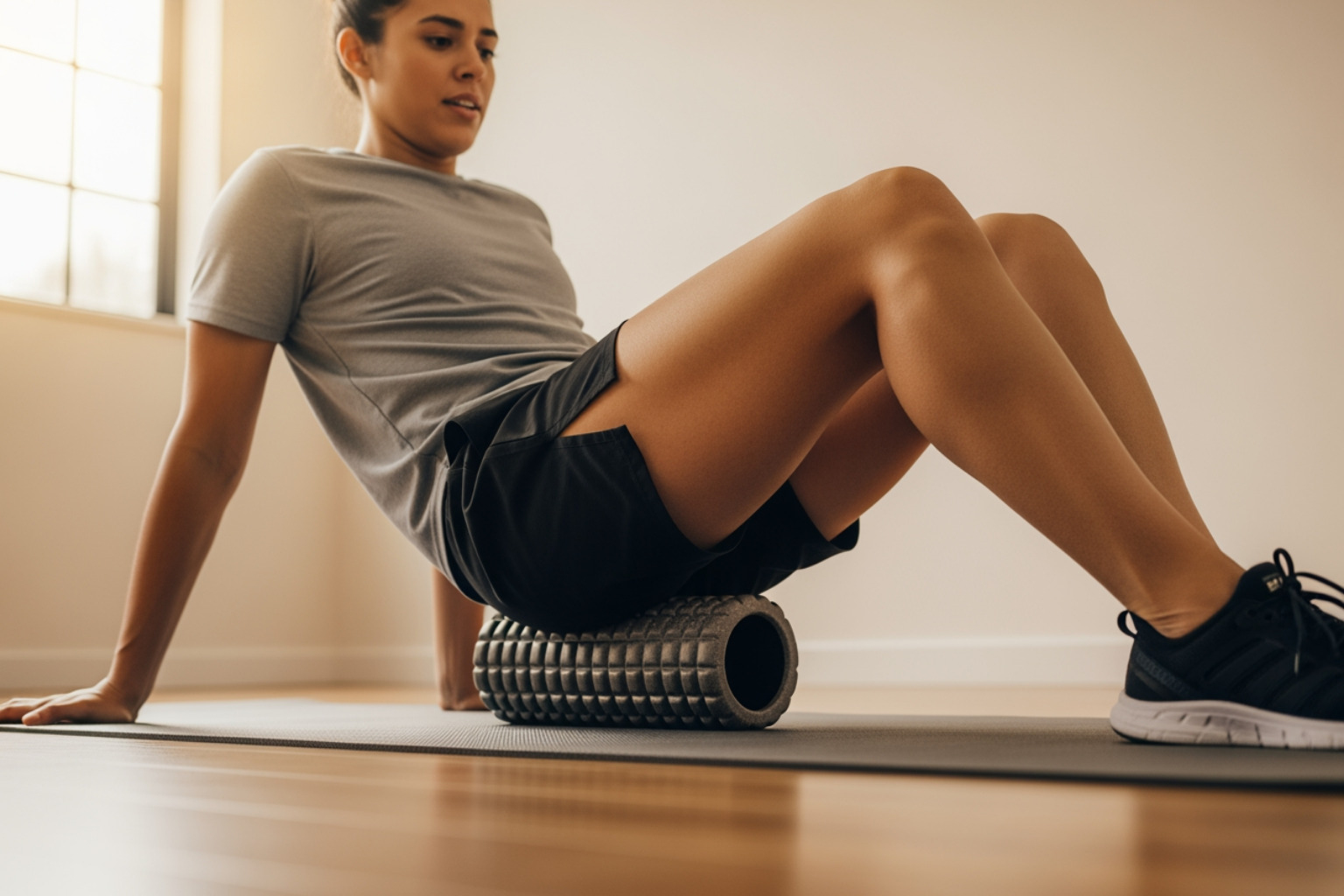
- Foam rolling: This popular technique involves using a foam roller to apply pressure to your muscles. It's a form of self-myofascial release that can increase range of motion and reduce DOMS. Foam rolling, like other massage types, increases circulation, delivering more nutrients and oxygen to the affected area, which helps reduce swelling and tenderness. A review published in the International Journal of Sports Physical Therapy found that foam rolling may help increase range of motion and reduce DOMS. If you're new to foam rolling, start with a softer roller and gradually increase pressure as tolerated.
- Professional massage: For deeper relief, a professional massage can target specific areas of tension and soreness. Athletes often use sports massage to recover from exercise faster.
- Increased blood flow and reduced tenderness: Whether through self-massage, foam rolling, or a professional session, the mechanical pressure helps to break up adhesions, improve lymphatic drainage, and increase blood circulation. This brings fresh oxygen and nutrients to the muscles while helping to clear out waste products, ultimately reducing tenderness and promoting healing.
To find more methods for alleviating muscle soreness, read our guide: How to Relieve Sore Muscles: 7 Methods That Guarantee Results.
Fueling Your Body for Prevention and Recovery
Beyond immediate treatments, what we put into our bodies and how we rest are fundamental to both preventing and recovering from muscle soreness. Think of it as building a strong foundation for your active lifestyle.
The Role of Nutrition and Hydration in Sore Muscle Relief
Our muscles are like finely tuned engines, and they need the right fuel and fluids to perform and recover optimally.
- Hydration before, during, and after exercise: Proper hydration is essential for regulating body temperature, transporting nutrients, and flushing out waste products that contribute to soreness. To start exercise well-hydrated, the International Society of Sports Nutrition suggests drinking 5-10 mL of water per kg of body weight in the 2-4 hours before a workout. During exercise, it's important to have a hydration plan to replace fluids lost through sweat, and for workouts lasting over 90 minutes, an electrolyte beverage may be beneficial (Kerksick et al., 2017).
- Electrolytes: These essential minerals (like sodium, potassium, and magnesium) play a vital role in muscle function and nerve signaling. Replenishing them, especially after heavy sweating, can prevent cramps and support recovery.
- Protein for muscle repair and amino acids: Protein is crucial because it provides the amino acids needed to rebuild and repair those microscopic muscle tears. Aim for a consistent daily protein intake, and consider consuming 20 to 40 grams of protein within a few hours after an intense workout to support muscle protein synthesis (Kerksick et al., 2017).
- Carbohydrates for glycogen replenishment: Carbohydrates are equally important as they replenish the glycogen stores your muscles used up during your workout, providing essential energy for the recovery process (Kerksick et al., 2017).
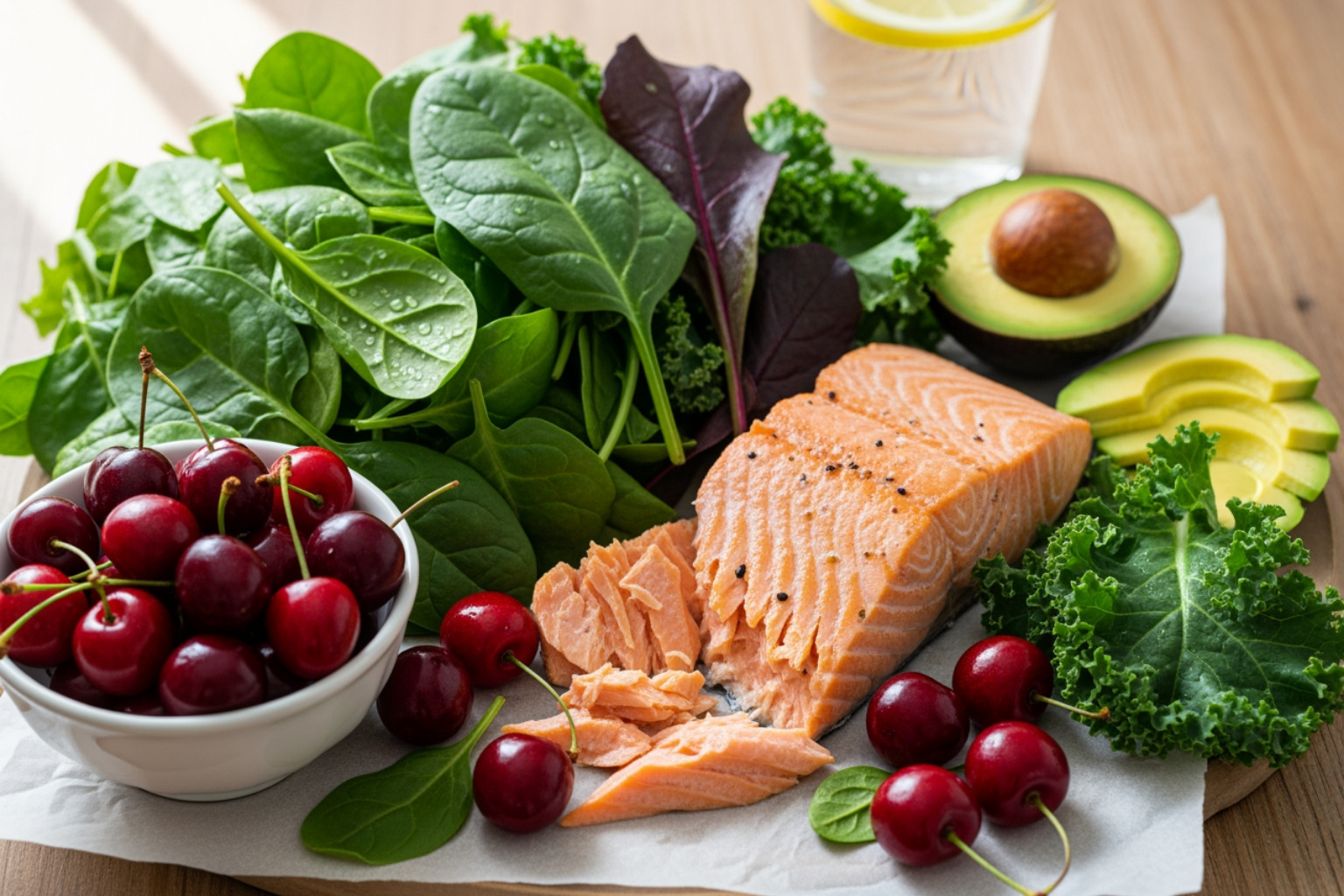
- Anti-inflammatory foods: Incorporating fruits, vegetables, and legumes into your diet provides vital vitamins and minerals, like vitamin C and zinc, which promote healing and help manage inflammation.
Recovery isn't just about the post-workout snack; it's about consistent, nutritious eating throughout the day. For a comprehensive look at how to optimize your diet for recovery, refer to the Position paper on nutrient timing and our Detailed Guide to Workout Recovery.
The Critical Role of Sleep in Muscle Repair
We often underestimate the power of a good night's sleep, but it's arguably one of the most important components of exercise recovery and sore muscle relief.
- 7-9 hours of sleep: The Sleep Foundation recommends aiming for at least seven hours of sleep per night. This isn't just about feeling rested; it's when your body does its most significant repair work.
- Growth hormone release: During deep sleep (specifically non-rapid eye movement, or NREM sleep), your body releases human growth hormone (hGH), which is vital for tissue repair and muscle growth.
- Protein synthesis during NREM sleep: NREM sleep also increases protein synthesis, the process by which your body creates new proteins to repair damaged muscles and build new ones.
- Cellular repair: Sleep is when your body gets to work fixing itself at a cellular level, recovering from the demands of the day and preparing for future challenges. Skimping on shut-eye means shortchanging your muscles' ability to recover and adapt.
For a deeper dive into how sleep impacts your athletic performance and recovery, check out this Review on sleep and athletic performance and the How Much Sleep Do We Need? from Sleep Foundation.
Advanced Options and When to Seek Help
While many strategies focus on internal recovery, sometimes we need a little external help. And just as important as knowing how to relieve soreness is knowing when that soreness might be a sign of something more serious.
Advanced Topical Solutions for Sore Muscle Relief
Topical pain relievers offer a fantastic way to deliver targeted sore muscle relief right where you need it, bypassing the digestive system.
- Topical creams and gels: These products are applied directly to the skin over the affected muscles. They work by delivering active ingredients that penetrate the skin to provide localized relief.
- Localized relief: The beauty of topical solutions is their ability to target specific areas of pain, making them ideal for pinpointed soreness.
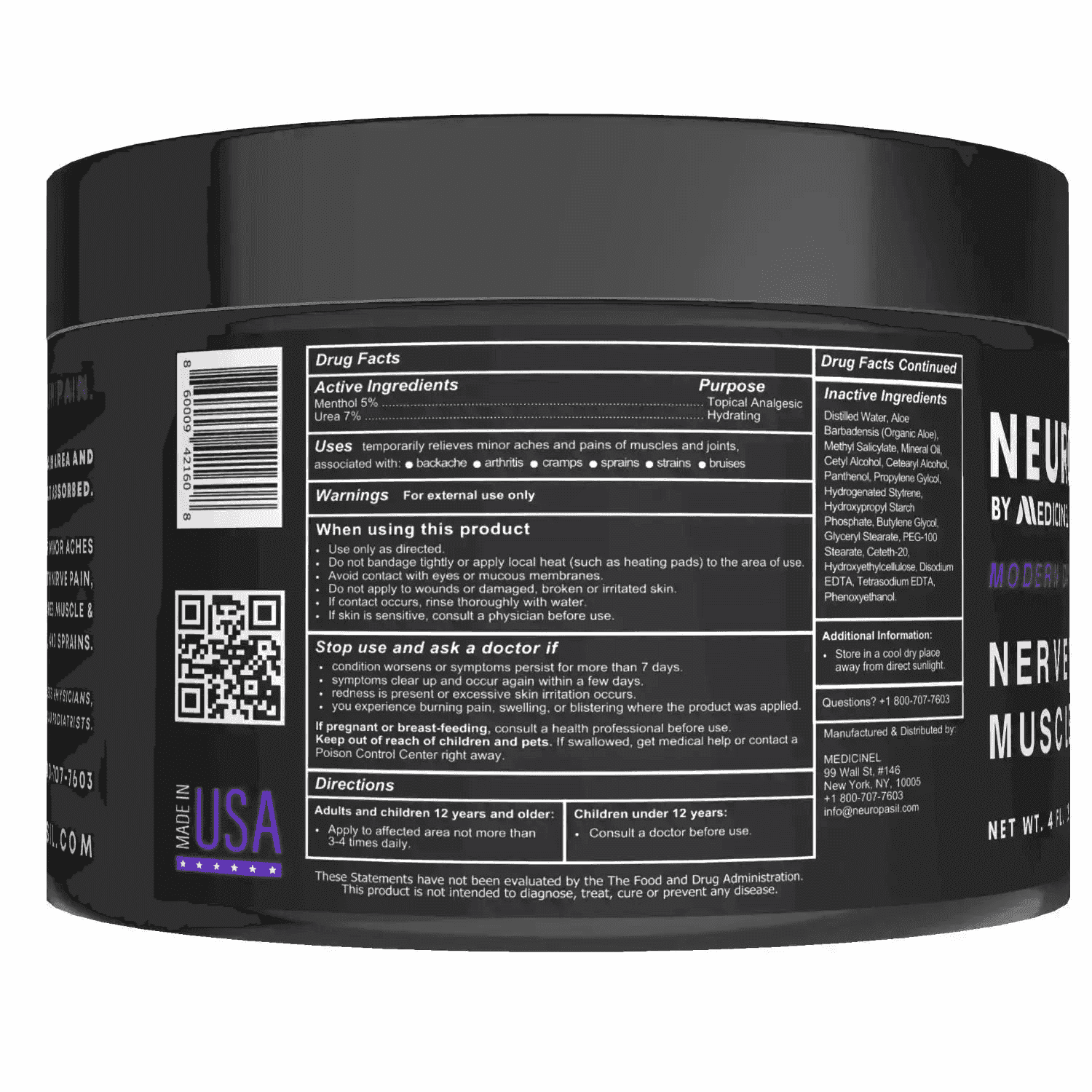
- Menthol: A common ingredient, menthol creates a cooling sensation that distracts from pain. It acts on nerve receptors in the skin to produce a cooling effect, which can be particularly soothing for aching muscles (Pergolizzi et al., 2018).
- Aloe Vera and Urea: Beyond menthol, ingredients like Aloe Vera offer soothing and anti-inflammatory properties (National Center for Complementary and Integrative Health, 2020), while Urea can improve the penetration of other active ingredients and moisturize the skin (Celleno, 2018).
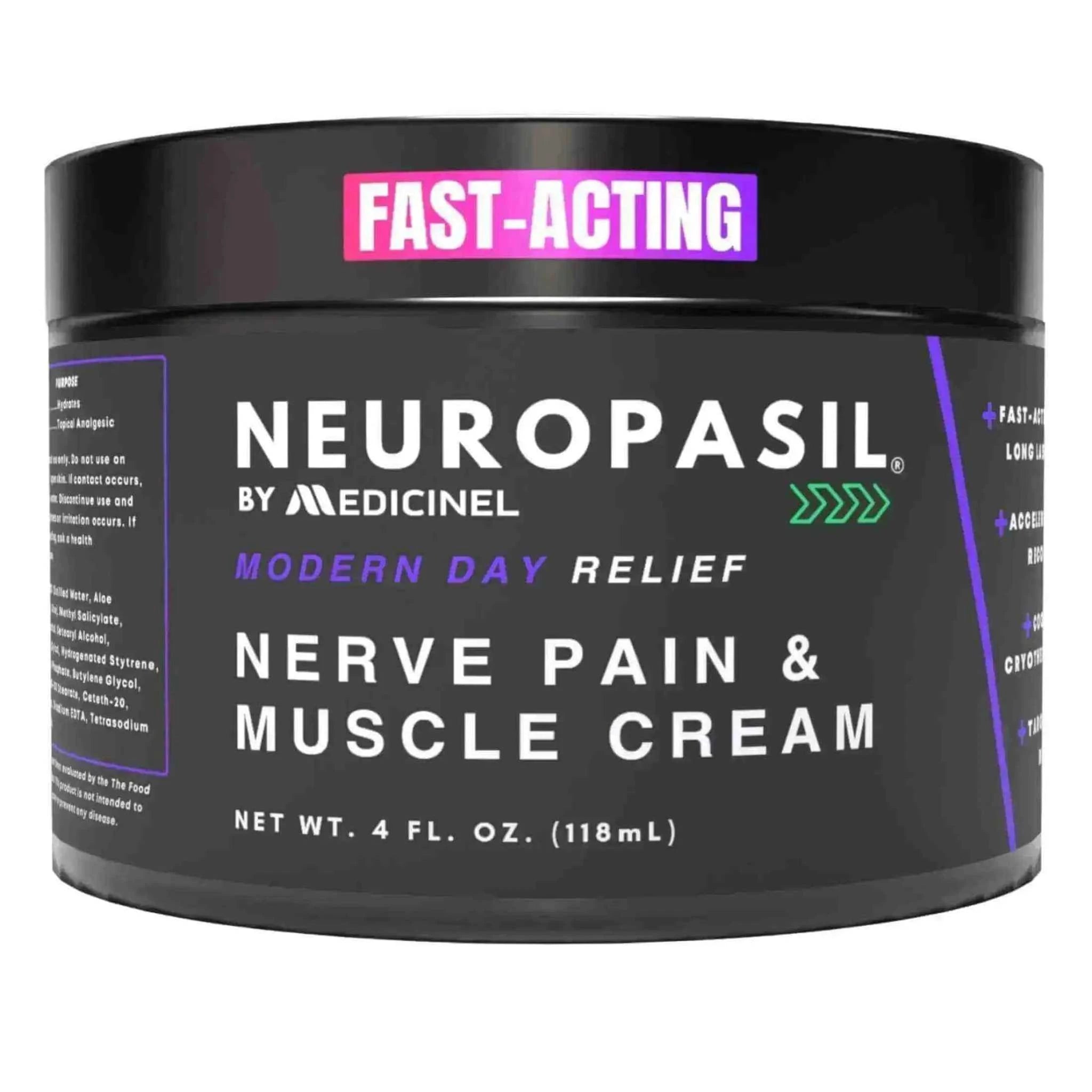
- Cooling sensation: The immediate cooling or warming sensation from topical creams can provide instant comfort, allowing you to move more freely while your muscles continue their repair process. For athletes and active individuals in New York City seeking targeted relief for various types of pain, including neuropathy, sciatica, fibromyalgia, plantar fasciitis, strains, sprains, aches and pains, joint discomfort, back and neck pain, cramps, and aching feet, natural, fast-acting topical creams powered by Aloe, Urea, and Menthol, like Neuropasil, can be incredibly beneficial. We've seen many loyal customers testify to their effectiveness. For a deeper dive, check out our Expert Guide to Topical Treatments for Muscle Aches: Find Fast Relief with Neuropasil's Natural Cream.
When Is It More Than Just Soreness?
Most muscle soreness is a normal and healthy response to exercise, but sometimes, muscle pain can signal a more serious underlying issue. It's crucial to know the difference between typical DOMS and a potential injury.
- DOMS vs. muscle strain: DOMS is a dull, generalized ache that typically comes on gradually and improves with movement. A muscle strain, on the other hand, often involves a more acute, sharp, or sudden pain. You might feel it immediately during an activity, and it tends to worsen with continued use of the affected muscle.
- Sharp, sudden pain: If you experience a sudden, sharp pain during exercise, especially if it limits your range of motion or ability to bear weight, it's a red flag.
- Pain lasting over 5 days: While DOMS usually subsides within 2 to 5 days, persistent pain lasting longer than a week, or pain that worsens over time, warrants medical attention.
- Significant swelling or bruising: While mild swelling can accompany DOMS, significant, unexplained swelling or noticeable bruising could indicate a more severe muscle strain or contusion.
- Inability to bear weight or move a limb: If you can't put weight on a limb, or if moving it causes extreme pain, it's time to see a doctor.
- Hearing a "pop": A distinct "pop" or "snap" sound or sensation at the time of injury often indicates a significant tear in a muscle or ligament.
- When to see a doctor: According to Cleveland Clinic, you should contact a healthcare provider if you have severe pain, redness, or swelling; if muscle pain has lasted more than a week without a known cause; or if you have other symptoms of illness for more than a week (like fever and fatigue). Additionally, seek emergency care if you experience chest pain/pressure, abnormal heartbeat, or shortness of breath. Mayo Clinic also advises seeing a doctor for muscle strains if symptoms are severe or don't improve within a few days. For more detailed guidance, refer to When to call the doctor for muscle pain and Muscle strains - Diagnosis and treatment.
Frequently Asked Questions about Sore Muscle Relief
We get a lot of questions about muscle soreness, so let's tackle some of the most common ones to help you steer your recovery journey with confidence.
Is it okay to work out with sore muscles?
It's a question many of us ask ourselves when the alarm goes off and our muscles protest. The answer, like most things in life, is nuanced. If your soreness is a mild, dull ache (say, a 2 or 3 on a pain scale of 1 to 10), engaging in light exercise or active recovery can actually be beneficial. This helps increase blood flow to the muscles, aiding the healing process.
However, if your pain is more intense, sharp, or limits your range of motion significantly, it's best to rest that particular muscle group. The Cleveland Clinic suggests that if you're dealing with a low-level dull soreness that gets better with rest or physical activity, there are things you can do at home. But if it's more severe, consider working different muscle groups that aren't sore, or taking a full rest day. We generally recommend not returning to the same muscle groups in your workout for 2-3 days to give them time to recover. For further guidance, read Should you workout when sore?.
Does stretching before a workout prevent soreness?
This is a common misconception! While stretching is important for flexibility, static stretching (holding a stretch for an extended period) before a workout hasn't been shown to significantly prevent muscle soreness. In fact, some research suggests it may even temporarily decrease muscle power.
Instead, focus on a dynamic warm-up before your workout. This involves movements that mimic the exercises you're about to do, preparing your muscles and increasing blood flow. A 2021 review found that post-exercise stretching had no significant positive or negative effect on recovery compared to passive recovery (i.e., rest). While some evidence suggests a dynamic warm-up immediately before a workout could reduce muscle soreness up to two days later, the reduction in soreness seen in research has been very small. Post-workout stretching, however, is still beneficial for maintaining flexibility and range of motion.
How long does muscle soreness typically last?
The duration of muscle soreness, particularly DOMS, can vary depending on the intensity and novelty of your workout. Generally, soreness begins 12 to 24 hours after activity and can last up to 72 hours, or even longer if the exertion was extreme (Cleveland Clinic, 2022). Most commonly, your muscles will stop aching in 2 to 5 days. This is a normal part of the muscle adaptation process. If your muscle pain persists for more than 5-7 days, or if it's accompanied by other concerning symptoms (as outlined in the "When Is It More Than Just Soreness?" section), it's always best to consult a healthcare professional.
Conclusion
Experiencing muscle soreness is a universal rite of passage for anyone pushing their physical limits. It’s a powerful sign that our bodies are adapting, growing stronger, and preparing for future challenges. While the discomfort can be a nuisance, we now have a comprehensive toolkit for effective sore muscle relief.
We've explored understanding the "why" behind muscle soreness, distinguishing between acute pain and DOMS. We've digd into immediate relief strategies like the R.I.C.E. method and temperature therapy, the benefits of active recovery and gentle movement, and the powerful impact of massage and myofascial release. We've also highlighted the critical roles of proper nutrition, hydration, and adequate sleep in both preventing and recovering from muscle aches. Finally, we've discussed advanced topical solutions and, crucially, when to recognize that your pain might be more than just soreness and warrants medical attention.
Consistency, patience, and listening to your body are your best allies in this journey. Accept soreness as a sign of progress, and empower yourself with these strategies to bounce back faster. For fast, targeted relief, a natural topical cream like Neuropasil with Aloe, Urea, and Menthol can soothe aches and support faster recovery, helping you stay active and pain-free. Experience the difference for yourself and explore how our natural blend transforms muscle and nerve recovery: Experience Rapid Pain Relief: How an Aloe, Urea & Menthol Blend Transforms Muscle and Nerve Recovery.
References
- Hody, S., et al. (2019). Eccentric Muscle Contractions: Risks and Benefits. Frontiers in Physiology. https://www.frontiersin.org/articles/10.3389/fphys.2019.00536/full
- Cheatham, S. W., et al. (2015). The Effects of Self-Myofascial Release Using a Foam Roll or Roller Massager on Joint Range of Motion, Muscle Recovery, and Performance: A Systematic Review. International Journal of Sports Physical Therapy. https://www.ncbi.nlm.nih.gov/pmc/articles/PMC4637917/
- Kerksick, C. M., et al. (2017). International Society of Sports Nutrition Position Stand: Nutrient Timing. Journal of the International Society of Sports Nutrition. https://www.ncbi.nlm.nih.gov/pmc/articles/PMC5596471/
- Fullagar, H. H. K., et al. (2015). Sleep and Athletic Performance: The Effects of Sleep Loss on Exercise Performance, and Physiological and Cognitive Responses to Exercise. Sports Medicine. https://www.researchgate.net/publication/266855811SleepandAthleticPerformanceTheEffectsofSleepLossonExercisePerformanceandPhysiologicalandCognitiveResponsesto_Exercise
- Afonso, J., et al. (2021). The Effectiveness of Post-exercise Stretching in Short-Term and Delayed Recovery of Strength, Range of Motion and Delayed Onset Muscle Soreness. Frontiers in Physiology. https://www.frontiersin.org/articles/10.3389/fphys.2021.677581/full
- Cleveland Clinic. (2022). What Helps Sore Muscles After a Workout? https://health.clevelandclinic.org/what-helps-sore-muscles-after-workout
- Mayo Clinic. (n.d.). Muscle strains - Diagnosis and treatment. https://www.mayoclinic.org/diseases-conditions/muscle-strains/diagnosis-treatment/drc-20450520
- Sleep Foundation. (2023). How Much Sleep Do You Need? https://www.sleepfoundation.org/how-sleep-works/how-much-sleep-do-we-really-need
- Cleveland Clinic. (n.d.). Myalgia (Muscle Pain). https://my.clevelandclinic.org/health/symptoms/myalgia-muscle-pain#when-to-call-the-doctor
- Cleveland Clinic. (n.d.). Should You Workout When Sore? https://health.clevelandclinic.org/should-you-workout-when-sore
- Celleno, L. (2018). Topical urea in skincare: A review. Dermatologic Therapy. https://onlinelibrary.wiley.com/doi/full/10.1111/dth.12690
- National Center for Complementary and Integrative Health. (2020). Aloe Vera. https://www.nccih.nih.gov/health/aloe-vera
- Pergolizzi, J. V., et al. (2018). The role of topical analgesics in the management of acute and chronic pain. Pain and Therapy. https://www.ncbi.nlm.nih.gov/pmc/articles/PMC6280899/