Your First Steps to Hamstring Recovery
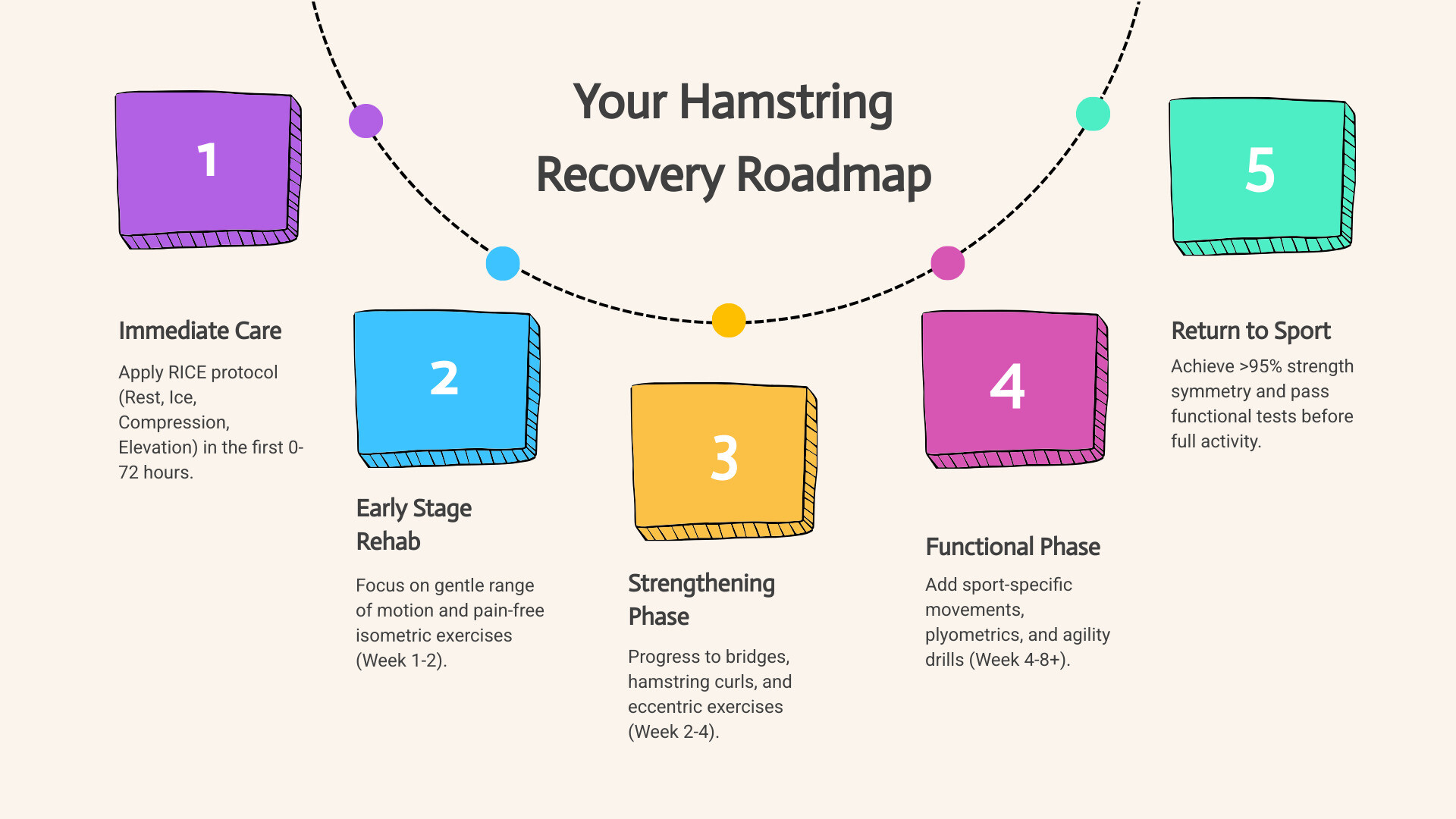
Rehabbing a pulled hamstring requires a structured, phased approach to restore strength, flexibility, and function while preventing re-injury. Here's what you need to know:
Quick Recovery Guide:
- Immediate Care (0-72 hours): Apply RICE protocol (Rest, Ice, Compression, Elevation)
- Early Stage (Week 1-2): Gentle range of motion and pain-free isometric exercises
- Strengthening Phase (Week 2-4): Progress to bridges, hamstring curls, and eccentric exercises
- Functional Phase (Week 4-8+): Add sport-specific movements, plyometrics, and agility drills
- Return to Sport: Achieve >95% strength symmetry and pass functional tests before resuming full activity
A pulled hamstring is one of the most common and frustrating injuries for athletes and active individuals. That sudden, sharp pain in the back of your thigh can sideline you for weeks or even months if not properly addressed. Nearly one-third of hamstring injuries recur within the first year, making proper rehabilitation absolutely critical (Heiderscheit et al., 2010).
This guide walks you through everything you need to know about recovering from a hamstring strain. You'll learn how to identify the severity of your injury, what immediate steps to take, how to progress through each phase of rehabilitation, and most importantly, how to prevent it from happening again.
Whether you're dealing with a mild Grade 1 strain that might heal in a few weeks or a more severe Grade 2 or 3 tear requiring months of recovery, understanding the rehab process gives you the best chance at a full return to activity. The difference between a complete recovery and a chronic problem often comes down to patience, proper progression, and listening to your body.
I'm Tony Enrico, and through my work with Neuropasil, I've supported thousands of athletes and active individuals through muscle and nerve pain recovery, including the challenges of rehabbing a pulled hamstring. My mission is to help people reclaim their strength and mobility so they can return to the activities they love without fear of re-injury.
Handy rehabbing a pulled hamstring terms:
Understanding Your Pulled Hamstring: Causes, Symptoms, and Severity
Before we dive into the recovery process, let's get a clear picture of what a pulled hamstring actually is and why it happens. Our hamstrings are a group of three powerful muscles located at the back of our thighs: the biceps femoris, semitendinosus, and semimembranosus. These muscles are crucial for bending our knee, extending our hip, and enabling movements like walking, running, and jumping.
A pulled hamstring, also known as a hamstring strain, occurs when these muscle fibers are overstretched or torn. This typically happens during activities that involve sudden, forceful contractions or extensions of the leg. The primary cause is often muscle overload, where the muscle is stretched beyond its capacity or subjected to a sudden, intense load. This is especially true during eccentric contractions, which happen when a muscle lengthens under tension – think of the hamstring working to slow down your leg just before your foot hits the ground during a sprint.
Sprinting and jumping are classic culprits. The rapid acceleration and deceleration involved in these movements place immense stress on the hamstrings. We've seen countless athletes, from professional runners to weekend warriors in New York City parks, experience this sudden pain. Research highlights the complex [Mechanisms of hamstring strain injury](https://www.mdpi.com/2075-4663/8/5/65), emphasizing the interplay between fatigue, muscle activation, and function.
Several factors can increase our risk of experiencing a pulled hamstring:
- Previous Injury: If you've pulled a hamstring before, you're unfortunately more susceptible to re-injury. This is why proper rehabilitation is so vital.
- Muscle Imbalance: An imbalance between the strength of your quadriceps (front of thigh) and hamstrings can put undue stress on the hamstrings. Weak gluteal muscles can also contribute.
- Poor Conditioning: Muscles that aren't adequately strong or flexible are more prone to injury.
- Fatigue: Tired muscles are less able to absorb energy and are more susceptible to strains.
- Age: Adolescent athletes are at higher risk because their bones can grow faster than their muscles during growth spurts, leading to tight hamstrings. Older athletes may also experience decreased muscle elasticity.
Common Symptoms and Injury Grades
When a hamstring strain occurs, the symptoms can range from a mild ache to debilitating pain. We often hear patients describe a sudden, sharp pain in the back of the thigh, sometimes accompanied by a "popping" sensation at the moment of injury. Other common symptoms include:
- Swelling in the affected area.
- Bruising or discoloration, which might appear a day or two after the injury.
- Tenderness to the touch.
- Muscle stiffness, making it difficult to move the leg.
- Weakness in the leg, especially when trying to bend the knee or extend the hip.
- Difficulty walking or bearing weight on the injured leg.
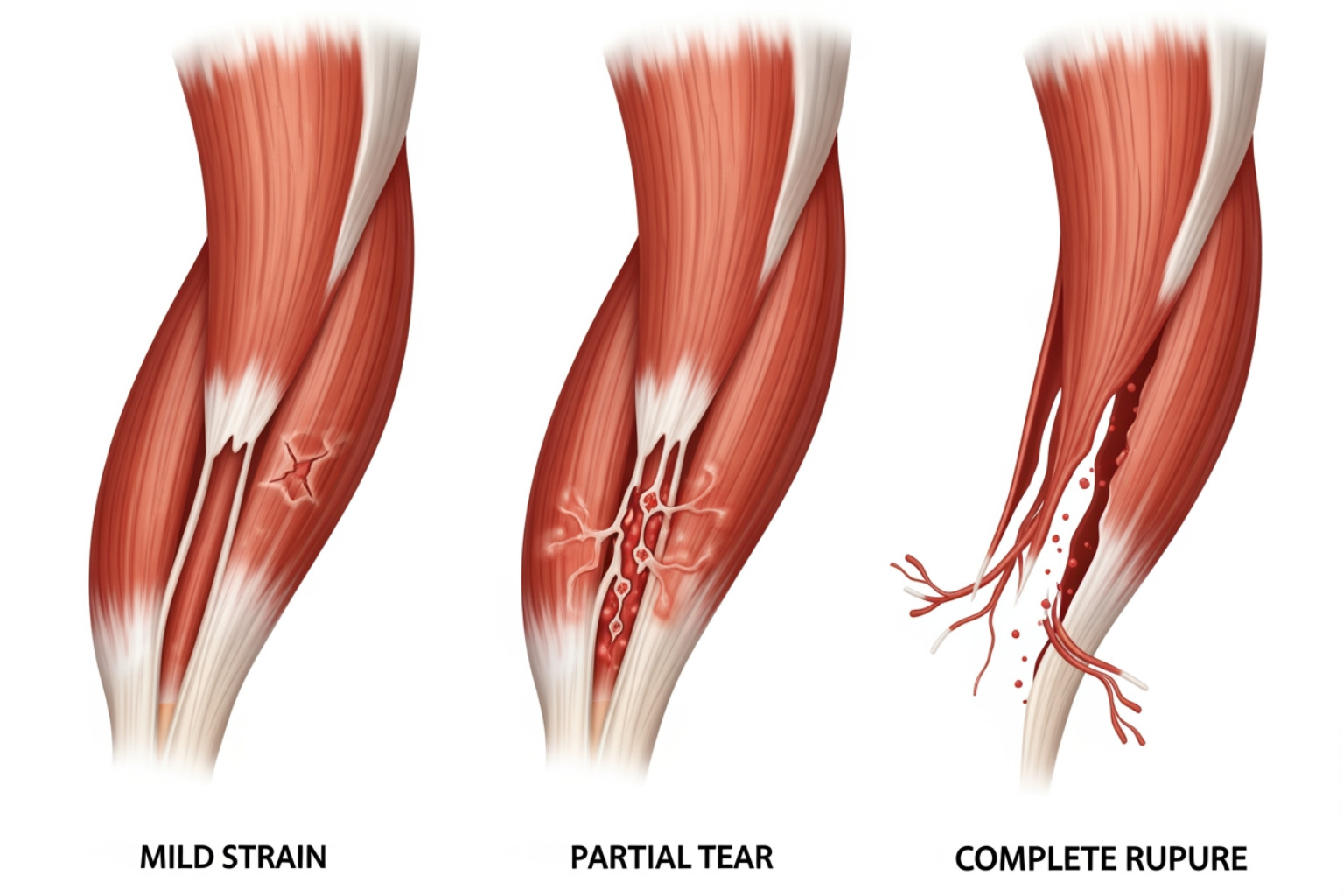
To understand the severity of a pulled hamstring and guide our rehabilitation approach, healthcare providers classify strains into three grades:
| Grade of Injury | Description | Symptoms | Typical Recovery Time (Poudel & Nuhmani, 2023) |
|---|---|---|---|
| Grade 1 (Mild Strain) | A few muscle fibers are damaged or overstretched. | Mild pain, tenderness, minimal loss of strength or movement. May feel tight but can walk normally. | 1 to 3 weeks. |
| Grade 2 (Partial Tear) | A significant number of muscle fibers are torn, but the muscle is not completely ruptured. | Moderate to severe pain, swelling, bruising, noticeable loss of strength and range of motion. Difficulty walking, may limp. | 4 to 8 weeks. |
| Grade 3 (Complete Tear) | The muscle is completely torn, or the tendon is avulsed (pulled off the bone). | Severe pain, massive swelling and bruising, significant or complete loss of muscle function. May hear a "pop" at the time of injury. Often requires crutches. | 3 to 6 months, potentially longer if surgery is needed. |
Diagnosis: When to See a Doctor
If you suspect you've pulled your hamstring, especially if the pain is severe or you can't bear weight, it's always best to consult a healthcare professional. A doctor or physical therapist can accurately diagnose the injury and recommend the most effective treatment plan.
The diagnostic process usually involves:
- Physical Examination: Your healthcare provider will assess your symptoms, check for tenderness, and evaluate your range of motion and muscle strength. They might perform specific tests like the Puranen-Orava test or the Bent-Knee stretch test, which have good sensitivity and specificity for diagnosing hamstring injuries. For instance, the Bent-Knee stretch test has a sensitivity of 84% and specificity of 87% for diagnosing acute hamstring injuries (Zeren & Öztekin, 2016).
-
Imaging Tests: For more severe injuries, or if there's concern about a complete tear or avulsion, imaging tests may be ordered. An MRI can provide detailed images of soft tissues, showing the extent of muscle damage. An ultrasound can also be used to visualize muscle tears, and an X-ray might be used to rule out bone damage or avulsion fractures. For more on diagnosis and treatment, you can refer to resources like
[Diagnosis and treatment of hamstring injuries](https://www.mayoclinic.org/diseases-conditions/hamstring-injury/diagnosis-treatment/drc-20372990).
We encourage anyone experiencing significant pain or limited function to seek professional medical help promptly. Early and accurate diagnosis is key to effective rehabbing a pulled hamstring.
Phase 1: Immediate Care and Early Stage Rehabilitation
The first few days after a hamstring injury are critical for managing pain, swelling, and preventing further damage. Our immediate focus is on protecting the injured tissue and creating an optimal environment for healing.
The traditional approach, and still widely recommended for acute injuries, is the RICE protocol:
- Rest: This is paramount. Avoid any activities that cause pain or put stress on your hamstring. Depending on the severity, you might need to use crutches to avoid putting weight on the injured leg.
- Ice: Apply ice packs to the injured area for 15-20 minutes every 2-3 hours during the first 48-72 hours. This helps reduce swelling and numb the pain. Always place a thin cloth between the ice and your skin to prevent ice burns.
- Compression: Use a compression bandage or wrap around your thigh to help minimize swelling. Ensure it's snug but not so tight that it cuts off circulation.
- Elevation: Whenever possible, lift your injured leg above the level of your heart. This further aids in reducing swelling by allowing fluid to drain away from the injury site.
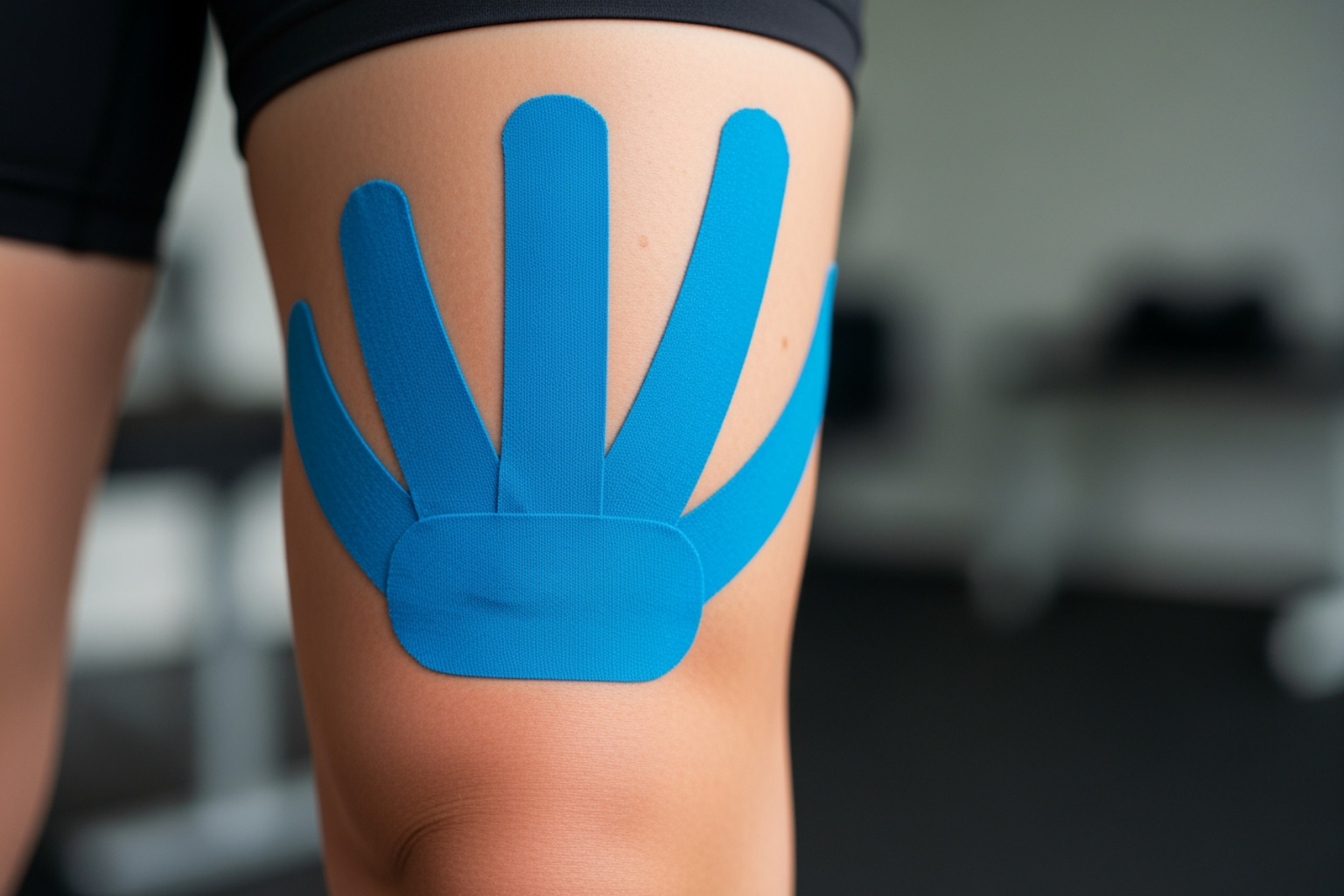
While RICE focuses on immediate protection, some healthcare professionals also advocate for the MEAT protocol, particularly once the initial acute pain subsides:
- Movement: Gentle, pain-free movement to promote blood flow and prevent stiffness.
- Exercise: Introducing very light, controlled exercises to maintain muscle function without stressing the injury.
- Analgesia: Pain relief to allow for comfortable movement and sleep.
- Treatment: Seeking professional guidance for rehabilitation.
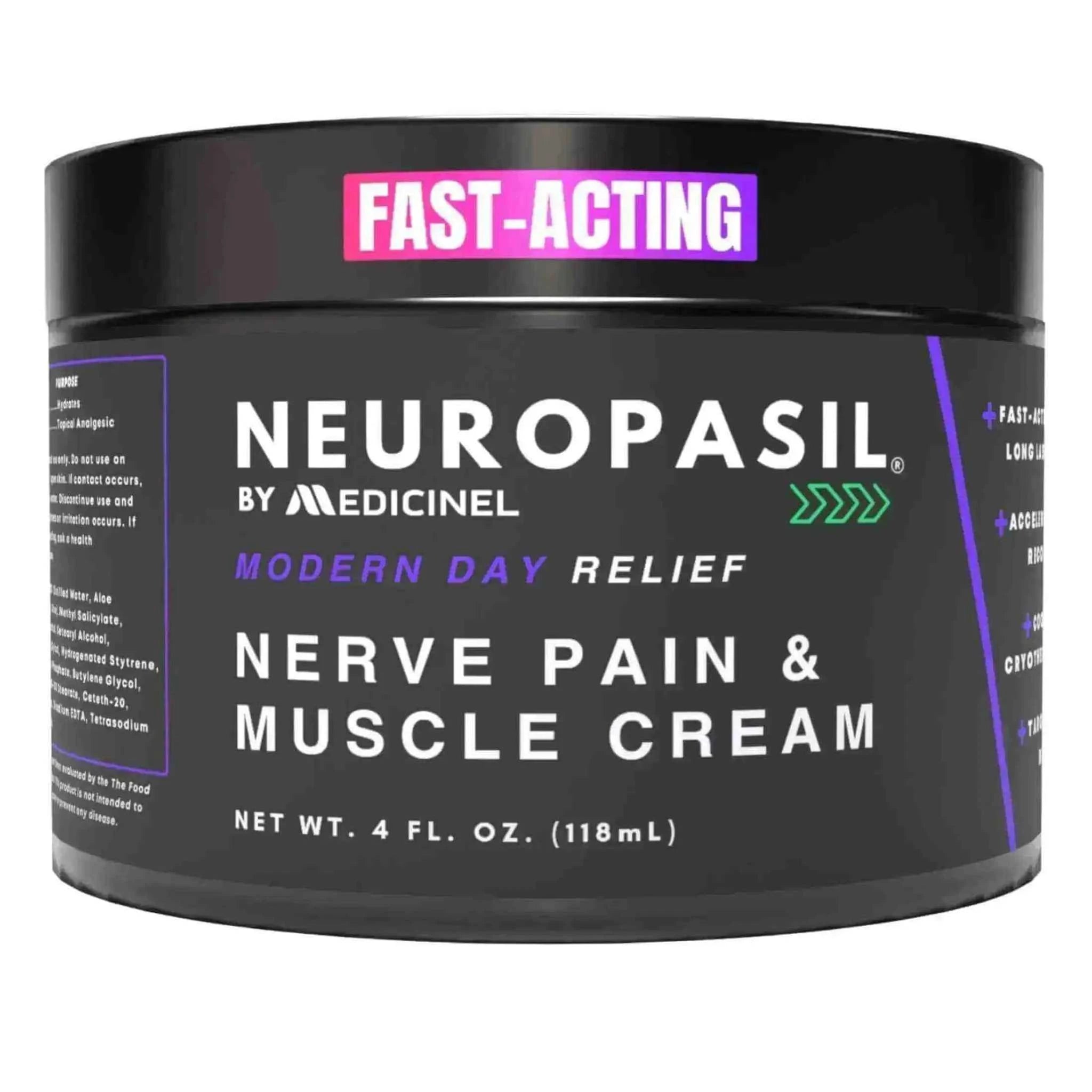
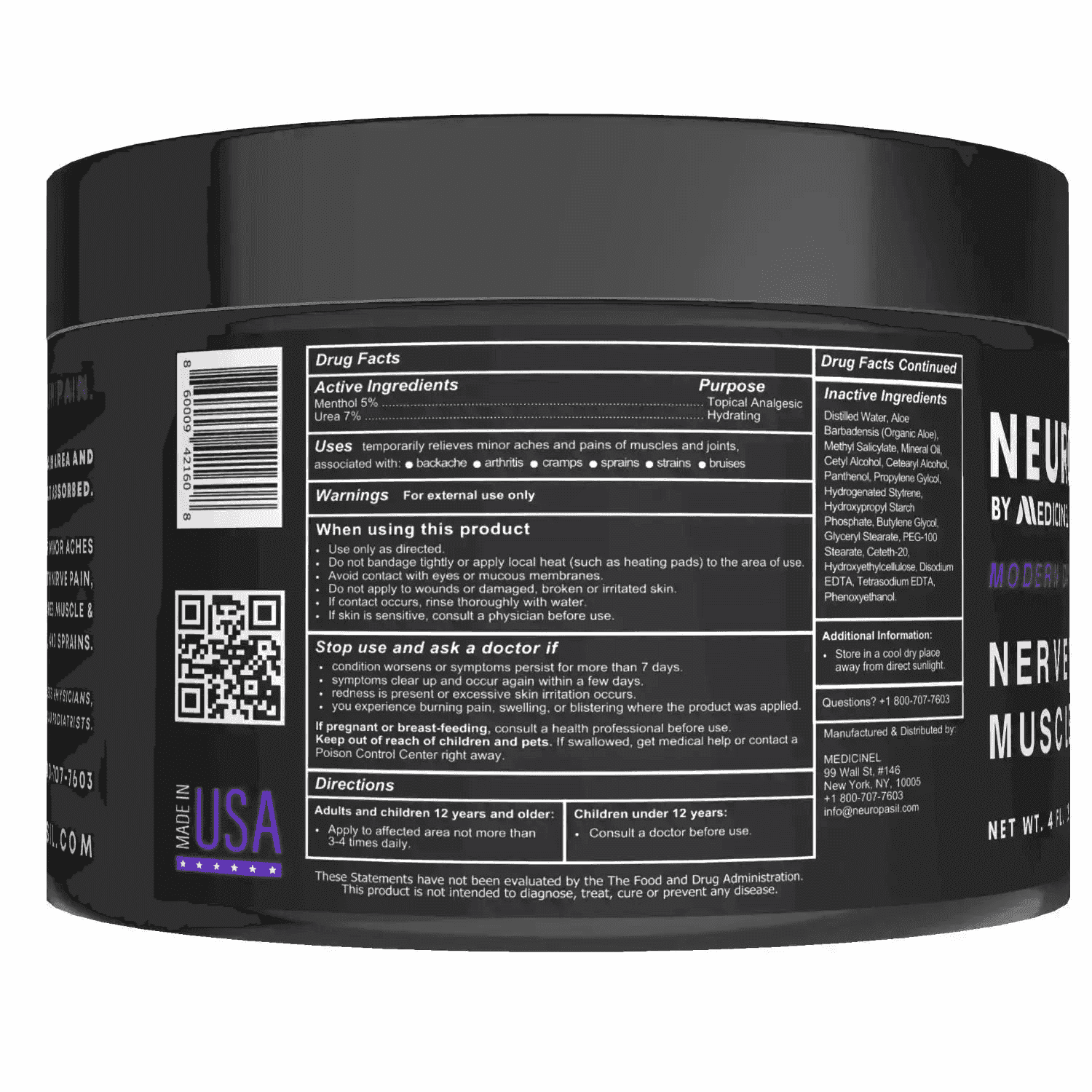
For pain relief, over-the-counter options like ibuprofen or acetaminophen can help manage discomfort. However, we also understand the desire for targeted, soothing relief that gets right to the source of the pain. This is where topical creams shine. Many of our customers in New York City find significant relief for their muscle aches and nerve pain with Neuropasil Nerve Pain Relief Cream. Its unique blend of Aloe, Urea, and Menthol provides a cooling sensation that can help alleviate discomfort in the injured area, allowing for better rest and gentle movement. You can learn more about managing muscle strains at [More info about muscle strain treatment](https://neuropasil.com/blogs/news/muscle-strain-treatment) and explore effective topical solutions at [Best pain relief creams for muscle pain](https://neuropasil.com/blogs/news/best-pain-relief-creams-for-muscle-pain).
Your First Rehab Exercises
Once the initial acute pain and swelling have begun to subside (typically within a few days for Grade 1 strains), we can introduce very gentle exercises. The goals for this early stage are to minimize pain and swelling, protect the healing tissue, prevent muscle atrophy (wasting), and maintain some gentle range of motion. It's crucial that all movements are pain-free. If you feel any sharp pain, stop immediately.
Here are some initial, gentle exercises for rehabbing a pulled hamstring:
- Seated Hamstring Set: Sit with your injured leg slightly bent. Gently tighten your hamstring muscles as if you're trying to push your heel into the floor, but without actually moving your leg. Hold for 6 seconds, then relax. Repeat 8-12 times. This helps activate the muscle without putting it under stress.
- Gentle Nerve Glides: These are important if nerve tension is present. Your physical therapist can guide you through specific nerve gliding exercises to improve nerve mobility without stretching the muscle directly.
- Quad Sets: While lying on your back, straighten your injured leg and gently push the back of your knee into the bed or floor by tightening your quadriceps muscle. Hold for 5-10 seconds. This helps maintain quad strength and can indirectly support the hamstring.
- Glute Sets: Squeeze your gluteal muscles together and hold for 5-10 seconds. This helps activate the glutes, which are often weak and can contribute to hamstring issues.
Patience is key in this phase. We're laying the groundwork for a successful recovery, not pushing for immediate gains.
The Core of Rehabbing a Pulled Hamstring: Building Strength and Function
As we move past the initial healing and gentle activation, the core of rehabbing a pulled hamstring shifts towards progressively rebuilding strength, improving neuromuscular control, and restoring full function. This is a criterion-based progression, meaning we advance based on your body's response and specific milestones, rather than just a set timeline. Pain-free movement remains our guiding principle. Our aim is to not just heal the injury, but to make the hamstring stronger and more resilient than before. The importance of this progressive approach is highlighted in studies on [Rehabilitation after hamstring-strain injury](https://journals.humankinetics.com/view/journals/jsr/26/2/article-p131.xml).
Phase 2: The Strengthening Phase
Once you can perform the initial exercises without pain and have good control over basic movements, we can gradually introduce more challenging strengthening exercises. The goal of Phase 2 is to regain pain-free strength and further improve neuromuscular control.
We'll start with isotonic exercises, where the muscle contracts and moves a load through a range of motion:
- Hamstring Curls (Lying Down): Lie on your stomach and slowly bend your injured knee, bringing your heel towards your glutes. Control the movement both up and down. Start without weight, then gradually add light ankle weights or use a resistance band as strength improves. Aim for 3 sets of 10-15 repetitions.
- Bridges: Lie on your back with knees bent and feet flat on the floor. Lift your hips off the ground until your body forms a straight line from shoulders to knees. This strengthens both hamstrings and glutes. Aim for 3 sets of 10-15 repetitions.
- Light Stretching: Gentle, pain-free hamstring stretches can be introduced, such as a doorway stretch where you lie on your back with one leg extended up a doorframe. Hold for 30 seconds, repeating 2-4 times. It's crucial to avoid overstretching the injured area.
A cornerstone of hamstring rehabilitation, especially for preventing recurrence, is eccentric strengthening. This involves exercises where the muscle lengthens while contracting. These types of exercises have been shown to be particularly effective.
- Nordic Hamstring Curls: While challenging, this exercise is highly effective for building eccentric strength. Kneel on the floor with your ankles secured (e.g., by a partner or under a heavy object). Slowly lower your torso forward, resisting the movement with your hamstrings for as long as possible. Use your hands to catch yourself if needed. Start with a few repetitions and gradually increase.
Phase 3: The Functional Phase
As your strength improves and you can perform Phase 2 exercises without pain, we'll progress to the functional phase. This phase focuses on building power, endurance, and preparing your body for the dynamic, sport-specific movements you'll encounter in daily life or athletic activities. The goal is to bridge the gap between basic strengthening and full return to activity.
This phase includes:
-
Advanced Strengthening:
- Single-Leg Deadlifts: This exercise challenges hamstring strength, balance, and core stability. Hold a light weight in the hand opposite your injured leg. Hinge at your hips, extending the uninjured leg straight back, keeping your back straight, until your torso is parallel to the floor. Return slowly.
- Lunges: Forward, lateral, and reverse lunges help build strength and stability in various planes of motion.
- Plyometrics (Jumping): Start with low-impact jumps, such as two-foot hops, progressing to single-leg hops and box jumps. These exercises improve explosive power.
- Running Progression: Gradually reintroduce running, starting with walking, then walk-jog intervals, progressively increasing the duration and speed of jogging. We typically recommend following the "10% rule," a common guideline suggesting you shouldn't increase your mileage by more than 10% per week to allow for gradual adaptation (Hospital for Special Surgery, 2021).
- Agility Drills: Begin with simple agility drills like cone drills, shuffles, and figure-eights, gradually increasing speed and complexity.
- Cutting Drills: For athletes, introducing cutting drills (sudden changes in direction) is essential to prepare the hamstring for the demands of their sport.
Always ensure these exercises are performed pain-free. We use resources like [Hamstring Strain: Rehab Exercises](https://myhealth.alberta.ca/Health/aftercareinformation/pages/conditions.aspx?hwid=bo1577) as a general guide for exercise ideas, but tailor them to your individual needs and progression.
The Final Stage: Returning to Sport and Preventing Re-Injury
Reaching the final stage of rehabbing a pulled hamstring is exciting, but it's also where many re-injuries occur. We know that nearly one-third of hamstring injuries recur within the first year following a return to sport (Heiderscheit et al., 2010). This statistic underscores the importance of not rushing back and ensuring your hamstring is fully prepared for the demands ahead. Our goal is to minimize this risk.
Returning to sport or high-level activity should be based on objective criteria, not just the absence of pain. Key markers that indicate it's safe to return include:
- Pain-Free Full Range of Motion: You should have full, pain-free flexibility in your hamstring, comparable to your uninjured leg.
- Strength Symmetry: Hamstring strength symmetry (LSI Hamstring) should be greater than 95% compared to your uninjured limb. This also applies to gluteal strength (LSI Glute > 95%) and quadriceps strength (LSI Quad > 95%), as imbalances can contribute to injury.
- Hop Test Performance: Single leg hop cluster tests (e.g., single hop for distance, triple hop, crossover hop, 6-meter timed hop) should be greater than 95% of the uninjured limb. These tests assess power, balance, and functional strength (Heiderscheit et al., 2010).
- Psychological Readiness: Confidence in the injured leg is crucial. If you're hesitant or fearful of re-injury, you're more likely to compensate, which can lead to other issues. A psychological readiness to return to sport (PRRS) scale can help assess this.
Key Strategies for Preventing Future Hamstring Injuries
Prevention is the best medicine, especially when it comes to hamstring strains. Incorporating these strategies into your routine can significantly reduce your risk of future injuries:
- Proper Warm-Up and Cool-Down: Always start with a dynamic warm-up (e.g., leg swings, high knees) to prepare your muscles for activity and finish with a static cool-down (holding stretches) to improve flexibility.
- Consistent Strengthening Program: Focus on strengthening both your hamstrings (especially eccentric strength with exercises like Nordic curls) and your glutes. A rehabilitation program emphasizing progressive agility and trunk stabilization exercises has been found to be more effective than isolated hamstring stretching and strengthening in preventing injury recurrence (Sherry & Best, 2004).
- Core Stability: A strong core provides a stable base for your leg movements, reducing stress on the hamstrings.
- Flexibility: Regular stretching helps maintain muscle length and elasticity.
- Gradual Increase in Training Intensity: Avoid sudden spikes in activity level. Gradually increase the duration, intensity, or frequency of your workouts to allow your body to adapt.
- Listen to Your Body: Pay attention to any aches or fatigue. Pushing through pain is a recipe for injury.
For more general health and wellness tips, including advice on muscle care, we invite you to [Find more health and wellness tips on our blog](https://neuropasil.com/blogs/news).
Knowing You're Ready: The Final Step in Rehabbing a Pulled Hamstring
The true test of recovery is successfully completing sport-specific drills at full speed and intensity without any pain or apprehension. This means performing movements like sprinting, jumping, cutting, and decelerating exactly as you would in your sport or activity.
Passing functional tests, as outlined above, is a strong indicator of physical readiness. However, the final crucial step is to consult with your physical therapist or doctor. They will provide the ultimate clearance, ensuring that all aspects of your recovery—physical, mental, and emotional—are aligned for a safe return.
Your journey to recovery is unique. Don't compare your progress to others. Focus on your own body, your own pain levels, and your own milestones.
Frequently Asked Questions about Hamstring Rehab
We understand you likely have many questions about rehabbing a pulled hamstring. Here are some of the most common ones we encounter:
How long does a pulled hamstring take to heal?
The recovery time for a pulled hamstring varies significantly depending on the grade of the injury (Poudel & Nuhmani, 2023):
- Grade 1 (Mild Strain): Approximately 1 to 3 weeks.
- Grade 2 (Partial Tear): Approximately 4 to 8 weeks.
- Grade 3 (Complete Tear): Can take 3 to 6 months, and may require surgery, extending the recovery period.
Factors like your age, overall health, adherence to the rehabilitation program, and the specific location of the tear (e.g., closer to the bone vs. in the muscle belly) can all influence healing time.
Should I use ice or heat on a pulled hamstring?
In the initial acute phase (first 48-72 hours) after a hamstring injury, ice (cryotherapy) is generally recommended. Ice helps to:
- Reduce swelling and inflammation.
- Numb the pain.
- Constrict blood vessels, preventing excessive bruising.
After this acute phase, once swelling has subsided and as you progress into rehabilitation, heat can be introduced. Heat therapy can help to:
- Increase blood flow to the area, promoting nutrient delivery and waste removal.
- Relax tight muscles, which can be beneficial before stretching or exercise.
- Alleviate muscle stiffness and spasms.
It's important to never apply heat to an acutely swollen or bruised area, as this can worsen inflammation. Always listen to your body and consult with your healthcare provider for specific recommendations.
Can I still work out with a pulled hamstring?
While you need to rest the injured hamstring, you generally can still work out other parts of your body. The key is to avoid any activities that put stress on your hamstring or cause pain.
- Focus on Upper Body and Core: You can continue to train your upper body and core muscles. This helps maintain overall fitness and can even support your recovery by improving trunk stability.
- Pain-Free Cross-Training: Depending on the severity of your injury and your comfort level, pain-free cross-training activities like swimming or cycling (with a high seat and low resistance to minimize hamstring involvement) might be possible. Always ensure these activities do not cause any pulling, stretching, or pain in your hamstring.
- Listen to Your Body: This is non-negotiable. If an exercise causes even mild discomfort in your hamstring, stop immediately. Pushing through pain can delay healing or worsen the injury.
Always consult with your doctor or physical therapist before resuming any exercise, including cross-training, to ensure it's safe for your specific injury and stage of recovery.
Conclusion: Your Path to a Full Recovery
Rehabbing a pulled hamstring is a journey that demands patience, diligence, and a structured approach. We've walked through understanding the injury, immediate care, phased rehabilitation, and critical strategies for preventing future issues. The goal isn't just to heal, but to return stronger and more resilient.
Listen to your body, adhere to your rehabilitation plan, and don't rush the process. Skipping steps or returning to activity too soon significantly increases your risk of re-injury, setting you back even further. Your commitment to a full recovery will pay dividends in the long run, allowing you to get back to the activities you love without pain or apprehension.
For targeted, soothing relief from muscle aches and pains during your recovery, or for general muscle soreness from your strengthening exercises, consider Neuropasil Nerve Pain Relief Cream. Its unique formula with Aloe, Urea, and Menthol is designed to provide rapid, comforting relief, helping you stay comfortable and focused on your healing journey.
[Shop Neuropasil Nerve Pain Relief Cream](https://neuropasil.com/products/neuropasil-nerve-pain-relief-cream-4-oz)
References
Heiderscheit BC, Sherry MA, Silder A, Chumanov ES, Thelen DG. Hamstring strain injuries: recommendations for diagnosis, rehabilitation, and injury prevention. Journal of Orthopaedic & Sports Physical Therapy. 2010;40(2):67-81. Available from: https://www.jospt.org/doi/10.2519/jospt.2010.3047
Hospital for Special Surgery. How to Prevent the 5 Most Common Running Injuries. 2021. Available from: https://www.hss.edu/article_preventing-running-injuries.asp
Huygaerts S, Cos F, Cohen DD, et al. Mechanisms of hamstring strain injury: Interactions between fatigue, muscle activation and function. Sports. 2020;8(5):1–15. Available from: https://www.mdpi.com/2075-4663/8/5/65
Mayo Clinic. Hamstring injury. Available from: https://www.mayoclinic.org/diseases-conditions/hamstring-injury/diagnosis-treatment/drc-20372990
MyHealth.Alberta.ca. Hamstring Strain: Rehab Exercises. Available from: https://myhealth.alberta.ca/Health/aftercareinformation/pages/conditions.aspx?hwid=bo1577
Poudel B, Nuhmani S. Hamstring Injuries: Current Concepts of Diagnosis and Treatment. Cureus. 2023;15(3):e36021. Available from: https://www.ncbi.nlm.nih.gov/pmc/articles/PMC10103208/
Sherry MA, Best TM. A comparison of 2 rehabilitation programs in the treatment of acute hamstring strains. Journal of Orthopaedic & Sports Physical Therapy. 2004;34(3):116-125. Available from: https://www.jospt.org/doi/10.2519/jospt.2004.34.3.116
Tyler TF, Schmitt BM, Nicholas SJ, McHugh MP. Rehabilitation after hamstring-strain injury emphasizing eccentric strengthening at long muscle lengths: Results of long-term follow-up. Journal of sport rehabilitation. 2017 Mar 1;26(2):131-40. Available from: https://journals.humankinetics.com/view/journals/jsr/26/2/article-p131.xml
Zeren B, Öztekin HH. The diagnostic value of the taking-off-the-shoe test in acute hamstring injuries. Knee Surgery, Sports Traumatology, Arthroscopy. 2016;24(10):3335–3339. Available from: https://link.springer.com/article/10.1007/s00167-015-3563-8