Why Quick Action Matters When You Pull a Muscle
Care for a pulled muscle starts the moment you feel that sharp pain or sudden "pop." Whether you're an athlete mid-workout or someone who just lifted a heavy box the wrong way, knowing what to do right away can make the difference between a quick recovery and weeks of discomfort.
Immediate steps to care for a pulled muscle [1]:
- Stop the activity that caused the pain
- Rest the injured muscle for 24-48 hours
- Ice the area for 15-20 minutes every 2-3 hours
- Compress with an elastic bandage to reduce swelling
- Lift the injured limb above your heart
The good news? Most pulled muscles can be treated at home with simple, proven methods. This guide walks you through everything from immediate first aid to long-term recovery, so you can get back to your normal activities as quickly and safely as possible.
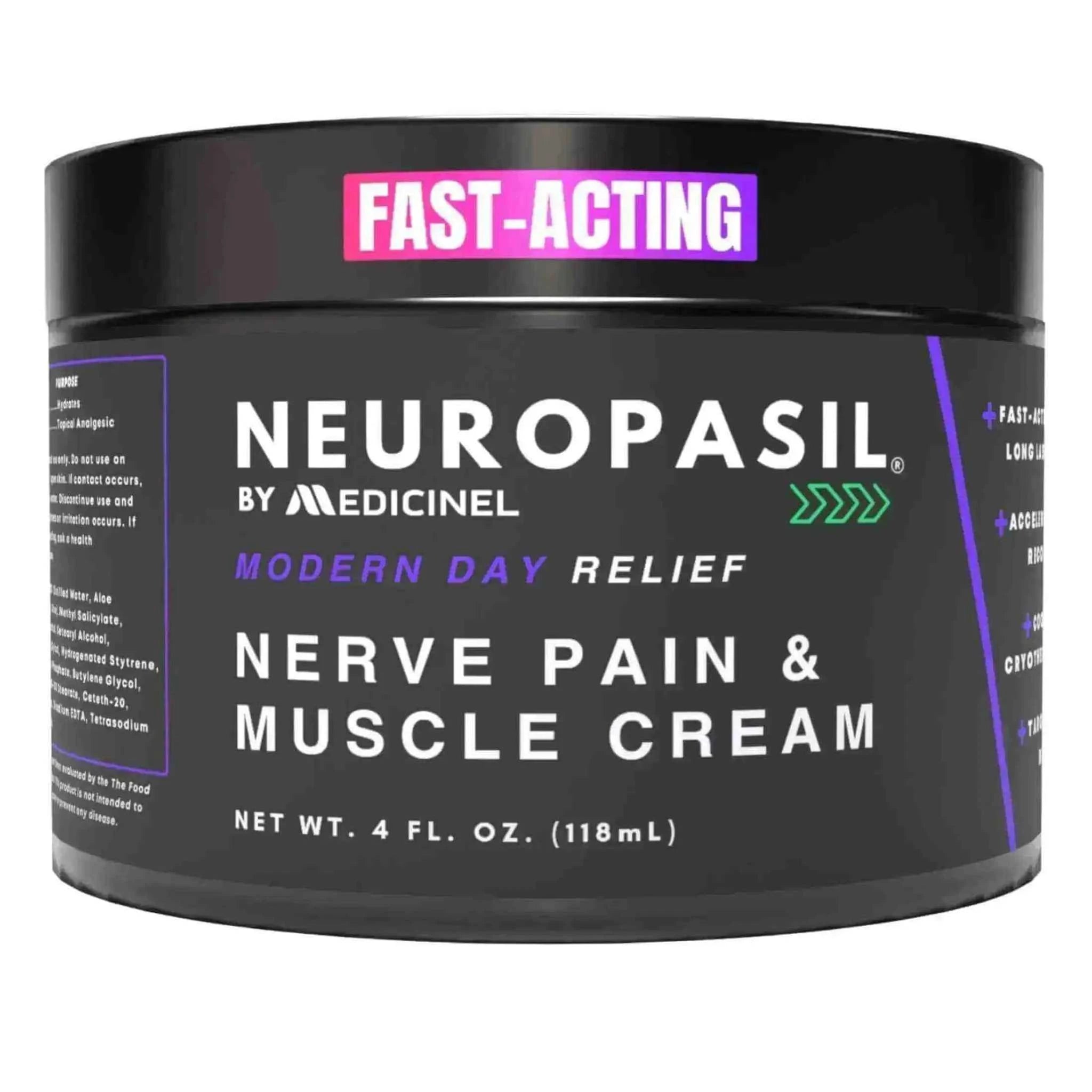
Neuropasil offers natural, fast-acting topical creams that fit perfectly into your at-home care for a pulled muscle plan. Our products are designed to complement steps like R.I.C.E. by providing targeted comfort once the initial swelling is under control.
Understanding a Pulled Muscle: Symptoms and Causes
When that unexpected twinge or sharp pain strikes, it's important to know what's happened. This section explains what a pulled muscle is, its causes, and its tell-tale signs.
What is a Pulled Muscle (and How is it Different from a Sprain)?
A "pulled muscle" is the common term for a muscle strain. It happens when muscle fibers or their connecting tendons are overstretched or torn [1]. This can occur during physical activity, heavy lifting, or even a sudden awkward movement.
Muscle strains are graded by severity [1]:
- Grade I (Mild): A few muscle fibers are stretched or torn. You may feel tenderness and stiffness, but muscle strength is mostly normal.
- Grade II (Moderate): More fibers are torn, causing significant pain, swelling, and bruising. You'll likely notice a loss of strength and limited motion.
- Grade III (Severe): A complete rupture of the muscle or tendon, often with a "popping" sound. This causes severe pain, swelling, and a total loss of muscle function. It may require surgery.
A pulled muscle is not a sprain. A sprain is an injury to ligaments, the tissues that connect bones to other bones. Strains affect muscles and tendons [1].
| Feature | Muscle Strain (Pulled Muscle) | Sprain |
|---|---|---|
| Affected Tissue | Muscle fibers or tendons (connect muscle to bone) | Ligaments (connect bone to bone) |
| Common Locations | Hamstrings, quadriceps, back, neck, shoulders, calf, groin | Ankle, wrist, knee, thumb |
| Sensation at Injury | "Pop," "pulling," or sudden sharp pain in the muscle belly | "Pop," twist, or wrenching sensation around a joint |
| Symptoms | Pain, tenderness, swelling, bruising, muscle weakness, stiffness | Pain, tenderness, swelling, bruising, joint instability, limited joint movement |
Common Causes of Muscle Strains
Muscle strains are typically caused by specific stresses. Understanding them can help prevent future injuries [1].
- Acute Injury: A sudden event like a sprint, jump, or fall.
- Overuse: Repetitive stress from activities or muscle imbalances without enough rest.
- Fatigue: Tired muscles are less able to absorb shock, making them prone to injury.
- Improper Warm-up: Cold muscles are less pliable and more likely to tear.
- Poor Flexibility: Tight muscles cannot accommodate sudden movements.
- Incorrect Lifting Techniques: Using your back instead of your legs to lift heavy objects puts immense strain on back muscles [2].
- Poor Posture: Chronic slouching or forward head posture can strain neck and back muscles over time.
- Dehydration: Lack of water can lead to cramps and increase injury risk.
Recognizing the Symptoms
Symptoms of a muscle strain vary by severity but often include a combination of the following [1]:
- Sudden Pain: A sharp, stabbing sensation or a dull ache.
- Soreness and Tenderness: The area is tender to the touch, with pain worsening on movement.
- Limited Range of Motion: Difficulty or pain when moving the affected limb or joint.
- Bruising or Discoloration: May appear a day or two after the injury as blood pools under the skin.
- Swelling: Localized swelling around the strained muscle due to inflammation.
- "Knotted-up" Feeling: The muscle may feel tight, stiff, or in spasm.
- Muscle Weakness: Difficulty using the muscle or bearing weight.
- A "Popping" Sensation: A distinct "pop" or "snap" at the time of injury, often indicating a severe tear.

Understanding these symptoms is the first step in knowing how to effectively care for a pulled muscle. If you experience any of these, especially the more severe ones, it's crucial to take action.
Immediate Home Care for a Pulled Muscle: The R.I.C.E. Method
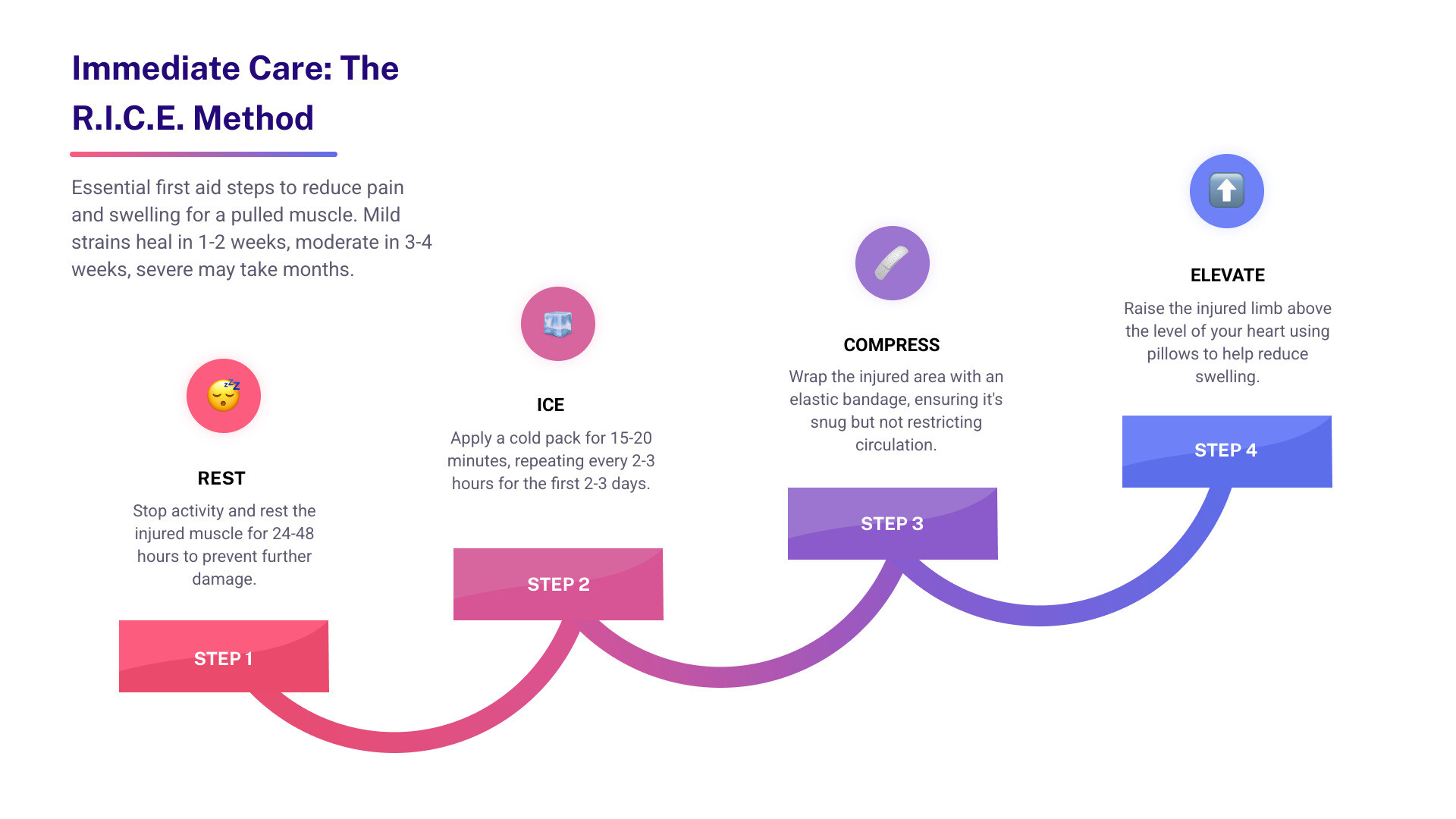
When a muscle strain occurs, the priority is to minimize damage, reduce inflammation, and start the healing process. The R.I.C.E. method is a simple, effective first-aid protocol for any fresh muscle injury [1].
Step 1: Rest
Immediately stop the activity that caused the pain. For at least the first 24 to 48 hours, avoid any movements that aggravate the injury. Rest allows the torn muscle fibers to begin healing without further stress. If it's a lower-body injury, crutches might be necessary. For an upper-body injury, a sling can help. If an activity causes pain, don't do it.
Step 2: Ice
Applying ice is crucial for controlling inflammation and numbing pain. The cold constricts blood vessels, which limits internal bleeding and reduces swelling [3]. Apply a cold pack wrapped in a thin cloth to the sore area for 15 to 20 minutes at a time. Repeat every two to three hours while awake during the first 2-3 days after the injury. Never place ice directly on the skin.
Step 3: Compression
Wrapping the injured muscle with an elastic bandage provides support and helps reduce swelling. The gentle pressure prevents excess fluid from building up in the area. The wrap should be snug but not so tight that it causes numbness, tingling, or increased pain. Loosen the bandage if you notice these signs. Remove it before sleeping.
Step 4: Elevation
Elevating the injured limb above the level of your heart uses gravity to help fluid drain away from the injury site, reducing swelling and throbbing pain. If you've strained a muscle in your leg, prop it up on pillows while lying down. For an arm injury, use pillows or a sling to keep it liftd. Try to keep it liftd as much as possible during the first 24-48 hours.
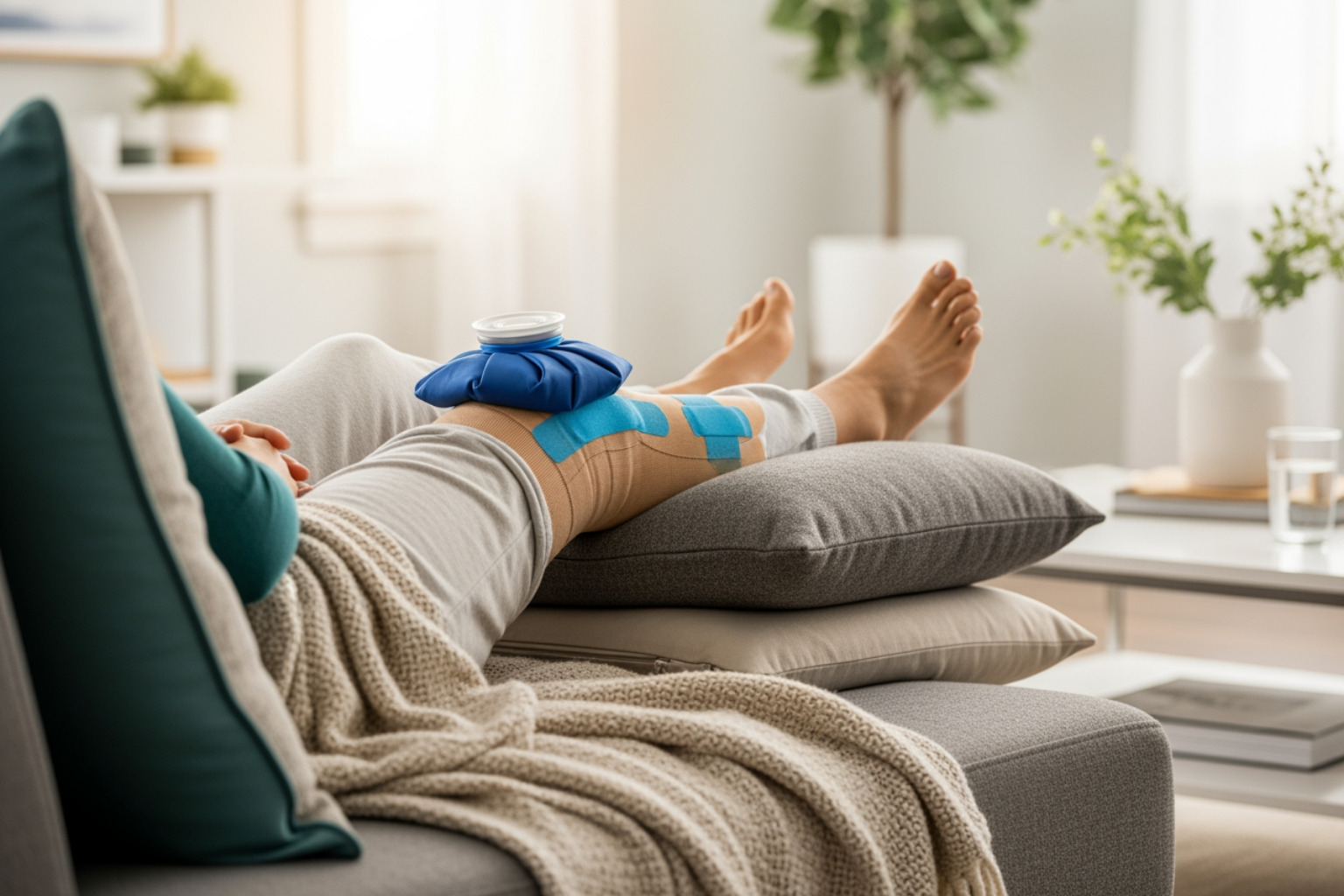
Following the R.I.C.E. method diligently during the initial phase of a pulled muscle injury is paramount. It lays the foundation for effective healing and can significantly impact your recovery timeline.
Managing Pain and Transitioning to Recovery
After the initial 48-72 hours, as acute swelling subsides, the focus shifts from first aid to managing pain and promoting healing. This is when we begin to gently encourage the muscle back to health.
The Role of Topical Analgesics in the Care for a Pulled Muscle
While the R.I.C.E. method addresses the immediate injury, pain management is key to recovery. Over-the-counter oral pain relievers can help, but for targeted relief, topical analgesics are an excellent choice.
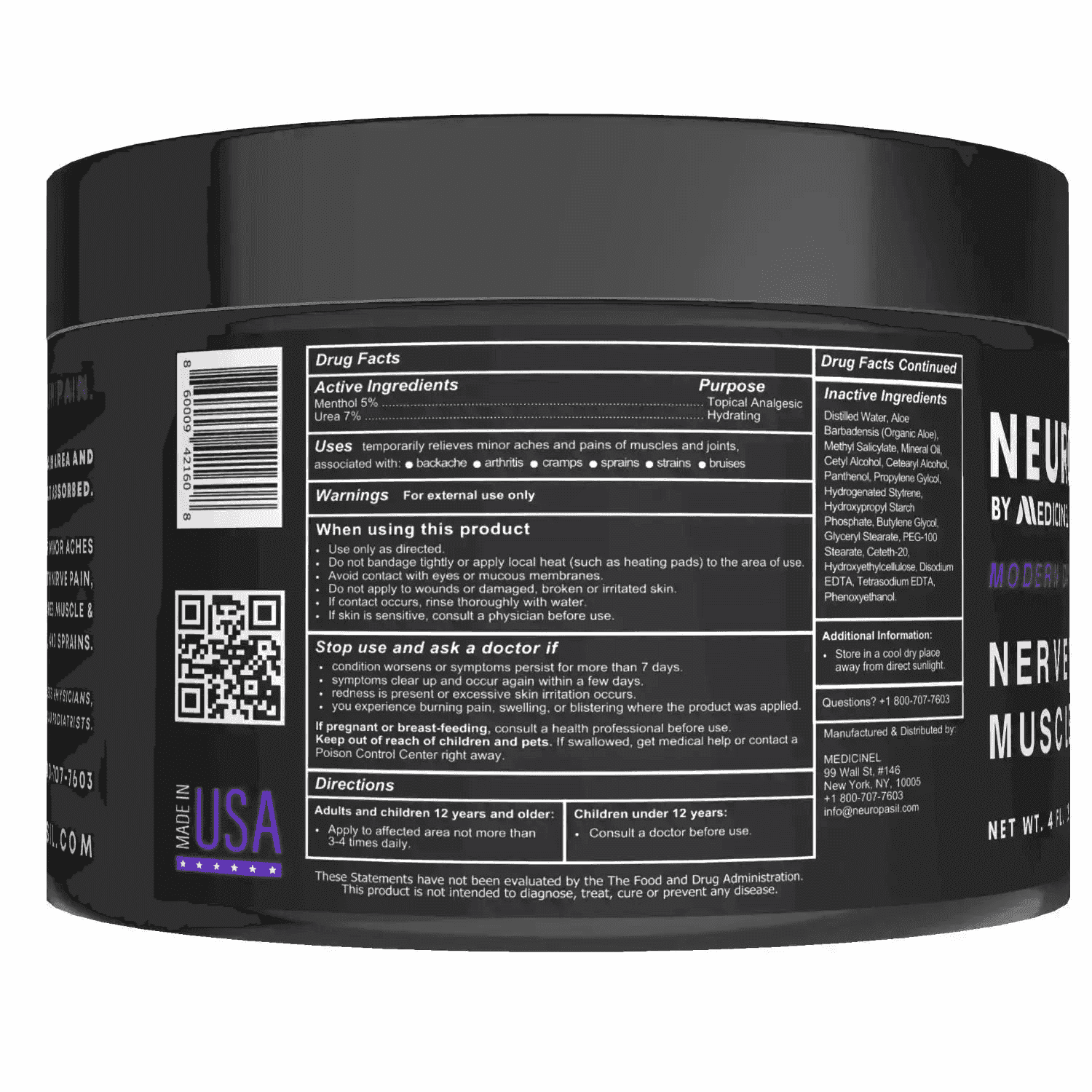
Topical creams, like our Neuropasil Nerve Pain Relief Cream, are incredibly beneficial in the care for a pulled muscle. Applied directly to the skin over the affected muscle, the active ingredients penetrate to provide localized relief. Our Neuropasil cream harnesses natural ingredients like Aloe, Urea, and Menthol to deliver fast-acting, soothing comfort. Menthol, in particular, creates a cooling sensation that distracts from pain and helps calm inflamed tissues.
Many of our customers, including athletes, find Neuropasil invaluable for sore muscles, as well as for conditions like sciatica, fibromyalgia, and general aches. A topical application provides targeted relief without the systemic side effects that oral medications can sometimes have, making it a fantastic way to ease discomfort during recovery.
More info about our pain relief cream
The Great Debate: When to Use Ice vs. Heat
Knowing when to use ice versus heat is crucial for proper healing.
- Ice (First 2-3 Days): Use ice immediately after the injury. It constricts blood vessels, which minimizes inflammation and swelling in the acute phase. Continue using ice for 15-20 minutes every few hours for the first 48-72 hours.
- Heat (After 2-3 Days): Once initial swelling has decreased, you can introduce heat [5]. Heat increases blood flow, bringing oxygen and nutrients to the area to promote tissue repair. It also helps relax tight muscles. Apply a warm compress or heating pad for 15-20 minutes at a time.
- Switching Between Ice and Heat: Some people find alternating between ice and heat (contrast therapy) helpful after the acute phase. This can create a pumping action that boosts circulation. Always start with heat and end with ice, and ensure any heat source isn't hot enough to cause burns.
Never apply heat immediately after an injury, as it can worsen swelling. Always start with ice [5].
The Road to Recovery: Healing Timelines and Rehabilitation
Recovering from a pulled muscle requires patience and a smart approach. Understanding healing timelines and engaging in proper rehabilitation will help you return to full strength and prevent future injuries.
How Long Does a Pulled Muscle Take to Heal?
The recovery duration depends on the grade of the strain [1]. Healing rates vary based on age, health, and adherence to the treatment plan.
- Mild (Grade I) Strains: With proper care, most people feel better within one to two weeks, with a full recovery taking 1 to 3 weeks.
- Moderate (Grade II) Strains: These require a longer recovery, often 3 to 6 weeks, before you can safely return to usual activities. Complete recovery can take a few months.
- Severe (Grade III) Strains: These are complete ruptures and can take several months to heal. Surgery is often required, followed by extensive rehabilitation.
While most strains feel better after two weeks, it may be necessary to avoid strenuous exercise for up to eight weeks to prevent re-injury [6].
Long-Term Rehabilitation and Gentle Movement
Once initial pain and swelling subside, the focus shifts to gentle rehabilitation to restore strength, flexibility, and function.
- Gentle Stretching: After the acute phase, begin very gentle, pain-free stretching to improve flexibility and prevent the muscle from shortening as it heals [4]. Do not stretch an acutely injured muscle, as this can worsen the tear [1].
- Light Exercise to Promote Blood Flow: Prolonged inactivity leads to weakness and stiffness. Gradually introduce light, pain-free exercises like walking or swimming to promote blood flow and deliver nutrients for healing. Listen to your body and stop if you feel pain.
- Physical Therapy for Identifying Muscle Imbalances: For persistent or severe strains, a physical therapist can design a personalized exercise program. They can guide you through specific stretches and strengthening exercises to restore full function and prevent future strains.
- Gradual Return to Normal Activities: Do not rush back to your previous activity level. Slowly increase the intensity, duration, and frequency of your activities over time. Pushing too hard, too soon is a common cause of re-injury.
Prevention and Knowing When to See a Doctor
While we can't avoid every injury, we can take steps to reduce our risk of muscle strains. It's also vital to know when a pulled muscle requires professional medical attention.
Simple Strategies for Preventing Future Strains
Incorporate these habits into your routine to significantly reduce your risk:
- Proper Warm-up and Cool-down: Always take 5-10 minutes to warm up before activity and cool down with static stretches afterward.
- Regular Stretching and Strengthening: A balanced fitness routine with strength and flexibility work (like yoga or Pilates) makes muscles more resilient.
- Listen to Your Body: Pay attention to fatigue or discomfort. Pushing through pain is a recipe for injury. Gradually increase workout intensity.
- Maintain a Healthy Weight: Excess weight puts additional strain on your muscles, particularly in the back and legs.
- Stay Hydrated: Dehydration can lead to cramps and make muscles more susceptible to injury.
- Use Proper Technique: Whether lifting weights or furniture, use correct form. When lifting, use your legs, not your back [2].
Red Flags: When to Seek Professional Care for a Pulled Muscle
Most mild strains can be managed at home, but seek a doctor or visit an urgent care center for these "red flags" [1]:
- A "Pop" or "Snap" Sound: This can indicate a complete muscle or tendon rupture (Grade III strain).
- Inability to Walk or Move: If you can't bear weight on a limb or move it normally, it could be a severe injury.
- Severe Pain or Swelling: Excruciating pain or extensive, rapid swelling requires medical assessment.
- Numbness or Tingling: These symptoms can suggest nerve involvement that needs immediate evaluation.
- No Improvement After 2-3 Days: If home treatment isn't helping or symptoms are worsening, consult a healthcare professional.
- Signs of Infection: Seek medical attention for fever, increased redness, warmth, or pus around the injury.
If you experience any of these severe symptoms, contact a healthcare professional. For life-threatening symptoms, call 911 or go to the nearest emergency room.
Frequently Asked Questions about Pulled Muscles
Here are answers to some of the most common questions we hear about how to care for a pulled muscle.
Do pulled muscles hurt to the touch?
Yes. A pulled muscle involves torn, inflamed tissue, which makes the area tender and painful to the touch [1].
Can a pulled muscle cause bruising?
Yes, especially with moderate to severe strains (Grade II or III) [1]. When muscle fibers tear, they can damage small blood vessels, causing blood to leak and form a bruise. The bruise may appear a day or two after the injury.
Should I stretch a pulled muscle immediately?
No. Stretching an acutely injured muscle (in the first 24-72 hours) can worsen the tear and prolong recovery [1]. Instead, follow the R.I.C.E. protocol. Gentle, pain-free stretching can begin only after the initial pain and swelling have subsided.
Conclusion: Your Next Steps to a Pain-Free Recovery
Dealing with a pulled muscle is frustrating, but a full recovery is achievable with the right approach. Effective care for a pulled muscle comes down to immediate action with the R.I.C.E. protocol, smart pain management, and a gradual, patient approach to rehabilitation.
By understanding the injury, recognizing symptoms, and knowing when to see a doctor, you are on the path to recovery. Give your body the rest it needs, use ice to control inflammation, and then transition to gentle movement and heat to promote healing.
For managing lingering muscle soreness, a targeted topical analgesic like Neuropasil can provide soothing relief. Our natural, fast-acting cream is designed to ease muscle pain, helping you move more comfortably through your recovery.
Listen to your body, be consistent, and don't rush the healing process. You'll be back to your normal activities feeling stronger and more resilient.
Explore our blog for more health tips Check out our natural ingredients
References
[1] Cleveland Clinic. (2022). Muscle Strains. https://my.clevelandclinic.org/health/diseases/22336-muscle-strains [2] Mayo Clinic. (2021). Proper lifting techniques. https://www.mayoclinic.org/healthy-lifestyle/adult-health/multimedia/back-pain/sls-20076866?s=3 [3] Algafly, A. A., & George, K. P. (2007). The effect of cryotherapy on nerve conduction velocity, pain threshold and pain tolerance. British journal of sports medicine, 41(6), 365–369. https://www.ncbi.nlm.nih.gov/pmc/articles/PMC2465313/ [4] Harvard Health Publishing. (2022). The importance of stretching. https://www.health.harvard.edu/staying-healthy/the-importance-of-stretching [5] Mayo Clinic. (2022). Muscle strain. https://www.mayoclinic.org/diseases-conditions/muscle-strain/diagnosis-treatment/drc-20375459 [6] NHS. (2021). Sprains and strains. https://www.nhs.uk/conditions/sprains-and-strains/