Why Understanding What Helps Sciatica Matters
What helps sciatica involves a mix of proven approaches, including heat/cold therapy, gentle exercise, OTC pain relievers, physical therapy, lifestyle adjustments, and targeted topical creams.
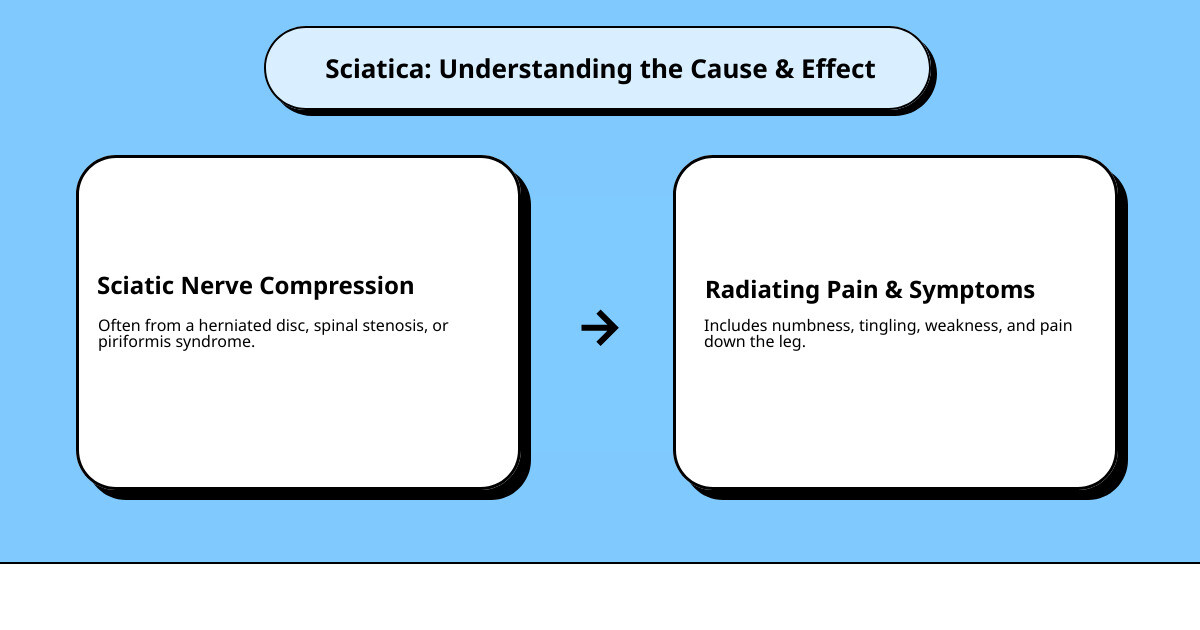
Sciatica affects up to 40% of people in the U.S. during their lifetime (Cleveland Clinic). It's not a disease, but a symptom set caused by compression or irritation of the sciatic nerve—the longest nerve in your body, running from your lower back down each leg.
The pain can be a dull ache or a sharp, burning sensation, sometimes with numbness or weakness. Fortunately, about 90% of people with sciatica recover without surgery, often within weeks with the right care (Harvard Health).
This guide details seven steps to find relief, explaining causes, treatments, and when to see a doctor. I'm Tony Enrico, and through Neuropasil, I've helped many find freedom from nerve and muscle pain. Understanding what helps sciatica is about finding lasting solutions to restore your quality of life.
This article is for informational purposes only and does not replace professional medical advice, diagnosis, or treatment. Always consult with a qualified healthcare provider before starting any new treatment for sciatica or nerve pain.
Quick what helps sciatica definitions:
Step 1: Understand Your Pain - What is Sciatica and What Causes It?
Sciatica isn't a diagnosis but a set of symptoms caused by irritation or compression of the sciatic nerve. This nerve is the longest and thickest in the body, originating from five spinal nerve roots in your lower back and running down each leg to your feet. Understanding the root cause is key to finding relief. For a deeper dive, explore our A-Z Guide to What Causes Sciatica and Everything Need Know Sciatic Nerve.
Common Causes and Symptoms
Identifying the trigger is the first step in determining what helps sciatica. Common causes include:
- Herniated Disc: The most frequent cause, where the soft center of a spinal disc pushes out and presses on a nerve root.
- Spinal Stenosis: A narrowing of the spinal canal that puts pressure on nerves, often related to aging.
- Spondylolisthesis: When one vertebra slips over another, pinching a nerve root.
- Piriformis Syndrome: Spasms or tightness in the piriformis muscle (in the buttock) compressing the sciatic nerve.
- Degenerative Disc Disease: Age-related wear and tear on spinal discs, which can lead to herniation or bone spurs. Learn more from experts at Hopkins Medicine on Degenerative Disc Disease.
- Other Causes: Obesity, poor posture, pregnancy, tumors, and blood clots can also trigger sciatica.
The symptoms are distinctive:
- Radiating Pain: The classic symptom is pain that shoots from the lower back or buttock down the back of one leg. It can feel like a sharp, burning, or electric shock-like sensation.
- Numbness or Tingling: A "pins and needles" feeling along the nerve path is common.
- Leg Weakness: In severe cases, muscle weakness in the affected leg can make walking difficult.
Understanding these causes and symptoms is crucial. For more, see Sciatica Pain Symptoms and Decoding Sciatica Symptoms, Causes, and How to Identify Nerve Discomfort.
Step 2: Get a Proper Diagnosis and Know When to Seek Help
A proper diagnosis is the roadmap to relief. A healthcare professional will start with your medical history and a physical exam, checking muscle strength, reflexes, and possibly performing a straight leg raise test to identify nerve compression. For more on musculoskeletal issues, see The A-Z of Aches: What Your Back, Neck, and Legs Are Telling You.

If symptoms are severe or persistent, your doctor may order imaging tests:
- X-ray: To see bone spurs or fractures.
- Magnetic Resonance Imaging (MRI): The most common test, providing detailed images of soft tissues like herniated discs and pinched nerves.
- Computed Tomography (CT) Scan: An alternative to MRI for detailed images of the spine.
- Electromyography (EMG) and Nerve Conduction Study (NCS): These tests measure nerve electrical impulses to pinpoint nerve injury.
When to See a Doctor Immediately
While most sciatica improves with self-care, some symptoms require immediate medical attention. Learn more in When Sciatica Strikes and the Mayo Clinic's guide on Sciatica - Diagnosis and treatment.
Seek emergency care for:
- Severe, sudden pain, especially after an injury.
- Sudden or worsening leg weakness.
- Loss of bowel or bladder control (a sign of Cauda Equina Syndrome).
- Numbness around the genitals or buttocks.
- Sciatica affecting both legs.
Consult a doctor if your pain doesn't improve after a few weeks, gets worse, or interferes with daily activities. An accurate diagnosis is key to finding what helps sciatica safely.
Step 3: Implement Immediate At-Home Care and First Aid
Once urgent medical issues are ruled out, immediate at-home care can significantly reduce pain and inflammation.
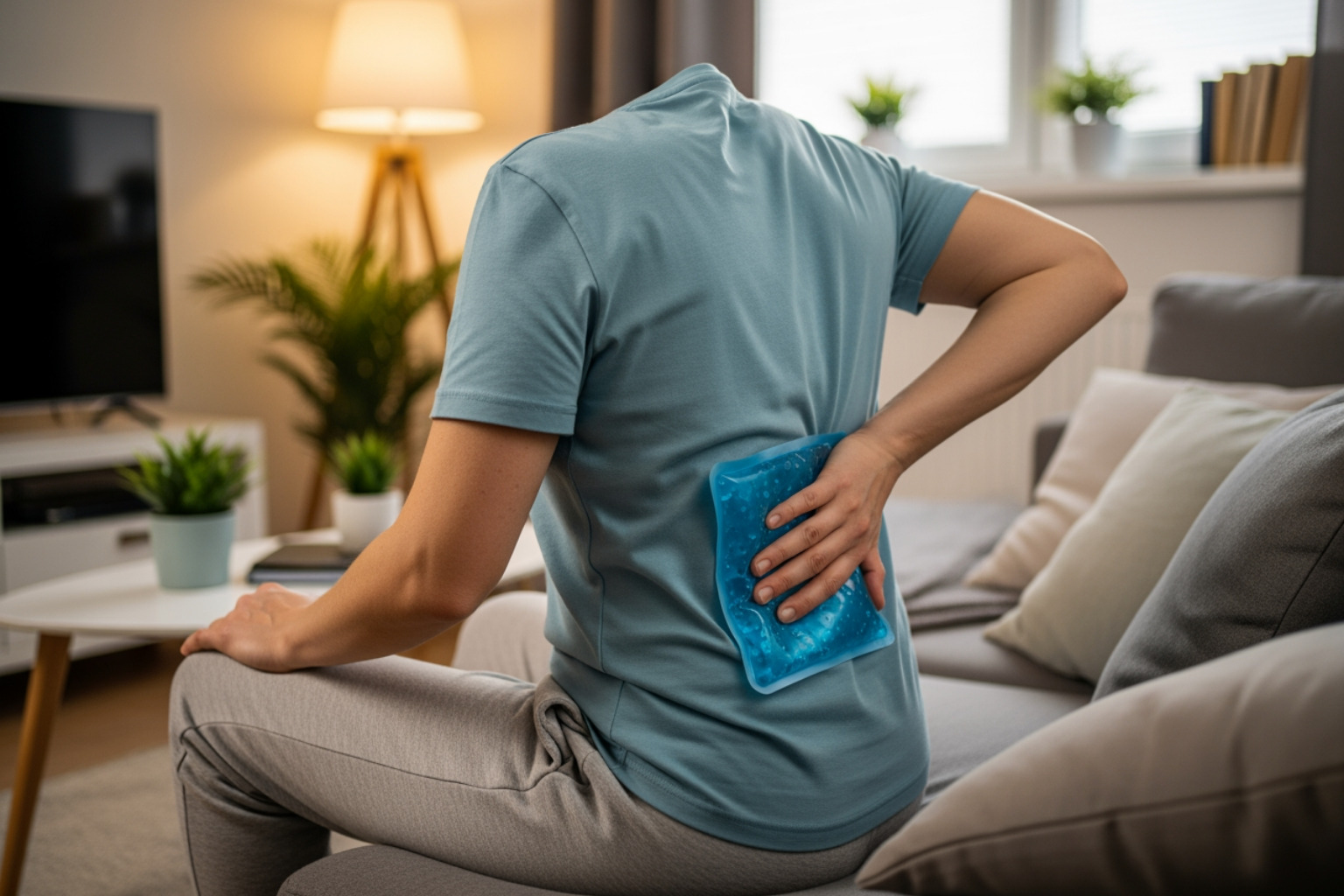
- Hot and Cold Therapy: For the first few days of a flare-up, apply a cold pack wrapped in a cloth to the painful area for 15-20 minutes at a time to reduce swelling. After the initial phase, switch to heat (like a heating pad or warm bath) for 15-20 minutes to relax muscles and improve blood flow.
- Gentle Movement: Prolonged bed rest can worsen sciatica. Light activities like short walks can prevent stiffness and promote healing.
- Avoiding Prolonged Sitting: Sitting puts pressure on the sciatic nerve. Take frequent breaks to stand and stretch.
- Modifying Activities: Listen to your body and avoid activities that increase your pain, like heavy lifting or twisting.
For more strategies, see Soothe a Sore Back Fast and 7 Proven Natural Ways to Treat Sciatica Pain at Home for Fast Relief.
Can Over-the-Counter Medications Help with Sciatica Pain?
Yes, over-the-counter (OTC) medications can play a role in finding what helps sciatica by providing temporary relief.
- NSAIDs (Nonsteroidal Anti-inflammatory Drugs): Medications like ibuprofen and naproxen sodium are commonly used to reduce inflammation and pain. Evidence suggests they can be helpful for sciatica, as detailed in this review.
- Acetaminophen: This can help manage pain but does not address inflammation.
Use these medications as directed and consult a healthcare professional about long-term use or if you have other health conditions. In addition to oral options, topical pain relief creams provide targeted relief directly to the affected area. Our Sciatica Solutions: A Deep Dive into Medications That Work offers more insight.
Step 4: The Role of Stretching and Exercise for What Helps Sciatica
Movement is a key part of what helps sciatica. While rest is important initially, prolonged inactivity can lead to stiffness and weakness. Gentle stretching and exercise are crucial for long-term relief by strengthening your core, improving flexibility, and boosting circulation. As Harvard Health notes, inactivity can worsen symptoms. For more on strengthening, see our article on Psoas Muscle Pain Relief.
3 Safe and Effective Sciatica Stretches
Perform these stretches gently and stop if you feel increased pain. For more detailed guidance, refer to Sciatica: Gentle stretches to help relieve pain and improve mobility.
-
Knee-to-Chest Stretch:
- Lie on your back with knees bent.
- Gently pull one knee to your chest, holding for 20-30 seconds.
- Repeat on the other side. Aim for 3-5 reps per leg to decompress the lower spine.
-
Seated Piriformis Stretch:
- Sit in a chair and cross your right ankle over your left knee.
- Keeping your back straight, lean forward until you feel a stretch in your right glute.
- Hold for 20-30 seconds, then switch sides. This targets the piriformis muscle.
-
Cat-Cow Pose:
- Start on your hands and knees.
- Exhale as you round your spine up (Cat Pose).
- Inhale as you arch your back and drop your belly (Cow Pose).
- Flow between the poses for 10-15 repetitions to mobilize the spine.
Consistency is more important than intensity. Combine these stretches with low-impact exercises like walking or swimming. For more ways to ease discomfort, check out Easing Aches: Simple Solutions for Leg Pain Relief.
Step 5: Explore Medical and Topical Treatment Options
If at-home care isn't enough, it's time to explore medical and topical treatments.
- Physical Therapy: A physical therapist can design a personalized program of exercises and manual therapy to strengthen your core, improve flexibility, and correct posture. The field of Physical Medicine and Rehabilitation is dedicated to this approach.
- Prescription Medications: For more severe pain, a doctor may prescribe muscle relaxants, certain antidepressants, or anti-seizure medications that are effective for nerve pain. Opioids are reserved for severe, short-term pain.
- Epidural Steroid Injections: An injection of corticosteroid medication near the nerve root can reduce inflammation and provide temporary pain relief.
- Alternative Therapies: Many find relief with acupuncture, chiropractic care, or massage therapy to reduce muscle tension and nerve irritation.
For a full overview, see Treating Sciatica and Detailed Guide to Sciatica Treatments.
The Power of Physical Therapy and Topical Relief for What Helps Sciatica
Physical therapy is a cornerstone of sciatica management, offering personalized exercise programs, manual therapy, and posture education to address the root cause of your pain.
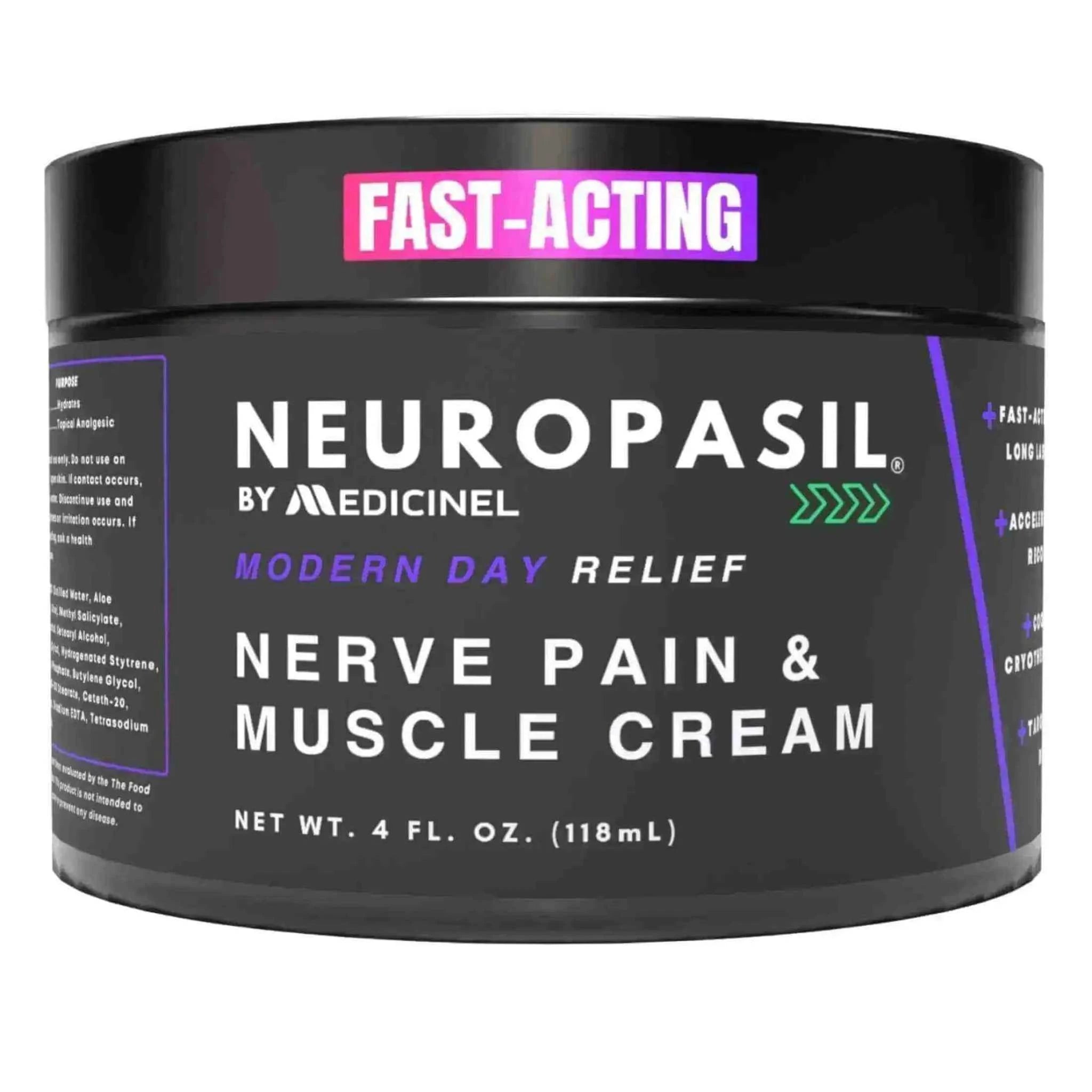
Complementing this, topical solutions are a powerful part of what helps sciatica by providing direct, localized comfort. A high-quality nerve pain relief cream or muscle pain relief cream can be applied directly to the painful area for fast-acting relief.
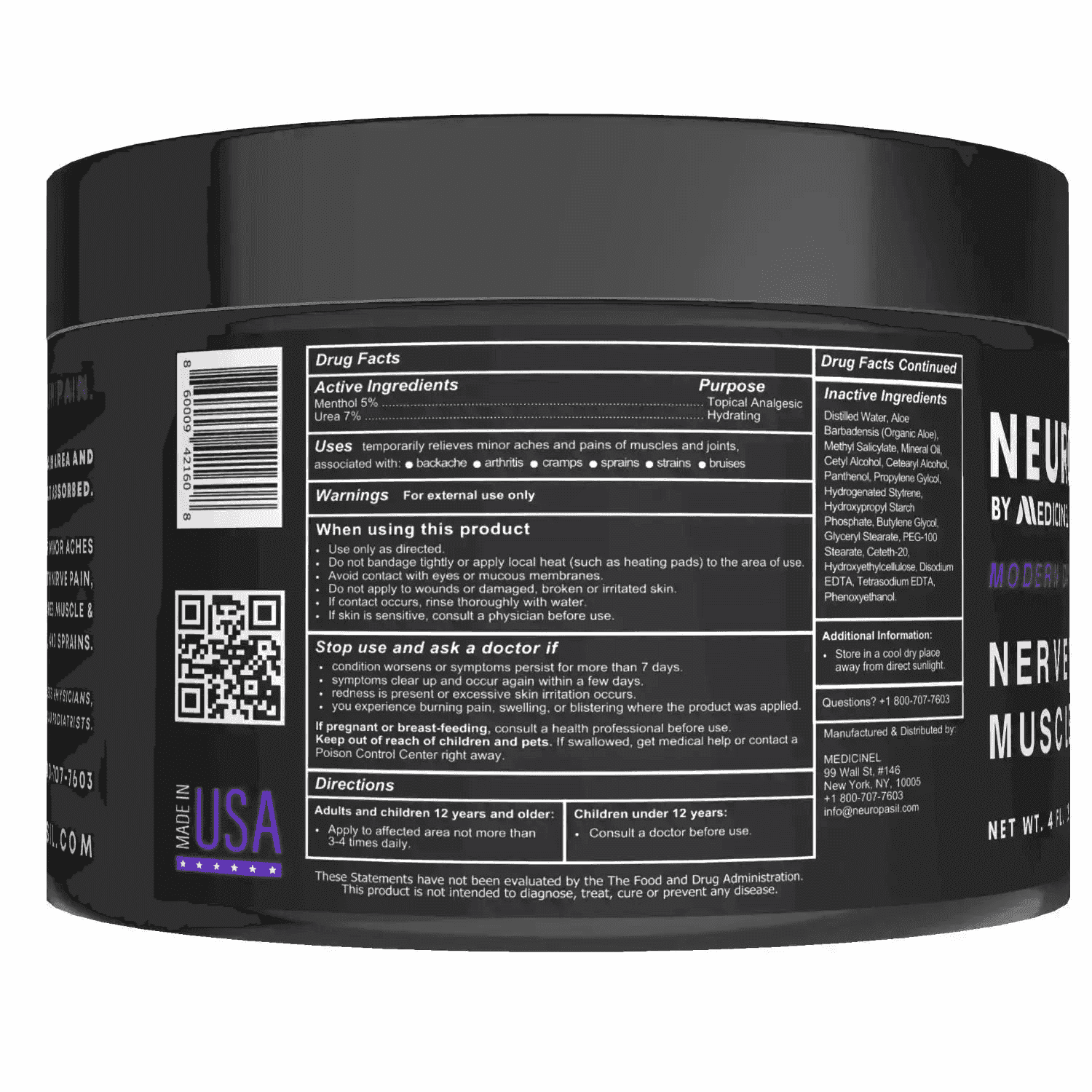
Neuropasil, for example, uses key ingredients like:
- Menthol: Creates a cooling sensation that distracts from pain.
- Aloe Vera: Soothes irritated skin and has anti-inflammatory properties.
- Urea: Helps other active ingredients penetrate the skin for more effective relief.
Customers use Neuropasil for a range of conditions, from sciatica and neuropathy to muscle soreness and joint discomfort, because it provides targeted, non-greasy relief.
For more on choosing the right topical solution, explore Gel Lieve Your Pain: Finding the Best Topical for Sciatica and The Ultimate Guide to Best Cream for Sciatica Pain.
Step 6: Make Smart Lifestyle Changes for Long-Term Prevention
Preventing sciatica from returning requires smart lifestyle changes. These proactive habits are key to a long-term, pain-free life. Our article on How to Stop Debilitating Sciatica Pain with 5 Easy Changes offers great starting points.
- Proper Posture: Good posture while sitting, standing, and sleeping reduces stress on your spine. Use lumbar support when sitting and distribute your weight evenly when standing. Learn more about Maintaining good posture.
- Lifting Techniques: Always lift with your knees, not your waist, and keep heavy objects close to your body.
- Maintaining a Healthy Weight: Excess weight strains your lower back. Losing even a few pounds can significantly reduce pressure on the sciatic nerve.
- Regular Low-Impact Exercise: Activities like walking, swimming, and cycling strengthen supporting muscles without jarring the spine.
- Quitting Smoking: Nicotine weakens spinal discs and can worsen nerve pain by reducing blood supply to the spine (Cleveland Clinic). Quitting is one of the best things you can do for your spinal health.
What Helps Sciatica During Pregnancy?
Sciatica during pregnancy is common due to hormonal changes, weight gain, and pressure from the growing uterus. Finding safe relief is paramount:
- Positional Changes: Sleep on your side with a pillow between your knees to align your spine.
- Safe Stretches: Gentle, doctor-approved stretches like pelvic tilts can relieve tension.
- Supportive Pillows: Use pillows to maintain good posture while sitting or sleeping.
- Massage Therapy: Prenatal massage can safely relieve tight lower back and glute muscles.
Always consult your healthcare provider before trying any new treatment during pregnancy. For more, see How to Relieve Lower Back Pain While Pregnant and An Essential Guide to Sciatica Pregnancy Pain Relief.
Step 7: Understand Advanced Options and Potential Complications
While about 90% of sciatica cases resolve without surgery (Harvard Health), it's important to know the advanced options and risks of inaction.
- Surgery as a Last Resort: Surgery may be considered for severe, persistent pain that doesn't respond to several weeks of conservative treatment, or for those with red flag symptoms. A consultation with a specialist in Spine Surgery is necessary.
- Types of Sciatica Surgery: Common procedures include microdiscectomy (removing part of a herniated disc) and laminectomy (creating more space in the spinal canal). These aim to relieve pressure on the nerve.
Surgery has risks and requires recovery, so it's reserved for when other treatments fail. For more on spinal health, explore Information on Spinal Disorders. Understanding "what helps sciatica" involves knowing all your options.
Complications of Untreated Sciatica
Ignoring sciatica can lead to serious complications. For more on nerve pain, see Why Your Sciatic Nerve Is Screaming: Causes and Relief.
Potential complications include:
- Chronic pain
- Permanent nerve damage
- Loss of sensation in the leg or foot
- Progressive muscle weakness or "foot drop" (difficulty lifting the front of the foot)
- Loss of bowel or bladder control (a medical emergency)
These risks highlight the need for proactive treatment. For more, see The Complete Guide to Leg Nerve Pain: Causes & Relief.
Frequently Asked Questions About Sciatica Relief
Here are answers to common questions about what helps sciatica.
How long does sciatica usually last?
The duration varies.
- Acute Sciatica: Typically lasts a few days to a few weeks, with most people finding relief within 4-6 weeks with self-care (NHS).
- Chronic Sciatica: Pain that persists for more than three months is considered chronic and requires a more comprehensive treatment plan (Cleveland Clinic).
Recovery time depends on the cause, your overall health, and adherence to treatment. For more, see our Detailed Guide to How Long Sciatica Lasts.
Can sciatica go away on its own?
Yes, many cases of acute sciatica resolve with time and appropriate self-care, such as rest, gentle movement, and hot/cold therapy. This means actively supporting your body's healing process. However, you should not wait for it to go away on its own if you have severe or worsening symptoms.
What is the fastest way to get relief from sciatica?
There is no single "magic bullet," but a combination approach often works fastest. For rapid relief, try:
- Immediate Self-Care: Use cold packs, then heat, and apply a topical pain relief cream like Neuropasil for localized comfort.
- Gentle Movement: Start gentle stretches and walks as soon as you can.
- Over-the-Counter Medications: NSAIDs can quickly reduce pain and inflammation.
- Addressing the Root Cause: The fastest long-term relief comes from identifying and treating the underlying issue, often with physical therapy.
Consistency is key. For more tips, explore Fast Track to Comfort: Immediate Solutions for Sciatica Pain.
Conclusion: Your Path to a Pain-Free Life
Navigating the challenging waters of sciatica can feel overwhelming, but remember, you have many tools and strategies at your disposal. Our journey through these seven critical steps has shown us that understanding what helps sciatica involves a comprehensive, proactive, and personalized approach.
We've learned the importance of accurately identifying the causes and symptoms of your pain, seeking professional diagnosis when necessary, and implementing immediate at-home care. We've also highlighted the transformative power of gentle stretching and exercise, explored the range of medical and topical treatment options, and emphasized the long-term benefits of smart lifestyle changes. Finally, we've discussed when advanced interventions like surgery might be considered and the serious complications of untreated sciatica.
Your path to a pain-free life is built on knowledge, action, and consistency. By integrating these steps into your daily routine, you empower yourself to manage and overcome sciatica. Targeted topical solutions, such as Neuropasil, can play a significant role in your comprehensive pain management plan, offering fast-acting relief for nerve and muscle discomfort when you need it most.
Don't let sciatica dictate your life. Take control, stay informed, and commit to the steps that will bring you lasting comfort and mobility. Your body is resilient, and with the right approach, you can reclaim your freedom of movement. For more guidance on managing sciatica, dig into A Comprehensive Guide to Sciatica Pain Relief and Sciatica Relief.
References
- Cleveland Clinic. (n.d.). Maintaining good posture. Retrieved from https://health.clevelandclinic.org/health-effects-of-poor-posture/
- Cleveland Clinic. (n.d.). Sciatica: What It Is, Causes, Symptoms, Treatment & Pain Relief. Retrieved from https://my.clevelandclinic.org/health/diseases/12792-sciatica
- Harvard Health. (2024, March 1). What should you do when sciatica flares? Retrieved from https://www.health.harvard.edu/pain/what-should-you-do-when-sciatica-flares
- Harvard Health. (n.d.). Sciatica: Gentle stretches to help relieve pain and improve mobility. Retrieved from https://www.health.harvard.edu/pain/sciatica-gentle-stretches-to-help-relieve-pain-and-improve-mobility
- Harvard Health. (n.d.). Sciatica home remedies and self-care. Retrieved from https://www.health.harvard.edu/pain/sciatica-home-remedies-and-self-care
- Hopkins Medicine. (n.d.). Degenerative Disc Disease. Retrieved from https://profiles.hopkinsmedicine.org/search?unified="Degenerative+Disc+Disease"&sort=networks%2Crelevance%2Cavailabilitydensitybest
- Hopkins Medicine. (n.d.). Physical Medicine and Rehabilitation. Retrieved from https://profiles.hopkinsmedicine.org/search?unified="Physical+Medicine+and+Rehabilitation"&sort=networks%2Crelevance%2Cavailabilitydensitybest
- Hopkins Medicine. (n.d.). Spinal Disorders. Retrieved from https://profiles.hopkinsmedicine.org/search?unified="Spinal+Disorders"&sort=networks%2Crelevance%2Cavailabilitydensitybest
- Hopkins Medicine. (n.d.). Spine Surgery. Retrieved from https://profiles.hopkinsmedicine.org/search?unified="Spine+Surgery"&sort=networks%2Crelevance%2Cavailabilitydensitybest
- Mayo Clinic Staff. (n.d.). Sciatica - Diagnosis and treatment. Retrieved from https://www.mayoclinic.org/diseases-conditions/sciatica/diagnosis-treatment/drc-20377441
- National Center for Biotechnology Information. (2019). Non-steroidal anti-inflammatory drugs for sciatica. Retrieved from https://www.ncbi.nlm.nih.gov/pmc/articles/PMC6461200/
- NHS. (n.d.). Sciatica. Retrieved from https://www.nhs.uk/conditions/sciatica/
- Veritas Health. (n.d.). Sciatica First Aid. Retrieved from https://www.spine-health.com/conditions/sciatica/sciatica-first-aid
- WebMD. (n.d.). Sciatica Pain Relief: Medications, Exercises, and Alternative Treatments. Retrieved from https://www.webmd.com/back-pain/sciatica-pain-relief-options
- WebMD. (n.d.). Sciatica: What are the treatments?. Retrieved from https://www.webmd.com/back-pain/treatment-for-sciatica