Why Understanding Your Sore Back Muscles Matters
Sore back muscles are incredibly common—research shows that approximately 80% of adults will experience back pain at some point in their lives, according to the National Institute of Neurological Disorders and Stroke. Whether it's a dull ache after a long day at your desk, stiffness after lifting something heavy, or sharp discomfort that limits your movement, back muscle soreness can significantly impact your daily life.
Quick Answer: What You Need to Know About Sore Back Muscles
- Most common cause: Muscle strain from overuse, improper lifting, or poor posture
- Typical symptoms: Dull, aching pain, stiffness, limited range of motion, and muscle spasms
- Relief timeline: Most back pain improves within 1-2 weeks with proper self-care
- See a doctor if: Pain lasts more than 12 weeks, radiates down your leg, or includes numbness/weakness
The good news? Most sore back muscles are not serious and respond well to simple home treatments. The key is understanding why your back hurts, recognizing the difference between muscle soreness and more serious conditions, and knowing the right steps to take for relief and prevention.
Back pain was the top location of pain for adults in the United States in 2019, according to the National Health Interview Survey. While this might seem discouraging, it also means that effective solutions and evidence-based strategies are widely available.
In this guide, you'll learn:
- What causes your back muscles to become sore
- How to identify muscle pain versus other types of back problems
- Proven home remedies and self-care strategies
- Prevention techniques to keep your back strong and pain-free
- When it's time to seek professional medical help
I'm Tony Enrico, and through my work with Neuropasil, I've dedicated myself to understanding how people can find relief from sore back muscles and nerve pain without resorting to harsh chemicals or ineffective solutions. My mission is to help you get back to doing what you love, pain-free.
Let's start by understanding what's actually happening when your back muscles hurt—and more importantly, what you can do about it.
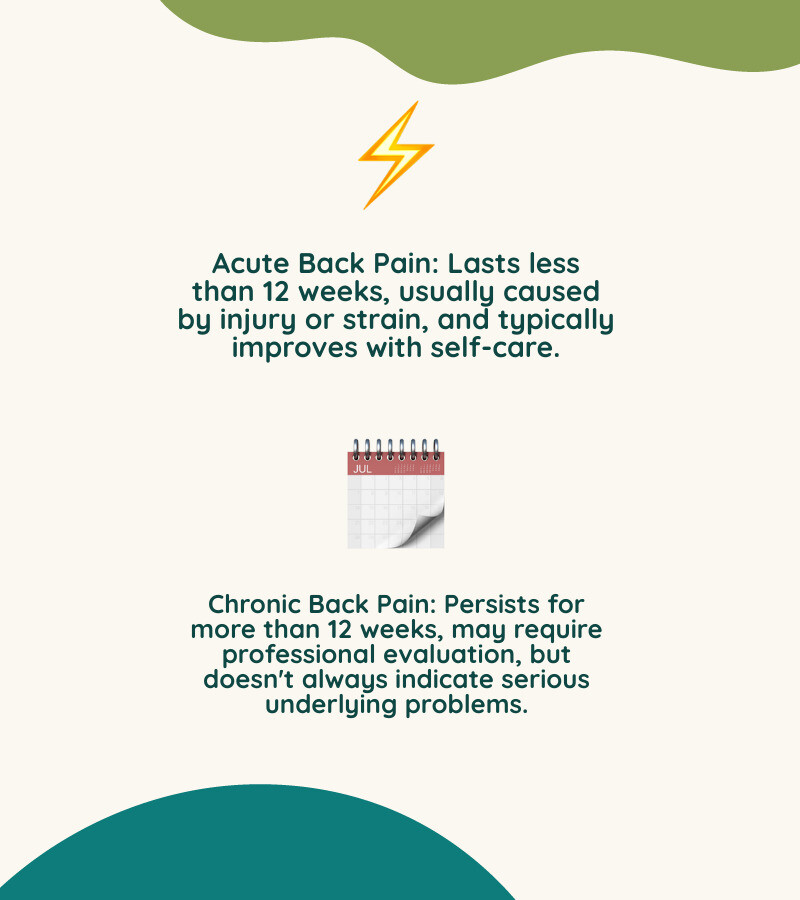
Acute Back Pain: Lasts less than 12 weeks, usually caused by injury or strain, typically improves with self-care
Chronic Back Pain: Persists for more than 12 weeks, may require professional evaluation, doesn't always indicate serious underlying problems
Basic sore back muscles terms:
Why Your Back Aches: Common Causes and Symptoms
It’s a familiar scenario for many of us: you bend down to pick up a dropped item, spend hours hunched over a computer, or push yourself a little too hard during a workout, and suddenly—ouch! Your back aches. Sore back muscles can range from a mild nuisance to a debilitating pain that makes even simple movements difficult. Understanding why your back protests can be the first step toward relief.
As Craig Van Dien, M.D., a sports medicine and physical medicine and rehabilitation physician, points out, "The most common complaint is what we characterize as non-specific low back pain, which means we haven't identified a specific underlying source for why that individual has back pain." Often, this "non-specific" pain points directly to our hardworking back muscles. Even without a specific injury, the sheer force our lower back withstands from daily living—supporting our entire upper body—creates a lot of wear and tear to the spine, supporting muscles, facet joints, and intervertebral discs.
Common Causes of Sore Back Muscles
When we talk about sore back muscles, we're often looking at a few key culprits:
- Muscle Strain: This is perhaps the most common cause. A muscle strain occurs when muscle fibers are stretched or torn. It can happen from a sudden awkward movement, lifting something heavy incorrectly, or simply overexerting yourself. Think of it as your muscles throwing a tiny, painful tantrum. The Cleveland Clinic provides a comprehensive overview of Back Strains and Sprains, highlighting that these are the most frequent sources of back pain.
- Ligament Sprain: Similar to a muscle strain, a ligament sprain involves the tough, fibrous tissues that connect bones. These can get overstretched or torn, often from a sudden twist or fall.
- Overexertion: Pushing your body beyond its limits, especially with new or intense physical activities, can lead to muscle soreness. This is often referred to as Delayed Onset Muscle Soreness (DOMS) and is a common experience after a strenuous workout. If you've ever experienced extreme soreness after workouts, you know exactly what we mean.
- Improper Lifting: We've all been told to lift with our legs, not our back. There's a good reason for that! Bending at the waist and lifting heavy objects puts immense strain on your back muscles and discs.
- Poor Posture: Hunching over a desk, slouching on the couch, or even standing improperly for long periods places undue stress on your spinal structures and supporting muscles. Our muscles work extra hard to compensate, leading to fatigue and soreness.
- Sedentary Lifestyle: A lack of physical activity can weaken back and core muscles, making them more susceptible to injury and soreness when suddenly called upon.
- Psychological Stress: Believe it or not, stress can manifest physically as muscle tension, especially in the neck and upper back, but it can also contribute to lower back pain.
Identifying the Symptoms
How do we know if our back pain is muscular? The symptoms of sore back muscles often have distinct characteristics:
- Dull, Aching Pain: Unlike sharp, shooting nerve pain, muscle pain tends to be a more generalized, persistent ache. It might feel like a heavy, tired sensation.
- Localized Soreness: The pain is usually confined to a specific area of the back, rather than radiating extensively down a limb.
- Stiffness in the Back: You might feel like your back is "locked up" or has a limited range of motion, especially first thing in the morning or after periods of inactivity.
- Muscle Spasms: Involuntary contractions of the muscles, often feeling like a sudden, intense cramping. These can be quite painful and restrict movement. Our article on Charley horse chronicles: Understanding muscle cramps and spasms digs deeper into this phenomenon.
- Pain that Improves with Rest: Muscular pain often feels better when you rest the affected area or change positions.
- Pain that Worsens with Specific Movements: Certain movements, like bending, twisting, or lifting, might aggravate the pain, indicating that the muscles involved in those actions are strained.
Muscle Soreness vs. Other Back Pain
Differentiating between sore back muscles and other types of back pain is crucial, as the underlying causes and treatments can vary significantly. While muscular pain is usually benign, other types of back pain might signal more serious issues.
| Feature | Muscle Pain (Sore Back Muscles) | Nerve Pain (e.g., Sciatica) | Disc-Related Pain (e.g., Herniated Disc) |
|---|---|---|---|
| Sensation | Dull ache, throbbing, stiffness | Sharp, shooting, burning, tingling, electric shock-like | Deep ache, sharp pain, can worsen with bending/lifting |
| Location | Localized to back muscles | Radiates along nerve path (e.g., down leg to foot) | Can be localized or radiate (sciatica-like) |
| Triggers | Overuse, strain, poor posture | Compression/irritation of nerve root | Disc bulge/herniation pressing on nerves |
| Accompanying Symptoms | Spasms, stiffness, tenderness | Numbness, weakness, "pins and needles" | Weakness, numbness, altered reflexes |
| Relief | Rest, heat, gentle stretching | Can be difficult; specific nerve treatments often needed | Varies; may require specific interventions |
As we explored in Nerve pain explained: causes, symptoms, and treatment options, nerve pain is distinctly different. If your pain shoots down your leg, feels like burning, or is accompanied by tingling or numbness, it's likely nerve-related, such as sciatica. Sciatica, a common form of nerve pain, occurs when the sciatic nerve is compressed or irritated, often causing pain that extends from the lower back down one or both legs. Our guide Ease the ache: A complete guide to sciatica relief offers further insights into this particular discomfort.
Disc-related pain, often from a herniated or bulging disc, can also cause radiating pain and neurological symptoms if the disc presses on a nerve. While muscle pain generally improves with rest and gentle movement, nerve or disc-related pain might require more targeted medical interventions.
Your At-Home Recovery Plan for Sore Back Muscles
When your sore back muscles act up, the good news is that many cases can be effectively managed right from the comfort of your home. We believe in empowering you with self-care strategies that can provide significant relief and get you moving comfortably again. The goal isn't complete immobilization, but rather modified rest and gentle activity to promote healing. For a deeper dive into effective strategies, check out 7 ways to get lower back relief like a pro.
Immediate Relief: The RICE-Inspired Method
While RICE (Rest, Ice, Compression, Elevation) is commonly associated with acute injuries like ankle sprains, a modified approach can be highly beneficial for sore back muscles:
- Rest (Modified): Instead of complete bed rest, which can actually worsen back pain, aim for modified rest. This means avoiding activities that aggravate your pain. If a movement hurts, don't do it. But try to stay as active as comfortable, incorporating short walks or gentle movements. Prolonged bed rest is generally not recommended for back pain.
- Ice Therapy for Inflammation: For the first 24-48 hours after your back muscles become sore, cold therapy is your best friend. Applying an ice pack (wrapped in a thin towel to protect your skin) to the affected area for 15-20 minutes at a time, several times a day, can help reduce inflammation and numb the pain.
- Supportive Positioning: When resting, find positions that take pressure off your back. If you sleep on your back, place a pillow under your knees. If you're a side sleeper, put a pillow between your knees to keep your spine aligned.
Soothing Therapies and Topical Solutions
Once the initial inflammation subsides, or if your soreness is more chronic, other therapies can provide much-needed comfort:
- Heat Therapy: After the first 48 hours, or for chronic muscle tightness, switch to heat. A warm bath, a heating pad, or a hot compress can increase blood flow, relax tight muscles, and soothe aches.
- Warm Baths: Immersing yourself in a warm bath can provide full-body relaxation and help ease muscle tension. For an extra boost, consider adding Epsom salts. Our guide on Epsom salt bath for sore muscles: 7 science-backed steps to maximize recovery at home outlines how to maximize its benefits.
-
Topical Pain Relief: Topical creams, gels, and ointments deliver pain-relieving substances directly through the skin to the affected muscles. These can be incredibly effective for localized sore back muscles. For a comprehensive overview, read our A comprehensive guide to relief cream for pain.
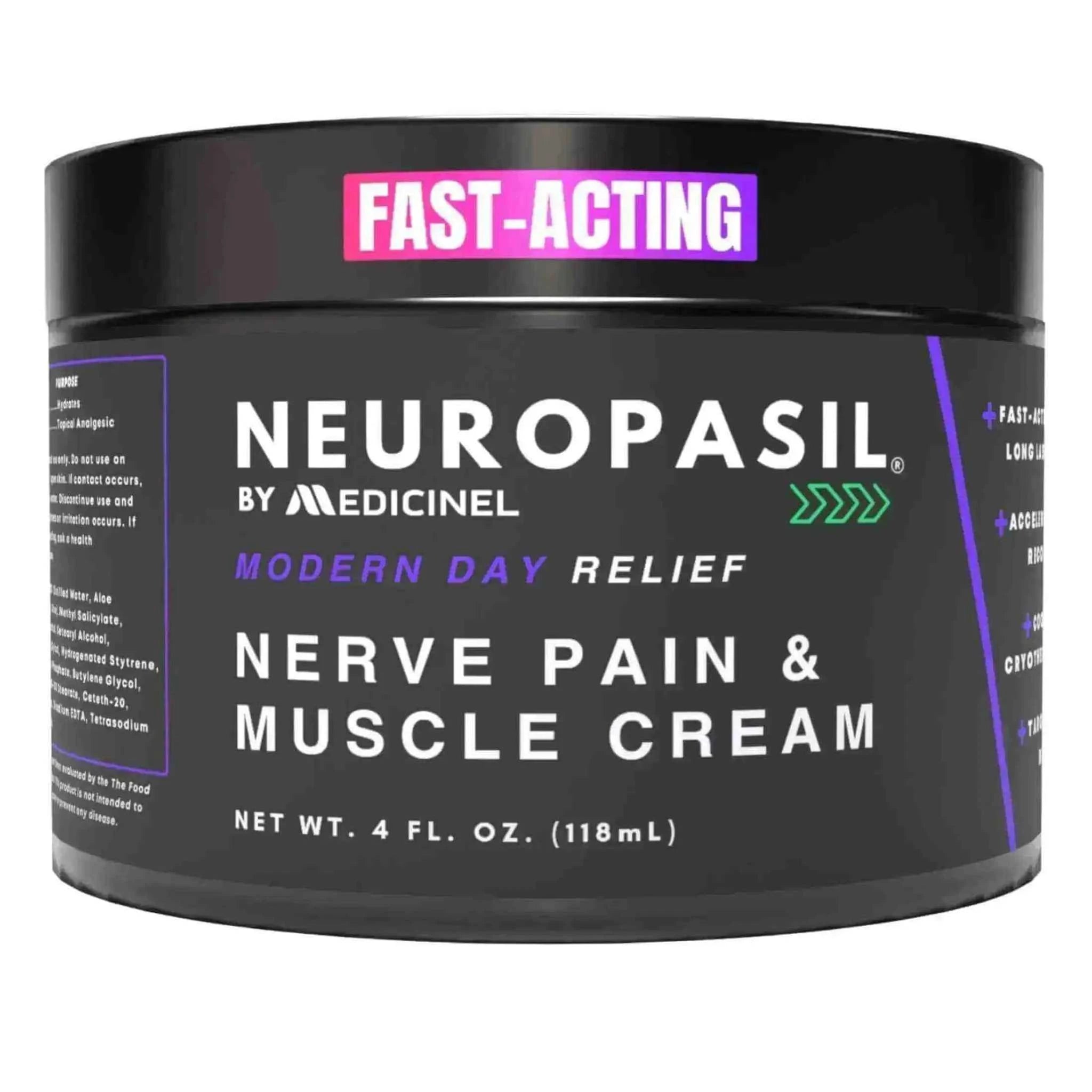
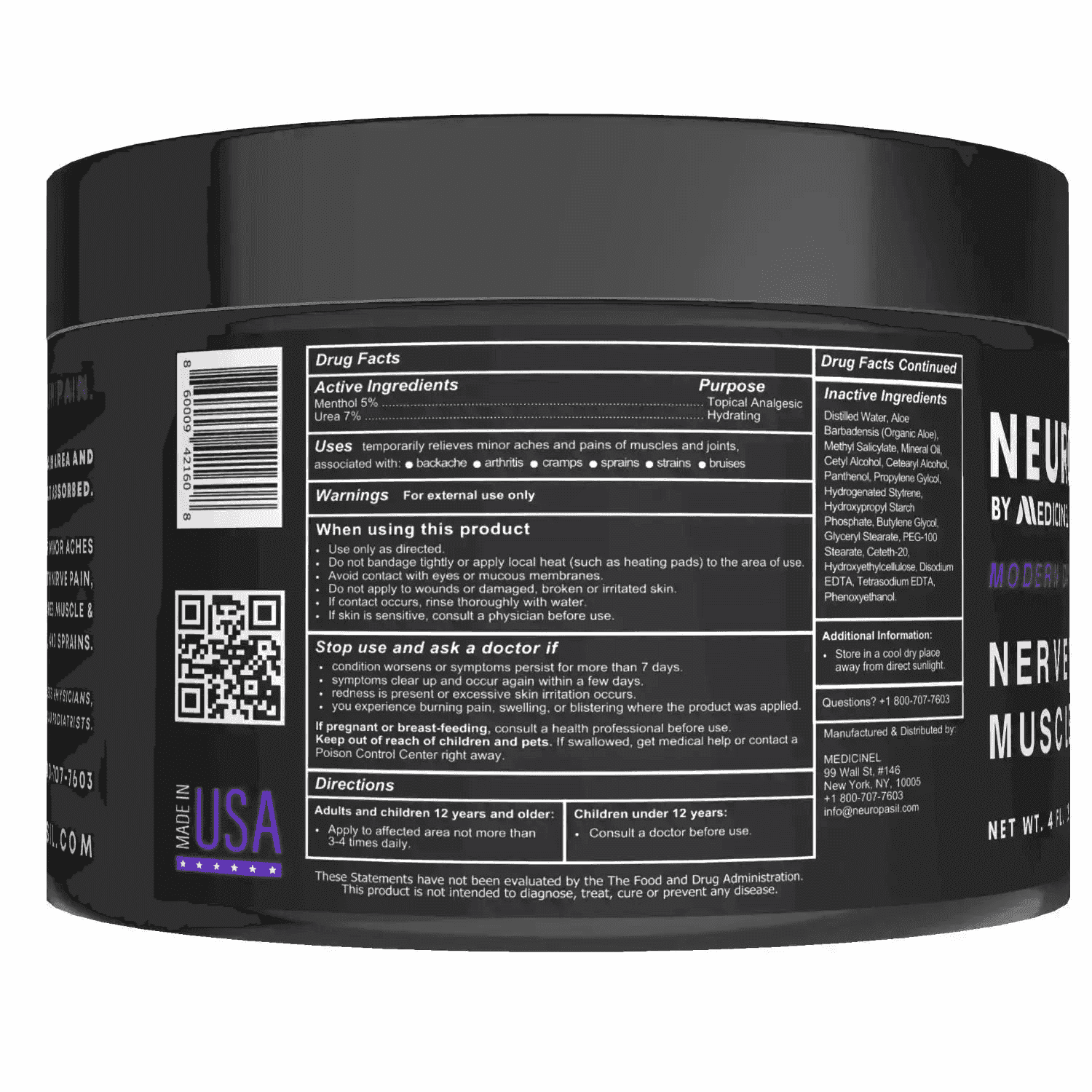
- Menthol-Based Creams: Many effective topical solutions, including Neuropasil, use menthol. Menthol creates a cooling sensation that distracts from pain and may also have analgesic properties. Our article Why does menthol help with pain relief? explains the science behind this ingredient. Neuropasil creams, with their blend of natural ingredients like Aloe, Urea, and Menthol, are designed to provide targeted, fast-acting relief for muscle soreness. We've found that our unique formula is particularly effective in soothing sore back muscles for athletes and active individuals in New York City and beyond, who need to get back to their routine quickly.
Gentle Movement and Stretching
While rest is important, complete immobility can actually hinder recovery. Gentle movement and stretching are vital for restoring flexibility and preventing stiffness.
- Avoiding Prolonged Bed Rest: As mentioned, long periods in bed can weaken muscles and prolong pain. Aim to stay active within your pain limits.
- Light Activity: Short, gentle walks can help keep your muscles loose and improve circulation without overstraining your back.
-
Targeted Stretching: Once the acute pain subsides, incorporate gentle stretches. WebMD offers simple core exercises that can also help. Some beneficial stretches for sore back muscles include:
- Knee-to-Chest Stretch: Lie on your back, bring one knee towards your chest, holding for 20-30 seconds. Repeat on the other side.
- Cat-Cow Pose: On your hands and knees, gently arch your back (cow) and then round it (cat), coordinating with your breath.
- Pelvic Tilts: Lie on your back with knees bent, flatten your lower back against the floor, engaging your abdominal muscles. Hold for a few seconds and release.
- The Chartered Society of Physiotherapy provides video exercises for back pain that can guide you through safe and effective movements. For a broader range of options, explore our resource on Body pain exercises 101. Always listen to your body and stop if any movement causes sharp pain.
Building a Resilient Back: Prevention, Posture, and Proactive Care
Preventing sore back muscles from occurring in the first place is always preferable to treating them after the fact. By adopting a proactive approach that focuses on proper posture, regular exercise, and healthy lifestyle habits, we can build a resilient back that stands strong against the stresses of daily life.
The Critical Role of Posture
Posture is the foundation of a healthy back. Poor posture places unnecessary strain on your spinal structures and surrounding muscles, leading to fatigue and soreness.
- Sitting Posture: Many of us spend hours sitting, whether at a desk or commuting. Ensure your feet are flat on the floor, your back is supported, and your shoulders are relaxed. Avoid slouching. If you're working in an office in New York City, taking short breaks to stand and stretch every 30-60 minutes can make a big difference.
- Standing Posture: Stand tall with your shoulders back and down, chest open, and your weight evenly distributed.
- "Text Neck": Constantly looking down at phones or tablets can cause significant strain on the upper back and neck, leading to what's colloquially known as "text neck." Bring your device up to eye level as much as possible.
- Ergonomics at Work and Home: Optimize your workspace. Ensure your computer screen is at eye level, your chair provides good lumbar support, and your keyboard and mouse are within easy reach.
- Proper Lifting Technique: This cannot be stressed enough. Always bend your knees, keep your back straight, and use your powerful leg muscles to lift objects. Keep the object close to your body. Never twist while lifting. For more on this, our article Lower back pain 101: Causes & relief offers valuable insights.
Strengthen Your Support System: Exercise
Strong muscles, especially your core, act as a natural corset for your spine, providing stability and reducing the burden on your back.
- Core Muscle Importance: Your core muscles (abdominal muscles, obliques, and lower back muscles) are rarely used during everyday activities, so they need to be toned through specific, targeted exercises. WebMD provides excellent simple core exercises to get you started.
-
Key Exercises:
- Planks: Strengthens the entire core.
- Bird-Dog: Improves stability and balance in the lower back.
- Bridges: Strengthens glutes and hamstrings, supporting the lower back.
- Benefits of Regular, Low-Impact Aerobic Exercise: Activities like swimming, walking, and cycling strengthen your back muscles, improve flexibility, and help maintain a healthy weight without jarring the spine. Even a brisk walk through Central Park can do wonders for your back! Regular physical activity is also key for reducing post-workout soreness and building overall resilience.
Lifestyle Habits for a Healthy Back
Beyond posture and exercise, our daily habits significantly impact our back health.
- Maintain a Healthy Weight: Excess body weight, particularly around the midsection, puts additional strain on your lower back. Losing even a few pounds can significantly reduce this pressure.
- Balanced Diet: A diet rich in anti-inflammatory foods (fruits, vegetables, lean proteins) can help reduce systemic inflammation that might contribute to muscle pain.
- Hydration: Staying well-hydrated is crucial for overall muscle health and can even contribute to the health of your spinal discs.
- Quitting Smoking: Smoking restricts blood flow to the discs that cushion your vertebrae, which can lead to quicker disc degeneration. It also reduces calcium absorption and new bone growth, increasing the risk of osteoporosis and fractures, as highlighted by the National Institute on Aging's information on how smoking impacts bone health and osteoporosis risk. If you're a smoker, quitting is one of the best things you can do for your back.
- Proper Sleep Positions: Just like sitting, how you sleep can affect your back. Ensure your mattress provides adequate support. Sleeping on your back with a pillow under your knees or on your side with a pillow between your knees can help maintain spinal alignment.
- Stress Management Techniques: Techniques like meditation, deep breathing, or yoga can help reduce muscle tension caused by stress.
When to See a Doctor: Red Flags and Professional Guidance
While most sore back muscles resolve with self-care, it's crucial to know when to seek professional medical help. Ignoring persistent or severe symptoms can lead to long-term implications, potentially trapping you in a cycle of chronic pain. Our article What is chronic pain digs into the nature of pain that lasts for extended periods.
Recognizing Red Flags for Sore Back Muscles
It's vital to differentiate between typical muscle soreness and symptoms that could indicate a more serious underlying condition. Pay close attention to these red flags:
- Pain Persisting Over 12 Weeks: Acute lower back pain typically lasts less than 12 weeks. If your pain persists beyond this timeframe, it transitions into chronic lower back pain, which warrants a professional evaluation. This is when it's time to consider when to see a spine specialist.
- Severe, Unrelenting Pain: Pain that is excruciating, doesn't improve with rest, or wakes you up at night should be evaluated.
- Pain Radiating Down the Leg: If the pain travels down your leg, especially past the knee, it might indicate nerve involvement, such as sciatica or a pinched nerve. Our resource on Pinched nerve in back 101 can help you understand this condition better.
- Weakness or Numbness in Legs: Any new or worsening weakness, numbness, or tingling sensations in one or both legs could signal nerve compression.
- Fever or Unexplained Weight Loss: These systemic symptoms, when accompanying back pain, can point to an infection, inflammation, or, rarely, a more serious condition.
- Loss of Bladder or Bowel Control: This is a medical emergency. If you experience back pain along with new difficulty urinating, inability to control your bladder or bowels, or numbness around your groin or buttocks (saddle anesthesia), seek immediate medical attention. These are critical emergency signs of Cauda Equina Syndrome, a serious condition requiring urgent surgical intervention.
Professional Diagnosis and Support Options
When red flags appear, or if your sore back muscles are significantly impacting your quality of life despite home care, it's time to consult a healthcare professional.
- Physical Examination: Your doctor will examine your back, assess your ability to sit, stand, walk, and lift your legs, and ask you to describe your pain and how it affects your daily activities.
-
Imaging Tests:
- X-rays: Can reveal arthritis or broken bones, but won't show problems with soft tissues like discs or nerves.
- MRI/CT Scans: These advanced imaging techniques can provide detailed images of bones, muscles, tissues, tendons, nerves, ligaments, and blood vessels, helping to identify herniated discs, spinal stenosis, or other structural issues.
- The Mayo Clinic's comprehensive guide on Back pain - Diagnosis and treatment offers more details on these diagnostic tools.
- Physical Therapy Guidance: A physical therapist can create a personalized exercise program to strengthen your back and core muscles, improve flexibility, and teach you proper body mechanics. Many excellent physical therapists are available in New York City to help you recover.
- Massage Therapy: For back pain caused by tense or overworked muscles, massage can be highly beneficial in relaxing muscles and improving blood flow.
- Supportive Care: This can include prescription-strength anti-inflammatory medications, muscle relaxants, or in some cases, cortisone injections to reduce inflammation around nerve roots.
- When to Seek Further Evaluation: If conservative treatments aren't effective, your doctor may recommend further evaluation by a spine specialist. In New York City, reputable institutions like Mount Sinai and Weill Cornell Medicine offer specialized care for persistent back pain. They can explore options such as radiofrequency ablation, nerve stimulators, or, in rare cases, surgical intervention for conditions like severe spinal narrowing or herniated discs causing significant muscle weakness.
Conclusion
Navigating the landscape of sore back muscles can feel overwhelming, but with the right knowledge and a proactive approach, we can move from pain to relief and build a stronger, more resilient back. We've explored the common culprits behind your backaches, learned to distinguish muscular pain from more serious conditions, and armed ourselves with effective home remedies and preventive strategies.
The journey to a pain-free back involves understanding the causes, diligently implementing self-care measures like modified rest, ice/heat therapy, and gentle movement, and prioritizing prevention through good posture, core strengthening, and healthy lifestyle choices. Knowing when to escalate your concerns and seek professional medical help for persistent or alarming symptoms is equally important.
Taking an active role in your back health means being mindful of your body, listening to its signals, and equipping yourself with the tools for recovery and prevention. For targeted, soothing relief from muscle aches and nerve pain, consider a topical cream with natural ingredients. Our Neuropasil cream, with its blend of Aloe, Urea, and Menthol, is specifically designed to alleviate discomfort, helping you get back to your active life. Find how Neuropasil cream soothes sore muscles and eases nerve pain and empowers you to conquer your day, whether you're navigating the busy streets of New York City or enjoying a quiet moment at home.

References / Sources
- Back Pain Fact Sheet – National Institute of Neurological Disorders and Stroke (NINDS)
- Pain Prevalence and Severity Among Adults: United States, 2019 – CDC
- Back Strains and Sprains – Cleveland Clinic
- Craig Van Dien, M.D. – Hackensack Meridian Health
- Video exercises for back pain – Chartered Society of Physiotherapy
- Simple core exercises – WebMD
- How smoking impacts bone health and osteoporosis risk – NIA
- Mayo Clinic: Back pain diagnosis and treatment
- Emergency signs of Cauda Equina Syndrome – AANS
- When to see a spine specialist – Houston Methodist
- Back Pain Treatment NYC | Mount Sinai - New York
- Back Pain Doctors in New York – Weill Cornell Medicine
- Neuropasil Blog: Sore Muscles, Nerve Pain, and Relief