Understanding Muscle Soreness and Fast Relief
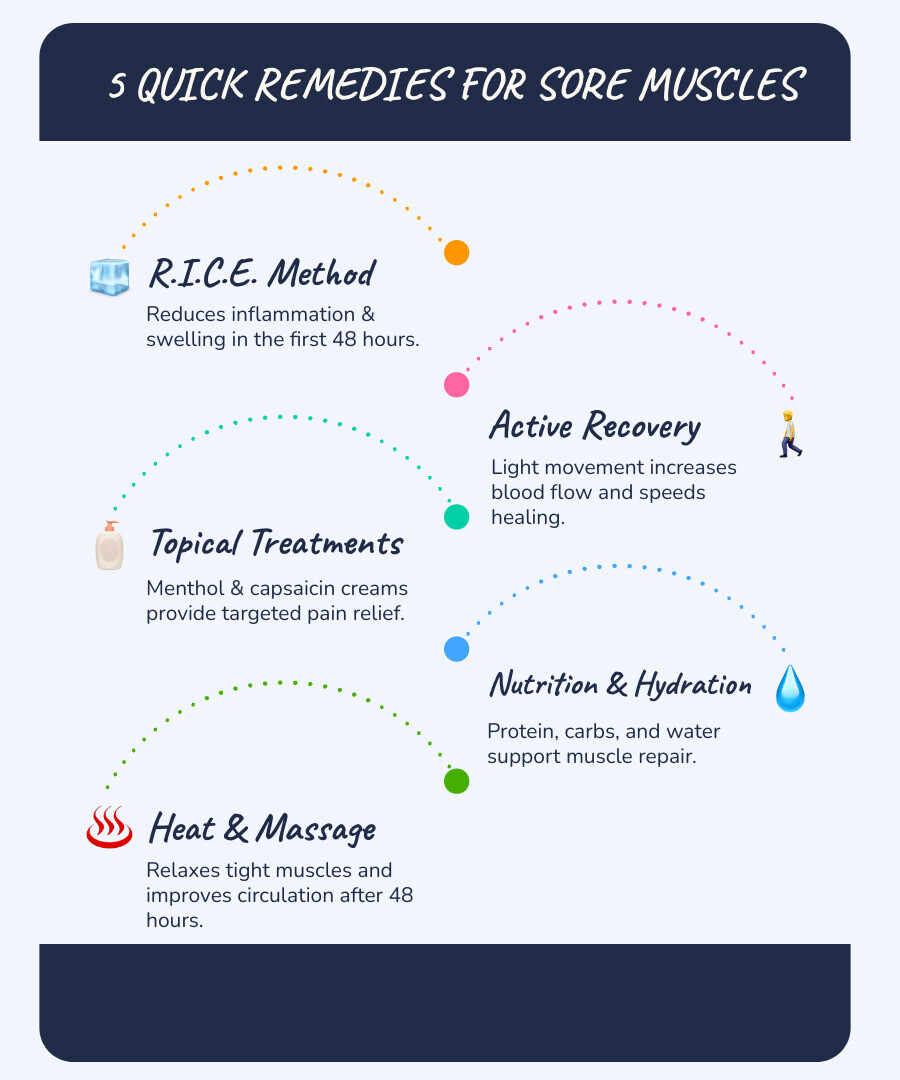
What helps sore muscles? Five proven remedies provide fast relief: the R.I.C.E. method, active recovery, topical pain relievers, proper nutrition, and heat therapy with massage.
Quick Relief Options:
- R.I.C.E. Method - Reduces inflammation in the first 48 hours.
- Active Recovery - Increases blood flow to speed healing.
- Topical Treatments - Creams with menthol provide targeted pain relief.
- Nutrition & Hydration - Supports muscle repair.
- Heat & Massage - Relaxes tight muscles after 48 hours.
Whether from a tough workout or overexertion, muscle aches are your body's response to microscopic tears in muscle fibers. This damage triggers inflammation as your body repairs and rebuilds stronger tissue. This condition, known as delayed-onset muscle soreness (DOMS), typically peaks 24-72 hours after exercise [6].
The good news is you don't have to suffer. With the right remedies, you can reduce the intensity and duration of muscle pain. At Neuropasil, our mission is to provide science-backed relief that helps you recover faster and get back to what you love.
What helps sore muscles? terms to remember:
What Helps Sore Muscles? 5 Proven Home Remedies
When muscle aches set in from the gym or a weekend project, our bodies are signaling it's time for recovery. Understanding what helps sore muscles is the first step toward effective relief. We've compiled five proven home remedies that address the root causes of muscle soreness and provide comfort.
Remedy 1: Master the R.I.C.E. Method for Immediate Care
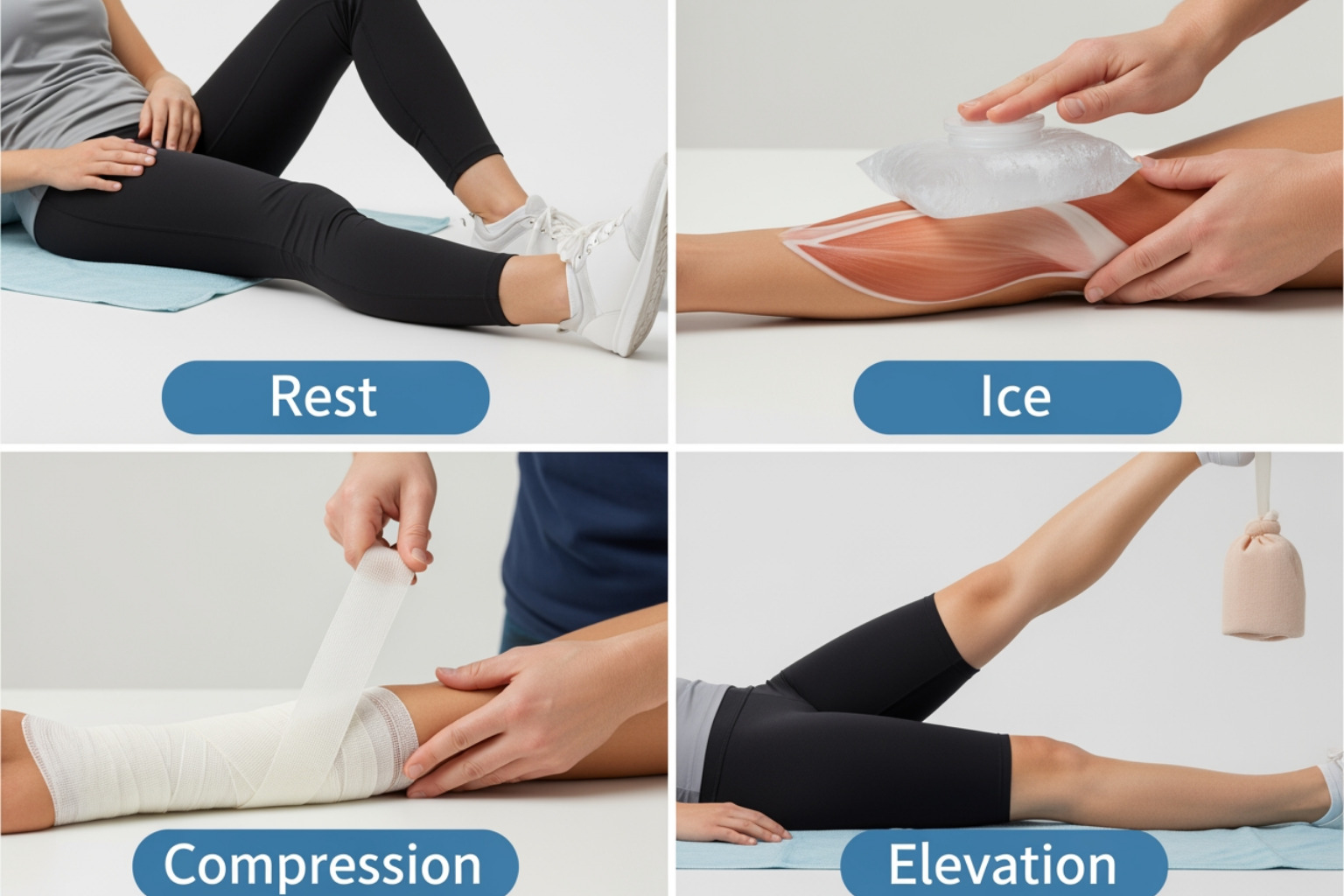
The R.I.C.E. method is a cornerstone for treating minor soft-tissue injuries and managing the immediate aftermath of muscle soreness. It stands for Rest, Ice, Compression, and Elevation.
- Rest: Give your muscles time to repair. Avoid activities that worsen the pain, allowing the microscopic tears in muscle fibers to heal and preventing further damage [1].
- Ice: Apply ice for 15-20 minutes every 2-3 hours during the first 24-48 hours. Cold therapy causes vasoconstriction (narrowing of blood vessels), which reduces blood flow to the area, significantly decreasing inflammation, swelling, and pain. Always wrap ice in a cloth to protect your skin.
- Compression: Gently wrap the sore muscle with an elastic bandage to control swelling and provide support. The wrap should be snug but not tight enough to restrict blood flow or cause numbness.
- Elevation: Prop the sore muscle above heart level to help gravity drain excess fluid, which further reduces swelling and inflammation.
Following the R.I.C.E. method helps manage the initial inflammatory response and sets the stage for faster healing. To learn more, check out our guide: Pulled It? Fix It! Your Guide to Muscle Strain Treatment.
Remedy 2: Accept Active Recovery and Gentle Stretching
While it may seem counterintuitive, light movement can be more beneficial than complete rest for sore muscles. Active recovery and gentle stretching speed up the healing process.
- Active Recovery: Engage in low-impact activities like a leisurely walk, gentle bike ride, or swim. The goal is to increase blood flow to the affected muscles, which helps flush out metabolic waste and deliver oxygen and nutrients essential for repair [6].
- Gentle Stretching: While intense stretching can be counterproductive, gentle static stretching (holding a stretch for 20-30 seconds) can improve flexibility and reduce stiffness. The key is to stretch lightly and never to the point of pain. This is especially effective after a warm-up or as part of a cool-down.
You can find more insights here: The benefits of stretching for sore muscles and Body Pain Exercises 101.
Remedy 3: Apply Topical Treatments for Targeted Relief
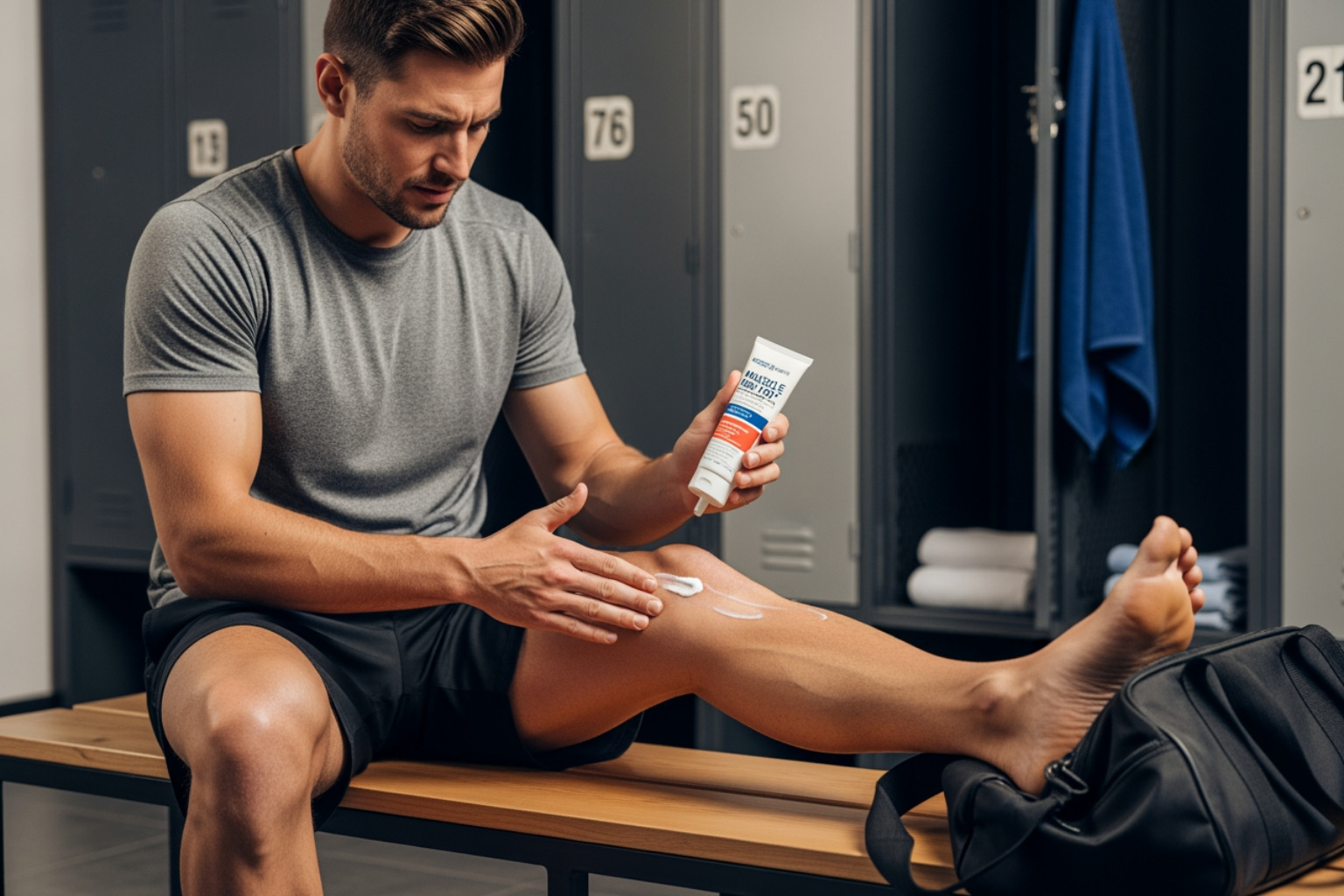
For direct, targeted relief, over-the-counter (OTC) topical treatments are an excellent choice. Applied directly to the skin, these creams and gels deliver active ingredients for localized comfort.
What helps sore muscles topically? Key ingredients include:
- Menthol: Found in mint plants, menthol creates a cooling sensation that distracts from pain. It stimulates cold receptors in the skin, reducing pain signals and providing a refreshing burst of relief [2].
- Capsaicin: Derived from chili peppers, capsaicin creates a warming sensation that can alleviate muscle pain by interfering with pain signals to the brain [2].
- Lidocaine: A local anesthetic that temporarily numbs the area by blocking nerve signals [2].
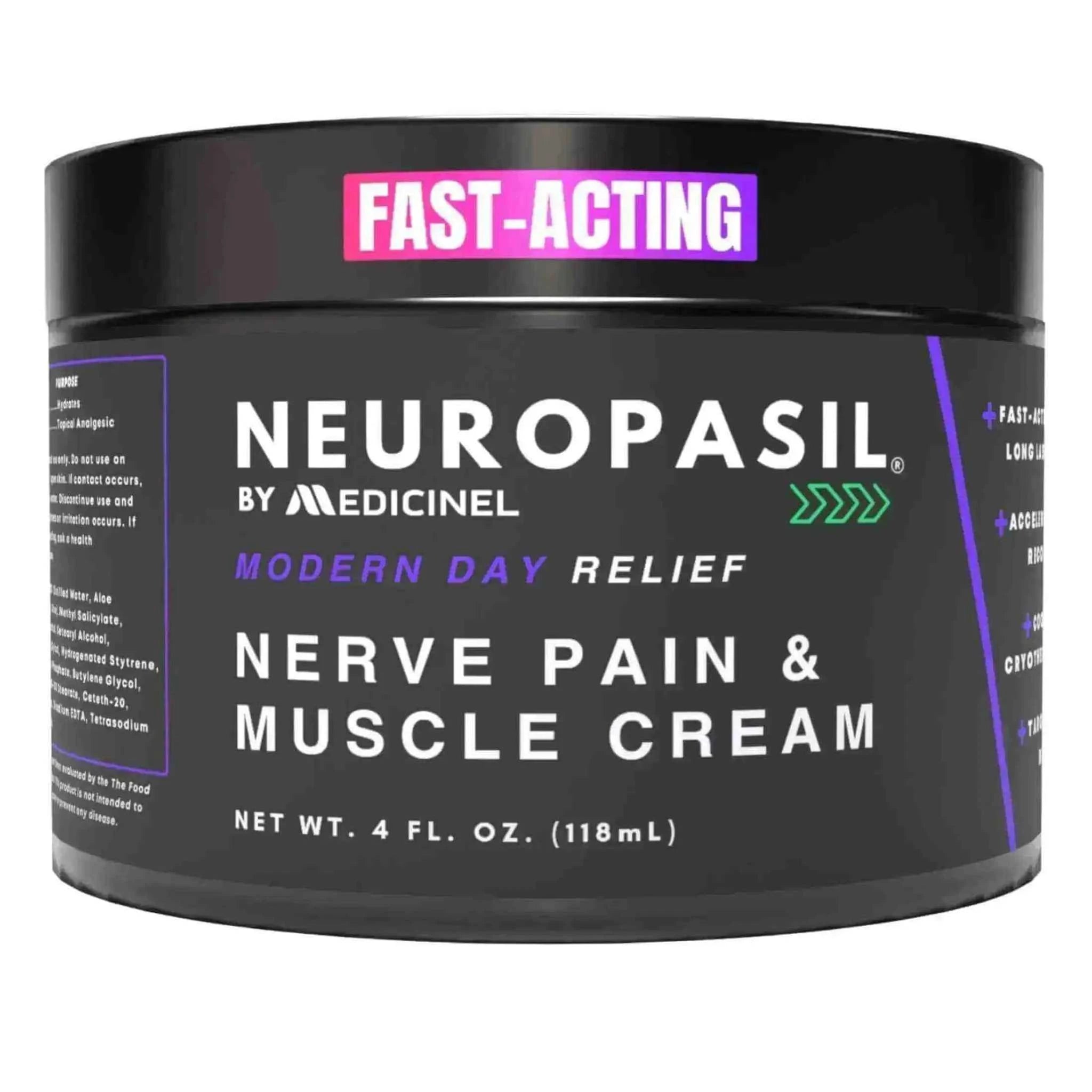
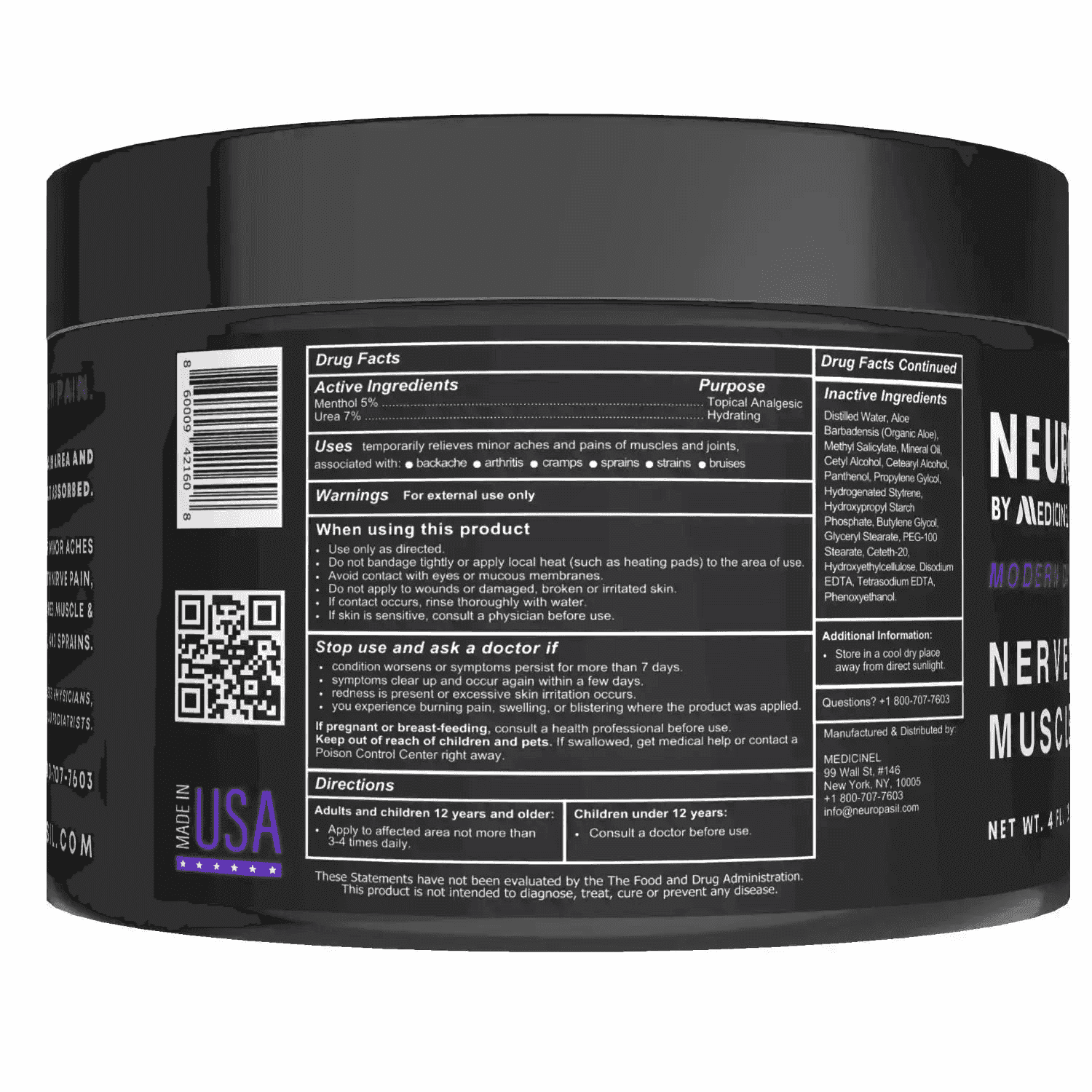
While these treatments primarily offer symptomatic relief, reducing pain makes it easier to engage in active recovery. At Neuropasil, we harness the power of natural ingredients like Aloe, Urea, and Menthol in our fast-acting, non-greasy topical creams. Our unique blend provides targeted, soothing relief for muscle soreness, strains, and sprains, helping athletes and active individuals recover faster.
For a deeper dive, check out these resources: Topical pain relievers can help, The Ultimate Guide to Creams for Sore Muscles and Joints, and Which Cream is Best for DOMS After Workouts? 6 Ingredient-Backed Picks for Fast Nerve & Muscle Relief.
Remedy 4: Fuel Your Recovery with Proper Nutrition and Hydration
Proper nutrition and hydration are essential for muscle recovery. The right fuel helps your body repair itself efficiently.
- Muscle Repair with Protein and Carbohydrates: After a workout, your muscles need protein to repair microscopic tears and carbohydrates to replenish their depleted energy stores (glycogen). A post-workout snack combining both, like a protein shake with a banana, can kickstart the repair process.
- Hydration is Key: Dehydration can intensify muscle soreness and prolong recovery. Water is vital for transporting nutrients and flushing out waste. Drink plenty of fluids before, during, and after exercise.
- Anti-Inflammatory Foods: Certain foods can help manage inflammation. Incorporate antioxidant-rich foods like berries, leafy greens, and fatty fish (salmon). Research shows that tart cherry juice can be particularly effective at reducing muscle pain and inflammation [3]. Avoid inflammatory items like added sugar and highly processed foods.
For more tips, read: How Muscle Recovery Protein Shakes Can Support Faster Pain Relief for Sore Muscles and Nerves and How to Relieve Dehydration Muscle Aches Fast by Simple Remedies.
Remedy 5: Use Heat and Massage for Soothing Comfort
After the first 48 hours, once acute inflammation has subsided, heat and massage can be game-changers for easing persistent soreness. Both methods increase blood flow, relax muscles, and provide significant comfort.
- Heat Therapy for Relaxation: Heat promotes vasodilation (widening of blood vessels), increasing circulation to deliver more oxygen and nutrients to tired muscles. The warmth soothes and relaxes tight muscles. Try a warm bath (add Epsom salts for extra relief), a heating pad for 10-20 minutes, or a hot shower.
- Massage Therapy for Targeted Relief: Massage is a highly effective remedy for relieving tension and restoring blood flow. Research indicates that massage can significantly reduce the pain associated with DOMS [4]. Self-massage techniques like foam rolling are also fantastic for releasing trigger points and improving flexibility.
For those experiencing soreness after a massage, we have a helpful guide: How to Relieve Post-Massage Soreness the Right Way.
How to Prevent Muscle Soreness Before It Starts
While some soreness is a natural part of getting stronger, you can reduce its intensity and frequency with smart preventative strategies. Knowing how to avoid soreness is even better than just treating it [1].
- Proper Warm-up: Always warm up for 5-10 minutes before exercise. Light aerobic activity (brisk walking, jogging) followed by dynamic stretches (arm circles, leg swings) increases blood flow and makes muscles less prone to injury.
- Cool-down and Static Stretching: After your workout, cool down for 5-10 minutes to help your heart rate return to normal. Follow this with static stretching, holding each stretch for 20-30 seconds to improve flexibility and reduce stiffness.
- Gradual Progression: Avoid doing too much too soon. Increase the duration, intensity, or weight of your workouts in small increments to allow your muscles to adapt without being overwhelmed.
- Proper Form and Technique: Using correct form maximizes workout effectiveness and reduces the risk of injury and excessive soreness. If unsure, consult a certified trainer.
- Rest Days: Muscles repair and grow during rest, not during workouts. Incorporate adequate rest days into your routine to allow for proper healing.
- Vary Your Activities: Cross-training and varying your activities prevent repetitive strain on specific muscle groups by distributing the workload.
By implementing these measures, you can enjoy an active lifestyle with less discomfort. For more tips, check out: A-Z Guide to Faster Workout Recovery and How to Relieve Sore After Gym and Recover Fast at the Same Time.
When to See a Doctor for Muscle Pain
While most muscle soreness resolves with home care, it's crucial to recognize when pain might signal a more serious issue. Understanding these warning signs is a vital part of managing muscle health.
Contact a healthcare provider if you experience any of the following:
- Severe Pain: The pain is excruciating or significantly limits your ability to perform daily tasks.
- Pain Lasting Over a Week: Soreness persists beyond a week without a known cause, as normal DOMS resolves in 3-5 days [6].
- Signs of Infection: The affected area shows redness, significant swelling, or feels warm to the touch.
- Inability to Move a Limb: You cannot move a limb without intense pain, or the muscle feels completely weak.
- Dark-Colored Urine: This, combined with severe muscle pain, could indicate rhabdomyolysis, a serious condition requiring immediate medical attention [5].
- Pain with Other Symptoms: Muscle pain is accompanied by fever, dizziness, shortness of breath, or an abnormal heartbeat. Chest pain warrants emergency care [5].
- Pain Near Joints: Sharp pain located near a joint or tendon might indicate a sprain or tendinitis.
- Pain Worsens with Activity: The pain intensifies with light activity instead of improving.
It's important to differentiate between the dull ache of DOMS and the sharp pain of an injury. If you're ever uncertain about your muscle discomfort, consulting a healthcare provider is the safest course of action. For more details, refer to: Muscle Strain Treatment.
Frequently Asked Questions about Sore Muscle Relief
We know you have questions, and we're here to provide clear, actionable answers to help you steer muscle soreness.
What helps sore muscles faster: Heat or Cold Therapy?
Both heat and cold are effective, but they serve different purposes and are best used at different stages of muscle pain.
| Feature | Cold Therapy (Ice) | Heat Therapy |
|---|---|---|
| Primary Action | Reduces inflammation, swelling, and pain | Increases blood flow, relaxes muscles, eases stiffness |
| Mechanism | Vasoconstriction (narrows blood vessels) | Vasodilation (widens blood vessels) |
| Best Used When | Immediately after injury or intense workout (first 48 hours) | After 48 hours, for chronic pain or stiffness |
| Conditions Treated | Acute injuries, bruising, fresh muscle soreness | Chronic muscle aches, stiffness, muscle spasms |
| Application | 15-20 minutes, every 2-3 hours | 10-20 minutes, as needed |
| Cautions | Do not apply directly to skin; avoid if numb or poor circulation | Avoid on acute injuries; check temperature to prevent burns |
- Cold Therapy (Ice): Use ice within the first 24-48 hours for new injuries or acute soreness. It reduces inflammation, swelling, and pain by constricting blood vessels (vasoconstriction), making it ideal for the immediate aftermath of a strenuous workout [1].
- Heat Therapy: Use heat after 48 hours for chronic aches and stiffness. It promotes blood flow (vasodilation), delivering oxygen and nutrients that help relax muscles, ease stiffness, and increase flexibility [1].
In short: use ice for new pain and swelling, and heat for lingering stiffness and aches.
Is it okay to work out with sore muscles?
This depends on the severity of your soreness. For mild to moderate Delayed Onset Muscle Soreness (DOMS), light activity is often beneficial.
- Active Recovery: If you have a low-level, dull ache, light activities like walking or swimming can help. This "active recovery" increases blood flow, which can speed up the healing process.
- DOMS vs. Injury: It's crucial to know the difference. DOMS is a generalized, dull ache. An injury often involves sharp, localized pain that worsens with movement. Never push through the sharp pain of an injury, as it can cause more damage [6].
- Listen to Your Body: If you're very sore, consider working a different muscle group or taking a complete rest day. Extreme soreness that limits your range of motion is a sign you need more recovery time.
For more on this, check out: Should you work out when sore? and Do DOMS Mean I Had a Good Workout?.
How long does it take for sore muscles to heal?
The duration of Delayed Onset Muscle Soreness (DOMS) follows a general timeline, though it can vary.
DOMS Timeline: Soreness typically begins 12-24 hours after exercise, peaks between 24-72 hours, and resolves completely within 3-5 days as muscle fibers repair [6].
Factors Affecting Recovery: How long you stay sore depends on the intensity and novelty of the exercise, your fitness level, and the recovery methods you use. Actively using remedies like R.I.C.E., proper nutrition, and massage can significantly shorten the duration.
This timeline applies to typical exercise-induced soreness. If pain lasts longer than a week or is severe, consult a healthcare professional. For more on muscle recovery, visit: Muscle Recovery & Growth.
Conclusion: Your Path to Faster Muscle Recovery
Muscle soreness is a natural sign that your body is adapting and growing stronger. However, you don't have to endure the discomfort. Understanding what helps sore muscles empowers you to accelerate recovery with practical strategies.
By mastering the R.I.C.E. method, embracing active recovery, using topical treatments like Neuropasil, fueling with proper nutrition, and applying heat and massage, you can create a comprehensive plan for relief. The key is consistency and listening to your body's signals.
Proactively using these remedies will reduce soreness, minimize downtime, and help you prevent future aches. Always seek medical advice for severe or persistent pain. By taking charge of your recovery, you can pursue your fitness goals with greater comfort and confidence. For more tips, check out: The Easiest Way to Get Sore Muscle Relief and our Active Lifestyle Pain Management: The Ultimate Guide to Staying Pain-Free and Energized.
References
[1] Mayo Clinic. (n.d.). Muscle strains - Diagnosis and treatment. https://www.mayoclinic.org/diseases-conditions/muscle-strains/diagnosis-treatment/drc-20450520 [2] Cleveland Clinic. (2023, August 29). What Are the Benefits of Using a Topical Pain Reliever?. https://health.clevelandclinic.org/topical-pain-relief-what-is-it-and-how-does-it-work [3] Kuehl, K. S., et al. (2010). Efficacy of tart cherry juice in reducing muscle pain during running: a randomized controlled trial. Journal of the International Society of Sports Nutrition. https://pmc.ncbi.nlm.nih.gov/articles/PMC4271624/ [4] Cleveland Clinic. (2023, October 17). The Benefits of Massage. https://health.clevelandclinic.org/benefits-of-massage [5] Cleveland Clinic. (2023, August 29). Myalgia (Muscle Pain). https://my.clevelandclinic.org/health/symptoms/myalgia-muscle-pain#when-to-call-the-doctor [6] Cleveland Clinic. (2023, August 29). Should You Work Out When You’re Sore?. https://health.clevelandclinic.org/should-you-workout-when-sore