Why Proper Hamstring Rehab Matters
Rehabbing a torn hamstring is a common and frustrating challenge for athletes and active adults. A hamstring injury can stop you in your tracks, but rushing back too soon often leads to re-injury. In fact, nearly one-third of these injuries recur within the first year of returning to sport (Opar et al., 2012).
Quick Answer: The Hamstring Rehab Process
- Immediate Care (0-72 hours): Apply RICE (Rest, Ice, Compression, Elevation) to control pain and swelling.
- Phase 1 (Weeks 0-3): Focus on gentle movement, isometric exercises, and protecting the healing tissue.
- Phase 2 (Weeks 3-12): Build strength with hamstring bridges, glute activation, and balance exercises.
- Phase 3 (Week 12+): Progress to sport-specific drills, running, agility work, and plyometrics.
- Return to Sport: Only when you're pain-free, have full strength symmetry, and pass functional tests.
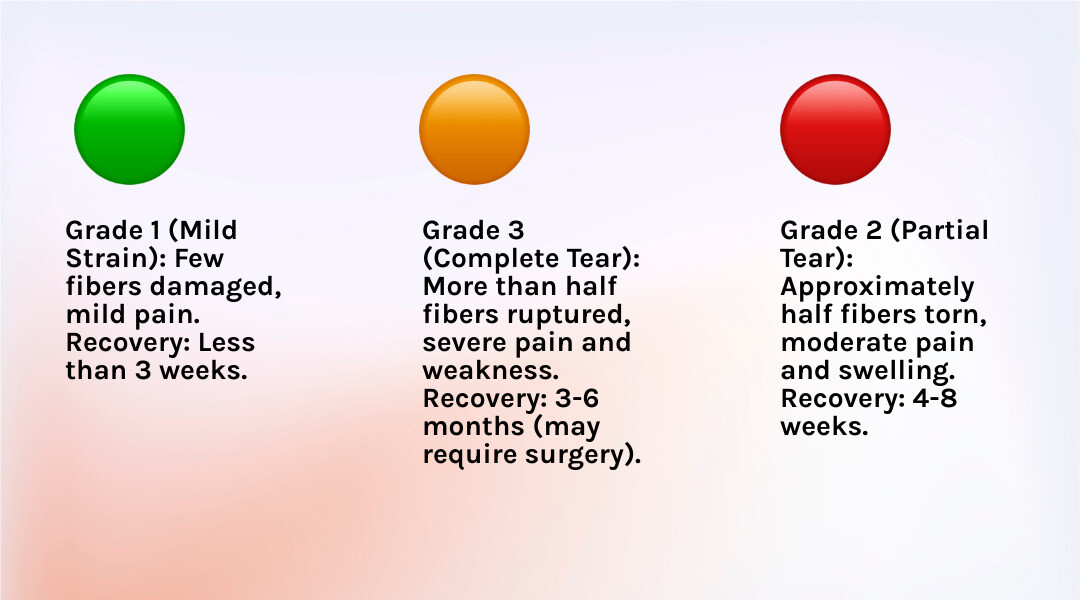
Recovery Time by Severity (Heiderscheit et al., 2010):
- Grade 1 (mild strain): Less than 3 weeks
- Grade 2 (partial tear): 4-8 weeks
- Grade 3 (complete tear): 3-6 months (may require surgery)
The good news is that with the right approach, you can recover fully and even come back stronger. This guide breaks down every phase of rehabbing a torn hamstring, from initial injury to a safe return to activity, teaching you how to manage pain, rebuild strength, and prevent re-injury.
I'm Tony Enrico, and I've spent years helping athletes and active individuals restore strength and comfort after injury. Through my work with Neuropasil, I've seen how proper recovery—combined with effective pain management—makes all the difference when rehabbing a torn hamstring.
First Steps: Understanding and Diagnosing Your Hamstring Injury
Before starting rehabbing a torn hamstring, it's crucial to understand the injury. The hamstrings are three muscles at the back of your thigh (biceps femoris, semitendinosus, and semimembranosus) that run from your pelvis to just below your knee. They are vital for bending your knee and extending your hip, making them essential for running, jumping, and squatting—and thus, prone to injury.
Hamstring injuries usually result from muscle overload, either from being stretched too far or challenged with a sudden load. This often occurs during eccentric contractions (when the muscle lengthens as it contracts), like when slowing down from a sprint or landing from a jump.
Risk factors for a hamstring injury include (Heiderscheit et al., 2010):
- Previous injury: The biggest risk factor is a prior hamstring injury.
- Fatigue: Tired muscles are less able to absorb shock and maintain proper form.
- Muscle imbalance: A common imbalance is strong quadriceps (front thigh muscles) compared to weaker hamstrings.
- Limited flexibility: Tight hamstrings are more prone to tearing.
- Poor core stability: A weak core can lead to inefficient movement patterns, placing more strain on the hamstrings.
- Suddenly increasing physical activity: Ramping up workouts too quickly without proper conditioning.
- Older age: As we age, our muscles can become less elastic.
- Adolescent growth spurts: Rapid growth can lead to temporary muscle tightness.
For more detailed information, you can refer to resources like the American Academy of Orthopaedic Surgeons on Hamstring Muscle Injuries.
Identifying the Symptoms and Severity
Recognizing the symptoms and severity is the first step. A torn hamstring may cause (Cleveland Clinic, 2022):
- A sudden, sharp pain in the back of your thigh.
- A "popping" or tearing sensation at the moment of injury.
- Swelling and tenderness, which may develop over a few hours or days.
- Bruising or discoloration below the knee, sometimes appearing a few days after the injury, indicating bleeding under the skin.
- Weakness in the affected leg, making it difficult to walk, stand, or bend your knee.
- Pain when sitting, especially if the injury is high up near the glutes.
- Muscle spasms or stiffness.
We categorize hamstring strains into three grades based on the extent of muscle damage (Heiderscheit et al., 2010):
| Grade | Symptoms | Muscle Damage | Typical Recovery Time |
|---|---|---|---|
| 1 | Mild discomfort, tightness, slight tenderness. You can usually walk without much pain, but may feel it during activities like stretching or running. Rarely influences muscle power or endurance. | A few muscle fibers are damaged or stretched. No significant loss of muscle function. | A few days to less than a week, up to 3 weeks with good rehab. |
| 2 | Moderate pain, swelling, tenderness, and sometimes bruising. Difficulty walking normally, limping is common. Pain with stretching and muscle contraction. Approximately half of the fibers are torn. | Approximately half of the muscle fibers are torn. Moderate loss of muscle function and strength. | Several weeks, typically 4-8 weeks. |
| 3 | Severe, sudden pain, massive swelling, significant bruising, and often a "pop" sensation. You may be unable to walk without crutches. Significant weakness and inability to perform hamstring function. Complete muscle rupture. | More than half of the muscle fibers are ruptured, or there is a complete tear of the muscle or tendon. Often involves tendon avulsion (pulled off bone). | Several months, typically 3-6 months or more, especially if surgery is required or if it's a tendon avulsion. Recovery is longer if surgery was needed. |
Getting a Proper Diagnosis
An accurate diagnosis is key for effective rehabbing a torn hamstring. While you can manage mild strains at home, see a healthcare provider if:
- Your symptoms persist for more than a few days.
- You experience severe pain or cannot put weight on your leg.
- You heard a "pop" at the time of injury.
- There is significant swelling or bruising.
- The injury is very close to the buttock or knee, as this could indicate a more severe tendon injury.
A physical exam typically includes (Cleveland Clinic, 2022):
- Observation: Checking for swelling or bruising.
- Palpation: Feeling the area to find tenderness or a muscle gap.
- Range of motion tests: Assessing pain-free movement of your hip and knee.
- Strength testing: Comparing the strength of both legs.
Imaging tests may be used to confirm the diagnosis:
- X-rays: To rule out an avulsion fracture (where the tendon pulls bone away).
- Ultrasound: To visualize muscle tears and fluid.
- MRI (Magnetic Resonance Imaging): To get detailed images of the soft tissue, determining the tear's exact location and severity.
Understanding how doctors diagnose these injuries can help you prepare for your appointment. For more information on diagnosis, the Cleveland Clinic offers guidance on how doctors diagnose hamstring injuries.
The Acute Phase: Immediate Treatment and Pain Management
The first 48-72 hours after a hamstring injury are critical for controlling inflammation and pain. Our immediate goal is to protect the injured tissue and create an optimal environment for healing.

Applying First Aid: RICE and Early Movement
The tried-and-true RICE method (Rest, Ice, Compression, Elevation) is your best friend in the acute phase (MedlinePlus, 2024):
- Rest: Stop any activity that causes pain. For severe injuries, crutches may be needed to avoid putting weight on the leg.
- Ice: Apply an ice pack for 20 minutes, 2-3 times daily, with a cloth barrier to prevent frostbite. This reduces swelling and pain.
- Compression: Wrap the thigh with an elastic bandage to reduce swelling and add support. It should be snug but not cut off circulation.
- Elevation: Lift your leg above heart level whenever possible to help drain fluid and reduce swelling.
While rest is important, we also advocate for the gradual introduction of gentle, pain-free movement as tolerated. Complete immobilization for too long can hinder recovery. Listen to your body—if a movement causes pain, stop. The idea is to promote circulation and prevent excessive stiffness without re-injuring the tissue.
Managing Pain and Inflammation
Beyond RICE, managing pain and inflammation is key to comfort and progressing through rehabilitation.
- Over-the-counter pain relievers: Non-steroidal anti-inflammatory drugs (NSAIDs) like ibuprofen or naproxen can help reduce pain and inflammation. Always use these as advised by your healthcare provider (Cleveland Clinic, 2022).
- Neuropasil Nerve Pain Relief Cream: For targeted, soothing relief, a product like Neuropasil Nerve Pain Relief Cream can be incredibly beneficial. Its fast-acting blend powered by aloe, urea, and menthol provides a cooling sensation that helps alleviate discomfort directly at the site of the strain. This can be a great addition to your pain management strategy, especially as you begin to introduce gentle movements.
- Gentle, pain-free motion: As mentioned, early, gentle movement is important. This means moving within your pain-free range to encourage blood flow and prevent muscle shortening, which can make rehabbing a torn hamstring much harder later on.
The Core of Recovery: A Phased Guide to Rehabbing a Torn Hamstring
Rehabbing a torn hamstring is not a race; it's a marathon. Our approach emphasizes phased rehabilitation, which means we progress based on specific criteria rather than just arbitrary timelines. Patience and truly listening to your body are paramount to avoiding setbacks. Each phase builds upon the last, gradually restoring strength, flexibility, and function according to established clinical protocols (Heiderscheit et al., 2010).

Phase 1: Protection and Early Motion (Weeks 0-3)
This initial phase is all about protecting the injured tissue, controlling pain and swelling, and preventing significant muscle atrophy. We want to lay a solid foundation for recovery.
Goals:
- Allow tissue healing.
- Decrease pain and inflammation.
- Minimize muscle atrophy.
- Initiate early protected range of motion (ROM).
Interventions and Exercises:
- Manual Therapy: Gentle soft tissue mobilization (if tolerated) to reduce muscle guarding and improve circulation.
- Gentle Range of Motion: Passive or active-assisted knee flexion and hip extension within a pain-free range. Avoid aggressive hamstring stretching.
-
Isometric Exercises: These involve contracting the muscle without changing its length.
- Isometric Hamstring Sets: While seated, gently press the heel of your injured leg into the floor to contract the hamstring without moving the leg. Hold for 6 seconds, then rest. Repeat 8-12 times.
- Glute Activation: Gentle glute squeezes to engage the muscles that work with your hamstrings.
- Quad Sets: Contract your quadriceps (front thigh muscles) to maintain strength in the opposing muscle group.
- Core Stability Exercises: Light abdominal isometrics or planks, as tolerated, to maintain trunk stability, which is crucial for lower limb mechanics.
- Cardiovascular: Non-weight-bearing activities like arm ergometry or gentle stationary cycling (if pain-free and within protected ROM).
Precautions:
- Avoid any movements that cause pain.
- Do not perform aggressive hamstring stretching.
- Avoid positions that combine hip flexion with knee extension, as this puts maximum stress on the hamstrings.
For examples of initial exercises, you can look at resources like Kaiser Permanente's Hamstring Strain Rehab Exercises.
Phase 2: Building Strength and Control (Weeks 3-12)
Once pain and swelling have subsided, and you have some pain-free range of motion, we shift our focus to gradually rebuilding strength and improving neuromuscular control. This phase is crucial for restoring your hamstring's capacity.
Goals:
- Regain pain-free strength.
- Improve neuromuscular control.
- Normalize gait.
- Progress full range of motion.
Interventions and Exercises:
-
Progressive Strengthening: Gradually introduce exercises that challenge the hamstrings more directly.
- Prone Hamstring Curls: Lie on your stomach and slowly bend your knee, lifting your foot toward your buttock. Lower it slowly. Repeat 8-12 times. Bend the knee less if it causes pain.
- Standing Hip Extension: Facing a wall for support, keep your injured leg straight and lift it straight back. Lower slowly. Repeat 8-12 times.
- Glute Bridges: Lie on your back with knees bent. Lift your hips, squeezing your glutes and hamstrings. Hold, then lower slowly. Progress to single-leg bridges as you get stronger.
- Balance Exercises: Improve stability with single-leg balancing. Start on a flat surface and progress to unstable surfaces (like a pillow) or closing your eyes.
- Cardiovascular: Continue with stationary cycling, and introduce progressive walking. If pain-free, you might start a walk/jog program on soft surfaces.
- Gentle Stretching: Introduce gentle, sustained stretches like the doorway hamstring stretch. Lie in a doorway with your uninjured leg through it. Slide your injured leg up the wall until you feel a gentle stretch. Hold for at least 1 minute and repeat 2-4 times.
When you can perform these exercises with ease and no pain, we can add resistance using exercise bands to further challenge your muscles.
Phase 3: Returning to Function and Sport (Week 12+)
This is the most advanced phase, where we prepare your hamstring for the demands of your specific sport or activity. The focus shifts to power, speed, agility, and sport-specific movements.
Goals:
- Improve neuromuscular control, strength, power, and endurance.
- Integrate symptom-free activity and full strength into sport-specific movements.
Interventions and Exercises:
-
Advanced Strengthening:
- Eccentric Strengthening: Nordic hamstring curls are crucial for strengthening the muscle as it lengthens, which prevents re-injury (Bourne et al., 2018). Start with 2 sets of 6 reps.
- Hamstring Sliders: Lying on your back, use sliders or towels under your heels to slide them toward your glutes. Progress to single-leg sliders. Aim for 3 sets of 12-15 reps.
- Lunge Sliders/Hammy Jumps: Incorporate dynamic, controlled movements.
- Progressive Running Program: Start with a walk/jog progression and gradually increase jogging time and speed. Follow the "10% rule," increasing your mileage by no more than 10% per week.
- Agility Drills: Begin with simple drills like cone weaving, then progress to more complex changes of direction, cutting, and stopping/starting movements.
- Plyometrics: Introduce jumping and hopping exercises to develop explosive power. Start with double-leg jumps, then single-leg, and progress to box jumps and bounding.
- Pelvic Control: This is the ability to maintain a stable pelvis and hip position during dynamic movements. Exercises like single-leg Romanian deadlifts (without weight initially) and planks with alternating leg lifts can help.
- Running Technique: For athletes, a thorough analysis of running and sprinting technique can be beneficial to reduce future strain on the hamstrings.
This phase is highly individualized and depends on the specific demands of your sport. For more insights on muscle strain treatment, including advanced recovery strategies, you can explore our resources on muscle strain treatment.
Preventing Re-Injury: The Final and Most Critical Step
The disheartening truth about hamstring injuries is their high recurrence rate. Nearly one-third of hamstring injuries recur within the first year following a return to sport (Opar et al., 2012). This statistic underscores why the final stages of rehabbing a torn hamstring are arguably the most critical. Our goal isn't just to get you back to activity, but to keep you there, stronger and more resilient than before. Completing your full rehabilitation program, even when you feel "fine," is non-negotiable.
Key Markers for a Safe Return to Sport
Returning to sport too early is a primary reason for re-injury. We use a set of objective criteria to ensure your body is truly ready (Heiderscheit et al., 2010):
- No Pain: You must be completely pain-free during rest, touch, stretching, and all activity, including sport-specific movements.
- Full Range of Motion: Your injured leg should have a full, pain-free range of motion at both the hip and knee, matching your uninjured side.
- Strength Symmetry: Your injured leg's strength must be 90-95% of your uninjured leg's strength (measured by the Limb Symmetry Index or LSI).
- Functional Tests: You must pass functional tests (like single-leg hops) with no pain and achieve 90-95% symmetry compared to your uninjured side.
- Sprinting and Agility: You must successfully complete at least 3-4 sessions of high-speed running and specific agility drills without any discomfort.
- Full Training Sessions: Before competitive return, you should be able to complete at least two full, unrestricted training sessions with your team or group.
- Psychological Readiness: You must feel confident in your leg, able to give 100% effort without fear or focusing on the old injury.
Long-Term Strategies for Rehabbing a Torn Hamstring and Staying Injury-Free
Once you return to activity, maintaining hamstring health requires ongoing effort. Key long-term strategies include (Bourne et al., 2018):
- Consistent Strengthening: Continue a year-round program that emphasizes hamstring strength, particularly eccentric strength. Incorporate exercises like Nordic curls and Romanian deadlifts.
- Dynamic Warm-ups: Always perform dynamic warm-ups (e.g., leg swings, high knees, butt kicks) before any physical activity to prepare your muscles for exertion.
- Post-Activity Stretching: Incorporate gentle, static stretching after workouts to maintain flexibility and range of motion.
- Addressing Biomechanics: Continuously work on optimizing your movement patterns. This includes maintaining good pelvic control and addressing any imbalances or inefficiencies in your running or sport-specific techniques.
- Load Management: Be mindful of your training volume and intensity. Avoid sudden, drastic increases in activity. Listen to your body and allow adequate rest and recovery.
- Listen to Your Body: If you feel any new twinges or discomfort, address them immediately. Don't push through pain.
Staying informed about your health and wellness journey is key to long-term success. We encourage you to explore our health and wellness blog for more tips and advice.
Frequently Asked Questions about Hamstring Rehab
When you're dealing with a hamstring injury, it's natural to have a lot of questions. Here are some of the most common ones we hear:
How long does a torn hamstring take to heal?
The healing timeline for rehabbing a torn hamstring varies significantly depending on the grade of the injury (Cleveland Clinic, 2022):
- Grade 1 (mild strain): These can feel better in a few days, with full recovery typically within 1 to 3 weeks with proper rehabilitation.
- Grade 2 (partial tear): These take longer, often requiring 4 to 8 weeks for healing and rehabilitation.
- Grade 3 (complete tear): This is the most severe and can take several months, ranging from 3 to 6 months or even longer, especially if surgical repair is needed. Recovery after surgery can be a lengthy process.
These are general timelines. Individual healing can vary based on age, overall health, compliance with rehab, and the exact location of the tear.
Can I walk on a torn hamstring?
Whether you can walk on a torn hamstring depends entirely on the severity of the injury:
- Grade 1: You can usually walk with mild discomfort, though you might feel a slight limp or tightness.
- Grade 2: Walking will likely be painful, and you may find yourself limping significantly. Many people with Grade 2 tears need crutches initially to reduce weight-bearing and allow the muscle to rest.
- Grade 3: Walking is typically very difficult or impossible due to severe pain and weakness. Crutches are almost always necessary, and you should avoid putting weight on the leg.
Our advice is always to listen to your body and your healthcare provider. If walking causes pain, it's a sign that your hamstring needs more rest and protection. Pushing through pain can worsen the injury or delay healing.
When should I see a doctor for a hamstring injury?
While some mild hamstring strains can be managed at home, it's crucial to seek medical attention if (American Academy of Orthopaedic Surgeons, 2021):
- You heard a "pop" at the time of injury, as this often indicates a more severe tear or even an avulsion.
- You cannot bear weight on the injured leg.
- You experience significant swelling or bruising, especially if it appears rapidly or spreads.
- You have severe pain that doesn't improve with initial home care (RICE).
- Your mild symptoms do not show signs of improvement within a few days.
- You suspect the injury is close to your buttock or knee, as these areas may involve tendons and could require specialized treatment.
Early and accurate diagnosis is key to developing an effective rehabilitation plan and preventing long-term complications.
Conclusion
Rehabbing a torn hamstring is a journey that demands patience, diligence, and a structured approach. From the immediate RICE protocol to the advanced stages of sport-specific training, each step is vital for a full and lasting recovery. We've seen how understanding the anatomy, recognizing symptoms, obtaining a proper diagnosis, and carefully following a phased rehabilitation program can make all the difference.
The high recurrence rate of hamstring injuries underscores the importance of not rushing your return and diligently completing all phases of rehab, including the crucial preventative strategies. Listen to your body, celebrate small victories, and don't hesitate to seek professional guidance from a healthcare provider or physical therapist.
Throughout your recovery, managing muscle soreness and discomfort can be a significant part of staying consistent with your exercises. Products like Neuropasil Nerve Pain Relief Cream can provide soothing, targeted relief for those aches and pains, helping you to feel more comfortable as you rebuild your strength.
We're confident that by following this step-by-step guide, you'll be well on your way to a stronger, more resilient hamstring. Ready to take the next step in your pain relief and recovery? Check out our products designed to support your journey.
References
- Heiderscheit, B. C., Sherry, M. A., Silder, A., Chumanov, E. S., & Thelen, D. G. (2010). Hamstring strain injuries: recommendations for diagnosis, rehabilitation, and injury prevention. Journal of Orthopaedic & Sports Physical Therapy, 40(2), 67-81. https://www.ncbi.nlm.nih.gov/pmc/articles/PMC2867336/#R61
- Opar, D. A., Williams, M. D., & Shield, A. J. (2012). Hamstring strain injuries. Sports Medicine, 42(3), 209-226. https://link.springer.com/article/10.2165/11594800-000000000-00000
- Cleveland Clinic. (2022). Hamstring Injury. https://my.clevelandclinic.org/health/diseases/17039-hamstring-injury
- American Academy of Orthopaedic Surgeons. (2021). Hamstring Muscle Injuries. https://orthoinfo.aaos.org/en/diseases--conditions/hamstring-muscle-injuries/
- Bourne, M. N., Timmins, R. G., Opar, D. A., Pizzari, T., Ruddy, J. D., Sims, C., & Shield, A. J. (2018). An evidence-based framework for strengthening exercises to prevent hamstring injury. Sports Medicine, 48(2), 251-267. https://link.springer.com/article/10.1007/s40279-017-0796-x
- MedlinePlus. (2024). Hamstring strain - aftercare. https://medlineplus.gov/ency/patientinstructions/000551.htm
- Kaiser Permanente. (n.d.). Hamstring Strain: Rehab Exercises. https://healthy.kaiserpermanente.org/health-wellness/health-encyclopedia/he.hamstring-strain-rehab-exercises.bo1577
- UW Health. (n.d.). Rehabilitation Protocol for Hamstring Injury Non-op. https://www.uwhealth.org/files/uwhealth/docs/pdf5/SM-27464HamstringProtocol.pdf
- Neuropasil. (n.d.). Muscle Strain Treatment. https://neuropasil.com/blogs/news/muscle-strain-treatment
- Neuropasil. (n.d.). Health and Wellness Blog. https://neuropasil.com/blogs/news