Why More People Are Turning to Natural Pain Relief
Natural pain relief balm is a topical solution made from plant-based ingredients like menthol, arnica, and CBD that soothes muscle aches and joint pain without the systemic side effects of oral medications. Here are the best types of natural pain relief balms to consider:
- Fast-Acting Menthol Balms – Provide cooling relief for nerve pain and muscle soreness
- CBD-Infused Balms – Support inflammation and localized discomfort through endocannabinoid receptors
- Arnica & Turmeric Blends – Reduce swelling and inflammation naturally
- Capsaicin Creams – Block pain signals by depleting substance P in nerve endings
- Multi-Ingredient Formulas – Combine counterirritants (menthol, camphor) with anti-inflammatories (MSM, aloe) for comprehensive relief
Pain is a common struggle. According to Georgetown University, almost one out of five Americans have reported a recent episode of back pain, and over 16 million adults face chronic back pain. Whether from daily life, exercise, or conditions like sciatica, discomfort can limit your freedom.
That's why many are turning to plant-based, topical solutions. Natural pain relief balms offer targeted relief right where you need it, without the systemic chemicals of pills. They work by delivering soothing ingredients like menthol and arnica directly to sore muscles and inflamed joints.
Unlike oral painkillers that can cause stomach upset or drowsiness, topical balms are absorbed through the skin for localized action. This means fewer side effects and a faster return to what you love.
I'm Tony Enrico, and I created Neuropasil because I believe no one should live at the mercy of pain. Through research into plant-powered formulations, I've seen how the right natural pain relief balm can restore comfort to those who need it most.
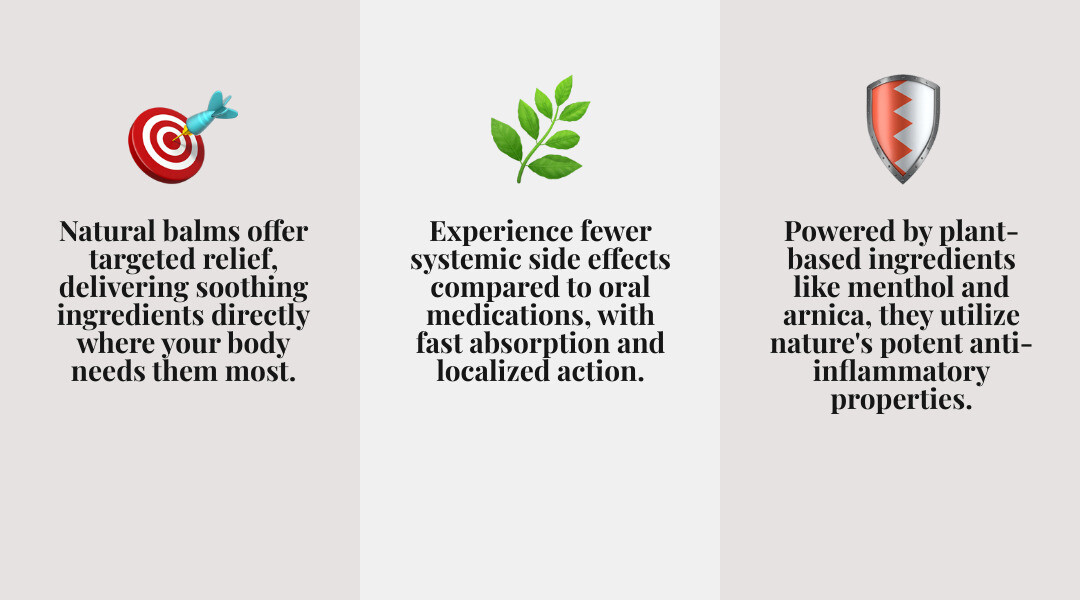
Natural pain relief balm basics:
The Science Behind Nature's Soothers: Key Ingredients Explained
Natural pain relief balm combines nature's most effective ingredients, each playing a specific role in soothing aches and pains. Many of these remedies are backed by science, offering relief by working with your body's natural processes. Let's explore the star players in these botanical balms.
Counterirritants: The Cooling & Warming Effect
Counterirritants create a cooling or warming sensation on the skin that distracts your brain from pain. By stimulating nerve endings, they effectively interrupt pain signals, providing a gentle, natural "switch" for your discomfort.
- Menthol: Extracted from peppermint oil, menthol creates a cooling sensation that can soothe sore muscles. It activates nerve endings in a way that may block pain signals from reaching the brain, making it a staple in topical pain relief.
- Camphor: Derived from camphor trees, this ingredient provides a cooling sensation followed by a mild warming effect. Camphor also acts as a topical analgesic, helping to alleviate localized pain.
- Methyl Salicylate: Found in wintergreen oil, this counterirritant produces a warming sensation that helps relieve muscle and joint pain. Studies show that counterirritants like camphor and menthol, when combined with analgesics like methyl salicylate, are more effective at combating pain.
These ingredients actively interrupt pain pathways. Our Neuropasil creams combine menthol with aloe and urea to deliver targeted, soothing relief. You can learn more about how we harness this power in Discover the Power of All Natural Relief.
Anti-Inflammatory Botanicals
Inflammation is a natural response to injury, but when it becomes chronic, it causes persistent pain. Anti-inflammatory botanicals help calm this response at the source.
- Arnica: A flower used for centuries to treat bruising, sprains, and muscle soreness. It's believed to reduce inflammation and swelling, making it a favorite among athletes.
- Turmeric: This golden spice contains curcumin, a potent anti-inflammatory compound studied for its ability to reduce inflammation. In a natural pain relief balm, it can help ease localized inflammatory pain.
- MSM (Methylsulfonylmethane): This organic sulfur compound is popular for joint health. MSM may be an effective agent against muscle soreness due to its anti-inflammatory effects, reducing oxidative stress that contributes to pain. Research supports its role in aiding recovery, as shown in studies on MSM for muscle soreness.
These ingredients help address inflammation, a root cause of pain, providing a gentle yet powerful path to relief.
Neuromodulators: Capsaicin and Cannabinoids
Some natural compounds directly interact with your nervous system to modify how you perceive pain.
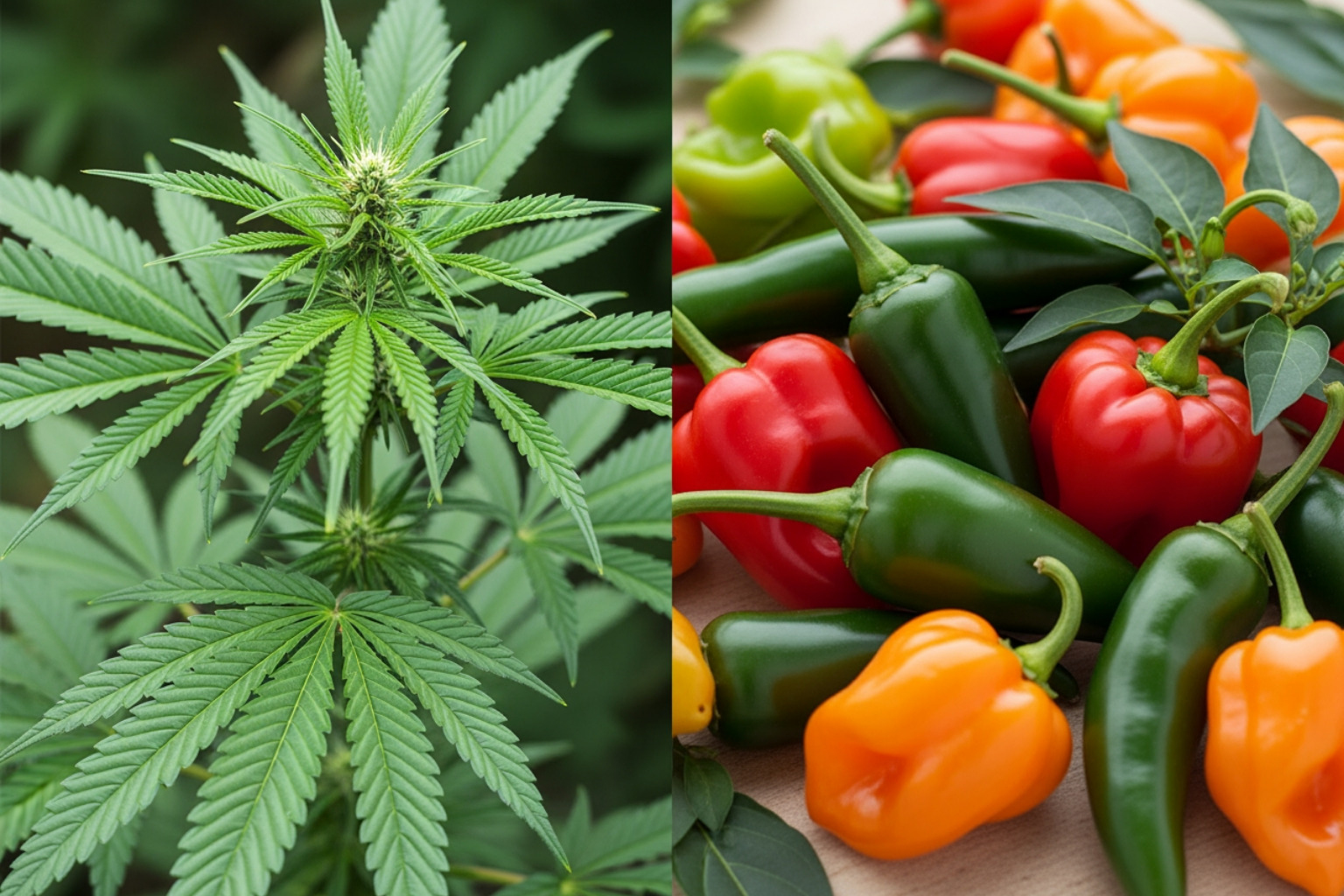
- Capsaicin: The compound that gives chili peppers their heat, capsaicin reduces pain by depleting Substance P, a neurotransmitter that sends pain signals to your brain. With repeated use, capsaicin can significantly reduce pain perception, and studies show it may help reduce back pain. Use capsaicin products carefully, as they can cause a burning sensation.
- CBD (Cannabidiol): A non-psychoactive compound from the hemp plant, CBD is gaining attention for pain relief. When applied topically, CBD interacts with cannabinoid receptors near the skin’s surface. This activates the body's endocannabinoid system (ECS) to help restore balance and soothe discomfort. Because it doesn't interact with CB1 receptors in the brain, it won't cause a "high." It's important to distinguish CBD from THC, the psychoactive compound in cannabis. Thanks to the 2018 Farm Bill, hemp-derived CBD products with less than 0.3% THC are federally legal and widely accessible for localized relief.
Choosing Your Ideal Natural Pain Relief Balm: What to Look For
With so many options, how do you pick the right natural pain relief balm? It's about finding an effective, safe tool for your specific needs, whether you're battling joint discomfort, muscle soreness, or everyday aches.
For Fast-Acting, Targeted Relief: Neuropasil Nerve & Muscle Pain Relief Cream
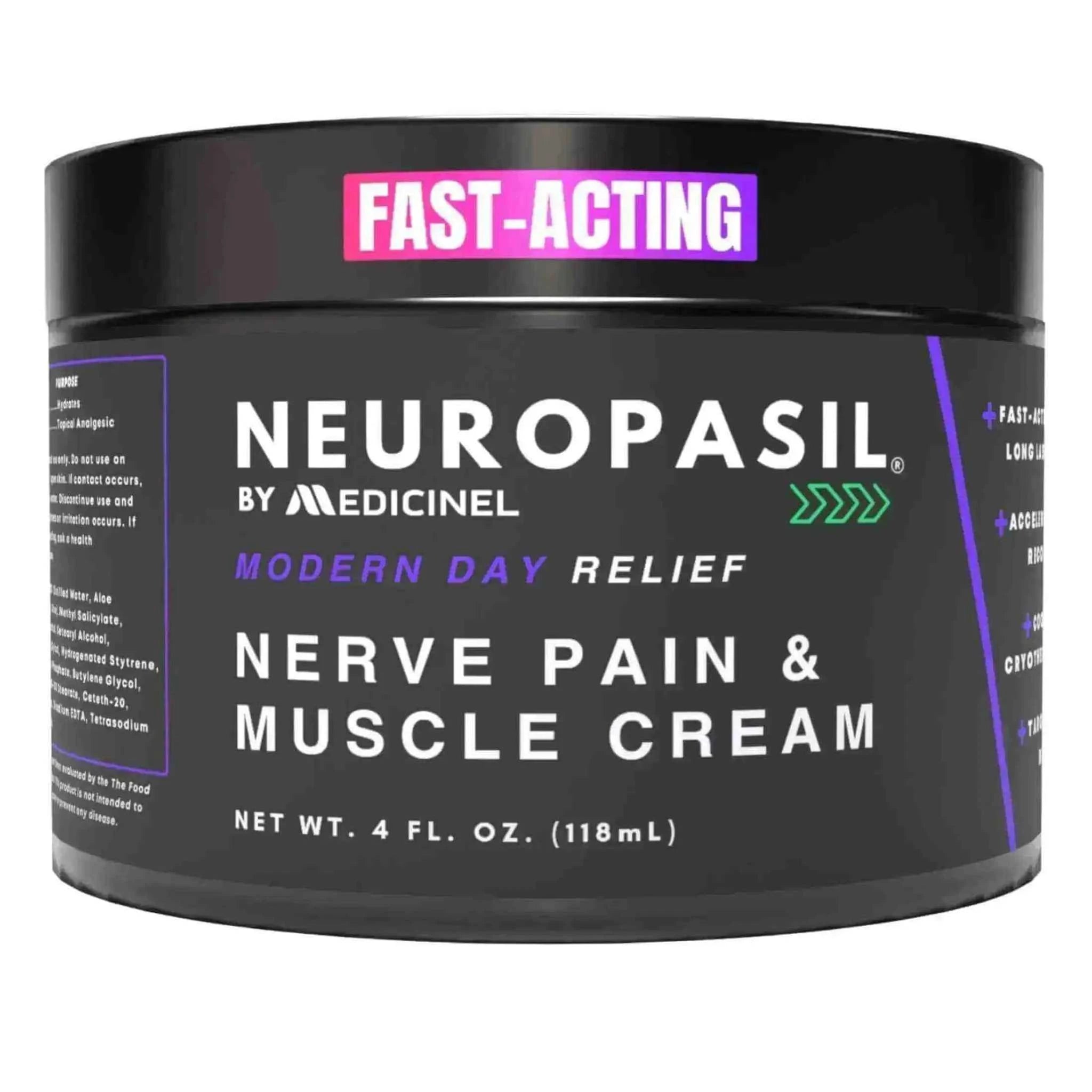
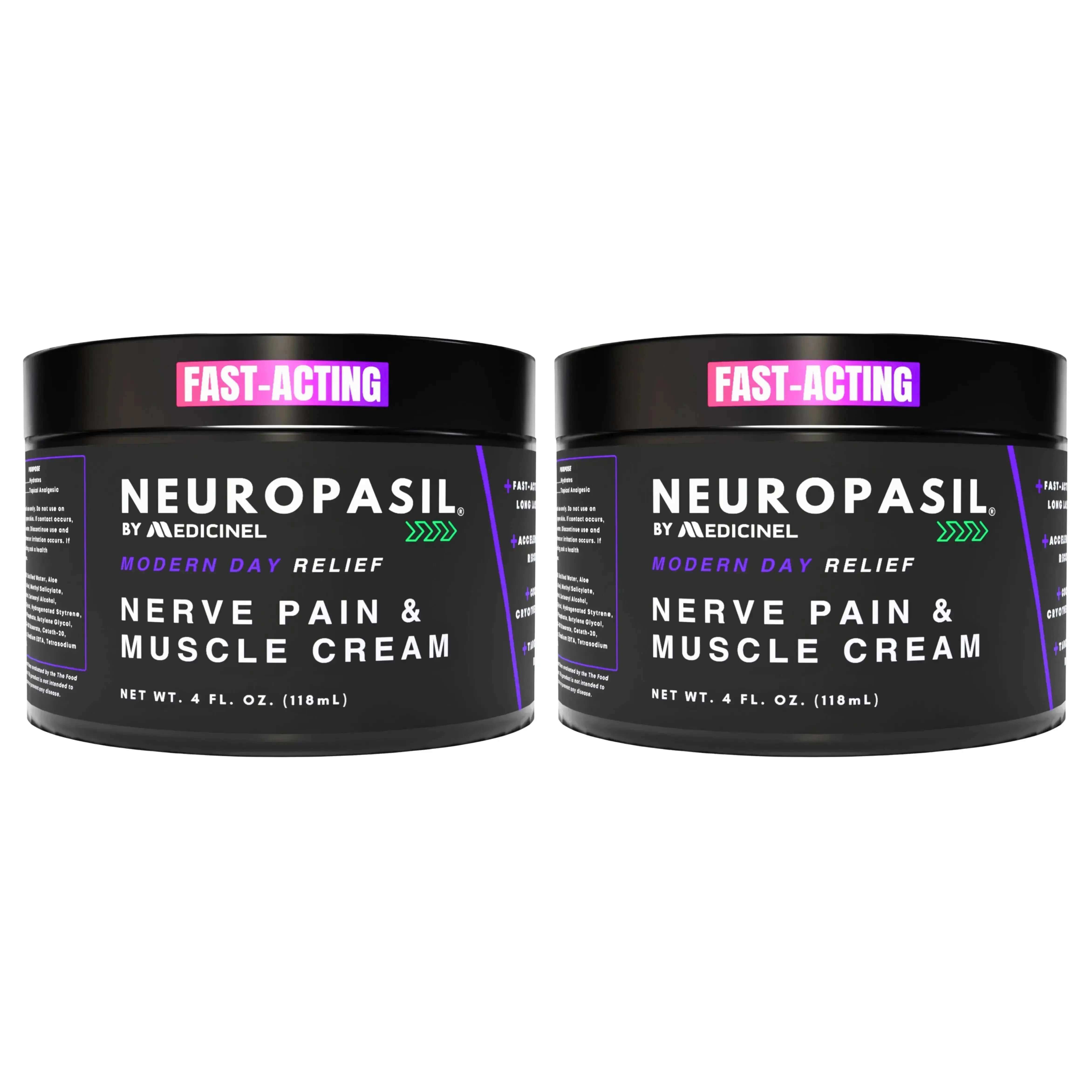
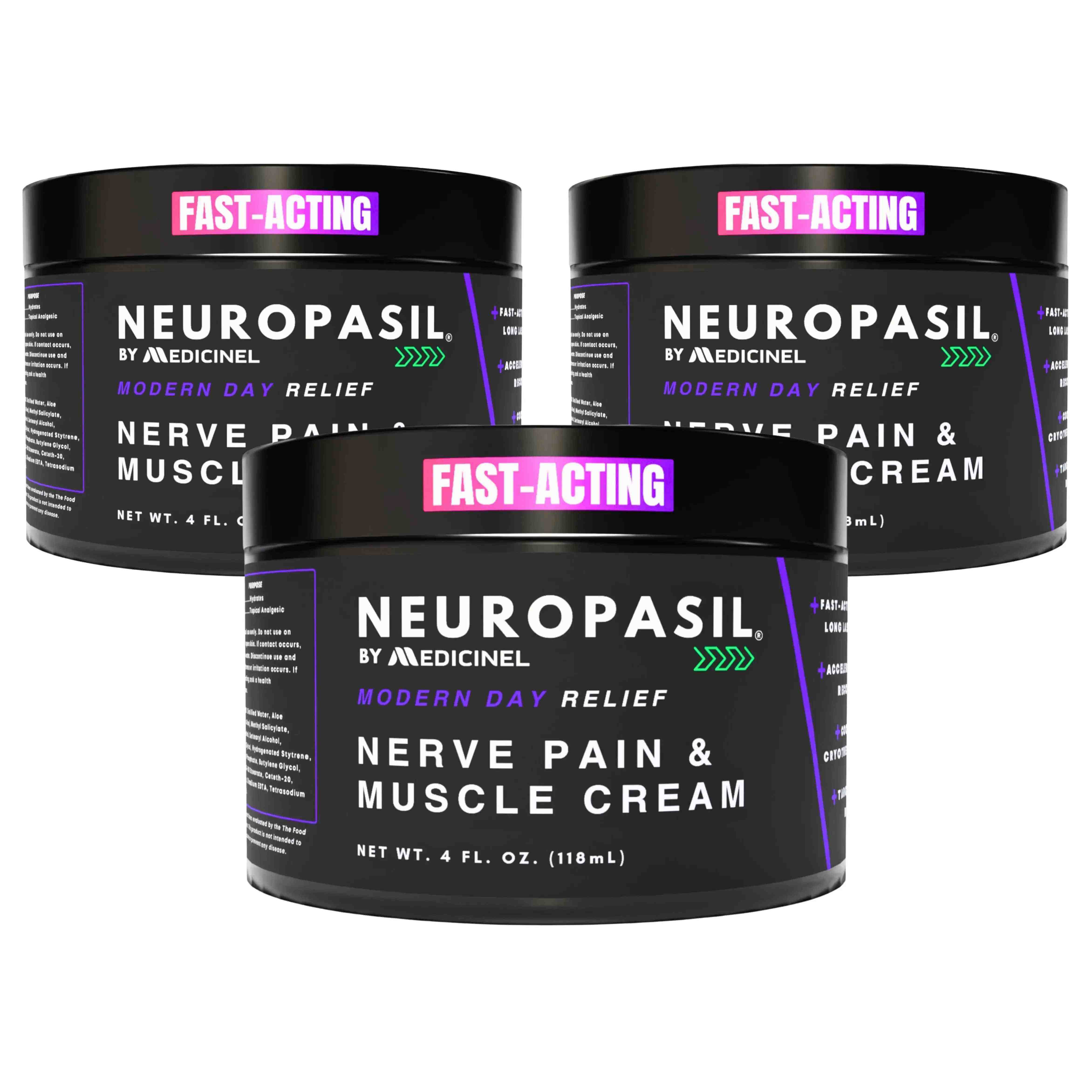
For quick relief that hits the spot, particularly for nerve pain and muscle aches, consider products like our Neuropasil Nerve & Muscle Pain Relief Cream. We designed it to leverage nature's best ingredients.
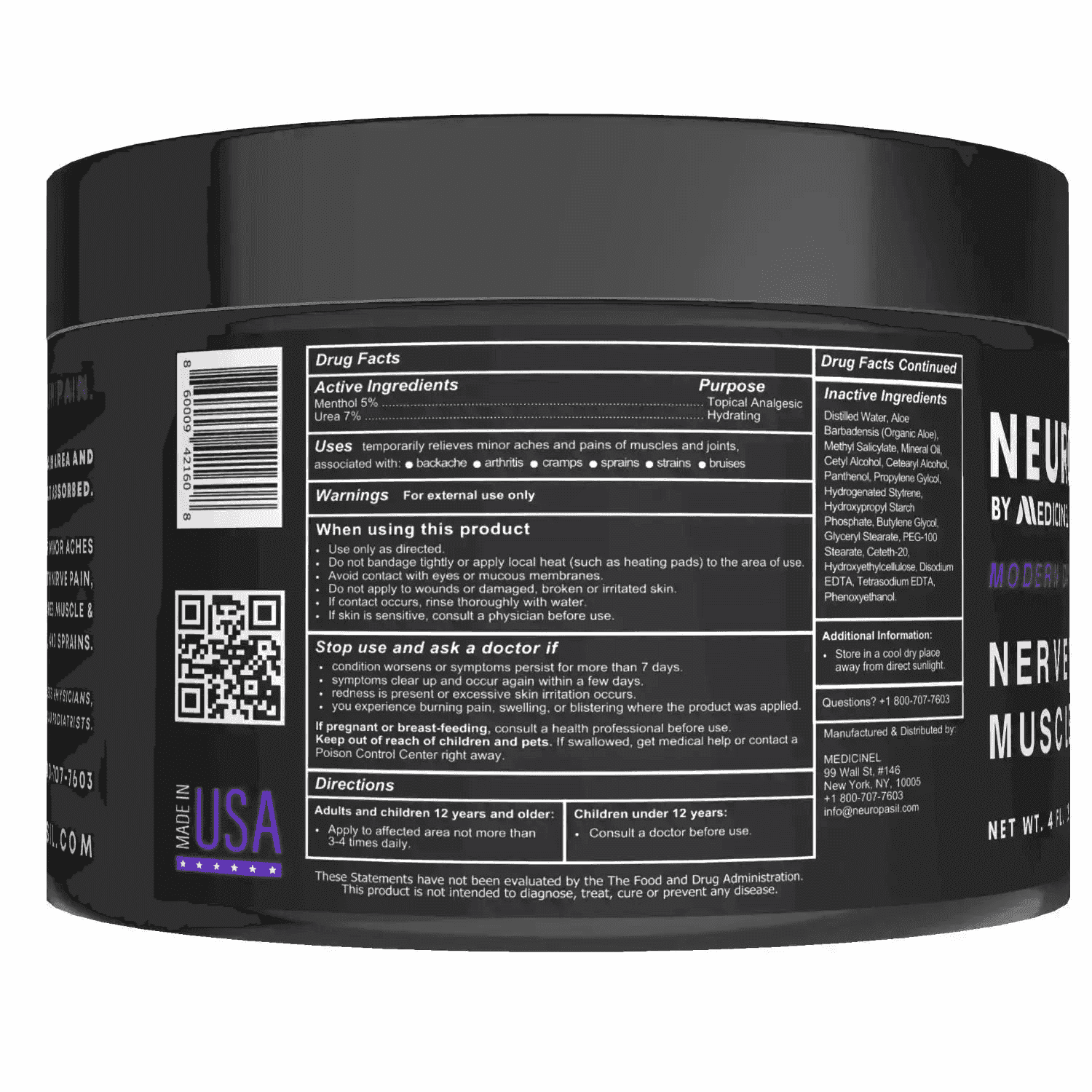
- Key Ingredients: Our formula combines Menthol, Aloe, and Urea. Menthol provides an immediate cooling sensation to distract from pain. Aloe Vera is renowned for its soothing properties, while Urea helps improve the absorption of other ingredients, making the balm more effective.
- Best For: Neuropasil is ideal for a wide range of pains, including neuropathy, sciatica, fibromyalgia, plantar fasciitis, strains, sprains, general aches, joint discomfort, back and neck pain, and cramps. Athletes also find it invaluable for recovering from sore muscles.
- How Neuropasil’s unique blend works: Our blend is crafted for fast, targeted relief. The menthol quickly engages nerve endings to block pain signals, while aloe and urea soothe and ensure deep penetration. This combination means you get relief where you need it most, quickly. You can dig deeper into the science here: How Neuropasil’s unique blend works.
- Pros: Neuropasil is non-greasy, fast-absorbing, and powered by plant-based ingredients. It's suitable for daily use without the heavy, sticky feeling of some other balms.
- Cons: As with most topicals, it's not for use on broken or irritated skin. We always recommend a patch test first.
For Sensitive Skin and Gentle Relief
If you have sensitive skin or prefer a milder approach, opt for balms formulated for gentleness.
- Look for: Balms that prioritize soothing botanicals like Aloe Vera, Shea Butter, and Jojoba Oil. If menthol is present, look for lower concentrations to avoid potential irritation.
- Ideal for: Individuals with skin sensitivities or allergies. These balms can still provide effective relief with a gentler touch. For more insights, check out our Tips for choosing gentle pain relief.
For Deep, Penetrating Muscle and Joint Support
For serious relief that reaches deep into muscles and joints, a powerful blend of ingredients is key.
- Balms with: A robust combination of menthol, camphor, and MSM are excellent choices. Menthol and camphor provide counterirritant action, while MSM brings its anti-inflammatory prowess.
- Best for: Athletes, active individuals, or anyone with chronic joint discomfort. The synergy of these ingredients allows for deeper relief. Studies show that combinations of counterirritants and analgesics are often more effective, highlighting how combined ingredients work better. Look for balms that also incorporate arnica for added anti-inflammatory benefits.
The best natural pain relief balm is the one that works for you. Pay attention to ingredients, read reviews, and don't be afraid to try a few options.
How to Use Balms Safely and Effectively for Maximum Benefit
Applying a natural pain relief balm might seem simple, but a few steps can significantly improve its effectiveness and ensure your safety.
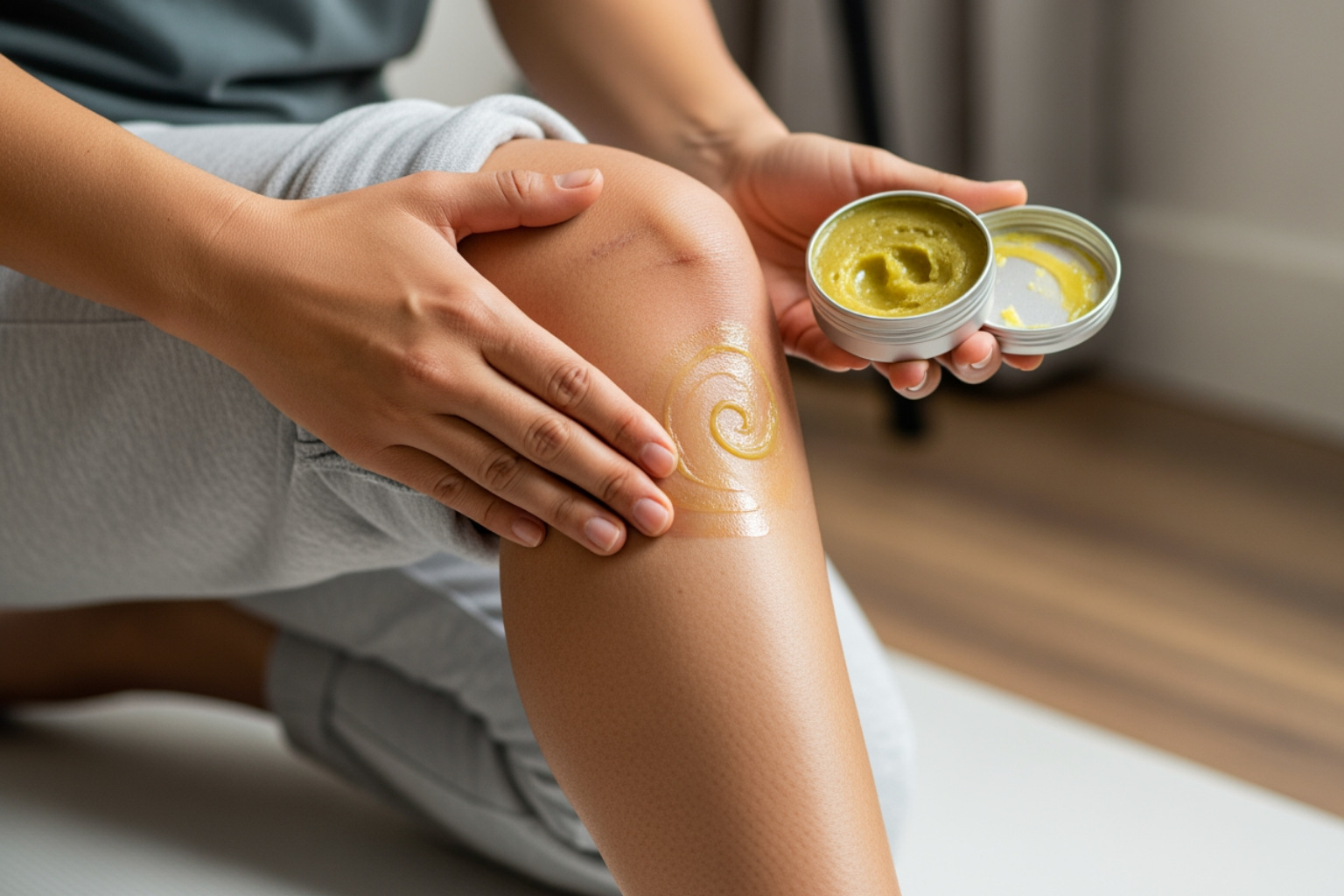
Application Steps
- Clean Skin is Key: Always start with clean, dry skin to help the balm absorb better.
- Start Small: Dispense a small amount of balm onto your fingertips. You can always add more if needed.
- Massage It In: Gently massage the balm into the affected area using circular motions. Massaging stimulates blood flow and helps the ingredients penetrate deeper. Continue until the balm is fully absorbed.
- Wash Your Hands: Unless treating your hands, wash them thoroughly with soap and water after application. This prevents accidental transfer of potent ingredients like menthol to your eyes or other sensitive areas.
The Importance of a Patch Test
Before using any new natural pain relief balm liberally, perform a patch test. Apply a tiny amount to a small area of skin (like your inner forearm) and wait 24 hours. If you experience any redness, itching, or irritation, discontinue use.
Recommended Frequency
Follow the product's specific instructions. Generally, most balms can be applied 3-4 times daily. Consistency is key for some ingredients, like capsaicin.
Precautions
- Avoid Broken Skin: Never apply balm to broken, cut, or irritated skin.
- Eyes and Mucous Membranes: Keep balms away from your eyes, nose, mouth, and other sensitive areas.
- No Heat Pads: Do not use heating pads or tight bandages over areas where you've applied a pain relief balm, as this can cause excessive heat and potential burns.
- Pregnancy and Breastfeeding: Consult your doctor before using any new topical products if you are pregnant, planning to become pregnant, or breastfeeding.
- Allergies: Be aware of any allergies to specific ingredients (e.g., chili peppers for capsaicin, aspirin for methyl salicylate).
- Storage: Store your balms in a cool, dark place to maintain their potency.
When to Consult a Doctor
While natural pain relief balm can be effective, seek professional medical advice if:
- Your pain worsens or persists for more than 7 days.
- Symptoms clear up and then return within a few days.
- You experience excessive skin irritation, severe burning, or blistering.
- You have underlying health conditions or are taking other medications.
For a comprehensive approach, always consider your overall health and consult professionals when in doubt. Our Practical Guide to Natural Pain Management offers further insights.
DIY Natural Pain Relief Balm: Create Your Own Custom Blend
For those who love a hands-on approach, crafting your own natural pain relief balm can be a rewarding and simple endeavor. It allows you to tailor ingredients to your specific needs, creating your perfect balm.
Your DIY Natural Pain Relief Balm Shopping List
Here’s a typical shopping list for a basic DIY balm. These ingredients are often found at health food stores or online.
-
Waxes (for consistency):
- Beeswax pellets: A classic choice for firmness.
- Candelilla Wax: A great vegan alternative.
-
Butters (for texture):
- Shea Butter: Deeply moisturizing and creamy.
- Cocoa Butter: Adds firmness and a natural scent.
-
Carrier Oils (to infuse ingredients):
- Coconut Oil: Contributes to balm consistency.
- Jojoba Oil: Excellent for absorption.
- Optional: Infused oils like Arnica Oil or a CBD-rich topical oil.
-
Active Ingredients (for pain relief):
- Menthol Crystals: Essential for the cooling, counterirritant effect.
-
Essential Oils (for scent and benefits):
- Eucalyptus Essential Oil: Invigorating and a mild analgesic.
- Peppermint Essential Oil: Contains menthol for additional cooling.
- Clove Essential Oil: Provides a warming sensation.
- Camphor Oil: Another counterirritant for cooling and warming.
Crafting Your Balm
Making your own balm gives you complete control. Here are the basic steps:
- Gather Your Tools: You'll need a kitchen scale, a double boiler, measuring spoons, a spatula, and clean, dark glass jars for storage.
- Melt Your Base: Gently heat your chosen wax, butter, and carrier oils in the double boiler until fully melted and blended.
- Add Menthol Crystals: Remove from heat and stir in menthol crystals until they are completely dissolved.
- Cool Slightly: Let the mixture cool for a few minutes so the essential oils don't evaporate when added.
- Incorporate Essential Oils: Add your chosen essential oils and stir thoroughly.
- Pour and Set: Carefully pour the liquid balm into your sterilized jars. Let them cool completely at room temperature until solid.
- Label and Store: Label your jars with the ingredients and date. Store in a cool, dark place.
For a specific recipe, including one for a CBD pain balm, you can find detailed instructions at A simple recipe to get you started. Always prioritize cleanliness and proper measurements for the best results.
Frequently Asked Questions
We often hear similar questions from those exploring natural pain relief balm options. Let's tackle some of the most common ones.
What's the difference between a balm, cream, and gel?
While all are topicals, their composition and feel differ:
- Balms: Oil-based and thick, often with wax. They create a protective barrier, allowing ingredients to penetrate slowly. They are excellent for targeted, long-lasting relief and massage but can feel greasy.
- Creams: A blend of oil and water, they have a lighter texture than balms and absorb well without a heavy residue, making them a popular choice for general use.
- Gels: Primarily water-based and non-greasy, they absorb very quickly. They provide a rapid cooling sensation and are ideal for those who prefer a lightweight feel.
Choosing between them often comes down to personal preference for texture and skin type.
Can I use a natural pain relief balm for chronic conditions like arthritis or sciatica?
Absolutely. A natural pain relief balm can be a valuable part of a pain management strategy for chronic conditions like arthritis, sciatica, and fibromyalgia. Ingredients like capsaicin, menthol, and MSM can provide temporary symptomatic relief, helping to manage daily discomfort and improve quality of life.
While they don't cure the underlying condition, they can reduce localized pain and inflammation. For instance, topical comfrey has been shown to be effective for osteoarthritis pain. Balms with menthol can offer considerable relief for nerve-related pains like sciatica. Many people find that using a balm allows them to reduce their reliance on oral medications. For more on this, explore Natural Ways to Treat Sciatica Pain at Home.
Are natural balms better than over-the-counter pain pills?
Both have their place, but a natural pain relief balm offers distinct advantages over conventional oral options.
Here's a quick comparison:
| Factor | Topical Balms (Natural & Conventional) | Oral Painkillers (e.g., Ibuprofen, Acetaminophen) |
|---|---|---|
| Speed of Relief | Often fast-acting for localized pain (e.g., menthol provides instant cooling) | Can take 30-60 minutes to take effect |
| Target Area | Targeted relief directly at the site of pain | Systemic relief, affecting the entire body |
| Systemic Side Effects | Generally minimal (localized skin irritation possible) | Can include systemic issues like stomach upset, liver/kidney problems, and heart risks. |
| Use Case | Best for localized muscle soreness, joint pain, nerve pain, sprains, bruises | Best for widespread pain, fever, or internal pain |
The primary benefit of a natural pain relief balm is its ability to provide targeted relief with fewer systemic risks. The active ingredients work locally without passing through your digestive system or liver, significantly reducing the chance of side effects common with oral painkillers.
However, for widespread or severe internal pain, oral medications are often more appropriate. The best choice depends on the type and severity of your pain. Many find that combining both—using a balm for localized aches and reserving pills for more severe issues—is the most effective strategy.
Conclusion: Finding the Right Natural Balm for Your Pain
Navigating pain relief can be daunting, but as we've explored, natural pain relief balm offers a compelling alternative or complement to conventional methods. The benefits are clear: targeted application, plant-powered ingredients, and a significantly lower risk of systemic side effects. From the distracting coolness of menthol to the deep anti-inflammatory action of arnica and the neuromodulating power of capsaicin and CBD, nature provides an incredible array of tools to help us manage discomfort.
We've digd into the science, demystified ingredients, and offered guidance on how to choose and use these balms safely and effectively. Whether you opt for a ready-made solution or start on a DIY adventure, empowering yourself with knowledge about these natural remedies is the first step towards a more comfortable, active life.
For a fast-acting, non-greasy formula designed for both nerve and muscle pain, Neuropasil's unique blend of Menthol, Aloe, and Urea offers soothing, targeted relief. We're passionate about helping you find comfort, naturally. We invite you to explore our full range of natural pain solutions and experience the difference for yourself. If you're ready to take the next step towards targeted relief, you can shop the top-rated Neuropasil Pain Relief Cream today. Your journey to natural comfort starts here.
References
Anand, P., & Bley, K. (2011). Topical capsaicin for pain management: therapeutic potential and mechanisms of action of the new high-concentration capsaicin 8% patch. British journal of anaesthesia, 107(4), 490–502. https://doi.org/10.1093/bja/aer260 Baswan, S. M., Klosner, A. E., Glynn, K., Rajgopal, A., Malik, K., Yim, S., & Stern, N. (2020). Therapeutic Potential of Cannabidiol (CBD) for Skin Health and Disorders. Clinical, cosmetic and investigational dermatology, 13, 927–942. https://doi.org/10.2147/CCID.S286411 Cleveland Clinic. (2023). 7 Health Benefits of Turmeric. Retrieved from https://health.clevelandclinic.org/turmeric-health-benefits/ Georgetown University Health Policy Institute. (n.d.). Chronic Back Pain. Retrieved from https://hpi.georgetown.edu/backpain/ Green, B. G. (1984). Menthol inhibits the perception of warmth. Physiology & behavior, 32(1), 137-44. https://www.ncbi.nlm.nih.gov/pubmed/6724430 Grube, B., Grünwald, J., Krug, L., & Staiger, C. (2013). Efficacy of a comfrey root (Symphyti offic. radix) extract ointment in the treatment of patients with painful osteoarthritis of the knee: results of a multicentre, randomised, double-blind, placebo-controlled trial. Phytomedicine, 20(1), 2-8. https://www.ncbi.nlm.nih.gov/pmc/articles/PMC3491633/ Higashi, Y., Kiuchi, T., & Furuta, K. (2010). Efficacy and safety profile of a topical methyl salicylate and menthol patch in adult patients with mild to moderate muscle strain: a randomized, double-blind, parallel-group, placebo-controlled, multicenter study. Clinical therapeutics, 32(1), 34-43. https://www.ncbi.nlm.nih.gov/pubmed/20171409 Keitel, W., Frerick, H., Kühn, U., Schmidt, U., Koscielny, J., & Voigt, E. (2004). Capsicum pain plaster in chronic non-specific low back pain. Arzneimittelforschung, 54(5), 251-6. https://www.ncbi.nlm.nih.gov/pubmed/17202897 Mount Sinai Health Library. (n.d.). Arnica. Retrieved from https://www.mountsinai.org/health-library/herb/arnica Pergolizzi, J. V., Taylor, R., LeQuang, J. A., & Raffa, R. B. (2018). The role and mechanism of action of menthol in topical analgesic products. Journal of clinical pharmacy and therapeutics, 43(3), 313–319. https://doi.org/10.1111/jcpt.12679 U.S. Food and Drug Administration. (2020). FDA Regulation of Cannabis and Cannabis-Derived Products, Including Cannabidiol (CBD). Retrieved from https://www.fda.gov/news-events/public-health-focus/fda-regulation-cannabis-and-cannabis-derived-products-including-cannabidiol-cbd U.S. Food and Drug Administration. (2022). Getting to Know Your NSAIDs. Retrieved from https://www.fda.gov/consumers/consumer-updates/getting-know-your-nsaids van der Merwe, J., & Bloomer, R. J. (2016). The Influence of Methylsulfonylmethane on Inflammation-Associated Cytokine Release before and following Strenuous Exercise. Journal of sports medicine (Hindawi Publishing Corporation), 2016, 7498359. https://www.ncbi.nlm.nih.gov/pmc/articles/PMC5372953/