Reclaiming Your Life from Chronic Pain
Pain can disrupt every aspect of life. For those seeking alternatives to conventional medicine, natural pain management offers powerful ways to find relief without relying solely on prescription drugs. Chronic pain is a common condition, affecting nearly 30% of Americans over 65, and many are turning to holistic options for safer, long-term solutions.
Effective natural pain management combines several key approaches:
- Herbal Remedies: Anti-inflammatory herbs like turmeric and ginger.
- Lifestyle Changes: Gentle exercise, a healthy diet, and stress reduction.
- Mind-Body Techniques: Meditation, deep breathing, and mindfulness.
- Therapeutic Practices: Acupuncture, massage, and chiropractic care.
- Topical Applications: Creams with ingredients like menthol for targeted relief.

I'm Tony Enrico, and my passion is helping people find comfort. With Neuropasil, we are committed to providing effective natural pain management solutions. This guide will help you understand your pain and explore evidence-based strategies for lasting relief.
Understanding Your Pain and Your Body's Natural Defenses
Pain is your body's alarm system. Acute pain is a sharp, immediate warning, like when you stub your toe. Chronic pain is different; it's an alarm that doesn't turn off, lasting 12 weeks or more, long after an initial injury has healed. It can affect your mood, sleep, and quality of life. This is a widespread issue, with roughly 20% of adults worldwide experiencing chronic pain.
Inflammation is often a key factor. While acute inflammation helps heal injuries, chronic inflammation can cause persistent pain. Fortunately, your body has its own internal pharmacy. Your brain produces endorphins, which are natural painkillers similar to opioids. Learning to boost these endorphins is a cornerstone of natural pain management. One of the most studied is Beta-endorphin, known for creating the "runner's high."
Pain can also trigger the body's "fight-or-flight" response, leading to muscle tension and exhaustion. By activating the parasympathetic nervous system, our built-in "rest and restore" mode, we can calm the body and manage pain more effectively.
How to Stimulate Endorphin Production
You can naturally boost your body's pain-fighting chemicals in several enjoyable ways:
- Exercise: Moderate activity like a brisk walk releases endorphins. Find movement that feels good without causing more pain.
- Laughter: A genuine laugh triggers endorphin release, improving mood and easing discomfort.
- Meditation: This practice quiets the mind, reduces stress, and stimulates endorphin production.
- Acupuncture: This ancient practice is believed to stimulate the release of endorphins and other natural pain-relieving chemicals.
- Massage Therapy: A good massage calms stress, eases muscle tension, and releases endorphins.
- Sunlight: Safe exposure to sunlight can stimulate beta-endorphin release in the skin.
Mind-Body Techniques to Calm the Nervous System
Your brain is a powerful tool in managing pain. These techniques help shift your nervous system from a stressed state to a calm, restorative one.

- Diaphragmatic breathing: Also known as belly breathing, this simple technique involves slow, deep breaths that expand your belly. It relaxes muscles and calms your stress response.
- Box breathing: Inhale for a count of four, hold for four, exhale for four, and hold for four. This helps regain control when pain or stress feels overwhelming.
- Guided imagery: Mentally transport yourself to a peaceful place, engaging all your senses. This distracts your brain from pain signals.
- Progressive muscle relaxation: Systematically tense and then relax different muscle groups to release hidden tension throughout your body.
- Mindfulness meditation: Pay attention to the present moment without judgment. By observing pain as just another sensation, you can reduce its power over you.
Ingestible Remedies: Fighting Pain from the Inside Out
What you eat can either fuel inflammation or help calm it. An anti-inflammatory diet is a cornerstone of natural pain management, giving your body the nutrients it needs to fight pain from within. Focus on incorporating foods that naturally reduce inflammation while limiting those that trigger it, like items high in sugar, salt, and unhealthy fats.
Key anti-inflammatory foods include:
- Omega-3 fatty acids: Found in fatty fish (salmon, mackerel), flaxseeds, and walnuts.
- Leafy greens: Spinach and kale are packed with antioxidants.
- Berries: Blueberries and strawberries contain antioxidants that protect cells.
- Nuts and whole grains: Almonds, walnuts, oats, and brown rice help keep inflammation in check.

Don't forget hydration. Staying well-hydrated is essential for flushing out toxins and keeping joints lubricated.
Key Herbal Supplements for Natural Pain Management
Herbal remedies have been used for centuries to manage pain and inflammation. Modern science is increasingly validating their use, offering safer alternatives for long-term management. While promising, scientific research on herbal medicine for pain is still evolving.
- Turmeric: Its active compound, curcumin, is a potent anti-inflammatory. For better absorption, take it with black pepper.
- Ginger: Contains compounds that block inflammatory pathways. It can help with muscle soreness and menstrual pain.
- Boswellia (Frankincense): This tree resin has strong anti-inflammatory properties, particularly beneficial for joint pain.
- Devil's Claw: Known for its anti-inflammatory and pain-relieving effects, especially for back pain and osteoarthritis.
- White Willow Bark: Often called "nature's aspirin," it contains salicin, which the body converts into the pain-relieving compound salicylic acid.
Safety and Side Effects of Herbal Remedies
"Natural" does not automatically mean "safe." The supplement market is largely unregulated, and herbs can have side effects or interact with prescription medications.
- Drug Interactions: Always discuss supplements with your doctor or pharmacist. For example, herbs like ginger and turmeric can affect blood clotting and may interact with blood thinners.
- Quality: Choose reputable brands that use third-party testing to ensure purity and potency.
- Listen to Your Body: Pay attention to how you react to any new remedy. If you experience adverse effects, stop taking it and consult a healthcare professional.
Herbal remedies are generally better suited for managing chronic pain rather than acute injuries. A conversation with a qualified health professional is the smartest first step before adding any supplement to your routine.
Topical vs. Ingested: Targeted Relief Where You Need It Most
When seeking natural pain management, you can choose between internal remedies (ingested) and external applications (topical). Both are valuable, and knowing when to use each can make a huge difference.
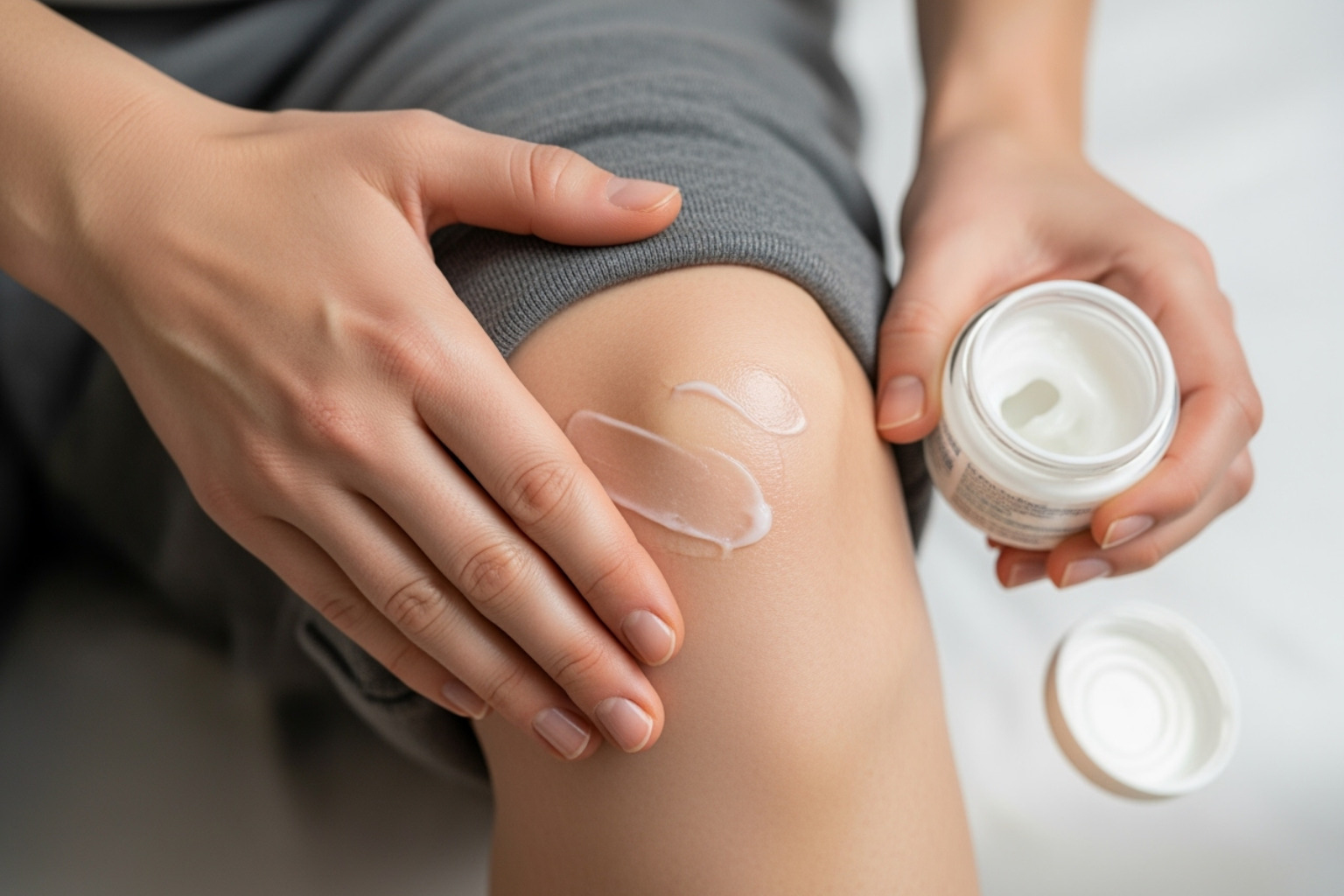
Ingested remedies, like supplements and anti-inflammatory foods, work systemically. They travel through your bloodstream to address widespread inflammation, but they take time to work and can sometimes cause side effects.
Topical pain relievers offer a different, more direct approach. You apply them right where it hurts, delivering active ingredients through the skin to the nerve endings and muscles underneath. This provides fast, targeted relief with a much lower risk of systemic side effects. This localized action is especially powerful for nerve pain, muscle aches, and joint discomfort. Many people find that combining both topical and ingested remedies creates the most comprehensive pain management strategy.
Effective Topical Ingredients for Natural Pain Management
Many natural ingredients provide powerful topical pain relief. Here are some of the most effective ones to look for:
- Menthol: Creates a cooling sensation that interrupts pain signals to the brain, offering fast relief for muscle aches.
- Aloe Vera: Soothes localized inflammation and nourishes the skin, creating an ideal base for other active ingredients.
- Urea: Helps other active ingredients penetrate deeper into the skin while also keeping it hydrated.
- Capsaicin: Derived from chili peppers, it desensitizes nerve endings over time, making it valuable for neuropathic pain.
- Arnica: A traditional remedy for bruises, sprains, and muscle soreness that helps reduce inflammation and swelling.
- Peppermint Oil: Provides a cooling, analgesic effect similar to menthol, useful for tension headaches and sore muscles.
Conditions that may respond well to targeted topical relief include Neuropathy, Sciatica, Fibromyalgia, Plantar Fasciitis, Sore Muscles, and Joint Discomfort.
Choosing the Right Topical Cream
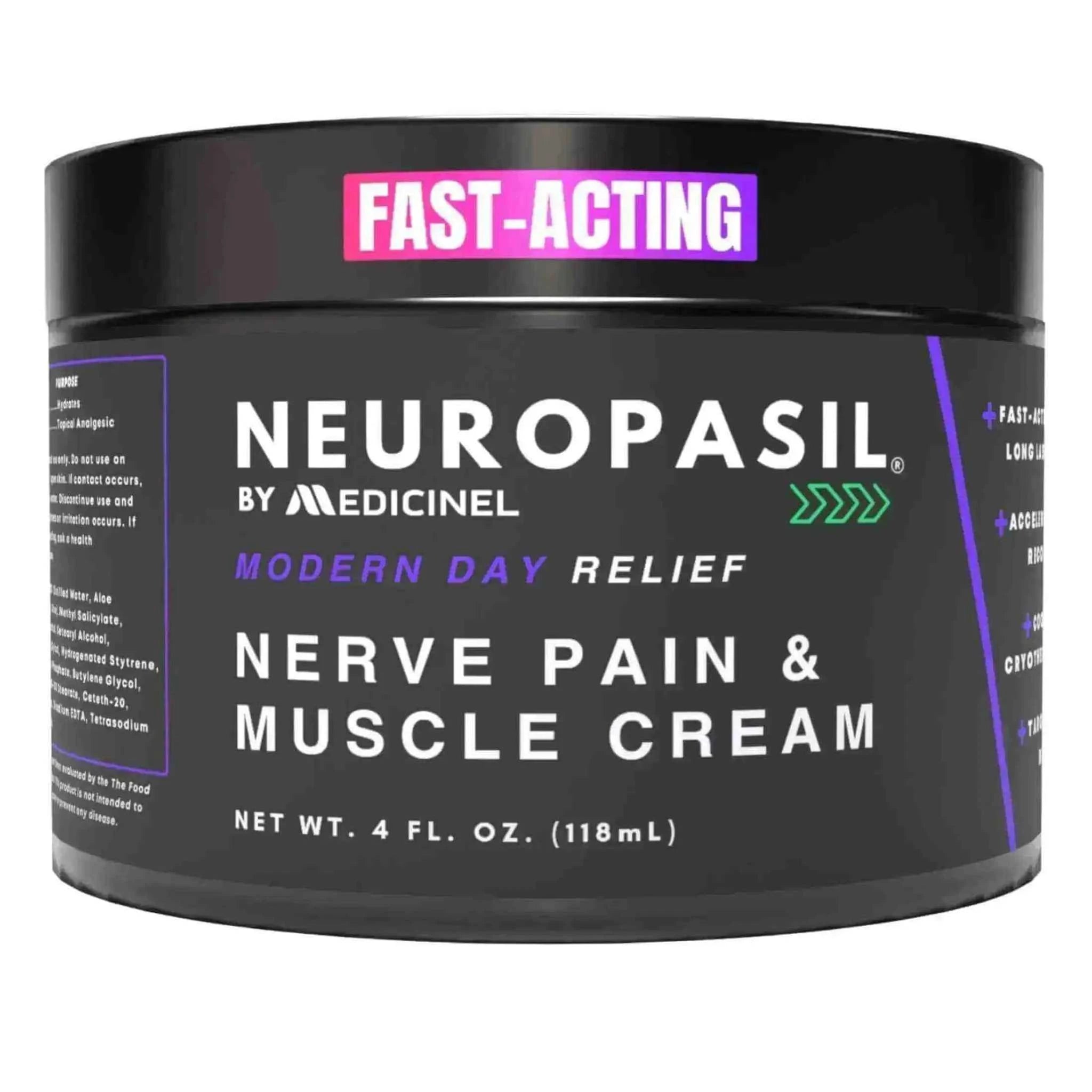
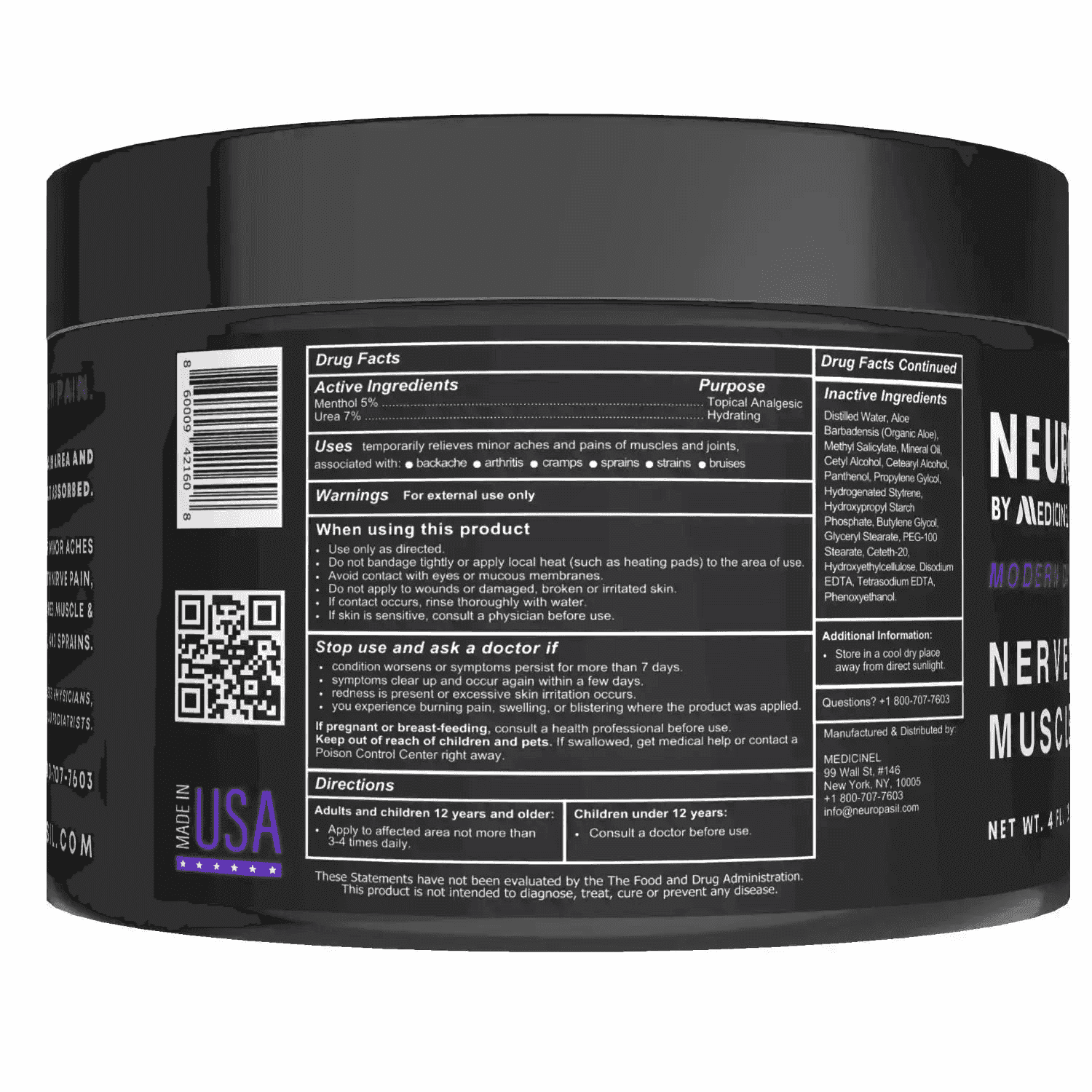
When choosing a cream, look for a fast-acting formula with proven ingredients. At Neuropasil, we formulated our creams with a powerful combination of Aloe, Urea, and Menthol to deliver soothing, targeted relief. Our customers rely on Neuropasil for everything from neuropathy and sciatica to everyday muscle soreness. Our Nerve Pain Relief Cream is specifically designed to address the shooting, burning sensations of nerve pain. The beauty of topical solutions is their simplicity, safety, and ability to deliver relief right where you need it, without stressing your digestive system.
Evidence-Based Therapies for Holistic Pain Control
Natural pain management extends beyond what you ingest or apply to your skin. Evidence-based physical therapies that treat the whole person can be transformative by using the powerful mind-body connection.
Acupuncture for Pain Relief
Acupuncture is an ancient Chinese practice where a trained practitioner inserts thin, sterile needles into specific points on the body. This stimulation prompts the nervous system to release natural pain-relieving chemicals like endorphins. Research supports its use for chronic low-back pain, osteoarthritis, and migraines. Always seek a licensed and experienced practitioner.
The Power of Touch: Massage and Chiropractic Care
Hands-on therapies can provide significant relief from pain.

- Massage therapy is more than a luxury; it's a legitimate pain management tool. It eases muscle knots, improves blood flow, and reduces stress hormones. Studies suggest massage can be highly effective for some types of chronic pain.
- Chiropractic care focuses on the musculoskeletal system, particularly the spine. Chiropractors use manual adjustments to correct misalignments that may be putting pressure on nerves and causing pain. It is often recommended for back pain, neck pain, and headaches.
Movement as Medicine: Exercise and Yoga
While it may seem counterintuitive, gentle movement is one of the most powerful tools in natural pain management. The key is to listen to your body and avoid pushing through pain.
- Low-impact exercises like swimming and walking boost endorphins and improve circulation without stressing sore joints.
- Gentle stretching lengthens tight muscles, improves flexibility, and can restore range of motion, which is crucial if pain stems from poor posture or old injuries.
- Yoga therapy combines physical postures, breathing exercises, and meditation to address pain from multiple angles. It improves flexibility, strengthens core muscles, and promotes deep relaxation. The American College of Physicians lists it as a first-line treatment for chronic low-back pain.
Creating Your Integrated Pain Management Plan
Effective natural pain management isn't about a single magic bullet; it's about creating a personalized toolkit by weaving together multiple strategies. The most successful plans involve collaborating with your doctor, setting realistic goals, and tracking your symptoms to identify patterns.
Combining strategies often yields the best results. For example, you might pair a daily turmeric supplement with weekly acupuncture, or apply Neuropasil cream before a gentle walk. Finding a support group can also be incredibly helpful; organizations like The Pain Toolkit offer valuable resources and community.
How to Talk to Your Doctor
Be an active participant in your healthcare. To have a productive conversation with your doctor:
- Prepare for your appointment: Write down details about your pain—what it feels like, where it is, and what makes it better or worse.
- List all your remedies: Include every herb, supplement, and cream you use, with dosages. This is crucial for your safety.
- Ask about interactions: Directly ask if the natural remedies you're considering could interfere with your prescription medications.
- Consider an expert: If your doctor is not well-versed in natural approaches, consider finding an integrative medicine professional who can help blend the best of both worlds.
A Sample Daily Routine for Natural Pain Management
Craft a routine that works for you. Here are some ideas to inspire your pain-smart day:
- Morning: Start with 10-15 minutes of gentle stretching, followed by an anti-inflammatory breakfast like a berry smoothie or oatmeal.
- Mid-day: Take a 20-30 minute mindful walk to boost endorphins. Pause for 5 minutes of deep breathing exercises to manage stress.
- As Needed: Apply a topical cream like Neuropasil to any areas where localized pain flares up for fast, targeted relief.
- Evening: Unwind with 15-20 minutes of gentle yoga or restorative stretches.
- Night: Prioritize 7-9 hours of quality sleep by maintaining a consistent schedule in a cool, dark, quiet room.
Consistency is more important than perfection. The goal is to build sustainable habits that help you live with less pain.
Frequently Asked Questions about Natural Pain Management
Many people have questions about starting their natural pain management journey. Here are concise answers to some of the most common ones.
What are the most effective natural remedies for nerve pain?
For localized nerve pain (burning, tingling, or shooting sensations), topical agents are often highly effective. Ingredients like menthol create a cooling sensation that distracts from pain signals, while capsaicin can desensitize nerve endings over time. Our Neuropasil cream is specifically formulated with menthol to target nerve pain. Systemically, some people find relief with supplements like Alpha-Lipoic Acid (ALA) and B-vitamins, which support nerve health. Gentle exercise and an anti-inflammatory diet are also crucial for long-term management.
How long does it take for natural pain relievers to work?
This varies significantly. Topical relievers like creams with menthol can provide relief within minutes because they are applied directly to the source of pain. Mind-body techniques like deep breathing can also offer immediate shifts in pain perception. In contrast, ingested supplements and dietary changes require more patience. It can take several weeks of consistent use for these remedies to build up in your system and produce a noticeable, sustained effect. Consistency is key for all long-term natural strategies.
Can I use natural remedies alongside my prescription pain medication?
This is a critical safety question. You must speak with your doctor or pharmacist before combining any natural remedies with prescription medications. "Natural" does not mean risk-free. Some herbs and supplements can have serious interactions with drugs, potentially making them less effective, too strong, or amplifying side effects. For example, herbs that thin the blood can increase bleeding risk if you're already on blood thinners. Your healthcare provider can give you personalized advice to ensure your pain management plan is both effective and safe.
Conclusion: A Proactive Approach to a Pain-Free Life
Living with pain doesn't mean surrendering control. As we've explored, natural pain management provides a diverse toolkit, blending ancient wisdom with modern science, to help you reclaim your vitality. You can activate your body's own pain-fighting endorphins, reduce inflammation through diet, and find relief with evidence-based therapies like acupuncture and yoga.
The power of this approach lies in its flexibility. You can fight pain from the inside out with supplements like turmeric or get targeted, fast-acting relief right where it hurts with a topical solution. Products like Neuropasil, formulated with menthol, aloe, and urea, deliver comfort directly to sore muscles and irritated nerves without systemic side effects.
By creating a personalized plan, you are taking an active role in your health. You are building sustainable habits—from gentle stretching to mindful breathing—that support your body's natural healing abilities. This journey is about progress, not perfection. It's about moving toward a life where pain no longer dictates your day.
Ready to take the first step toward a more comfortable life? Find fast-acting topical relief for your pain with Neuropasil and find what's possible when you work with your body, not against it.
References / Sources
When exploring new paths to well-being, especially in natural pain management, having trustworthy information is absolutely essential. We believe in providing you with insights grounded in reputable research and expert advice. The strategies and facts shared throughout this guide come from a variety of respected institutions and scientific studies, helping you feel confident in the steps you take towards a more comfortable life. Here are the sources that helped shape our understanding and recommendations:
- Centers for Disease Control and Prevention (CDC). "Chronic Pain and High-Impact Chronic Pain Among U.S. Adults, 2019." https://www.cdc.gov/nchs/products/databriefs/db390.htm
- International Association for the Study of Pain (IASP). "The Global Burden of Pain." https://www.iasp-pain.org/resources/fact-sheets/the-global-burden-of-pain/
- Harvard Health Publishing. "Endorphins: The brain's natural pain reliever." https://www.health.harvard.edu/mind-and-mood/endorphins-the-brains-natural-pain-reliever
- Cleveland Clinic. "Parasympathetic Nervous System (PSNS)." https://my.clevelandclinic.org/health/body/23266-parasympathetic-nervous-system-psns
- Healthline. "How to Hack Your Hormones for a Better Mood." https://www.healthline.com/health/happy-hormone
- Cleveland Clinic. "Diaphragmatic Breathing." https://my.clevelandclinic.org/health/articles/9445-diaphragmatic-breathing
- National Center for Biotechnology Information (NCBI). "Herbal Medicine for Pain Management: Efficacy and Drug Interactions." https://www.ncbi.nlm.nih.gov/pmc/articles/PMC7914534/
- National Center for Complementary and Integrative Health (NCCIH). "Turmeric." https://www.nccih.nih.gov/health/turmeric
- National Center for Complementary and Integrative Health (NCCIH). "Ginger." https://www.nccih.nih.gov/health/ginger
- National Center for Complementary and Integrative Health (NCCIH). "Boswellia." https://www.nccih.nih.gov/health/boswellia
- National Center for Complementary and Integrative Health (NCCIH). "Devil's Claw." https://www.nccih.nih.gov/health/devils-claw
- Mount Sinai Health Library. "Willow Bark." https://www.mountsinai.org/health-library/herb/willow-bark
- National Center for Complementary and Integrative Health (NCCIH). "Using Dietary Supplements Wisely." https://www.nccih.nih.gov/health/using-dietary-supplements-wisely
- National Center for Biotechnology Information (NCBI). "Topical Menthol for Chronic Pain." https://www.ncbi.nlm.nih.gov/pmc/articles/PMC6356422/
- National Center for Complementary and Integrative Health (NCCIH). "Aloe Vera." https://www.nccih.nih.gov/health/aloe-vera
- National Center for Biotechnology Information (NCBI). "Urea as a Topical Agent." https://www.ncbi.nlm.nih.gov/pmc/articles/PMC5849509/
- National Center for Complementary and Integrative Health (NCCIH). "Capsaicin." https://www.nccih.nih.gov/health/capsaicin
- National Center for Complementary and Integrative Health (NCCIH). "Arnica." https://www.nccih.nih.gov/health/arnica
- National Center for Complementary and Integrative Health (NCCIH). "Peppermint Oil." https://www.nccih.nih.gov/health/peppermint-oil
- National Center for Complementary and Integrative Health (NCCIH). "Acupuncture: In Depth." https://www.nccih.nih.gov/health/acupuncture-in-depth
- National Center for Biotechnology Information (NCBI). "Massage Therapy for Chronic Pain." https://www.ncbi.nlm.nih.gov/pmc/articles/PMC3025463/
- American College of Physicians (ACP). "Noninvasive Treatments for Acute, Subacute, and Chronic Low Back Pain: A Clinical Practice Guideline." https://www.acpjournals.org/doi/10.7326/M16-2367
- The Pain Toolkit. https://www.paintoolkit.org/
- University of Arizona, Andrew Weil Center for Integrative Medicine. "Find a Provider." https://integrativemedicine.arizona.edu/alumni.html
- National Institute of Diabetes and Digestive and Kidney Diseases (NIDDK). "Peripheral Neuropathy." https://www.niddk.nih.gov/health-information/diabetes/overview/preventing-problems/nerve-damage-diabetic-neuropathies/peripheral-neuropathy
- Neuropasil. Product and blog pages. https://www.neuropasil.com/