Why Recognizing Signs of Hamstring Pull Matters Fast
Signs of hamstring pull are critical to identify early so you can treat the injury properly and avoid making it worse. Whether you're an athlete mid-training or someone who just felt something "go wrong" in the back of your thigh, knowing what to look for can mean the difference between a quick recovery and months of pain.
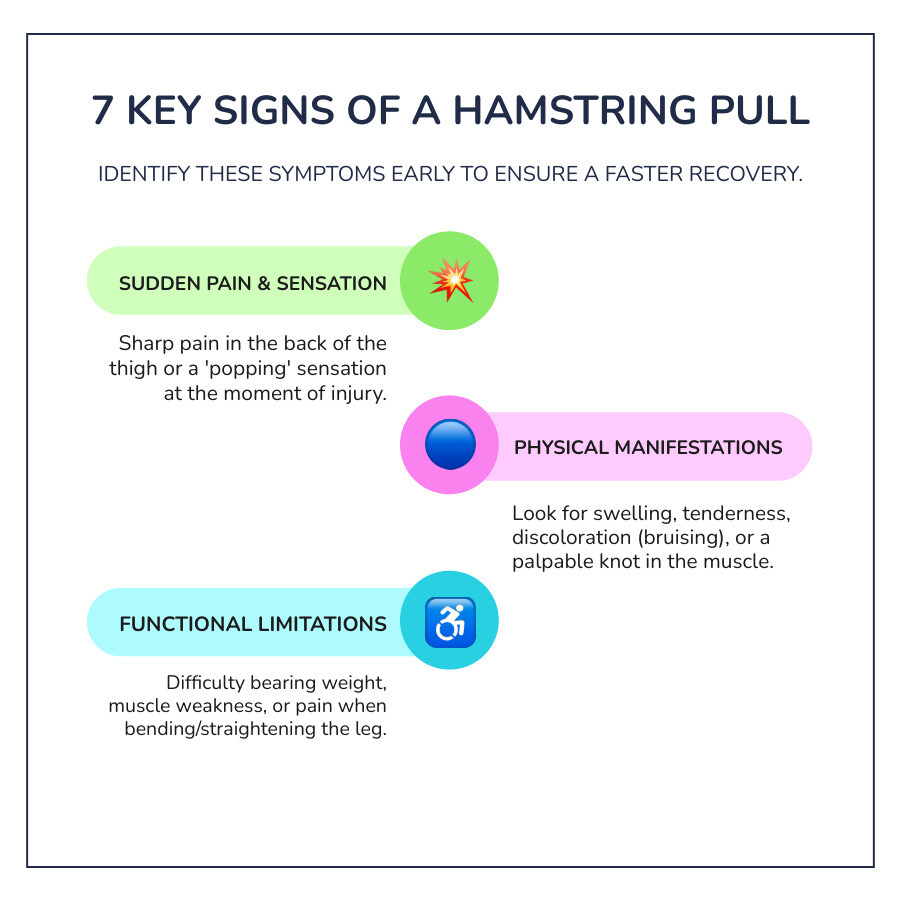
According to medical sources like the Mayo Clinic and the NHS, the most common signs of a hamstring pull include:
- Sudden, sharp pain in the back of the thigh during activity
- A popping or tearing sensation at the moment of injury
- Swelling and tenderness that develops within hours
- Bruising or discoloration along the back of the leg
- Muscle weakness or difficulty bearing weight
- Pain when bending or straightening the knee
- A palpable knot or visible muscle spasm
These symptoms can range from mild discomfort to severe, debilitating pain depending on the grade of the injury. The severity is often graded from 1 to 3. Grade 1 strains might heal in days with rest, while Grade 3 tears—where the muscle completely ruptures—can require surgery and months of rehabilitation, as detailed by orthopedic resources like the Cleveland Clinic.
Hamstring injuries are especially common in sports that involve sprinting, sudden stops, or explosive movements like soccer, basketball, football, and track. But you don't have to be an elite athlete to experience one. Poor warm-up routines, muscle imbalances, fatigue, and even age can increase your risk.
The good news? Most hamstring pulls respond well to early intervention. Recognizing the signs of hamstring pull quickly allows you to start treatment right away—whether that's rest, ice, compression, or topical relief creams that reduce pain and inflammation.
I'm Tony Enrico, and after years of helping athletes and active adults manage muscle and nerve pain, I've seen how identifying signs of hamstring pull early can transform recovery outcomes. Understanding what's happening in your body is the first step toward getting back to the activities you love.
Relevant articles related to signs of hamstring pull:
7 Key Signs of a Hamstring Pull
When our bodies experience an injury, they often send us clear signals. A hamstring pull is no different. Knowing these primary indicators can help us assess the situation quickly and take appropriate action. Let’s dive into the specifics of what to look for, with these signs being widely recognized by health organizations such as the American Academy of Orthopaedic Surgeons (AAOS).
1. A Sudden, Sharp Pain
One of the most immediate and undeniable signs of hamstring pull is a sudden, sharp pain in the back of the thigh. This often occurs during high-intensity activities like sprinting, jumping, or sudden changes in direction. Imagine you're mid-stride in a run, and suddenly, it feels like someone just kicked you in the back of the leg. That's a classic indicator. This sudden onset of pain is a direct result of the muscle fibers being stretched or torn beyond their capacity. According to the Mayo Clinic, this sharp pain is a hallmark symptom of a hamstring injury.
2. A "Popping" or Tearing Sensation
Sometimes, the injury isn't just felt as pain; it's also accompanied by a distinct sound or sensation. Many individuals report hearing or feeling a "pop" or a "snapping sensation" at the exact moment the injury occurs. This can also manifest as a feeling of something "tearing" inside your thigh. This particular sign suggests a more severe injury, indicating that a significant number of muscle fibers, or even the entire muscle, may have torn. While not always present, if you experience this, it's a strong indicator that you've sustained more than just a mild strain.
3. Immediate Swelling and Tenderness
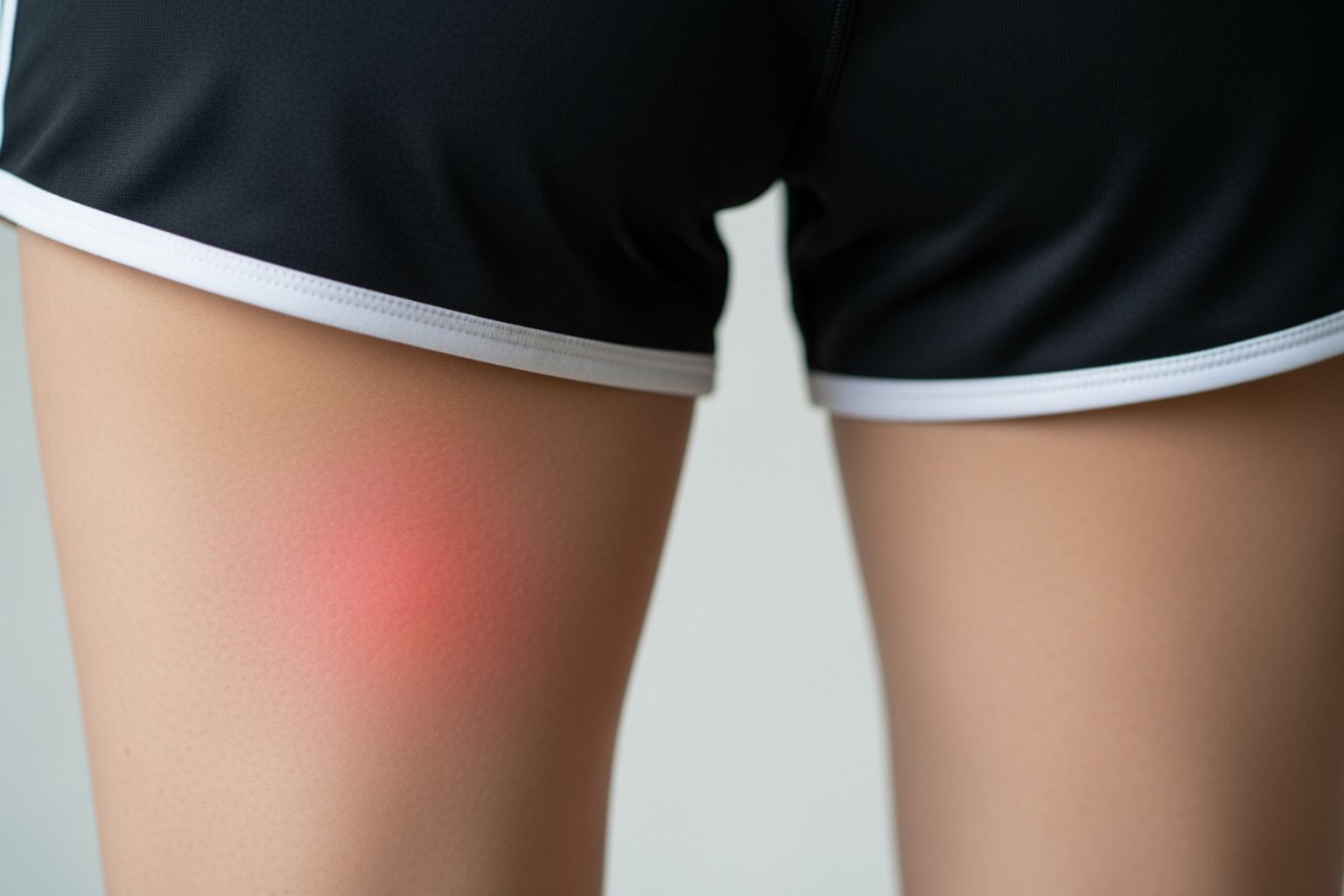
Following the initial pain, you'll likely notice swelling and tenderness in the injured area. This isn't always immediate but typically develops within a few hours. The body's natural response to injury is inflammation, which causes fluid to rush to the site, leading to swelling. The back of your thigh may feel puffy, warm to the touch, and quite painful when pressed. This tenderness can range from mild discomfort to excruciating pain, depending on the severity of the muscle damage.
4. Bruising or Discoloration
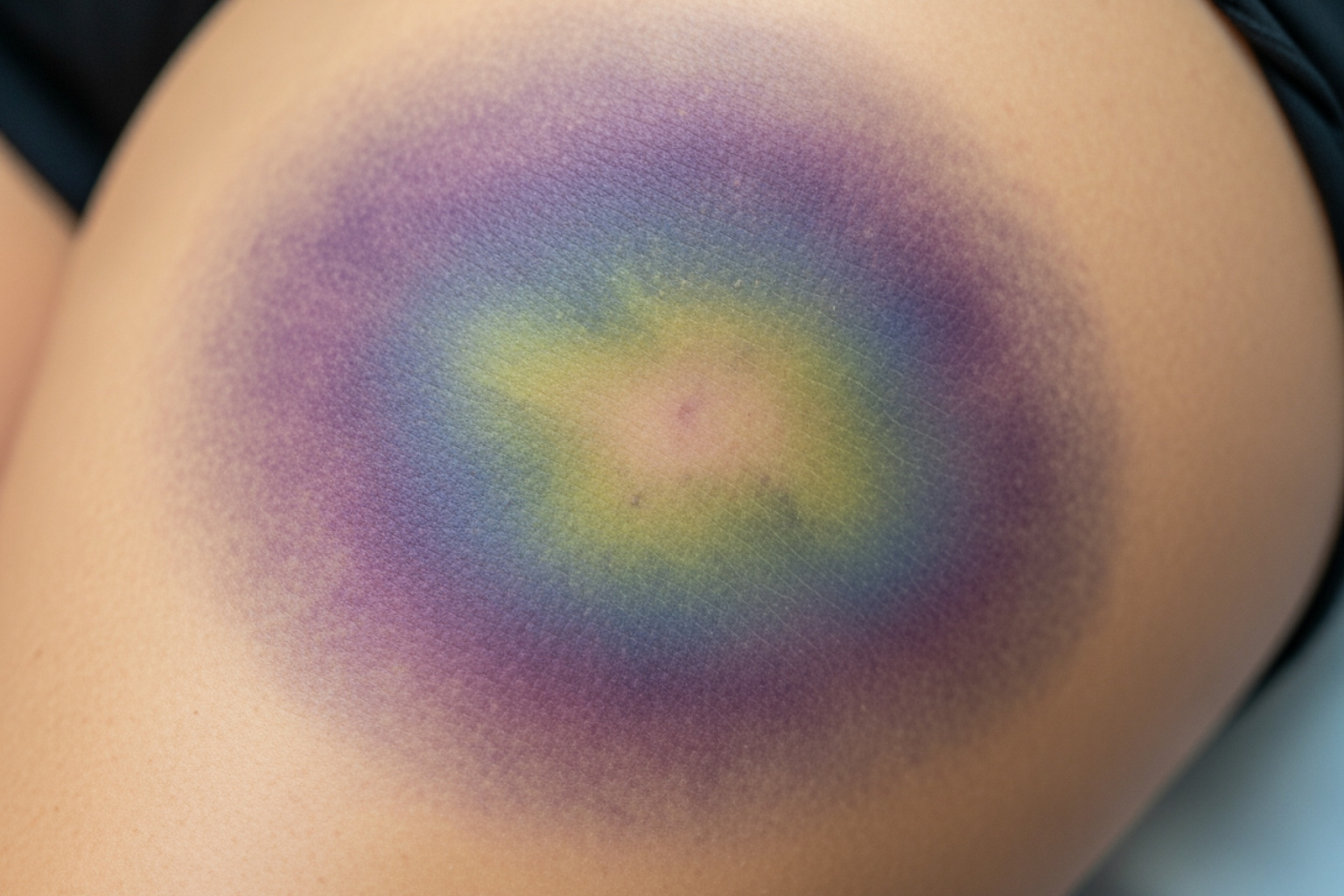
While not always an immediate sign, bruising or discoloration often appears within 24 to 48 hours after a hamstring pull. This happens when tiny blood vessels within the muscle are damaged and bleed into the surrounding tissues. The discoloration can range from a reddish-purple to a darker blue or black, and it may extend down the back of your leg, sometimes even appearing below the knee. The more extensive the bruising, generally, the more significant the muscle tear.
5. Muscle Weakness or Inability to Bear Weight
If you find it difficult or impossible to put weight on the injured leg, or if your leg feels noticeably weaker than usual, these are significant signs of hamstring pull. A severe hamstring injury, particularly a Grade 3 tear, can completely paralyze your ability to walk. You might find yourself limping or needing crutches to move around. This loss of strength and functional ability is a direct consequence of the damaged muscle fibers being unable to contract effectively, preventing you from performing everyday movements like standing or walking.
6. Pain When Bending or Straightening the Leg
The hamstring muscles are crucial for bending the knee and extending the hip. Therefore, if you've pulled a hamstring, you'll likely experience pain when attempting these movements. Bending your knee might feel stiff and painful, while trying to straighten your leg fully can cause a sharp, restrictive sensation. This restricted range of motion and pain during movement are clear indicators of muscle damage and inflammation, making even simple actions like sitting or climbing stairs uncomfortable.
7. A Palpable Knot or Muscle Spasms
Sometimes, you might feel a distinct "knot" or "lump" in the injured part of your hamstring. This can be the result of muscle fibers bunching up or scar tissue beginning to form. Alongside this, involuntary muscle contractions, known as muscle spasms, can occur. These spasms can be quite painful, causing the muscle to feel hard and tense to the touch. These are the body's way of trying to protect the injured area, but they can add to your discomfort and limit movement.
Understanding the Severity: Grades of Hamstring Injury
Understanding the severity of a hamstring injury is crucial for determining the right course of treatment and estimating recovery time. Hamstring injuries are typically classified into three grades based on the extent of muscle damage, a system used by institutions like the American Academy of Orthopaedic Surgeons.
| Grade of Injury | Tear Severity | Key Symptoms | Typical Recovery Time |
|---|---|---|---|
| Grade 1 (Mild Strain) | Minimal tearing of muscle fibers. | Some pain and tenderness, often mild. Minimal swelling. Full range of motion possible, but may be uncomfortable. Little to no loss of strength. | A few days to a week. |
| Grade 2 (Partial Tear) | Significant tearing of muscle fibers, but the muscle is not completely ruptured. | Noticeable pain during activity, often causing a limp. Moderate swelling and bruising. Some loss of strength and restricted range of motion. Can be painful to walk. | A few weeks to a month. |
| Grade 3 (Complete Tear) | Complete rupture of the muscle or tendon. | Severe, debilitating pain. Often accompanied by a "pop" sensation. Significant swelling and bruising (within 24 hours). Inability to bear weight or walk without crutches. Muscle weakness is profound. | Several months, may require surgery. |
As we can see, a Grade 3 injury is very serious and warrants immediate and proper attention, potentially requiring crutches for weeks or even surgery. Most hamstring injuries respond well to nonsurgical treatments, but the recovery timeline differs significantly across these grades.
Common Causes and Risk Factors
To effectively prevent and manage hamstring injuries, it's helpful to understand what causes them and who is most at risk.
What Causes a Hamstring Pull?
A hamstring pull, or strain, primarily occurs when one or more of the hamstring muscles are stretched or overloaded beyond their limit. This often happens during activities that involve muscle overload, particularly during an eccentric contraction, a mechanism described by the American Academy of Orthopaedic Surgeons (AAOS). This is when the muscle lengthens while it's contracting, such as the moment your leg extends forward just before your foot strikes the ground during sprinting.
Common scenarios include:
- Sudden accelerations or decelerations: Sprinting, especially when pushing off or slowing down quickly.
- Extreme stretching: Activities like dancing, gymnastics, or sudden movements where the leg is forced into an extended position.
- Overexertion: Pushing your muscles too hard without adequate preparation.
- Poor technique: Incorrect form during exercises or sports can place undue stress on the hamstrings.
Key Risk Factors to Be Aware Of
Several factors, widely documented by sources like the Mayo Clinic, can increase our susceptibility to hamstring injuries:
- Previous Hamstring Injury: One of the strongest predictors of a future hamstring pull is a history of a previous one. Re-injury is common if we return to strenuous activities before the muscle has fully healed.
- Muscle Imbalance: If our quadriceps (front thigh muscles) are significantly stronger than our hamstrings, it creates an imbalance that makes the hamstrings more vulnerable to injury. The quads can overpower the hamstrings, leading to strains during intense movements.
- Poor Flexibility: Tight hamstring muscles are more prone to tearing. Regular stretching is essential to maintain muscle elasticity. Adolescent athletes, in particular, are at higher risk because, as noted by Nemours KidsHealth, their bones can grow faster than their muscles during growth spurts, leading to temporary tightness.
- Muscle Fatigue: When our muscles are tired, they lose their ability to absorb shock and contract efficiently, making them more susceptible to injury. It’s why we often see athletes pull hamstrings late in a game or during intense training sessions.
- Inadequate Warm-up: Skipping a proper warm-up before exercise means our muscles aren't prepared for activity. Warm-up routines increase blood flow and muscle elasticity, reducing the risk of strains.
- Age: The risk of hamstring injury tends to increase with age. As we get older, our muscles can become less flexible and resilient.
- Choice of Activity: Sports that involve sprinting, sudden stops and starts, or explosive movements (like soccer, basketball, football, tennis, and track) carry a higher risk of hamstring injuries. Even runners and dancers are prone due to the nature of their movements.
- Poor Conditioning: Being out of shape or starting a new exercise routine too aggressively can overwhelm our muscles. As the saying goes, "Don't play your sport to get in shape; be in shape to play your sport."
How to Manage Pain and Start Recovery
Once we've identified the signs of hamstring pull, the next crucial step is to manage the pain and kickstart the recovery process. Early intervention can significantly impact healing time and prevent further damage.
Immediate At-Home Treatment: The R.I.C.E. Method
For most mild to moderate hamstring pulls, the R.I.C.E. method, recommended by health authorities like MedlinePlus, is our go-to for immediate at-home care. This acronym stands for Rest, Ice, Compression, and Elevation.
- Rest: This is paramount. Stop any activity that causes pain and avoid using the injured leg. For severe injuries, crutches might be necessary to completely offload the muscle. Taking the stress off a pulled hamstring is a critical first step in any hamstring injury treatment.
- Ice: Apply ice packs to the injured area for 15 to 20 minutes every 2 to 3 hours while awake, especially during the first 2 to 3 days. This helps to reduce pain, swelling, and inflammation. Remember to never apply ice directly to the skin; always wrap it in a cloth.
- Compression: Gently wrap the injured thigh with an elastic compression bandage. Start wrapping at the end farthest from your heart. This helps to minimize swelling. Be careful not to wrap it too tightly, as this can impede circulation. If you experience increased pain, numbness, or swelling below the wrap, loosen it immediately.
- Elevation: When resting, try to lift your leg above the level of your heart. This can be achieved by propping it up on pillows. Elevation further aids in reducing swelling by allowing fluid to drain away from the injured area.
In addition to R.I.C.E., over-the-counter pain relievers such as ibuprofen or acetaminophen can help manage pain and reduce inflammation. However, always consult with a healthcare provider before starting any new medication, especially if you have pre-existing conditions. For more detailed insights on muscle strain treatment, you can explore our blog on muscle strain treatment.
Using Topical Creams for Targeted Relief
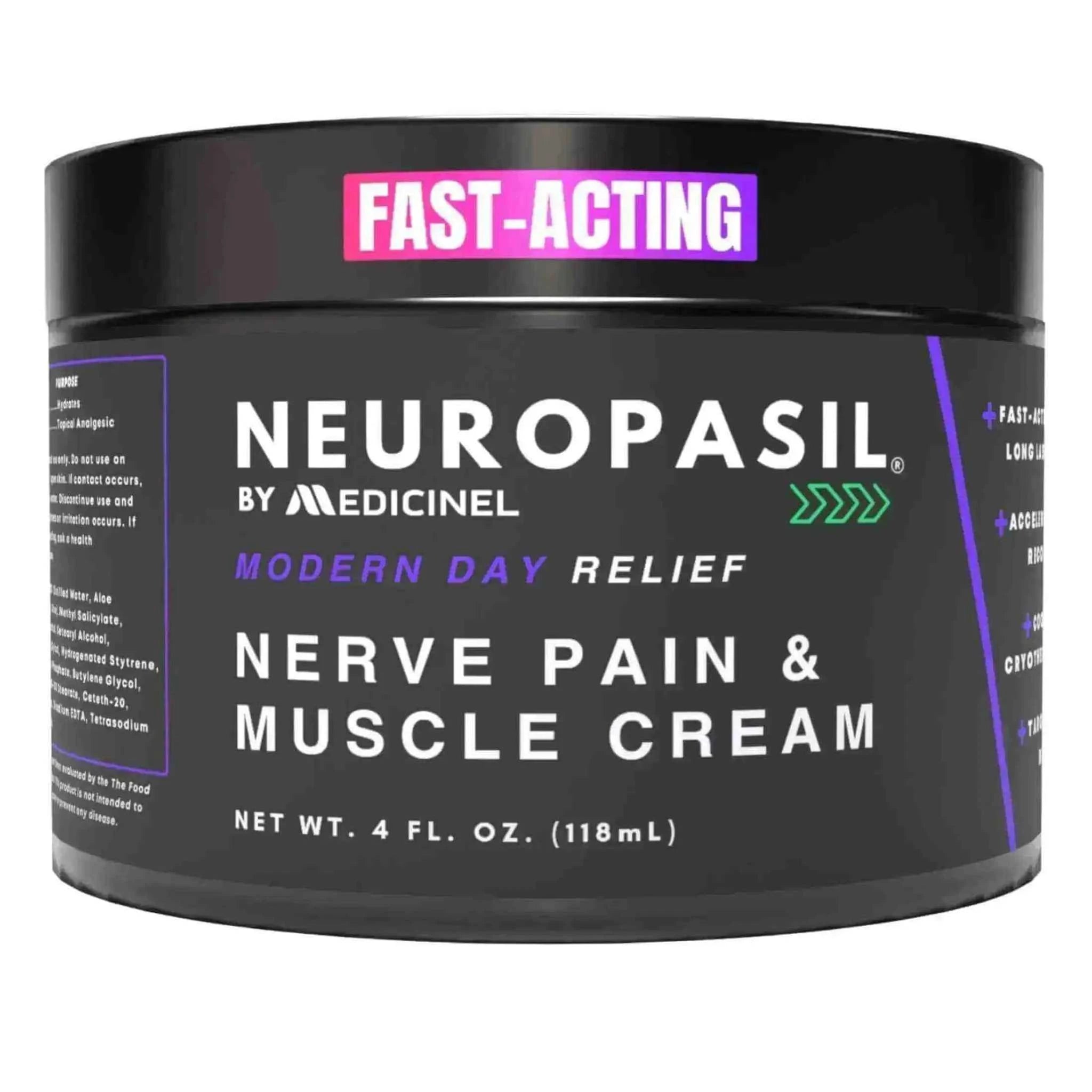
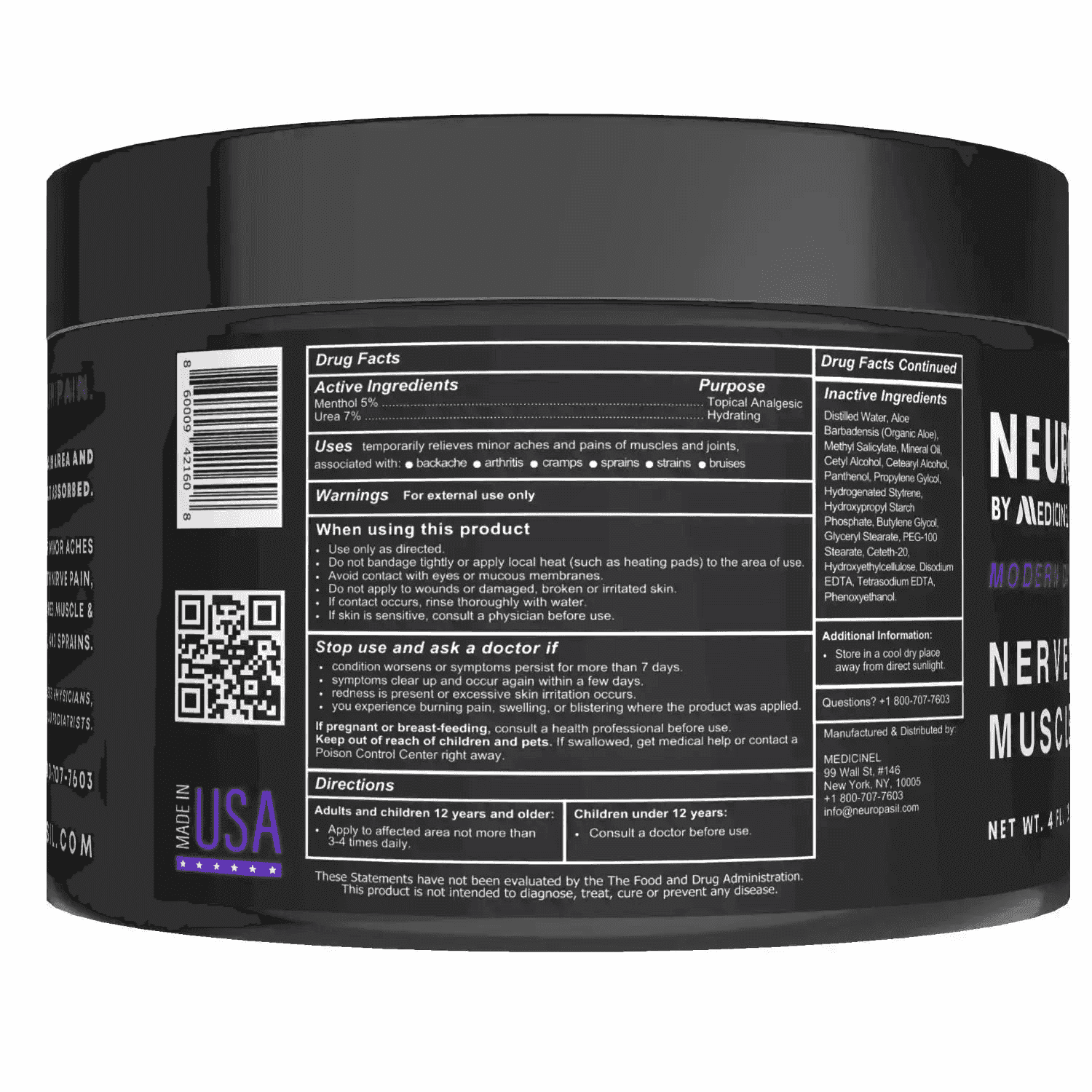
While R.I.C.E. is foundational, we've found that topical pain relief creams can offer excellent complementary support, especially for soothing muscle pain and discomfort. Our Neuropasil cream, for instance, is designed to provide targeted, fast-acting relief right where you need it.
Ingredients like menthol, a key component in Neuropasil, provide a cooling sensation that can help soothe the area and temporarily distract from the feeling of pain. Combined with other soothing ingredients like Aloe and Urea, our cream helps to calm the irritated area, making it easier to rest and recover. Many athletes, including those recovering from hamstring pulls, find our cream indispensable for managing their muscle pain. You can learn more about how our Neuropasil Nerve Pain Relief Cream works and learn about our ingredients to understand its benefits.
When to See a Doctor for signs of a hamstring pull
While many hamstring pulls can be managed at home, health services like the NHS and Mayo Clinic advise seeking professional medical attention if you experience any of the following:
- Inability to bear weight: If you can't walk more than four steps without significant pain, or if you can't bear any weight on the injured leg, it's time to see a healthcare provider.
- Severe or worsening pain: If the pain is very intense, getting worse, or not improving after a few days of at-home care, a medical evaluation is needed.
- Significant or worsening swelling/bruising: While some swelling and bruising are normal, a large amount that is increasing or accompanied by extreme pain could indicate a more severe injury.
- Numbness or tingling: Any sudden numbness or tingling in your leg could suggest nerve involvement and requires immediate medical assessment.
- Leg feels very stiff or is difficult to move: If your leg is extremely stiff or you have very limited range of motion, a doctor can help diagnose the extent of the damage.
- Suspected Grade 3 tear: If you felt a distinct "pop" or "snapping sensation" at the time of injury, or if you have profound weakness, it's best to get it checked out as it might be a complete tear requiring specialized treatment or surgery.
A doctor can properly diagnose the grade of your injury, potentially using imaging tests like X-rays (to rule out avulsion fractures where a piece of bone pulls away) or MRI/ultrasound (to assess muscle and tendon tears).
Preventing Future Hamstring Injuries
The best offense is a good defense, and that certainly applies to preventing hamstring injuries. Once we've recovered, implementing preventative strategies is key to avoiding re-injury and maintaining long-term muscle health.
The Importance of Stretching and Flexibility
Regular stretching is one of the most effective ways to keep our hamstrings healthy and reduce the risk of injury, a strategy emphasized in prevention guidelines from sources like the Mayo Clinic.
- Dynamic Warm-ups: Before any physical activity, engage in dynamic stretches like leg swings, lunges, and high knees. These movements prepare our muscles by increasing blood flow and range of motion.
- Static Cool-downs: After exercise, static stretches (holding a stretch for 30 seconds or more) can help improve overall flexibility. Focus on gentle hamstring stretches to lengthen the muscles. A year-round program of daily stretching exercises is highly recommended.
Strengthening and Conditioning Exercises
Strong muscles are resilient muscles. A balanced approach to strengthening and conditioning can significantly reduce our risk of hamstring pulls.
- Strengthening Hamstrings: Incorporate exercises that specifically target the hamstring muscles, such as hamstring curls, glute-ham raises, and Romanian deadlifts.
- Balancing Muscle Groups: It's crucial to address any muscle imbalances. If our quadriceps are much stronger than our hamstrings, we need to focus on strengthening the hamstrings to create a more balanced leg.
- Gradual Increase in Activity: Never increase the intensity, duration, or frequency of our workouts too quickly. A good rule of thumb, supported by the AAOS, is to increase exercise by no more than 10% each week. This allows our muscles time to adapt and grow stronger without being overloaded.
- Proper Conditioning: Being in good physical condition is essential. As we've mentioned, "Don't play your sport to get in shape; be in shape to play your sport." This applies to both athletes and individuals with physically demanding jobs.
By integrating these practices into our routine, we can significantly lessen the risk of a hamstring injury. For more wellness tips and ways to keep your body in top shape, explore our blog for more wellness tips.
Frequently Asked Questions about Hamstring Pulls
How long does a pulled hamstring take to heal?
The healing time for a pulled hamstring largely depends on the severity, or grade, of the injury, with timelines varying as outlined by medical centers like the Cleveland Clinic.
- Grade 1 (Mild Strain): These minor injuries with minimal tearing usually heal within a few days to a week. We might feel better quickly, but it's still important to rest and allow full recovery.
- Grade 2 (Partial Tear): These moderate injuries involve more significant muscle tearing and can take a few weeks to a month to heal. Recovery might involve physical therapy to regain strength and flexibility.
- Grade 3 (Complete Tear): These are the most severe, involving a complete rupture of the muscle or tendon. Healing can take several months, and in some cases, surgery might be required, followed by extensive rehabilitation.
Returning to strenuous activities too soon is a major cause of re-injury, so patience and adherence to a recovery plan are key.
Is walking good for a pulled hamstring?
Initially, rest is recommended. However, as advised by sources like the NHS, once the acute pain and swelling have subsided (typically after a few days for mild strains), gentle walking can be beneficial. It's considered a low-stress activity that promotes blood flow to the injured area, which can aid healing and prevent stiffness. The key is to walk without pain. If walking causes any discomfort, it means we're pushing too hard and should reduce activity. Listen to your body, and only increase walking duration or intensity gradually and without pain.
Should you use heat or ice for signs of a hamstring pull?
When dealing with the immediate signs of hamstring pull, the general rule, as recommended by sources like MedlinePlus, is to start with ice, then transition to heat later in the recovery process.
- Ice: For the first 48 to 72 hours after the injury, we should apply ice. Ice helps to constrict blood vessels, which reduces blood flow to the area, minimizing swelling and inflammation. It also numbs the nerve endings, providing pain relief. Apply an ice pack for 15-20 minutes every 2-3 hours.
- Heat: Once the initial inflammation and swelling have significantly reduced (typically after 2-3 days), we can introduce heat. Heat therapy increases blood flow to the area, which can help relax stiff muscles, reduce soreness, and promote tissue healing. It's particularly useful for loosening muscles before gentle stretching. Never apply heat to an acutely swollen or bruised area, as it can worsen inflammation.
References
- Hamstring injury - Symptoms and causes - Mayo Clinic
- Hamstring Muscle Injuries - OrthoInfo - AAOS
- Hamstring Injury: Recovery Time, Treatment & Symptoms - Cleveland Clinic
- Hamstring strain - aftercare: MedlinePlus Medical Encyclopedia
- Symptoms and Signs of Pulled Hamstring (Hamstring Injury): Treatment - eMedicineHealth
- 5 Common Pulled Hamstring Symptoms - OrthoConnecticut
- Hamstring injury - NHS
- Hamstring Strain - Nemours KidsHealth