Why Treatment for Pulled Hamstring Injury Matters
Treatment for pulled hamstring injury is crucial for a quick return to your favorite activities and avoiding months of frustrating setbacks. Whether you're an athlete who felt a sudden pop during a sprint or someone with persistent thigh pain, understanding your treatment options is the first step toward recovery.
Quick Answer: Core Treatment Steps
- Immediate Care (First 48-72 Hours): Rest, ice for 15-20 minutes every 2-3 hours, gentle compression, and elevation
- Pain Management: Over-the-counter pain relievers and topical relief creams
- Rehabilitation (After Acute Phase): Physical therapy with progressive exercises, starting with gentle stretching and advancing to eccentric strengthening
- Recovery Timeline: Grade 1 injuries heal in 1-3 weeks, Grade 2 in 4-8 weeks, Grade 3 may take 3+ months
- Surgery (Rare): Only needed for complete tears or avulsion fractures where the muscle pulls away from the bone
The hamstring muscles are among the most commonly injured in sports. Research shows hamstring strains account for up to 15% of all injuries in professional sports (Hawkins et al., 2001), with recurrence rates as high as 30% if not treated properly (Heiderscheit et al., 2010).
Improper healing can lead to chronic pain, reduced strength, and a much higher risk of re-injury. Fortunately, most hamstring strains respond well to conservative treatment when you follow the right protocol.
I'm Tony Enrico, and through my work helping active individuals manage muscle and nerve pain, I've seen how proper treatment for pulled hamstring injury can restore strength and confidence. My mission with Neuropasil is to provide science-backed guidance and effective relief for the million people we aim to serve by 2028.
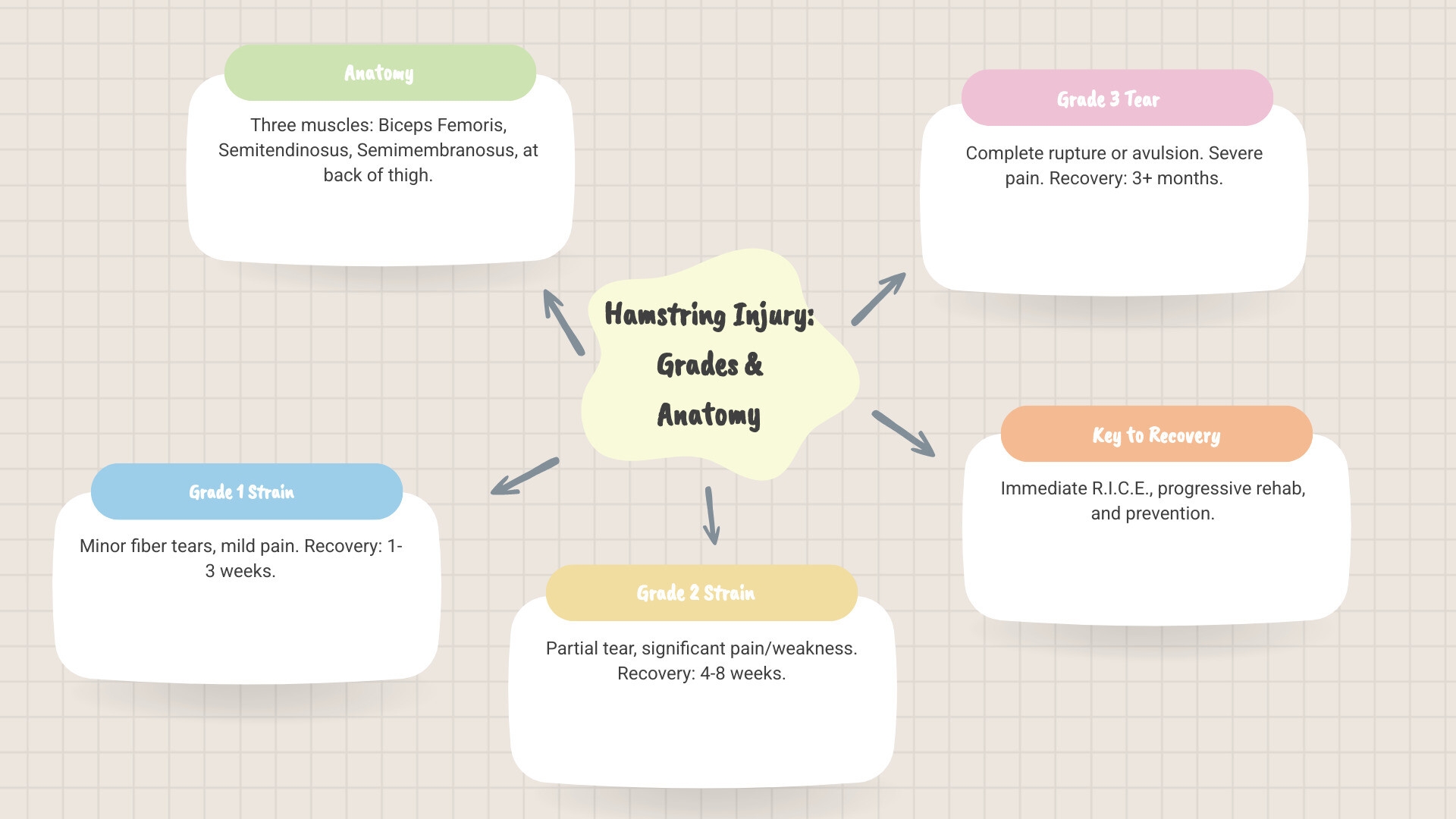
Treatment for pulled hamstring injury terms to know:
Understanding Your Hamstring Injury: Grades and Symptoms
Your hamstrings are a group of three muscles (biceps femoris, semitendinosus, and semimembranosus) running along the back of your thigh from your hip to below your knee. They are crucial for bending your knee, extending your hip, and powering movements like running and jumping.
A "pulled hamstring" is a muscle strain where the fibers are overstretched or torn. This can happen suddenly during intense activity or develop over time from overuse.
Common symptoms of a pulled hamstring include:
- Sudden sharp pain: Often described as a "pop" or "snap."
- Tenderness: The back of the thigh is sore to the touch.
- Swelling: May appear within a few hours.
- Bruising: Discoloration can appear below the injury site, sometimes days later.
- Muscle weakness: Difficulty bearing weight or walking.
- Stiffness: Limited range of motion in the knee or hip.
For a comprehensive overview, medical resources like A guide to hamstring injuries from HSS offer valuable insights into these common athletic setbacks.
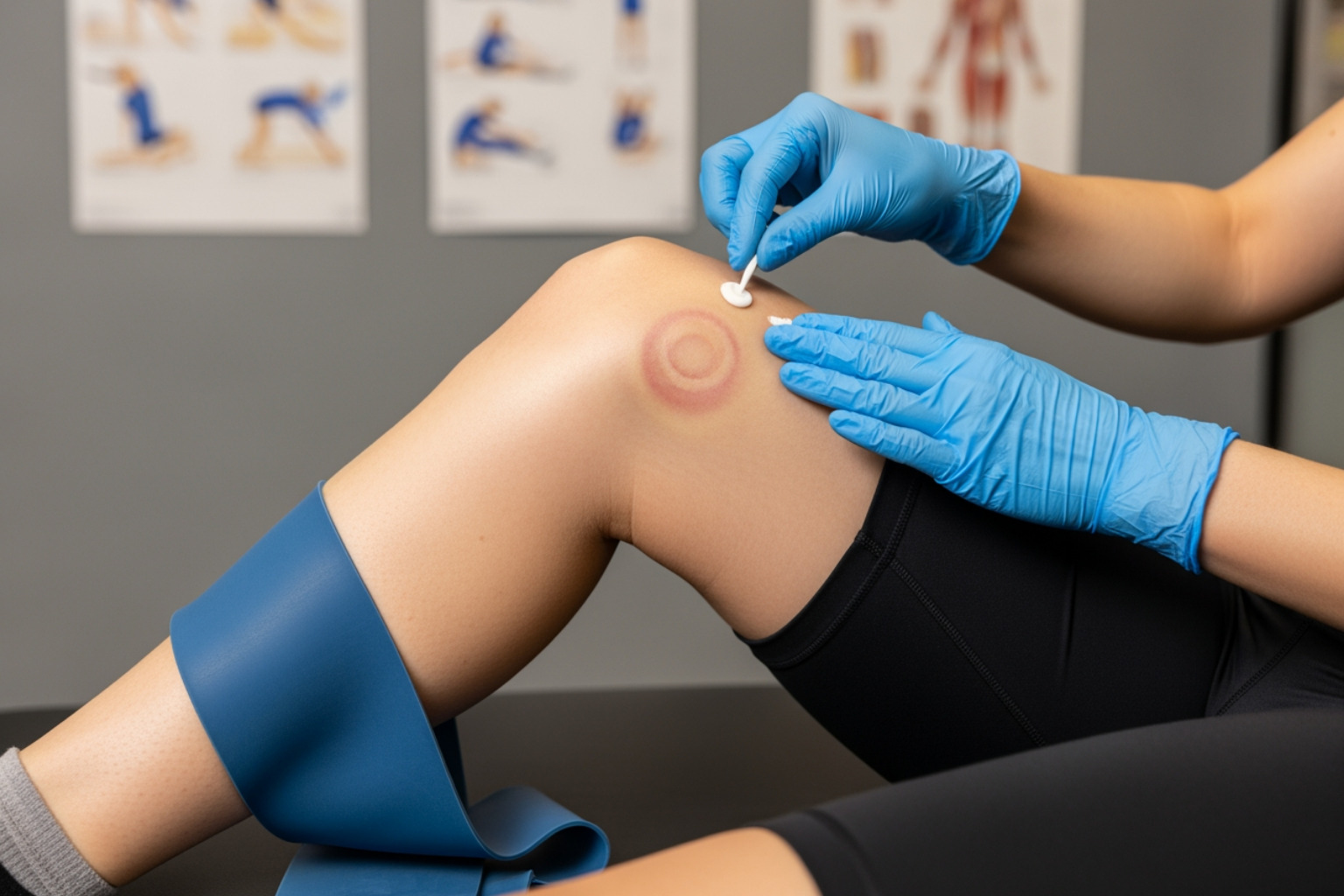
Hamstring Injury Grades Explained
Healthcare providers classify hamstring injuries into three grades, which influence the treatment for pulled hamstring injury and recovery time:
- Grade 1 Strain (Mild): A mild pull with microscopic tears in a few muscle fibers. You may feel an ache or tightness but can usually walk without significant pain.
- Grade 2 Strain (Moderate): A partial tear of the muscle fibers. The pain is more significant, often causing a limp. Tenderness, swelling, and bruising are more pronounced.
- Grade 3 Strain (Severe): A complete rupture of the muscle or a detachment from the bone (avulsion fracture). A "pop" is often heard or felt, followed by intense pain. Walking is extremely difficult or impossible, with significant swelling and bruising.
Signs the Injury Isn't Healing: When to See a Doctor
While many hamstring injuries can be self-managed, seek professional medical attention if you experience any of the following:
- Worsening pain despite initial care.
- Increased swelling or bruising that continues to spread.
- Inability to bear weight on the injured leg.
- Numbness or tingling, which could indicate nerve involvement.
- Persistent stiffness or difficulty moving the leg.
- No improvement after 5-7 days of self-care.
- Signs of infection like redness, warmth, pus, or fever.
Immediate First Aid for a Pulled Hamstring
The first few days after a hamstring injury are critical for managing pain and reducing swelling. The classic approach is the R.I.C.E. method (Rest, Ice, Compression, and Elevation), while modern protocols like P.E.A.C.E. & L.O.V.E. offer a longer-term view.
- Protection: Stop the activity that caused the injury. Use crutches if needed to keep weight off the leg.
- Rest: Give your body time to heal. Avoid activities that stress the hamstring.
- Ice: Apply an ice pack wrapped in a thin cloth for 15-20 minutes every 2-3 hours for the first few days to reduce pain and swelling.
- Compression: Gently wrap the area with an elastic bandage to minimize swelling. Avoid wrapping too tightly.
- Elevation: Whenever possible, lift your injured leg above heart level to help drain excess fluid.
- Analgesia (Pain Relief): Over-the-counter pain relievers can help manage pain. However, some experts suggest avoiding anti-inflammatory drugs for the first few days as they might interfere with the natural healing process (Heiderscheit et al., 2010). Always consult a healthcare professional for guidance.
For a fast start to recovery, consider our guide on How to start treating muscle strains in less than an hour.
How to Use Cold and Gentle Heat Effectively
Both ice and heat have their place in treatment for pulled hamstring injury, but they are used at different stages.
Cold Application (Ice): Use this for the first 48-72 hours. Cold therapy slows circulation and constricts blood vessels, which helps reduce inflammation, numb pain, and decrease muscle spasms. Apply for 15-20 minutes at a time, and never directly on the skin.
Gentle Heat Therapy: After the initial 2-3 days, once swelling has subsided, gentle heat can be beneficial. Heat increases blood flow, delivering oxygen and nutrients for tissue repair. It also helps relax tight muscles and improve flexibility before stretching. Avoid heat if there is still significant swelling.
The principle is simple: cold therapy constricts blood vessels to reduce inflammation, while heat therapy increases blood flow to promote healing.
The Core of Pulled Hamstring Injury Treatment: Rehabilitation and Recovery
Once initial pain and swelling are controlled, rehabilitation begins. This phased approach, guided by a physical therapist, is crucial for restoring function and preventing re-injury. Progression is based on meeting specific criteria, not strict timelines. Our Detailed guide to healing hamstring strains offers further insights.
Physical Therapy and Recommended Exercises for a Pulled Hamstring Injury
A physical therapist will design a progressive program custom to your injury. The program typically involves several phases:
-
Phase 1: Early Rehabilitation (Pain and Swelling Reduction)
- Goals: Decrease pain and swelling, protect the tissue, maintain pain-free range of motion.
- Exercises: Gentle knee and hip movements, low-intensity isometric contractions (tensing the muscle without moving), and light core exercises.
- Avoid: Stretching the injured hamstring.
-
Phase 2: Intermediate Rehabilitation (Strength and Flexibility)
- Goals: Gradually increase hamstring strength and flexibility, restore normal movement.
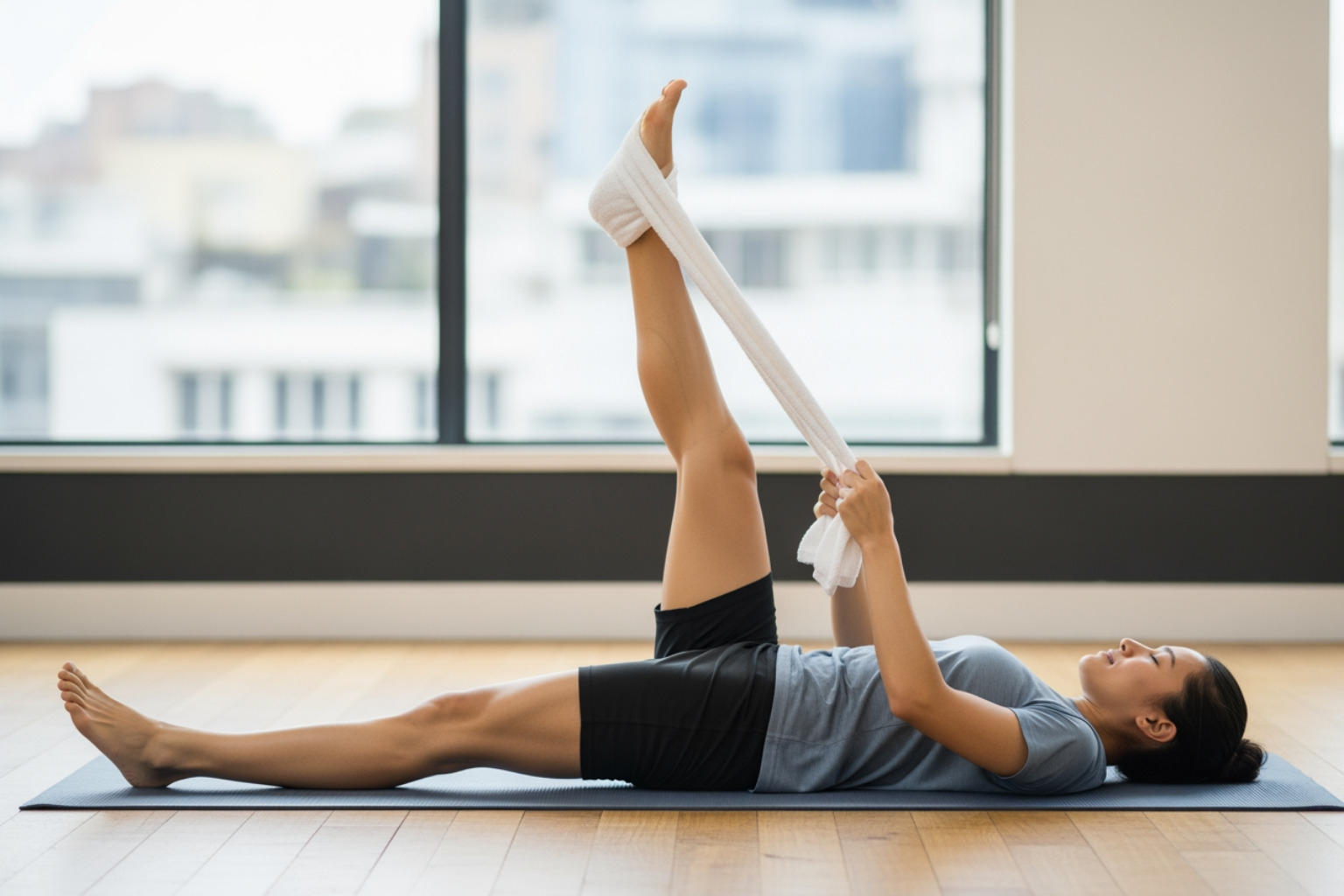
- Exercises: Gentle hamstring curls, glute bridges, single-leg balance, and progressing isometric exercises. Eccentric exercises (lengthening the muscle under tension), like assisted Nordic hamstring curls, are especially important for building strength and preventing re-injury.
- Avoid: High-speed movements or stretching into pain.
-
Phase 3: Advanced Rehabilitation (Sport-Specific Training)
- Goals: Restore full strength, power, and agility for a return to demanding activities.
- Exercises: Progressive agility drills (ladders, cones), plyometrics (jumping), sport-specific movements (sprinting, kicking), and continued high-intensity eccentric strengthening.
Research shows a progressive agility and trunk stabilization program can lead to a faster return to play (22 vs. 37 days) and a much lower re-injury rate (7.7% vs. 70%) compared to traditional stretching and strengthening alone (Sherry & Best, 2004).
Recovery Timelines and The Role of Massage
Healing time varies significantly by the injury's grade. Rushing back dramatically increases the risk of re-injury.
| Injury Grade | Typical Recovery Time |
|---|---|
| Grade 1 | 1 to 3 weeks |
| Grade 2 | 4 to 8 weeks |
| Grade 3 | 3+ months (may require surgery) |
The Role of Massage: After the acute phase (typically 3-5 days), massage can be a beneficial part of treatment for pulled hamstring injury. It helps reduce scar tissue, improve circulation, relieve tightness, and flush out waste products. Avoid deep massage on an acute injury. Always consult with a qualified therapist who understands muscle injuries. For more on muscle care, see The ultimate guide to effective muscle sprain cream.
Acute Strains vs. Chronic Proximal Hamstring Tendinopathy
These are distinct conditions requiring different treatment approaches.
Acute Hamstring Strains: Sudden injuries from high-speed activities, involving a tear in the muscle belly. The pain is immediate and sharp. Recovery focuses on healing the tear and progressive strengthening.
-
Chronic Proximal Hamstring Tendinopathy: An overuse injury affecting the tendons at the "sit bone." Pain develops gradually and is often felt with prolonged sitting or running. It's a degenerative condition, not an acute tear.
Treatment for tendinopathy emphasizes load management and specific eccentric exercises to remodel the tendon. It may also involve soft tissue mobilization or shockwave therapy. Understanding this difference is key, as outlined in studies on the Rehabilitation of proximal hamstring tendinopathy.
Advanced and Surgical Treatment for Pulled Hamstring Injury
While most pulled hamstrings heal with conservative care, severe cases may require advanced intervention or surgery for effective treatment for pulled hamstring injury.
When is Surgery Considered?
Surgery is rare but may be necessary for:
- Complete Tendon Rupture: When one or more hamstring tendons tear completely off the sit bone.
- Avulsion Fracture: When the tendon pulls a piece of bone away from the pelvis.
- Large Retraction: When the torn muscle has pulled far from its normal position.
- Failed Conservative Treatment: For chronic or severe injuries that do not heal with non-surgical methods.
What Does Surgery Involve?
The procedure typically involves reattaching the torn tendon back to the bone using sutures and small anchors. The goal is to restore the muscle's normal length and tension to allow for proper healing and function.
Post-Surgery Rehabilitation:
Recovery after surgery is a long process, often taking several months. It requires a structured physical therapy program that progresses from gentle range of motion to strengthening and sport-specific drills. This rehabilitation is criterion-based, meaning advancement depends on meeting specific strength and mobility milestones. This is a significant undertaking decided in close consultation with an orthopedic surgeon.
Preventing Future Hamstring Injuries
Prevention is the best treatment for pulled hamstring injury. With recurrence rates as high as 30% in some sports (Heiderscheit et al., 2010), preventative measures are paramount for everyone, not just athletes.
Key strategies for keeping your hamstrings healthy include:
- Proper Warm-Up: Start any activity with light cardio and dynamic stretches (leg swings, butt kicks) to prepare muscles.
- Dynamic Stretching (Before Activity): Focus on movements that take your muscles through their full range of motion.
- Post-Activity Cool-Down & Static Stretching: After exercise, cool down and hold static stretches for 20-30 seconds to improve flexibility.
- Eccentric Strengthening: This is a key protective factor. Incorporate exercises like Nordic hamstring curls and Romanian deadlifts to build resilience.
- Balance Hamstring-to-Quad Ratio: Ensure your training program addresses both muscle groups equally to prevent imbalances.
- Core Strength: A strong core provides a stable base for your legs, reducing stress on the hamstrings.
- Fatigue Management: Hamstrings are more vulnerable when fatigued. Listen to your body and ensure adequate rest.
- Gradual Training Progression: Avoid sudden increases in workout intensity, duration, or frequency to allow muscles to adapt.
- Proper Technique: Use correct form for all exercises and sport-specific movements.
By consistently applying these strategies, you can significantly reduce your risk of injury. For more tips, explore our guide: Pulled it? Fix it! Your guide to muscle strain treatment.
Frequently Asked Questions about Pulled Hamstring Treatment
Here are answers to some of the most common questions about hamstring injuries.
How long does a pulled hamstring take to heal?
The healing time depends on the injury's grade:
- Grade 1 (Mild): Typically heals within 1-3 weeks.
- Grade 2 (Moderate): Recovery usually takes 3 to 8 weeks.
- Grade 3 (Severe): These injuries often take 3+ months, and recovery can extend to 6 months or more if surgery is required.
Rushing back to activity is a primary cause of re-injury, so patience is key.
Is walking good for a pulled hamstring?
Yes, but timing is crucial. After an initial rest period of 24-72 hours, gentle, pain-free walking can be beneficial. It promotes blood flow and prevents stiffness. If you feel any pain, stop immediately. Start with short distances on flat surfaces and gradually increase duration as tolerated.
Should you massage a pulled hamstring?
Yes, but only after the acute phase. Avoid deep massage in the first 2-3 days, as it can worsen the injury. Once initial swelling subsides, massage from a qualified therapist can be very helpful. It can reduce scar tissue, improve flexibility, and increase blood flow to aid healing. Always ensure the massage is comfortable and does not cause sharp pain.
Conclusion
Navigating a pulled hamstring injury is challenging, but a full recovery is achievable with the right treatment for pulled hamstring injury. From immediate first aid to comprehensive rehabilitation, a structured approach is key.
The cornerstones of successful recovery are:
- Accurate Diagnosis: Knowing the grade of your injury is crucial.
- Immediate Care: Following the R.I.C.E. protocol sets the foundation for healing.
- Phased Rehabilitation: Working with a physical therapist to gradually restore strength and flexibility, with a focus on eccentric exercises, is paramount.
- Patience and Prevention: Respecting recovery times and implementing prevention strategies are vital to avoid re-injury.
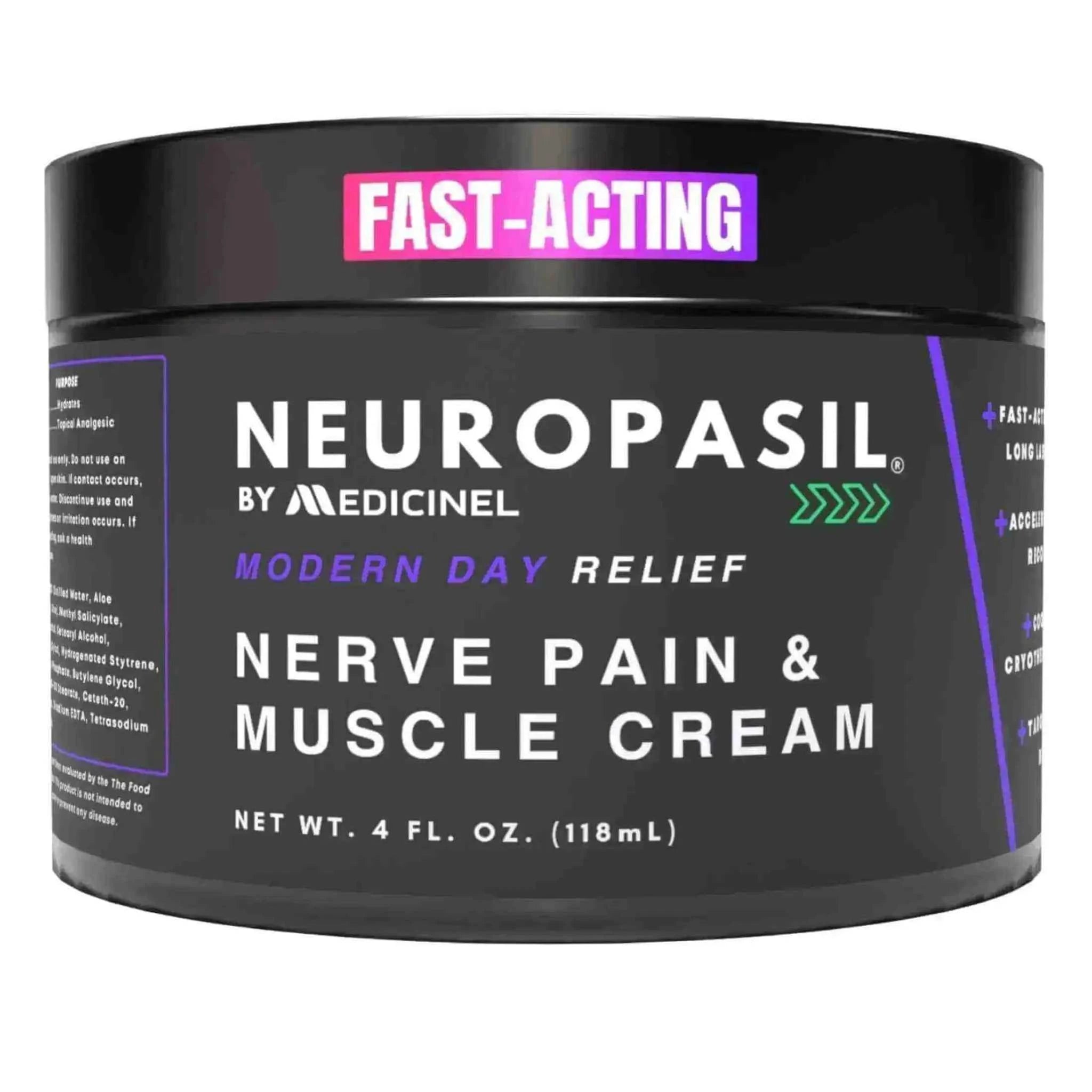
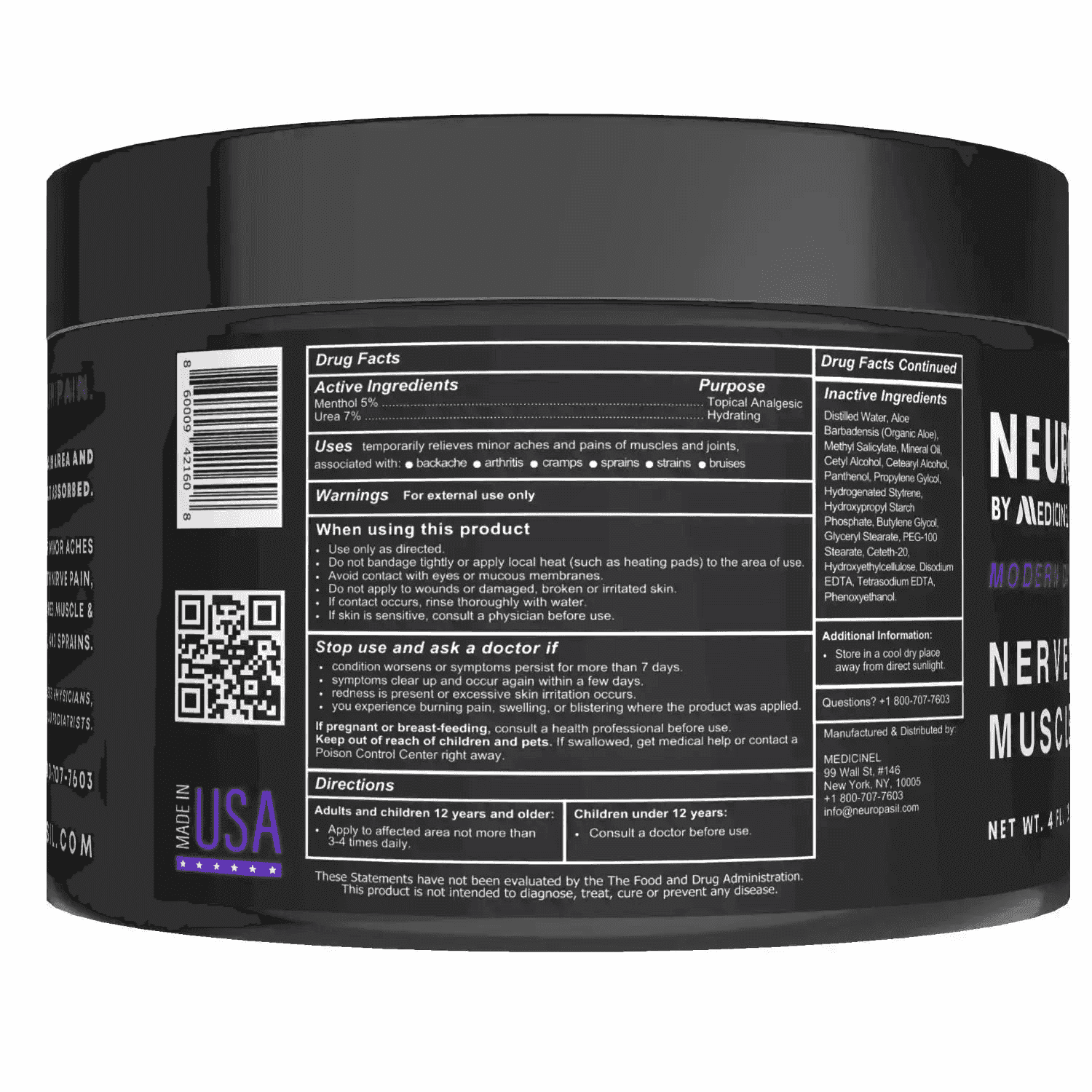
As you recover, managing muscle pain is part of the journey. A targeted muscle pain relief cream can offer soothing comfort, helping you relax and better engage in your rehab exercises. Neuropasil provides natural, fast-acting topical creams with ingredients like Menthol, Urea, and Aloe, designed for targeted relief of sore muscles and strains. Our customers, including many athletes, trust Neuropasil to support their recovery.
Listen to your body, seek professional guidance, and commit to your recovery plan.
Ready to find solutions for your muscle pain? Find the right muscle strain treatment for you and Explore Neuropasil for Soothing Muscle Relief.
References
Orchard J, Seward H. Epidemiology of injuries in the Australian Football League, seasons 1997–2000. British journal of sports medicine. 2002;36(1):39–44. https://doi.org/10.1136/bjsm.36.1.39
Hawkins RD, Hulse MA, Wilkinson C, et al. The association football medical research programme: an audit of injuries in professional football. British journal of sports medicine. 2001;35(1):43–47. https://doi.org/10.1136/bjsm.35.1.43
Sherry MA, Best TM. A comparison of 2 rehabilitation programs in the treatment of acute hamstring strains. The Journal of orthopaedic and sports physical therapy. 2004;34(3):116–125. https://doi.org/10.2519/jospt.2004.34.3.116
Reurink G, Goudswaard GJ, Moen MH, et al. Platelet-rich plasma injections in acute muscle injury. The New England journal of medicine. 2014;370(26):2546–2547. https://doi.org/10.1056/NEJMc1402340
Heiderscheit BC, Sherry MA, Silder A, et al. Hamstring strain injuries: recommendations for diagnosis, rehabilitation, and injury prevention. The Journal of orthopaedic and sports physical therapy. 2010;40(2):67–81. https://doi.org/10.2519/jospt.2010.3047
Chu SK, Rho ME. Hamstring Injuries in the Athlete: Diagnosis, Treatment, and Return to Play. Curr Sports Med Rep. 2016 May-Jun;15(3):184-90. https://doi.org/10.1249/JSR.0000000000000264
Jayaseelan DJ, Moats N, Ricardo CR. Rehabilitation of proximal hamstring tendinopathy utilizing eccentric training, lumbopelvic stabilization, and trigger point dry needling: 2 case reports. The Journal of orthopaedic and sports physical therapy. 2014;44(3):198–205. https://doi.org/10.2519/jospt.2014.4905
Mayo Clinic. Hamstring injury - Diagnosis and treatment. https://www.mayoclinic.org/diseases-conditions/hamstring-injury/diagnosis-treatment/drc-20372990
Cleveland Clinic. Hamstring Injury. https://my.clevelandclinic.org/health/diseases/17039-hamstring-injury
MedlinePlus. Hamstring strain - aftercare. https://medlineplus.gov/ency/patientinstructions/000551.htm
University of Wisconsin Health. Rehabilitation Guidelines Following Proximal Hamstring Primary Repair. https://ortho.wisc.edu/wp-content/uploads/2023/05/SM-27464HamstringProtocol.pdf