Why Understanding Armpit Muscle Pain Matters
Armpit muscle pain is a common issue that can disrupt daily life. Whether it's a sudden pull from a workout or a dull ache from heavy lifting, this discomfort can affect everything from reaching overhead to getting dressed.
Quick Answer: What You Need to Know
- Most Common Cause: Muscle strain from overuse, sudden movements, or improper lifting technique
- Key Muscles Involved: Pectoralis major (chest), latissimus dorsi (back), triceps (upper arm), and coracobrachialis (deep shoulder)
- Typical Symptoms: Dull ache, sharp pain with movement, tenderness, swelling, or limited range of motion
- Immediate Relief: Rest, ice, compression, and elevation (RICE protocol) for the first 48-72 hours
- When to Worry: Hard lumps, popping sounds during injury, fever, or pain lasting more than two weeks
The armpit—medically called the axilla—is a crossroads where multiple muscles, nerves, blood vessels, and lymph nodes converge. Straining one of these muscles through repetitive motion, heavy lifting, or even an awkward sleeping position can cause pain that radiates from your chest to your shoulder and down your arm.
However, not all armpit pain is muscular. Swollen lymph nodes, skin irritation, or nerve compression can also cause discomfort. Understanding the type of pain you're feeling is the first step toward finding effective relief.
I'm Tony Enrico, and through my work with Neuropasil, I've seen how armpit muscle pain can disrupt daily life. We created Neuropasil to offer fast, natural, and effective topical relief for people who refuse to let pain hold them back.
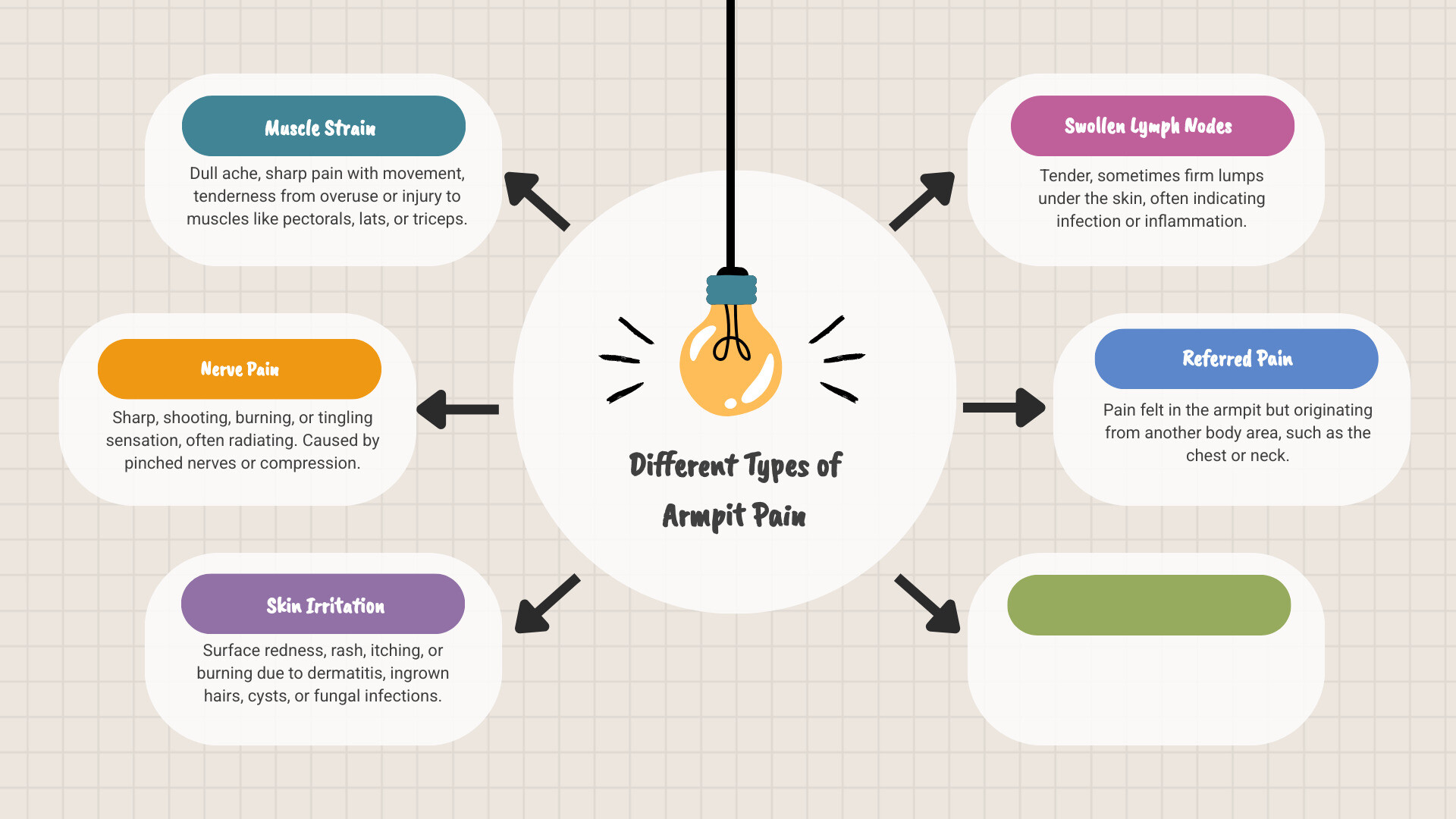
Essential armpit muscle pain terms:
Understanding Armpit Muscle Pain: Causes and Symptoms
The armpit, or axilla, is a complex junction where major muscles, nerves, blood vessels, and lymph nodes meet to give your arm and shoulder their incredible range of motion. When you experience armpit muscle pain, you're usually feeling a strain in one of the powerful muscles bordering this area, such as the pectoralis major (chest), latissimus dorsi (back), coracobrachialis (deep shoulder), or triceps (upper arm).
A pulled muscle is an injury to the muscles or tendons that occurs when muscle fibers are overstretched or torn. This often happens during everyday activities or athletic pursuits. The good news is that most armpit muscle pain is treatable at home. For more info about muscle pain in general, we've got you covered.
Common Causes of Armpit Muscle Pain
Muscle strains in the armpit area are often triggered by surprisingly common activities:
- Overuse in Sports and Exercise: Weightlifting (bench presses, pull-ups), throwing sports (baseball, football), swimming, or tennis can strain these muscles through powerful or repetitive overhead movements.
- Sudden Trauma or Awkward Movements: Reaching to catch something, breaking a fall with your arm, or twisting awkwardly while carrying heavy items can cause an acute strain.
- Improper Lifting Technique: Using poor form when lifting heavy objects at work, at the gym, or at home puts dangerous stress on your pectoral and latissimus dorsi muscles.
- Lack of Warm-up: Cold, tight muscles are more vulnerable to tearing. A proper warm-up increases muscle elasticity and reduces injury risk.
- Poor Posture: Chronic slouching over a desk or phone creates tension in the chest and shoulder muscles, making them tighter and more prone to injury.
- Muscle Fatigue: Overtraining or physical exhaustion leaves muscles unable to protect themselves, making even simple movements risky.
Key Symptoms to Watch For
Symptoms of a strained armpit muscle can range from mild to severe:
- Dull Ache: A nagging, persistent soreness, even at rest.
- Sharp Pain with Movement: An intense jolt of pain when you lift your arm, reach across your body, or push or pull something.
- Tenderness to Touch: The area feels sensitive or painful when pressed, and the muscle may feel tight or knotted.
- Swelling and Bruising: Inflammation can cause swelling around the armpit or upper chest. More serious strains may lead to bruising, indicating torn blood vessels.
- Muscle Weakness: Difficulty performing tasks that were previously easy, like lifting a bag or throwing a ball.
- Limited Range of Motion: Pain or stiffness when trying to move your arm and shoulder through their full range, such as reaching behind your back.
Is It a Pulled Muscle? Grading the Severity
Understanding the severity of a muscle strain is crucial for proper treatment and recovery. Healthcare professionals classify strains into three grades, which provides a roadmap for care.

Grade I (Mild Strain)
A Grade I strain is the mildest form, involving micro-tears in the muscle fibers. It's a slight overstretching rather than a major rip.
With a Grade I strain, you may feel a mild, sharp pain at the time of injury, followed by a dull ache. Symptoms include mild tenderness and soreness, but there is no significant loss of strength. You can still use the muscle, though it may feel stiff. Recovery typically takes a few weeks with proper rest and care.
Grade II (Moderate Strain)
A Grade II strain is a more substantial injury involving a partial tearing of muscle fibers. The damage is more extensive than a simple overstretch.
This grade of armpit muscle pain causes more significant pain, often with swelling and bruising. You will likely experience some loss of strength, making it difficult to lift your arm or perform daily tasks. Grade II strains require more time and care, typically taking two to three months to heal with rest and rehabilitation.
Grade III (Severe Strain)
This is the most serious type of muscle strain, involving a complete tear or rupture of the muscle or its tendon.
A Grade III injury is often accompanied by a "popping" sensation at the moment it occurs. This is followed by severe pain, significant swelling, and bruising. The key characteristic is a complete loss of function in the muscle, making it impossible to move your arm or shoulder normally. These severe strains require medical attention, which may include immobilization or surgery. Recovery can take several months and involves extensive physical therapy.
For a deeper dive into how muscle injuries are classified, you can consult this resource on muscle injury classification.
Immediate and Long-Term Relief for a Pulled Armpit Muscle
When armpit muscle pain from a strain occurs, your response in the first few hours can significantly impact your recovery. Quick, appropriate action can prevent a minor issue from becoming a chronic problem.

Immediate Care: The RICE Protocol
For most Grade I and many Grade II strains, follow the RICE protocol for the first 48-72 hours to manage pain and inflammation.
- Rest: Stop any activity that causes pain. Giving the injured muscle a break is essential for healing.
- Ice: Apply an ice pack wrapped in a thin towel for 10-20 minutes every hour. This reduces swelling and numbs pain.
- Compression: Wrap an elastic bandage around the area to provide support and control swelling. Ensure it's snug but not tight enough to cause numbness or tingling.
- Elevation: When resting, prop your arm on pillows so it's higher than your heart. This helps drain excess fluid and reduce swelling.
At-Home Treatments and Pain Management
After the first 72 hours, once initial swelling has subsided, you can shift your approach.
Warm compresses can now be used to increase blood flow, which delivers oxygen and nutrients to promote healing and relax tight muscles. Apply a warm compress for 15-20 minutes at a time, several times a day.
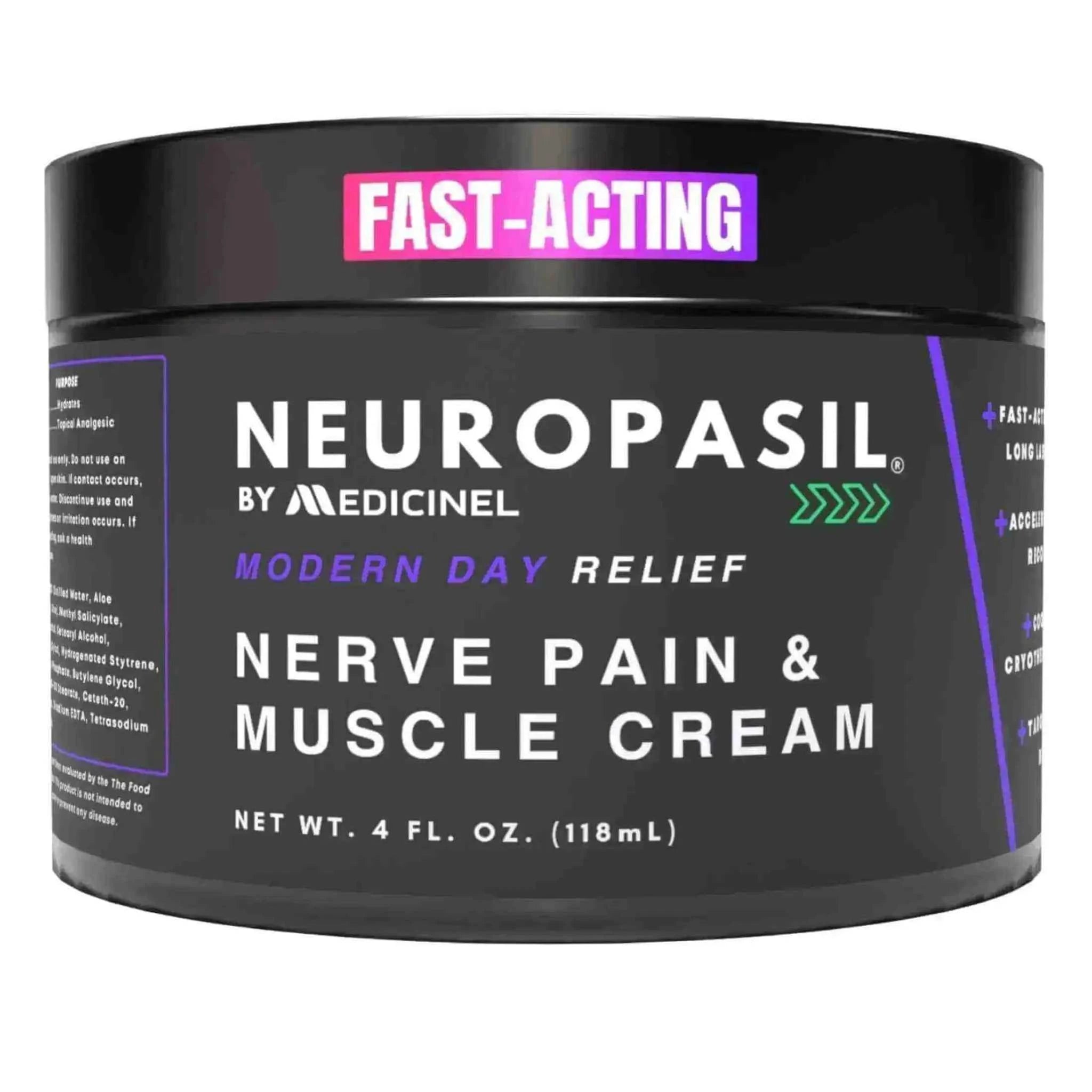
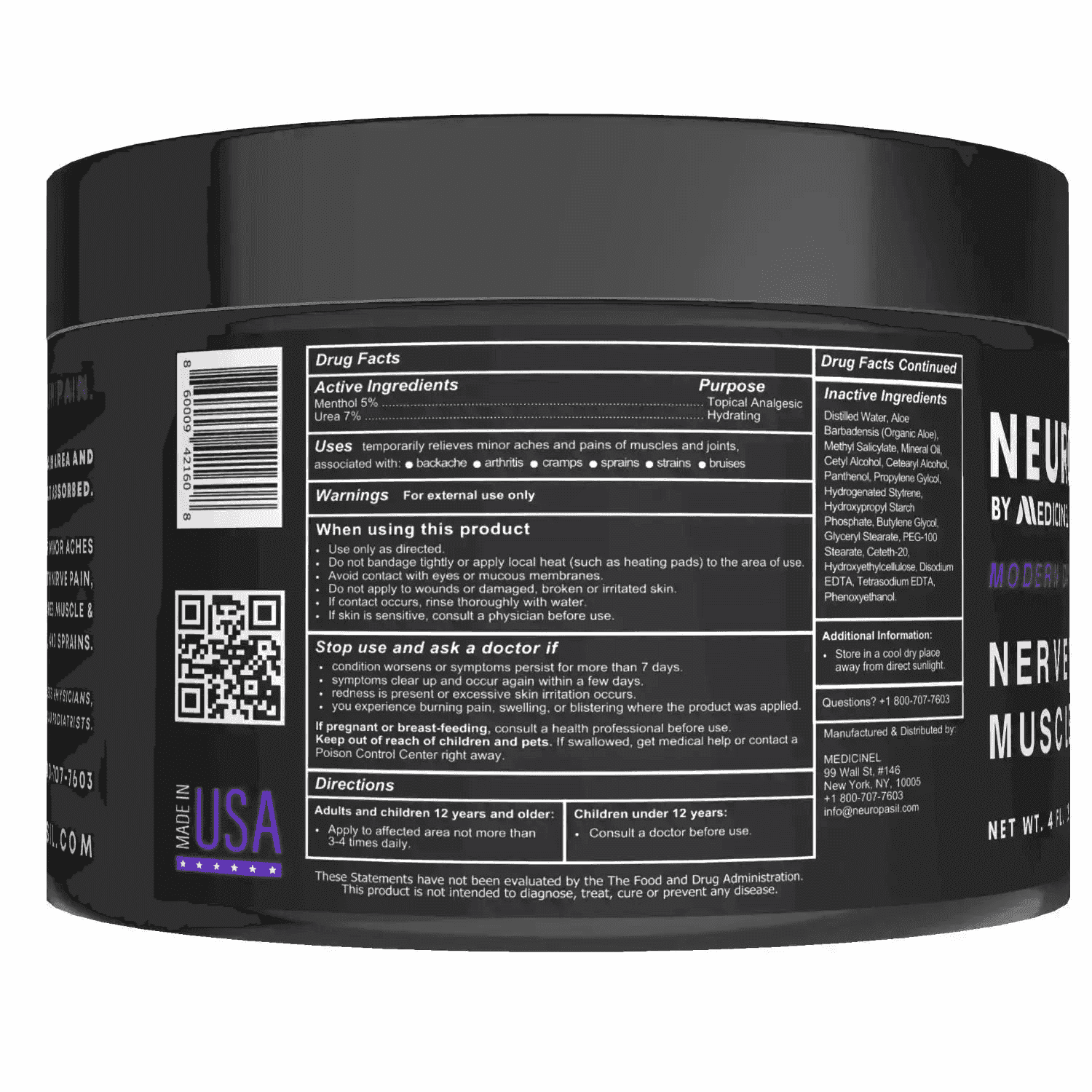
For topical pain relief, our nerve and muscle pain relief cream is designed for situations like this. The combination of Aloe, Urea, and Menthol provides a cooling sensation that transitions to deep, penetrating relief. Menthol helps reduce pain perception by stimulating cold receptors in the skin. You can learn more about our carefully selected ingredients here.
Rehabilitation Exercises and Recovery
Once sharp pain subsides, gentle rehabilitation is essential to restore flexibility and strength. As Harvard Health Publishing points out, stretching is crucial for recovery. If you feel sharp pain during any exercise, stop immediately.
- Doorway Chest Stretch: Stand in a doorway with your arm bent at 90 degrees, forearm on the frame. Gently rotate your chest away from the arm until you feel a stretch. Hold for 30 seconds and repeat 3 times.
- Thoracic Extension: Sit in a chair with hands behind your head. Gently arch your spine and push your elbows out to feel a stretch through your upper back and chest. Hold for 30 seconds and repeat 3 times.
- Arm Circles: Stand with arms extended to your sides. Make small, slow circles, gradually increasing their size. Do 10-15 circles forward, then reverse.
- Scapular Retraction: Sit or stand tall and gently squeeze your shoulder blades together, keeping your shoulders down. Hold for 5-10 seconds and repeat 10-15 times.
- Isometric Chest Press: Press your palms together at chest level. Engage your chest and triceps without moving your arms. Hold for 10 seconds and repeat 10 times.
When It's Not Just a Pulled Muscle: Other Causes of Armpit Pain
While a muscle strain is a common cause of armpit muscle pain, the complex axilla contains many other structures that can be the source of discomfort. As Verywell Health points out, armpit pain can have many causes, and understanding them is key to proper treatment.
Swollen Lymph Nodes (Lymphadenopathy)
Your armpit contains lymph nodes that can swell and become tender when your body is fighting an infection or dealing with inflammation. For more details, see this guide on the causes of swollen lymph nodes.
- Infection: The most common cause. A cold, flu, or even a small cut on the arm can cause nearby lymph nodes to swell.
- Autoimmune Conditions: Diseases like Lupus or Rheumatoid Arthritis can cause persistent lymph node swelling due to widespread inflammation.
- Cancer: Rarely, a hard, fixed, or growing lump can indicate lymphoma, leukemia, or breast cancer. Any persistent or unusual lump should be evaluated by a doctor.
Skin Conditions and Irritations
The warm, moist environment of the armpit is prone to skin issues that can cause pain, itching, or burning.
- Contact Dermatitis: An allergic reaction or irritation from products like deodorant, causing a red, itchy rash.
- Cysts and Ingrown Hairs: Blocked sweat glands or hair follicles can form painful, inflamed lumps, especially after shaving.
- Hidradenitis Suppurativa (HS): A chronic condition causing deep, painful lumps and abscesses under the skin.
- Fungal Infections: Conditions like ringworm or intertrigo thrive in moist skin folds, causing itchy, painful rashes.
Nerve-Related Issues and Other Conditions
Sometimes armpit pain originates from nerves or is referred from another part of the body.
- Thoracic Outlet Syndrome (TOS): Compression of nerves or blood vessels between the collarbone and first rib, causing pain in the shoulder, neck, and armpit, often with numbness or tingling in the arm.
- Pinched Nerve (Radiculopathy): A compressed nerve in the neck or upper back can cause radiating pain that travels down the arm and into the armpit.
- Shingles: Reactivation of the chickenpox virus can cause a painful, blistering rash along a nerve path, which may include the armpit.
- Peripheral Artery Disease (PAD): Reduced blood flow to the arm muscles can cause cramping or aching pain during activity.
- Referred Pain: Pain from other areas, such as angina (heart-related chest pain), can radiate to the armpit and should be taken seriously.
Prevention and When to See a Doctor
Proactive steps can reduce your risk of armpit muscle pain, while knowing when to see a doctor ensures you get the right care when you need it.
Preventing Future Armpit Muscle Pain
Incorporate these best practices into your routine to keep your armpit muscles healthy:
- Proper Warm-up and Cool-down: Always prepare muscles for activity with a dynamic warm-up and finish with static stretches.
- Correct Exercise Form: Focus on proper technique to avoid unnecessary strain. Consider working with a trainer if you're unsure.
- Strengthening Supporting Muscles: A balanced routine that includes the chest, back, shoulders, and core provides better stability.
- Avoiding Overtraining: Listen to your body. Rest days are crucial for muscle recovery and preventing fatigue-related injuries.
- Maintaining Flexibility: Regular stretching improves muscle elasticity and range of motion.
Red Flags: When to Seek Medical Attention
While many cases can be managed at home, consult a healthcare professional if you experience any of the following:
- Severe pain, significant swelling, bruising, or muscle weakness, suggesting a Grade II or III strain.
- A distinct "popping" sound or sensation at the time of injury, followed by severe pain and loss of function.
- Inability to move your arm through its normal range of motion.
- A hard, fixed, or growing lump in the armpit.
- Systemic symptoms like fever, night sweats, or unexplained weight loss accompanying the pain.
- Pain that worsens or fails to improve within a couple of weeks of home care.
- Numbness, tingling, or radiating pain down your arm or hand, which could indicate nerve involvement.
Frequently Asked Questions about Armpit Muscle Pain
Here are concise answers to the most common questions about discomfort in the armpit area.
How long does a pulled armpit muscle take to heal?
Healing time depends entirely on the severity of the strain. Pushing your recovery can lead to re-injury.
- Grade I (mild) strain: Typically heals within a few weeks with proper rest and care.
- Grade II (moderate) strain: Involves a partial tear and requires more time, usually two to three months, for recovery and rehabilitation.
- Grade III (severe) strain: A complete tear may require several months to heal, especially if surgery is needed, followed by extensive physical therapy.
For more on recovery timelines, see this resource from Harvard Health on muscle strain recovery.
Can deodorant cause armpit muscle pain?
No, deodorant does not cause armpit muscle pain. Muscle pain originates from deep within the muscle tissue from strains or tears.
However, deodorant can cause skin irritation or an allergic reaction known as contact dermatitis. This results in surface-level discomfort like itching, burning, or a visible rash, which is distinct from the deep ache of a muscle strain. If you suspect your deodorant is the culprit, try switching to a hypoallergenic formula.
What does a pulled armpit muscle feel like?
A pulled armpit muscle has several distinct characteristics. The pain is felt deep within the tissues, not on the surface, and is often described as:
- A dull, persistent ache at rest.
- A sharp, intense pain during movement, such as lifting your arm, reaching, or pushing.
- Tenderness when the area is pressed.
- A feeling of tightness or stiffness that limits your range of motion.
- Weakness in the affected arm or shoulder, making everyday tasks difficult.
If your symptoms match this description, you are likely dealing with a muscle strain.
Conclusion
Armpit muscle pain can stem from a simple muscle strain, but it can also be a sign of other issues like swollen lymph nodes, skin irritation, or nerve compression. Correctly identifying the cause is the first step toward relief.
For muscle strains, the RICE protocol (Rest, Ice, Compression, Elevation) is crucial for the first 48-72 hours. Afterward, the focus should shift to gentle heat, targeted topical relief, and a gradual rehabilitation program to restore strength and flexibility. Prevention is also key—always warm up properly, use correct form during exercise, and listen to your body to avoid overtraining.
Most importantly, trust your instincts. If you experience severe symptoms like a popping sound during injury, a hard lump, worsening pain, or systemic issues like fever, see a doctor immediately. Your health is too important to leave to chance.
At Neuropasil, we created our natural, fast-acting relief cream to help you manage pain and move freely again. Whether you're recovering from an injury or dealing with chronic discomfort, we're here to support your journey back to feeling your best.
For more insights on managing pain and supporting your body's healing process, explore our blog for more pain relief tips.
References
Throughout this article, we've drawn on trusted medical sources and research to ensure you're getting accurate, reliable information about armpit muscle pain. Understanding the science behind muscle strains, pain relief, and recovery helps you make informed decisions about your health.
For comprehensive information on how muscle strains occur and what happens to your soft tissues during injury, the American Academy of Orthopaedic Surgeons provides an excellent overview in their guide on Sprains, Strains, and Other Soft-Tissue Injuries. We also explored the broader topic of muscle discomfort in our own Muscle Pain blog post, which covers various types of muscular issues you might encounter.
When discussing the grading system for muscle injuries—from Grade I micro-tears to Grade III complete ruptures—we referenced the British Journal of Sports Medicine's detailed paper on Classification and grading of muscle injuries. This medical classification system helps both healthcare professionals and patients understand injury severity and expected recovery times.
The rehabilitation section drew heavily on Harvard Health Publishing's research. Their article on The Importance of Stretching emphasizes how crucial flexibility work is for both recovery and prevention of future injuries. We also referenced their comprehensive guide on Muscle Strain Recovery when discussing healing timelines for different grades of muscle strains.
For the differential diagnosis section—helping you understand when armpit muscle pain might not be muscular at all—we consulted Verywell Health's thorough overview of Armpit Pain, which covers the many possible causes of discomfort in this area. The National Center for Biotechnology Information provided valuable insights into Causes of Swollen Lymph Nodes, helping us explain when lymphadenopathy might be the real culprit behind your symptoms.
These sources represent the gold standard in medical information, combining peer-reviewed research with practical, patient-centered guidance. We believe in transparency about where our information comes from, so you can trust what you're reading and explore these topics further if you'd like to dive deeper into any particular aspect of armpit muscle pain.