Why Pain Relief Gels and Creams Are Your First Line of Defense
Pain relief gels and creams offer targeted, fast-acting relief for muscle aches, joint pain, and sports injuries without the systemic side effects of oral medications. By applying treatment directly to the source of pain, these topicals minimize absorption into the bloodstream, reducing risks to the stomach, heart, and kidneys. This makes them an excellent first line of defense for many types of discomfort.
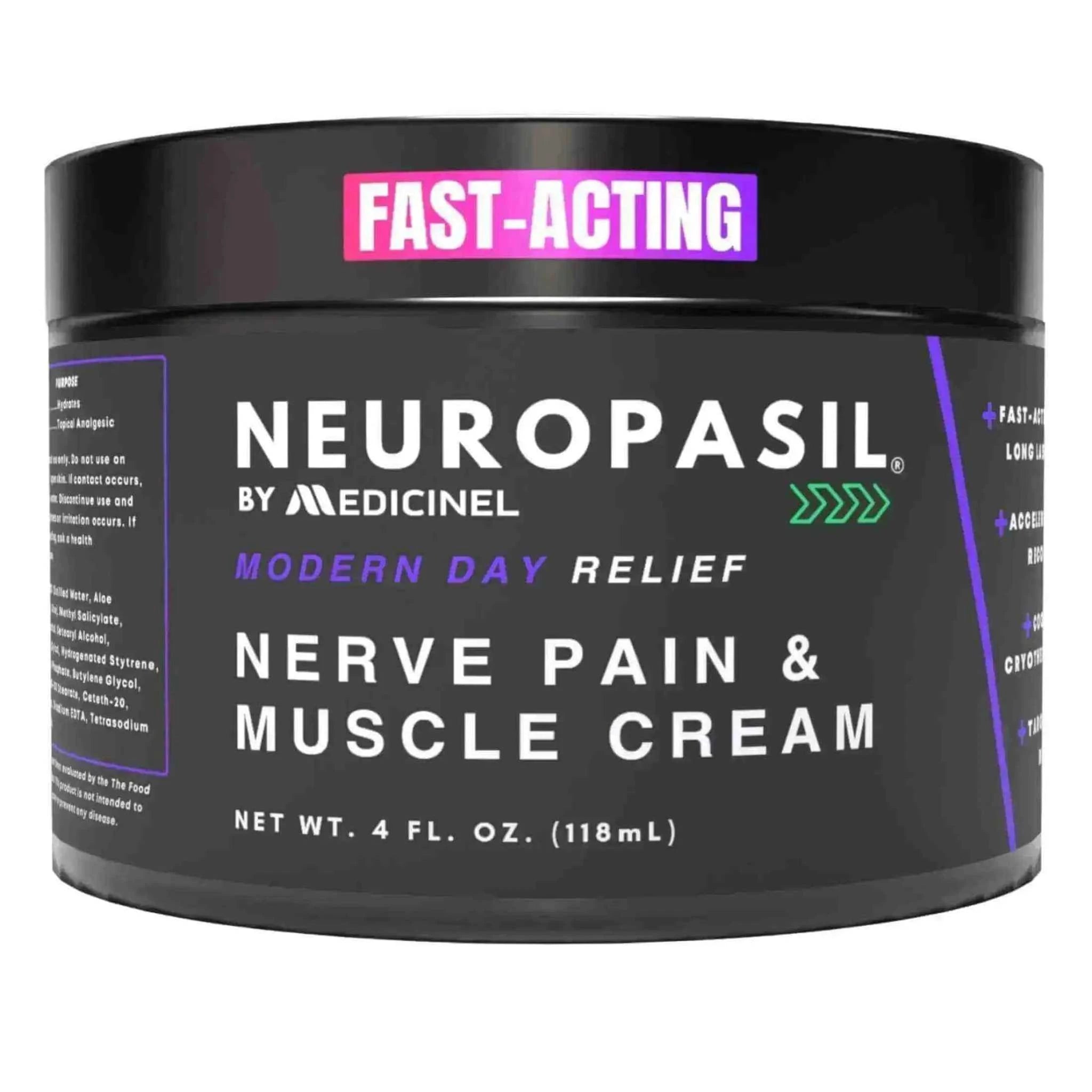
Different formulas address specific issues: topical NSAIDs like diclofenac fight arthritis inflammation, counterirritants with menthol provide cooling relief for muscle soreness, and specialized creams like Neuropasil soothe nerve pain. Other options include lidocaine for numbing and capsaicin for deep joint pain.
Whether you're dealing with post-workout soreness, a chronic condition like arthritis, or an acute sprain, the right topical analgesic can restore comfort and mobility without the pill burden of systemic drugs.
I'm Tony Enrico, and I've dedicated my career to helping people find effective, natural solutions for pain management. My work with products like Neuropasil has shown me that the right topical formula can be life-changing. Let's explore how these products work and which ones are best for your needs.
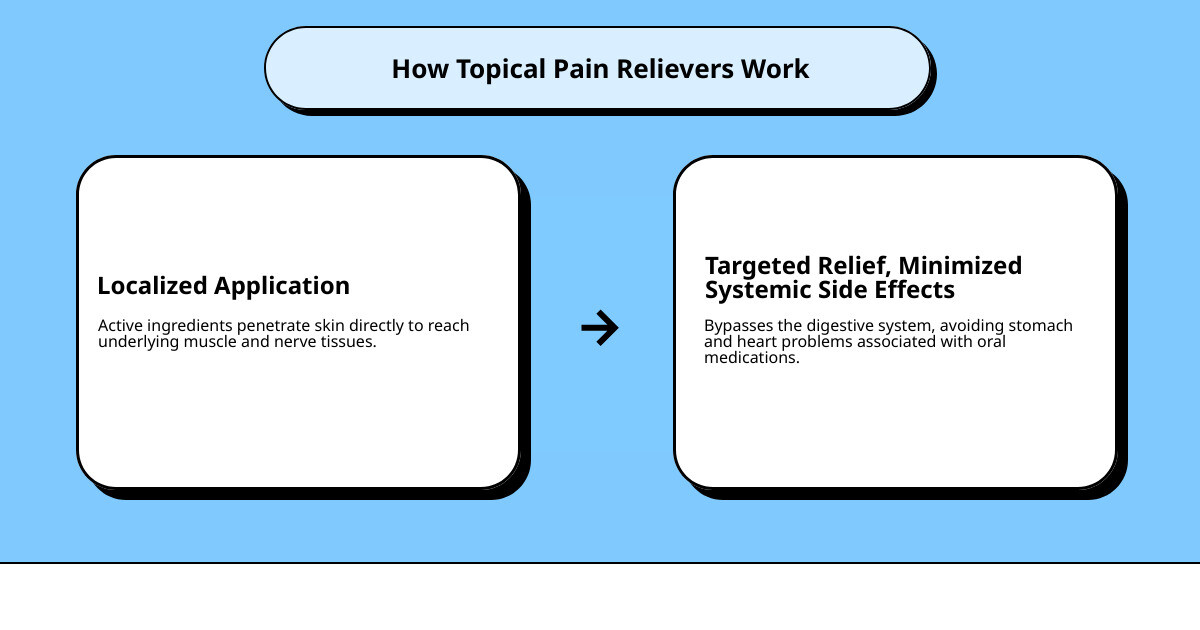
How Topical Pain Relievers Work
Pain relief gels and creams act as precision tools for pain management. Unlike oral pills that travel through your entire body, topical treatments are applied directly to the skin over the painful area. The active ingredients absorb through the skin to target the underlying muscles, joints, and nerves where the discomfort originates.
This localized approach means the medication bypasses the digestive system and doesn't need to circulate widely in the bloodstream. As a result, you get a high concentration of the active ingredient at the pain site with minimal amounts entering the rest of your body. This significantly reduces the risk of systemic side effects commonly associated with oral pain medications.
For example, oral NSAIDs like ibuprofen can cause stomach upset, ulcers, and heart problems with long-term use. Topical NSAIDs deliver similar anti-inflammatory power with a much lower risk of these complications. This makes them a safer alternative for many people, especially those with sensitive stomachs or other health concerns.
Beyond safety, the benefits include no pills to swallow, less waiting for digestion, and fewer potential drug interactions. Topicals are particularly effective for joints near the skin's surface, such as the hands, knees, elbows, and ankles. As the Mayo Clinic notes, this makes them a great option for conditions like osteoarthritis in accessible joints. You can read more in their article on Arthritis pain: Treatments absorbed through your skin.
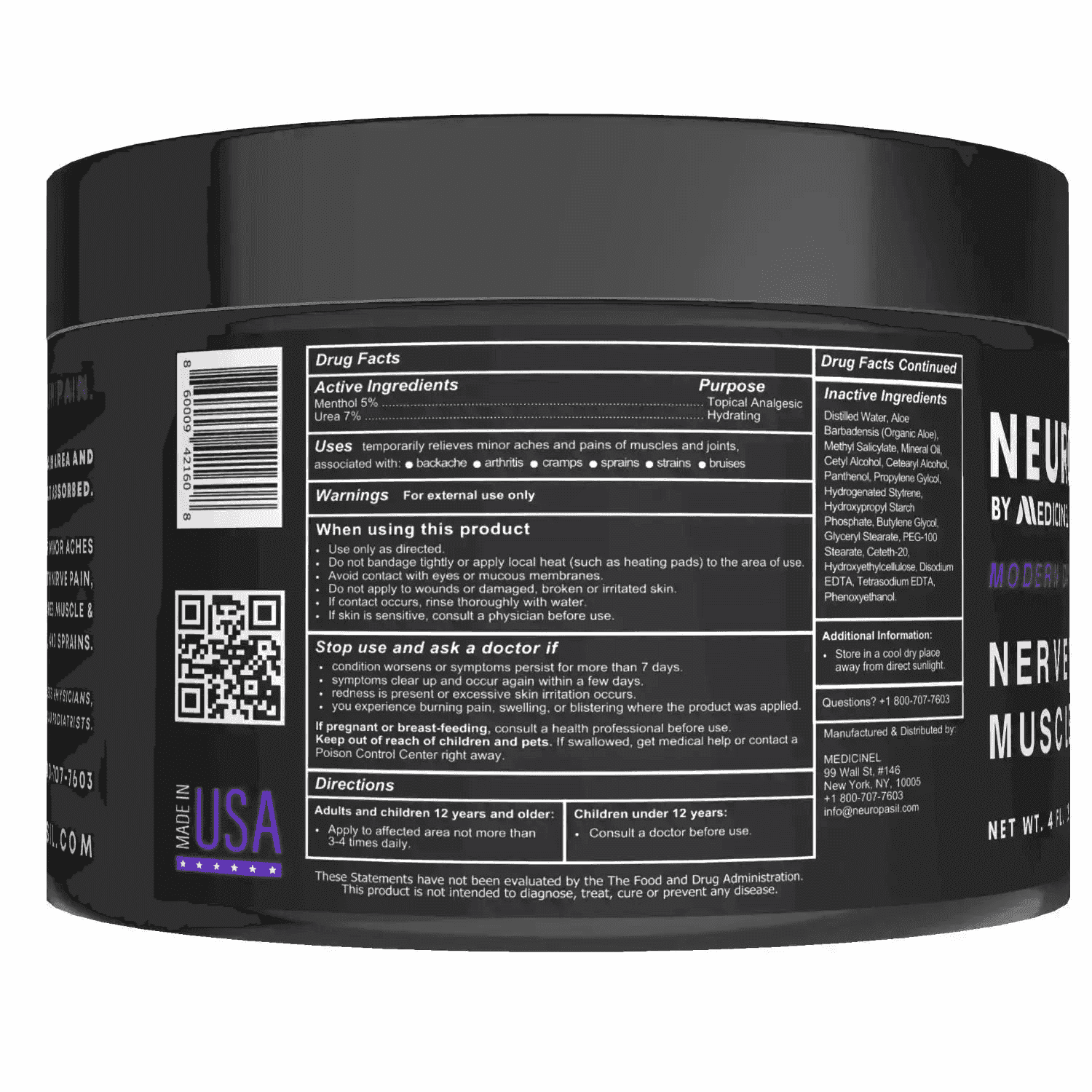
At Neuropasil, our formula leverages this science with ingredients like menthol, aloe vera, and urea designed for effective penetration and soothing relief. Learn more info about our ingredients. In short, topicals let you treat pain where it happens, avoiding systemic issues and getting you back to your life.
The Main Types of Topical Analgesics Explained
When browsing the pain relief aisle, it's helpful to know that pain relief gels and creams fall into four main categories based on their active ingredients. Understanding these differences, as outlined by health resources like Healthify, helps you choose the right product for your specific pain.
| Type | Mechanism | Best For | Sensation |
|---|---|---|---|
| Counterirritants | Create a burning or cooling sensation that distracts the mind from pain by stimulating sensory nerve endings to alter or offset the original pain. | Muscle aches, minor sprains, temporary relief of mild to moderate musculoskeletal pain. | Cooling (menthol), warming (camphor, methyl salicylate), tingling. |
| NSAIDs | Reduce pain and inflammation by inhibiting cyclooxygenase (COX) enzymes, which are involved in the production of prostaglandins (chemicals that cause pain and inflammation). | Osteoarthritis, sprains, strains, bursitis, tendinitis, particularly in joints close to the skin (hands, knees). | No direct sensation; reduces inflammation. |
| Anesthetics | Numb the area by blocking nerve signals from reaching the brain, often by inhibiting voltage-gated sodium channels in nerve fibers. | Localized pain, targeted numbing for specific areas, nerve pain, before minor procedures. | Numbing, temporary loss of sensation. |
| Capsaicin | Depletes Substance P, a chemical that transmits pain signals, by activating TRPV1 channels on nerve fibers. Initially causes a warm tingling or burning sensation, followed by desensitization over time with consistent use. | Nerve pain (e.g., diabetic neuropathy, post-herpetic neuralgia), osteoarthritis, joint pain. Requires consistent use for full effect. | Initial warm tingling or burning sensation, which diminishes over time; eventual desensitization to pain. |
Counterirritants (Menthol, Camphor, Methyl Salicylate)
Counterirritants create a cooling or warming sensation that distracts your brain from the underlying pain. Ingredients like menthol (in products like Biofreeze) produce a cooling effect, while camphor and methyl salicylate (in products like Bengay) create warmth. They don't heal the injury but are highly effective for temporary relief from muscle aches and minor sprains.
Topical NSAIDs (Diclofenac, Ibuprofen)
When pain involves inflammation, topical NSAIDs are a strong choice. These products contain diclofenac or ibuprofen, which block pain-causing chemicals at the source. Applying them directly to the skin provides targeted anti-inflammatory action with a much lower risk of the systemic side effects associated with oral NSAIDs. They are especially effective for arthritis in joints like the hands and knees.
Anesthetics (Lidocaine)
Topical anesthetics like lidocaine work by numbing the painful area. They temporarily block nerve signals from reaching the brain, providing straightforward numbing relief without any other sensations. Lidocaine is ideal for targeted, temporary relief of a specific painful spot.
Capsaicin
Derived from chili peppers, capsaicin offers a unique approach. It initially creates a warm sensation, but with consistent use, it depletes Substance P, the neurotransmitter that sends pain signals. This desensitizes nerve endings, leading to long-term pain reduction. While it requires patience, capsaicin can be highly effective for chronic nerve pain and certain types of arthritis.
Choosing the Best Pain Relief Gels and Creams for Your Needs
Finding the right pain relief gels and creams depends on the cause and location of your pain. Here’s a guide to the best options for common types of discomfort.
Best for Arthritis Pain
For arthritis in the hands, knees, or other accessible joints, topical NSAIDs are often the most effective choice because they target the underlying inflammation. Voltaren Arthritis Pain Gel, which contains diclofenac, is a popular over-the-counter option. It delivers anti-inflammatory medication directly to the joint, reducing swelling and improving mobility with fewer systemic risks than oral NSAIDs. For more on this, Harvard Health offers a great resource: Get rub-on relief for arthritis joint pain.
Best for Muscle Soreness & Recovery
For everyday muscle aches from workouts or physical activity, counterirritant products provide fast, satisfying relief. Biofreeze uses menthol for an immediate cooling effect, while Icy Hot offers a dual-action cooling and warming sensation. For those who prefer consistent warmth, Bengay has been a trusted choice for generations. Another option, Stopain Extra Strength Gel, combines menthol with MSM and glucosamine for both immediate relief and ingredients that support joint health. These products are excellent for post-workout recovery and general muscle tightness. For a deeper dive, see our guide: What are the best products for muscle pain?.
Best for Nerve Pain (Neuropathy, Sciatica)
Nerve pain—presenting as burning, tingling, or shooting sensations—requires a specialized approach. This is where Neuropasil excels. Our formula was developed specifically for nerve-related discomfort, using a blend of natural ingredients. Menthol provides a cooling sensation to calm irritated nerve endings, Aloe Vera soothes inflammation, and Urea helps the active ingredients penetrate deeply to where they're needed most.
Customers use Neuropasil for relief from neuropathy, sciatica, fibromyalgia, and plantar fasciitis. It's also used by athletes for muscle recovery and joint discomfort. If nerve pain is limiting your life, our specialized cream may offer the relief you need. Learn more about our nerve pain relief cream.
Best for Targeted Numbing
When you just need to numb a specific, painful spot, lidocaine products are the answer. Aspercreme with Lidocaine offers maximum-strength numbing available over the counter. For continuous, hands-free relief, Salonpas Lidocaine Patches are a convenient option. You can apply a patch to your back or shoulder for hours of steady numbing. Lidocaine works by blocking pain signals from reaching the brain, providing powerful, localized relief for acute pain.
Safe Application and Important Precautions
While pain relief gels and creams are beneficial, using them safely is crucial for effectiveness and to avoid irritation. Proper application ensures you get the most relief while keeping your skin healthy. The following guidelines are based on recommendations from trusted health sources like Healthify.

How to safely use pain relief gels and creams
Always start by reading the product label for specific instructions. Follow these general safety guidelines:
- Apply a thin layer: Gently rub a small amount into the skin over the affected area until absorbed.
- Wash hands thoroughly: After every application, wash your hands to avoid accidentally touching your eyes or other sensitive areas. Using disposable gloves is also an option.
- Avoid broken skin: Never apply to cuts, scrapes, rashes, or damaged skin, as this can cause excessive absorption and stinging.
- Do not use with heat: Never apply a heating pad over an area treated with a topical analgesic. The combination can cause severe skin irritation or burns.
- Do not bandage tightly: Covering the area with tight bandages can trap the medication and increase absorption to unsafe levels. Loose clothing is fine.
- Keep away from sensitive areas: Avoid contact with eyes, mouth, nose, and genital areas.
Potential Side Effects and When to See a Doctor
Most side effects are mild and localized, such as temporary skin irritation, redness, or itching. With capsaicin products, an initial burning or stinging sensation is normal and typically subsides with continued use.
See a doctor if you experience:
- Pain that worsens or persists for more than 7 days.
- Severe skin irritation, blistering, or excessive redness.
- Symptoms that do not improve or if new symptoms appear.
- Signs of a serious allergic reaction, such as hives, widespread rash, significant swelling, or difficulty breathing (seek immediate medical attention).
Special Considerations: Pregnancy, Children, and Allergies
Certain conditions require extra caution. Always consult a healthcare professional in the following situations:
- Pregnancy or breastfeeding: Talk to your doctor before using any topical pain reliever to ensure it's safe for you and your baby.
- Children: A child's skin is more delicate. Always check with a pediatrician before use, as some ingredients (like methyl salicylate) can be harmful to young children.
- Allergies: If you have an aspirin allergy, be cautious with products containing salicylates or topical NSAIDs (diclofenac, ibuprofen).
- Pre-existing conditions: Individuals with kidney or heart conditions, or those taking blood thinners, should consult their doctor before using topical NSAIDs or products with salicylates.
Frequently Asked Questions about Pain Relief Gels and Creams
Here are answers to some of the most common questions we receive about pain relief gels and creams.
What's the difference between a gel and a cream?
The main difference is in the formulation and feel. Gels are typically water-based and oil-free, making them clear or translucent. They absorb very quickly without leaving a greasy residue and often provide an initial cooling sensation. Creams contain a balance of oil and water, giving them a thicker, more opaque consistency. They are more moisturizing, which can be beneficial for dry skin, but may take slightly longer to absorb.
The choice often comes down to personal preference for texture and skin type.
Can I use a heating pad with a pain relief cream?
No. It is dangerous to use a heating pad with most pain relief gels and creams, especially those containing counterirritants like menthol or camphor. The external heat can dramatically increase the absorption of the active ingredients and intensify the sensation, leading to skin irritation, blistering, or even severe burns. Let the product work on its own as intended.
How long does it take for topical pain relievers to work?
The time to feel relief varies by the active ingredient. As noted by sources like the Mayo Clinic, some may require several days of use to reach their full effect:
- Counterirritants (menthol, camphor): You'll feel the cooling or warming sensation almost instantly, with pain-distracting effects kicking in within minutes.
- Lidocaine: Numbing effects typically begin within 5 to 30 minutes.
- Topical NSAIDs (diclofenac): Some relief may be felt within an hour, but the full anti-inflammatory effect often builds over several days of consistent use.
- Capsaicin: You'll feel the initial warming sensation right away, but the true pain-reducing benefit can take one to two weeks of regular application to develop as it depletes Substance P in the nerves.
Conclusion: Finding the Right Relief for You
We've explored how pain relief gels and creams offer a powerful way to manage discomfort. Their greatest advantage is delivering targeted relief directly to the source of pain, bypassing the systemic side effects of oral medications.
The key is to match the right active ingredient to your specific pain. Whether it's a topical NSAID for arthritis, a counterirritant for sore muscles, lidocaine for numbing, or a specialized formula for nerve pain, the right product can significantly improve your quality of life. Always use these products safely by following label directions, washing your hands after use, and never combining them with a heating pad.
At Neuropasil, we are passionate about helping people find effective relief. Our formula with Aloe, Urea, and Menthol was developed to address the unique challenges of nerve pain and muscle soreness, and we're proud to be a trusted part of so many pain management journeys.
You don't have to live with constant discomfort. Finding the right topical solution is worth the effort. If you're ever unsure, especially if you have underlying health conditions, your doctor or pharmacist is your best resource.
Continue your journey to a more comfortable life. Head over to our blog for more helpful insights and guidance.
Explore our blog for more pain management tips
References
Throughout this guide, we've drawn on trusted medical and health resources to ensure you're getting accurate, reliable information about pain relief gels and creams. Here are the sources that informed our recommendations:
- Harvard Health Publishing provides insights into how topical treatments can effectively manage arthritis pain. Their research highlights the benefits of rub-on relief for joint discomfort. You can read more at: Get rub-on relief for arthritis joint pain.
- The Mayo Clinic offers comprehensive guidance on how topical pain medications are absorbed through the skin to target localized pain, explaining why they're often safer than oral alternatives. Visit their resource here: Arthritis pain: Treatments absorbed through your skin.
- Healthify provides information on the general use and application of pain relief creams, gels, and rubs, which informed our safety guidelines. See their guide here: Pain relief creams, gels and rubs.
- Musculoskeletal Health Australia offers additional insights regarding ointments, liniments, rubs, and gels. You can find their information here: Ointments, liniments, rubs and gels.
For general product information, we also consulted publicly available resources from manufacturers of well-known brands and major health retailers.
We believe in transparency and want you to have access to the same trusted sources we used to create this comprehensive guide. These references represent the medical and scientific foundation behind our recommendations for pain relief gels and creams.