What You Need to Know About Hamstring Tendonitis
Hamstring tendonitis is inflammation or irritation of the tendons that connect your hamstring muscles to the bones in your pelvis, knee, or lower leg. It causes pain in the back of your thigh, especially near your buttocks or behind your knee, and it develops gradually from overuse or repetitive strain.
Quick Overview:
- What it is: Swelling or micro-tears in the hamstring tendons, not the muscle itself
- Main symptom: Deep, aching pain in the buttocks or back of thigh that worsens with activity
- Common causes: Repetitive running, sudden increases in training, muscle imbalances, previous injuries
- Who gets it: Athletes (especially runners, soccer players, dancers), people over 40 Cleveland Clinic, those with prior hamstring injuries
- Treatment: Rest, ice, physical therapy, gradual return to activity, and targeted pain relief
- Recovery time: Mild cases heal in weeks; chronic cases may take 3-6 months Cleveland Clinic
If you've felt a persistent ache deep in your buttocks that radiates down your thigh, especially when sitting, running, or stretching, you're likely dealing with hamstring tendonitis. It's frustrating because it limits your movement and can sideline you from activities you love. But here's the good news: with proper treatment and patience, most people recover fully.
I'm Tony Enrico, and through my work with Neuropasil, I've helped thousands of athletes and active adults find relief from muscle and nerve pain, including hamstring tendonitis. My mission is to provide not just products, but real solutions that restore your freedom to move without pain.
Hamstring tendonitis word roundup:
Understanding Hamstring Tendonitis: Causes, Symptoms, and Diagnosis
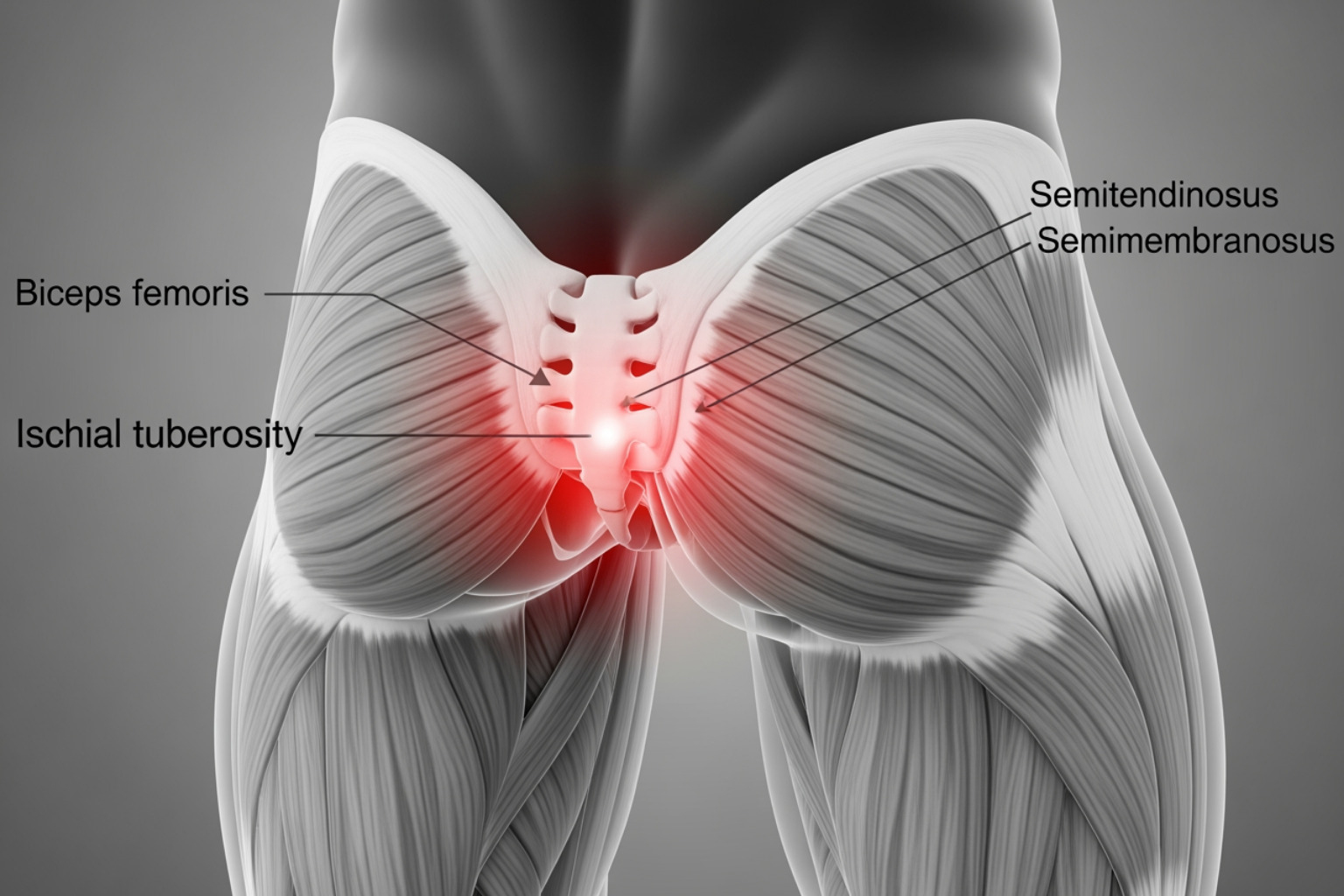
Before diving into how to alleviate the discomfort of hamstring tendonitis, let's understand what's happening within our bodies. The hamstrings are a group of three powerful muscles—the semimembranosus, semitendinosus, and biceps femoris—that run along the back of your thigh from your hip to just below your knee. These muscles are crucial for bending your knee, extending your leg backward, and controlling knee straightening. Tendons are tough, fibrous cords of connective tissue that attach these muscles to your bones, acting like strong ropes to transmit force.
When we talk about hamstring tendonitis, we're referring to inflammation or irritation of these tendons. The location of the pain can vary, leading to different classifications:
- Proximal Hamstring Tendonitis (PHT): This is often called "high hamstring pain" or "deep buttock pain." It occurs where the hamstring tendons attach to the ischial tuberosity, commonly known as the "sit bone," in your pelvis. This area can become particularly aggravated by prolonged sitting or activities involving hip flexion.
- Distal Hamstring Tendonitis: This type of tendonitis affects the tendons closer to where they insert around the knee joint.
Understanding the specific location of your pain is often the first step in effective treatment.
What Causes Hamstring Tendonitis and Who is at Risk?
Hamstring tendonitis doesn't usually appear suddenly. It's often the result of factors that put excessive stress on your hamstring tendons. The primary culprits include:
- Repetitive Strain and Overuse: This is perhaps the most common cause. Activities that involve repeated forceful contractions or stretching of the hamstrings, such as running, cycling, dancing, or sports with high-speed running and sudden stops (like track and field, soccer, and football), can lead to micro-trauma in the tendons. Over time, this constant stress irritates the tendons, leading to inflammation and pain.
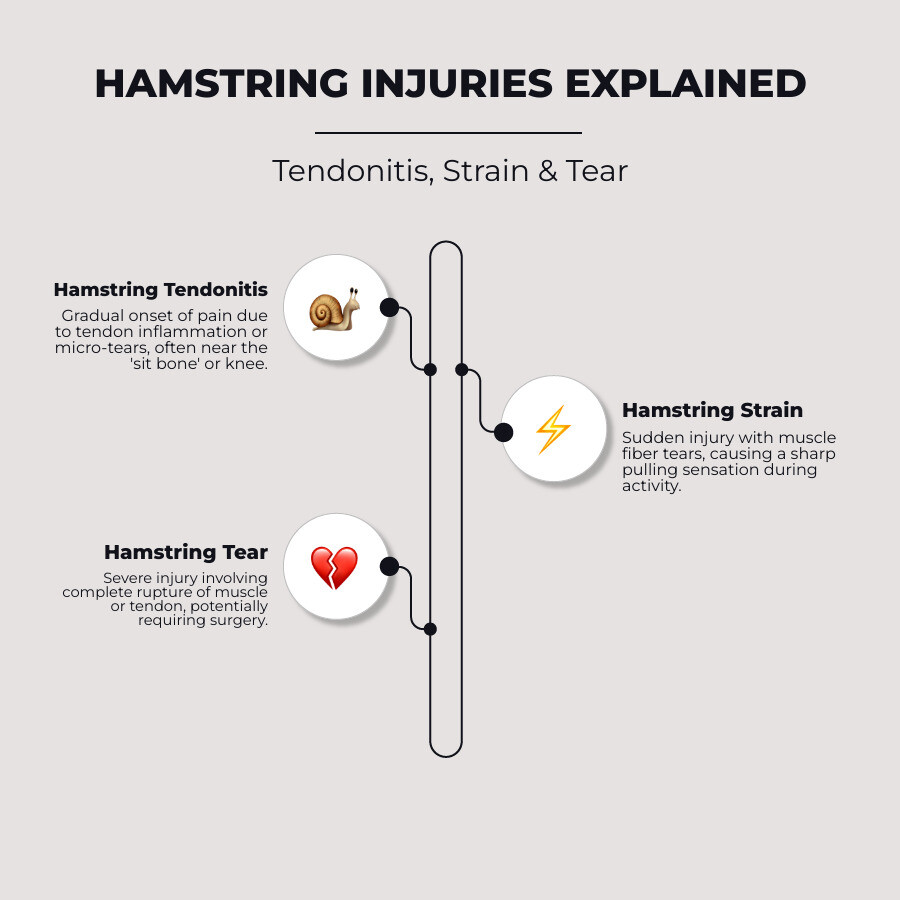
- Sudden Trauma: While hamstring tendonitis typically develops gradually, a sudden, forceful movement or injury can sometimes initiate the inflammatory process. However, sudden injuries are more commonly associated with hamstring strains or tears.
- Muscle Imbalances: Your body is a complex system, and imbalances can throw things off. Research shows that imbalances between the strength of your quadriceps (front thigh muscles) and hamstrings may make you more likely to develop hamstring tendonitis Research Muscle imbalances.. Our quadriceps are often naturally stronger, leading to the hamstrings working harder to compensate, especially during activities like running.
- Tight Muscles: It's not just tight hamstring muscles that pose a risk. Research indicates that tight quadriceps and tight hip flexor muscles can also increase the risk of hamstring injuries, including tendonitis Research Tight muscles.. Tight hip flexors, in particular, make it more challenging for your hamstrings to fully extend, placing extra strain on the tendons.
- Previous Hamstring Injury: If you've had a hamstring injury before, you're unfortunately more susceptible to developing hamstring tendonitis or a repeat strain. Athletes with a previous hamstring injury are up to six times more likely to suffer a repeat strain or tendonitis, according to a 2020 review published in the British Journal of Sports Medicine Risk of recurrent injury. This highlights the importance of thorough rehabilitation after any initial injury.
- Age-Related Changes: As we age, our tendons can become less elastic and more prone to wear and tear. While hamstring tendonitis can affect people of all ages, individuals over 40 may be at a higher risk due to these degenerative changes. Conversely, studies suggest that athletes between the ages of 16 and 25 are at the highest risk of hamstring injuries in general Mayo Clinic.
-
High-Risk Sports and Activities: Certain sports and activities significantly increase your risk. These include:
- High-speed running: Track and field, sprinting
- Sports with sudden stops and starts: Soccer, football, basketball
- Activities requiring extreme flexibility or repetitive leg movements: Dancing, hurdling, cycling
Common Symptoms of Hamstring Tendonitis
Recognizing the signs and symptoms of hamstring tendonitis is crucial for early intervention and effective management. The symptoms can range from mild annoyance to significant pain that impacts daily life. Here's what to look out for:
- Dull, Aching Pain: This is a very common presentation, often felt deep in the back of the thigh or around the buttocks. It might be a persistent, nagging discomfort.
- Deep Buttock Pain: Especially with proximal hamstring tendonitis, you might experience pain directly over your "sit bone" (ischial tuberosity), which can worsen with sitting.
- Pain Radiating Down the Thigh: The discomfort can sometimes extend from the buttocks down the back of the thigh, potentially reaching the knee.
- Sharp, Burning Sensation: While often a dull ache, some individuals report a sharp, burning pain, particularly during or after activity.
- Stiffness: You might notice stiffness in the back of your thigh, especially after periods of rest, like first thing in the morning or after sitting for a long time.
- Decreased Range of Motion: The affected leg might feel tighter, making it difficult to fully straighten your knee or bend forward at the hips without pain.
- Weakness in the Leg: You might experience a noticeable weakness in your hamstring muscles, affecting your ability to perform activities like running, jumping, or climbing stairs.
- Pain When Sitting or Stretching: Prolonged sitting can compress the inflamed tendons, especially in cases of proximal hamstring tendonitis. Stretching the hamstrings can also reproduce or worsen the pain.
- Swelling or Tenderness: While not always visible, the affected area might feel tender to the touch, and in some cases, mild swelling might be present.
These symptoms can sometimes overlap with other conditions, so a proper diagnosis from a healthcare professional is always recommended.
How is it Diagnosed?
When you experience persistent hamstring pain, a healthcare professional will typically follow a systematic approach to diagnose hamstring tendonitis and rule out other potential issues.
- Medical History Review: We'll start by asking detailed questions about your symptoms, including when the pain began, what activities aggravate or alleviate it, any previous injuries, and your activity level. This helps us understand the context of your pain.
-
Physical Examination: This is a hands-on assessment where we'll:
- Palpation for Tenderness: Gently feel along your hamstring muscles and tendons, especially around the ischial tuberosity (sit bone) and behind the knee, to pinpoint areas of tenderness.
- Range of Motion Tests: Assess the flexibility and movement of your hip and knee joints to see if motion is limited or painful.
- Strength Tests: Evaluate the strength of your hamstring muscles against resistance.
- Specific Physical Tests: Certain tests can help identify hamstring tendonitis. Examples include the Bent Knee Stretch Test, Modified Bent Knee Stretch Test, and the Puranen-Orava Test, which aim to reproduce your pain by stretching or loading the hamstring tendons in specific ways.
-
Imaging Tests: While a thorough physical exam often provides a strong indication of hamstring tendonitis, imaging may be used to confirm the diagnosis, assess the extent of tendon damage, or rule out other injuries like a muscle tear or stress fracture.
- MRI (Magnetic Resonance Imaging): This advanced imaging technique uses magnetic fields and radio waves to create detailed images of soft tissues, including tendons. An MRI can effectively show tendon inflammation, thickening, or any tears.
- Ultrasound: A cost-effective and real-time imaging method that uses high-frequency sound waves to visualize tendons, ligaments, and muscles. It can show inflammation, fluid accumulation, and tendon changes.
- X-rays: While X-rays don't show soft tissues like tendons, they might be used to rule out bone issues, such as avulsion fractures where a piece of bone has pulled away with the tendon.
By combining your medical history, a comprehensive physical examination, and potentially imaging, your healthcare provider can arrive at an accurate diagnosis and develop an appropriate treatment plan for your hamstring tendonitis.
A Step-by-Step Guide to Hamstring Tendonitis Treatment and Pain Relief
Once you've received a diagnosis of hamstring tendonitis, the good news is that there are many effective strategies we can employ to relieve your pain and promote healing. Our approach focuses on reducing inflammation, strengthening the affected area, and gradually restoring full function.

At-Home and Conservative Treatments
For most cases of hamstring tendonitis, especially in its early stages, conservative treatments are highly effective. These are steps you can take at home to manage your symptoms and kickstart the healing process:
- Rest and Activity Modification: The first and most crucial step is to reduce or temporarily avoid activities that aggravate your hamstring tendonitis. This doesn't necessarily mean complete inactivity, but rather modifying your routine to allow the tendon to rest and heal. Avoid movements that cause pain.
-
Ice and Heat Therapy:
- Ice: Apply ice packs to the affected area for 15-20 minutes several times a day, especially after activity or if you notice swelling. Ice helps to constrict blood vessels, reducing inflammation and pain.
- Heat: Once the initial acute pain and swelling have subsided, you can alternate with heat therapy. Heat encourages blood circulation and can help relax stiff muscles surrounding the tendon.
- Compression: Using a compression bandage or sleeve on your thigh can help reduce swelling and provide gentle support to the injured area.
- Elevation: Elevating your leg above your heart, especially when resting, can help reduce swelling by promoting fluid drainage.
- Gentle Stretching: While aggressive stretching can worsen tendonitis, gentle, pain-free stretching can help maintain flexibility and prevent stiffness. Focus on controlled movements within your comfortable range. For more detailed guidance on muscle pain relief, including stretches, you can explore our resources on muscle strain treatment.
- Over-the-Counter (OTC) NSAIDs: Non-steroidal anti-inflammatory drugs like ibuprofen or naproxen can help manage pain and reduce inflammation. Always follow dosage instructions and consult a pharmacist or doctor if you have underlying health conditions.
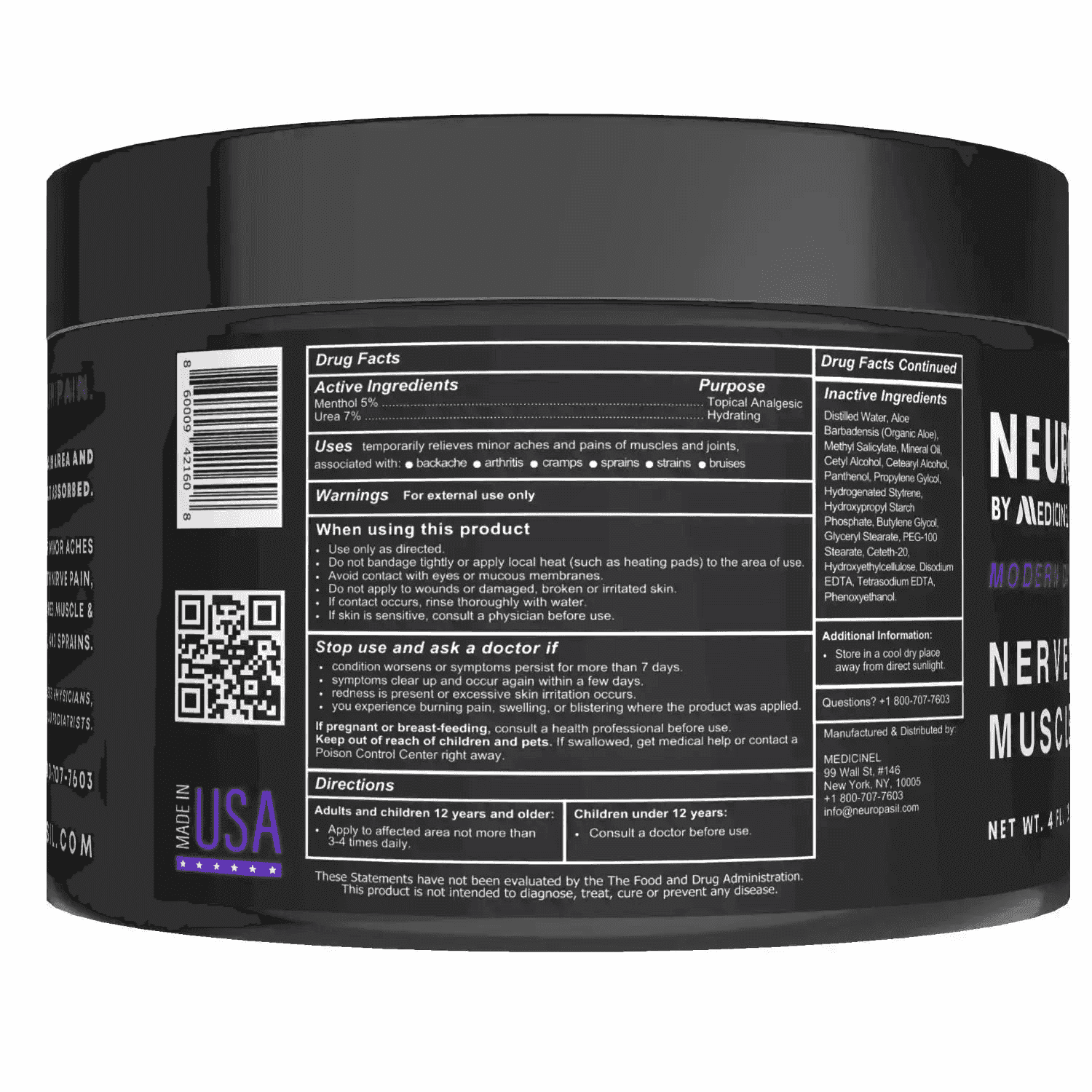
- Targeted Topical Relief with Neuropasil: For immediate and targeted relief, we recommend applying Neuropasil Nerve Pain Relief Cream directly to the affected area. Our unique formula, powered by natural ingredients like Aloe, Urea, and Menthol, provides soothing relief for muscle and nerve pain. The menthol creates a cooling sensation that can help desensitize nerve endings and calm the discomfort associated with hamstring tendonitis. Many athletes and active individuals trust Neuropasil for their sore muscles and localized pain.
Here’s a list of the best at-home pain relief strategies:
- R.I.C.E. Protocol: Rest, Ice, Compression, Elevation.
- Activity Modification: Avoid pain-inducing movements.
- Gentle Movement: Incorporate light, pain-free motion to prevent stiffness.
- Topical Pain Relief: Apply Neuropasil Nerve Pain Relief Cream for localized comfort.
- OTC Pain Relievers: Use NSAIDs as directed for pain and inflammation.
Supportive and Professional Interventions
If at-home treatments aren't providing sufficient relief, or if your hamstring tendonitis is more severe or chronic, professional medical guidance becomes essential.
-
Guided Exercise and Stretching Routines: A physical therapist (PT) is invaluable in developing a personalized rehabilitation program. They will assess your specific needs and guide you through appropriate exercises. This typically includes:
- Eccentric Strengthening Exercises: These are particularly effective for tendon healing. Eccentric exercises involve lengthening the muscle under tension (e.g., slowly lowering weight during a hamstring curl). These help to remodel the tendon structure and increase its load-bearing capacity.
- Core Stabilization: Strengthening your core muscles provides a stable base for your hips and legs, reducing undue stress on your hamstrings during movement.
- Functional Exercises: As you progress, your PT will introduce exercises that mimic your daily activities or sports-specific movements, ensuring a safe return to your desired activity level.
-
Supportive Therapies (as recommended by healthcare professionals): For persistent cases, your doctor might suggest additional interventions:
- Corticosteroid Injections: These can provide temporary relief from pain and inflammation, but they don't address the underlying issue and are generally used sparingly due to potential long-term effects on tendon health.
- Platelet-Rich Plasma (PRP) Injections: PRP involves injecting a concentration of your own platelets into the injured tendon. Platelets contain growth factors that can promote healing. This is often considered for chronic tendon issues that haven't responded to other treatments.
- Extracorporeal Shockwave Therapy (ESWT): This non-invasive treatment uses sound waves to stimulate healing in the tendon. It can be particularly effective for chronic tendinopathy.
- Consultation with a Healthcare Provider: It's crucial to consult with a doctor or physical therapist for persistent or severe cases of hamstring tendonitis. They can accurately diagnose your condition, rule out other serious injuries, and create a comprehensive treatment plan custom to your needs.
When to See a Doctor
While many cases of hamstring tendonitis can improve with conservative care, there are specific instances when seeking professional medical help is non-negotiable. Don't hesitate to contact a healthcare provider if you experience any of the following:
- Pain that worsens or doesn't improve: If your pain isn't getting better after a few days or weeks of at-home care, or if it's intensifying.
- Inability to bear weight: If you cannot put weight on your injured leg or walk more than a few steps without significant pain.
- Sudden, intense pain: Especially if it occurred during an activity and feels like a "pop" or tear. This could indicate a more severe injury like a hamstring strain or tear.
- Significant swelling or bruising: While mild swelling is possible with tendonitis, extensive swelling or noticeable bruising along the back of your thigh could point to a more serious muscle or tendon injury.
- Loss of feeling in the leg or buttocks: This is a red flag and could indicate nerve involvement, potentially from the sciatic nerve, which runs close to the hamstring tendons.
- A visible lump or deformity: Any unusual lumps or changes in the shape of your thigh should be evaluated by a doctor.
Early assessment can prevent minor issues from becoming major problems and ensure you receive the most appropriate care.
Recovery and Prevention Strategies
Recovering from hamstring tendonitis is a journey that requires patience, consistency, and a smart approach to activity. The good news is that the prognosis is generally good with proper care. Most people find significant relief within days or weeks with at-home treatments, but chronic cases can take 3-6 months or even longer for full recovery Cleveland Clinic. The key is a gradual return to activity and consistently listening to your body to avoid setbacks.
Effective Recovery and Rehabilitation
Your recovery isn't just about resting; it's about active rehabilitation that builds strength and resilience.
- Progressive Loading Exercises: This is the cornerstone of tendon rehabilitation. Under the guidance of a physical therapist, you'll gradually increase the load and intensity of exercises on your hamstring tendons. This controlled stress helps to stimulate tendon healing and strengthen its structure. Examples include heavy, slow resistance (HSR) training for hamstrings, and progressing from isometric holds to isotonic movements.
- Cross-Training: While your hamstring tendons are healing, you can maintain cardiovascular fitness and overall strength through cross-training activities that don't aggravate your injury. Swimming, cycling (with appropriate adjustments to avoid hamstring strain), and elliptical training are excellent low-impact options.
- Prioritizing Sleep: Don't underestimate the power of a good night's rest. Quality sleep is when your body does most of its repair work. Aim for 7-9 hours of uninterrupted sleep each night to support tissue healing and recovery.
- Proper Nutrition for Healing: Your body needs the right building blocks to repair damaged tissues. Ensure your diet is rich in protein, vitamins (especially C and D), and minerals (like zinc and magnesium). Staying well-hydrated is also crucial for overall tissue health.
- The Debate on Complete Rest vs. Active Recovery: While initial rest is vital to calm acute inflammation, prolonged complete rest can sometimes be counterproductive. There is some thought that too much rest stiffens joints and hinders recovery. Instead, specific, guided activity can strengthen the tendon and aid in healing. The goal is to find the right balance, where you avoid pain-provoking activities but engage in gentle, therapeutic movements.
How to Prevent Hamstring Tendonitis from Recurring
Preventing hamstring tendonitis from coming back is just as important as treating it the first time. By adopting smart practices, you can significantly reduce your risk.
- Proper Warm-Up and Cool-Down Routines: Always start your workouts with a dynamic warm-up to prepare your muscles and tendons for activity, and finish with a static cool-down to improve flexibility.
- Maintaining Muscle Balance and Flexibility: Regularly stretch and strengthen your entire leg and core musculature. This includes not only your hamstrings but also your quadriceps, glutes, and hip flexors. Tight hip flexors or weak glutes can put extra strain on your hamstrings.
- Strengthening Hamstrings and Glutes: Focus on exercises that build strength and endurance in these key muscle groups. Stronger hamstrings are more resilient to stress.
- Ensuring Proper Form During Exercise: Incorrect technique can place undue stress on your tendons. If you're unsure about your form, especially for complex movements or sports-specific drills, consider working with a coach or physical therapist.
- Avoiding Sudden Increases in Training Intensity: Gradually increase your training volume, intensity, or duration. A common mistake is doing too much, too soon. Follow the 10% rule: don't increase your weekly mileage or load by more than 10% Hinge Health.
- Listen to Your Body: Pay attention to early signs of discomfort or fatigue. Pushing through pain can turn a minor irritation into a full-blown case of hamstring tendonitis. Rest when needed, and don't be afraid to dial back your activity if something feels "off."
For those seeking to manage muscle pain and discomfort as part of their prevention and recovery strategy, we invite you to explore more info about our pain relief products. Neuropasil offers effective solutions to keep you moving comfortably.
Frequently Asked Questions about Hamstring Tendonitis
We often hear similar questions from individuals dealing with hamstring tendonitis. Here are some common inquiries and our expert insights:
How long does it take for hamstring tendonitis to heal?
The healing time for hamstring tendonitis can vary significantly depending on several factors, including the severity of the condition, your overall health, age, and adherence to treatment.
- Mild cases: With proper rest, activity modification, and conservative treatments, mild hamstring tendonitis may resolve within a few weeks (e.g., 2-4 weeks) Cleveland Clinic.
- Moderate to severe cases: If the tendonitis is more established or chronic, recovery can take longer, typically 3-6 months Cleveland Clinic. In some complex cases, especially those requiring advanced therapies like PRP or shockwave therapy, it might extend beyond six months.
- Key Factors: Consistent rehabilitation, progressive loading exercises, and avoiding re-injury are crucial for a timely recovery. Rushing back to activities too soon is a common reason for prolonged healing or recurrence.
Is walking good for hamstring tendonitis?
Yes, gentle walking can generally be good for hamstring tendonitis, especially after the initial acute pain has subsided. Here's why:
- Promotes Blood Flow: Light activity, like walking, increases blood circulation to the injured tendon, which can help deliver nutrients and remove waste products, aiding the healing process.
- Prevents Stiffness: Complete inactivity can lead to stiffness and weakness in the muscles and joints. Gentle walking helps maintain some range of motion and muscle activation.
- Active Recovery: It's often a better option than complete rest, which, as we discussed, can sometimes hinder recovery by stiffening joints.
However, it's crucial to listen to your body. Avoid walking long distances, on hills, or at a pace that causes or increases your pain. If you feel any sharp pain or increased discomfort, stop and rest. The goal is pain-free movement.
Should I stretch a sore hamstring tendon?
This is a common question, and the answer is nuanced: gentle stretching can be beneficial, but aggressive or painful stretching should be strictly avoided.
- Avoid Aggressive Stretching: If your hamstring tendonitis is acute and inflamed, aggressive stretching can further irritate the tendon and worsen the condition. Forcing a stretch through pain can delay healing or even cause more damage.
- Focus on Pain-Free Range of Motion: Instead, focus on maintaining your pain-free range of motion. This might involve very light, controlled movements rather than deep stretches.
- Consult a Physical Therapist: A physical therapist can provide appropriate, progressive stretching exercises custom to your stage of recovery. They might recommend dynamic stretches as part of a warm-up or gentle static stretches as part of a cool-down, ensuring they are therapeutic rather than harmful. For instance, in cases of proximal hamstring tendonitis, some experts find that stretching the hamstring complex often worsens pain, suggesting a cautious approach to traditional hamstring stretches UpToDate.
The emphasis should always be on pain-free movement and gradually increasing flexibility as the tendon heals and strengthens.
Conclusion
Navigating the discomfort and limitations of hamstring tendonitis can be challenging, but with the right knowledge and approach, a full recovery is well within reach. We've explored what hamstring tendonitis is, how it differs from other hamstring injuries, its common causes and risk factors, and how healthcare professionals diagnose it.
Early intervention is key. By understanding the common symptoms and knowing when to seek professional medical help, you empower yourself to take control of your healing journey. We've outlined a comprehensive guide to treatment, from effective at-home strategies like the R.I.C.E. method and targeted pain relief with Neuropasil Nerve Pain Relief Cream, to professional interventions like physical therapy and advanced medical options.
Our commitment to your well-being extends beyond immediate relief. We believe in empowering you with the knowledge to prevent recurrence through proper warm-ups, muscle balance, and smart training practices. The long-term outlook for hamstring tendonitis is generally positive, provided you commit to a structured recovery plan and listen to your body's signals.
Don't let hamstring tendonitis sideline you from the activities you love. Take these steps towards recovery and active prevention, and consider Neuropasil for targeted muscle pain relief that supports your journey back to full strength and mobility.
Find more health resources on our blog
References
- https://my.clevelandclinic.org/health/diseases/22471-hamstring-tendonitis
- https://www.hingehealth.com/resources/articles/hamstring-tendonitis/
- https://www.mayoclinic.org/diseases-conditions/hamstring-injury/symptoms-causes/syc-20372985?p=1
- https://pubmed.ncbi.nlm.nih.gov/32299793/
- https://pubmed.ncbi.nlm.nih.gov/16678486/
- https://bjsm.bmj.com/content/47/6/351
- https://www.uptodate.com/contents/hamstring-muscle-and-tendon-injuries