Why Understanding Calf Tightness Matters for Your Active Life
Tightness in calf muscle is one of the most common complaints among athletes and everyday adults alike. Whether you're a marathon runner, a weekend warrior, or someone who spends long hours on their feet, that familiar sensation of stiff, uncomfortable calves can stop you in your tracks.
Quick Relief Methods for Tight Calves:
- Stretch regularly - Hold calf stretches for 20-30 seconds, 3 times per leg
- Apply ice and compression - Use the RICE method for acute pain (first 48-72 hours)
- Use topical relief creams - Natural menthol-based formulas provide fast, targeted soothing
- Stay hydrated - Drink plenty of water and replenish electrolytes
- Strengthen your calves - Perform calf raises and resistance exercises
- Massage the area - Use foam rollers or your hands to release tension
- Seek professional help - Consult a healthcare provider for persistent or severe tightness
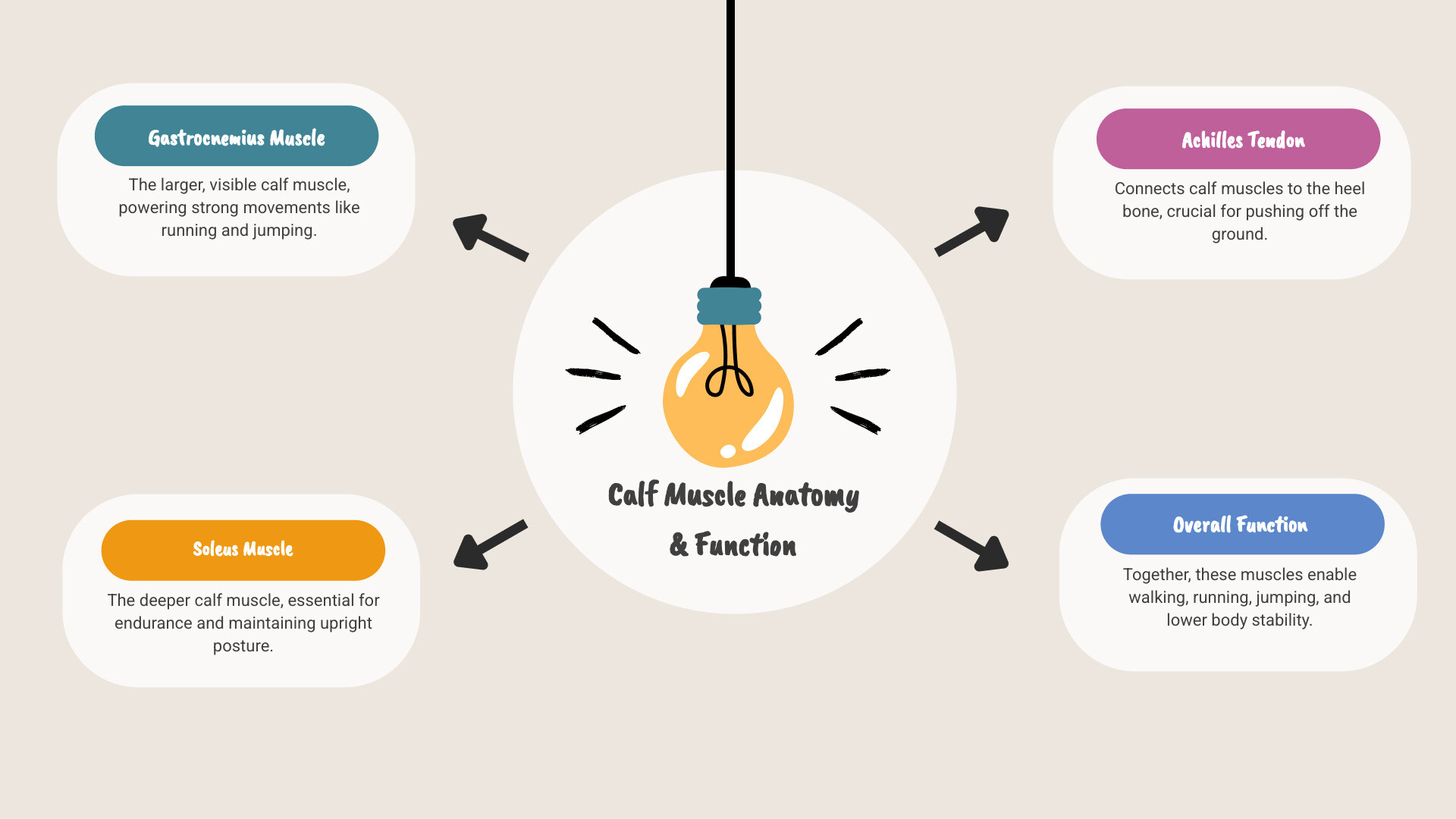
The calf is made up of two primary muscles: the gastrocnemius (the larger, visible muscle) and the soleus (the deeper muscle beneath it). These muscles meet at the Achilles tendon, which attaches to your heel bone. Together, they're responsible for every step you take, every jump you make, and the stability of your entire lower body.
Calf tightness can stem from many causes - overuse from endurance sports, sudden increases in activity, dehydration, nutritional deficiencies, or even underlying medical conditions like peripheral artery disease or equinus. The good news? Most cases respond well to simple, proven relief methods.
I'm Tony Enrico, and through years of helping people reclaim their freedom from muscle and nerve pain, I've seen how tightness in calf muscle can rob you of the activities you love - whether that's your morning run, your work shift, or simply playing with your kids. That's why I created Neuropasil: to offer real, natural relief that works fast and lets you keep moving forward.
Explore more about tightness in calf muscle:
Why Are My Calves So Tight? Uncovering the Common Causes
That persistent tightness in calf muscle isn't just an annoyance—it's your body's way of waving a red flag. Understanding what's causing that uncomfortable sensation is the first step toward real, lasting relief. Sometimes the fix is simple, but other times that tightness might be pointing to something more serious that deserves your attention.
Overuse and Muscle Strain
We've all been there. You're feeling motivated, so you push a little harder during your morning run, add an extra set at the gym, or spend the weekend on your feet more than usual. Your calves are workhorses, bearing the brunt of nearly every movement you make. When we ask too much of them—especially through endurance sports or a sudden jump in activity—they respond with that familiar tightness.
What's actually happening inside those muscles? You're creating microscopic tears in the muscle fibers, which is what we call a muscle strain. These injuries come in different flavors of uncomfortable. A mild strain might give you a sharp twinge during exercise, but you can usually push through. A moderate strain is harder to ignore—the pain becomes significant enough that you'll need to stop what you're doing. A severe strain brings intense pain between your Achilles tendon and mid-calf, and continuing any activity becomes impossible.
Here's the tricky part: ignoring that tightness in calf muscle and pushing through can turn a minor issue into a major problem. Your body is asking for a break, and it's worth listening.
Dehydration and Electrolyte Imbalance
Think of your muscles as sophisticated machinery that needs proper fuel and lubrication. When you're not drinking enough water, that machinery starts to sputter. Dehydration reduces blood flow to your muscles, making them more prone to those involuntary contractions we call cramps.
But water alone isn't the whole story. Your body relies on a delicate balance of magnesium, potassium, and calcium—the electrolytes that orchestrate muscle contraction and relaxation. When these minerals fall out of balance, your calves are often the first to complain. Magnesium deficiency, in particular, is a notorious troublemaker when it comes to muscle cramps, spasms, and tightness.
Nutritional Deficiencies
Your diet plays a bigger role in calf health than you might think. If you're consistently low on certain nutrients, your muscles will let you know—usually through cramping and that stubborn tightness in calf muscle.
Magnesium is absolutely crucial for helping your muscles relax. Without enough of it, you're setting yourself up for persistent cramps and tightness. Potassium keeps your nerves firing properly and your muscles contracting smoothly—low levels lead to weakness and cramping. Calcium plays its part in muscle contraction, and when you're deficient, muscle spasms become more common. Even vitamin D, while famous for building strong bones, influences muscle strength and function. A deficiency can leave you feeling weak and achy.
The good news? Eating a well-balanced diet rich in these minerals and staying hydrated throughout the day are surprisingly powerful ways to keep your calves feeling loose and happy.
Inactivity and Age-Related Muscle Atrophy
It seems contradictory, but sitting still can be just as problematic as overdoing it. When your muscles aren't moving regularly, they actually shorten and lose flexibility. It's the classic "use it or lose it" scenario.
As we get older, this becomes even more of a concern. Our muscles naturally begin to weaken and waste away—a process called atrophy. This is especially noticeable after 40 or 65, and it can increase your risk of lower leg pain, cramping, and stiffness. The solution? Keep moving. Staying active and maintaining overall fitness is one of your best defenses against age-related muscle problems.
Underlying Medical Conditions
Sometimes tightness in calf muscle runs deeper than sore muscles. It can be a symptom pointing to an underlying health condition that needs attention.
Equinus is a condition where your ankle joint can't bend upward properly—you literally can't bring your foot toward your shin as far as you should. This limited flexibility forces your body to compensate with unhealthy movement patterns, which can lead to a domino effect of problems like plantar fasciitis or shin splints. Some people are born with equinus, others inherit it, and some develop it from prolonged casting, frequently wearing high heels, or even from diabetes.
Peripheral Artery Disease (PAD) narrows the arteries that supply blood to your legs. The result? Calf pain during physical activity (called intermittent claudication) that typically eases when you rest. Your muscles are literally crying out for more oxygen-rich blood.
Deep Vein Thrombosis (DVT) is a more serious concern—a blood clot forming in a deep vein, usually in your leg. Beyond calf pain, you'll notice swelling, warmth, and redness. This one demands immediate attention because the clot can travel to your lungs, creating a life-threatening situation. Surprisingly, research shows that up to 10% of people experiencing calf pain symptoms might actually have DVT.
Diabetic neuropathy occurs when high blood sugar levels damage your nerves over time. The damage often shows up as pain, tingling, numbness, and muscle weakness in your calves. If you're living with diabetes, keeping your blood sugar levels in check is essential for preventing or slowing this nerve damage.
The bottom line? While most calf tightness responds well to simple treatments, persistent or unusual symptoms deserve a conversation with your healthcare provider. Your calves might be trying to tell you something important.
7 Proven Methods to Relieve Tightness in Calf Muscle
Now that we understand why our calves might be feeling a bit grumpy, let's dive into some practical, effective strategies to bring them back to their happy, flexible selves. These methods, backed by medical experts and years of experience, can help you find relief and prevent future episodes of tightness in calf muscle.
1. Targeted Stretching to Alleviate Tightness in Calf Muscle
Stretching is often our first instinct when we feel tight, and for good reason! It’s a cornerstone of muscle health, crucial for improving flexibility, increasing range of motion, and preventing injuries. Regularly stretching before activities can significantly help prevent tight calves. We need to focus on both the gastrocnemius and soleus muscles to achieve comprehensive relief.
Here are some essential calf stretches we recommend:
-
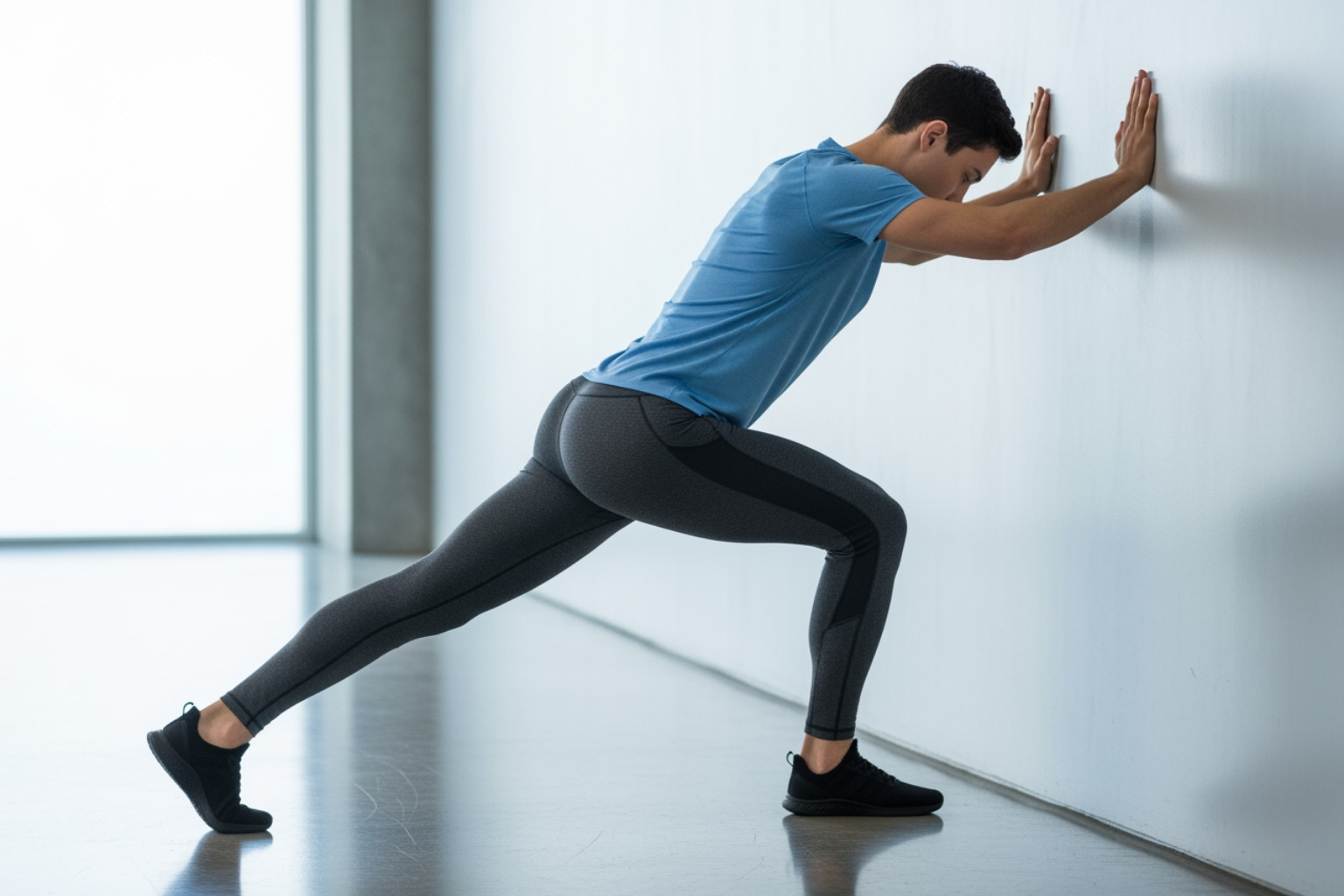
Standing Wall Stretch (for the Gastrocnemius):
- Stand facing a wall, about arm's length away, placing your hands on it at shoulder height.
- Step one foot back, keeping your leg straight and your heel firmly on the ground.
- Lean forward, feeling the stretch along the back of your straight calf.
- Hold for 20-30 seconds.
- Switch legs and repeat for a total of 3 repetitions on each side.
-
Bent-Knee Wall Stretch (for the Soleus):
- Start in the same position as the standing wall stretch.
- This time, step one foot back, but bend both knees slightly. Keep the heel of your back foot on the ground.
- Lean forward, feeling the stretch lower down in your calf, closer to your Achilles tendon.
- Hold for 20-30 seconds.
- Switch legs and repeat for a total of 3 repetitions on each side.
-
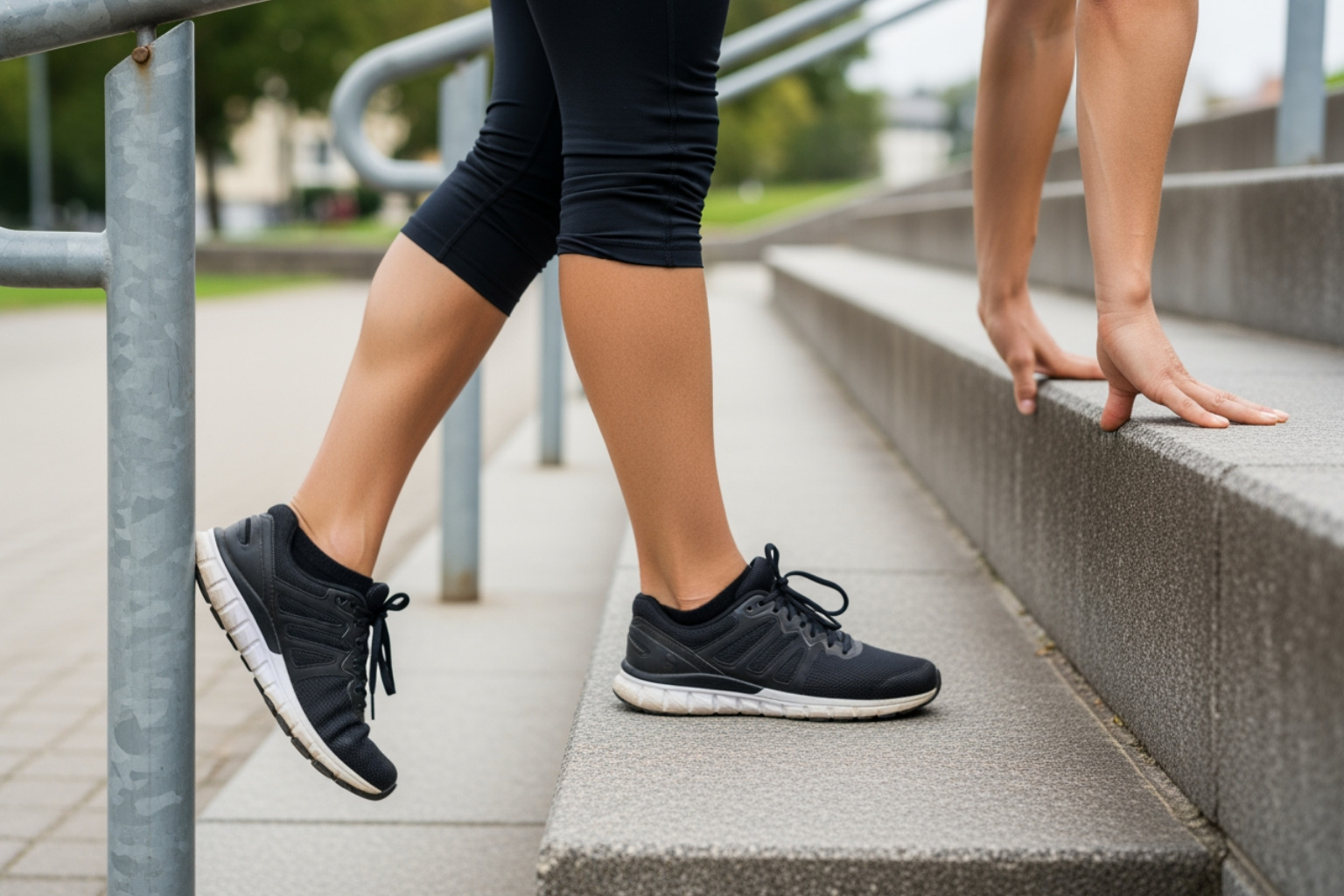
Heel Drop on a Step:
- Stand on the edge of a step or curb, with the balls of your feet on the step and your heels hanging off. Hold onto a railing or wall for balance.
- Slowly lower your heels below the level of the step, feeling a deep stretch in your calves.
- Hold this position for 20-30 seconds.
- Slowly raise back up. Switch legs if doing one leg at a time, then alternate for a total of 3 repetitions.
-
Seated Towel Stretch:
- Sit on the floor with your legs extended straight in front of you.
- Loop a towel around the ball of one foot.
- Gently pull the towel back towards your body, keeping your leg straight, until you feel a stretch in your calf.
- Hold for 30 seconds, then rest for 30 seconds.
- Repeat 3 times on each leg.
Best practices for stretching: Always warm up your muscles before stretching with a few minutes of light activity, like a slow walk or jog, to get the blood flowing. Hold each stretch for the recommended 20-30 seconds and avoid bouncing, as this can increase the risk of injury.
2. The RICE Method for Acute Pain and Strains
When you experience sudden pain or a suspected strain in your calf, the RICE method is your go-to immediate treatment. It stands for Rest, Ice, Compression, and Elevation, and it's particularly effective within the first 48 to 72 hours after an injury to reduce damage and support recovery.
- Rest: Stop any activity that causes pain. Give your calf muscles a break to begin the healing process. Pushing through pain can worsen the injury.
- Ice: Apply an ice pack or cold compress to your calf for 20 minutes every two hours. Remember not to apply ice directly to your skin; use a cloth barrier to prevent frostbite. Icing helps reduce pain, swelling, and inflammation. For more details on proper icing techniques, check out this guide from Cleveland Clinic.
- Compression: Gently wrap your calf with a compression bandage. This helps to reduce blood flow to the injured area, minimizing swelling and providing support. Make sure it's snug but not too tight to cut off circulation.
- Elevation: Whenever possible, lift your leg above the level of your heart. You can do this by propping it up on pillows while lying down. Elevation uses gravity to help drain excess fluid and reduce swelling.
3. Strengthening Exercises to Prevent Tightness in Calf Muscle
While stretching helps with flexibility, strengthening your calf muscles is equally important for preventing future tightness in calf muscle and injuries. Strong calves provide better support for your ankle and foot, improving overall lower body resilience. Start slowly and gradually increase intensity to avoid overexertion.
Here are some key exercises to consider:
-
Standing Calf Raises:
- Stand with your feet hip-width apart. For added stability, you can hold onto a wall or chair.
- Slowly raise yourself up onto the balls of your feet, lifting your heels as high as possible.
- Hold briefly at the top, then slowly lower your heels back down.
- Repeat 10-15 times for 2-3 sets.
-
Seated Calf Raises:
- Sit on a chair with your feet flat on the floor, knees bent at a 90-degree angle.
- Place a weight (like a dumbbell or even a heavy book) on your thighs, just above your knees, to add resistance.
- Keeping the balls of your feet on the floor, lift your heels as high as possible.
- Slowly lower them back down.
- Repeat 10-15 times for 2-3 sets.
-
Heel Walks:
- Walk on your heels, keeping your toes off the ground, for 30-60 seconds.
- This helps strengthen the muscles in the front of your shins, which can balance out strong calf muscles.
Consistency is key. Incorporate these into your routine a few times a week, ensuring you allow at least two days of rest between leg strength training sessions for proper muscle recovery. The American Heart Association provides excellent guidelines on strength and resistance training.
4. Massage Therapy and Foam Rolling
Massage is a fantastic way to relieve tightness in calf muscle, promote circulation, and release stubborn muscle knots or trigger points. It can help manipulate the soft tissues, easing tension and pain.
-
Self-Massage Techniques: You can use your hands, a tennis ball, or a foam roller.
Foam Rolling: Sit on the floor with the foam roller under one calf. Use your hands to support yourself as you roll back and forth from just above your ankle to below your knee. You can also rotate your leg slightly to target different areas of the calf. When you find a particularly tender spot, hold pressure on it for 20-30 seconds before continuing to roll.
Tennis Ball Massage: Place a tennis ball (or a lacrosse ball for deeper pressure) under your calf while seated or lying down. Roll it around, applying pressure to tight areas.
When to Consider Professional Help: If your calf tightness is persistent, severe, or you suspect a deeper issue, a professional massage therapist can provide targeted relief. They can identify specific areas of tension and apply techniques that might be difficult to do yourself. If you're in the United States, you can search the American Massage Therapy Association’s database to find a licensed therapist.
5. Using Topical Creams for Targeted Soothing
For quick, localized relief from tightness in calf muscle, topical pain relief creams can be incredibly effective. These creams work by delivering active ingredients directly to the site of pain, bypassing the digestive system and offering fast-acting comfort.
Many topical analgesics use ingredients known as counterirritants. Our favorite, Menthol, is a prime example. When applied to the skin, menthol creates a cooling sensation, followed by a warming effect. This sensation distracts the brain from the underlying pain, providing temporary relief from muscle soreness, spasms, and tightness. It's like a gentle reset button for your discomfort.
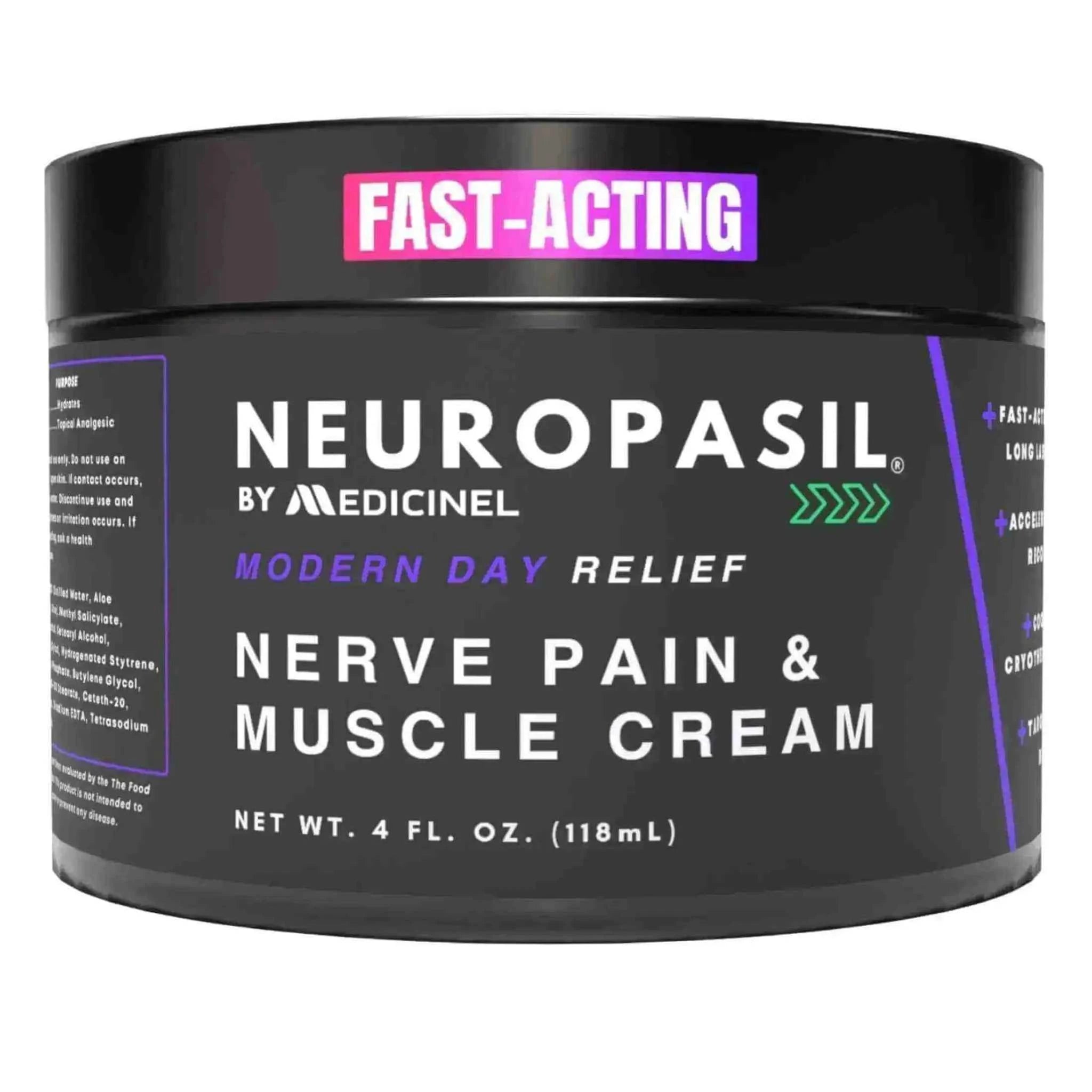
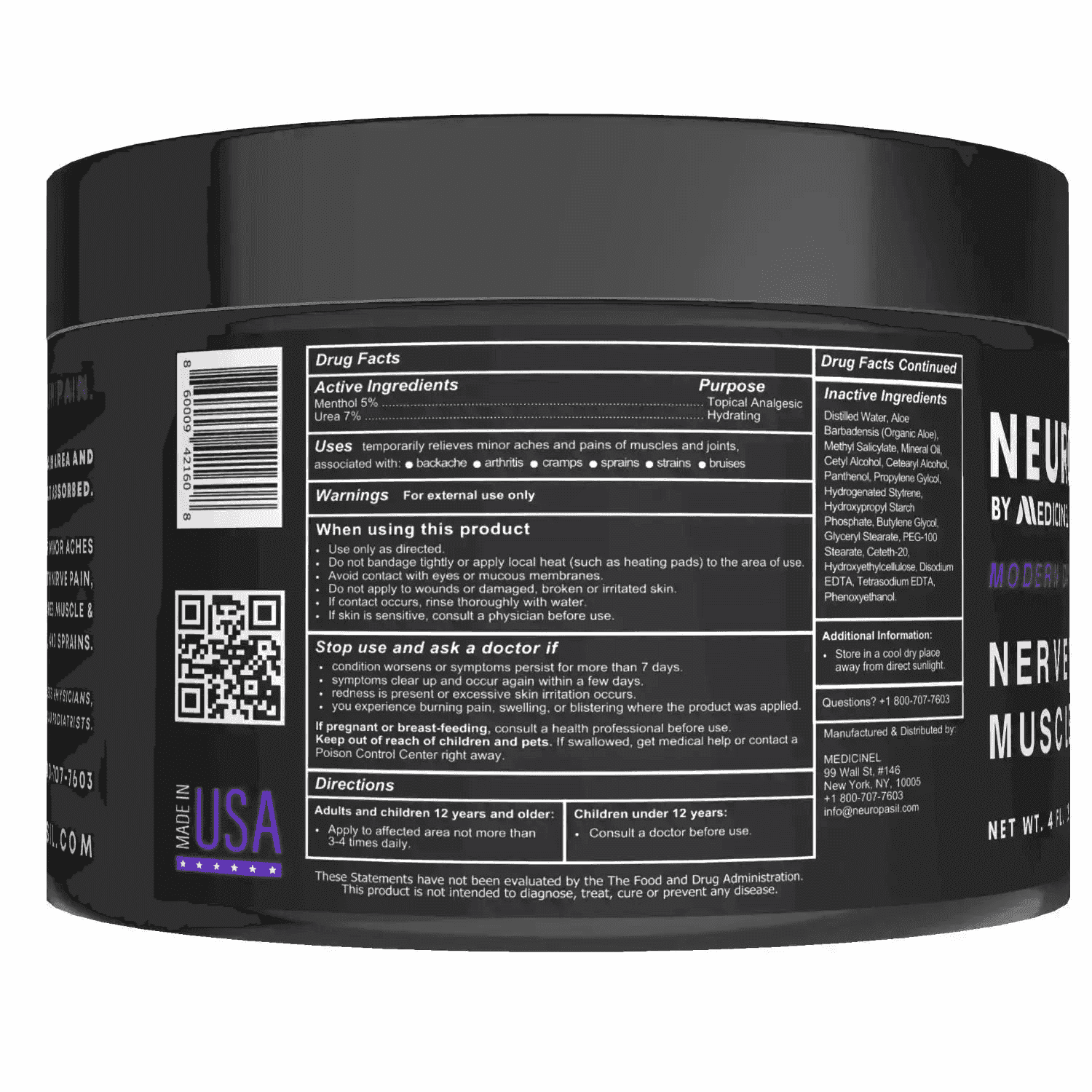
At Neuropasil, we've harnessed the power of natural ingredients to create targeted solutions. Our Neuropasil Nerve Pain Relief Cream combines menthol with other soothing ingredients like Aloe Vera and Urea. Aloe Vera is known for its anti-inflammatory properties, while Urea helps the skin absorb other ingredients more effectively. This unique blend ensures maximum penetration and relief.
Application tips: Apply a generous amount of the cream directly to your tight calf muscles. Gently massage it in until fully absorbed. You can reapply as needed throughout the day, following the product's instructions. This localized approach is particularly beneficial for muscle pain because it targets the affected area without the systemic side effects that oral medications might have.
If you’re looking for a natural, fast-acting solution to soothe your sore and tight muscles, we invite you to explore our natural pain relief solutions. Our loyal customers rave about using Neuropasil for everything from post-workout soreness to chronic muscle discomfort. For more insights on managing muscle pain, you can visit our muscle pain blog.
6. Optimizing Hydration and Nutrition
We've touched on this already, but it bears repeating: your calves thrive on proper hydration and a nutrient-rich diet. It's a simple,, method to combat tightness in calf muscle.
- The Role of Hydration: Water is essential for every bodily function, including muscle contraction and relaxation. When you're dehydrated, your muscles are more prone to cramping and stiffness. We recommend drinking plenty of water throughout the day, especially if you're active or spending time in warm environments.
-
Key Minerals for Muscle Health: A balanced diet is your best friend here. Focus on foods rich in:
- Magnesium: Often called "nature's muscle relaxant," magnesium is critical for proper muscle function. A deficiency is frequently associated with muscle cramps and spasms. Load up on leafy green vegetables, nuts, seeds, whole grains, and dark chocolate. The National Institutes of Health provides comprehensive information on magnesium's role in health.
- Potassium: This electrolyte helps regulate fluid balance and nerve signals, which are vital for muscle contractions. Bananas are famous for potassium, but you can also find it in sweet potatoes, avocados, spinach, and beans.
- Calcium: While known for bone strength, calcium also plays a direct role in muscle contraction. Dairy products, fortified plant milks, and leafy greens are excellent sources.
By consistently nourishing your body with these essentials, you'll be giving your calves the best chance to stay loose and comfortable.
7. Consulting a Healthcare Professional for Persistent Tightness
While many cases of tightness in calf muscle can be managed with home remedies, there are times when professional medical advice is essential. We encourage you to listen to your body and know when to seek help.
- When to Seek Medical Advice: If your calf tightness doesn't improve with rest and home treatments, worsens, or is accompanied by other concerning symptoms (which we'll discuss in detail shortly), it's time to see a doctor. This could indicate a more serious underlying condition like DVT or tendonitis that requires medical attention.
- Physical Therapy: For chronic or severe calf tightness, a physical therapist can be a game-changer. They can assess your gait, identify muscle imbalances, and create a customized exercise program that includes stretches, strengthening exercises, and techniques to improve your overall biomechanics. If you're in the United States, you can search the American Physical Therapy Association’s database to find a local physical therapist.
- Podiatry: If your calf tightness is contributing to or caused by foot-related issues like equinus or improper foot mechanics, a podiatrist can offer specialized care. They might recommend custom orthotics to support your feet and improve alignment.
- Over-the-Counter Medications: For pain relief, your healthcare provider might recommend over-the-counter anti-inflammatory medications like ibuprofen or naproxen. Always use these as directed.
- Surgery: In very rare and severe cases, such as an Achilles tendon rupture or a bone block causing equinus that hasn't responded to other treatments, surgery might be considered as a last resort.
Proactive Prevention: How to Keep Your Calves Loose and Healthy
The best way to deal with tightness in calf muscle? Stop it before it starts. I know that sounds easier said than done, but trust me—a few simple habits can make all the difference between happy, flexible calves and ones that feel like they're made of concrete.
Think of your calves like a high-performance car. You wouldn't just jump in, floor it, and expect everything to run smoothly without a little maintenance, right? The same principle applies to your muscles.
Start every workout with a proper warm-up. I can't stress this enough. A dynamic warm-up gets your blood flowing and prepares your muscles for action. We're talking about movements that mimic what you're about to do—leg swings, walking lunges, or even just a brisk five-minute walk. This isn't the time for static stretching (save that for after). Dynamic movements increase your muscle temperature and flexibility, making them more resilient to strain. Research shows that a good dynamic warm-up for runners can significantly reduce injury risk.
After your workout, don't just stop cold. Cool down with gentle static stretches like the ones we covered earlier. This helps your muscles gradually return to their resting state and prevents them from tightening up like a spring that's been wound too tight.
Now, let's talk about your feet. Your shoes matter more than you might think. Those worn-out sneakers with the flattened heels? They're not doing your calves any favors. When your shoes can't provide proper support, your calf muscles have to work overtime to compensate, leading to fatigue and tightness. Check your shoes regularly—if the tread is worn down or they've lost their cushioning, it's time for a new pair. Your calves will thank you.
We all get excited about fitness goals. Maybe you want to run that 5K or finally nail that hiking trail. But here's where many people trip up: they do too much, too soon. Your muscles need time to adapt to new demands. That's why the "10% rule" exists. Never increase your workout intensity, duration, or mileage by more than 10% per week. It might feel slow, but this gradual progression is what keeps you injury-free and moving forward in the long run.
Speaking of rest, your muscles don't get stronger during your workout—they get stronger during recovery. When you exercise, you create tiny tears in your muscle fibers. It's during rest that your body repairs these tears, making your muscles stronger and more resilient. The American Heart Association recommends at least two days of rest between intense leg strength training sessions. Skipping rest days is like trying to drive cross-country without ever stopping for gas—eventually, you're going to break down.
Finally, consider adding compression sleeves to your routine. These snug-fitting garments aren't just for professional athletes. They help promote better blood flow to your calf muscles, which can reduce swelling, support recovery, and even help prevent that dreaded post-workout tightness. Many of our customers at Neuropasil swear by them for both prevention and recovery.
The bottom line? Prevention isn't complicated. Warm up properly, wear good shoes, progress gradually, rest adequately, and give your muscles the support they need. Your calves carry you through life—literally. Taking a few minutes each day to care for them properly means they'll keep carrying you for years to come, without that uncomfortable tightness in calf muscle slowing you down.
When Is Calf Tightness a Medical Emergency?
While most cases of tightness in calf muscle are benign and respond well to self-care, there are times when your symptoms could be signaling something more serious. It's important to know when to trust your instincts and seek immediate medical attention.
Think of your body as a sophisticated alarm system. Sometimes it's just a false alarm—a little soreness after pushing too hard at the gym. But other times, it's a genuine emergency signal that shouldn't be ignored. The key is learning to distinguish between the two.
Distinguishing Soreness from Serious Conditions
A common muscle strain typically develops after physical activity. You'll feel an aching, sore sensation that's tender to touch. There might be mild, localized swelling around the injury site, and maybe some bruising. Moving your calf, especially stretching it, will be uncomfortable, but you can usually still walk, albeit carefully.
Deep Vein Thrombosis (DVT), on the other hand, is an entirely different beast. This dangerous condition occurs when a blood clot forms in a deep vein, usually in your leg. It can happen suddenly, often without any clear cause or recent injury. The pain is typically severe, throbbing, or cramping in nature. You'll notice significant swelling, often in just one leg, along with noticeable redness and warmth in the affected area. The skin might even take on a bluish or pale discoloration. Walking becomes difficult, and bearing weight can worsen the pain dramatically.
Here's what's truly frightening about DVT: if that blood clot breaks loose and travels to your lungs, it becomes a pulmonary embolism—a life-threatening emergency. Research shows that up to 10% of individuals experiencing calf pain symptoms might actually have DVT, which is why we can't afford to be complacent.
Red Flag Symptoms Requiring Immediate Medical Attention
Some symptoms demand that you drop everything and get medical help right away. If you experience sudden, severe pain in your calf that came on without a clear injury or activity, don't wait to see if it gets better. Similarly, if you find yourself unable to walk or bear weight on your leg, that's your body telling you something is seriously wrong.
Pay close attention to significant swelling, redness, or warmth in one leg, especially if the area feels tender to touch. These are classic warning signs of DVT that require immediate evaluation. Even more urgent: if you develop shortness of breath, chest pain, or dizziness along with your calf pain, call emergency services immediately. These symptoms could mean a blood clot has traveled to your lungs.
Other concerning signs include numbness, tingling, or unusual coolness or paleness in your leg or foot, or a fever or general feeling of being unwell accompanying your calf pain. The Mayo Clinic offers excellent guidance on when leg pain warrants immediate medical attention.
Potential Complications of Untreated Tightness
Ignoring persistent tightness in calf muscle isn't just about living with discomfort—it can set off a domino effect of other problems throughout your lower body. Your body is an interconnected system, and when one part isn't functioning properly, other areas compensate, often leading to additional injuries.
Chronic calf tightness puts increased stress on your Achilles tendon, that vital cord connecting your calf muscles to your heel bone. Over time, this constant strain can lead to Achilles tendonitis, causing inflammation and pain that makes every step a challenge. Similarly, tight calves can alter how your foot moves and distributes weight, contributing to plantar fasciitis—that stabbing heel pain that's especially brutal first thing in the morning.
The ripple effects continue. Tight calf muscles can pull on your shin bone, leading to shin splints (medial tibial stress syndrome), a painful overuse condition that's common among runners and athletes. Even more concerning, unrelieved calf tightness changes how forces are distributed through your lower leg bones, potentially creating stress fractures—small cracks in your bones, especially the tibia. The American Academy of Orthopaedic Surgeons provides detailed information about these overuse injuries.
The bottom line? When it comes to your health, it's always better to be safe than sorry. Trust your instincts. If something feels seriously wrong, don't hesitate to seek professional medical care. Your calves—and the rest of your body—will thank you for taking action early.
Frequently Asked Questions about Calf Tightness
Let's address some of the questions I hear most often about tightness in calf muscle. These are the real concerns people have when they're dealing with uncomfortable, tight calves, and I want to give you straight answers that actually help.
What deficiency causes tight calves?
When it comes to nutritional deficiencies that can lead to tight calves, magnesium is the star culprit. This mineral is so important for muscle relaxation that it's often called "nature's muscle relaxant." When your body doesn't have enough magnesium, your muscles can't properly relax after contracting, leading to those frustrating cramps, spasms, and persistent tightness we're trying to avoid.
But magnesium isn't working alone in your body. Potassium plays a critical role in nerve signaling and muscle contractions, and when levels drop too low, you might experience weakness and cramping. Calcium is another key player in the muscle contraction process, and a deficiency can trigger uncomfortable muscle spasms. Even vitamin D, which most people associate only with bone health, has a significant impact on muscle strength and function. Low vitamin D levels can leave you feeling weak and achy.
The good news? These deficiencies are often fixable through dietary changes. Loading up on leafy greens, nuts, seeds, bananas, sweet potatoes, and dairy products (or fortified alternatives) can make a real difference. If you suspect a deficiency, though, it's worth having a conversation with your healthcare provider about testing and supplementation.
Should a person massage their tight calves?
Yes, absolutely! Gentle massage can work wonders for relieving tightness in calf muscle. When you massage your calves, you're doing several beneficial things at once. You're increasing blood flow to the area, which brings fresh oxygen and nutrients while helping to flush out metabolic waste products. You're warming the muscle tissue, making it more pliable and comfortable. And you're releasing those stubborn muscle knots or trigger points that can make your calves feel like rocks.
You can use your hands, a foam roller, or even a tennis ball to work out the tension. Many of my customers tell me they love combining massage with our Neuropasil cream for an extra soothing experience.
However, there's an important caveat here. If you're experiencing significant pain, noticeable swelling, or suspect something more serious like a severe muscle strain or DVT, stop and consult a doctor before massaging the area. In these cases, massage could potentially make things worse or mask symptoms that need medical attention. When in doubt, always err on the side of caution and get professional advice first.
Can I exercise with tight calves?
This is the million-dollar question for active folks, and I get it. You don't want to lose momentum with your fitness routine. The honest answer is: it depends on the severity.
If your calf tightness is mild and you're not experiencing any pain, limited range of motion, or swelling, you might be okay to continue with light exercise. Listen to your body carefully, though. That tightness is your calves trying to tell you something, and pushing through it can increase your risk of turning a minor issue into a major injury.
On the other hand, if you're dealing with pain, swelling, or significantly limited motion, it's time to rest. I know it's frustrating to take time off, but think of it as an investment in your long-term health and performance. Continuing to exercise on painful, tight calves can lead to more severe strains, chronic tendonitis, or other complications that will sideline you for much longer than a few days of rest would have.
When you do rest, it doesn't mean sitting completely still. Gentle stretching, light massage, and using a soothing topical cream can all help speed your recovery. Once the pain subsides, ease back into your routine gradually. Your calves will be stronger and happier for it.
Conclusion: Your Next Steps to Pain-Free Calves
If you've made it this far, you already know more about tightness in calf muscle than most people ever will. And that knowledge? It's your power to take control and get back to moving freely.
We've covered a lot of ground together—from understanding why your calves might be staging their own personal protest, to finding seven proven methods that actually work. The beauty of it all is that relief doesn't require expensive equipment or complicated routines. It starts with simple, consistent actions.
Stretch regularly, holding each position for at least 20-30 seconds to give those gastrocnemius and soleus muscles the flexibility they crave. Strengthen your calves with exercises like calf raises to build resilience and prevent future tightness. Soothe acute pain quickly with the RICE method in those first critical 48-72 hours, and consider how targeted topical relief can complement your recovery. And don't forget to support your muscles from the inside out—proper hydration and getting enough magnesium, potassium, and calcium can make all the difference.
Here's what I've learned after years of helping people overcome muscle and nerve pain: the ones who succeed aren't necessarily the ones who try the hardest. They're the ones who stay consistent with the basics and listen to their bodies. When your calves are tight, they're trying to tell you something. Maybe it's time to drink more water, maybe you need to ease up on training, or maybe it's time to add some stretching to your daily routine.
Taking a proactive approach means you're not just reacting to pain—you're preventing it. You're staying ahead of the game so that tightness in calf muscle doesn't sideline you from your morning run, your weekend hike, or simply keeping up with your kids or grandkids.
And when you need fast, localized relief that works? That's where we come in. Our Neuropasil Nerve Pain Relief Cream combines the cooling power of menthol with soothing aloe vera and penetration-enhancing urea to deliver targeted comfort right where you need it. It's the same formula that athletes trust for post-workout recovery and that people dealing with chronic muscle discomfort reach for day after day. No harsh chemicals, no complicated application—just natural ingredients working together to help you feel better, faster.
Your calves have carried you through every step of your journey. Now it's time to take care of them. Start with one or two of the strategies we've discussed today. Be patient with yourself. And remember, we're here to support you every step of the way.
Ready to experience the difference that targeted, natural relief can make? Explore our natural pain relief solutions and find why thousands of people trust Neuropasil to keep them moving forward, pain-free.
References
We've pulled together information from some of the most trusted medical and health resources to bring you accurate, reliable guidance on managing tightness in calf muscle. These sources have helped shape our understanding and recommendations throughout this article.
The American Academy of Orthopaedic Surgeons provided valuable insights into stress fractures and their connection to chronic muscle tightness at orthoinfo.aaos.org. Their 2023 resource has been instrumental in helping us understand the potential complications of untreated calf issues.
For strength training guidelines and recovery protocols, we turned to the American Heart Association's comprehensive guide on strength and resistance training exercise, available at heart.org. Their 2024 recommendations emphasize the importance of proper rest between workouts.
When it comes to finding qualified professionals, the American Massage Therapy Association offers a searchable database at amtamassage.org, while the American Physical Therapy Association provides a similar resource at aptaapps.apta.org to help you locate licensed practitioners in your area.
The Cleveland Clinic has been an invaluable resource for understanding both muscle strains and proper injury treatment. Their detailed explanation of muscle strains can be found at my.clevelandclinic.org, and their practical guide on icing injuries is available at health.clevelandclinic.org.
Diabetes Australia provided essential information about peripheral neuropathy and its connection to calf pain, which you can explore at diabetesaustralia.com.au. This helped us understand how underlying conditions can manifest as muscle tightness.
The Dorset County Hospital NHS Foundation Trust offered practical stretching guidelines in their 2008 publication on calf stretches, accessible at dchft.nhs.uk. The Foot Health Facts website educated us about equinus and its impact on calf health at foothealthfacts.org.
General health resources like Healthline at healthline.com and Medical News Today at medicalnewstoday.com provided comprehensive overviews of tight calf causes and treatments that helped round out our understanding.
The Mayo Clinic offered crucial guidance on when calf pain becomes a medical emergency at mayoclinic.org, which informed our section on red flag symptoms.
The National Institutes of Health has been an exceptional resource for nutritional information. Their fact sheets on magnesium at ods.od.nih.gov/Magnesium, potassium at ods.od.nih.gov/Potassium, calcium at ods.od.nih.gov/Calcium, and vitamin D at ods.od.nih.gov/VitaminD helped us explain the nutritional aspects of muscle health. Their research on therapeutic calf massage at pmc.ncbi.nlm.nih.gov and topical menthol's effects at ncbi.nlm.nih.gov provided scientific backing for our treatment recommendations.
New York Road Runners contributed practical stretching techniques at nyrr.org, while OrthoInfo offered insights into muscle cramps at orthoinfo.aaos.org.
A 2002 PubMed study on DVT diagnosis helped us understand the seriousness of calf pain symptoms, available at pubmed.ncbi.nlm.nih.gov. Therapeutic Associates Physical Therapy provided excellent information on dynamic warm-ups at therapeuticassociates.com, and UMiami Health offered detailed information on calf strains at umiamihealth.org.
Finally, we've drawn from our own expertise and customer experiences documented on the Neuropasil website, including our muscle pain blog at neuropasil.com/blogs and information about our nerve pain relief cream at neuropasil.com/products.