Why Finding the Right Neuropathy Cream Matters
Neuropathy cream offers targeted relief for the burning, tingling, and numbness that affects millions living with nerve damage. Whether you're dealing with diabetic neuropathy, chemotherapy-induced nerve pain, or post-workout muscle strain, the right topical treatment can provide fast relief without the systemic side effects of oral medications.
Quick Answer: Best Neuropathy Creams by Need
- For Burning Pain: Capsaicin-based creams (blocks pain signals at nerve endings)
- For Sharp, Shooting Pain: Lidocaine creams (numbs affected area)
- For Natural, Soothing Relief: Menthol and aloe-based formulas (cooling sensation, anti-inflammatory)
- For Diabetic Neuropathy: Multi-ingredient creams with CoQ10, Vitamin B12, and Acetyl L-Carnitine
- For Chemotherapy-Induced Pain: Specialized formulas like Oncapsisens or menthol-based options
This growth reflects both the increasing prevalence of conditions like diabetes and the rising demand for topical treatments that deliver localized relief with fewer side effects than oral medications. The global neuropathy treatment market was valued at $6.5 billion in 2022, while the related neuropathic pain market is projected to reach $7.8 billion by 2027.
Choosing the right cream depends on your specific symptoms, skin sensitivity, and the underlying cause of your nerve pain. Some ingredients work by blocking pain signals (capsaicin), others numb the area (lidocaine), and natural alternatives provide soothing, anti-inflammatory relief (menthol, aloe vera).
The challenge? Not all neuropathy creams are created equal. Many contain harsh chemicals or irritating ingredients like high-concentration menthol or camphor that can cause burns or skin reactions. Understanding what works, what's safe, and what matches your needs is essential.
I'm Tony Enrico, and I created Neuropasil after seeing how nerve and muscle pain can steal the joy from daily life. Through years of research and development, I've helped thousands find relief through advanced neuropathy cream formulations that combine science-backed ingredients with natural, skin-friendly compounds that actually work.
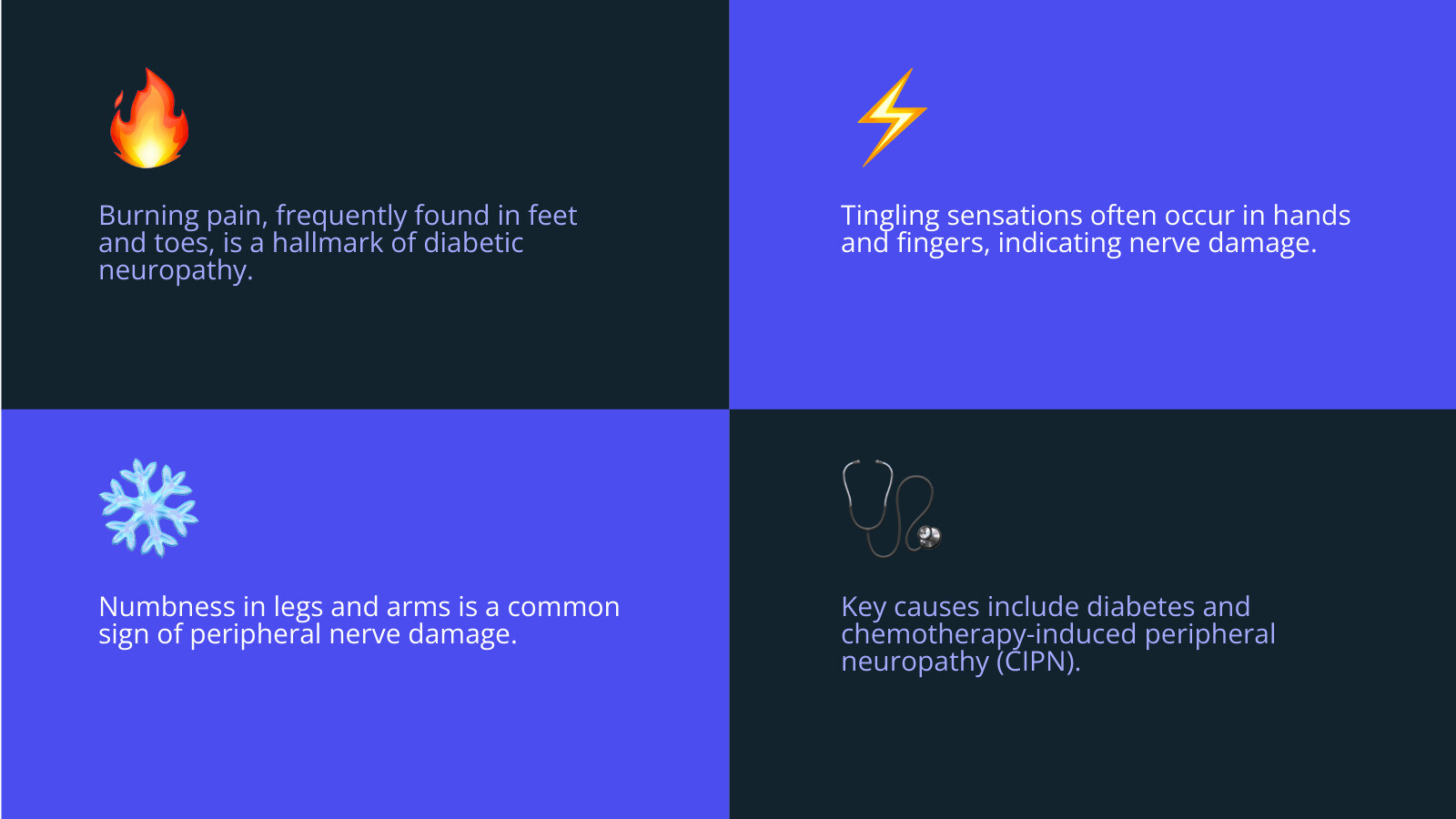
Common Neuropathy cream vocab:
Understanding Neuropathy and Its Causes
Before we dive into neuropathy creams, let's first understand what neuropathy is and why it causes so much discomfort. Simply put, neuropathy is nerve damage. When the nerves in your body get damaged, they can't send signals properly, leading to a range of chronic and often debilitating symptoms. This condition is frequently referred to as peripheral neuropathy when it affects nerves in areas away from the brain and spinal cord, such as your hands, feet, legs, and arms.
Common symptoms we hear about from our customers in New York City include burning pain, sharp or shooting sensations, tingling, numbness, and sometimes even an irritating itch. These sensations can range from mild annoyance to severe, constant pain that interferes with daily life. If you're experiencing these symptoms, it's crucial to understand them better; our guide on 7 Ways to Identify Nerve Damage Symptoms can offer more insights.
Neuropathy isn't a standalone disease; it's often a symptom of an underlying health condition. One of the most prevalent culprits is diabetes. Diabetic neuropathy occurs when high blood sugar levels damage nerve fibers over time, leading to pain and numbness, especially in the feet. The increasing prevalence of diabetes is a major driver for the growing neuropathy treatment market. For a deeper dive into this connection, check out our article on Diabetic Neuropathy Explained: Navigating Nerve Pain with Diabetes.
Another significant cause is chemotherapy-induced peripheral neuropathy (CIPN), a common side effect of certain cancer treatments. Chemotherapy drugs, while effective against cancer, can damage nerve endings, leading to pain, tingling, and numbness that can be severe enough to impact treatment plans. The rising incidence of CIPN is also contributing to the market growth for neuropathy treatments, and understanding its management is key, as highlighted in the Prevention and management of chemotherapy-induced peripheral neuropathy guidelines. Other causes of neuropathy can include autoimmune diseases, vitamin deficiencies, infections, and even exposure to certain toxins.
How Topical Creams Target Nerve Pain
So, how exactly does a neuropathy cream tackle these uncomfortable sensations? The beauty of topical treatments lies in their localized action. Unlike oral medications that travel throughout your bloodstream and can cause systemic side effects like dizziness or cognitive impairment, creams are applied directly to the affected area. This means the active ingredients can get right to work where the pain is, offering targeted relief with fewer of those unwanted whole-body side effects. This localized approach is why topical treatments are gaining popularity, as they offer a significant advantage over systemic medications for many patients.
Topical creams essentially work in one of two ways: they act as either analgesic or anesthetic agents. Analgesic creams typically block nerve signals that transmit pain, while anesthetic creams numb the skin, making it harder for you to feel pain in that area. The goal is to interrupt the pain signals before they reach your brain, providing that much-needed relief. This targeted approach is well-documented in research, such as the evidence presented in Topical treatment of peripheral neuropathic pain: applying the evidence.

The Science Behind Key Active Ingredients
When we formulate our neuropathy creams, we carefully select ingredients known for their efficacy. Here's a look at some of the most common and effective active ingredients you'll find:
Capsaicin: Derived from chili peppers, capsaicin is a fascinating ingredient. It works by targeting specific pain receptors in the skin, known as TRPV1 receptors. Initially, you might feel a warming or even burning sensation (which is why we use it carefully in our formulations and not as a primary ingredient in Neuropasil). Over time, capsaicin desensitizes these nerve endings and depletes a chemical called Substance P, which is responsible for transmitting pain signals. This effectively makes it harder for nerves to send pain messages to the brain. Research continues to explore Capsaicin's current understanding of its mechanisms and therapy of pain.
Lidocaine: This is a local anesthetic that numbs the area it's applied to. Lidocaine works by blocking sodium channels in nerve cells, which prevents the nerves from sending pain signals to the brain. It's often used for minor injuries, but its numbing effect makes it highly effective for sharp, shooting nerve pain. You can find more detailed information on Lidocaine topical uses and mechanisms.
Menthol: Extracted from mint plants, menthol provides a refreshing, cooling sensation. It activates cold-sensitive receptors (TRPM8 receptors) in the skin, which helps to distract from and alleviate pain signals. Menthol is a fantastic ingredient for soothing discomfort and is often found in our most popular neuropathy creams at Neuropasil. Studies have shown that topical menthol can even help with chemotherapy-induced peripheral neuropathy. For a deeper dive into how it works with other soothing ingredients like aloe, we have a detailed article on How a Nerve Pain Relief Cream with Aloe and Menthol Works.
To help you compare these powerhouses, here's a quick table:
| Ingredient | Mechanism | Sensation | Best For | Precautions |
|---|---|---|---|---|
| Capsaicin | Desensitizes nerve endings, depletes Substance P | Warming/Burning | Chronic burning pain, post-herpetic neuralgia | Initial irritation, avoid eyes/mucous membranes, not for broken skin |
| Lidocaine | Blocks sodium channels, numbs nerves | Numbing | Sharp, shooting pain, localized intense pain | Can mask injury, temporary numbness, avoid prolonged use on large areas |
| Menthol | Activates cold receptors (TRPM8) | Cooling | General nerve pain, muscle soreness, CIPN | High concentrations (>3%) can cause burns, avoid eyes/mucous membranes, sensitive skin |
Your Guide to Choosing the Best Neuropathy Cream
Choosing the right neuropathy cream can feel like a quest, but it doesn't have to be. We understand that your pain is unique, and so should your relief. When selecting a cream, we encourage you to consider a few key factors: the specific type of pain you're experiencing (is it burning, tingling, sharp?), your ingredient preference (do you prefer natural options, or are you open to pharmaceutical compounds?), and your skin sensitivity. Our comprehensive guide, The Complete Guide to Nerve Pain Relief Creams, offers even more in-depth advice.

Over-the-Counter (OTC) vs. Prescription Neuropathy Cream
The world of neuropathy creams is broadly divided into two categories: over-the-counter (OTC) and prescription-strength options.
OTC Creams: These are readily available at your local pharmacy or online, often containing lower concentrations of active ingredients like capsaicin, lidocaine, or menthol. They are a great starting point for managing mild to moderate symptoms and are known for their localized action and fewer systemic side effects, making them a popular choice. Capsaicin and lidocaine are among the most common active ingredients in these readily available options.
Prescription Creams: If OTC options aren't providing sufficient relief, your doctor might recommend a prescription-strength cream. These often contain higher concentrations of active ingredients, such as high-concentration capsaicin patches (like Qutenza), or more potent formulations of lidocaine. Additionally, specialized compounded creams, which are custom-made by pharmacists, can combine multiple active ingredients custom to your specific pain profile. These multi-target creams can be particularly effective for patients whose pain hasn't responded to standard treatments, as discussed in various research papers. We've explored this topic further in Do Prescription Nerve Pain Creams Work?. We always advise consulting your doctor, especially if your pain is severe or persistent.
Natural and Herbal Ingredients for Nerve Relief
For those of us who prefer a more natural approach, or for whom pharmaceutical options aren't ideal, there's a growing array of natural and herbal ingredients making their way into neuropathy creams. Many of these plant-based remedies have been used for centuries and are now gaining scientific attention for their anti-inflammatory, antioxidant, and neuroprotective properties, as reviewed in Medicinal herbs in the treatment of neuropathic pain.
Some notable natural ingredients include:
- Arnica: Known for its anti-inflammatory properties, arnica can help reduce swelling and pain, making it a popular choice for muscle and joint discomfort.
- Aloe Vera: This soothing plant extract is excellent for skin health and can provide a calming base for many topical pain relief formulas. Its hydrating and anti-inflammatory benefits make it a great companion to active pain-relieving ingredients.
- CoQ10, Vitamin B6, Magnesium, Vitamin D, Vitamin E, MSN, and Acetyl L-Carnitine: These are often found in formulas designed to support nerve health and regeneration, especially in conditions like diabetic neuropathy. CoQ10, for instance, protects against nerve damage, while B vitamins are crucial for nerve function. At Neuropasil, we leverage ingredients like menthol and aloe to bring you soothing, effective relief. Find more about how these ingredients work in Non-Prescription Nerve Relief: Top Natural Solutions.
Our Top Picks for the Best Neuropathy Cream
Navigating the multitude of options can be overwhelming, so we've put together our top picks for neuropathy creams based on common needs, leveraging both general market insights and our own expertise at Neuropasil:
For Burning Pain (Capsaicin-based): For those experiencing a persistent burning sensation, capsaicin-based creams can be highly effective by desensitizing nerve endings. Look for formulations with a lower concentration for initial use to assess tolerance, as some can cause an intense initial warmth. Always apply with gloves and wash your hands thoroughly afterward.
For Sharp, Shooting Pain (Lidocaine-based): When nerve pain feels like sudden, sharp jabs or electrical shocks, a lidocaine cream can offer quick numbing relief. These creams are excellent for targeted application to specific areas experiencing acute pain.
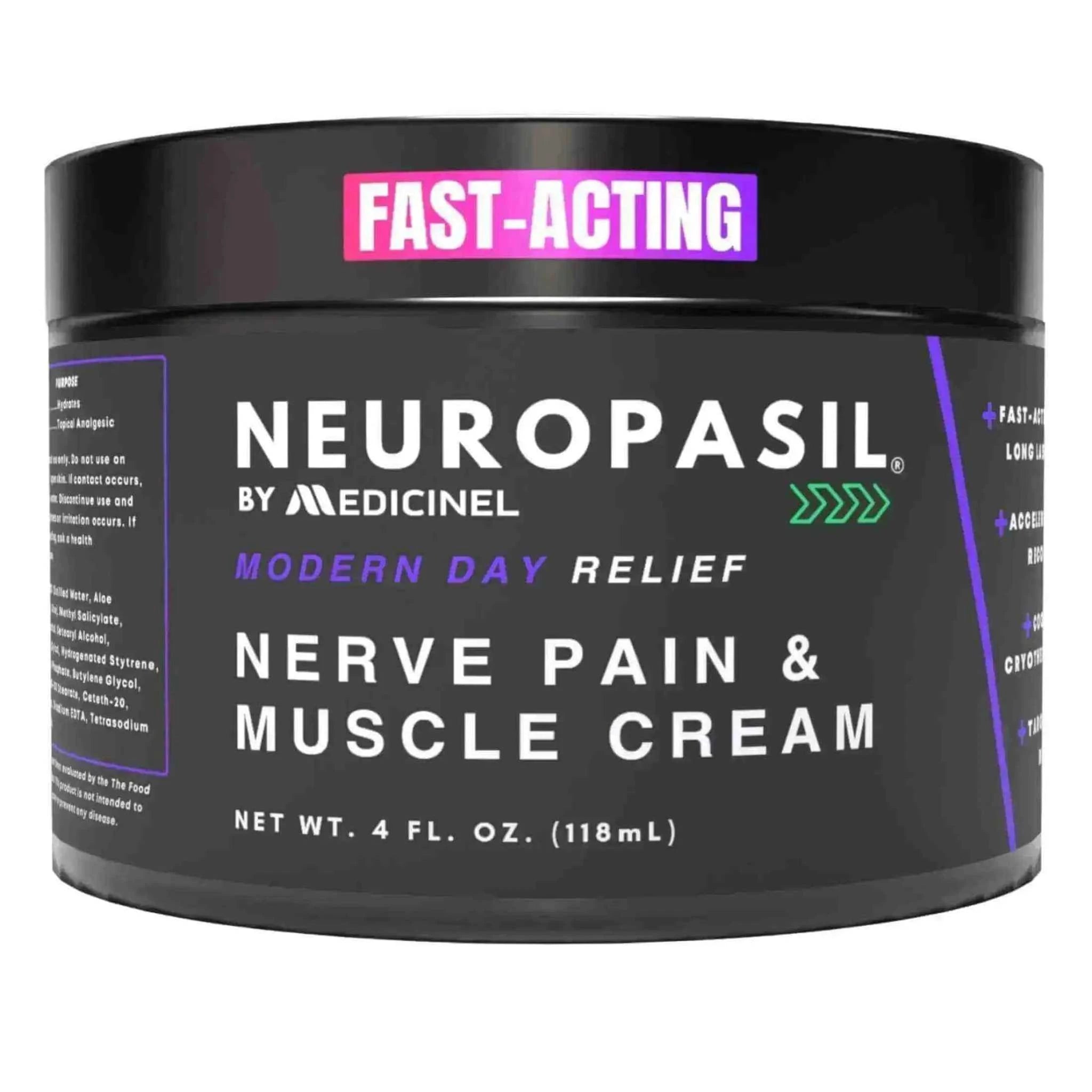
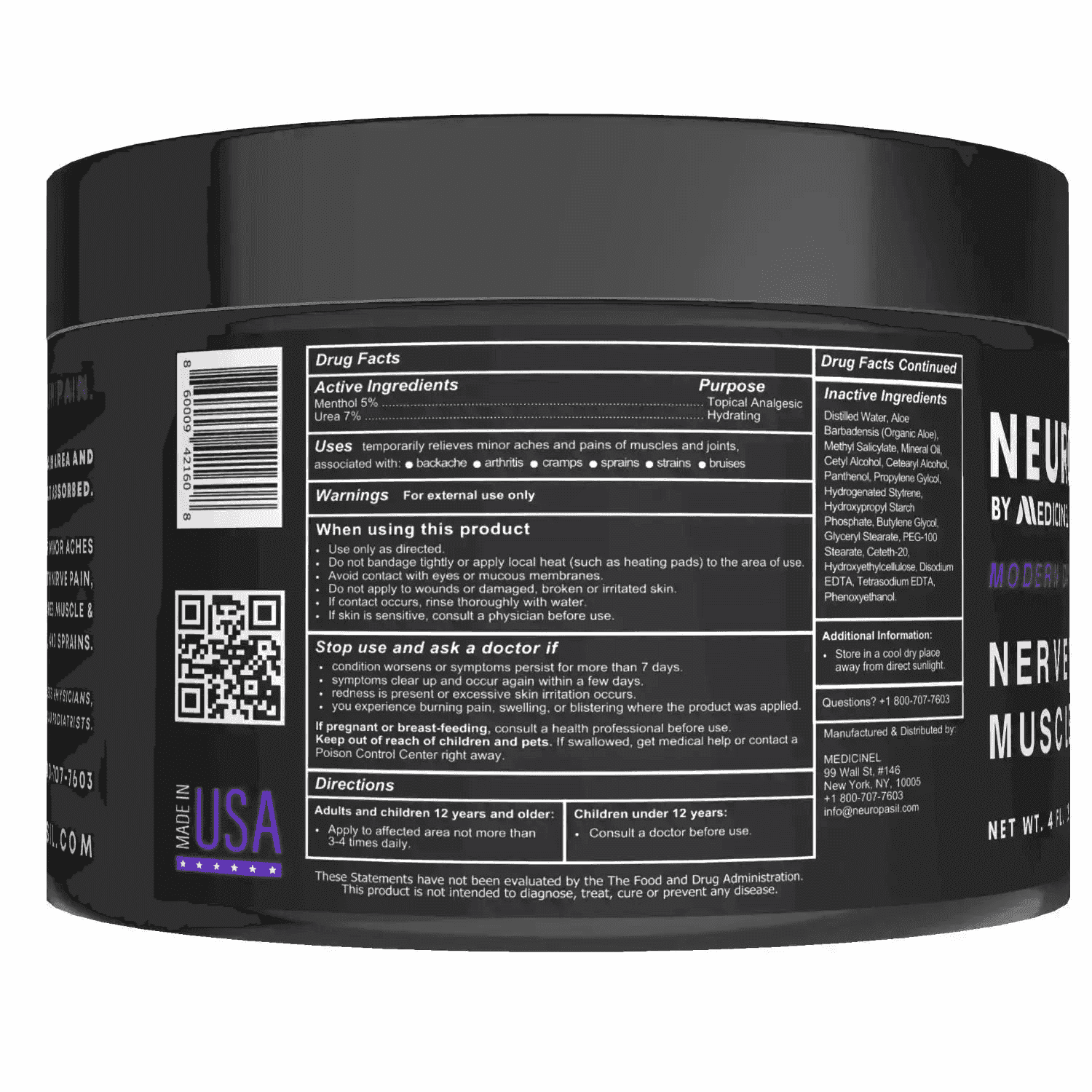
A Natural, Soothing Option (Neuropasil with Menthol and Aloe): For general nerve discomfort, tingling, or numbness, especially if you have sensitive skin or prefer natural ingredients, we recommend Neuropasil. Our unique formula combines the cooling power of menthol with the soothing properties of aloe and urea. This blend provides fast-acting relief without the harshness of some other ingredients, making it ideal for daily use and for various types of nerve and muscle pain. Our customers in New York City use Neuropasil for everything from neuropathy and sciatica to fibromyalgia, plantar fasciitis, and even post-workout muscle soreness. It’s designed to be gentle yet effective.
For Chemotherapy-Induced Pain (Menthol-based and supportive ingredients): While a specific cream called Oncapsisens has shown promise in soothing CIPN symptoms in Europe, it is not currently available in the United States. For patients in New York City dealing with CIPN, we recommend menthol-based creams, which research suggests can provide significant relief. Look for formulas that also include nerve-supporting ingredients like B vitamins, magnesium, and CoQ10, which can help nourish damaged nerves.
The best neuropathy cream for you will depend on your individual needs. We encourage you to explore our full product line and find the best cream for your needs.
Safe Application, Benefits, and Potential Risks
Using neuropathy creams effectively involves understanding their benefits, proper application, and potential risks.
The primary benefits of topical treatments are their targeted action and reduced systemic side effects. By applying the cream directly to the painful area, the active ingredients work locally, minimizing exposure to your entire body. This is a huge advantage, especially for those who are sensitive to oral medications or take multiple prescriptions and want to avoid potential drug interactions. Many of our customers appreciate this localized relief, allowing them to manage their pain without feeling drowsy or experiencing other systemic issues.
For best results, we always recommend following these application best practices:
- Clean, Dry Skin: Always apply the cream to clean, dry skin to ensure maximum absorption.
- Massaging Technique: Gently massage the cream into the affected area until it's fully absorbed. This not only helps the ingredients penetrate but also can provide additional soothing.
- Frequency: Follow the instructions on the product label. Many creams can be applied multiple times a day.
- Consistency: For chronic conditions, consistent daily use often yields the best results. Our Neuropasil Best Practices: An Athlete's Guide offers more tips for optimal usage.
While neuropathy creams are generally safe, be aware of potential risks. The most common issues include skin irritation, redness, or a mild burning sensation, especially with capsaicin products. Some individuals may experience allergic reactions to certain ingredients.
A more serious, though rare, risk involves chemical burns. The FDA has issued a Drug Safety Communication on topical pain relievers, warning that products containing high concentrations of ingredients like menthol (over 3%) or methyl salicylate can cause severe second- or third-degree burns. This is why we carefully formulate our Neuropasil creams to provide effective relief without such risks. Always test a small area of skin first, and if you experience severe irritation, discontinue use and consult a healthcare professional.
Frequently Asked Questions about Neuropathy Creams
We often hear similar questions from our community. Here are some of the most common ones:
How long does it take for neuropathy cream to work?
The onset of relief from neuropathy cream can vary. Some creams, particularly those with menthol or lidocaine, can provide an immediate cooling or numbing sensation, offering fast relief within minutes. Others, like capsaicin-based creams, might take longer to achieve their full effect, potentially requiring several days or even weeks of consistent use to desensitize nerve endings and deplete Substance P. For many individuals, consistency is key to achieving long-term relief, and the full benefits may become apparent after a few weeks of regular application.
Can I use neuropathy cream every day?
For most over-the-counter neuropathy creams, daily use is not only acceptable but often recommended for managing chronic pain. However, it's crucial to always follow the specific instructions on the product label. For prescription-strength creams, adhere strictly to your doctor's guidelines. Regardless of the type, we advise monitoring your skin for any signs of irritation, redness, or allergic reactions. If any adverse effects occur, reduce frequency or discontinue use and consult a healthcare professional.
Are there any new developments in topical neuropathy treatments?
Absolutely! The field of topical treatments for neuropathy is constantly evolving. One exciting area is the development of compounded creams, which allow pharmacists to combine multiple active ingredients, creating a multi-target therapy custom to an individual's specific pain mechanisms. This approach has shown promise, especially for patients who haven't found relief with conventional oral medications, as highlighted in the Topical Compounded Analgesic Treatment in Neuropathic Pain research.
Another significant development, though currently limited geographically, is the cream called Oncapsisens. Research has suggested that this over-the-counter cream can soothe symptoms of chemotherapy-induced neuropathy, as detailed in a report in the journal Clinical and Translational Oncology. However, it's important to note that Oncapsisens is currently only available in Europe and cannot be shipped to the United States (including New York City, New York). For our customers in the US, menthol-based creams remain a promising and accessible option for similar types of nerve pain. Ongoing research continues to explore new formulations and delivery methods to bring even more effective and targeted relief to those suffering from neuropathy.
Conclusion
Living with nerve pain doesn't have to define your life. As we've explored, neuropathy cream offers a powerful, targeted solution for managing the burning, tingling, and numbness that can impact your daily well-being. By understanding the different types of creams, their active ingredients, and how they work, you're better equipped to make informed choices for your relief.
From pharmaceutical compounds like capsaicin and lidocaine to the soothing, natural power of menthol and aloe in our Neuropasil formulations, there's a topical option designed to meet your specific needs. The benefits of localized action and fewer systemic side effects make these creams an invaluable part of a holistic treatment plan for neuropathy.
We believe in empowering you with choices and effective solutions. Don't let nerve pain hold you back; take control of your comfort and refind the joy of movement. We invite you to explore our full range of natural pain relief solutions and find the perfect neuropathy cream to help you on your journey to relief.
References
- Grand View Research: Neuropathy Treatment Market Size, Share & Trends Analysis Report
- MarketsandMarkets: Neuropathic Pain Market - Global Forecast to 2027
- American Society of Clinical Oncology guideline: Prevention and management of chemotherapy-induced peripheral neuropathy in survivors of adult cancers
- Cochrane review: Topical capsaicin (high concentration) for chronic neuropathic pain in adults
- DailyMed: Qutenza—capsaicin kit drug label
- Drugs.com: Lidocaine topical information
- FDA Drug Safety Communication: Rare cases of serious burns with the use of over-the-counter topical muscle and joint pain relievers
- Molecules: Capsaicin: current understanding of its mechanisms and therapy of pain and other pre-clinical and clinical uses
- NCBI: Medicinal herbs in the treatment of neuropathic pain: a review
- OATExt: Topical analgesic creams and nociception in diabetic neuropathy: towards a rationale fundament
- Clinical and Translational Oncology: An over-the-counter cream can soothe symptoms of neuropathy from chemotherapy, suggests a report in the journal Clinical and Translational Oncology
- Journal of Pain and Symptom Management: Topical treatment of peripheral neuropathic pain: applying the evidence
- Indian Journal of Palliative Care: Topical menthol for treatment of chemotherapy-induced peripheral neuropathy
- Walsh Medical Media: Topical Compounded Analgesic Treatment in Neuropathic Pain: 8 years of Experience