That Sudden "Pop" in Your Thigh
Torn hamstring how long to heal depends on the severity of your injury. Most people want a straightforward answer, so here it is:
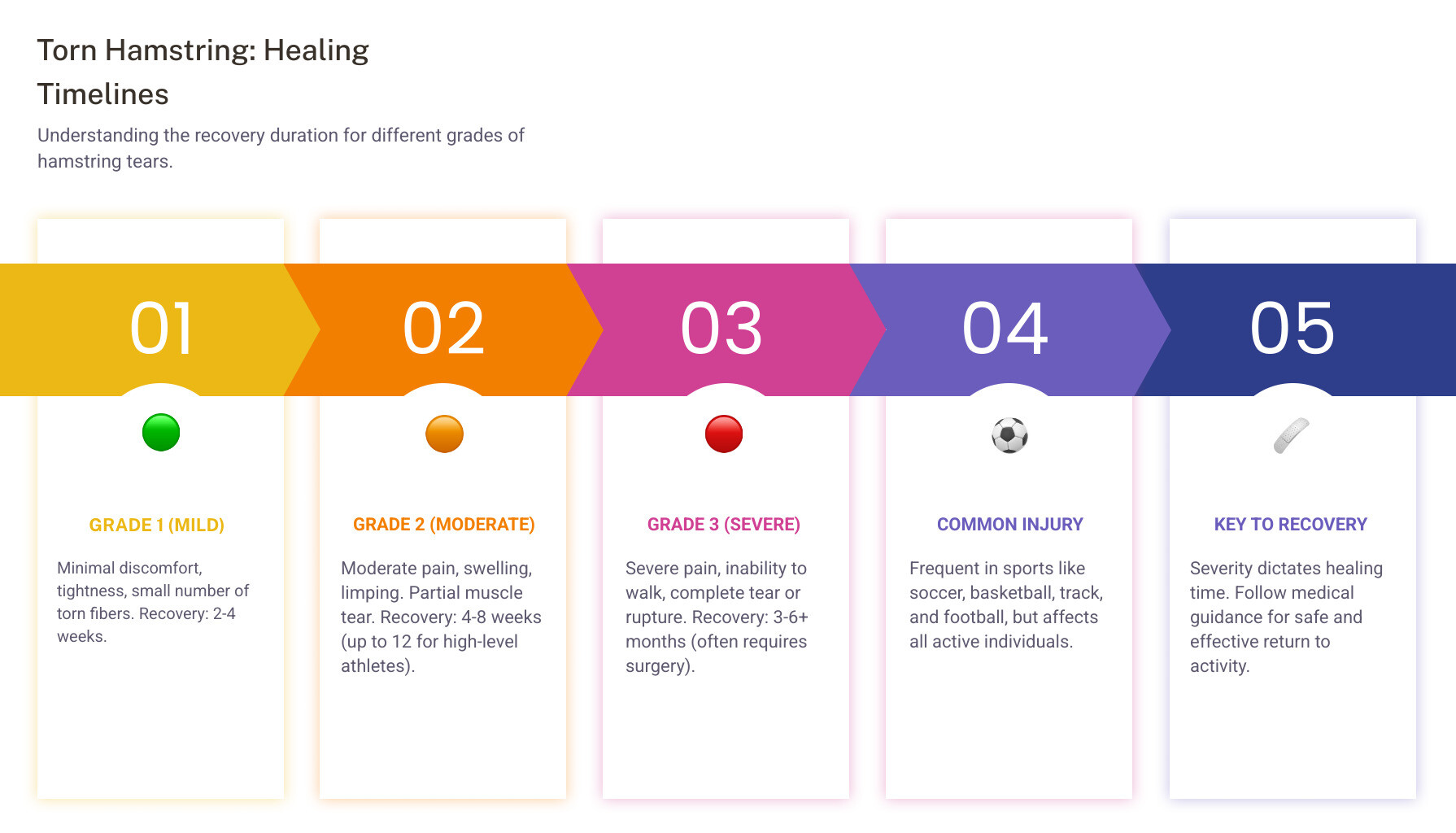
- Grade 1 (Mild): 2-4 weeks
- Grade 2 (Moderate): 4-8 weeks (up to 12 weeks for athletes returning to high-level sports)
- Grade 3 (Severe): 3-6 months or longer (may require surgery)
One moment you're sprinting down the field or pushing through your workout. The next, you feel a sharp pain shoot through the back of your thigh—sometimes with an audible "pop." You stop in your tracks. Your hamstring just gave out.
It's one of the most common sports injuries out there. Athletes in soccer, basketball, track, and football deal with it constantly. But you don't have to be a pro to tear your hamstring. Weekend warriors, gym-goers, and anyone who suddenly pushes their body beyond its limits can experience this painful setback.
The question that immediately follows the pain is always the same: How long until I can get back to normal?
That's what this guide is here to answer. We'll walk you through the different grades of hamstring tears, what each one feels like, and most importantly—how long each takes to heal. You'll also learn the best ways to treat your injury at home, when to see a doctor, and how to prevent it from happening again.
I'm Tony Enrico, and at Neuropasil, I've worked with thousands of people managing muscle injuries and nerve pain. Understanding torn hamstring how long to heal is crucial for anyone trying to get back to their active lifestyle safely and effectively.
Related content about torn hamstring how long to heal:
Grading Your Injury: What a Hamstring Tear Looks and Feels Like
A hamstring tear, often called a pulled hamstring or hamstring strain, is an injury to one of the three muscles located at the back of your thigh: the biceps femoris, semitendinosus, and semimembranosus. These muscles work together to bend your knee and extend your hip, playing a vital role in everyday movements and athletic performance. When these muscles are overstretched or overloaded, their fibers can tear, leading to an injury. The severity of this tear determines its "grade," which in turn dictates the recovery timeline. Understanding these grades is the first step to knowing torn hamstring how long to heal.
Healthcare professionals classify hamstring tears into three main grades, based on the extent of muscle fiber damage. This classification is crucial for determining the appropriate treatment plan and predicting your recovery journey. For a comprehensive understanding of diagnosis and treatment, we often refer to resources like the Mayo Clinic's guide on hamstring injury.
Grade 1: The Mild Strain
Think of a Grade 1 tear as a minor inconvenience, like a knot in your shoelace—annoying, but manageable. This is the least severe type of hamstring injury, involving only a small number of muscle fibers being torn. You might feel some discomfort and tightness in the back of your thigh, but the pain is usually mild. Swelling and bruising are minimal, and often not seen at all. You may still be able to walk without significant difficulty, though you might feel a slight stiffness.
Despite the minimal tissue damage, it's important not to ignore a Grade 1 tear. Returning to activities too soon can make the injury "stubborn" and prolong recovery. With proper care, a Grade 1 hamstring tear typically heals within 2-4 weeks.
Grade 2: The Partial Tear
A Grade 2 tear means a more significant portion of your muscle fibers has been affected. This is where things get a bit more serious, like trying to run with a loose shoelace—you can do it, but it's awkward and painful. The pain is more intense than a Grade 1, and you'll likely notice more obvious swelling and bruising in the affected area. Walking can become difficult, and activities that involve bending the knee or stretching the hamstring can be particularly painful. You might experience a noticeable limp.
This partial muscle tear requires more diligent attention and rehabilitation. For a Grade 2 tear, you can generally expect a healing time of 4-8 weeks. For athletes involved in high-level sports that demand sprinting or sudden changes in direction, the return to full activity might take closer to 12 weeks.
Grade 3: The Severe Tear or Rupture
This is the big one, the complete snap of the shoelace, leaving you unable to move forward. A Grade 3 hamstring tear is a severe injury, involving a partial or complete tear of the muscle, or even an avulsion where the tendon pulls completely away from the bone, sometimes taking a small piece of bone with it. At the moment of injury, you might experience a sharp, severe pain, sometimes accompanied by a "popping" or "snapping" sound.
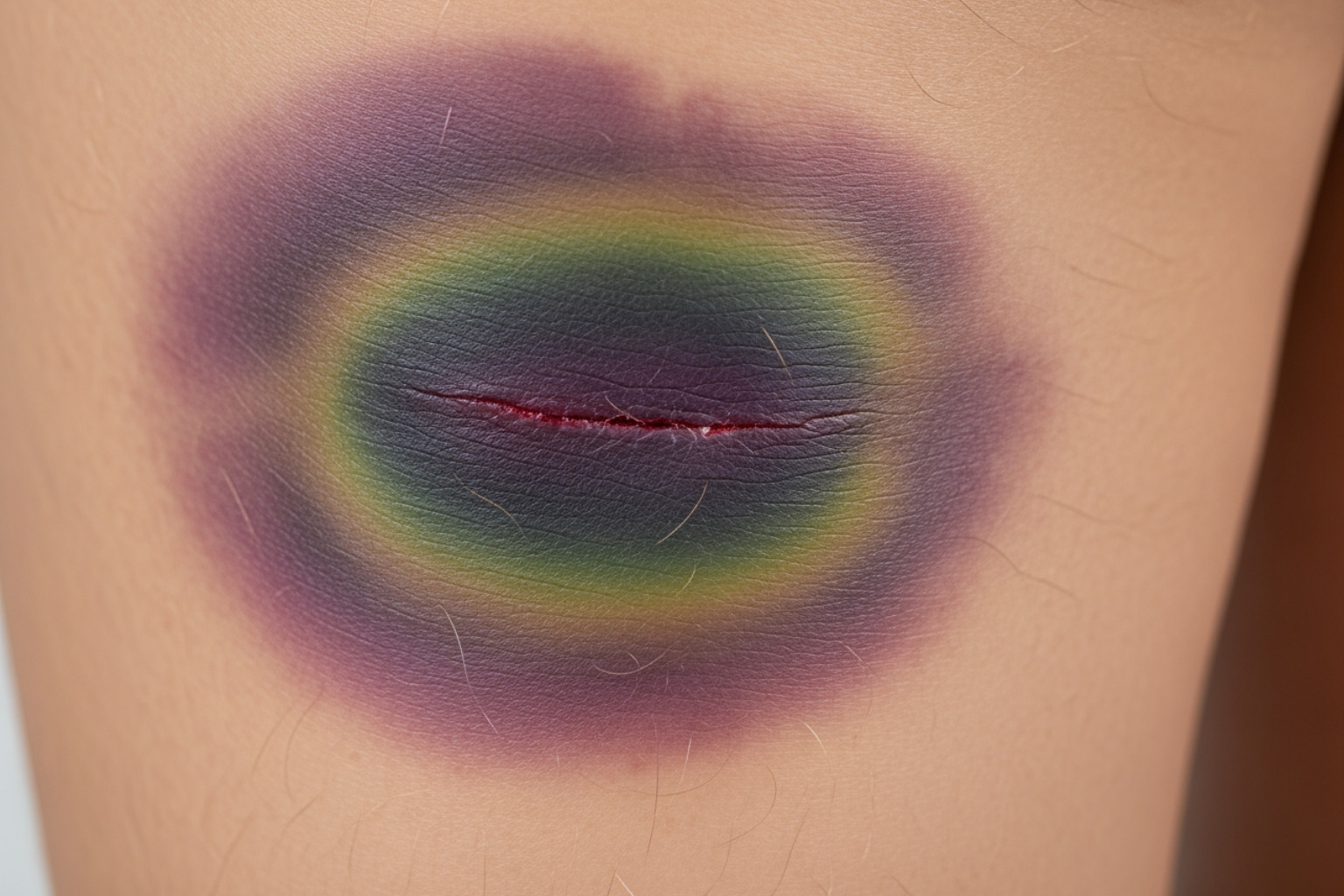
Symptoms for a Grade 3 tear are dramatic: significant swelling and bruising, muscle weakness, and often the inability to walk or bear weight on the injured leg without severe pain. In some cases, a gap or a "balled up" muscle might be visible or palpable in the back of the thigh.
Recovery from a Grade 3 hamstring tear is extensive, typically taking 3-6 months or longer. In severe cases, especially with avulsion fractures where the tendon has separated from the bone, surgery may be required. This level of injury demands dedicated medical attention and a comprehensive rehabilitation program.
Torn Hamstring How Long to Heal: A Grade-by-Grade Timeline
Understanding the healing process for a torn hamstring isn't just about pain disappearing; it's about the muscle fibers repairing, rebuilding strength, and regaining full function. The recovery timeline for torn hamstring how long to heal is largely dictated by the grade of your injury, but also by your body's individual healing capacity and adherence to a rehabilitation plan.
Here's a quick overview of what to expect, with timelines reflecting data from sources like the Cleveland Clinic and the Mayo Clinic:
| Grade | Symptoms | Typical Activity Limitation | Estimated Healing Time |
|---|---|---|---|
| Grade 1 (Mild) | Mild discomfort, tightness, minimal swelling | Possible to walk, slight stiffness | 2-4 weeks |
| Grade 2 (Moderate) | Moderate pain, noticeable swelling/bruising, limp | Difficult to walk, painful bending knee/stretching | 4-8 weeks (up to 12 weeks for high-level sports) |
| Grade 3 (Severe) | Severe sharp pain, "pop," significant swelling/bruising, muscle weakness | Inability to walk or bear weight | 3-6 months or longer |
The healing process involves several stages: initially decreasing inflammation, then increasing blood supply to the injured area, and finally, the actual muscle repair and remodeling. Each grade requires a different approach to steer these stages effectively.
Grade 1 Healing Timeline (A Few Days to 4 Weeks)
For a Grade 1 tear, the journey to recovery is usually the shortest and least complicated. We're talking about a quick pit stop rather than a full overhaul.
- Initial Phase (First few days): Focus on rest and protecting the injured area. You'll likely feel better within a few days.
- Gradual Return (1-2 weeks): Once initial pain subsides, gentle movement and pain-free stretching can begin. The goal is to prevent stiffness and maintain some range of motion.
- Full Recovery (2-4 weeks): Most individuals with a Grade 1 tear can gradually return to their normal activities within this timeframe, ensuring they listen to their body and don't push too hard too soon.
The key here is not to rush it, even if you feel good. A proper, gradual return ensures the muscle fully heals and reduces the risk of re-injury.
Grade 2 Healing Timeline (4 to 8 Weeks)
A Grade 2 tear demands a more structured approach and a longer commitment to healing. This isn't a simple pit stop; it's more like an extended service appointment.
- Initial Rest (1-2 weeks): A longer period of reduced activity is necessary to allow the partial tear to begin healing.
- Physical Therapy Guidance (Weeks 2-8): This is where a physical therapist becomes your best friend. They'll guide you through a program of gradual strengthening exercises and increasing range of motion. The focus will be on rebuilding the muscle's integrity without putting undue stress on the healing fibers.
- Slower Return to Sports (8+ weeks): For general activities, you might be back to normal within 4-8 weeks. However, for athletes returning to sports that involve explosive movements like sprinting, jumping, or sudden changes in direction, the recovery period can extend to 12 weeks or even longer. This extended timeline is crucial to ensure the muscle is fully prepared for the demands of high-level competition, minimizing the risk of a debilitating re-injury.
Grade 3 & Surgical Healing Timeline (3 to 6+ Months)
When facing a Grade 3 tear, especially one requiring surgery, we're looking at a significant recovery journey—think of it as a full engine rebuild. This injury often requires immediate medical evaluation.
- Medical Evaluation: A doctor will assess the injury, often using imaging tests like an MRI to determine the extent of the tear and whether surgery is necessary. Surgery is typically considered for complete tears or avulsion injuries where the tendon has detached from the bone.
- Immobilization: Post-surgery or for very severe non-surgical cases, the leg might need to be immobilized with a brace or crutches to protect the repair.
-
Extensive Rehabilitation: This is a long-term commitment. According to guidelines from the American Academy of Orthopaedic Surgeons (AAOS), rehabilitation can be extensive:
- For proximal hamstring repair (tear near the hip bone), rehabilitation typically takes at least 6 months before a return to athletic activities.
- For distal hamstring repair (tear near the knee), approximately 3 months of rehabilitation is generally required before returning to sports.
The rehabilitation for Grade 3 tears is intensive, focusing on restoring strength, flexibility, and function over a prolonged period. Patience, consistency, and strict adherence to your physical therapy program are paramount for a successful outcome and to truly answer torn hamstring how long to heal.
Your Game Plan for Healing: From R.I.C.E. to Rehabilitation
When a hamstring tear strikes, your immediate response can significantly impact your recovery time. Our game plan for healing focuses on initial treatment, effective pain management, and reducing swelling. For general guidance on muscle strain treatment, you might find our detailed blog post helpful: More info about muscle strain treatment.
The First 48-72 Hours: The R.I.C.E. Method
For most low-grade hamstring injuries, the R.I.C.E. method is your go-to strategy for the first few days. It's simple, effective, and can be done right at home.

- Rest: This means taking a break from strenuous activities. Give your injured muscle a chance to heal. Continuing to exercise or put stress on the muscle can worsen the tear and prolong recovery.
- Ice: Apply an ice pack to the injured area for 15 to 20 minutes every 2 to 3 hours while you're awake. Wrap the ice pack in a cloth to prevent direct contact with your skin. Icing helps relieve pain and reduces swelling by constricting blood vessels.
- Compression: Gently wrap the injured area with a compression bandage or wear compression shorts. The aim is to minimize swelling. Make sure the wrap is snug but not too tight—it shouldn't cause numbness, tingling, or increased pain. Start wrapping from the end farthest from your heart.
- Elevation: Whenever possible, rest with your leg liftd above the level of your heart. This helps reduce swelling by allowing gravity to drain fluid away from the injury.
As recommended by aftercare guides like MedlinePlus, it's also wise to avoid heat (hot baths, heating pads), massages, and alcohol for the first 3 days. These can increase blood flow to the area, potentially worsening swelling and bruising.
Managing Pain and Discomfort
Pain is your body's way of telling you something is wrong. While rest and R.I.C.E. address the physical aspects of healing, managing pain and discomfort is crucial for your comfort and mental well-being during recovery. Over-the-counter pain relievers like ibuprofen or acetaminophen can help reduce pain and inflammation.
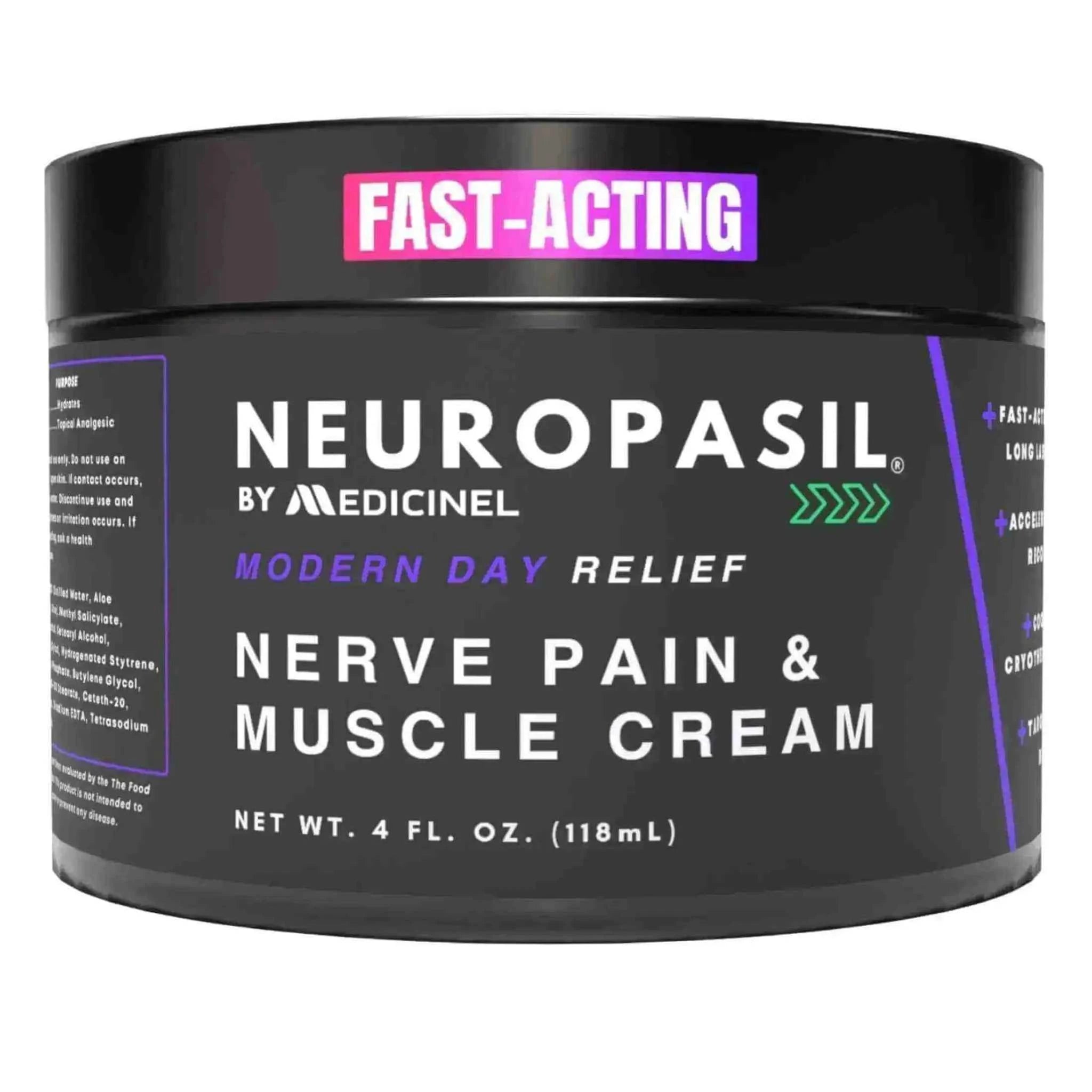
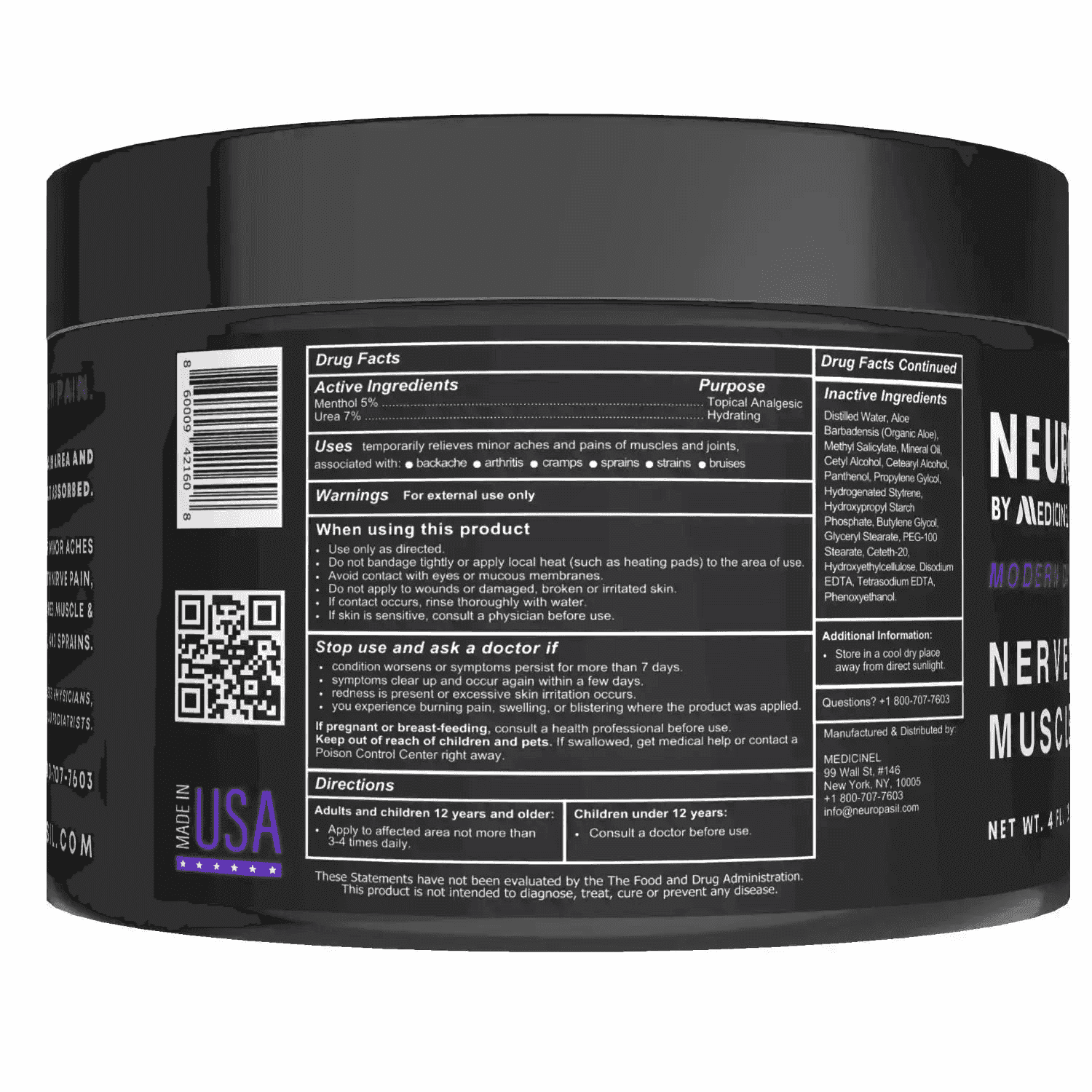
For targeted, soothing relief, we find that topical creams can be incredibly effective. Our Neuropasil Nerve Pain Relief Cream is designed to provide fast-acting comfort for sore muscles, including those recovering from a hamstring tear. With ingredients like Menthol, it delivers a cooling sensation that can temporarily numb the nerves and increase your pain tolerance, allowing you to rest more comfortably. It's a fantastic option for soothing those aching muscles and supporting your recovery journey. You can learn more about how it works here: Neuropasil Nerve Pain Relief Cream.
When to See a Doctor
While mild hamstring tears can often be managed at home, there are definite signs that indicate you need professional medical attention. Don't hesitate to seek help if you experience any of the following:
- Severe Pain: If the pain is excruciating or gets worse, rather than better, after a few days.
- Inability to Bear Weight: If you can't walk or put any weight on your injured leg.
- Large Amount of Bruising or Swelling: Significant or rapidly worsening bruising and swelling can be a sign of a more severe tear.
- A "Pop" Sensation: If you heard or felt a distinct "pop" at the moment of injury, it could indicate a Grade 3 tear.
- No Improvement: If your symptoms don't start to improve after a few days of self-care.
- Leg Stiffness or Difficulty Moving: If your leg feels very stiff or is difficult to move.
In New York City, if you have these symptoms, we recommend contacting your primary care physician or an orthopedic specialist for a proper diagnosis and treatment plan. They can confirm the grade of your injury and guide you on the best path to recovery, ensuring you understand torn hamstring how long to heal in your specific case.
The Road Back: Rehabilitation and Preventing Re-Injury
Once the initial pain and swelling subside, the real work of rehabilitation begins. This phase is critical not just for restoring your muscle's function but also for preventing the frustrating cycle of re-injury. Hamstring tears, especially in athletes, have a high re-injury risk, with data from UpToDate showing that over 30% of athletes experience a recurrent injury, often during the subsequent sporting season. This is why a structured, progressive rehabilitation program is non-negotiable. For detailed insights into hamstring muscle injuries, the American Academy of Orthopaedic Surgeons (AAOS) provides valuable information: Hamstring Muscle Injuries - OrthoInfo - AAOS.
Phase 1: Gentle Movement and Flexibility
The first phase of rehabilitation focuses on restoring your range of motion without causing pain. Think of it as gently coaxing your muscle back to life.
- Early Mobilization: As soon as pain allows, your physical therapist will guide you through gentle, pain-free movements. The goal is to prevent the muscle from becoming stiff and tight as it heals.
- Pain-Free Stretching: Light stretching exercises are introduced to improve flexibility. These should never cause sharp pain. Instead, you should feel a gentle stretch.
- Restoring Range of Motion: Gradually, the exercises will aim to bring your leg back to its full, normal range of motion, preparing it for the next phase of strengthening.
Preventing muscle stiffness is key here, as injured hamstrings tend to tighten as they heal, making flexibility crucial for preventing future problems.
Phase 2: Building Strength
Once you've regained a good range of motion, it's time to rebuild the strength in your hamstring. This phase is about making your muscle robust and resilient.
- Gradual Strengthening Exercises: Your physical therapist will introduce exercises that progressively increase the load on your hamstring. This might start with bodyweight exercises and advance to resistance bands or light weights.
- Eccentric Exercises: These are particularly important for hamstring rehabilitation. Eccentric contractions occur when the muscle lengthens under tension (e.g., the lowering phase of a Nordic hamstring curl). As highlighted by the AAOS, eccentric training is highly effective in strengthening hamstrings and preventing re-injury.
- Core Stability: Don't forget your core! A strong core provides a stable base for your leg movements, reducing strain on your hamstrings.
- Muscle Imbalance Correction: Often, hamstring tears are linked to imbalances, such as stronger quadriceps compared to hamstrings. Your rehabilitation program will address these imbalances to ensure your leg muscles work harmoniously.
Phase 3: Returning to Sport
This is the phase everyone looks forward to, but it's also where many people make the mistake of rushing back too soon. Returning to sport or high-level activities requires careful progression and, most importantly, clearance from your doctor or physical therapist.
- Sport-Specific Drills: If you're an athlete, your therapist will incorporate drills that mimic the movements of your sport—think gentle jogging, side shuffles, and controlled turns.
- Agility Training: Gradually increasing agility exercises helps your hamstring prepare for quick changes in direction.
- Sprinting Progression: For sports involving sprinting, a carefully managed progression of running speeds and distances is essential. This is where you test the limits of your newly healed muscle in a controlled environment.
- Doctor Clearance: Never return to full activity or competition without the green light from your healthcare provider. They'll assess your strength, flexibility, and confidence to ensure your hamstring is truly ready.
A successful return to activity isn't just about the absence of pain; it's about the presence of full strength, flexibility, and confidence in your healed muscle. To explore more about wellness and recovery tips, visit our blog: Explore our blog for more wellness tips.
Frequently Asked Questions about Hamstring Recovery
We understand that when you're dealing with a hamstring injury, you'll have a lot of questions. Here are some of the most common ones we hear, designed to give you clarity on torn hamstring how long to heal and what to expect.
How do I know if my hamstring tear is serious?
Knowing the severity of your hamstring tear is crucial for guiding your recovery. Look for these indicators:
- A "Popping" Sound at Injury: If you heard or felt a distinct "pop" or "snap" when the injury occurred, it's a strong sign of a Grade 3 (severe) tear.
- Immediate, Severe Pain: While all hamstring tears cause pain, severe, excruciating pain that prevents you from moving your leg or bearing weight immediately after the injury points to a higher-grade tear.
- Inability to Walk: If you cannot walk, or can only do so with extreme difficulty and pain, it suggests a significant injury.
- Significant Bruising and Swelling: While some bruising and swelling are normal, a large amount that appears quickly and spreads down the leg can indicate a more severe tear.
- A Gap or Ball of Muscle: In severe Grade 3 tears, you might actually be able to feel a gap in the muscle or see a "balled up" muscle at the back of your thigh.
If you experience any of these severe symptoms, seek medical attention promptly from a doctor or orthopedic specialist.
Can I walk on a torn hamstring?
Whether you can walk on a torn hamstring largely depends on the grade of the injury:
- Grade 1 (Mild): Yes, you can typically walk on a Grade 1 tear, although you might experience some discomfort, tightness, or a slight limp. The pain is usually manageable, and you can bear weight.
- Grade 2 (Moderate): Walking on a Grade 2 tear is difficult and often painful. You'll likely have a noticeable limp, and activities like bending your knee or stretching the hamstring will cause significant pain. While you might be able to put some weight on it, it won't be comfortable.
- Grade 3 (Severe): In most cases of a Grade 3 tear, walking is impossible without significant pain and support, such as crutches. The muscle is severely damaged, making it unable to properly support your body weight or facilitate movement.
Always listen to your body. If walking causes increased pain, stop and rest. Pushing through pain can worsen the injury and delay healing.
Why do hamstring injuries happen so often?
Hamstring injuries are notoriously common, particularly in sports. According to sources like the American Academy of Orthopaedic Surgeons and the Cleveland Clinic, there are several reasons why these muscles are so prone to tears:
- Muscle Overload: This is the most frequent cause. Hamstrings are stretched beyond their capacity or challenged with a sudden, intense load, especially during eccentric contractions (when the muscle lengthens while contracting, like decelerating after a sprint).
- Poor Flexibility: Tight hamstrings are more susceptible to injury. If your muscles can't lengthen enough to accommodate the demands of an activity, they're more likely to tear.
- Muscle Imbalances: Often, the quadriceps (front thigh muscles) are much stronger than the hamstrings. This imbalance means the hamstrings are at a disadvantage and can be easily overwhelmed, particularly during powerful movements.
- Fatigue: Tired muscles are less able to absorb shock and maintain proper form, making them more vulnerable to injury.
- Inadequate Warm-up: Skipping a proper warm-up means your muscles aren't primed and ready for activity. Cold muscles are less elastic and more prone to tearing.
- Previous Injury: Unfortunately, a history of hamstring injury is one of the biggest risk factors for future tears. If an old injury wasn't fully rehabilitated, the scar tissue can be weaker and less flexible, making re-injury more likely. According to clinical data summarized by UpToDate, recurrent hamstring injuries develop in more than 30 percent of athletes, with most occurring during the ensuing sporting season.
Understanding these common causes can help us develop better prevention strategies, ensuring our hamstrings are strong, flexible, and ready for action.
Conclusion: A Smart Recovery is a Fast Recovery
Recovering from a torn hamstring, regardless of its severity, is a journey that requires patience, discipline, and a smart approach. There's no magic bullet for torn hamstring how long to heal, but by understanding the different grades of injury and committing to a structured recovery plan, you can significantly influence your healing timeline and prevent future setbacks.
Listen to your body, respect the pain signals, and don't rush the process. A premature return to activity is one of the biggest culprits behind re-injury, which can be far more debilitating and prolong your recovery even further. Accept the R.I.C.E. protocol, use effective pain management strategies like those offered by Neuropasil, and diligently follow your physical therapy program.
Full recovery is possible, and with the right care and prevention strategies, you can get back to your active lifestyle stronger and more resilient than before. Your muscles are incredible at healing themselves, but they need your help and support to do so effectively. For more information on the natural ingredients that power our products and support muscle recovery, you can always visit: Learn more about our ingredients.
References
- American Academy of Orthopaedic Surgeons (AAOS). Hamstring Muscle Injuries. Available at: https://orthoinfo.aaos.org/en/diseases--conditions/hamstring-muscle-injuries/
- Cleveland Clinic. Hamstring Injury. Available at: https://my.clevelandclinic.org/health/diseases/17039-hamstring-injury
- Mayo Clinic. Hamstring injury - Diagnosis and treatment. Available at: https://www.mayoclinic.org/diseases-conditions/hamstring-injury/diagnosis-treatment/drc-20372990
- MedlinePlus. Hamstring strain - aftercare. Available at: https://medlineplus.gov/ency/patientinstructions/000551.htm
- Mercy Health. Hamstring Tear or Strain | Orthopedics. Available at: https://www.mercy.com/health-care-services/orthopedics-sports-medicine-spine/specialties/knee-leg/conditions/hamstring-tear-strain
- The Physio Hub. Hamstring Tear: Understanding Recovery Times and Treatment. Available at: https://www.thephysiohub.ie/blog/hamstring-tear-understanding-recovery-times-and-treatment/
- UpToDate. Hamstring muscle and tendon injuries. (Note: Access to full article requires subscription, but abstract provides relevant statistics). Available at: https://www.uptodate.com/contents/hamstring-muscle-and-tendon-injuries/print
- Wolters Kluwer. How long does rehab and recovery take for a torn hamstring? Available at: https://www.wolterskluwer.com/en/know/clinical-effectiveness-terms (Note: This specific URL links to general terms, but the content refers to insights from Wolters Kluwer's medical information platforms).