Understanding Your Hamstring Injury and Treatment Options
Torn hamstring muscle treatment begins with understanding what you're dealing with. Whether you felt a sudden pop during a sprint or sharp pain while stretching, hamstring injuries are among the most common sports-related injuries—accounting for 11-12% of all injuries in sports like soccer and football.
Quick Answer: Core Treatment Options
- Grade 1 (Mild Strain): RICE method (Rest, Ice, Compression, Elevation), gentle movement after 2-3 days, recovery in 1-3 weeks
- Grade 2 (Partial Tear): RICE protocol, physical therapy, progressive strengthening exercises, 4-8 weeks recovery
- Grade 3 (Complete Tear): Often requires surgical repair to reattach tendons, followed by structured rehabilitation, 3-6 months recovery
The hamstring is a group of three muscles running down the back of your thigh: the biceps femoris, semitendinosus, and semimembranosus. These muscles work together to bend your knee and extend your hip, absorbing force during activities like running and jumping.
A hamstring injury can range from a minor strain (microscopic tears) to a complete rupture where the muscle or tendon separates from the bone. The severity determines your treatment path—most injuries heal with conservative care, but severe tears may need surgery.
The good news? With proper diagnosis and treatment, most people recover fully. The challenge? Almost 1 in 3 hamstring injuries recur, often within the first two weeks of returning to activity. That's why a structured rehabilitation plan is critical.
As Tony Enrico, founder of Neuropasil, I've spent years helping people manage muscle pain and return to their favorite activities. Through Neuropasil, we've supported thousands in their recovery with our targeted relief solutions.
Identifying a Hamstring Tear: Symptoms and Diagnosis
Recognizing the clear signals your body sends after a hamstring injury is the first step toward effective torn hamstring muscle treatment. A healthcare provider will check for swelling and tenderness to help determine the extent of the damage.
Common symptoms include:
- Sudden pain: Often described as a sharp, intense pain in the back of the thigh.
- Popping sound or sensation: A distinct "pop" or "snap" at the time of injury, especially with more severe tears.
- Swelling: Visible puffiness or inflammation in the affected area.
- Bruising (ecchymosis): Discoloration on the back of the thigh, sometimes extending toward the knee or calf.
- Muscle weakness: Difficulty moving your leg, bending your knee, or extending your hip.
- Inability to bear weight: Severe pain that prevents you from putting weight on the injured leg.
- Stiffness or spasms: Tightness or involuntary contractions in the hamstring muscles.
Symptoms by Severity: From Mild Strain to Complete Tear
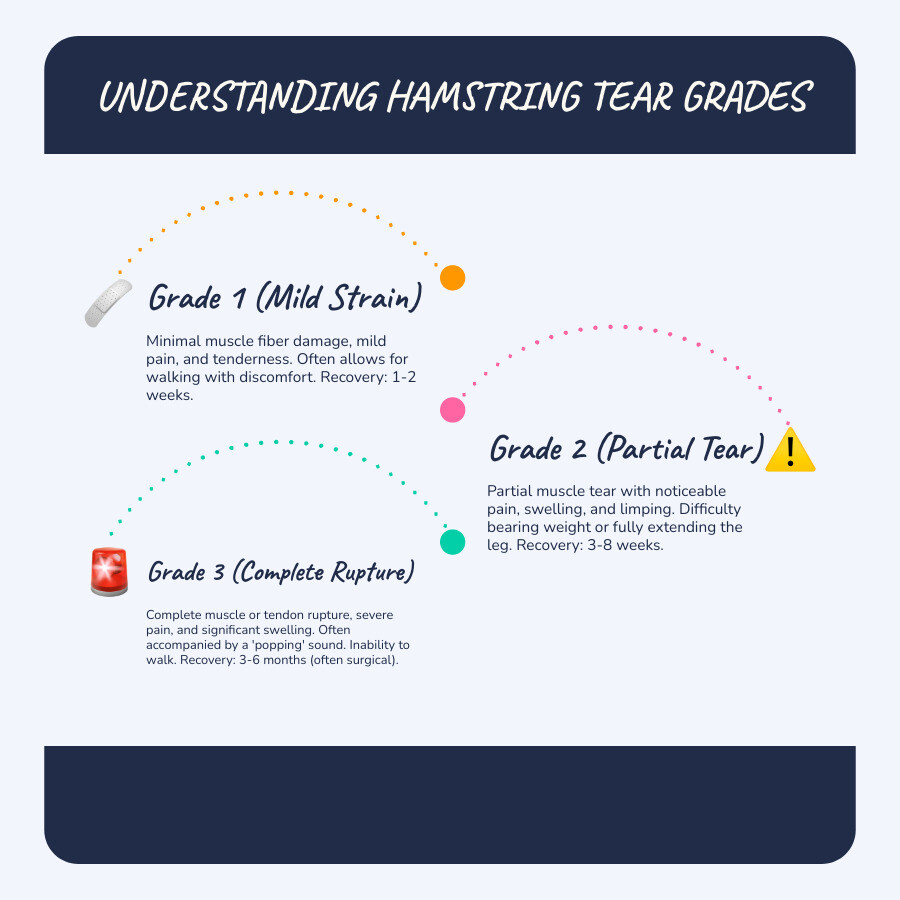
The severity of a hamstring injury is graded to guide the appropriate torn hamstring muscle treatment.
- Grade 1 (Mild Strain): A minor injury with a few stretched or torn muscle fibers. You may feel a sudden cramp or tightness. Pain is mild with minimal loss of strength, and walking is generally possible, though uncomfortable. Recovery usually takes one to three weeks.
- Grade 2 (Partial Tear): A more significant tear of muscle fibers, but not a complete rupture. Expect moderate pain, limping, tenderness, and swelling. You'll have noticeable weakness and reduced range of motion. Recovery typically takes four to eight weeks.
- Grade 3 (Complete Tear): The most severe injury, involving a complete muscle or tendon rupture. Expect severe, intense pain, often with a "pop" or "snap" sound. Significant swelling and bruising are common, and you'll likely be unable to bear weight on the leg. It may also involve an avulsion fracture, where the tendon pulls bone away from the pelvis or shinbone.
The Diagnostic Process with a Healthcare Provider
Accurate diagnosis is paramount for effective torn hamstring muscle treatment. The process typically involves:
- Patient History: Your provider will ask how the injury occurred, if you heard a "pop," and what movements affect the pain.
- Physical Examination: We'll examine your leg for swelling, tenderness, and bruising, and assess your range of motion and strength to pinpoint the tear's location and severity.
-
Imaging Test Confirmation:
- X-rays: Crucial for ruling out avulsion fractures, where a piece of bone has been pulled away by the torn tendon.
- Ultrasound: Visualizes muscle and tendon tears in real-time, assessing damage and guiding potential injections.
- MRI (Magnetic Resonance Imaging): Provides detailed images of soft tissues to confirm the diagnosis and determine the tear's exact location and size. While MRI is excellent for diagnosis, clinical factors like pain-free walking are often better predictors for return to activity than MRI findings alone.
- Differentiating from Other Conditions: Your provider will rule out other causes of posterior thigh pain, like sciatica or referred pain from the lower back.
Your Comprehensive Guide to Torn Hamstring Muscle Treatment
Once your hamstring injury is diagnosed, we can tailor the most effective torn hamstring muscle treatment plan to reduce pain, promote healing, restore function, and prevent re-injury.
Immediate At-Home Care: The RICE/PRICE Method
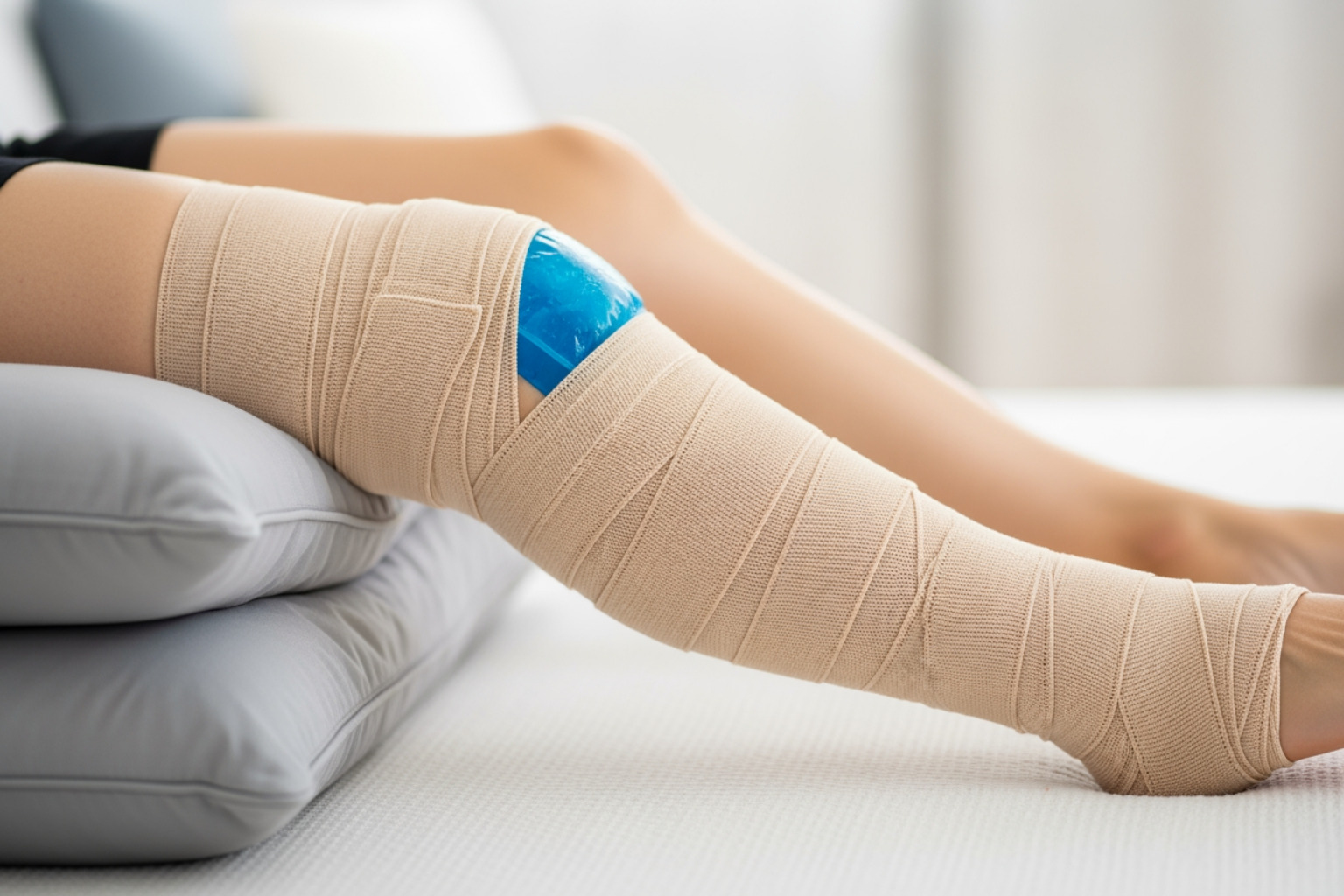
For most hamstring injuries, initial at-home care using the RICE or PRICE method is crucial for managing pain and swelling in the first few days.
- P - Protection: Protect the injured area from further damage, possibly using crutches.
- R - Rest: Take a break from strenuous activities to allow the torn fibers to begin healing.
- I - Ice: Apply ice packs for 15-20 minutes every 2-3 hours. Wrap ice in a cloth to protect skin, especially with vascular disease or reduced sensation.
- C - Compression: Gently wrap the area with a compression bandage to minimize swelling. Loosen the bandage if you experience increased pain, numbness, or swelling below it.
- E - Elevation: Keep your injured leg lifted above heart level to reduce swelling.
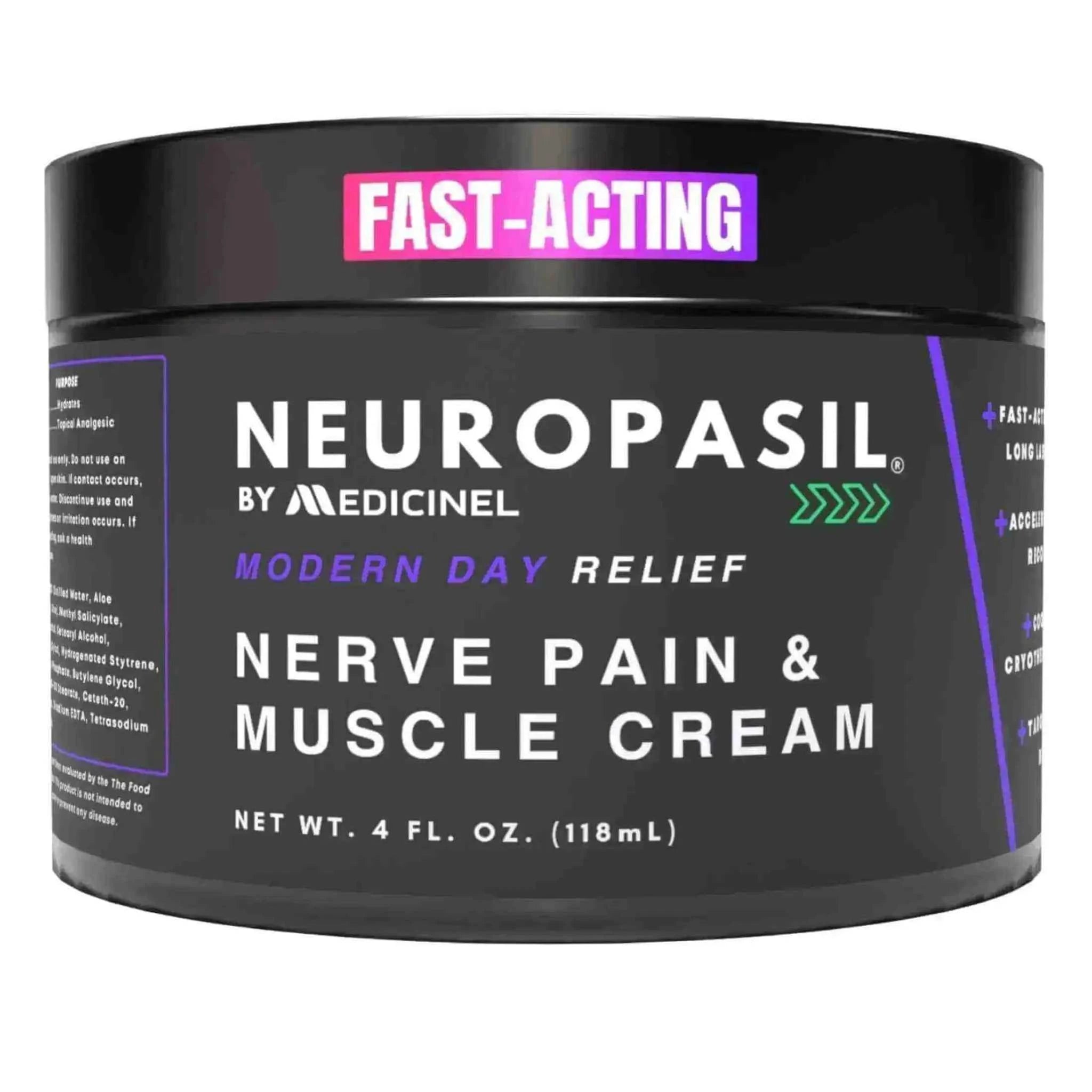
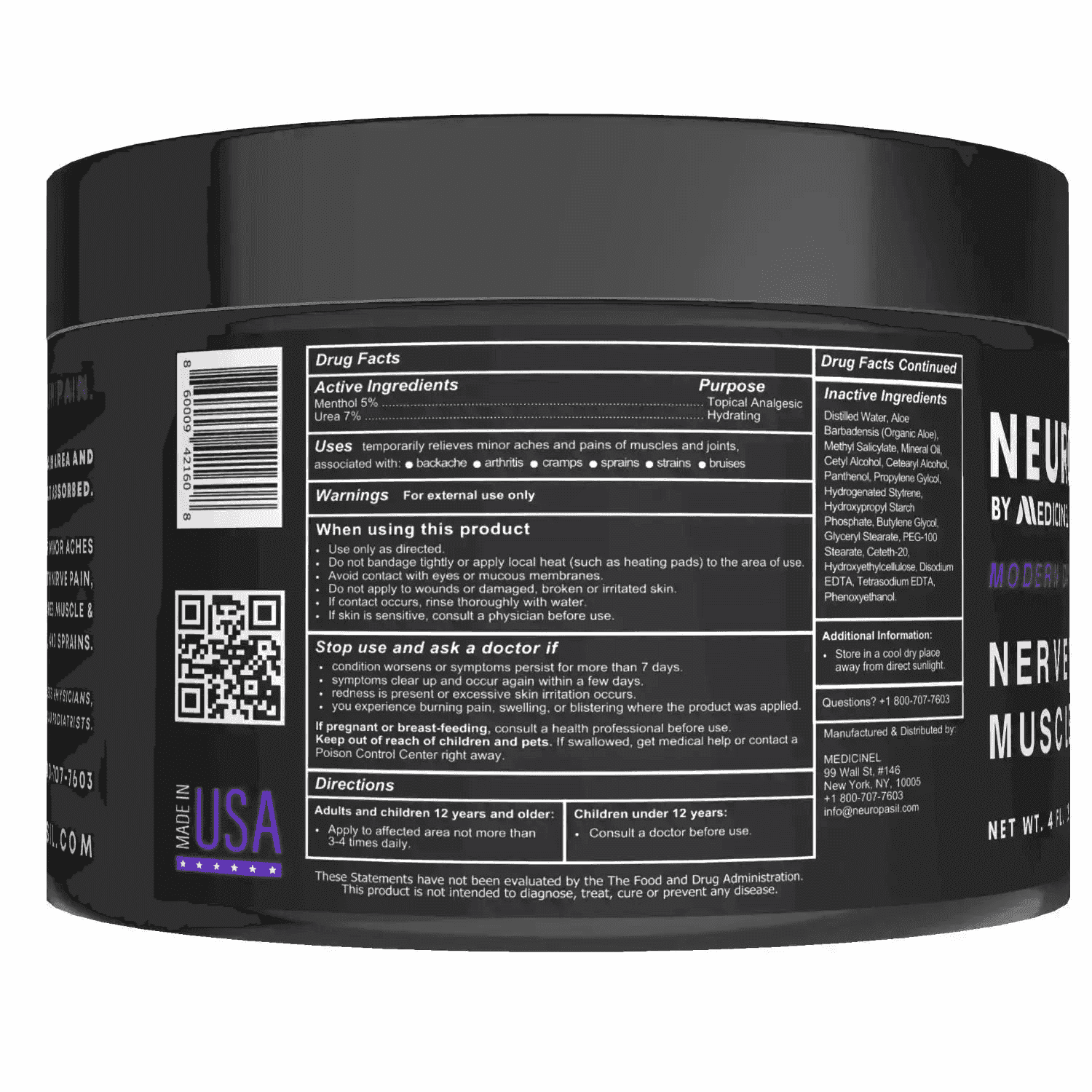
For managing muscle pain during recovery, a topical analgesic can be incredibly helpful. Neuropasil provides fast-acting, targeted relief for muscle soreness with ingredients like menthol and aloe, perfect for soothing discomfort during this initial phase. For more info about managing muscle pain, visit our blog.
Non-Surgical Torn Hamstring Muscle Treatment Protocols
Beyond home care, several non-surgical options are available for Grade 1 and 2 tears.
- NSAIDs (Non-Steroidal Anti-Inflammatory Drugs): Medications like ibuprofen can manage pain, but early use is debated as some research suggests it may interfere with initial healing. Always consult your healthcare provider before taking any new medication.
- MEAT Protocol: An alternative to RICE, this method includes Movement (gentle), Exercise (progressive), Analgesics (pain relief), and Therapy (physical).
- Platelet-Rich Plasma (PRP) Injections: Evidence for PRP in acute hamstring strains is mixed. One study on NFL players showed a faster return to play (26.7 vs. 42.5 days) with PRP, but other studies found no significant difference. Discuss this option thoroughly with your doctor.
- Corticosteroid Injections: A 13-year NFL study showed these injections led to a quick return to practice (average 7.6 days). However, they may impact long-term tissue repair, so their use should be considered carefully.
- Topical Pain Relief Creams: For localized pain, topical creams offer relief without the systemic side effects of oral medications. Products with menthol, like Neuropasil, provide a cooling sensation that can reduce discomfort and allow for better engagement in rehab. You can find the best pain relief creams for muscle pain on our blog.
When Is Surgery Necessary for a Hamstring Tear?
While most hamstring injuries heal without it, surgery is the best option for effective torn hamstring muscle treatment in specific situations:
- Grade 3 Tears (Complete Tendon Rupture): If the tendon has completely torn away from the bone, surgery is often necessary to reattach it.
- Avulsion Fracture: If the tendon has pulled a piece of bone away, surgical repair is usually required.
- Failure of Conservative Treatment: If a partial tear fails to heal after months of non-surgical treatment, surgery might be considered.
- Surgical Repair Procedure: For a complete tear, a surgeon makes an incision, pulls the muscle back into place, and reattaches the tendon to the bone with sutures. This is most effective within two to three weeks of the injury.
- Post-Surgery Recovery Overview: Post-surgery, you'll use crutches for two to three weeks. Most patients walk without crutches around one month post-op and function normally within three months. Athletes may need three to six months to return to competition. You can find specialized orthopedic surgeons in New York City for these injuries at practices like Jonathan Glashow, MD, and Dr. Donald Rose.
The Road to Recovery: Rehabilitation and Timelines
Healing a torn hamstring is a journey. A structured rehabilitation plan is the cornerstone of successful torn hamstring muscle treatment and is crucial for preventing re-injury.

Expected Recovery Timelines by Injury Grade
Recovery timelines vary based on the tear's severity and whether surgery was required.
- Grade 1 Recovery: Mild strains often take one to three weeks for full recovery.
- Grade 2 Recovery: Partial tears typically require four to eight weeks.
- Grade 3 (Surgical) Recovery: Recovery from surgery is more extensive, taking three to six months. You'll likely use crutches for two to three weeks, progressing to walking without them around one month post-op. Athletes may need up to six months before returning to full competition.
The injury type also influences recovery. Type I (high-speed running) injuries may take 16 weeks for elite sprinters to recover, while Type II (overstretching) injuries can take up to 50 weeks for professional dancers.
The Crucial Role of Physical Therapy in Torn Hamstring Muscle Treatment
Physical therapy is indispensable for hamstring recovery. A physical therapist will design a progressive program customized to your injury and goals.
The rehabilitation process typically involves three phases:
- Phase 1 (Acute Phase): Focuses on decreasing pain and swelling, protecting the area, and restoring basic neuromuscular control with gentle, pain-free movements.
- Phase 2 (Intermediate Phase): Gradually increases exercise intensity and range of motion. Eccentric exercises (where the muscle lengthens under tension, like in Nordic hamstring curls) are vital here.
- Phase 3 (Advanced/Return-to-Sport Phase): Concentrates on sport-specific exercises, agility drills, and trunk stabilization. Studies show progressive agility and trunk stabilization programs can speed up return to play and lower re-injury rates compared to traditional methods alone.
Throughout these phases, your physical therapist will help you control pain, restore flexibility, build strength, and improve core stability.
Returning to Sport and Preventing Re-Injury
A key challenge is the high recurrence rate: nearly 1 in 3 hamstring strains recur, often within two weeks of returning to sport. This highlights the need for a cautious, criterion-based return-to-play protocol.
Key considerations for returning to sport include:
- Full Strength: Regaining full strength, measured by side-to-side comparisons.
- Pain-Free Movement: Performing all sport-specific movements without pain.
- No Kinesiophobia: Absence of fear of movement or re-injury.
- Functional Abilities: Ability to perform sport-specific activities at near maximum intensity.
To minimize re-injury risk, emphasize these prevention strategies:
- Proper Warm-Up: Always warm up thoroughly.
- Eccentric Strengthening Programs: Incorporate exercises targeting eccentric hamstring strength.
- Avoiding Overtraining: Listen to your body and avoid pushing too hard when fatigued.
- Balanced Muscle Strength: Address imbalances between hamstrings and quadriceps.
Understanding Related Hamstring Conditions
It's important to understand other conditions affecting the hamstring complex, as they may require different approaches than standard torn hamstring muscle treatment.
What is Proximal Hamstring Tendinopathy?
Proximal hamstring tendinopathy is a chronic overuse injury involving tendon degeneration where they attach to the ischial tuberosity, unlike a sudden, acute tear.
- Symptoms: A gradual onset of deep buttock pain near the "sit bone," which worsens with prolonged sitting or running. This is distinct from the sharp pain of an acute tear.
- Diagnosis Differences: Diagnosis relies on patient history, physical exam (pain provocation tests), and imaging (MRI or ultrasound) to identify tendon degeneration.
-
Treatment Differences: Treatment focuses on conservative measures:
- Eccentric Loading Exercises: The cornerstone of tendinopathy treatment, gradually loading the tendon to promote healing.
- Shockwave Therapy: One study on professional athletes showed shockwave therapy led to better pain scores and a higher return-to-sport rate for chronic proximal hamstring tendinopathy compared to traditional methods.
- Injections: Corticosteroids may offer short-term pain relief, and PRP injections have also shown promise. However, these are typically considered only after a trial of eccentric exercises fails.
Potential Complications and Long-Term Effects
If an injury was severe or rehabilitation was incomplete, some individuals may experience long-term effects:
- Scar Tissue Formation: Can lead to stiffness and reduced flexibility.
- Reduced Flexibility: The hamstring may not regain its original flexibility, increasing future strain risk.
- Chronic Muscle Weakness: Inadequate rehab can result in persistent weakness.
- Persistent Pain: Ongoing discomfort with certain movements.
- Sciatic Nerve Irritation: Scarring can irritate the nearby sciatic nerve, causing radiating pain or numbness.
- Increased Risk of Future Injury: The high recurrence rate makes complete rehabilitation crucial.
Frequently Asked Questions about Torn Hamstring Treatment
Here are answers to some of the most common questions about hamstring injury recovery.
Can you walk on a torn hamstring?
This depends on the injury grade:
- Grade 1 (Mild Strain): Yes, you can typically walk, though you might have discomfort or a slight limp.
- Grade 2 (Partial Tear): Walking will likely be painful with a noticeable limp. Crutches may be recommended initially.
- Grade 3 (Complete Tear): Walking is often impossible due to severe pain. Crutches are usually required.
Do not push through severe pain, as this can worsen the injury.
What is the fastest way to heal a torn hamstring?
There are no shortcuts. The "fastest" way to heal is to strictly follow a structured, progressive rehabilitation program. This involves:
- Proper Diagnosis: Knowing the grade and type of your injury.
- Following Professional Advice: Consistently performing prescribed exercises and respecting rest periods.
- Patience: Rushing back to activity is the leading cause of re-injury.
Focus on consistent, smart recovery rather than speed.
Should you stretch a torn hamstring?
Initially, no. Stretching in the acute phase (the first few days) can cause further damage.
After the acute phase (usually 2-3 days, or as advised by your provider), gentle, pain-free stretching can be introduced to restore range of motion. Avoid aggressive or bouncy stretching, which can worsen the tear. Always follow the guidance of a physical therapist or doctor on proper techniques and timing.
Conclusion: Taking Control of Your Hamstring Recovery
Navigating a hamstring injury can be a challenging experience, whether you're an athlete or simply enjoy an active lifestyle. However, with the right approach to torn hamstring muscle treatment, a full recovery is well within reach.
Remember these key takeaways:
- Accurate Diagnosis is Key: Understanding the grade and nature of your tear is the first step toward effective treatment.
- Custom Treatment Plans: Whether it's the RICE/PRICE method, physical therapy, or surgical intervention, your treatment should be custom to your specific injury.
- Active Rehabilitation is Crucial: Physical therapy, with its focus on progressive strengthening (especially eccentric exercises), flexibility, and core stability, is vital for restoring function and preventing future issues.
- Prevention is Paramount: Given the high recurrence rate, incorporating proper warm-ups, eccentric strengthening, and listening to your body are essential for long-term hamstring health.
For managing muscle soreness and discomfort throughout your recovery journey, consider a topical analgesic like Neuropasil. Our unique blend of natural ingredients including Aloe, Urea, and Menthol is designed to provide targeted, soothing relief, helping you stay comfortable as you heal and regain your strength. Learn more about our ingredients and find how Neuropasil can support your muscle recovery.
References / Sources
- Mayo Clinic. (n.d.). Hamstring injury - Diagnosis and treatment. Retrieved from https://www.mayoclinic.org/diseases-conditions/hamstring-injury/diagnosis-treatment/drc-20372990
- Cleveland Clinic. (n.d.). Hamstring Injury: Recovery Time, Treatment & Symptoms. Retrieved from https://my.clevelandclinic.org/health/diseases/17039-hamstring-injury
- NHS. (n.d.). Hamstring injury. Retrieved from https://www.nhs.uk/conditions/hamstring-injury/
- University of Utah Health. (n.d.). Hamstring Tear & Surgery. Retrieved from https://healthcare.utah.edu/orthopaedic/sports-medicine/conditions/hamstring-tear
- Chu, S. K., & Rho, M. E. (2016). Hamstring Injuries in the Athlete: Diagnosis, Treatment, and Return to Play. Current Sports Medicine Reports, 15(3), 184–190. Retrieved from https://pubmed.ncbi.nlm.nih.gov/27172083/
- MedlinePlus. (n.d.). Hamstring strain - aftercare. Retrieved from https://medlineplus.gov/ency/patientinstructions/000551.htm
- Sherry, M. A., & Best, T. M. (2004). A comparison of 2 rehabilitation programs in the treatment of acute hamstring strains. The Journal of Orthopaedic and Sports Physical Therapy, 34(3), 116–125. Retrieved from https://pubmed.ncbi.nlm.nih.gov/15089024/
- Cacchio, A., Rompe, J. D., Furia, J. P., Susi, P., Santilli, V., & De Paulis, F. (2011). Shockwave therapy for the treatment of chronic proximal hamstring tendinopathy in professional athletes. The American Journal of Sports Medicine, 39(1), 146–153. Retrieved from https://pubmed.ncbi.nlm.nih.gov/20855554/
- Levine, W. N., Bergfeld, J. A., Tessendorf, W., & Moorman, C. T., 3rd. (2000). Intramuscular corticosteroid injection for hamstring injuries. A 13-year experience in the National Football League. The American Journal of Sports Medicine, 28(3), 297–300. Retrieved from https://pubmed.ncbi.nlm.nih.gov/10843118/
- Reurink, G., Brilman, E. G., de Vos, R. J., Maas, M., Moen, M. H., Weir, A., & Tol, J. L. (2015). Magnetic resonance imaging in acute hamstring injury: can we provide a return to play prognosis? Sports Medicine, 45(1), 133–146. Retrieved from https://pubmed.ncbi.nlm.nih.gov/25119158/
- Murtaugh, B., & Ihm, J. M. (2013). Eccentric training for the treatment of tendinopathies. Current Sports Medicine Reports, 12(3), 175–182. Retrieved from https://pubmed.ncbi.nlm.nih.gov/23669088/
- Glashow, J. (n.d.). NYC Hamstring Ruptures/Injuries Specialist. Retrieved from https://www.orthopedicsurgeonnyc.com/hamstring-ruptures-injuries/
- Rose, D. (n.d.). Proximal Hamstring Repair New York City NY. Retrieved from https://www.donaldrosemd.com/proximal-hamstring-repair-orthopaedic-sports-dance-injuries-new-york-ny/
- Neuropasil. (n.d.). Muscle Strain Treatment. Retrieved from https://neuropasil.com/blogs/news/muscle-strain-treatment
- Neuropasil. (n.d.). Best Pain Relief Creams for Muscle Pain. Retrieved from https://neuropasil.com/blogs/news/best-pain-relief-creams-for-muscle-pain
- Neuropasil. (n.d.). Ingredients. Retrieved from https://neuropasil.com/pages/ingredients
- Neuropasil. (n.d.). Neuropasil Nerve Pain Relief Cream 4 OZ. Retrieved from https://neuropasil.com/products/neuropasil-nerve-pain-relief-cream-4-oz
- Neuropasil. (n.d.). Anatomy of Hamstrings. Retrieved from https://0ca65c-87.myshopify.com/blogs/news/hamstring-anatomy-101-everything-you-need-to-know-about-your-thigh-muscles
- Neuropasil. (n.d.). Cooling Pain Relief. Retrieved from https://0ca65c-87.myshopify.com/blogs/news/beyond-the-burn-specialized-creams-for-unique-pain-relief-needs