Why Muscle Damage Recovery Matters for Your Active Life
Muscle damage recovery is your body's process for repairing muscle fibers after intense exercise or injury. Properly supporting this process is key to a quick return to activity and avoiding lingering pain. Whether you're dealing with post-workout soreness or a more serious strain, understanding how to support your body can mean the difference between a fast recovery and months of frustration.
Quick Answer: The Essential Steps for Muscle Damage Recovery
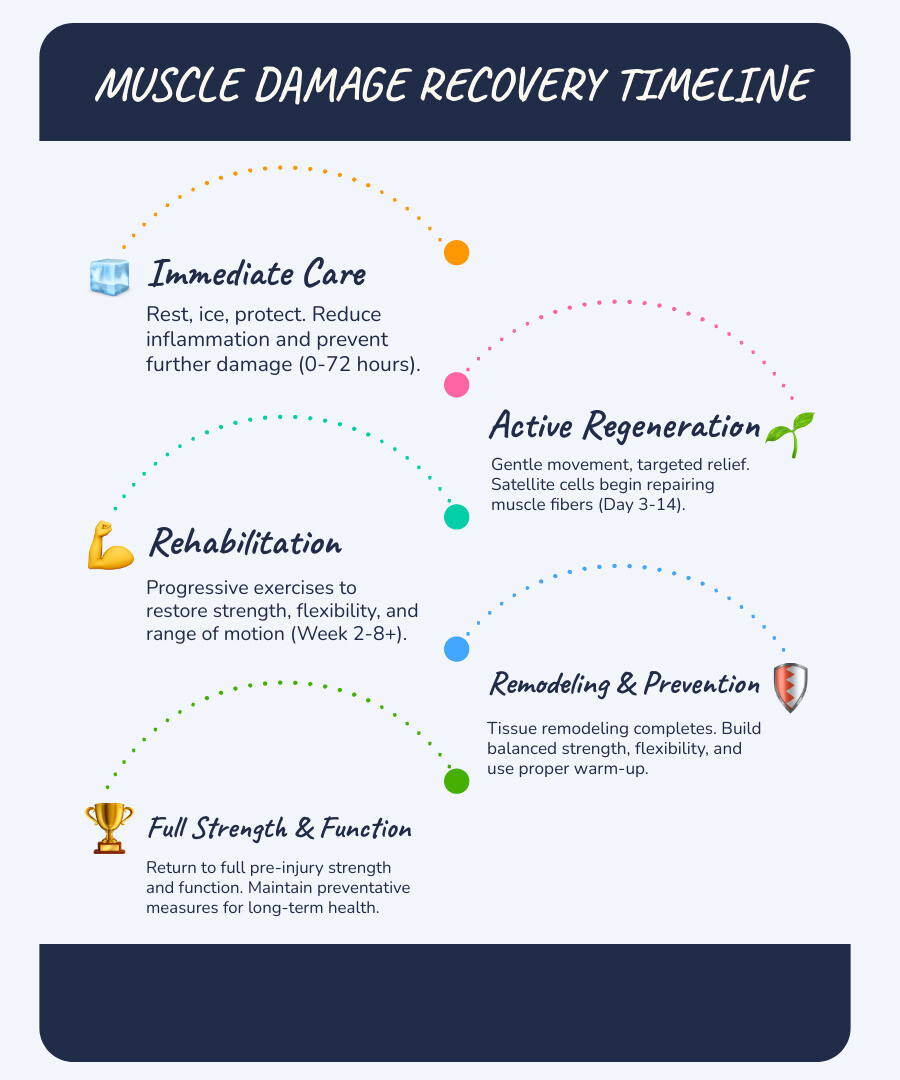
- Immediate Care (First 48-72 hours): Rest the injured area, apply ice or a soothing topical cream, lift if possible, and protect from further strain.
- Active Recovery (Days 3-14): Begin gentle movement, use targeted pain relief, and start basic stretching as tolerated.
- Rehabilitation (Weeks 2-8+): Work with a professional to restore strength, flexibility, and range of motion.
- Prevention: Warm up properly, build balanced strength, and listen to your body.
Recovery Timeline by Strain Severity:
- Grade I (Mild): A few weeks with proper care.
- Grade II (Moderate): Several weeks to months.
- Grade III (Severe): 4-6 months, often requiring surgery.
When you strain a muscle, your body initiates a repair process involving inflammation, cellular regeneration, and tissue remodeling. Rushing these phases increases your risk of re-injury or chronic problems like excessive scar tissue.
I'm Tony Enrico, and I've dedicated my career to helping people overcome muscle and nerve pain with natural solutions like Neuropasil. My experience shows that the right support at each stage of muscle damage recovery dramatically improves both comfort and healing outcomes.
Understanding Muscle Strains: From Cause to Symptoms
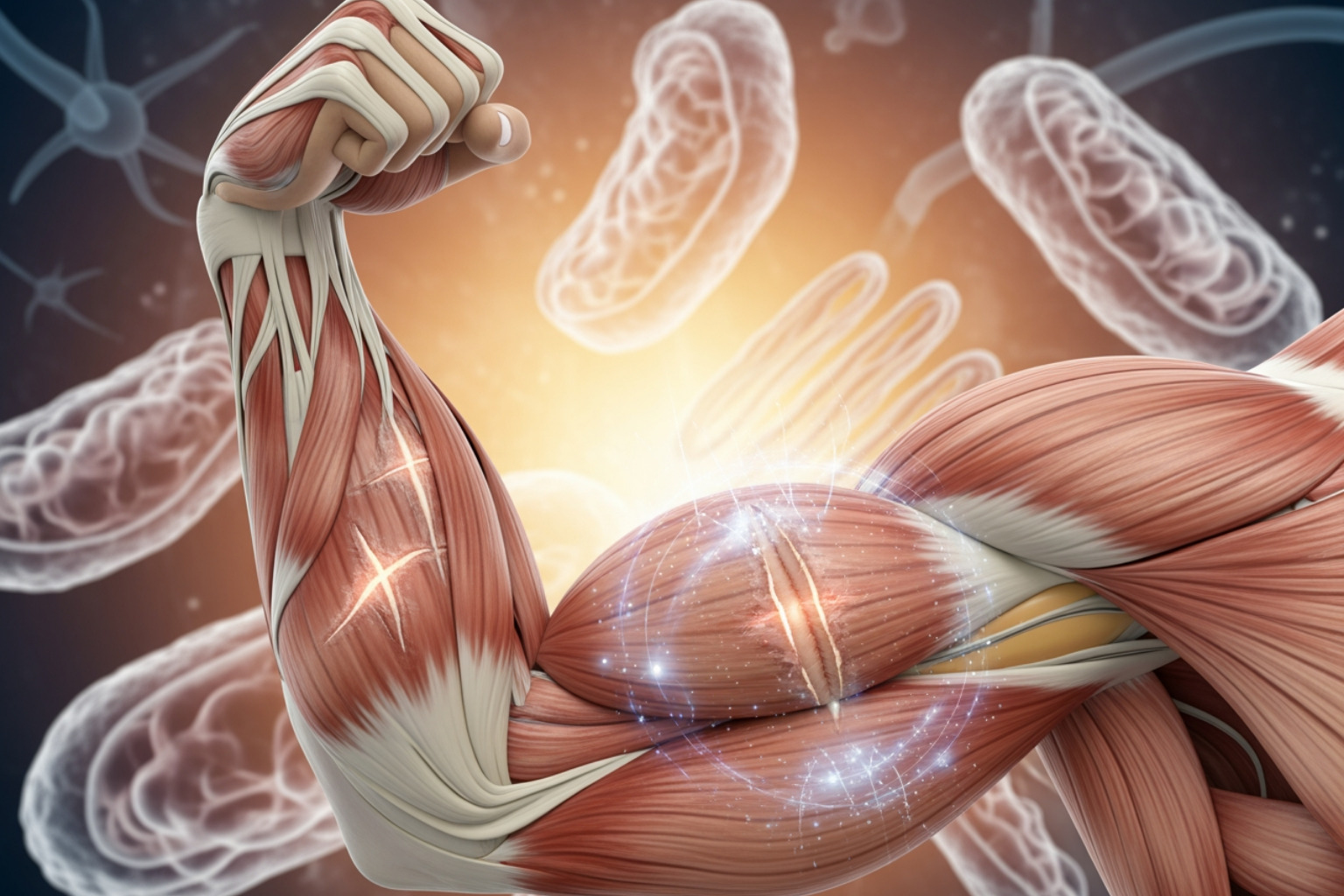
A muscle strain is a common injury where muscle fibers or tendons are damaged. Understanding what happens in your body is the first step toward effective muscle damage recovery.
What is a Muscle Strain and How Does It Occur?
A muscle strain, or pulled muscle, happens when muscle fibers stretch too far or snap. These injuries typically occur suddenly (acute strains) or gradually from repetitive stress (chronic strains).
Muscles are most vulnerable during an eccentric contraction—when the muscle lengthens under tension, like when lowering a heavy box or landing from a jump. Acute strains are often caused by a sudden force from lifting too heavy or using improper form. Chronic strains result from overuse, where repetitive movements create micro-tears that accumulate over time.
Common Symptoms of a Pulled Muscle
Your body clearly signals a muscle strain. Key symptoms include:
- Sudden, sharp pain at the moment of injury, or a dull ache that worsens.
- Soreness and tenderness that intensifies with movement.
- Swelling and sometimes redness as your body initiates its healing response.
- Bruising from ruptured blood vessels.
- Limited range of motion due to pain and stiffness.
- Muscle spasms or involuntary contractions.
- Stiffness, especially after periods of rest.
- Weakness in the injured muscle.
- A "popping" sensation or a visible gap or dent in severe cases.
The Three Grades of Muscle Strain Severity
Muscle strains are classified into three grades based on the extent of fiber damage, which dictates the expected recovery timeline.
- Grade I (Mild): A few muscle fibers are torn. You'll feel discomfort and tenderness but retain most of your strength. Recovery typically takes a few weeks.
- Grade II (Moderate): A partial tear of the muscle. Pain is more significant, with noticeable swelling, bruising, and loss of strength. Recovery can take several weeks to months.
- Grade III (Severe): A complete rupture of the muscle or tendon. This causes intense pain, significant swelling, and a total loss of function. These injuries often require surgery and can take four to six months to heal.
| Grade | Symptoms | Damage | Typical Recovery Time |
|---|---|---|---|
| Grade I | Mild discomfort, tenderness, slight stiffness | Few muscle fibers pulled or torn | A few weeks |
| Grade II | Moderate pain, swelling, bruising, noticeable weakness | Partial tear of muscle fibers | Several weeks to months |
| Grade III | Severe, sudden pain, significant swelling/bruising, complete loss of function | Complete rupture of muscle or tendon | 4-6 months (often with surgery) |
Primary Causes and Risk Factors for Muscle Strains
Several factors increase your risk of muscle strains, as outlined by health authorities like the Cleveland Clinic:
- Muscle fatigue: Tired muscles absorb less shock.
- Skipping your warm-up: Cold muscles lack elasticity.
- Poor flexibility: Tighter muscles are more prone to overstretching.
- Muscle imbalances: Uneven strength puts extra strain on weaker muscles.
- Dehydration: Reduces muscle elasticity.
- Previous injury: Scar tissue can make a muscle more vulnerable.
- Age: Muscle elasticity naturally decreases over time.
- Overtraining or undertraining: Both extremes leave muscles unprepared.
- Poor technique and posture: Places unnecessary stress on muscles.
Muscles that cross two joints (hamstrings, quadriceps) are also at higher risk, as are those with more type II (fast-twitch) muscle fibers. You can learn more about fast-twitch muscle fibers and their function.
Immediate and Supportive Care for Muscle Damage Recovery
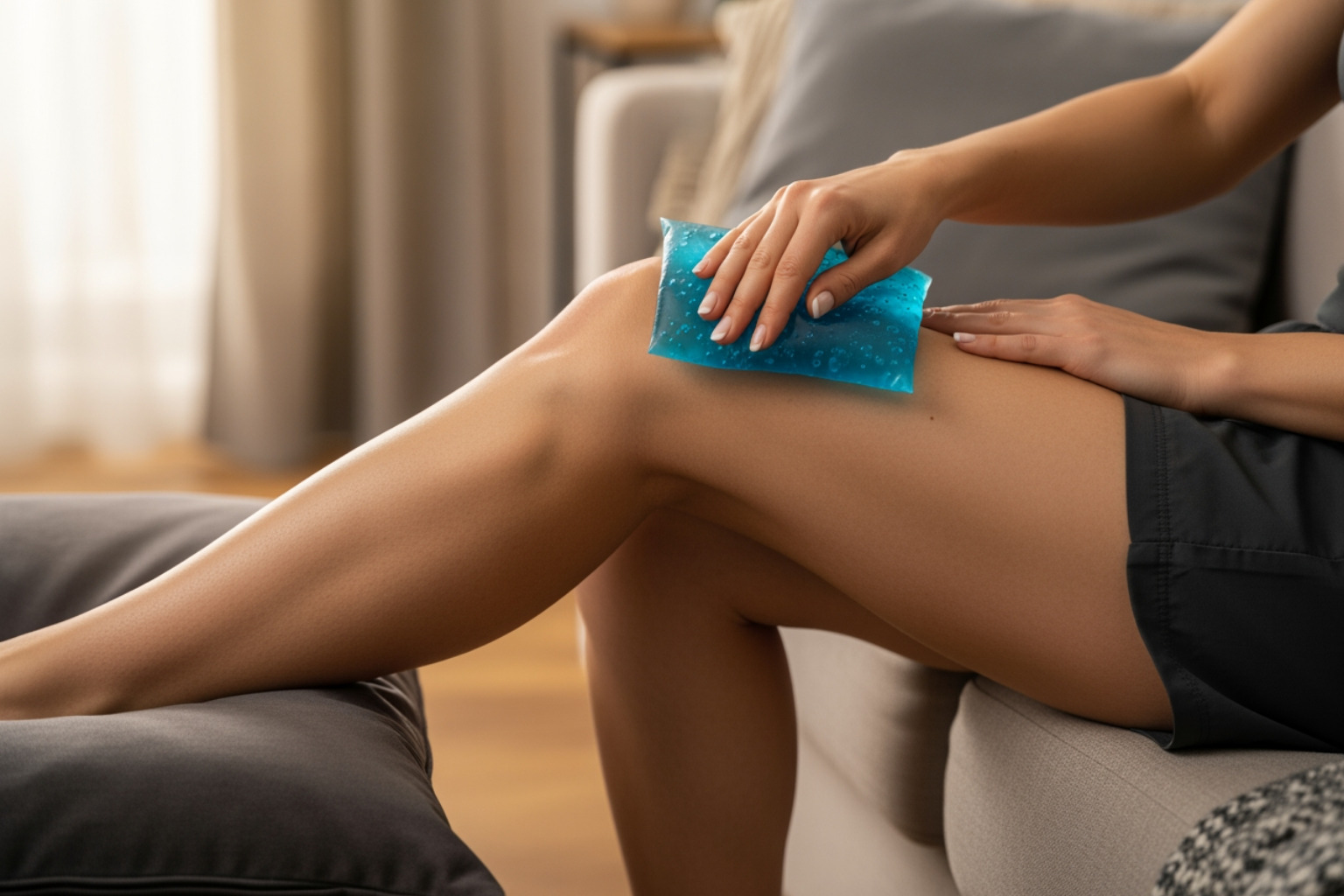
The first few days after a muscle strain are critical. The right steps can speed up healing, and most mild strains respond well to home care. However, know when to seek professional help.
Immediate Steps for Muscle Strain Relief
For the first 48 to 72 hours, focus on protecting the damaged tissue and controlling inflammation, following principles often recommended by medical experts like those at the Mayo Clinic. Stop the activity that caused the pain immediately.
- Rest: Give the injured muscle a break from aggravating activities.
- Gentle Protection: Use an elastic bandage for light compression to reduce swelling, but ensure it's not too tight. Remove it before sleeping.
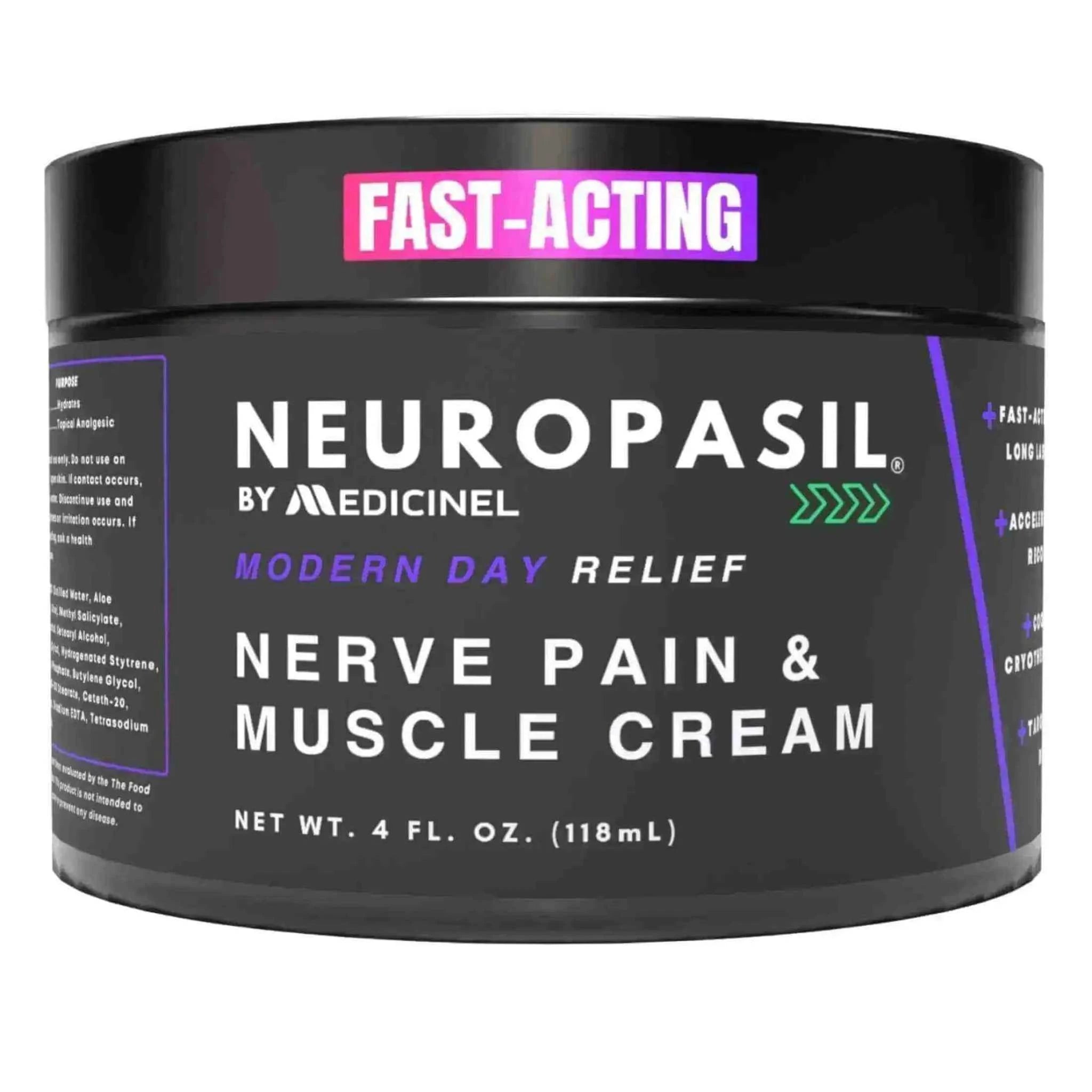
- Topical Relief: Applying Neuropasil cream provides soothing, targeted relief. Its menthol creates a cooling sensation that interrupts pain signals, helping you stay comfortable.
- Elevation: If the strain is in a limb, propping it above heart level uses gravity to help reduce swelling.
This early care creates an optimal environment for your body's natural healing process to begin.
When to Seek Professional Advice for a Muscle Strain
While most strains heal with home care, some signs warrant a professional evaluation. Trust your instincts if something feels seriously wrong.
Seek medical advice if you experience:
- A distinct "pop" sound at the time of injury.
- Inability to bear weight on the injured limb.
- Significant, rapid swelling, extensive bruising, or unbearable pain.
- Numbness or tingling below the injury site.
- Symptoms that don't improve or worsen after a few days of home care.
If you experience any of these symptoms, it is wise to be evaluated by a medical professional to ensure a proper diagnosis and rule out a severe injury, a step recommended by most health authorities.
Supportive Approaches for Recovery
After the first few days, your focus shifts from protection to supporting healing while gradually reintroducing movement.
- Gentle Movement: Start with simple, pain-free movements to prevent stiffness. If it hurts, you're pushing too hard.
- Targeted Comfort: Continue using Neuropasil cream to manage discomfort during movement and to promote restorative sleep.
- Over-the-Counter Pain Relief: Your doctor may suggest medication like ibuprofen to manage pain and inflammation. Always follow professional advice.
- Heat Therapy: After the initial inflammatory phase (about three days), a heating pad can help increase blood flow and relax tight muscles, a transition supported by clinical guidelines. Apply for 15-20 minutes at a time. Never use heat during the initial 72-hour inflammatory phase.
Most importantly, listen to your body. Pain is a signal that your muscle isn't ready. Patience now will lead to a more complete recovery and a lower risk of re-injury. For severe injuries, always follow the rehabilitation plan provided by your healthcare provider.
The Science and Strategy Behind Your Recovery Plan
Understanding the science of muscle healing makes the recovery process clearer. Your body runs a complex repair process that you can actively support for better results in your muscle damage recovery.
The Biological Process of Muscle Damage Recovery
Muscle healing occurs in three main phases:
Inflammation Phase (First 3 days): Your immune system sends in cells to clear out damaged tissue and debris. While often seen as negative, this controlled inflammation is a necessary first step for repair.
Regeneration Phase (Day 3 to Week 2): Specialized stem cells called satellite cells activate, multiply, and fuse to form new muscle fibers, essentially rebuilding the damaged tissue from scratch. Growth factors coordinate this crucial process.
Remodeling Phase (Week 2 to Month 2+): The new muscle fibers mature and integrate with existing tissue. Your body rebuilds blood vessels and reconnects nerve pathways. During this phase, fibroblasts produce collagen for structural support. Proper rehabilitation is critical here to ensure the formation of functional, flexible tissue rather than stiff, excessive scar tissue. For a deeper look, see this scientific overview of muscle injury and repair.
Factors like age, fitness level, and previous injuries can affect how quickly you move through these phases.
Key Components of a Rehabilitation Plan
A good rehab plan systematically guides your recovery, especially for moderate to severe strains.
- Pain and Swelling Management: Continue with rest and ice initially, but a physical therapist may introduce heat or gentle massage as you heal. Topical creams like Neuropasil provide comfort that makes it easier to perform rehab exercises.
- Restoring Range of Motion: Gentle stretching, starting with passive movements and progressing to active ones, helps prevent stiffness and restores flexibility.
- Rebuilding Strength: This happens in stages, starting with isometric exercises (contracting the muscle without movement), then progressing to isotonic exercises (moving through a range of motion with light resistance). Eccentric exercises, which focus on the muscle-lengthening phase, are vital for preventing re-injury.
- Proprioception Training: Balance and coordination exercises retrain your nervous system to control and protect the injured area.
- Functional Exercises: These exercises mimic real-life activities (running, lifting, climbing stairs) to ensure your muscle is ready for daily demands.
Recovery Timelines and Influencing Factors
Recovery timelines vary by the severity of the strain, as detailed by medical centers:
- Grade I: 2-4 weeks.
- Grade II: 4-12 weeks.
- Grade III: 4-6 months, especially if surgery is involved.
Several factors influence healing speed: age, nutrition (adequate protein is crucial), sleep (when most repair occurs), previous injuries, and adherence to your rehabilitation plan. Rushing back to activity is a primary cause of re-injury, which can prolong the healing process.
Proactive Prevention: How to Avoid Future Muscle Strains
The best approach to muscle damage recovery is prevention. Most muscle strains are avoidable with the right training, movement, and lifestyle habits.
The Importance of Warming Up and Cooling Down
Warm muscles are more pliable and less prone to injury. A 5-10 minute dynamic warm-up (leg swings, arm circles) before activity increases blood flow and prepares your body for movement. Afterward, static stretching (holding a stretch for 20-30 seconds) helps improve flexibility and reduce tightness. The importance of a proper warm-up is a cornerstone of injury prevention advice from institutions like the Mayo Clinic.
Building Strength and Flexibility
Strong, flexible muscles are more resilient.
- Balanced Strength Training: Prevents muscle imbalances where a weaker muscle group is vulnerable to injury.
- Eccentric Strengthening: Training muscles to handle lengthening under tension (e.g., slowly lowering a weight) is a powerful injury prevention tool. A meta-analysis on hamstring injury prevention confirmed that eccentric exercises significantly reduce injury rates.
- Yoga and Pilates: These practices build functional strength, improve body awareness, and promote proper alignment.
Lifestyle and Technique Adjustments
Small changes in your daily routine can make a big impact on injury prevention.
- Use Proper Form: Correct technique during exercise is more important than the amount of weight you lift.
- Follow the 10% Rule: To allow your body to adapt safely, it's recommended to increase training volume or intensity by no more than 10% per week.
- Listen to Your Body: Fatigue and persistent soreness are warning signs. Rest days are essential for muscle repair and growth.
- Maintain Good Posture: Proper posture distributes stress evenly across your muscles.
- Improve Workplace Ergonomics: If you sit for long periods, simple adjustments to your ergonomics can prevent chronic strain.
Frequently Asked Questions about Muscle Recovery
Can massage help with muscle strain recovery?
Yes, but timing is crucial. Avoid deep massage during the first 48-72 hours. After the acute phase, gentle massage can help reduce stiffness and improve circulation. Research from a 2012 study in Science Translational Medicine shows that massage therapy can lessen inflammatory signals after exercise-induced muscle damage.
What should I eat to speed up muscle recovery?
Nutrition provides the building blocks for repair. To support healing, focus on a diet that includes these key components, as recommended by sports nutrition experts:
- Protein: Essential for repairing and building muscle fibers. Aim for adequate intake with each meal.
- Carbohydrates: Replenish your muscles' primary energy source (glycogen).
- Anti-Inflammatory Foods: Foods rich in omega-3s (fatty fish) and antioxidants (berries, leafy greens) can help manage the inflammatory response.
- Hydration: Water is vital for nutrient transport and muscle elasticity.
Should I use a muscle pain relief cream for a pulled muscle?
Yes, a quality muscle pain relief cream is a valuable tool for muscle damage recovery. A product like Neuropasil provides targeted relief, helping you manage discomfort and stay active in your rehabilitation.
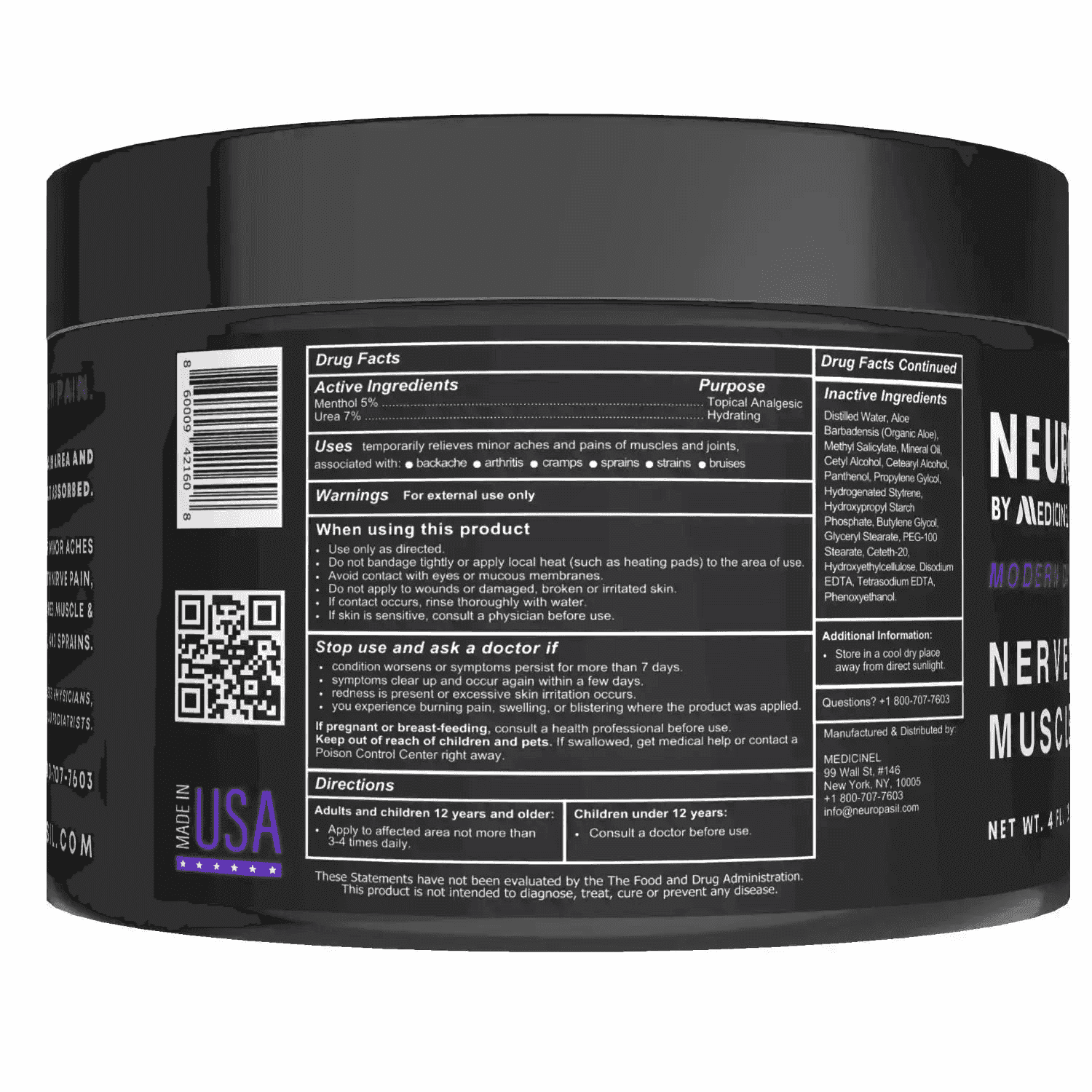
- Menthol provides a cooling sensation that temporarily blocks pain signals.
- Aloe has soothing properties that can calm the area.
- Urea helps improve the penetration of other ingredients.
Applying a cream directly to the strained muscle offers localized comfort, which is especially helpful during the acute phase and as you begin gentle exercises.
Conclusion: Your Path to Full Recovery
You now have a roadmap for muscle damage recovery, from immediate care to long-term prevention. The goal is to heal completely and return stronger and smarter, with the knowledge to protect yourself from future injuries.
The path forward requires patience and consistency. Your body is designed to heal; your job is to support that process by not pushing too hard, too soon. Healing isn't always a straight line—there will be good days and frustrating ones. The key is to stay the course and trust the process.
For the discomfort that comes with recovery and rebuilding, Neuropasil's formula with Menthol, Aloe, and Urea provides targeted, soothing relief right where you need it. Having this comfort can make a significant difference in staying consistent with your recovery plan.
You are not alone in dealing with muscle strains. With the right approach—combining rest, smart rehabilitation, proper nutrition, and supportive care—you can achieve a full recovery.
Your journey is unique, but the principles are universal: respect the healing process, support your body with the right tools, and accept patience. Here's to your complete recovery and many active years ahead.
References
This guide on muscle damage recovery is based on information from trusted medical institutions and peer-reviewed research to provide accurate, actionable advice.
- Information on muscle strain diagnosis, symptoms, and treatment from Cleveland Clinic's comprehensive overview of muscle strains.
- Details on muscle fiber types from Cleveland Clinic's article on fast-twitch muscle fibers.
- Nutritional guidance for post-workout recovery from the Cleveland Clinic.
- Guidance on posture and ergonomics from Cleveland Clinic's articles on the health effects of poor posture and proper workplace ergonomics.
- Information on recovery timelines and strain grading from Mount Sinai.
- Guidance on immediate care (ice/heat) from the Mayo Clinic.
- Recommendations for warming up and stretching from the Mayo Clinic.
- Scientific underpinnings of muscle repair from research by Laumonier and Menetrey in the Journal of Experimental Orthopaedics.
- Evidence for eccentric strengthening for injury prevention from a systematic review and meta-analysis by Rudisill et al. in The American Journal of Sports Medicine.
- Research on the effects of massage therapy on inflammation by Crane et al. in Science Translational Medicine.
- Information on the 10% rule for increasing training volume from the Hospital for Special Surgery (HSS).
- Discussion of two-joint muscle injury susceptibility from the American Council on Exercise (ACE).
- Information on re-injury risk from the University of Rochester Medical Center.
- Additional clinical perspectives were informed by resources from Harvard Health and Piedmont Healthcare.