Why a Compression Bandage Hamstring Injury Strategy Matters
Compression bandage hamstring injury treatment is a cornerstone of effective recovery. If you've just pulled your hamstring, you need to know this: applying a compression bandage within the first 48-72 hours can significantly reduce swelling, minimize pain, and support your muscle as it heals. Here's what you need to do right now:
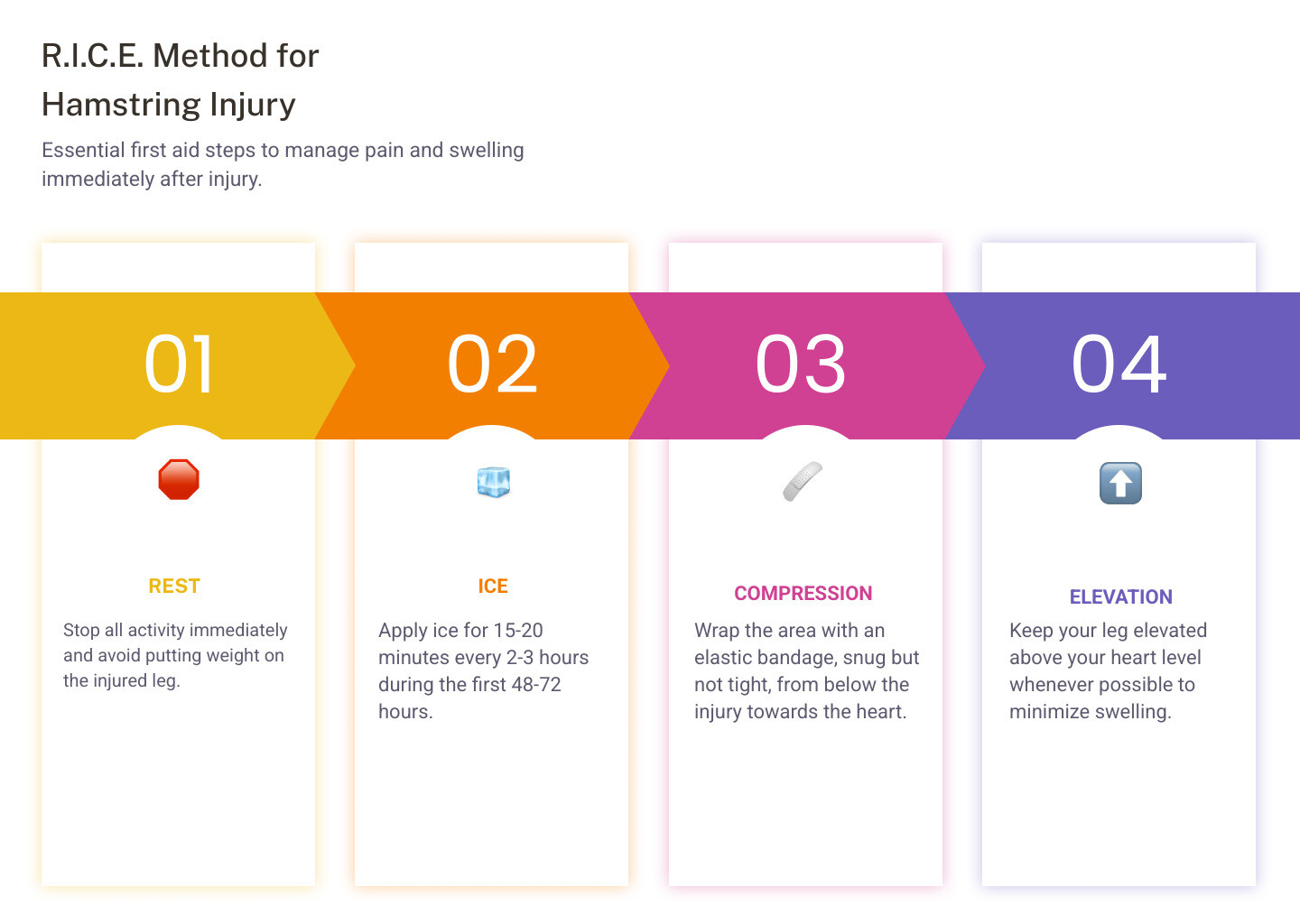
Immediate Actions for Hamstring Injury:
- Stop activity immediately - Don't push through the pain
- Apply ice for 15-20 minutes every 2-3 hours
- Wrap with compression - Start below the injury, wrap toward your heart, snug but not tight
- Lift your leg above heart level when resting
- Rest - Avoid activities that cause pain
A hamstring injury happens when one or more of the three muscles at the back of your thigh get overstretched or torn. You might feel a sharp pain, hear a pop, or notice swelling and bruising. The pain can stop you in your tracks, whether you're sprinting on a field or simply climbing stairs.
The good news? Most hamstring strains heal well with proper care. The key is acting fast and using the right tools. That's where compression comes in. A properly applied compression bandage reduces internal bleeding and swelling, which means less stiffness and faster healing. It also provides gentle support to your injured muscle, helping you move more comfortably during recovery.
But not all compression products are created equal. Some slip down your leg during activity. Others cut off circulation or irritate your skin. Finding the right compression solution means understanding what works and what doesn't.
I'm Tony Enrico, and through my work with Neuropasil, I've helped thousands of athletes and active adults manage compression bandage hamstring injury recovery alongside effective pain relief solutions. Let me show you exactly what to look for when choosing compression products for your hamstring.
Compression bandage hamstring injury terms to learn:
To support your recovery beyond compression, many people also use targeted options like a nerve pain relief cream or muscle pain relief cream. These can complement a compression bandage by calming irritated nerves and easing sore muscles while your hamstring heals.
Understanding Your Hamstring Injury Before You Buy
Before we dive into compression, let's get acquainted with the enemy: the hamstring injury. The hamstring muscles are a powerful group located at the back of your thigh, playing a pivotal role in movements like walking, running, jumping, and cycling. When these muscles are overstretched or torn, it leads to what we commonly call a hamstring strain or a pulled hamstring.
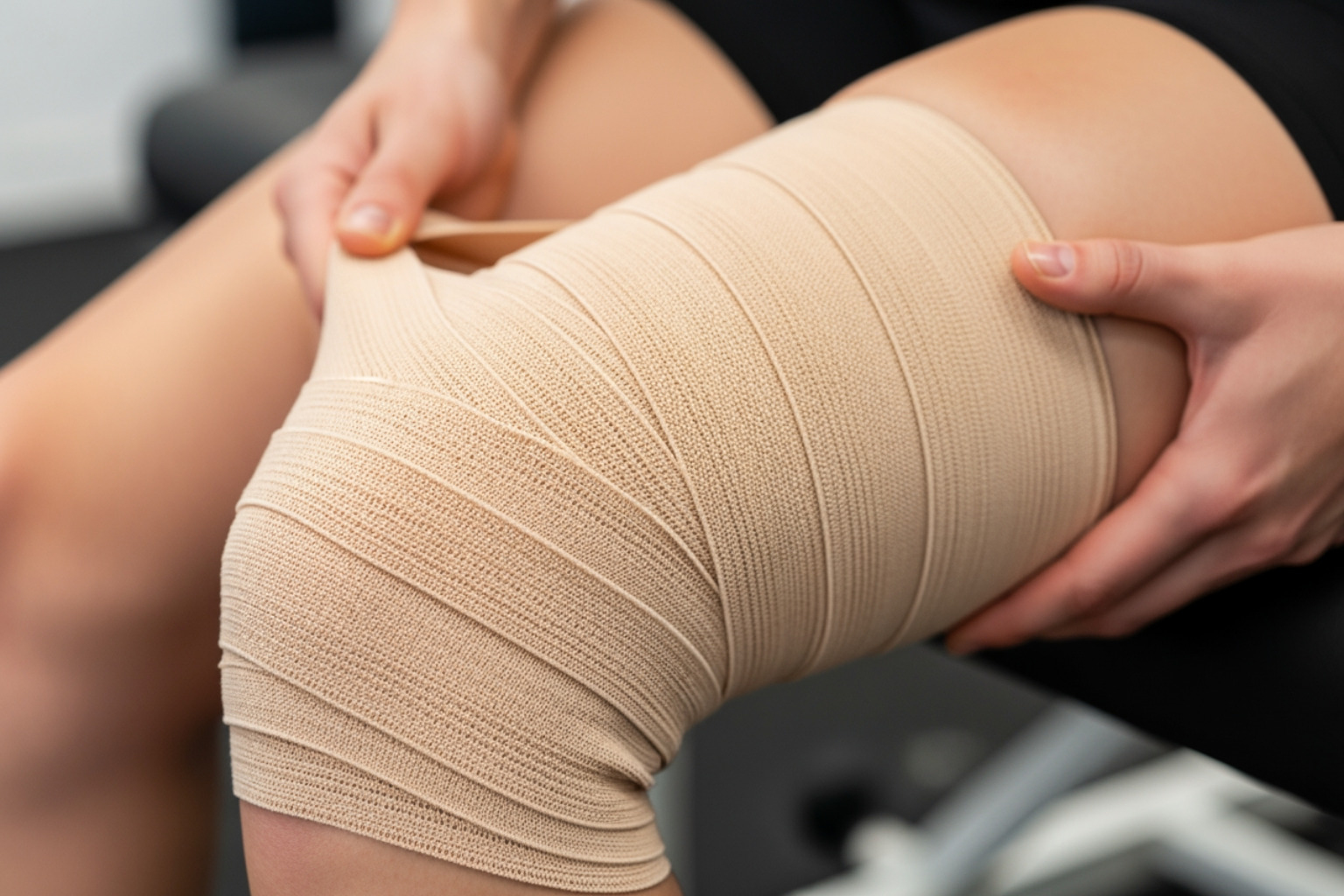
Understanding the severity of your injury is crucial because it dictates your recovery timeline and the intensity of care needed. A hamstring injury can manifest with varying symptoms, from a mild ache to a sudden, sharp pain accompanied by a "popping" sensation. You might also notice bruising, swelling, or tenderness along the back of your thigh.
What is a Hamstring Strain?
A hamstring strain occurs when the muscle fibers in one or more of the three hamstring muscles are stretched beyond their capacity or, in more severe cases, torn. These three muscles are the biceps femoris, semitendinosus, and semimembranosus. They originate from your pelvis and attach below your knee, enabling you to bend your knee and extend your hip.
Hamstring injuries are among the most common sports injuries, particularly in activities that involve sudden acceleration, deceleration, or changes in direction, like sprinting, soccer, and basketball. But you don't have to be an elite athlete to suffer one; even everyday movements like bending over or stretching too far can cause a strain.
For more detailed information on these injuries, we recommend exploring our article on pulled hamstring injuries.
How Hamstring Injuries are Graded
Medical professionals classify hamstring injuries into three grades based on their severity. This grading helps determine the appropriate treatment and gives us an idea of the expected recovery time.
- Grade 1 (Mild Strain): This is a minor stretch or microscopic tear of the muscle fibers. You might experience mild discomfort, tightness, or tenderness in the back of your thigh. Walking is usually possible, though it might be slightly painful. Recovery typically takes 1 to 3 weeks.
- Grade 2 (Partial Tear): This involves a more significant tear of the muscle fibers, but the muscle is not completely ruptured. You'll likely feel a sudden, sharp pain, and there might be noticeable swelling and bruising. Walking can be difficult, and you might experience pain during activity. Recovery can range from 3 to 6 weeks.
- Grade 3 (Complete Tear): This is the most severe injury, involving a complete rupture of the muscle or a tear where the muscle detaches from its tendon or bone (an avulsion fracture). The pain is intense, often accompanied by a "popping" sound or sensation. You'll likely be unable to bear weight on the leg and will experience significant swelling and bruising. These injuries can take several months to heal and may even require surgery.
The recovery time for a hamstring injury varies significantly based on its severity. A lower-grade injury might heal in less than a week, while a Grade 2 or 3 injury can take several weeks to months. Understanding your specific grade is the first step toward effective recovery.
For a deeper dive into recovery timelines, check out our guide on understanding your hamstring injury recovery time and the Cleveland Clinic overview of how long it takes a hamstring injury to heal.
First Aid for Hamstring Pain: The Role of Compression
When a hamstring injury strikes, immediate action is paramount. That's where the R.I.C.E. method comes into play – Rest, Ice, Compression, and Elevation. This protocol is our first line of defense against swelling and pain, laying the groundwork for effective healing. Among these, compression holds a special place, especially for managing a compression bandage hamstring injury.
Compression helps in several crucial ways: it minimizes swelling by preventing fluid buildup in the injured area, reduces pain by supporting the muscle and limiting movement, and stabilizes the injured tissue. By applying external pressure, compression also encourages healthy blood flow around the injury, which is vital for delivering oxygen and nutrients necessary for repair.
How to Use a Compression Bandage for a Hamstring Injury
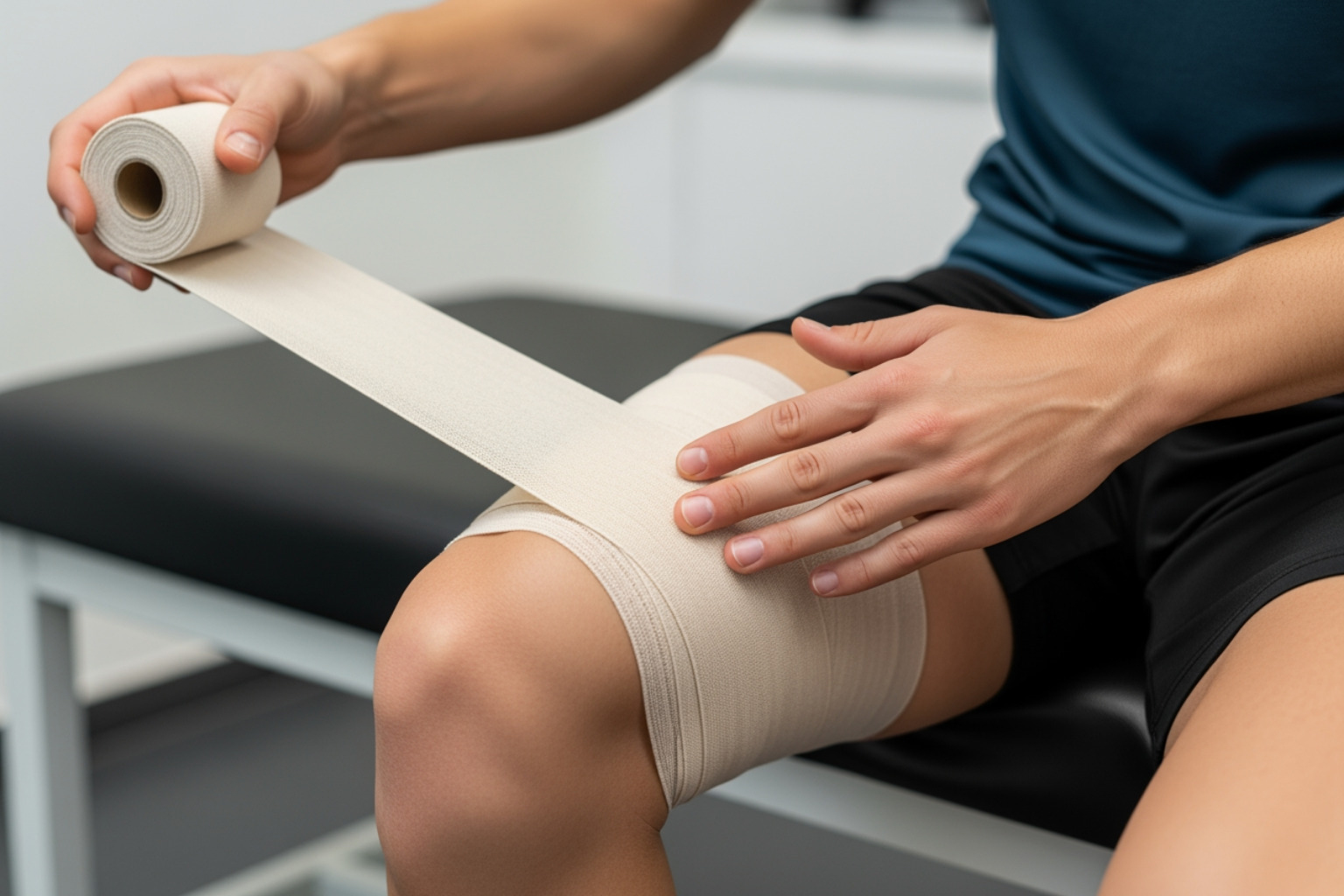
Proper application of a compression bandage is key to its effectiveness and your comfort. Here's how we recommend doing it:
- Choose the Right Bandage: An elastic bandage or a specialized hamstring compression wrap is ideal.
- Start Below the Injury: Begin wrapping a few inches below the injured area, ensuring the bandage covers the entire length of the hamstring.
- Wrap Towards Your Heart: Work your way up the thigh, overlapping each layer by about half the width of the bandage. This technique helps push fluid away from the injury.
- Snug, Not Tight: The bandage should be firm enough to provide support and pressure but not so tight that it cuts off circulation. You should be able to slide a finger under the bandage comfortably.
- Watch for Warnings: If you experience increased pain, numbness, tingling, or a change in skin color (blue or pale) below the wrapped area, loosen the bandage immediately. These are signs that it might be too tight.
- When to Remove: We advise removing the compression bandage before going to sleep to ensure unrestricted blood flow overnight. Reapply it in the morning.
- Duration: Compression is most beneficial during the first 48-72 hours after the injury, when swelling is typically at its peak. Continue using it as needed during activity or if swelling persists.
For more practical recovery steps, our guide on hamstring pull recovery offers additional insights.
Benefits and Drawbacks of Using a Compression Bandage for Hamstring Injury
Using a compression bandage hamstring injury treatment effectively can make a significant difference in your recovery journey. However, it's also important to be aware of potential downsides.
Benefits:
- Swelling Control: This is perhaps the most immediate and significant benefit. By applying continuous pressure, compression helps to limit internal bleeding and fluid accumulation, which reduces swelling. Less swelling means less pain and a faster healing process.
- Pain Reduction: The support provided by the bandage helps immobilize the injured muscle to a degree, reducing movement that might otherwise cause pain. It also works in conjunction with reduced swelling to alleviate discomfort.
- Muscle Support: A compression bandage offers gentle support to the damaged muscle fibers, which can be particularly reassuring when you need to move minimally or for basic daily tasks.
- Improved Healing Environment: By controlling swelling and improving localized blood flow, compression helps create a more optimal environment for the muscle to begin its repair process.
Drawbacks:
- Wrapping Too Tightly: This is the most critical drawback. An overly tight bandage can restrict blood flow, leading to numbness, tingling, increased pain, or even tissue damage. Always ensure it's snug, not constricting.
- Circulation Issues: If not applied correctly, compression can impede circulation, especially in the lower leg and foot, which can exacerbate existing issues or create new ones.
- Skin Irritation: Prolonged use of a bandage, especially without proper hygiene, can lead to skin irritation, chafing, or rashes. Ensure the skin is clean and dry before applying.
- False Sense of Security: While compression provides support, it doesn't mean the hamstring is fully healed. Relying too heavily on the bandage to push through pain or strenuous activities can lead to re-injury or worsen the current one. It's a supportive tool, not a cure-all.
Pairing smart compression with a high-quality muscle pain relief cream or nerve pain relief cream can further ease discomfort, so you can follow your rehab plan without over-relying on the bandage itself.
The Best Compression Solution for Hamstring Injury in 2024
Choosing the right compression product is crucial for effective compression bandage hamstring injury management. In 2024, the market offers a variety of options, but we believe in solutions that combine comfort, effectiveness, and thoughtful design.
At Neuropasil, we understand the nuances of muscle recovery. Our approach to compression solutions focuses on providing targeted support that complements our pain relief strategies.
Here are the types of compression solutions we recommend for hamstring injuries:
- Neuropasil Compression Bandage: Our specialized bandages are designed for optimal pressure and comfort.
- Adjustable Wraps: These allow for customizable compression levels, adapting as your swelling reduces.
- Supportive Sleeves: Ideal for milder strains or as you transition back to activity, offering consistent, light compression.
- Compression Shorts: While not a direct hamstring wrap, high-quality compression shorts can offer general thigh support and aid in recovery for overall muscle groups, particularly useful during rehabilitation.
Neuropasil Compression Bandage: Targeted Support for Hamstring Recovery
Our Neuropasil Compression Bandage is engineered with your recovery in mind. We've focused on key features that make a real difference:
- Adjustable Fit: Our bandages feature easy-to-use fasteners that allow you to customize the tightness, ensuring it's snug enough for support without being too restrictive. This adaptability is vital as swelling fluctuates during the initial days of injury.
- Breathable Material: We use high-quality, breathable fabrics that help prevent skin irritation and ensure comfort, even with prolonged wear. This is especially important for active individuals in New York City who need comfort and support throughout their day.
- Designed for Thigh and Hamstring Support: The dimensions and elasticity are specifically calibrated to provide optimal compression across the hamstring muscle group, offering targeted support where you need it most.
- User Reviews: Our customers consistently praise the comfort and effectiveness of our compression bandages, noting how they've significantly aided their recovery from various muscle strains.
- Price Point: We strive to offer premium quality at an accessible price, ensuring that effective recovery tools are available to everyone.
For more details and to purchase, visit our site: Shop Neuropasil Compression Bandage.
Why Choose Neuropasil for Hamstring Injury Relief?
When it comes to managing a compression bandage hamstring injury, choosing Neuropasil means opting for a holistic approach to pain relief and recovery.
- Unique Benefits: We don't just offer compression; we offer a system. Our compression bandages are designed to work synergistically with our fast-acting topical creams. This combination provides both mechanical support and active pain relief.
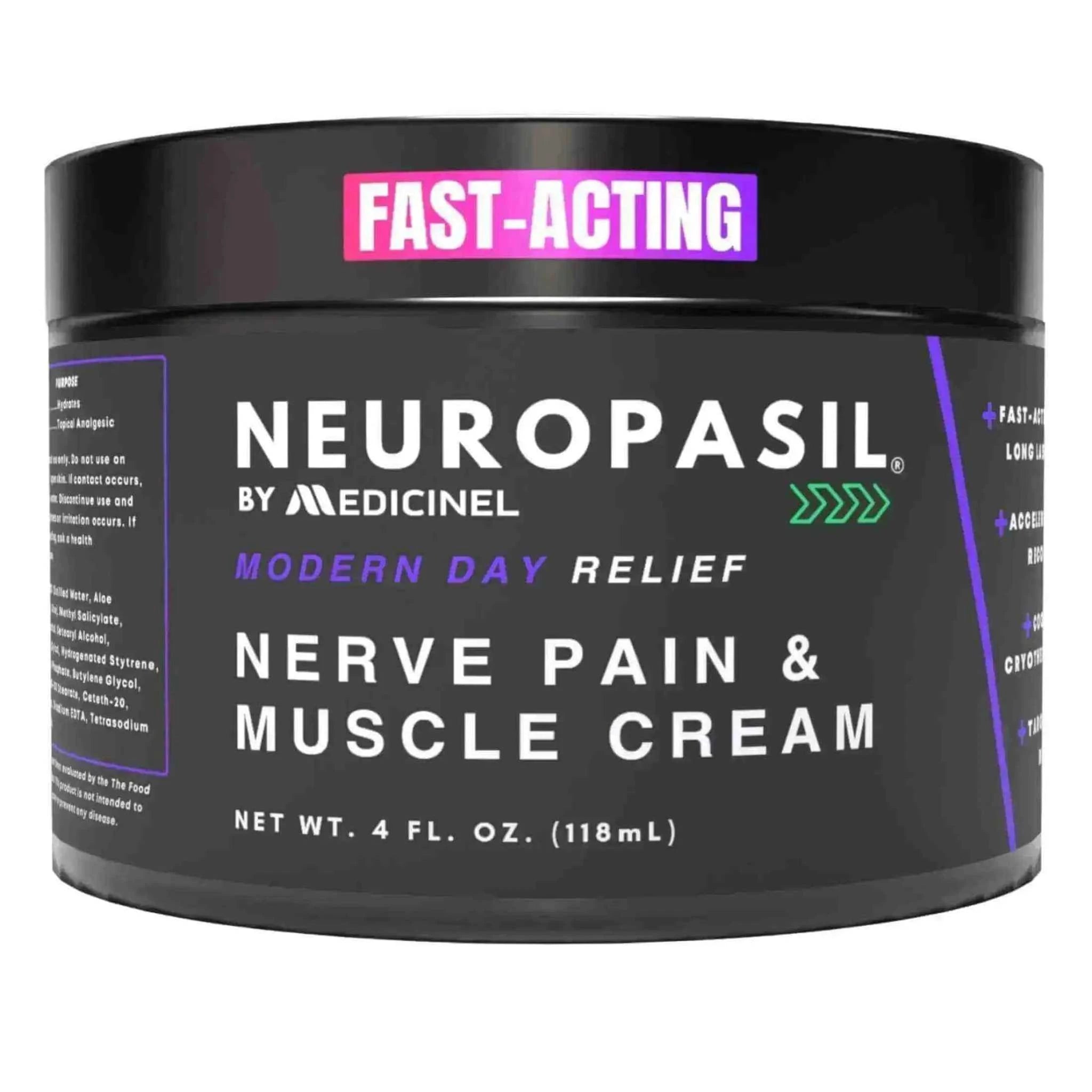
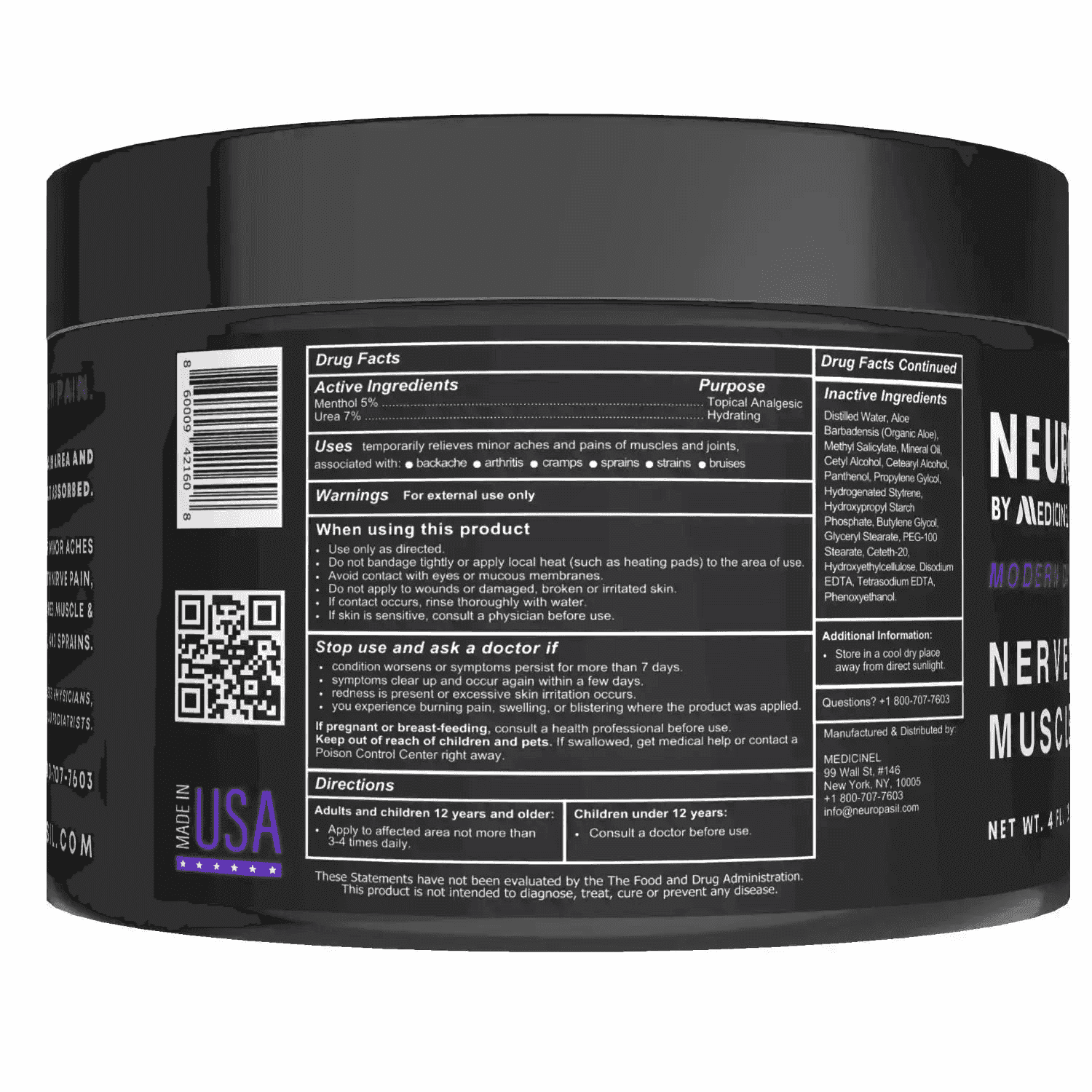
- Complements Neuropasil Pain Relief Cream: Our signature Neuropasil cream, powered by natural ingredients like Aloe, Urea, and Menthol, targets muscle and nerve pain. Applying the cream before wrapping with our compression bandage can improve absorption and provide sustained relief, addressing both the structural injury and the accompanying discomfort.
- Customer Testimonials: Athletes and active individuals in New York City and beyond trust Neuropasil for their recovery needs. They frequently share stories of faster healing and effective pain management when combining our creams with appropriate compression.
- Value for Money: We believe in providing high-quality, effective solutions that offer genuine value. Our products are designed to be durable and reliable, supporting you throughout your entire recovery journey.
Whether you are searching for a dependable nerve pain relief cream, a powerful muscle pain relief cream, or a supportive compression bandage, Neuropasil brings these tools together so you can move with more confidence during every stage of your hamstring recovery.
Beyond the Bandage: A Complete Hamstring Recovery Plan
While a compression bandage hamstring injury strategy is crucial for initial management, it's just one piece of the puzzle. A comprehensive recovery plan involves managing pain, rehabilitating the muscle, and taking steps to prevent future injuries.
Our goal is to get you back to your activities safely and effectively, whether that's running through Central Park or simply enjoying a walk around your neighborhood in New York City. This means integrating physical therapy, stretching, strengthening, and smart pain management into your routine.
Complementary Pain Relief and Healing
Managing pain effectively allows you to participate in rehabilitation and ensures a more comfortable recovery.
- OTC Pain Relievers: For immediate pain and inflammation, over-the-counter medications like Ibuprofen (an NSAID) or Acetaminophen can be very helpful. Always follow dosage instructions and consult a healthcare provider if you have underlying health conditions.
- Topical Pain Relief: This is where Neuropasil shines. Our fast-acting cream, rich in Menthol and Aloe Vera, provides targeted relief directly to the injured area. Menthol creates a cooling sensation that numbs pain and improves circulation, while Aloe Vera soothes and aids skin health. Applying our cream before or after compression can significantly reduce discomfort and facilitate the healing process. Many athletes in NYC use Neuropasil as their go-to nerve pain relief cream and muscle pain relief cream to treat and recover from sore muscles, strains, and sprains.
- Heat Therapy: After the initial 48-72 hours (when swelling has subsided), heat can be introduced. Heat therapy increases blood flow, which delivers more oxygen and nutrients to the injured area, helping to relax tight muscles and improve flexibility. We recommend applying heat for 15-20 minutes before gentle stretching or rehabilitation exercises.
To learn more about effective topical solutions, explore our article on the best pain relief creams for muscle pain. You can also dig deeper into our product's benefits by checking out our ingredients.
Rehabilitation and Preventing Future Injuries
Once the initial pain and swelling are under control, a structured rehabilitation program is essential to regain strength, flexibility, and prevent recurrence.
- Gentle Stretching: Begin with very gentle, pain-free stretches to restore flexibility. Examples include light hamstring stretches, holding for short durations. Never push into pain.
-
Strengthening Exercises: As pain allows, gradually introduce strengthening exercises. These can include:
- Glute Bridges: Lie on your back with knees bent, feet flat, and lift your hips off the ground.
- Hamstring Curls: Can be done standing with light ankle weights or using a resistance band.
- Eccentric Exercises: These are particularly effective for hamstring rehabilitation, focusing on the lengthening phase of the muscle contraction.
- Proper Warm-up and Cool-down: Always warm up thoroughly before any physical activity and cool down with gentle stretches afterward. This prepares muscles for exertion and aids in recovery.
- Gradual Return to Activity: This is perhaps the most critical aspect. Do not rush back into full activity. Gradually increase intensity, duration, and frequency of exercise, listening to your body every step of the way. Re-injury is common if you return too soon or too aggressively.
For safe exercise guidance during recovery, refer to our beginner's guide to safe hamstring tear exercises.
When to See a Doctor for Your Hamstring Injury
While many hamstring strains can be effectively managed at home with R.I.C.E. and pain relief, there are specific instances when professional medical attention is essential. Ignoring these signs could lead to prolonged recovery or more serious complications.
We always advise consulting a healthcare provider if you experience any of the following, as recommended by health authorities like the NHS:
- Severe Pain: If your pain is intense and doesn't improve with rest and home care.
- Inability to Walk: If you cannot bear weight on your injured leg or walking causes severe pain.
- Large "Pop" Sound or Sensation: This often indicates a more significant tear, possibly a Grade 3 injury.
- Significant Bruising and Swelling: Extensive discoloration and swelling can point to a larger muscle tear or even an avulsion fracture (where the tendon pulls a piece of bone away).
- No Improvement After a Few Days: If your symptoms don't start to improve after 2-3 days of consistent home treatment.
- Signs of Infection: Though rare, watch for redness, warmth, increased swelling, or fever in the injured area.
For residents of New York City, your primary care physician or an orthopedic specialist can provide an accurate diagnosis and tailor a treatment plan specific to your injury. Early diagnosis, especially for higher-grade tears, can significantly impact your recovery outcome.
If you're unsure whether your symptoms need urgent attention, you can also use tools like NHS 111 online for initial guidance, and then follow up with a local clinician.
Frequently Asked Questions about Hamstring Injury and Compression
We often hear similar questions from individuals dealing with hamstring injuries. Here are some of the most common ones, along with our expert advice.
How long should I wear a compression bandage for a hamstring injury?
We generally recommend wearing a compression bandage hamstring injury for the initial 48-72 hours after the injury, when swelling is most prevalent. This helps to minimize fluid buildup and provide support. You can continue to wear it during daily activities or light rehabilitation exercises if it provides comfort and support, but you should always remove it before going to sleep to ensure proper circulation. Always follow your medical professional's specific advice on duration.
Can I walk with a pulled hamstring?
Whether you can walk with a pulled hamstring depends entirely on the severity of your injury.
- Grade 1 (Mild Strain): You might be able to walk with slight discomfort, but we advise caution. Avoid any activities that cause pain.
- Grade 2-3 (Partial to Complete Tear): Walking will likely be painful or impossible. For these more severe injuries, crutches may be necessary to avoid putting weight on the injured leg and allow for proper healing. Pushing through pain can worsen the injury and prolong recovery.
Should I use ice or heat on my hamstring?
This is a classic question, and the timing is key.
- Ice: For the first 2-3 days after a hamstring injury, immediately apply ice as part of the R.I.C.E. protocol. Ice helps constrict blood vessels, reducing inflammation, swelling, and pain. Apply an ice pack for 15-20 minutes every 2-3 hours.
- Heat: Once the initial swelling has subsided (typically after 48-72 hours), you can transition to heat therapy. Heat promotes blood flow to the area, which can help relax tight muscles and facilitate the healing process. Apply a warm compress or heat pack for 15-20 minutes before stretching or light exercises to improve flexibility and reduce stiffness. Never apply heat to an acutely swollen or bruised injury, as it can increase inflammation.
Combining an appropriate cold-or-heat routine with a supportive bandage and a targeted muscle pain relief cream or nerve pain relief cream can make your self-care plan more comfortable and consistent.
Your Next Steps to a Pain-Free Hamstring
Navigating a compression bandage hamstring injury can feel daunting, but with the right knowledge and tools, a full recovery is well within reach. We've explored the nature of hamstring injuries, the critical role of immediate care with compression, and the importance of a holistic recovery plan.
Acting quickly with R.I.C.E. therapy, especially applying a properly fitted compression bandage, is your first and most effective step. Beyond that, a combination of targeted pain relief (like Neuropasil's topical creams), gentle rehabilitation exercises, and a gradual return to activity will pave your way back to full strength.
Neuropasil is designed to serve as both a nerve pain relief cream and a fast-acting muscle pain relief cream, helping you calm irritated nerves and soothe sore tissues while your hamstring heals. When paired with the right compression and smart rehab, it becomes a practical, at-home toolkit for getting back on your feet.
Always listen to your body, and don't hesitate to seek professional medical advice for more severe injuries or persistent symptoms. Your journey to a pain-free hamstring is a marathon, not a sprint, and we're here to support you every step of the way.
To learn more about comprehensive muscle strain management, explore our complete guide to muscle strain treatment.
References
- Cleveland Clinic. (n.d.). Hamstring Injury.
- Cleveland Clinic. (n.d.). Muscle Strains.
- Cleveland Clinic. (n.d.). Should You Use Ice or Heat for Pain?.
- Healthline. (n.d.). Calf Pain: Causes and Treatments.
- Healthline. (n.d.). Treating Pain with Heat and Cold.
- Mayo Clinic. (n.d.). Hamstring injury - Diagnosis and treatment.
- Mayo Clinic. (n.d.). Leg swelling causes.
- MedlinePlus. (n.d.). Hamstring strain - aftercare.
- NewYork-Presbyterian. (n.d.). Pulled Hamstring: Diagnosis & Treatment.
- NHS. (n.d.). Hamstring injury.
- NHS 111. (n.d.). Check your symptoms.
- University of Washington. (n.d.). Effective Treatment for Hamstring Strain: A Comprehensive Guide to Faster Recovery.