What You Need to Know About a Pulled Torn Hamstring
A pulled torn hamstring is one of the most common and painful sports injuries, affecting athletes, dancers, and active adults. Whether you've just felt that sudden sharp pain in the back of your thigh or you're trying to understand what recovery looks like, this guide covers what matters most.
Quick Facts:
- A hamstring injury can range from a mild strain (Grade 1) to a complete muscle tear (Grade 3).
- Grade 1 injuries may heal in a week, while Grade 3 tears can take 3+ months.
- Symptoms include sharp pain, swelling, bruising, and difficulty walking or bearing weight.
- Treatment starts with RICE (Rest, Ice, Compression, Elevation) for most injuries.
- Surgery is typically only needed for severe complete tears or avulsion injuries.
When to See a Doctor:
- You can't walk more than four steps without significant pain.
- You can't bear weight on your leg at all.
- Severe swelling or bruising develops quickly.
- Your leg feels stiff or impossible to move.
Your hamstring is a group of three powerful muscles running down the back of your thigh: the semitendinosus, semimembranosus, and biceps femoris. These muscles are crucial for bending your knee and extending your leg backward. When they're stretched beyond their limits or overloaded with sudden force—like during sprinting or jumping—the muscle fibers can overstretch (a strain) or tear.
This injury is especially common in sports that require explosive movements, sudden stops, or rapid acceleration.
I'm Tony Enrico, and through my work with Neuropasil, I've helped thousands of athletes and active adults find effective relief from muscle pain, including the debilitating discomfort of a pulled torn hamstring. Our mission is to provide fast, natural solutions that help you get back to the activities you love without the setback of lingering pain.
In this guide, we'll walk you through everything you need to know about hamstring injuries—from recognizing the symptoms and understanding what caused it, to proven treatment methods and prevention strategies that actually work.

Understanding a Pulled Torn Hamstring: Symptoms and Severity
A pulled torn hamstring refers to an injury that can range from a minor stretch to a complete rupture of the muscle fibers. The symptoms you experience will often indicate the severity of the injury.
What Does a Pulled Hamstring Feel Like?
The moment a hamstring injury occurs, it's often unmistakable. Most people report a sudden, sharp pain in the back of the thigh, sometimes with a "popping" or tearing sensation. This initial pain can be intense enough to stop you in your tracks.
Following the initial injury, you might notice:
- Swelling: The area may swell quickly as your body responds to the injury.
- Bruising or Discoloration: Within a day or two, bruising may appear on the back of your leg as blood from damaged vessels pools under the skin.
- Tenderness: The injured spot will likely be very sensitive to touch.
- Muscle Weakness: You may find it difficult to bend your knee or extend your hip.
- Inability to Bear Weight: With more severe injuries, putting weight on the leg can be extremely painful or impossible.

Hamstring Injury Grades: From Mild Strain to Complete Tear
Medical professionals classify hamstring injuries into three grades to determine the extent of damage and guide treatment.
| Grade | Severity | Symptoms -| | Grade 1 | Mild Strain | You may feel mild pain and tenderness, but you can usually walk without much difficulty. Recovery typically takes a few days to a week. | | Grade 2 | Partial Tear | The pain is more intense and localized, often with noticeable swelling and bruising. Walking may be difficult, and there is clear muscle weakness. Recovery can take 4 to 8 weeks. | | Grade 3 | Complete Tear or Avulsion | This involves a complete tear of the muscle or the tendon pulling away from the bone. It causes severe, sudden pain, significant swelling, and an inability to bear weight. Recovery can take 3 months or more, sometimes requiring surgery. |
It's worth noting that mild hamstring strains (Grade 1) are the most common, but proper care is essential to prevent them from becoming recurring issues.
When to See a Doctor
While many mild hamstring injuries can be managed at home, seek professional medical attention if you experience any of the following:
- Severe pain that doesn't improve with rest or gets worse.
- Inability to walk more than a few steps without significant pain.
- Significant, rapid swelling or bruising.
- A stiff leg that is difficult to move.
- A distinct "pop" or "snap" at the time of injury.
- If self-treatment isn't helping after a few days.
A doctor will perform a physical exam and may order imaging tests like an X-ray, ultrasound, or MRI to confirm the diagnosis and determine the severity of the injury. An accurate diagnosis is the first step toward effective treatment and a full recovery. For further guidance on injury grades and recovery times, you can refer to health resources like the NHS guide on hamstring injuries and Healthline's overview of hamstring tears.
Common Causes and How to Prevent Hamstring Injuries
Understanding why hamstring injuries occur is the first step in preventing them. They often result from a combination of factors related to physical activity, conditioning, and individual physiology.
Why Do Hamstring Injuries Happen? (Causes & Risk Factors)
Our hamstrings are powerful but vulnerable. Here are the common culprits behind a pulled torn hamstring:
- Muscle Overload: The most common cause, occurring when the muscle is stretched beyond its capacity or challenged with a sudden, heavy load.
- Eccentric Contraction: Many injuries happen during activities like sprinting, where the muscle is lengthening while under tension to control movement.
- Poor Flexibility: Tight muscles are less able to handle the full range of motion required for an activity, making them more prone to tearing.
- Muscle Imbalance: When the quadriceps (front of thigh) are much stronger than the hamstrings, it puts extra strain on the hamstrings.
- Muscle Fatigue: Tired muscles are less able to absorb shock and respond quickly, increasing injury risk.
- Previous Injury: A prior pulled torn hamstring increases the risk of re-injury, especially without proper rehabilitation.
- Age-Related Risks: Both adolescents in growth spurts and older adults with declining flexibility are at a higher risk.
For a deeper dive into the mechanics of these injuries, you can find an excellent resource in An overview of hamstring muscle injuries from AAOS.
Proactive Hamstring Injury Prevention
Fortunately, many hamstring injuries are preventable. Adopting smart training practices can significantly reduce your risk.
- Proper Warm-Up: Always start with a dynamic warm-up, like light jogging and movements that mimic your activity, to increase blood flow and muscle elasticity.
- Dynamic Stretching: Incorporate leg swings and walking lunges into your warm-up to move your muscles through their full range of motion.
- Regular Strengthening: Build strong, resilient hamstrings with exercises like glute bridges, hamstring curls, and Romanian deadlifts.
- Gradual Progression: Avoid sudden increases in workout intensity or duration. Follow the "10% rule," increasing your activity level by no more than 10% per week.
- Year-Round Conditioning: Maintain a consistent level of fitness to keep your muscles prepared for activity.
- Listen to Your Body: If you feel pain, fatigue, or unusual tightness, stop. Pushing through pain can turn a minor issue into a major injury.
- Cool-Down and Static Stretching: After your workout, hold static stretches for 20-30 seconds to improve flexibility and reduce soreness.
- Address Muscle Imbalances: Work with a professional to create a balanced strength program if you suspect an imbalance between your quads and hamstrings.
By integrating these practices into your routine, you can enjoy your activities with a much lower risk of a pulled torn hamstring. For more insights, check out our own blog post on Learn more about muscle strain treatment.

Effective Treatment and Recovery for a Pulled Torn Hamstring
Once you've sustained a pulled torn hamstring, the focus shifts to effective treatment and a structured recovery plan to restore full function and prevent re-injury.
Immediate At-Home Care for a Pulled Torn Hamstring
For most hamstring injuries, immediate at-home care can significantly impact your recovery. The PRICE method is your first line of defense against swelling and further damage.
- P - Protection: Protect the injured area from further harm, using crutches if necessary.
- R - Rest: Avoid any activity that causes pain to allow the muscle to heal.
- I - Ice: Apply an ice pack wrapped in a towel for 20 minutes every 2-3 hours during the first 48-72 hours to reduce swelling and pain.
- C - Compression: Use an elastic bandage to wrap the thigh, which helps minimize swelling. Ensure it's not too tight.
- E - Elevation: Keep the injured leg liftd above your heart as much as possible to help drain excess fluid.
In the first few days, also avoid HARM: Heat (hot baths, heat packs), Alcohol, Running (or other strenuous activities), and Massage, as these can increase swelling and bleeding.
By following these steps, you can manage the initial symptoms of a pulled torn hamstring and create a better environment for healing.
Medical Treatments and Pain Relief Options
While home care is essential, medical interventions are often needed, especially for more severe injuries.
- Over-the-Counter (OTC) NSAIDs: Nonsteroidal anti-inflammatory drugs like ibuprofen or naproxen can help manage pain and reduce inflammation. Always follow the recommended dosage.
- Physical Therapy: A physical therapist is crucial for recovery from most hamstring injuries. They will create a personalized program of stretching and strengthening exercises to restore range of motion and prevent re-injury.
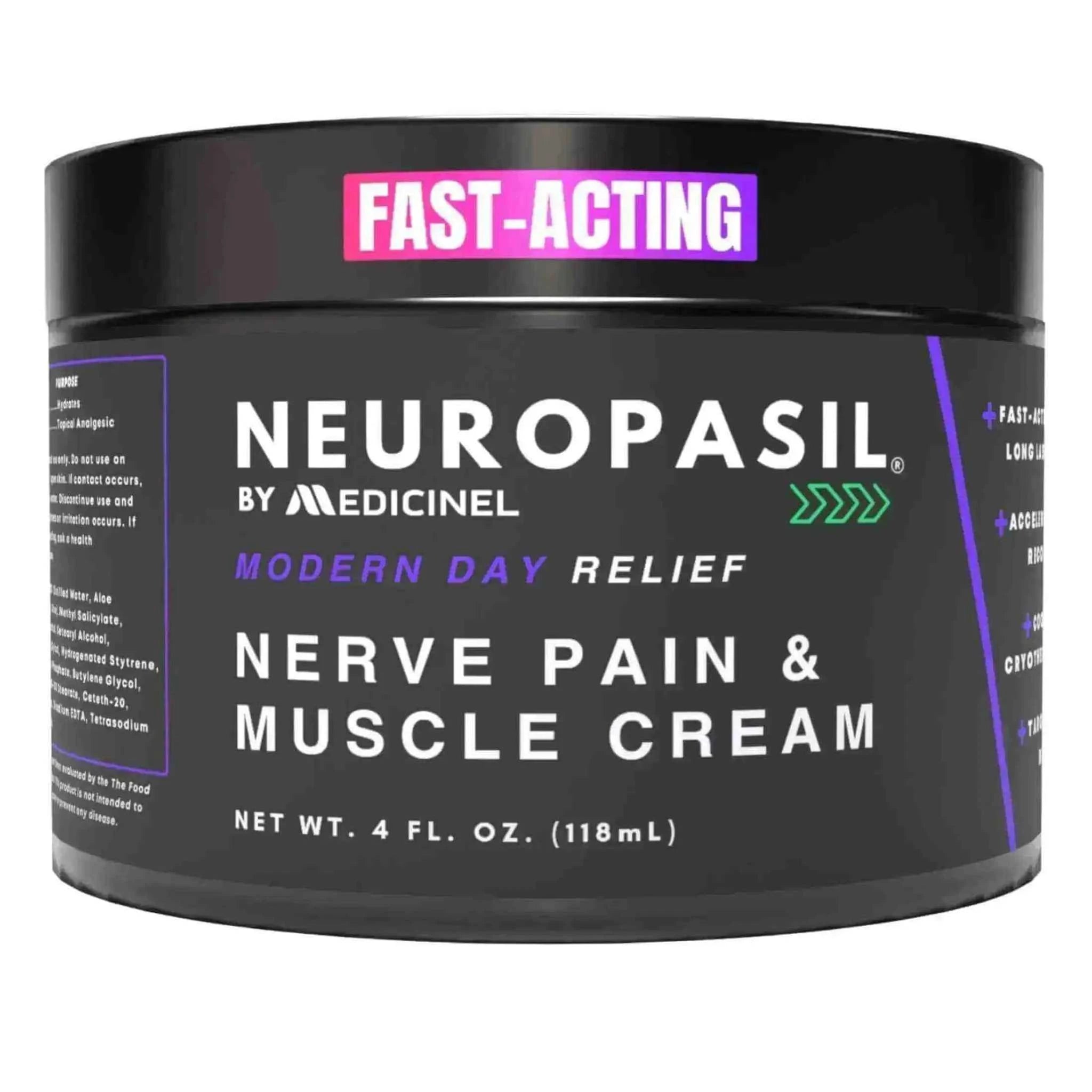
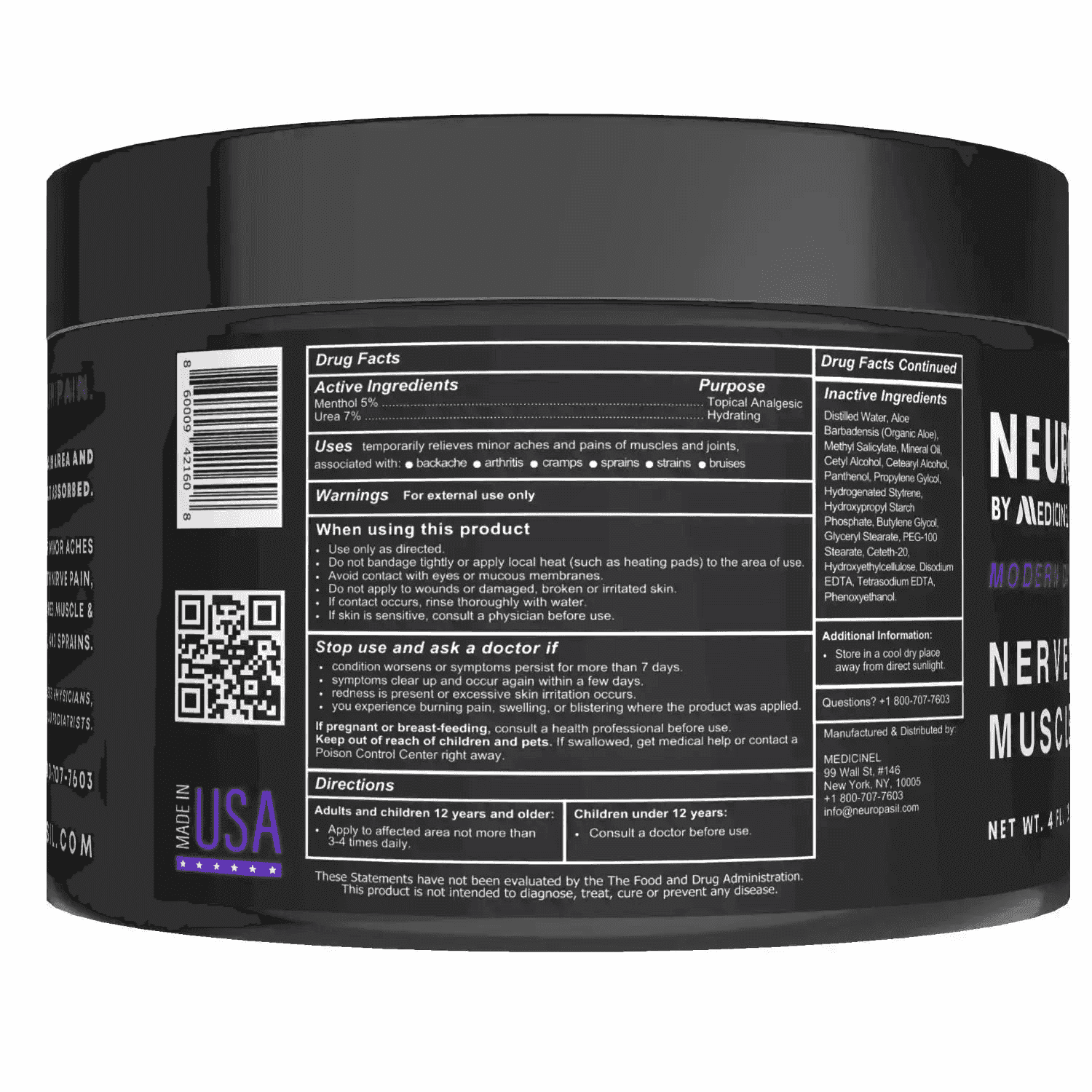
- Topical Pain Relief Creams: For targeted, soothing relief, topical creams can be very effective. Products like Neuropasil cream, with natural ingredients like Aloe, Urea, and Menthol, offer fast-acting relief for sore muscles. The cooling sensation of menthol can help ease pain, and research indicates it is commonly used for muscle soreness. Many of our customers use Neuropasil for muscle strains and aches, as it provides localized relief without the systemic effects of oral medications. For targeted muscle pain relief, we recommend exploring Neuropasil cream for targeted muscle pain relief.
- Surgery for Severe Tears: Surgery is typically reserved for complete (Grade 3) tears, especially if the tendon has pulled away from the bone (avulsion). The procedure reattaches the torn tissue, but it requires a longer recovery period.
Hamstring Injury Recovery Timeline
The recovery time for a pulled torn hamstring depends on the injury's grade. Rushing back to activity is a leading cause of re-injury, so patience is key.
- Grade 1: Mild strains often feel better within a week, but a full return to strenuous activity may take 1-2 weeks.
- Grade 2: Partial tears typically require 4 to 8 weeks of healing and rehabilitation.
- Grade 3: Complete tears can take about 3 months to heal. If surgery is required, rehabilitation can last 6 months or more.
A structured rehabilitation plan, usually guided by a physical therapist, is essential for a safe return to your normal activities. For more detailed aftercare information, MedlinePlus offers excellent guidance on Aftercare instructions for hamstring strains from MedlinePlus.
Frequently Asked Questions about Pulled Hamstrings
Here are answers to some of the most common questions about hamstring injuries.
What is the difference between a hamstring strain and a hamstring tear?
While often used interchangeably, they represent different levels of severity:
- A hamstring strain is when the muscle fibers are overstretched. This is a mild (Grade 1) injury.
- A hamstring tear is when the muscle fibers actually rip. This is a more severe injury, classified as a Grade 2 (partial tear) or Grade 3 (complete tear).
Essentially, all tears are severe strains, but not all strains involve tearing.
How long does a pulled torn hamstring take to heal?
The healing time for a pulled torn hamstring depends entirely on the grade of the injury:
- Grade 1 (Mild Strain): Usually 1-2 weeks.
- Grade 2 (Partial Tear): Typically 4-8 weeks.
- Grade 3 (Complete Tear): Can take 3 months or longer, especially if surgery is required (which can extend recovery to 6+ months).
"Feeling better" is not the same as being fully healed. Rushing back to activity is a primary cause of re-injury.
Can you walk on a torn hamstring?
This depends on the severity:
- Grade 1: Walking is usually possible, though it may be painful and cause a limp.
- Grade 2: Walking is often very difficult and painful. Crutches may be necessary.
- Grade 3: Walking is typically impossible due to severe pain and loss of muscle function.
If you cannot walk more than a few steps without significant pain, seek medical attention immediately.
Conclusion: Your Path to Full Recovery
A pulled torn hamstring can be a disheartening injury, disrupting our routines and sidelining us from the activities we love. But as we've explored, understanding this common injury is the first step toward a successful recovery.
We've learned that hamstring injuries range from mild strains to severe tears, each with distinct symptoms, recovery timelines, and treatment approaches. We've also highlighted the critical importance of early and accurate diagnosis, whether through a physical exam or advanced imaging like an MRI.
Prevention is truly key, and we encourage everyone, from professional athletes to weekend warriors in New York City, to prioritize proper warm-ups, consistent strengthening and flexibility, and most importantly, listening to your body's signals.
Should a hamstring injury occur, remember the immediate benefits of PRICE therapy and the custom support offered by medical treatments, including physical therapy and, for some, even surgery. And for those moments of discomfort and soreness during recovery, topical solutions like Neuropasil cream can provide targeted relief, helping you manage the pain and stay comfortable as you heal.
A full recovery from a pulled torn hamstring is achievable with patience, dedication to your rehabilitation plan, and the right care. Don't rush the process, and don't hesitate to seek professional guidance. Your journey back to full strength might take time, but with the right approach, you'll be back in action, stronger than ever!
Ready to learn more about keeping your muscles happy and healthy? Explore our blog for more health and wellness tips.
References
- American Academy of Orthopaedic Surgeons. Hamstring Muscle Injuries. https://www.orthoinfo.org/en/diseases--conditions/hamstring-muscle-injuries/
- Cleveland Clinic. Hamstring Injury. https://my.clevelandclinic.org/health/diseases/17039-hamstring-injury
- Mayo Clinic. Hamstring injury. https://www.mayoclinic.org/diseases-conditions/hamstring-injury/symptoms-causes/syc-20372985
- MedlinePlus Medical Encyclopedia. Hamstring strain - aftercare. https://medlineplus.gov/ency/patientinstructions/000551.htm
- NHS. Hamstring injury. https://www.nhs.uk/conditions/hamstring-injury/
- Healthline. What You Need to Know About Hamstring Tear Injuries. https://www.healthline.com/health/hamstring-tear
- University of Utah Health. Hamstring Tear & Surgery. https://healthcare.utah.edu/orthopaedics/specialties/hip-pain/hamstring-tear-surgery
- Bone & Joint. Hamstring Muscle Injuries. https://www.boneandjoint.org/patient-education/hamstring-muscle-injuries/
- KidsHealth. Hamstring Strain. https://kidshealth.org/en/teens/hamstring-strain.html
- Healthline. The Signs of Overexertion and How to Protect Yourself from Injury and Burnout. https://www.healthline.com/health/overexertion
- Cleveland Clinic. Muscle Strains. https://my.clevelandclinic.org/health/diseases/22336-muscle-strains
- Harvard Health Publishing. Muscle Strain. https://www.health.harvard.edu/atoz/muscle-strain-a-to-z
- Cleveland Clinic. Bruises. https://my.clevelandclinic.org/health/diseases/15235-bruises
- NLM (National Center for Biotechnology Information). Delayed onset muscle soreness : treatment strategies and performance factors. https://pubmed.ncbi.nlm.nih.gov/12617692/
- American College of Sports Medicine. Delayed Onset Muscle Soreness (DOMS) | Info Sheet. https://www.acsm.org/education-resources/trending-topics-resources/resource-library/detail?id=ae150964-8494-4528-a9c8-1188194575ca
- NLM (National Center for Biotechnology Information). The effect of cryotherapy on nerve conduction velocity, pain threshold and pain tolerance. https://www.ncbi.nlm.nih.gov/pmc/articles/PMC2465313/
- Harvard Health Publishing. The importance of stretching. https://www.health.harvard.edu/staying-healthy/the-importance-of-stretching
- NLM (National Center of Biotechnology Information). Effect of Topical Menthol on Ipsilateral and Contralateral Superficial Blood Flow Following a Bout of Maximum Voluntary Muscle Contraction. https://www.ncbi.nlm.nih.gov/pmc/articles/PMC3109898/#:~:text=Menthol%20is%20a%20terpene%20compound,muscle%20soreness%2C%20and%20joint%20pain