Why Muscle Pain Sometimes Feels Like It Comes From Nowhere
Muscle pain for no reason is a frustrating experience. You wake up sore, your legs ache, or your shoulders feel tight—yet you didn't work out or do anything that should cause pain. This type of unexplained muscle discomfort is a common form of chronic pain, which affects over 51 million American adults, and can stem from many different causes.
Common causes of unexplained muscle pain include:
- Stress and tension – Chronic stress causes muscles to stay contracted, leading to widespread aches.
- Poor sleep quality – Your muscles need deep sleep to repair themselves properly.
- Dehydration – Lack of fluids disrupts oxygen delivery to muscle tissue.
- Viral infections – The flu, colds, and other illnesses trigger body-wide muscle aches.
- Nutrient deficiencies – Low vitamin D, calcium, or potassium can cause persistent soreness.
- Medication side effects – Statins and certain blood pressure drugs commonly cause muscle pain.
- Chronic conditions – Fibromyalgia, chronic fatigue syndrome, and autoimmune disorders often present as unexplained muscle pain.
When to see a doctor immediately:
- Trouble breathing or chest pain
- Extreme muscle weakness
- High fever with stiff neck
- Severe pain after starting new medication
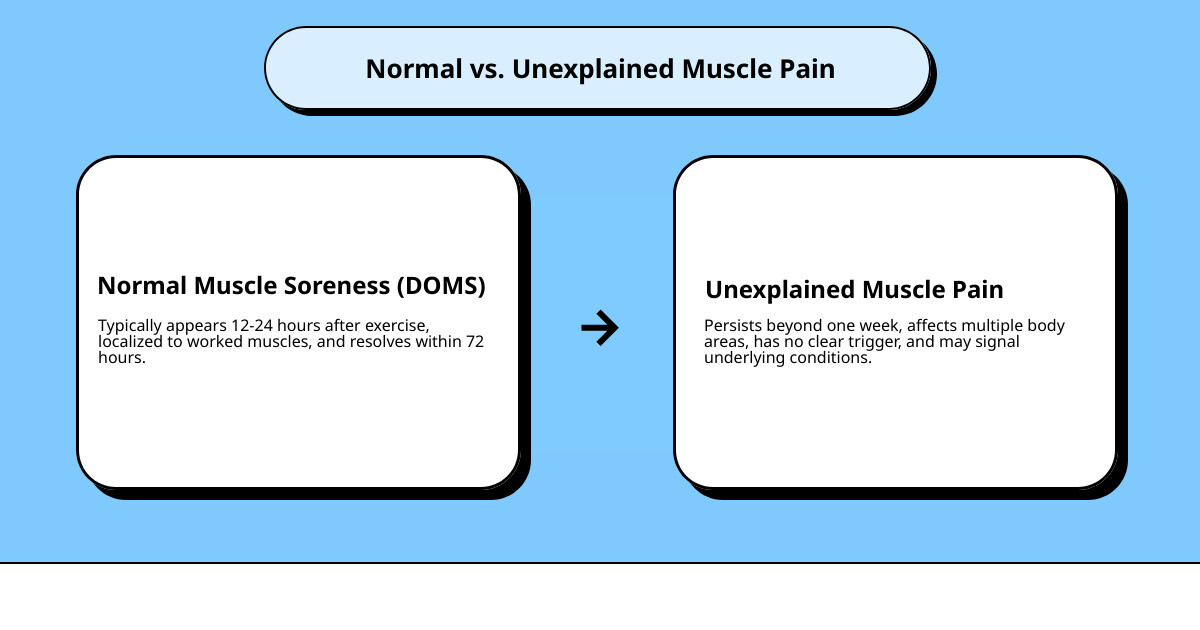
The difference between normal muscle soreness and unexplained pain matters. Delayed onset muscle soreness (DOMS) from exercise typically begins 12 to 24 hours after a workout and, according to the American College of Sports Medicine.pdf), peaks around 24 to 72 hours before subsiding. But muscle pain for no reason persists longer, affects multiple areas, and has no clear trigger. Understanding the cause is the first step toward relief.
I'm Tony Enrico. After years of working with athletes and chronic pain sufferers, I created Neuropasil to provide the effective, science-backed relief so many are searching for.
Simple guide to muscle pain for no reason terms:
Common Causes of Muscle Pain for No Reason
When you're dealing with muscle pain for no reason, it's natural to feel confused. The truth is, muscle pain doesn't always need an obvious trigger. Sometimes the culprits are hiding in your daily routine, your stress levels, or even that cold you thought you'd shaken off. Let's explore the everyday factors that might be causing your unexplained aches.
How Lifestyle Factors Can Cause Muscle Pain for No Reason
Your day-to-day habits have more influence on your muscles than you might realize. Here are some of the biggest offenders:
Stress: When you're anxious, your body physically braces for impact, causing your muscles to tense up. Modern stress lingers, keeping your shoulders hunched and neck muscles tight. According to scientific research from the American Psychological Association, this chronic muscle tension is one of the most common physical manifestations of stress.
Poor Sleep: During deep sleep, your body releases growth hormone to repair muscle tissue. As explained by the Cleveland Clinic, this makes quality sleep essential for muscle recovery and growth.
Dehydration: Water helps deliver oxygen to your muscles and flush out waste. The American Heart Association warns that even mild dehydration can lead to muscle cramping and aching by preventing muscles from contracting and relaxing properly.
Nutrient Deficiencies: A lack of certain nutrients can quietly drain your muscle health. According to the Cleveland Clinic, deficiencies in Vitamin D, potassium, and iron (anemia) are all linked to muscle pain, weakness, and fatigue.

Infections and Medications That Can Cause Aches
Sometimes what feels like a mystery has a very specific—and treatable—cause.
Infections: Ever notice how the flu makes your entire body ache? That's your immune system releasing inflammatory chemicals to fight the infection. The CDC lists muscle and body aches as a primary symptom of the flu. Beyond the flu and common cold, other infections like Lyme disease can also cause significant muscle discomfort. For more information on managing different types of pain, you can explore more info about managing pain.
Medications: If you've recently started a new prescription and developed muscle pain, the two might be connected. The Mayo Clinic notes that statins (for cholesterol) are notorious for causing muscle discomfort, and some blood pressure medications can also trigger aches. If you suspect your medication is the cause, talk to your doctor before stopping it. Many people find relief through topical treatments that target the discomfort directly. For more information on effective pain relief options, check out more info about pain relief creams.
When Unexplained Muscle Pain Signals a Deeper Issue
While most muscle pain isn't cause for alarm, muscle pain for no reason can occasionally point to something more serious. Being informed about these less common conditions helps you know when it's time to dig deeper.
Fibromyalgia, Chronic Fatigue Syndrome (ME/CFS), and Lyme Disease
These conditions are notorious for causing widespread, persistent muscle pain that seems to come out of nowhere.
Fibromyalgia: This condition involves chronic widespread pain in muscles and soft tissues, often described as a deep, persistent ache. It's typically accompanied by severe fatigue, unrefreshing sleep, and cognitive issues known as "fibro fog." Researchers believe it's related to how the brain processes pain signals, not actual muscle damage. For more details, the American College of Rheumatology provides resources on fibromyalgia.
Chronic Fatigue Syndrome (ME/CFS): The defining feature of ME/CFS is severe, debilitating fatigue that doesn't improve with rest, but muscle pain is also a common complaint. Its key feature is "post-exertional malaise" (PEM), where, as the CDC explains, even minor physical or mental activity can trigger a crash of symptoms lasting for days or weeks.
Lyme Disease: This is a bacterial infection from tick bites. If not treated early, it can spread to the joints, heart, and nervous system, causing significant muscle and joint pain. While a classic early sign is a bull's-eye rash, the CDC notes that not everyone develops one.
These three conditions can be confusing, as they share symptoms like widespread pain, severe fatigue, and cognitive difficulties.

Autoimmune and Inflammatory Conditions
Sometimes the immune system mistakenly attacks the body's own healthy tissues, causing chronic inflammation and widespread pain.
Lupus (SLE): In this complex autoimmune disease, muscle and joint pain are often early and persistent symptoms. The Lupus Foundation of America notes that this pain is often caused by myositis (muscle inflammation) or fibromyalgia, which frequently co-occurs with lupus.
Myositis: This term means chronic muscle inflammation. Polymyositis causes progressive weakness in muscles close to the body's core (thighs, hips, shoulders). Dermatomyositis includes the same weakness but adds distinctive purplish or reddish skin rashes. For more information, consult The Myositis Association.
Rheumatoid Arthritis (RA): While primarily a joint disease, the chronic inflammation from RA often leads to muscle weakness and aches. According to the Mayo Clinic, this is particularly common around the affected joints.
Other Potential Medical Causes
Several other medical issues can trigger persistent muscle pain for no reason.
Hypothyroidism: An underactive thyroid gland slows your metabolism and commonly causes muscle aches, weakness, and cramps, along with fatigue and weight gain. You can find more information about hypothyroidism from the NIDDK.
Rhabdomyolysis: This is a serious medical emergency where damaged muscle breaks down rapidly, releasing proteins that can harm the kidneys. According to the Cleveland Clinic, the classic symptoms are severe muscle pain, profound weakness, and dark, tea-colored urine. This requires immediate emergency care.
Vitamin D Deficiency: Very common, especially in northern climates, a lack of Vitamin D can cause generalized muscle aches and weakness.
Hypokalemia (Low Potassium): As an essential electrolyte for muscle function, low potassium levels can lead to weakness, cramps, and aches. The Merck Manual states this can even progress to paralysis.
Managing and Treating Unexplained Muscle Pain
When you're dealing with muscle pain for no reason, the path to relief often starts right at home. From simple lifestyle tweaks to targeted medical treatments, finding what works is about understanding your options.
At-Home Care and Lifestyle Adjustments
If your muscle pain isn't severe, these at-home strategies can provide real relief.
Rest and Recovery: Give your muscles a chance to heal. If an activity worsens your pain, take a break. Rest means avoiding strain, not being completely sedentary.
Temperature Therapy: Use ice packs for new soreness or inflammation (15-20 minutes at a time). For chronic tension and stiffness, heat therapy (warm baths, heating pads) can increase blood flow and relax muscles. Alternating between cold and heat can be very effective.
Gentle Movement and Stretching: Once pain eases, gentle stretching can help relax tight muscles. Avoid overstretching, especially when muscles are cold.
Hydration and Sleep: Dehydration can cause muscle pain, so keep a water bottle handy. Quality sleep is essential for muscle repair. Aim for a consistent schedule in a dark, quiet, cool room. The Mayo Clinic has published some excellent tips for better sleep.
Stress Management: Since stress causes muscle tension, managing it is key. Try deep breathing, take short walks, or engage in a hobby to help your muscles relax.
Neuropasil and Other Medical Treatments
Sometimes home care isn't enough. When muscle pain for no reason persists, it's time to explore medical treatments for more targeted relief.
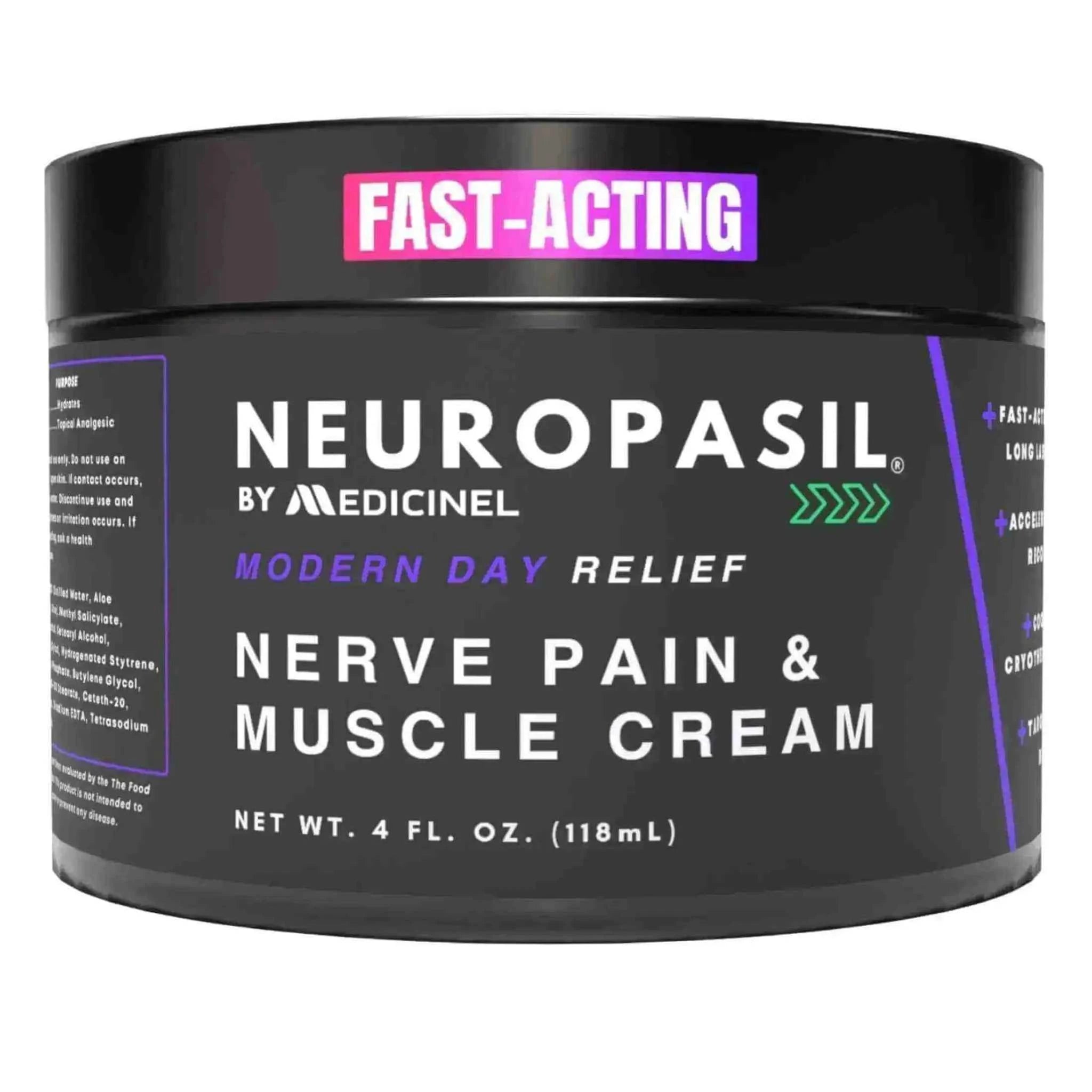
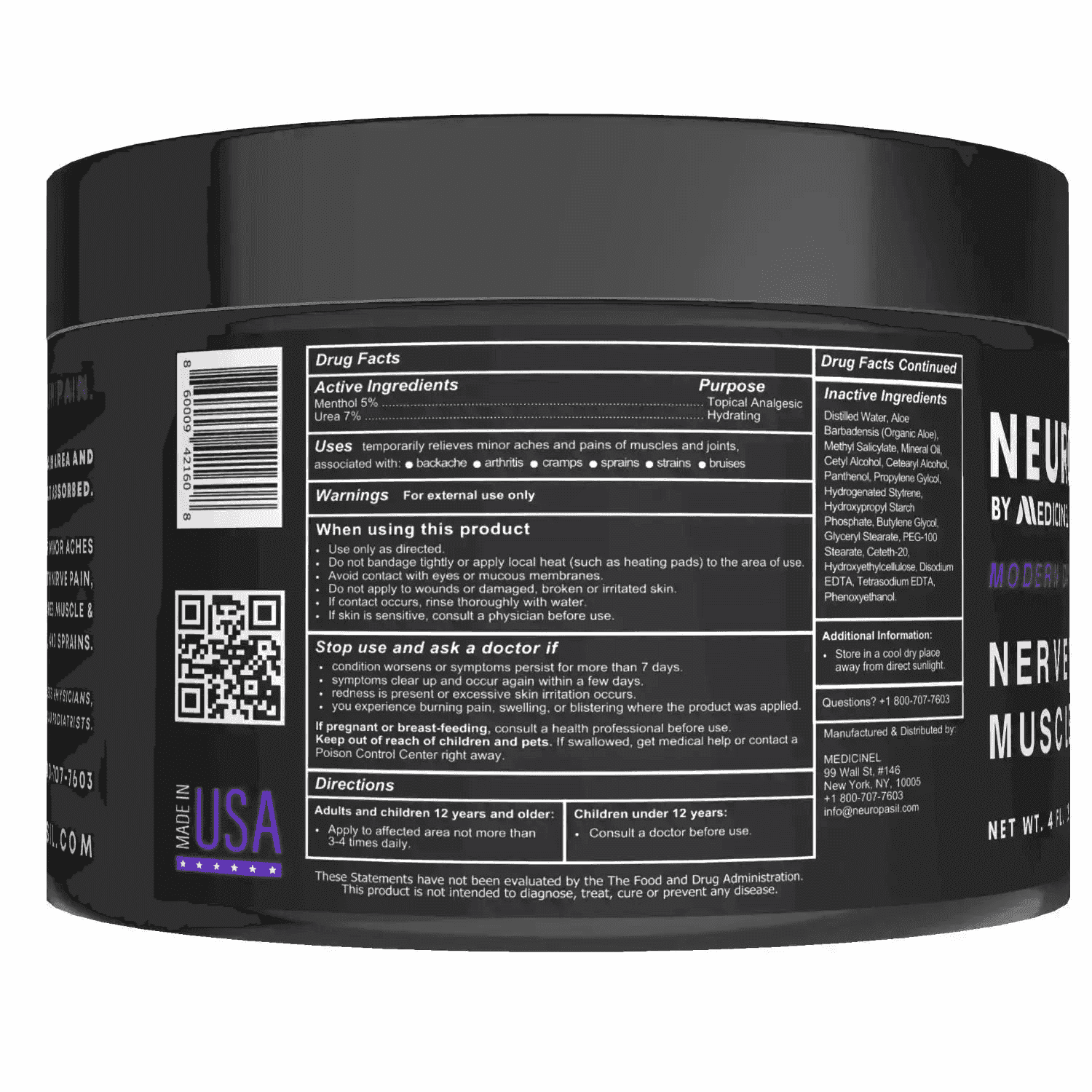
Topical Pain Relievers: Creams and gels can be game-changers, delivering relief right where you need it. This is where Neuropasil shines. Our fast-acting topical cream is formulated with natural ingredients like Aloe, Urea, and Menthol to provide targeted, soothing relief. Our loyal customers use Neuropasil nerve pain relief cream for everything from general aches to chronic conditions. You can learn more about our carefully selected ingredients and why they work.
Over-the-Counter (OTC) Medications: For widespread pain, over-the-counter (OTC) oral medications can be effective. Acetaminophen (Tylenol) can relieve pain, while nonsteroidal anti-inflammatory drugs (NSAIDs) like ibuprofen (Advil) or naproxen (Aleve) can tackle both pain and inflammation, according to Harvard Health Publishing. Always follow dosage instructions.
Professional and Alternative Care: Physical therapy can identify and address the root cause of pain with personalized exercises. For severe cases, a doctor might prescribe stronger medications. Many people also find significant relief through complementary therapies like massage, acupuncture, or chiropractic care. Always seek licensed, experienced practitioners.
When to See a Doctor for Muscle Pain
When it comes to muscle pain for no reason, knowing when to seek professional help is crucial. While many aches can be managed at home, certain symptoms demand attention.
Emergency Warning Signs You Shouldn't Ignore
If you experience any of these warning signs with muscle pain, seek emergency medical care immediately:
- Trouble breathing or dizziness: This could signal a serious issue with your heart or lungs.
- Extreme muscle weakness: Sudden, severe weakness where you can barely stand or walk could indicate a neurological emergency.
- High fever with a stiff neck: This combination can signal meningitis, a serious infection of the brain and spinal cord membranes that, according to the CDC, requires urgent treatment.
- Signs of a heart attack: Chest pain, pressure, or tightness is the classic symptom. However, pain can also spread to the arms (especially the left), neck, jaw, or back. Other signs include nausea, shortness of breath, and dizziness. If you suspect a heart attack, call 911 immediately. The American Heart Association provides detailed information on warning signs of a heart attack that everyone should know.
When to Schedule a Doctor's Appointment for Muscle Pain for No Reason
Not every symptom requires an ambulance, but you should schedule a doctor's visit if you experience any of the following:
- Pain that lasts more than a week despite home care.
- A rash appearing with your muscle pain, especially a "bulls-eye" rash that could indicate Lyme disease.
- Signs of a localized infection, such as redness, swelling, warmth, or increasing tenderness around a sore muscle.
- Muscle pain that starts after beginning a new medication.
- Pain that disrupts your sleep or daily life, preventing you from working or doing things you enjoy.
- A known or possible tick bite, even without obvious symptoms.
Your healthcare provider can help diagnose the cause of your pain through a physical exam, medical history, and potentially blood tests or imaging. Don't hesitate to share all your symptoms. If you're in the New York City area, Weill Cornell Medicine offers excellent resources for complex pain conditions.
Advocating for your own health is being smart. If something feels wrong, it's worth getting checked out.
References
Throughout this article on muscle pain for no reason, we've drawn on research and insights from leading medical institutions and health organizations to ensure you're getting accurate, trustworthy information. Understanding muscle pain requires looking at credible scientific sources, and we believe in being transparent about where our information comes from.
The Centers for Disease Control and Prevention (CDC) provides critical data on the prevalence of chronic pain in the U.S. and offers authoritative information on the symptoms of illnesses like the flu, Lyme disease, ME/CFS, and meningitis.
The American College of Sports Medicine (ACSM) is a leading authority on exercise science and provided the timeline for Delayed Onset Muscle Soreness (DOMS).pdf).
The American Psychological Association offers comprehensive research on how chronic stress affects the body, explaining the link between psychological stress and physical muscle tension.
The Cleveland Clinic provides patient-friendly explanations on topics like muscle recovery during sleep, how nutrient deficiencies cause pain, and the emergency symptoms of rhabdomyolysis.
The Mayo Clinic is a trusted source for information on medication side effects, the muscle-related symptoms of rheumatoid arthritis, and practical tips for better sleep.
The American Heart Association provides life-saving information on staying hydrated to prevent muscle cramps and recognizing the warning signs of a heart attack.
The American College of Rheumatology offers patient-focused resources that explain complex conditions like fibromyalgia.
The Myositis Association provides valuable insights into inflammatory muscle conditions like polymyositis and dermatomyositis.
The Lupus Foundation of America details how lupus affects the muscles, a common symptom of the disease.
The National Institute of Diabetes and Digestive and Kidney Diseases (NIDDK) offers authoritative information on hypothyroidism and its effect on muscles.
The Merck Manual provides in-depth medical information on conditions like hypokalemia (low potassium).
Harvard Health Publishing offers guidance on the proper use of over-the-counter pain relievers, including NSAIDs.
Weill Cornell Medicine provides accessible information on muscle and joint pain, helping patients know when to seek care.