Understanding Muscle Soreness and Why It Happens
How to reduce muscle soreness is a common question for anyone who exercises. The good news is you don't have to suffer through days of debilitating pain. This guide provides five quick steps to feel better, faster.
Here's how to reduce muscle soreness in 5 quick steps:
- Move gently - Light activity and foam rolling increase blood flow.
- Eat smart - Consume protein and anti-inflammatory foods within 2 hours.
- Apply temperature therapy - Use ice for inflammation and heat for stiffness.
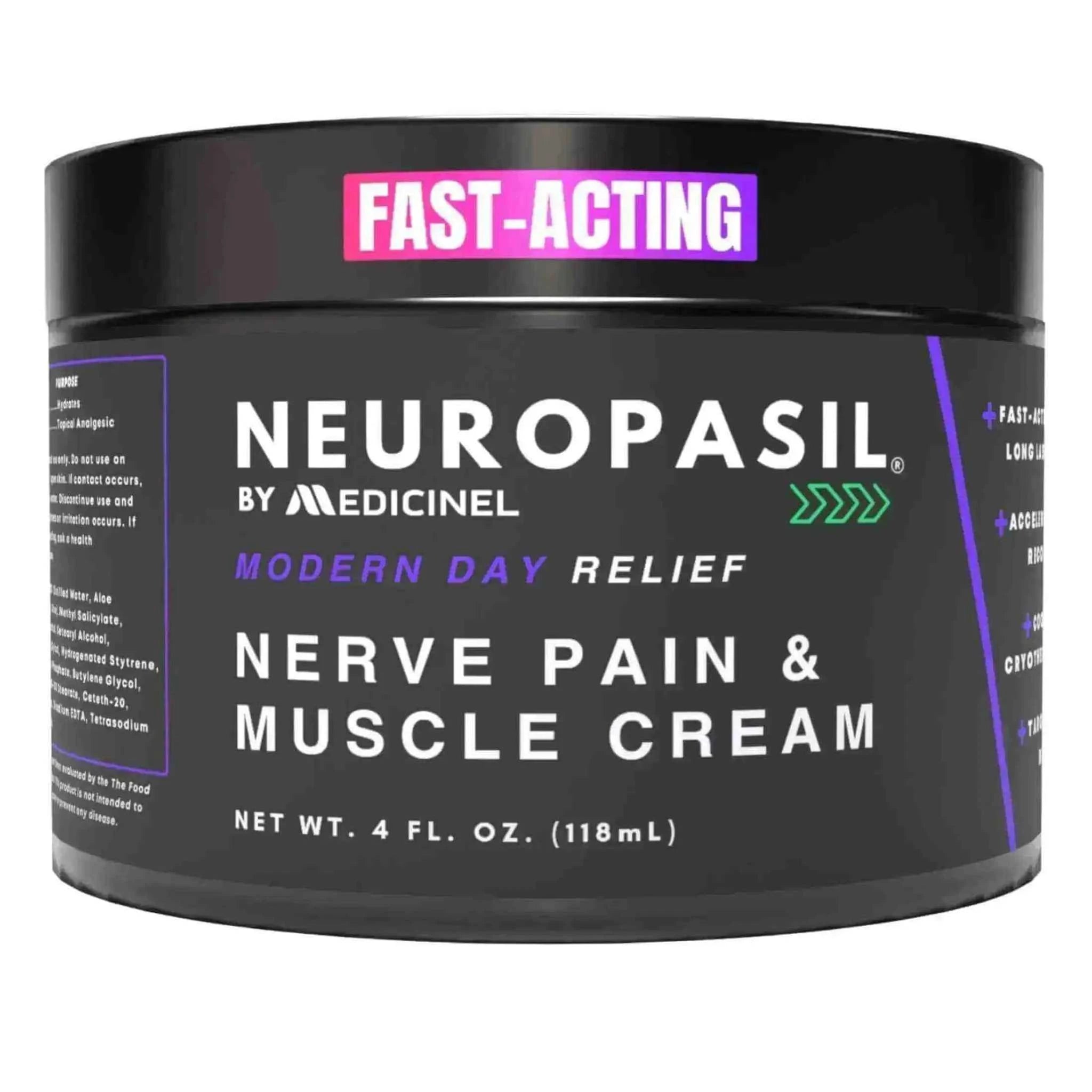
- Try topical relief - Natural creams like Neuropasil provide fast-acting comfort.
- Rest properly - Get 7-9 hours of sleep for muscle regeneration.
Muscle soreness, especially Delayed Onset Muscle Soreness (DOMS), typically appears 12 to 72 hours after exercise. It's caused by microscopic tears in your muscle fibers from new or intense activity. This damage triggers inflammation as your body repairs itself, which is a normal part of getting stronger. Your body heals these tiny tears and builds back stronger muscle tissue.
According to the American College of Sports Medicine, DOMS can last from 2 to 6 days, peaking after one to two days. While it's a sign your muscles are adapting, severe soreness can interfere with your training and daily life.
I'm Tony Enrico, founder of Neuropasil, and I've dedicated my career to helping people find natural relief from muscle and nerve pain. Through extensive research on how to reduce muscle soreness, I've learned that the right recovery strategy makes all the difference between pushing through pain and performing at your best.
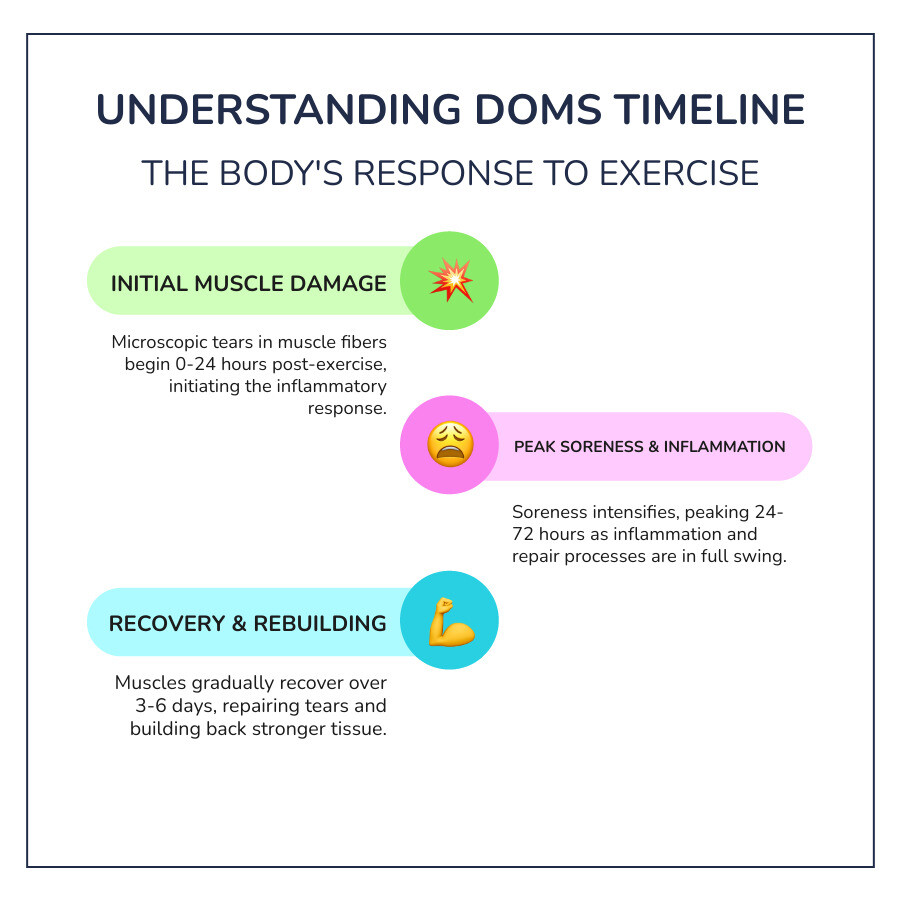
Simple guide to How to reduce muscle soreness? terms:
Step 1: Gentle Movement and Myofascial Release
When your muscles are screaming, the last thing you might want to do is move. However, gentle movement is one of the best ways to reduce muscle soreness. This isn't about pushing through pain; it's about helping your body's natural healing process.
Active recovery, like a light walk, easy cycling, or swimming, increases blood flow to sore muscles. This circulation helps flush out metabolic waste and delivers fresh oxygen and nutrients for repair. As noted by sports medicine experts at the Cleveland Clinic, light activity keeps blood circulating, speeding up recovery.
Stretching is also crucial. While it may not prevent DOMS directly, it improves flexibility, maintains range of motion, and feels great on tight muscles. Harvard Health Publishing emphasizes the importance of stretching for overall muscle health. A combination of dynamic stretches (during warm-ups) and static stretches (during cool-downs) is most effective.
Foam rolling, a form of self-myofascial release, acts like a deep tissue massage. It helps break up knots in the fascia (the connective tissue around your muscles), allowing for better blood flow. Research highlighted by sources like Healthline suggests foam rolling soon after activity and every 24 hours thereafter can reduce soreness.

The Benefits of Stretching and Foam Rolling for Muscle Soreness
Stretching and foam rolling are powerful tools against muscle soreness.
- Static stretching: Hold a stretch for 20-30 seconds after a workout to lengthen muscles and improve flexibility.
- Dynamic stretching: Move your body through a range of motion (e.g., arm circles) as part of your warm-up to prepare muscles and increase blood flow.
- Foam rolling technique: Slowly roll over large muscle groups like quads, hamstrings, and glutes, pausing on tender spots for 20-30 seconds. This can be done before and after workouts for about 10-15 minutes to release muscle tension.
Step 2: Optimize Your Nutrition and Hydration
What you put into your body is just as important as how you move it when it comes to how to reduce muscle soreness. Proper nutrition and hydration are the heroes of muscle recovery, providing the building blocks your muscles need to repair.
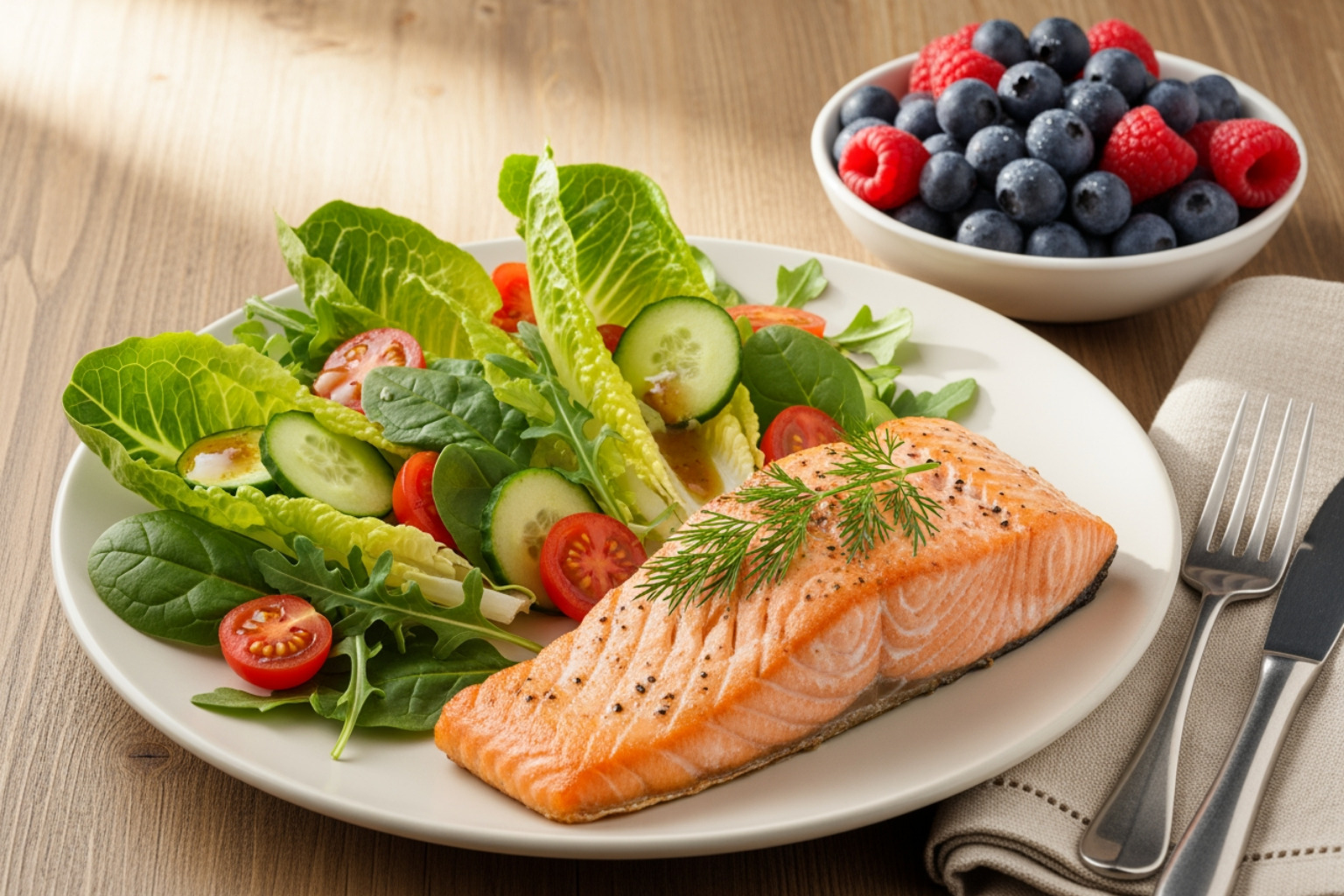
Post-workout nutrition is critical. According to the International Society of Sports Nutrition, your muscles are most receptive to nutrients within a "two-hour window" after exercise. To kickstart repair, you need to replenish depleted energy stores and provide protein. Aim for 20 to 40 grams of protein and a source of carbohydrates within two hours of your workout to maximize recovery (Kerksick et al., 2018).
Incorporating anti-inflammatory foods into your diet can also significantly reduce muscle soreness. These foods are often packed with antioxidants and omega-3 fatty acids, which combat inflammation. Antioxidants are key as they neutralize cell-damaging free radicals produced during intense exercise.
Hydration's impact on muscle recovery cannot be overstated. Water is critical for metabolism and helps transport nutrients to your muscles. It improves performance, reduces cramping, and protects joints (Cleveland Clinic, n.d.). While specific needs vary, it's crucial to stay hydrated throughout the day and replenish fluids lost during exercise. Also, ensure you replenish electrolytes to prevent painful muscle spasms.
What Role Does Nutrition Play in Muscle Recovery?
Nutrition is a cornerstone of how to reduce muscle soreness. Here's a quick guide:
- Protein and Carbs: Consume a mix of protein (for repair) and carbs (for fuel) within two hours post-workout to maximize recovery.
-
Anti-inflammatory Foods: These are your secret weapon. Focus on:
- Tart cherries: Research shows tart cherry juice can lessen post-exercise inflammation and muscle pain (Examine.com, 2024).
- Fatty fish: Salmon and tuna are rich in anti-inflammatory omega-3s.
- Leafy greens and berries: Spinach, kale, and blueberries are packed with antioxidants.
- Other great options include nuts, sweet potatoes, and green tea.
- Foods to Avoid: Limit added sugars, alcohol, and highly processed foods, as they can hinder your body's natural healing process.
- Importance of Water: Stay hydrated to ensure nutrients are efficiently transported to your muscles and waste products are removed.
Step 3: Use Temperature Therapy and Massage
After fueling your body, the next step in how to reduce muscle soreness involves external applications like temperature therapy and massage. These methods can provide immediate relief and support the recovery process.
Heat therapy, such as a warm bath or heat pack, increases blood flow to the affected area. This helps relax stiff muscles and reduce tension, making it ideal for general stiffness.
Cold therapy, like an ice pack or cold bath, is best for recent injuries or acute inflammation. Cold constricts blood vessels, which reduces swelling and throbbing pain. Research suggests cold therapy can be highly effective when applied shortly after exercise (Cheung, Hume, & Maxwell, 2003). Never apply ice directly to the skin or for more than 15-20 minutes at a time to prevent skin damage (Cleveland Clinic, n.d.).
Massage is a time-honored technique for muscle relief. It can relieve tension, improve blood flow, and help flush out waste products from sore muscles. Studies have shown that massage therapy can significantly reduce pain and swelling from DOMS. The Cleveland Clinic highlights massage benefits for sore muscles, noting its ability to ease tension.
Epsom salt baths are another popular remedy. While the Cleveland Clinic notes that scientific evidence for their effectiveness is limited, many people find the warm water and magnesium sulfate soothing for muscle relaxation and pain reduction.
Ice vs. Heat: Which is Better for Sore Muscles?
The choice between ice and heat depends on your specific muscle soreness:
- When to use ice: Ideal for acute inflammation and sharp pain right after an injury. It numbs the area and reduces swelling.
- When to use heat: Best for general muscle stiffness, tension, and chronic aches. It promotes muscle relaxation and healing.
- Contrast therapy: Alternating between cold and heat can create a "pumping" action that may boost circulation.
- How massage helps: Massage reduces the perception of pain, decreases swelling, and improves blood flow to aid muscle recovery.
Step 4: Find Relief with Topical Solutions and Supplements
Sometimes, muscle soreness lingers despite our best efforts. This is where targeted topical solutions and certain supplements can offer additional support in how to reduce muscle soreness.
Topical pain relievers can be incredibly effective for localized muscle pain. Creams and balms applied directly to the skin deliver active ingredients like menthol right where they're needed, creating a cooling or warming sensation to reduce soreness.
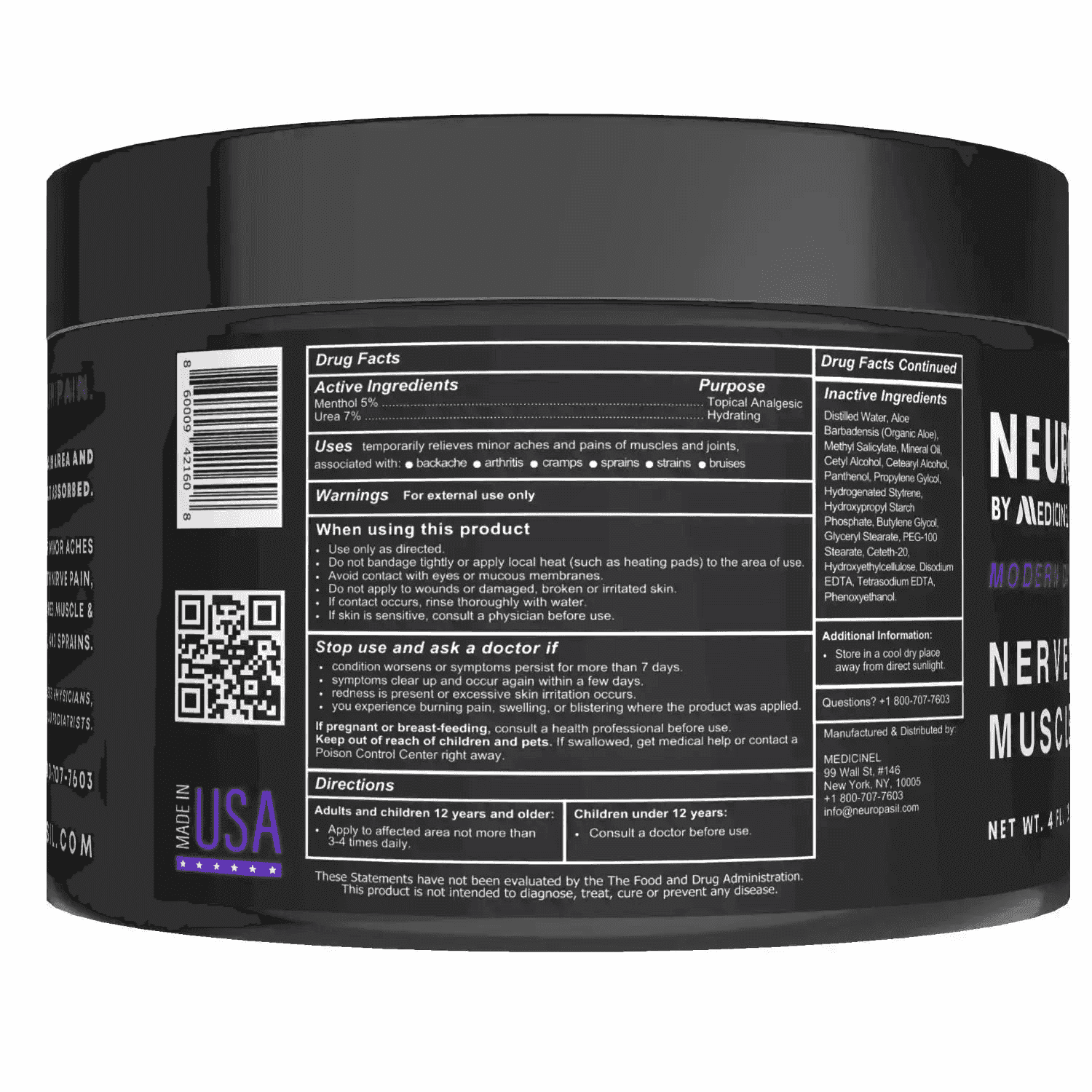
At Neuropasil, we specialize in providing targeted, soothing relief. Our Neuropasil Nerve Pain Relief Cream is a powerful muscle pain relief cream designed for fast-acting comfort. Powered by natural ingredients like Aloe, Urea, and Menthol, its non-greasy formula is trusted by athletes and active individuals in New York City and across the country to recover from intense workouts, strains, sprains, and general muscle discomfort. Our customers use Neuropasil for everything from post-workout soreness to chronic issues like sciatica and back pain. Find more insights on the best pain relief creams for muscle pain on our blog.
Beyond topicals, certain supplements have shown promise. It's important to look at the scientific evidence, and reputable sources like Examine.com offer analysis on supplements for muscle soreness. Curcumin (from turmeric) shows a moderate effect on improving DOMS. Tart Cherry Juice is another popular option for its anti-inflammatory properties, though evidence is mixed. Many other supplements have limited scientific backing.
While over-the-counter nonsteroidal anti-inflammatory drugs (NSAIDs) can reduce pain, they should be used cautiously. Some research suggests they may not speed up muscle repair and could have side effects with long-term use (Cheung, Hume, & Maxwell, 2003).
How to Reduce Muscle Soreness with Topical and Supplement Options
-
How topical creams like Neuropasil work: Our
muscle pain relief creamdelivers soothing ingredients like Menthol for a cooling sensation and Aloe and Urea for skin health and penetration. This provides targeted, fast relief. - Cautious use of NSAIDs: Use oral NSAIDs for short-term relief only, not as a primary recovery strategy.
- Natural supplement options: Consider adding curcumin (turmeric) or tart cherry juice to your diet for their anti-inflammatory benefits.
-
Find your relief with Neuropasil: For fast-acting, targeted relief from muscle soreness, we encourage you to explore our
nerve pain relief cream. Visit our product page to learn more: Neuropasil Nerve Pain Relief Cream.
How to Reduce Muscle Soreness: Prevention and Rest
While the previous steps focus on managing existing soreness, the smartest approach to how to reduce muscle soreness often lies in prevention and prioritizing adequate rest. It's far easier to prevent severe DOMS than to recover from it.
Prioritizing rest is non-negotiable for muscle recovery. Sleep is a powerhouse for muscle regeneration. During sleep, our bodies release hormones that facilitate tissue repair, and protein synthesis—the process of repairing and building muscle—is also highly active (Kerksick et al., 2018). Aim for seven to nine hours of quality sleep each night to give your muscles the best chance to recover and grow stronger.
The principle of gradual progression is key to preventing DOMS. Muscle soreness is most prevalent when we introduce new types of activities, lift heavier weights, or significantly increase intensity. If you're an athlete who must train daily, consider reducing the intensity and duration of exercise for 1-2 days following intense DOMS-inducing workouts, or focus on less affected muscle groups.
How Can I Prevent DOMS?
Preventing DOMS largely boils down to smart training and listening to your body:
- Proper warm-up: Always start your workout with a dynamic warm-up to increase blood flow to your muscles and prepare them for activity. This can be 10-15 minutes of light cardio and dynamic stretches.
- Structured training: Avoid sudden, drastic increases in intensity or volume. Gradually increase your load, duration, or resistance over time, allowing your muscles to adapt. For new exercises or eccentric activities (like the lowering phase of a bicep curl), introduce them progressively over 1-2 weeks. This strategy helps reduce physical impairment and training disruption (Cheung, Hume, & Maxwell, 2003).
- Progressive overload: While it's tempting to jump into heavy lifting, slowly increasing the demands on your muscles helps them adapt without causing excessive damage. Sore muscles aren't necessarily a sign of a good workout; they can indicate overload.
- Avoiding sudden intensity spikes: If you're returning to exercise after a break, or trying a completely new sport, start slow. Your muscles need a "weeks-long education" to adapt to new movements.
- Listen to your body's signals: If you feel excessive fatigue or pain, it's a sign to back off and allow for recovery. Overtraining can lead to persistent soreness and increased risk of injury.
When to See a Doctor for Muscle Soreness
While muscle soreness is a normal part of building strength, it's crucial to know when your body is signaling something more serious. Understanding the difference between typical DOMS and a potential injury is a vital part of how to reduce muscle soreness safely.
DOMS typically presents as a dull, aching pain that usually appears 12-72 hours after exercise and gradually subsides. It often feels tender to the touch but typically doesn't involve sharp, sudden pain that makes activity difficult.
However, certain symptoms warrant professional medical advice. The Cleveland Clinic advises seeking medical care for pain that is severe, long-lasting, or accompanied by other worrying signs. Watch for:
- Severe pain, redness, or swelling: If you experience intense, debilitating pain, or notice significant redness or swelling, it could indicate an injury.
- Pain lasting over a week: If your muscle pain persists for more than a week and doesn't improve, it's time to consult a doctor.
- Sharp pain vs. dull ache: A sudden, sharp pain that makes an activity difficult, or prevents you from flexing or extending your limbs, is generally more concerning than a low-level, dull soreness.
- Other symptoms of illness: If muscle pain is accompanied by other symptoms like fever, fatigue, or unexplained weight loss for more than a week, seek medical attention.
- Chest pain or pressure, abnormal heartbeat, or shortness of breath: These are serious symptoms that could indicate a heart issue. If you experience them, seek emergency care immediately.
As the Cleveland Clinic advises, if you're dealing with a low-level dull soreness that gets better with rest or physical activity, you can usually manage it at home. But if the pain is severe, doesn't improve, or comes with other worrying signs, don't hesitate to reach out to a healthcare provider. Athletic trainers, sports medicine physicians, and physical therapists in New York City are excellent resources for assessing and treating muscle-related issues.
Frequently Asked Questions about Muscle Soreness
What is Delayed Onset Muscle Soreness (DOMS) and what causes it?
Delayed Onset Muscle Soreness (DOMS) is the stiffness and pain you feel 24-72 hours after a strenuous or unaccustomed workout. It's caused by microscopic tears in your muscle fibers, particularly from eccentric movements (like the lowering phase of a squat). These tiny tears trigger an inflammatory repair process, leading to the soreness we associate with DOMS. It is not caused by lactic acid buildup, a common misconception; the soreness is from muscle fiber damage and the resulting inflammation (American College of Sports Medicine, 2022).
Is it safe to exercise with sore muscles?
Yes, it is generally safe to exercise with mild DOMS. In fact, light activity, known as active recovery, can help reduce soreness by increasing blood flow. However, listen to your body. If your soreness is severe or feels like a sharp, localized pain, rest is advised. If the soreness is mild, consider working a different muscle group or engaging in low-impact activities like walking or swimming. Avoid intense training on the same sore muscle group.
What are the most effective ways to reduce muscle soreness after exercise?
The most effective strategies for how to reduce muscle soreness involve a combined approach:
- Hydration & Nutrition: Drink plenty of water and consume protein and carbs within two hours post-workout. Include anti-inflammatory foods like tart cherries.
- Active Recovery: Engage in light exercise like walking or cycling to increase blood flow.
- Stretching & Myofascial Release: Use foam rolling and gentle stretching to reduce tension.
- Temperature Therapy: Use ice for acute inflammation and heat for general stiffness.
-
Topical Relief: Apply a targeted
muscle pain relief creamlike Neuropasil, with ingredients like Menthol and Aloe, for fast-acting, localized comfort. - Rest: Prioritize 7-9 hours of quality sleep for optimal muscle repair.
Conclusion
Understanding how to reduce muscle soreness is a game-changer for anyone committed to an active lifestyle. We've explored the science behind Delayed Onset Muscle Soreness (DOMS) and outlined five practical, evidence-based steps to help you manage and prevent it.
The journey to reduced muscle soreness begins with gentle movement and myofascial release, followed by optimizing your nutrition and hydration to fuel recovery. Next, harness the power of temperature therapy and massage for external relief, and don't forget to find targeted relief with topical solutions like our Neuropasil muscle pain relief cream for those stubborn aches. Finally, and crucially, prioritize prevention and adequate rest to allow your body to heal and grow stronger.
Muscle soreness, while uncomfortable, is often a sign of progress—a testament to your hard work and your body's incredible ability to adapt. By implementing these strategies, you're not just enduring the pain; you're actively empowering your body to recover more efficiently, keeping you in the game and moving towards your fitness goals. Don't let soreness hold you back from living your fullest, most active life!
For more wellness tips and insights on managing pain, we invite you to explore our blog for more wellness tips.
References
- American College of Sports Medicine. (2022). Delayed Onset Muscle Soreness (DOMS) | Info Sheet. Available at: https://www.acsm.org/education-resources/trending-topics-resources/resource-library/detail?id=ae150964-8494-4528-a9c8-1188194575ca
- Cheung, K., Hume, P. A., & Maxwell, L. (2003). Delayed onset muscle soreness : treatment strategies and performance factors. Sports medicine (Auckland, N.Z.). Available at: https://pubmed.ncbi.nlm.nih.gov/12617692/
- Cleveland Clinic. (2023). What Are the Benefits of Massage?. Available at: https://health.clevelandclinic.org/benefits-of-massage
- Cleveland Clinic. (n.d.). Here’s What Helps Sore Muscles After a Workout. Available at: https://health.clevelandclinic.org/what-helps-sore-muscles-after-workout
- Examine.com. (2024). Muscle Soreness. Available at: https://examine.com/outcomes/muscle-soreness/
- Harvard Health Publishing. (2022). The importance of stretching. Available at: https://www.health.harvard.edu/staying-healthy/the-importance-of-stretching
- Healthline. (n.d.). What Is Delayed Onset Muscle Soreness (DOMS) and What Can You Do About It?. Available at: https://www.healthline.com/health/doms
- Kerksick, C. M., et al. (2018). International society of sports nutrition position stand: nutrient timing. Journal of the International Society of Sports Nutrition. Available at: https://pmc.ncbi.nlm.nih.gov/articles/PMC6019055/