Why Calf Tightness Running Is More Than Just a Warm-Up Issue
Calf tightness running is one of the most common complaints among athletes at every level, from beginners to ultra-marathoners. If you're feeling that annoying, recurring sensation of tight, stiff calves every time you lace up your shoes, you're not alone.
Quick Relief for Calf Tightness While Running:
- Strengthen, don't just stretch - Weak calves often feel tight because they're overworked
- Target both muscles - Train your gastrocnemius (straight leg) and soleus (bent knee) separately
- Build gradually - Progress from bodyweight calf raises to weighted exercises over several weeks
- Address the root cause - Look at training volume, footwear, running form, and hydration
- Use immediate relief - Apply topical creams with menthol for cooling comfort during recovery
The good news? You don't have to stop running to fix tight calves. The solution isn't endless stretching or foam rolling, though those can help temporarily. The real answer lies in building strength in your calf muscles so they can handle the demands you're placing on them.
Your calves absorb shock with every single step and propel you forward during toe-off. When they're not strong enough for the load you're asking them to carry, they respond by tightening up as a protective mechanism. This creates a frustrating cycle that many runners battle for months or even years.
I'm Tony Enrico, and through my work with Neuropasil, I've helped thousands of athletes manage muscle discomfort and get back to doing what they love. Understanding calf tightness running from both a biomechanical and recovery standpoint has been central to developing effective relief strategies for active individuals.
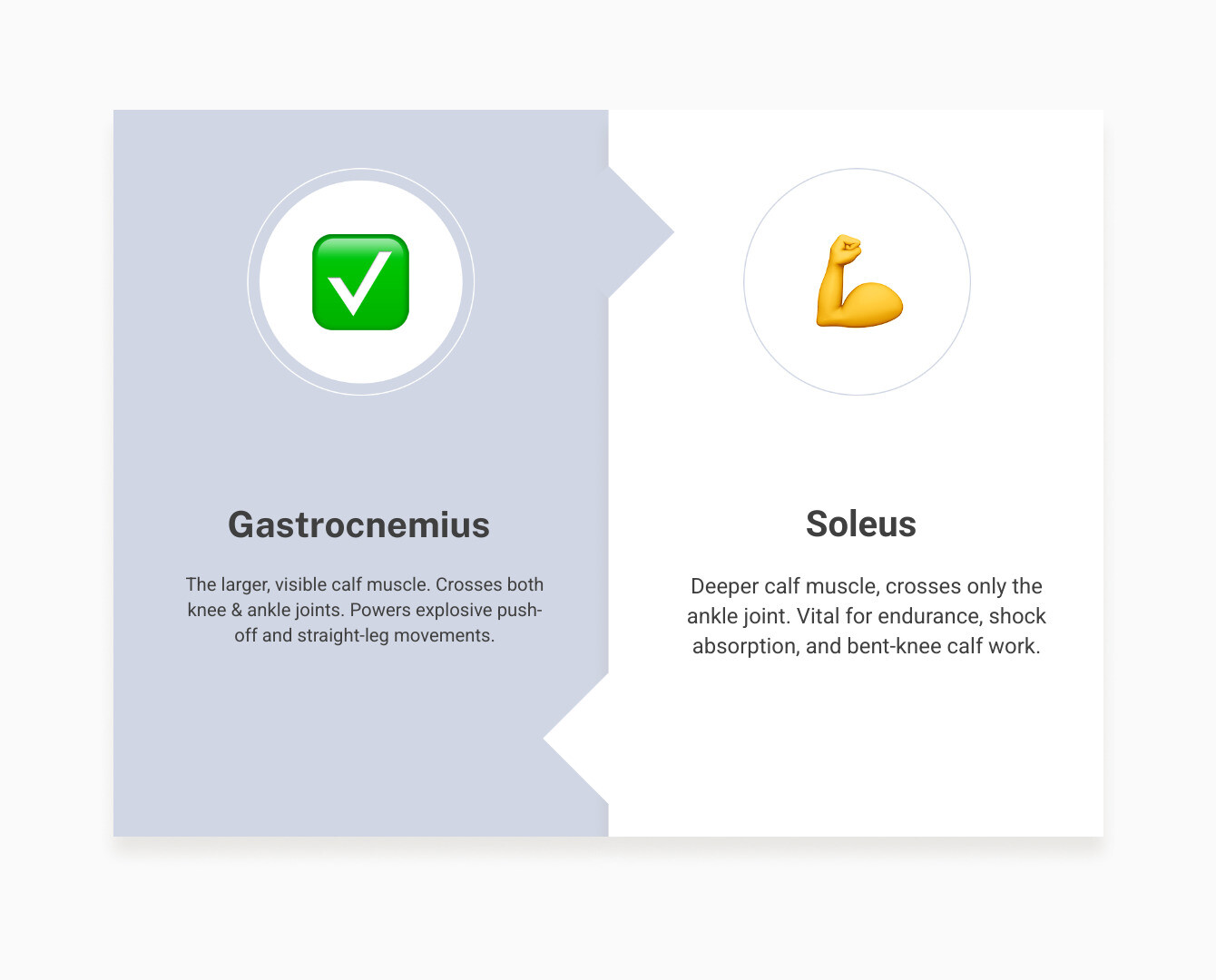
Know your calf tightness running terms:
Understanding the "Why" Behind Your Tight Calves
The sensation of tight calves is incredibly common among runners of all levels, from those just starting out to seasoned ultra-marathoners. While it might feel like your muscles are simply "short" and need to be stretched, the truth is often more complex. Many times, calf tightness running is a signal that your calves are either overworked or, perhaps surprisingly, under-prepared for the demands of your activity.
Our calf muscles are the powerhouse of running. Every time we take a step, they work hard to absorb impact and propel us forward. If they're not strong enough to meet these demands, they can fatigue quickly and tighten up as a protective measure. This isn't just an anecdotal observation; physiotherapists frequently hear complaints about recurring tight calves, often attributing it to a lack of strength. For instance, a systematic review in the British Journal of Sports Medicine found that training load is a significant factor in lower extremity running injuries, suggesting that proper load management is crucial (Van Gent et al., 2007).
The Anatomy of Your Calves: Gastrocnemius vs. Soleus
To truly understand calf tightness running, we need a quick anatomy lesson. Your calf is comprised of two primary muscles: the gastrocnemius and the soleus.
Gastrocnemius muscle: This is the larger, more superficial calf muscle that gives your calf its visible bulge. It has two heads and crosses both the knee and ankle joints. Because it crosses the knee, its function is more prominent in straight-leg movements, like when you push off the ground with a straight knee during running or jumping. It's heavily involved in explosive power.
Soleus muscle: Located beneath the gastrocnemius, the soleus is a broader, flatter muscle that only crosses the ankle joint. This makes it crucial for bent-knee movements and endurance activities. The soleus is often considered the "powerhouse" for running, working continuously to propel us forward and absorb shock, especially over long distances.
The differing functions mean that these muscles require targeted strengthening. If one is weaker than the other, or if both are weak relative to your running demands, you can experience tightness. For a deeper dive into the anatomy of these muscles, you can refer to resources like the National Center for Biotechnology Information.
Common Causes of Calf Tightness Running
Beyond the inherent demands of running, several factors can contribute to that persistent feeling of calf tightness running:
- Lack of Strength: This is arguably the number one reason. Many runners simply haven't built enough strength and endurance in their calves to withstand the repeated impact and propulsion of running. As one physiotherapist often advises clients, "tight calves are weak calves." When muscles fatigue or lose power, they compensate by becoming (and staying) tight.
- Overtraining/Sudden Increase in Load: Rapidly increasing your mileage, intensity, or incorporating more speed work or hill training can overwhelm your calf muscles. These changes demand more from your calves, especially if you're pushing off on your toes more.
- Running Form: An inefficient running form, such as over-striding (landing with your foot too far in front of your body), can place excessive stress on your calves. Similarly, a forefoot strike pattern, while not inherently bad, can overload the calves if not gradually adapted to.
- Footwear: Your shoes play a significant role. Worn-out shoes lose their cushioning and support, forcing your calves to work harder. Additionally, shoes with a low heel-to-toe drop (minimalist shoes) can increase the load on your calves if you transition to them too quickly without proper strengthening.
- Dehydration and Electrolyte Imbalance: Your muscles need proper hydration and a balance of electrolytes (like magnesium, potassium, and calcium) to function optimally. Dehydration can cause muscle cells to lose elasticity, and deficiencies can lead to cramps and tightness (Sawka et al., 2007). For more insights into muscle discomfort, explore our article on muscle pain.
- Other Biomechanical Factors: An anterior pelvic tilt (where your low back is arched) can cause your glutes to underperform, forcing your calves to compensate. Limited ankle dorsiflexion (the ability to bring your toes towards your shin) can also increase stress on your calves.
The Great Debate: Stretching vs. Strengthening for Calf Tightness Running
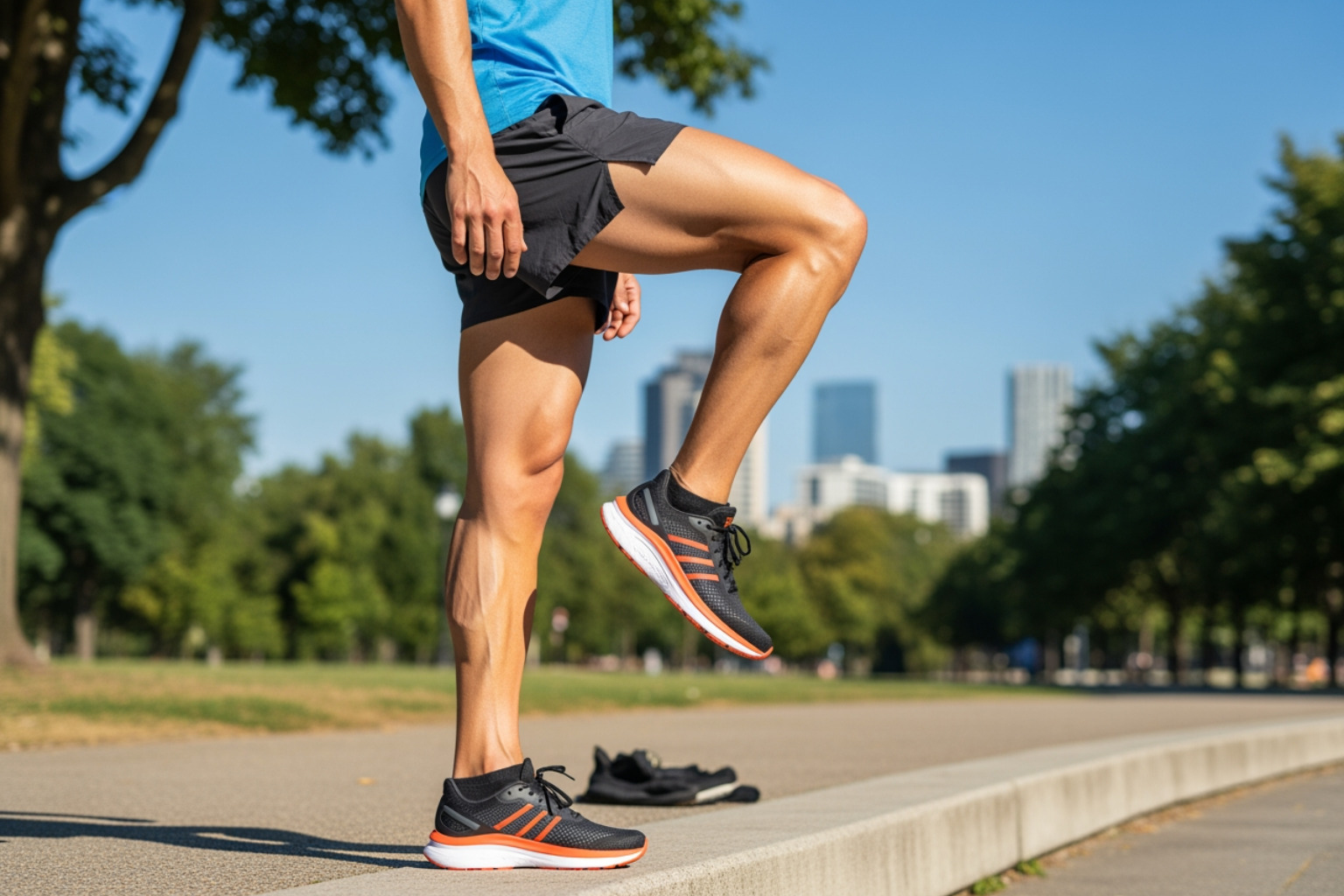
For years, the conventional wisdom for tight muscles was simple: stretch them. And while stretching can provide temporary relief, especially after a run, we're seeing a significant shift in understanding when it comes to persistent calf tightness running. The prevailing expert opinion now strongly leans towards strengthening as the long-term solution, a principle well-established in treating related load-bearing tissues (Malliaras et al., 2013).
The maxim "tight calves are weak calves" encapsulates this new perspective. It challenges the idea that tightness is solely about muscle length. Instead, it suggests that your calves feel tight because they are struggling to cope with the demands placed upon them. When muscles are weak, they can become overactive and "guard" themselves, leading to a sensation of tightness.
Stretching can certainly feel good and offer immediate, short-term relief by creating a neurological effect that reduces the sensation of tightness. However, it doesn't fundamentally increase the muscle's capacity or address the underlying weakness. Think of it this way: if your car's engine light comes on because it's low on oil, covering the light with tape might make you feel better temporarily, but it doesn't fix the engine. Similarly, endless stretching might mask the problem without building the resilient tissue needed for pain-free running.
For long-term improvement and injury prevention, strengthening is key. By building stronger, more robust calf muscles, we increase their ability to withstand the high loads of running, reducing the likelihood of them tightening up in the first place. While Harvard Health acknowledges the importance of stretching for overall flexibility, it's crucial to understand its specific role in the context of chronic calf tightness running. For persistent issues, strengthening moves from a supporting role to the main act.
Your Action Plan: Effective Exercises and Recovery Techniques
Overcoming calf tightness running requires a holistic approach. It's not just about one exercise or one recovery method; it's about combining strength, mobility, and smart recovery strategies. Consistency is crucial, and most importantly, learning to listen to your body's signals will guide your progress. For more tips on overall wellness and recovery, we encourage you to explore our blog.
Essential Strengthening for Calf Tightness Running
The core of our action plan focuses on building robust calf strength. We need to target both the gastrocnemius and soleus muscles effectively.
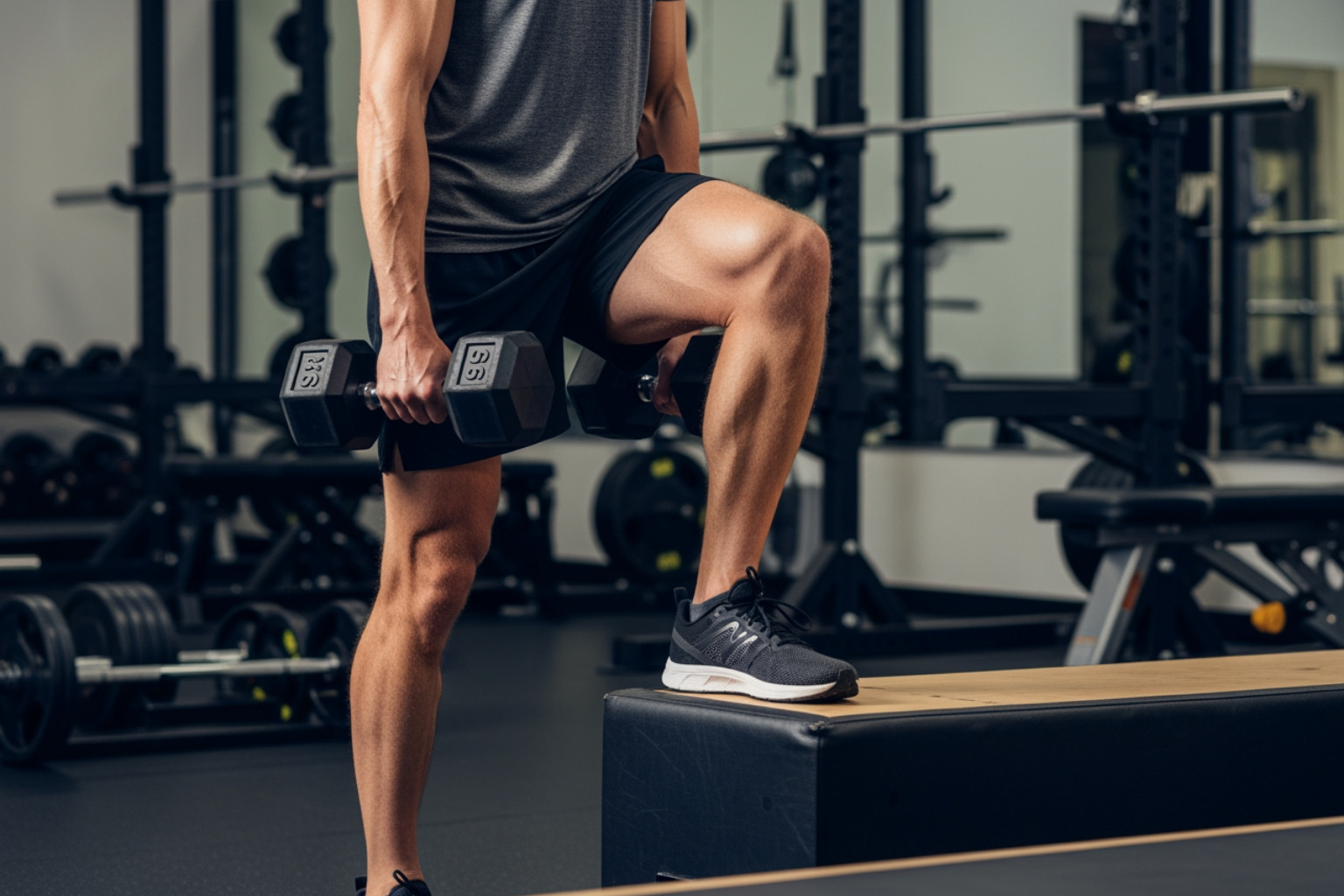
Here are the essential exercises:
-
Single-Leg Calf Raises (for Gastrocnemius emphasis):
- How to do it: Stand on one leg, ideally with the ball of your foot on the edge of a step or stair, allowing your heel to drop below the step. Slowly raise yourself up onto the ball of your foot, pushing through your first and second toes. Hold briefly at the top, then slowly lower your heel below the step.
-
Progression:
- Start with 3 sets of 12 repetitions on each leg.
- Progress to 3 sets of 20 repetitions.
- Then aim for 1 continuous set of 30 repetitions.
- Finally, build up to 1 continuous set of 50 repetitions.
- Once 50 reps are manageable, add weight (e.g., hold a dumbbell in the hand opposite the working leg, or use a calf raise machine at the gym).
- Key: Maintain a slow, controlled 3-second pace for both the upward and downward phases. Avoid using momentum.
-
Bent-Knee Calf Raises / Soleus Wall Squats (for Soleus emphasis):
- How to do it: Stand facing a wall, about arm's length away. Lean into the wall slightly, bending your knees to about 20-30 degrees (imagine a slight squat). Keeping your knees bent, slowly raise your heels off the ground, lifting as high as possible. Hold briefly, then slowly lower your heels.
-
Progression:
- Start with 3-4 repetitions of 30-second holds.
- Progress to 3-4 repetitions of 45-second holds.
- You can also add weight by placing a dumbbell or kettlebell on your thighs.
- Key: The bent-knee position specifically targets the soleus. Keep the movement controlled.
Recommended Frequency: Aim for 2-3 calf-strengthening sessions per week, allowing at least 48 hours of rest between intense sessions. Consistency is more important than extreme intensity for building endurance and strength.
Smart Warm-Ups and Cool-Downs
Proper preparation and recovery are vital to prevent calf tightness running and other injuries.
-
Warm-Ups (Before Your Run): Focus on dynamic movements to increase blood flow and prepare your muscles.
- Light cardio: 5-10 minutes of brisk walking or light jogging.
- Dynamic stretches: Leg swings (forward/backward and side-to-side), walking lunges, high knees, butt kicks. These prepare your muscles for activity without overstretching them when cold.
-
Cool-Downs (After Your Run): This is when static stretching can be most beneficial, along with foam rolling.
- Light cardio: 5-15 minutes of slow jogging or walking to gradually bring your heart rate down.
-
Static stretches: Hold each stretch for at least 30 seconds.
- Standing wall stretch: Lean into a wall with one leg back, heel down, and knee straight (targets gastrocnemius).
- Bent-knee wall stretch: Same position, but bend the back knee slightly (targets soleus).
- Seated towel stretch: Sit with legs extended, loop a towel around your foot, and gently pull your toes towards you.
- Foam rolling: While not a substitute for strengthening, a foam roller can help release tension. Spend 1-2 minutes gently rolling your calves, shifting your body weight side to side to address different areas. For more on preventing overuse injuries, consult the Mayo Clinic.
Immediate Relief and Active Recovery
Sometimes, despite our best efforts, our calves still feel tight or sore. This is where immediate relief and active recovery come into play.
-
The RICE Method: For acute soreness or suspected minor strains, the RICE method (Rest, Ice, Compression, Elevation) can be helpful.
- Rest: Take a break from running or activities that aggravate your calves.
- Ice: Apply an ice pack for 10-20 minutes several times a day to reduce inflammation. Remember not to apply ice directly to your skin.
- Compression: Use a compression bandage or sleeve to help minimize swelling and support the muscle.
- Elevation: Lift your leg above heart level to aid circulation and reduce swelling.
- Gentle Massage: Massage can improve blood flow, help release knots, and relax tight muscles. You can use your hands, a massage ball, or even a massage gun.
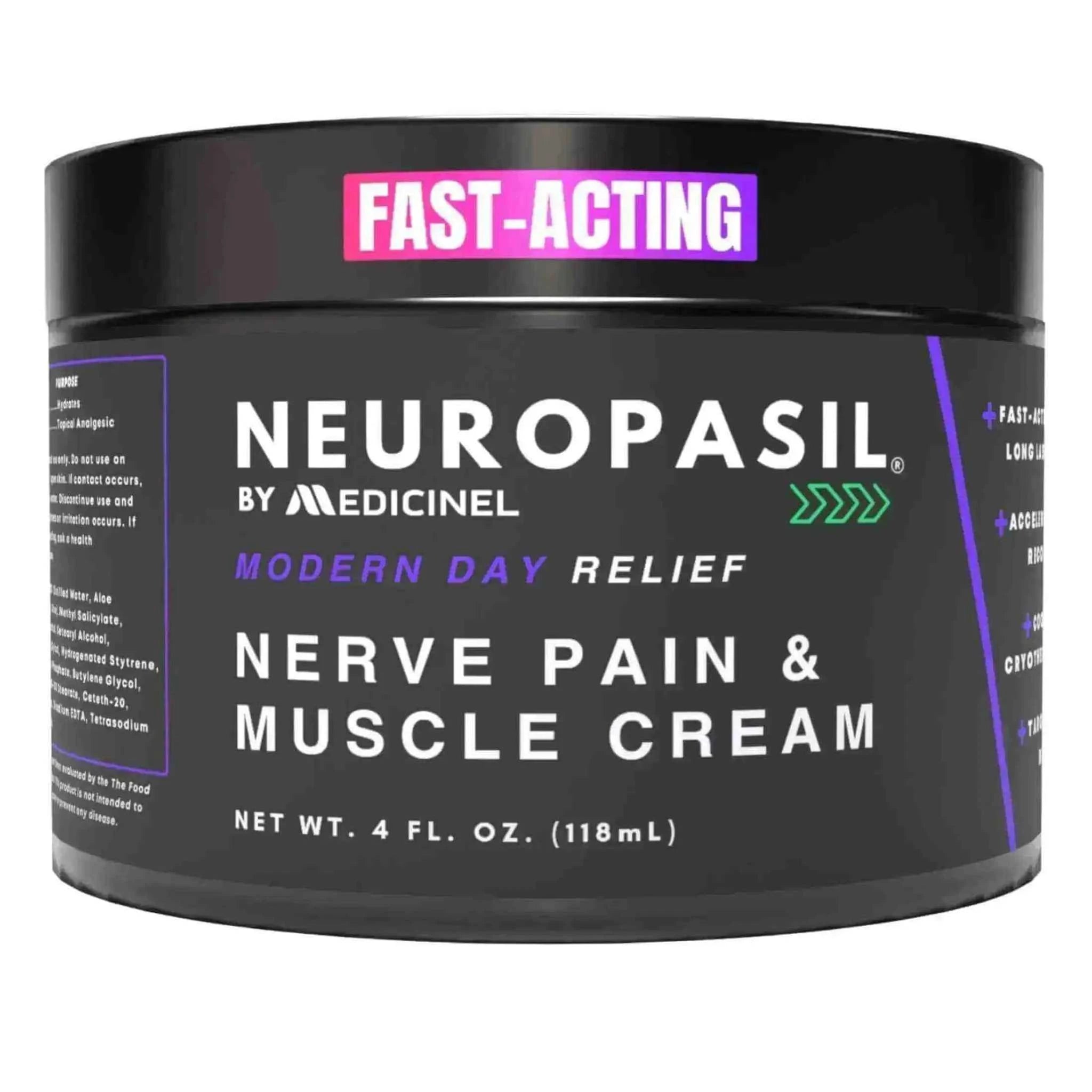
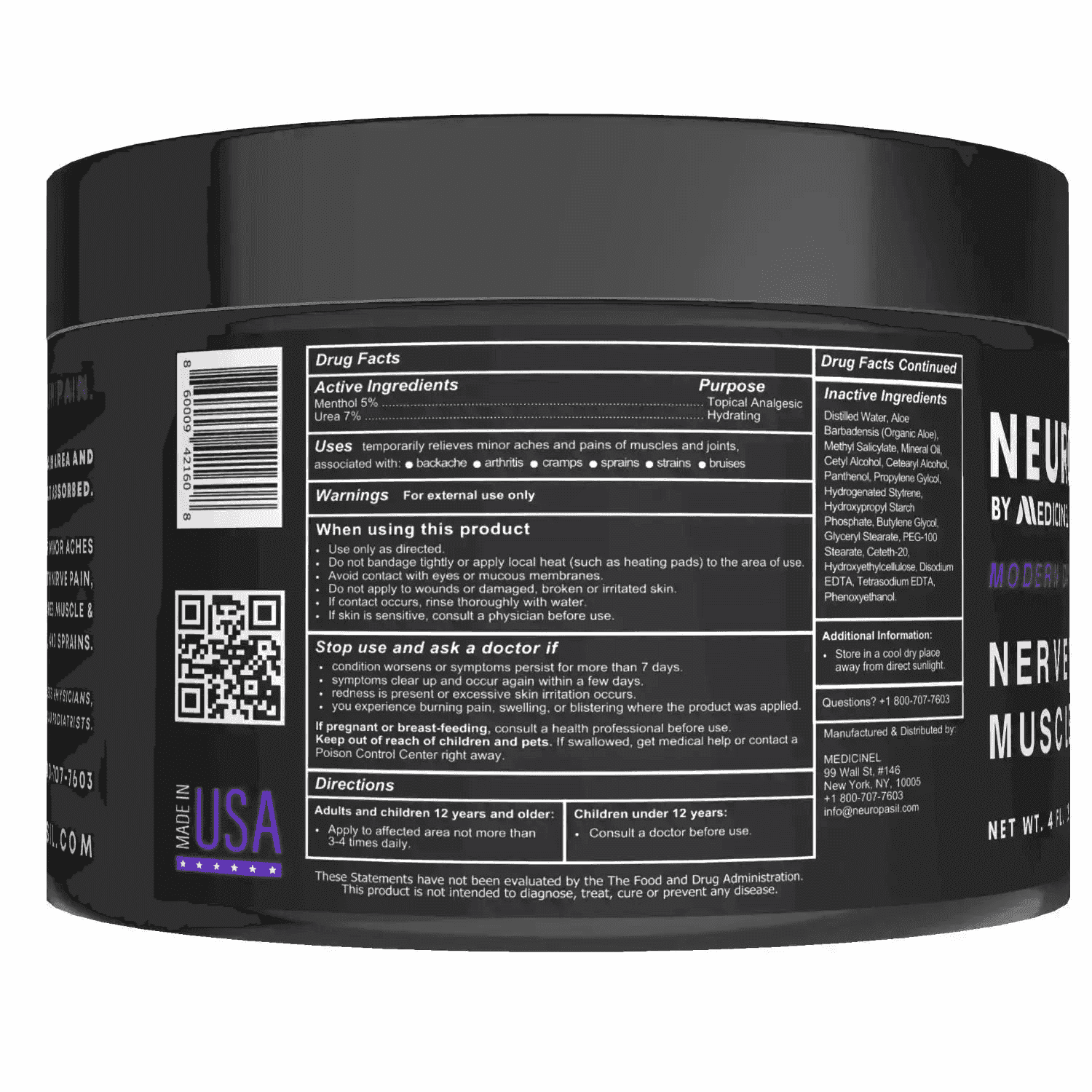
- Topical Creams for Soothing Relief: For targeted, fast-acting comfort, we often recommend topical creams. Menthol, a key ingredient in many such products, provides a cooling sensation by activating specific sensory receptors, which can soothe muscle discomfort (Pergolizzi Jr et al., 2018). Our own Neuropasil nerve and muscle cream is specially formulated with ingredients like menthol, aloe, and urea to provide targeted relief for sore muscles, helping you recover faster and get back to your routine.
Is It Just Tightness or Something More Serious?
It's crucial to differentiate between general calf tightness running and a more serious calf injury like a strain. Ignoring the warning signs can prolong recovery or lead to more severe issues.
Here's a quick comparison to help you understand the differences:
| Symptom | Tightness | Strain (Muscle Tear) | Cramp |
|---|---|---|---|
| Sensation | Dull ache, stiffness, muscle fatigue, burning | Sudden sharp pain, "pop" sensation, tenderness | Intense, involuntary muscle contraction, knot-like |
| Onset | Gradual, often after activity, can be chronic | Sudden during activity (e.g., sprint, push-off) | Sudden, often at rest (e.g., night) or during activity |
| Pain Level | Mild to moderate (1-3/10) | Moderate to severe (4-10/10), worsens with movement | Very severe, incapacitating, but short-lived |
| Movement Impact | May feel restricted, but usually no limp | May cause limping, difficulty bearing weight, weakness | Muscle seizes, prevents movement |
| Physical Signs | Muscle feels firm, no visible changes | Swelling, bruising, visible deformity (severe cases) | Visible muscle bulge or knot, no bruising/swelling |
| Duration | Can persist for hours/days | Days to weeks/months, depending on severity | Seconds to 15 minutes |
Red Flag Symptoms (When to Seek Professional Help): While minor calf tightness running can often be managed at home, certain symptoms warrant immediate professional attention from a doctor or physical therapist:
- Sudden, sharp pain or a "popping" sensation during activity.
- Inability to bear weight on the affected leg or a noticeable limp.
- Significant swelling or bruising that appears quickly.
- Numbness, tingling, or burning sensations in your calf or foot, which could indicate nerve involvement.
- Pain that worsens despite rest and home treatments.
- Calf pain accompanied by redness, warmth, or tenderness, which could be a sign of deep vein thrombosis (DVT), a serious blood clot.
- Pain that develops without any activity or persists even with rest.
For more comprehensive information on calf muscle pain and when to seek medical advice, the Cleveland Clinic offers valuable guidance. Early diagnosis and appropriate treatment are key to preventing minor issues from becoming major setbacks.
Frequently Asked Questions about Calf Pain in Runners
We get a lot of questions about calf tightness running. Here are some of the most common ones we encounter:
Can I keep running with tight calves?
It depends on the severity and nature of the tightness. If it's a mild, dull ache that feels like muscle fatigue (a 1-3 on a pain scale of 1-10) and doesn't affect your running gait, you might be able to continue with modifications. This could mean reducing your pace, shortening your distance, or sticking to flatter, softer surfaces. However, if the pain causes you to limp, changes your running form significantly, or worsens during your run, it's a clear signal to stop. Pushing through pain, especially a sharp or increasing pain, can turn simple tightness into a more serious muscle strain or injury. Listen to your body – it's usually pretty good at telling you when to back off!
What nutritional deficiencies can cause tight calves?
Several nutritional factors can contribute to muscle cramps and tightness.
- Magnesium deficiency: This is often associated with muscle cramps, tightness, and spasms. Magnesium plays a crucial role in muscle relaxation, and a deficit can lead to overactivity. The National Institutes of Health provides detailed information on magnesium's role in health.
- Potassium and Calcium: These electrolytes are vital for nerve impulses and muscle contractions. Imbalances can disrupt normal muscle function.
- Vitamin D: This vitamin also plays a role in muscle function, and deficiencies can contribute to symptoms like muscle weakness and pain (National Institutes of Health, 2023).
- Hydration: Dehydration is a primary culprit for cramps and tightness. When you're dehydrated, your blood volume decreases, which can reduce blood flow to your muscles and impair their ability to contract and relax efficiently (Sawka et al., 2007).
Ensuring a balanced diet rich in these minerals and staying well-hydrated before, during, and after your runs is essential for calf health.
How long does it take to fix tight calves from running?
There's no quick fix for chronic calf tightness running, especially if it stems from underlying weakness. It's a journey that requires consistency and patience. Typically, you might start to feel noticeable improvements in a few weeks with a dedicated strengthening program. However, building significant strength and tissue capacity can take several months.
Factors that influence recovery time include:
- The severity and chronicity of your tightness.
- Your adherence to the strengthening and recovery plan.
- Your overall training load and recovery habits (sleep, nutrition).
- Individual physiological differences.
The key is to be consistent with your exercises, gradually progress the load, and address all contributing factors. Don't get discouraged if progress isn't immediate; long-term solutions take time.
Conclusion
We've explored the common, often frustrating, issue of calf tightness running, and hopefully, shifted your perspective on how to tackle it. The core message is clear: while stretching and foam rolling can offer temporary relief, the most effective long-term solution lies in strengthening your calf muscles. By building robust gastrocnemius and soleus muscles, you equip your body to handle the rigorous demands of running, turning tightness into resilience.
Our action plan emphasizes a holistic approach, combining targeted strengthening exercises, smart warm-ups and cool-downs, and effective recovery techniques. Remember to listen to your body, differentiate between simple tightness and more serious injuries, and seek professional help when needed.
Empowering yourself with this knowledge and putting it into practice means you can continue to enjoy the roads and trails, free from the nagging discomfort of tight calves. For soothing relief during your recovery, Neuropasil offers fast-acting topical creams powered by natural ingredients like menthol, aloe, and urea. You can discover our natural ingredients and explore our full range of wellness solutions to support your active lifestyle.
Happy running, and may your calves be strong and resilient!
Visit Neuropasil for more wellness solutions
References
Binstead, J. T., & Munjal, A. (2023). Anatomy, Bony Pelvis and Lower Limb, Calf. In StatPearls. StatPearls Publishing. https://www.ncbi.nlm.nih.gov/books/NBK459362/; Cleveland Clinic. (2022). Calf Muscle Pain. https://my.clevelandclinic.org/health/symptoms/22274-calf-muscle-pain; Harvard Health Publishing. (2022). The importance of stretching. https://www.health.harvard.edu/staying-healthy/the-importance-of-stretching; Malliaras, P., Barton, C. J., Reeves, N. D., & Langberg, H. (2013). Achilles and patellar tendinopathy loading programmes: a systematic review with meta-analysis. British journal of sports medicine, 47(6), 377-389. https://bjsm.bmj.com/content/47/6/377; Mayo Clinic. (2021). Overuse injury: How to prevent training injuries. https://www.mayoclinic.org/healthy-lifestyle/fitness/in-depth/overuse-injury/art-20045875; National Institutes of Health. (2022). Magnesium: Fact Sheet for Health Professionals. https://ods.od.nih.gov/factsheets/Magnesium-HealthProfessional/; National Institutes of Health, Office of Dietary Supplements. (2023). Vitamin D: Fact Sheet for Health Professionals. https://ods.od.nih.gov/factsheets/VitaminD-HealthProfessional/; Pergolizzi Jr, J. V., et al. (2018). The role and mechanism of action of menthol in topical analgesic products. Journal of clinical pharmacy and therapeutics, 43(3), 313-319. https://onlinelibrary.wiley.com/doi/full/10.1111/jcpt.12679; Sawka, M. N., et al. (2007). American College of Sports Medicine position stand. Exercise and fluid replacement. Medicine and science in sports and exercise, 39(2), 377-390. https://journals.lww.com/acsm-msse/fulltext/2007/02000/exerciseandfluid_replacement.22.aspx; Van Gent, R. N., et al. (2007). Incidence and determinants of lower extremity running injuries in long distance runners: a systematic review. British journal of sports medicine, 41(8), 469-480. https://bjsm.bmj.com/content/41/8/469.short