Why Upper Back Pain Deserves Your Immediate Attention
A pulled muscle in upper back is one of the most common causes of sudden, sharp pain between your shoulder blades. If you're experiencing this right now, here's what you need to know:
Quick Relief Steps:
- Rest the affected area and avoid movements that worsen pain
- Apply ice for 15-20 minutes every 2-3 hours during the first 48 hours
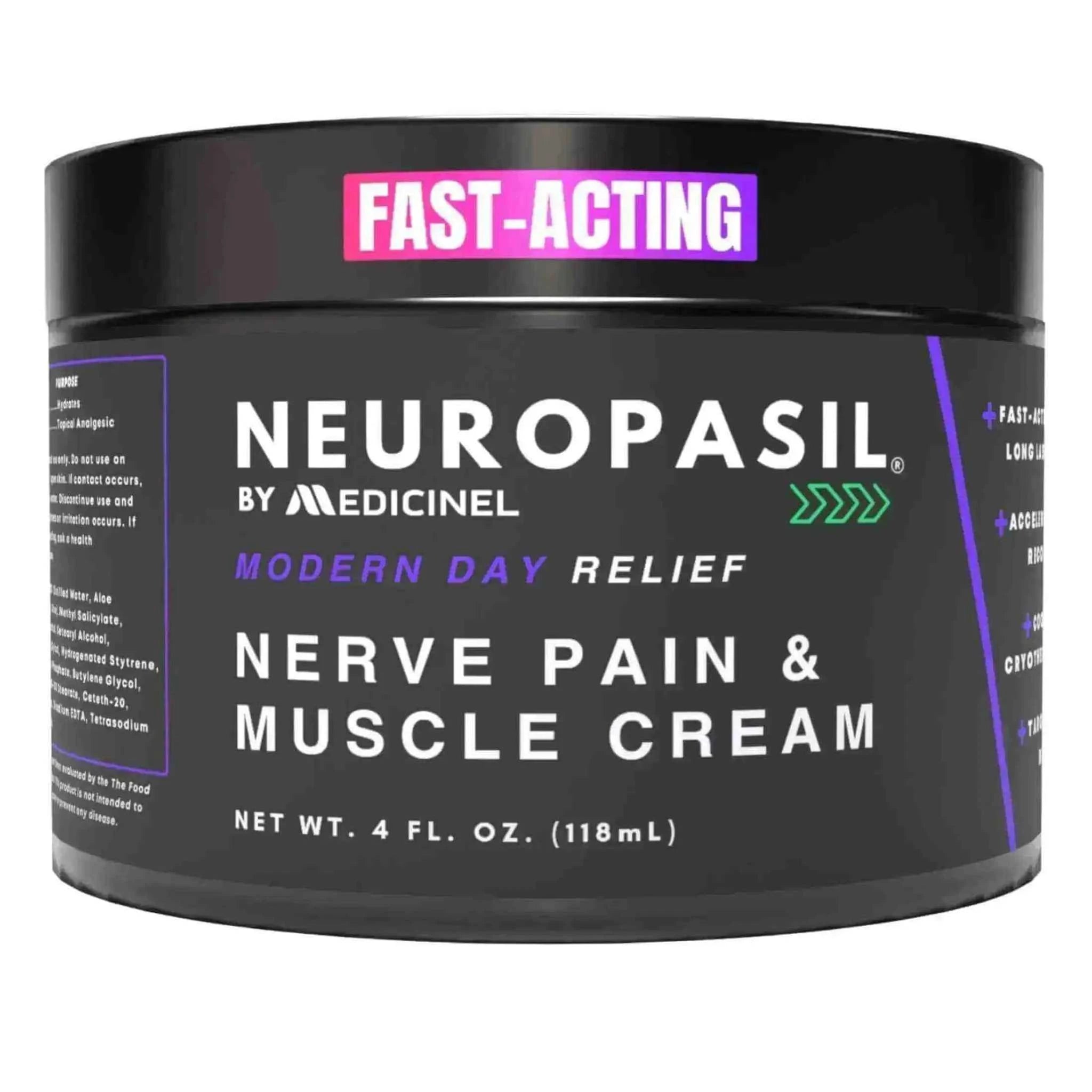
- Use targeted topical relief like Neuropasil pain relief cream to soothe sore muscles
- Introduce gentle stretches after initial inflammation subsides
- Correct your posture to prevent re-injury
That sudden twinge between your shoulder blades can stop you in your tracks. Upper back muscle strains are surprisingly common, whether from reaching for a high shelf, hunching over a desk, or an intense workout. In fact, upper back pain is a significant issue, with many cases stemming from pulled muscles.
The good news? Most pulled muscles in the upper back heal within two weeks with proper self-care. The key is knowing exactly what steps to take right now to speed up your recovery and prevent this pain from becoming a recurring problem.
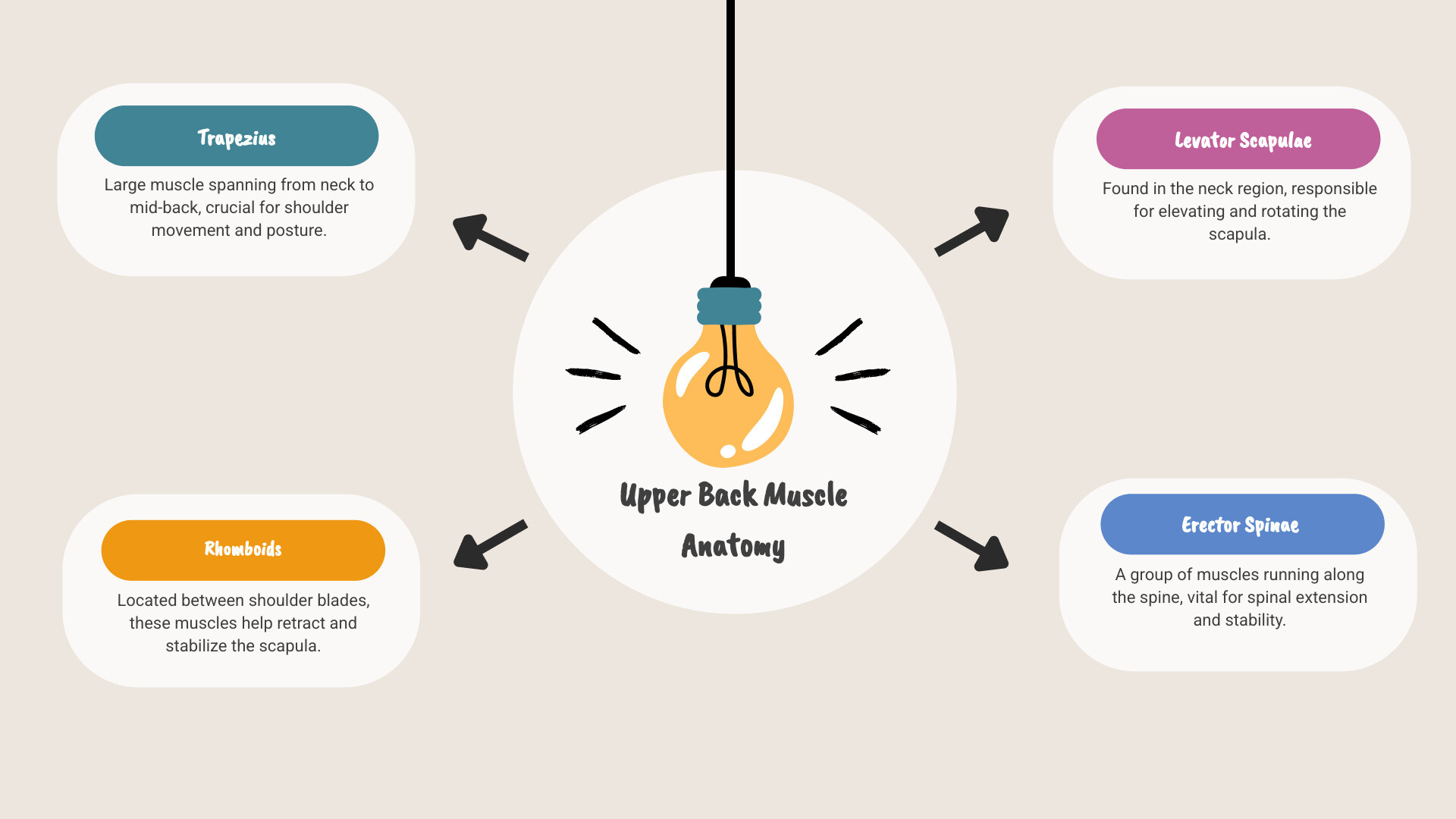
Your upper back (thoracic spine) contains a complex network of muscles, including the trapezius and rhomboids, which support your shoulders, neck, and chest. Overstretching or tearing these muscles results in pain, ranging from a dull ache to sharp, stabbing sensations that worsen with movement.
I'm Tony Enrico, and through Neuropasil, I've dedicated myself to helping athletes and active adults find fast, natural relief from muscle pain, including pulled muscle in upper back injuries that threaten to sideline your training or daily activities. In this guide, I'll walk you through five straightforward changes you can make today to start feeling better tomorrow.
Easy pulled muscle in upper back glossary:
Understanding a Pulled Muscle in Your Upper Back
So, what exactly is a pulled muscle in upper back? Medically known as a muscle strain, it happens when muscle fibers are overstretched or torn. Imagine a rubber band stretched too far—it can snap. Our muscles are similar; excessive force or sudden movements can cause damage. This can range from microscopic tears (Grade I) to partial tears (Grade II) or a complete rupture (Grade III).
The upper back, or thoracic region, consists of 12 vertebrae (T1-T12). Unlike the more mobile neck and lower back, it’s relatively stable due to its connection with the rib cage. This stability protects vital organs like the heart and lungs, but it doesn't make the area immune to muscle strains.
The key muscles often involved in an upper back strain include:
- Trapezius: This large, triangular muscle runs from your skull to your mid-back and out to the shoulders, helping you shrug, tilt your head, and move your shoulder blades. A trapezius strain is a very common type of pulled muscle in upper back.
- Rhomboids (Major and Minor): Located under the trapezius, these connect your shoulder blades to your spine and help pull them together.
- Erector Spinae: This muscle group runs along the spine, helping you stand upright and extend your back.
How does a pulled muscle in upper back differ from other back injuries? A muscle strain involves the muscle fibers or tendons, while other injuries might involve ligaments (sprains), discs (herniation), or nerves (pinched nerve). Unlike a sprain affecting ligaments, a strain targets the muscle or tendon. This distinction is important for symptoms and treatment. For a more comprehensive look, explore our Detailed Guide to Upper Middle Back Pain Causes Relief.
While lower back pain is more frequently discussed, upper back pain affects a significant portion of the population. Statistics show that 15.6% of U.S. adults experienced upper or middle back pain over a three-month period, highlighting just how common this discomfort can be.
Common Causes and Risk Factors
Several factors can contribute to a pulled muscle in upper back:
- Poor Posture: Prolonged slouching or "tech neck" from looking at screens places immense stress on upper back muscles, leading to fatigue and strain.
- Overuse or Repetitive Motion: Activities involving repetitive arm, shoulder, or upper back movements without rest can cause cumulative stress. This is common in jobs requiring constant reaching or lifting.
- Sudden Awkward Movements: A quick twist, unexpected reach, or sudden jerk can instantly overstretch muscle fibers.
- Heavy Lifting: Using incorrect techniques, like bending at the back instead of the knees or twisting while lifting, puts immense strain on upper back muscles.
- Sports Injuries: Athletes in contact sports or those with repetitive overhead movements (tennis, golf) are at higher risk due to forceful contractions or impacts.
- Weak Core Muscles: A weak core forces upper back muscles to overcompensate for stability, increasing injury risk. Research shows stronger core muscles significantly lower back injury rates.
- Stress and Muscle Tension: Chronic stress often leads to muscle tightness in the shoulders and upper back, making muscles less pliable and more vulnerable to strain.
Common Symptoms of a Pulled Muscle in the Upper Back
When you've got a pulled muscle in upper back, your body lets you know. Symptoms can vary depending on the severity, but here's what you might experience:
- Sudden, Sharp Pain: Often felt at the moment of injury, sometimes described as a "pop" or tearing sensation.
- Aching or Throbbing Pain: A more generalized discomfort that can persist even at rest.
- Stiffness: A noticeable reduction in your ability to move your neck, shoulders, or upper torso.
- Limited Range of Motion: Difficulty or pain when rotating your torso, shrugging your shoulders, or lifting your arms.
- Muscle Spasms: Involuntary, painful contractions of the injured muscle.
- Pain that Worsens with Movement: Any action that engages the injured muscle will likely intensify the pain.
- Tenderness to the Touch: The injured area will feel sore and sensitive when pressed.
- Swelling, Redness, or Bruising: In more severe strains (Grade II or III), you might see visible signs of inflammation.
It's important to understand the severity. A Grade I strain might be a mild discomfort, but a Grade III strain could mean intense pain and a significant loss of function. For more on muscle injuries, check out our guide on When Muscles Snap: A Guide to Strains and Tears.
5 Easy Changes for Relief and Recovery
When a pulled muscle in upper back strikes, you want relief. Beyond immediate comfort, the goal is a full recovery and preventing future incidents. These five easy changes combine actionable healing steps with long-term prevention strategies.
1. Implement Immediate At-Home Care
The first 48 hours after an injury are crucial. Your immediate response can significantly impact the healing process for a pulled muscle in upper back.
- Rest: This means avoiding activities that aggravate your pain. Listen to your body and give the injured muscle a break from heavy lifting, strenuous exercise, or awkward movements.
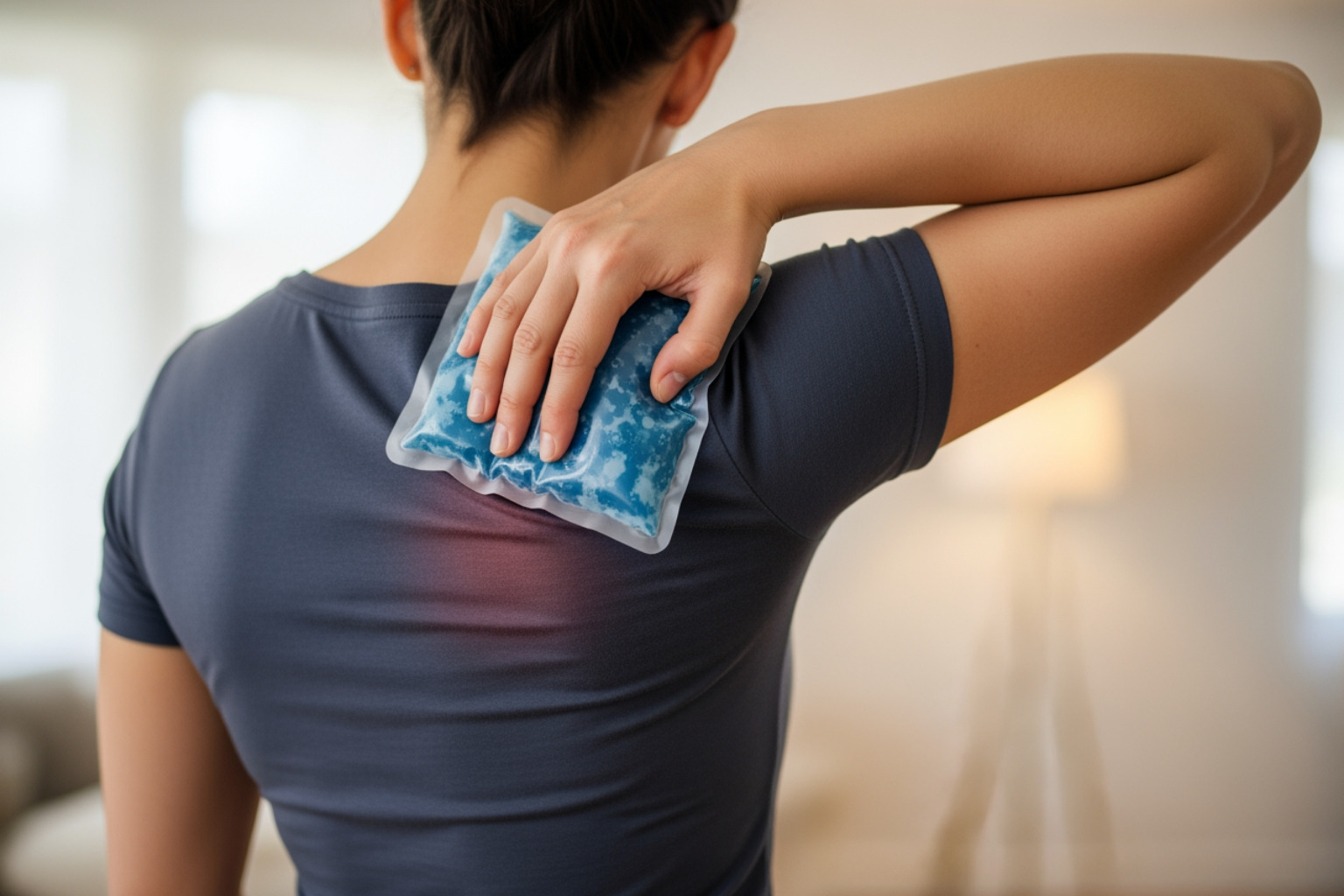
- Ice for the First 48 Hours: The R.I.C.E. method (Rest, Ice, Compression, Elevation) is a cornerstone of acute injury treatment. Apply a cold pack, wrapped in a thin towel, to the injured area for 15-20 minutes every 2-3 hours to reduce inflammation and pain.
- Heat After 48 Hours: Once initial swelling subsides (typically after 48 hours), switch to heat. A warm compress or heating pad on a low setting for 15-20 minutes can relax tight muscles and increase blood flow, promoting healing.
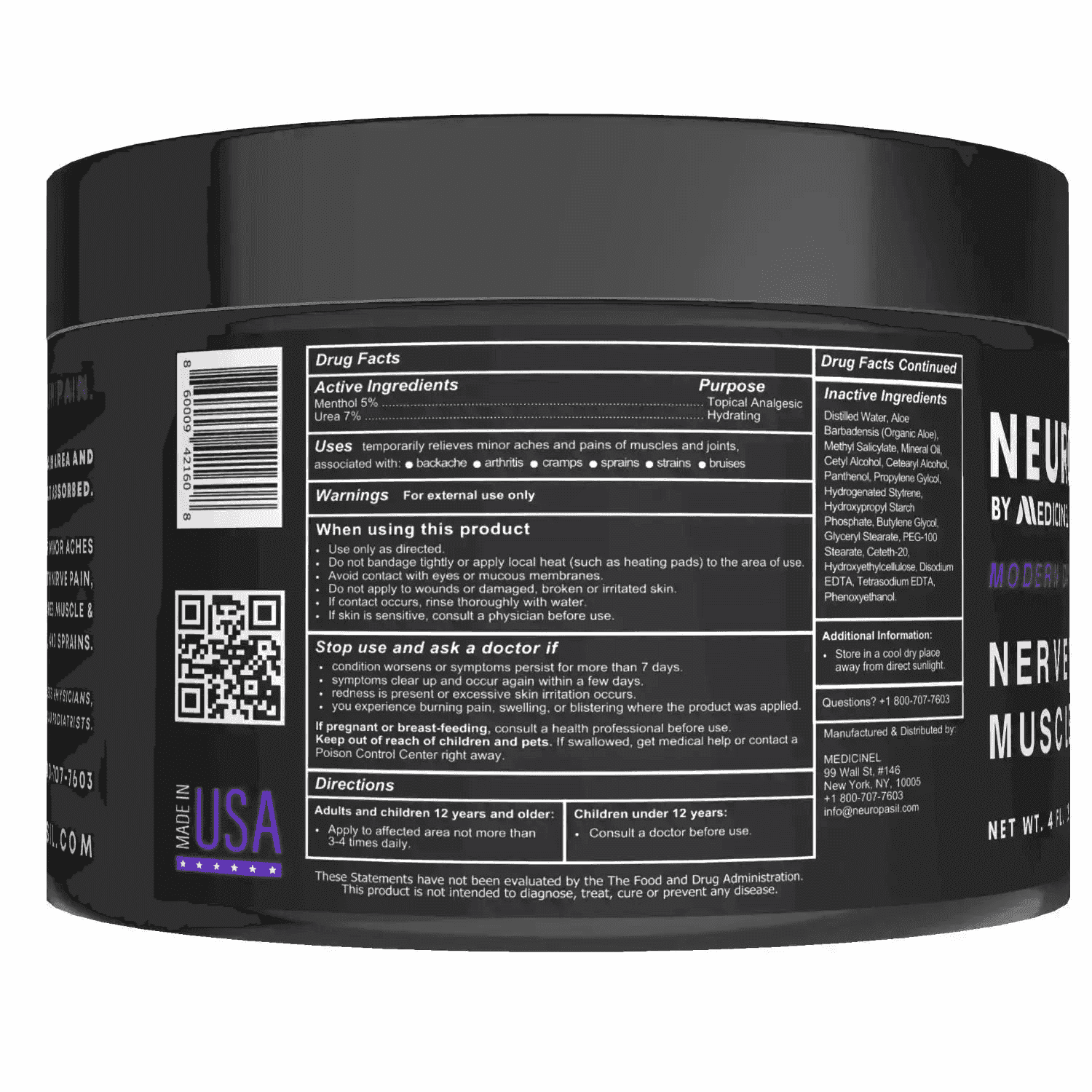
- Targeted Topical Relief: A topical analgesic offers relief directly at the site of pain. We recommend Neuropasil pain relief cream for its fast-acting, soothing properties. Infused with natural ingredients like Aloe, Urea, and Menthol, it provides a cooling sensation that penetrates deep to calm muscle aches. Applying it to your pulled muscle in upper back can provide significant comfort, allowing you to move more freely. To learn more, explore our An Essential Guide to Effective Pain Relief Cream for Back.
Here's a quick recap of your at-home care options:
- Rest the injured muscle.
- Ice the area for 15-20 minutes every 2-3 hours for the first 48 hours.
- Compression (a light bandage can provide support).
- Elevation (use pillows to prop yourself up).
- Apply Neuropasil pain relief cream for targeted soothing relief.
2. Introduce Gentle Stretches and Movement
After the initial 48-hour mark, once acute pain subsides, gently reintroduce movement. This prevents stiffness and promotes recovery by improving flexibility and blood flow. Stop immediately if any stretch causes sharp pain.

Here are some gentle stretches to start with:
- Cat-Cow Stretch: On your hands and knees, alternate between arching your back on an inhale (cow) and rounding your spine on an exhale (cat) to mobilize the upper back.
- Thoracic Extension: While seated, interlace your fingers behind your head and gently lean back over the chair's backrest to extend your upper spine.
- Scapular Squeezes: Sit or stand tall and gently squeeze your shoulder blades together. Hold for 5-10 seconds and repeat 10-15 times.
- Upper Trap Stretch: Gently tilt your head, bringing your ear toward your shoulder. Hold for 20-30 seconds on each side.
- Doorway Stretch: Stand in a doorway with forearms on the frame (elbows at 90 degrees). Lean forward gently to stretch your chest and shoulders, relieving upper back tension.
These movements help restore range of motion and prevent the muscle from becoming chronically stiff. For more ways to keep your traps happy, check out Unlock Your Traps: Simple Stretches for a Happier Back.
3. Correct Your Posture and Ergonomics
Poor posture is a major contributor to a pulled muscle in upper back. Consciously improving your posture and workspace ergonomics is a game-changer for recovery and prevention.
- Banish "Tech Neck": Avoid looking down at phones for long periods. Bring your device to eye level or take frequent breaks to look up and stretch.
- Sit and Stand Tall: Be mindful of your posture. Keep your shoulders back and down, and your spine naturally aligned. Avoid slouching.
- Ergonomic Desk Setup: An ergonomic setup is essential for desk work. Your monitor should be at eye level, your keyboard at elbow height, and your chair should provide good lumbar support with your feet flat on the floor.
- Proper Lifting Techniques: When lifting, bend at your knees, keep your back straight, and hold the object close to your body. Use your leg muscles, not your back.
By being mindful of your posture, you reduce constant strain on your upper back muscles. Cleveland Clinic emphasizes good posture, advising to Stand and sit tall. Don't slump or slouch..
4. Begin Strengthening Exercises for Prevention
When pain has reduced and range of motion has improved, begin gentle strengthening. Strong muscles are resilient and help support your spine, improve balance, and reduce future strain risk. Start slowly and increase intensity gradually.
- Wall Slides: Stand with your back against a wall. With arms bent at 90 degrees and forearms against the wall, slowly slide your arms up and down to activate shoulder stabilizers.
- Rows with Resistance Bands: Anchor a band at chest height. Pull the band toward you, keeping elbows close to your body and squeezing your shoulder blades. This targets the rhomboids and middle trapezius.
- Superman Exercise: Lie face down with arms extended. Gently lift your arms, chest, and legs off the floor, engaging your back muscles. Hold for a few seconds, then lower.
- Core Strengthening: A strong core provides a stable foundation for your spine. Incorporate exercises like planks, bridges, and partial crunches to improve overall back health and reduce injury risk.
Incorporating these into your routine can make a huge difference in preventing a future pulled muscle in upper back. For more ideas, our Cheat Sheet to Shoulder Recovery Workouts offers great insights.
5. Make Lifestyle Adjustments to Prevent Re-injury
Beyond healing a pulled muscle in upper back, preventing recurrence is key. Long-term relief depends on sustainable lifestyle changes that support muscle and spinal health.
- Stress Management: Chronic stress can manifest as muscle tension. Incorporate stress-reducing activities like deep breathing, meditation, or yoga into your daily routine.
- Stay Hydrated and Eat Well: Muscles need proper nutrition and hydration to heal. A balanced diet and plenty of water support muscle recovery.
- Take Regular Breaks: If your job involves prolonged sitting, take short breaks every 30-60 minutes to stand, walk, and stretch.
- Maintain a Healthy Weight: Excess body weight increases strain on your entire back. Maintaining a healthy weight reduces this load.
- Warm-up and Cool-down: Always warm up before physical activity and cool down with gentle stretches afterward to prepare and recover your muscles.
By adopting these lifestyle adjustments, you're investing in your long-term spinal health. For a holistic approach, check out our Active Lifestyle Pain Management: The Ultimate Guide to Staying Pain-Free and Energized.
When to Seek Professional Help
While most minor pulled muscle in upper back injuries can be managed at home, it's crucial to know when to consult a healthcare professional. Self-care has its limits, and a proper diagnosis is key to ruling out more serious conditions.
Recovery Timeline for a Pulled Muscle in the Upper Back
The healing journey for a pulled muscle in upper back varies based on the severity:
- Mild Strains (Grade I): Involve minor tears with discomfort but normal movement. Recovery usually takes 1 to 3 weeks with self-care.
- Moderate Strains (Grade II): Involve partial muscle tears, causing more pain, swelling, and limited movement. Recovery can take 3 to 6 weeks.
- Severe Strains (Grade III): A complete muscle rupture with intense pain, swelling, and loss of function. These can take several months to heal and may require professional medical intervention.
Most pulled muscle injuries heal in about two weeks with consistent self-care. However, factors like age, overall health, and adherence to treatment can affect your recovery timeline. For more insights, you can read our guide on How to Speed Up Muscle Strain Recovery in Simple Steps.
Red Flag Symptoms
While we encourage proactive self-care, certain "red flag" symptoms warrant immediate medical attention as they could indicate a more serious issue than just a pulled muscle in upper back:
- Pain that Doesn't Improve After a Week: If your pain is severe or doesn't improve after 7-10 days of home care, see a doctor.
- Numbness or Tingling in Arms or Legs: This could indicate nerve involvement or compression.
- Weakness in Limbs: New or worsening weakness in your arms or legs requires medical help.
- Loss of Bladder or Bowel Control: This is a medical emergency and requires immediate attention.
- Fever or Unexplained Weight Loss: If your back pain is accompanied by these symptoms, it could point to an infection or other systemic issues.
- Severe, Unrelenting Pain: Pain that is excruciating or prevents you from sleeping should be evaluated by a healthcare provider.
- Pain After Significant Trauma: If your pain resulted from a fall or car accident, get it checked to rule out fractures or other serious injuries.
When in doubt, always err on the side of caution and consult a medical professional.
Frequently Asked Questions about Upper Back Strains
How do I know if my upper back pain is a pulled muscle or something more serious?
A pulled muscle in upper back typically presents with localized pain that sharpens with specific movements or when the muscle is touched. You might feel stiffness, muscle spasms, or a dull ache. More serious conditions, such as nerve compression or disc issues, often involve radiating pain (e.g., down an arm), numbness, tingling, or significant weakness in your limbs. If you experience any of these "red flag" symptoms or if your pain is severe and doesn't improve with home care, it's best to consult a healthcare professional for an accurate diagnosis.
Can I use a pain relief cream for a pulled upper back muscle?
Yes, absolutely! Topical analgesics, like Neuropasil pain relief cream, can be an excellent option for a pulled muscle in upper back. Our creams deliver targeted relief directly to the affected area, bypassing your digestive system. Ingredients like menthol create a cooling sensation that helps to soothe sore muscles and block pain signals, while aloe and urea support skin health and ingredient absorption. This can provide significant comfort and help you manage the pain as your muscle heals. Find out more about the best pain relief creams for muscle pain.
How should I sleep with a pulled muscle in my upper back?
Finding a comfortable sleeping position can be a challenge with a pulled muscle in upper back. We recommend trying to sleep on your back with a pillow placed under your knees to maintain the natural curve of your spine and reduce pressure on your back. If you prefer sleeping on your side, place a pillow between your knees to keep your hips and spine aligned. Try to avoid sleeping on your stomach, as this can twist your neck and exacerbate upper back strain. A supportive pillow for your head and neck is also crucial to keep your spine in a neutral position.
Your Path to a Pain-Free Back
A pulled muscle in upper back can be a real nuisance, impacting your daily activities and overall quality of life. But as we've explored, understanding the injury and taking proactive steps can make all the difference in your recovery.
By implementing these five easy changes—immediate at-home care, gentle stretches, posture correction, strengthening exercises, and healthy lifestyle adjustments—you're not just reacting to pain; you're actively promoting healing and building resilience against future injuries. Consistency is key, so incorporate these steps into your routine, even after the pain subsides.
We're passionate about helping you live a pain-free, active life. Don't let a pulled muscle in upper back keep you on the sidelines. Take control of your recovery today.
Explore our full range of natural pain relief solutions and find how Neuropasil can support your journey back to comfort and vitality. For additional strategies and treatments specifically for trapezius muscle strains, be sure to read our Top 7 Trapezius Muscle Strain Treatments for Fast Relief and Recovery.
References
- Akhtar, M. W., et al. (2017). Effectiveness of core stabilization exercises and routine exercise therapy in management of non-specific low back pain: A randomized controlled clinical trial. Pakistan journal of medical sciences, 33(4), 1002–1006. Retrieved from https://www.ncbi.nlm.nih.gov/pmc/articles/PMC5648932/
- Centers for Disease Control and Prevention. (2021). Back Pain Among U.S. Adults. Retrieved from https://www.cdc.gov/nchs/products/databriefs/db415.htm
- Cleveland Clinic. (n.d.). Back Strains and Sprains. Retrieved from https://my.clevelandclinic.org/health/diseases/10265-back-strains-and-sprains
- Cleveland Clinic. (2022a). Muscle Strain. Retrieved from https://my.clevelandclinic.org/health/diseases/22336-muscle-strains
- Cleveland Clinic. (2022b). 3 Tips for Fixing Your Poor Posture. Retrieved from https://health.clevelandclinic.org/poor-posture-hurts-your-health-more-than-you-realize-3-tips-for-fixing-it/
- UPMC. (n.d.). How to Use the R.I.C.E. Method for Treating Injuries. Retrieved from https://upmc.ie/blog/orthopaedic-care/how-to-use-the-r-i-c-e-method-for-treating-injuries