Why Stretching of Trapezius Muscles Matters for Your Daily Comfort
Stretching of trapezius muscles is one of the most effective ways to relieve upper back and neck tension that affects millions of people every day. If you've ever caught your shoulders creeping up toward your ears, felt a persistent ache between your shoulder blades, or struggled with a stiff neck that just won't quit, your trapezius muscles are likely crying out for attention.
Quick Answer: How to Stretch Your Trapezius
- Upper Trapezius: Gently tilt your head toward one shoulder, hold 20-30 seconds
- Middle Trapezius: Pull one arm across your chest, hold with opposite hand
- Lower Trapezius: Perform Cat-Cow pose or wall angels to engage the full muscle
- Key Rules: Never bounce, breathe deeply, stop if you feel pain, stretch both sides
The trapezius is a large, triangular muscle that extends from the base of your skull, across your shoulders, and down to your mid-back. Research shows that trapezius muscle activity increases during stressful situations, and more than 30% of people experience neck and upper back pain annually—often directly related to tight or strained trap muscles. Whether you're hunched over a laptop, carrying heavy bags, or dealing with the physical toll of athletic training, your traps bear the burden.
Past attempts at stretching may have failed because you didn't address all three parts of the muscle (upper, middle, and lower), stretched inconsistently, or never tackled the root causes like poor posture or stress. This guide will change that. You'll learn the exact stretches that target each section of your trapezius, how to build a sustainable routine, and complementary strategies that make relief last.
I'm Tony Enrico, and through my work with Neuropasil, I've helped thousands of athletes and active adults find relief from persistent muscle pain, including the often-overlooked importance of proper stretching of trapezius muscles. My mission is to give you the tools to reclaim comfort and mobility—starting right now.
Understanding Your Trapezius: Anatomy and Common Causes of Pain
Before we dive into how to stretch them, let's get to know these crucial muscles a little better. The trapezius muscle is a large, triangular muscle that starts at the base of your neck, extends across your shoulders, and then goes down to the middle of your back. In fact, if you look at both trapezius muscles together, they form a diamond or trapezoid shape – hence the name!
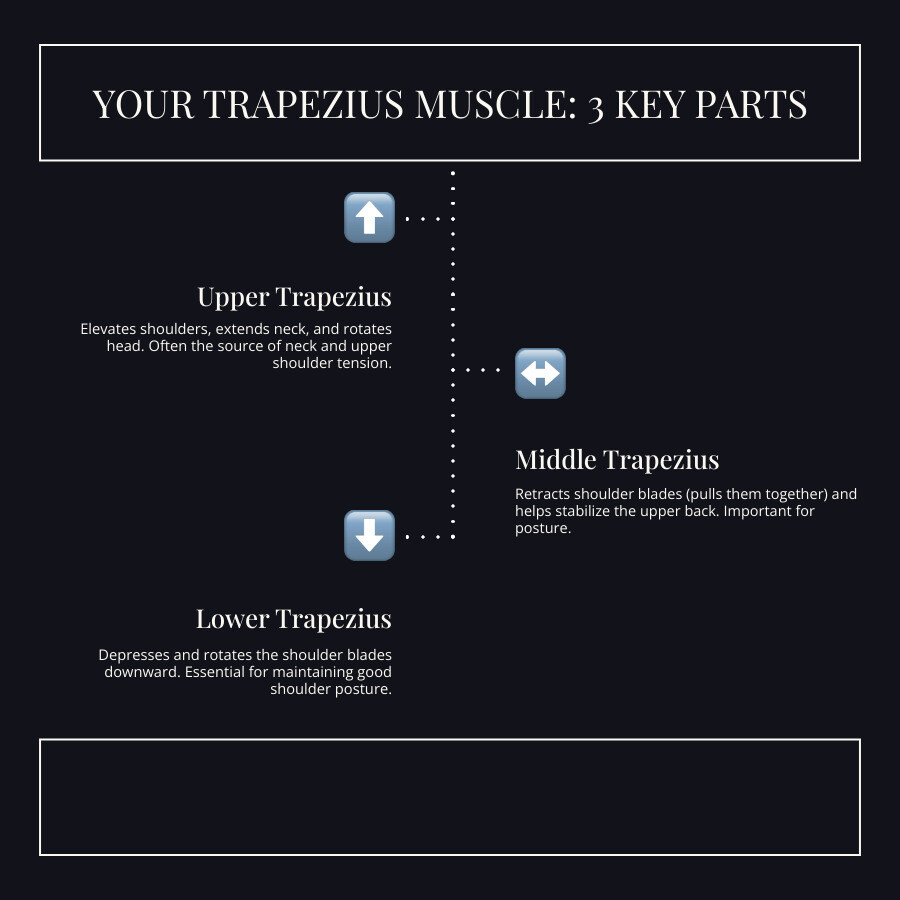
This mighty muscle isn't just one big slab; it's divided into three distinct parts, each with its own responsibilities:
- Upper Trapezius: Located at the top, from the base of your skull down to your shoulders. This part is responsible for elevating your shoulder blades (think shrugging) and extending or rotating your neck. It's often the first place we "carry stress."
- Middle Trapezius: Running across your upper back between your shoulder blades. Its main job is to retract your shoulder blades, pulling them closer together. This is key for good posture!
- Lower Trapezius: Extending from the middle of your back up towards your shoulder blades. This section depresses and upwardly rotates the shoulder blades, helping with overhead arm movements and stabilizing your arm.
Together, these fibers work to move and rotate your shoulder blade, stabilize your arm, and extend your neck. They are truly your back's best friend, playing a crucial role in almost every upper body movement. Learn more about its critical functions in our article, The trapezius muscle: Your back's best friend.
Why Do Our Trapezius Muscles Become Tight or Painful?
If your trapezius muscles are so important, why do they often feel like tight, knotted ropes? It's a question many of us ask, especially after a long day. Several factors contribute to trapezius tightness and pain, also known as trapezius myalgia:
- Poor Posture: This is often the biggest culprit. Spending prolonged periods hunched over a desk, looking down at phones (hello, "tech neck"), or generally slouching puts immense strain on your trapezius. Our heads tend to be more forward, and shoulders lifted up, forcing the upper traps to work harder than they should.
- Stress: Our bodies are incredibly responsive to our mental state. Research shows that trapezius muscle activity increases during stressful situations. When we're stressed, we instinctively tense our shoulders, putting an extra burden on the trapezius. This can also decrease our tolerance to pain, making us more likely to notice—and be bothered by—any discomfort. You can read more about this connection here: Research on how stress increases muscle tension.
- Repetitive Strain & Overuse: Activities that involve repetitive overhead movements, heavy lifting, or push-pulling motions can put excessive pressure on these muscles. Think manual labor, certain sports, or even carrying a heavy bag consistently on one shoulder. This can lead to muscle strains, where muscle fibers tear due to excessive force.
- Muscle Imbalances: Sometimes, other muscles are weak, forcing the trapezius to overcompensate. For example, weakness in the chest or other upper back muscles can strain the traps.
- Sleeping Position: Awkward sleeping positions or an inadequate pillow that doesn't support your neck properly can lead to morning stiffness and pain in your trapezius.
- Past Injury or Trauma: Accidents like whiplash can cause the trapezius muscles to tighten as a protective response, and this tightness can linger long after the initial injury.
Trapezius myalgia is a prevalent condition characterized by upper back and neck pain, commonly affecting those engaged in prolonged desk work, repetitive overhead activity, or manual labor. Understanding these causes is the first step toward effective relief through stretching of trapezius muscles and other strategies.
The Ultimate Guide to Effective Stretching of Trapezius Muscles
Now that we know what makes our traps tick (and ache), let's get to the good stuff: how to release that tension. Effective stretching of trapezius muscles isn't just about pulling; it's about proper technique, consistency, and listening to your body.
Here are the golden rules for performing trapezius stretches:
- Gentle Pressure, No Bouncing: Always apply gentle, steady pressure. Never bounce into a stretch, as this can activate the stretch reflex and cause your muscles to contract, increasing your risk of injury.
- Breathe Deeply: Inhale deeply through your nose, expanding your belly, and exhale slowly. Deep breathing helps relax your muscles and allows for a deeper, more effective stretch.
- Hold for 20-30 Seconds: For static stretches, aim to hold each stretch for at least 20 to 30 seconds. This duration allows the muscle fibers to lengthen gradually. Repeat each stretch 2-3 times.
- Pain-Free Range of Motion: Stretching should never be painful. You should feel a gentle pull, not sharp pain. If you feel pain, ease off the stretch or stop.
- Stretch Both Sides: Even if one side feels tighter, always stretch both sides of your body. If one side is particularly tight, you can spend a little more time on it.
- Start with Good Posture: Before you begin, sit or stand tall with your ears aligned over your shoulders and hips, shoulders relaxed, and core gently engaged.
Stretches for the Upper Trapezius
The upper traps are often the most problematic, acting as our body's stress sponges. These stretches target that nagging tension at the base of your neck and top of your shoulders.
1. Ear-to-Shoulder Stretch
This classic stretch is fantastic for releasing tension in the upper trapezius.
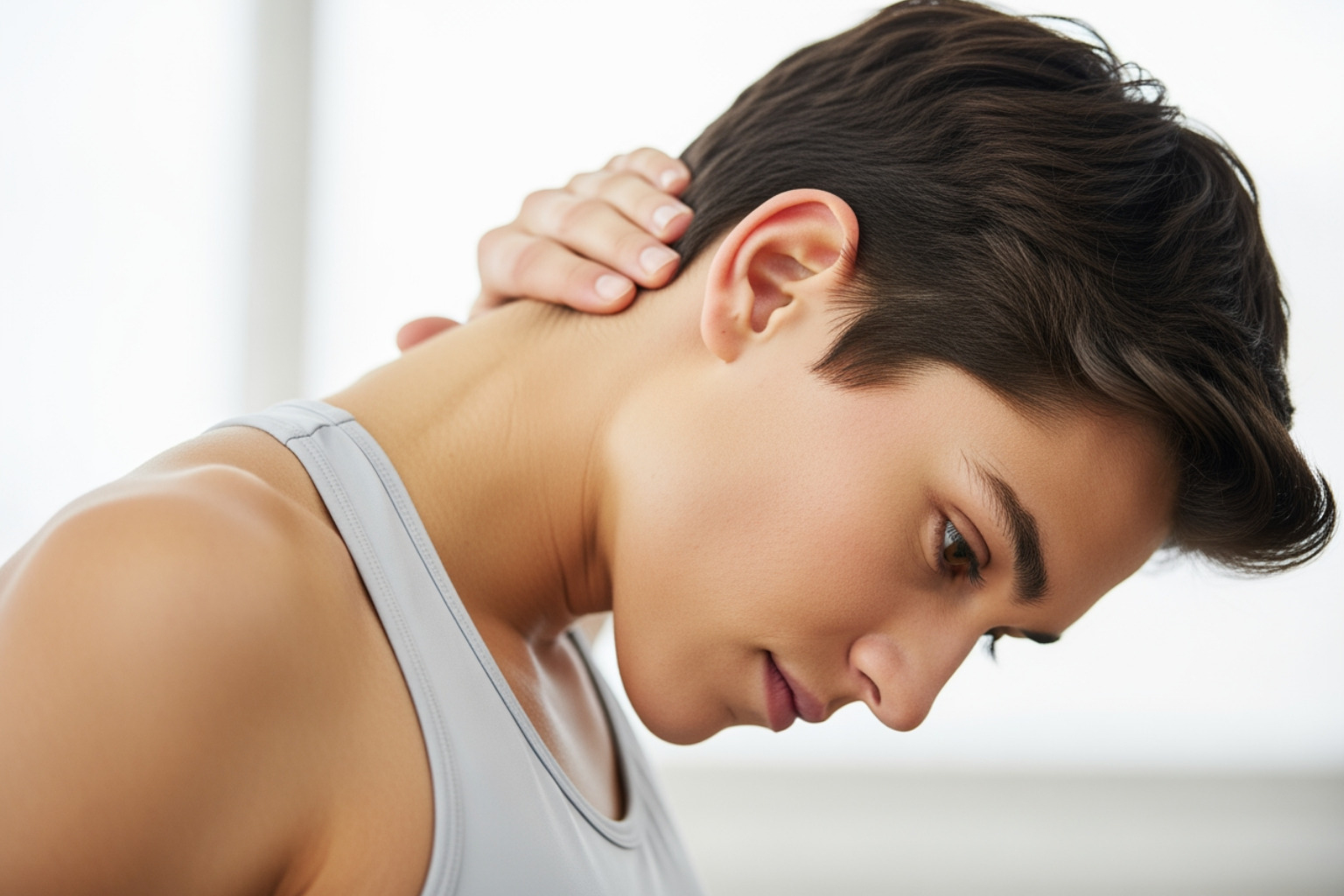
- How to do it: Sit or stand tall. Gently tilt your head to one side, bringing your ear towards your shoulder. Keep your shoulders relaxed and down. You should feel a stretch on the opposite side of your neck and shoulder.
- Deepen the stretch: For a deeper stretch, you can gently place the hand from the side you are tilting towards on top of your head, allowing its weight to provide slight additional pressure. Crucially, do not pull on your head; just let your hand rest there.
- Important: If your opposite shoulder starts to lift, ease your head back slightly to relax that shoulder down.
- Hold: 20-30 seconds per side, repeat 2-3 times.
2. Chin Tuck
While not a direct stretch, chin tucks strengthen the front neck muscles, which helps alleviate the load on your overworking upper trapezius and improves posture.
- How to do it: Sit or stand tall. Gently pull your chin straight back as if you're trying to make a double chin. Your ears should align directly over your shoulders.
- Hold: 10 seconds, then relax. Repeat 10 times, for 3 sets.
3. Head Tilt Variations
To target slightly different fibers within the upper trapezius and surrounding muscles, try these variations:
- Diagonal Head Tilt: From the ear-to-shoulder position, gently rotate your head so your nose points towards your armpit on the same side as the stretch. Use your opposite hand to keep your shoulder down. Hold for 30 seconds.
- Looking Up Head Tilt: From the ear-to-shoulder position, gently look up towards the ceiling, keeping your shoulder down. Hold for 30 seconds.
- Hold: 30 seconds per variation, per side.
Stretches for the Middle Trapezius
The middle trapezius often gets tight from forward-rounded shoulders, contributing to pain between the shoulder blades. These stretches aim to open up that area.
1. Cross-Body Shoulder Stretch
This stretch helps lengthen the middle trapezius and the muscles around your shoulder blade.
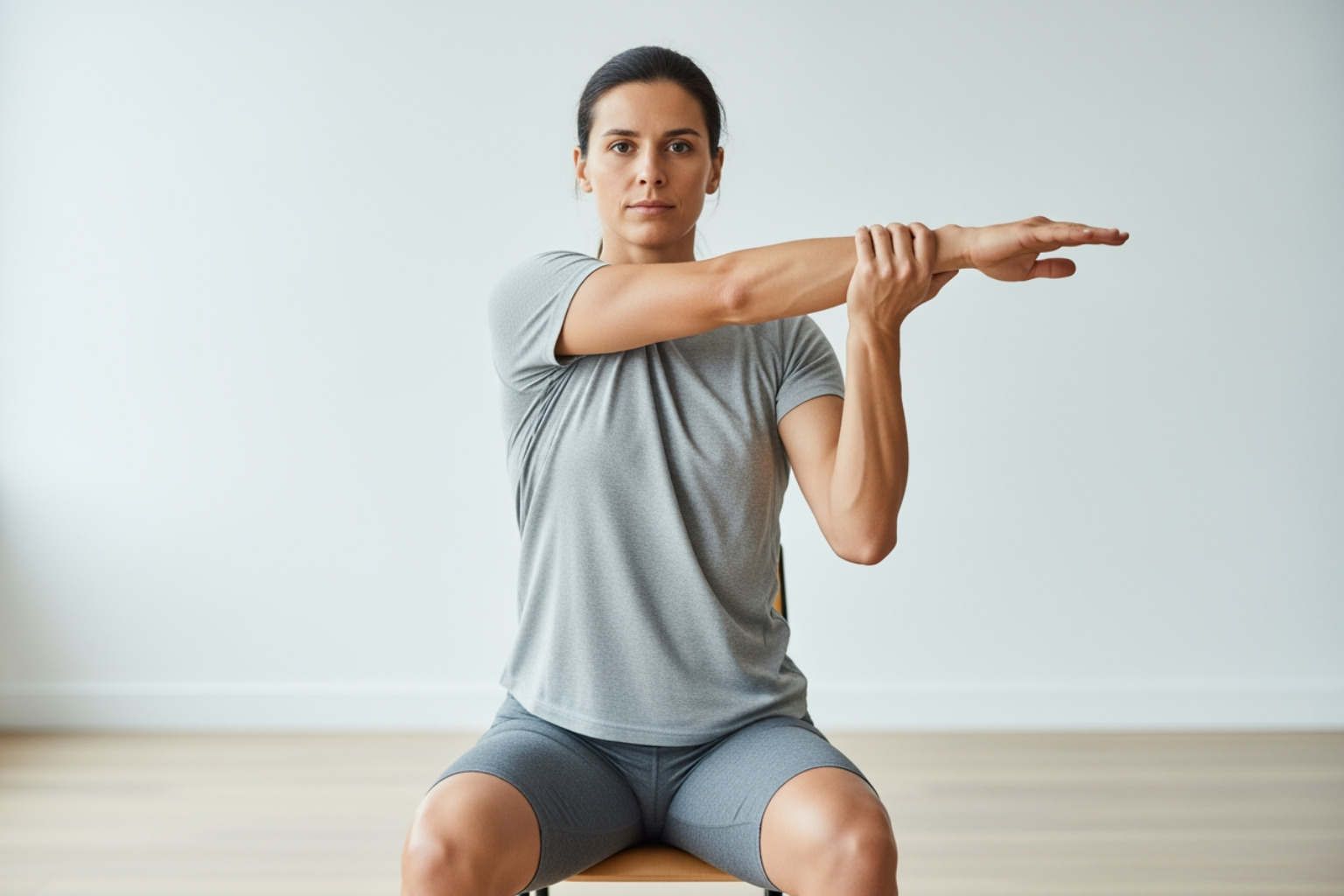
- How to do it: Stand or sit tall. Bring one arm straight across your chest, parallel to the floor. Use your opposite hand to gently pull the elbow of the stretching arm closer to your chest. You should feel the stretch across the back of your shoulder and between your shoulder blades.
- Hold: 20-30 seconds per side, repeat 2-3 times.
2. Thread the Needle Pose
A wonderful yoga pose that mobilizes the middle trapezius and thoracic spine.
- How to do it: Start on your hands and knees in a tabletop position. Slide your right arm under your left armpit, palm facing up, until your right shoulder and the side of your head rest on the floor. Keep your left hand on the floor or extend it forward for more balance.
- Hold: 20-30 seconds, then gently push back to tabletop and repeat on the other side.
3. Scapular Squeezes
While technically a strengthening exercise, scapular squeezes are excellent for activating and improving the awareness of your middle trapezius, which can reduce tension from slouching.
- How to do it: Sit or stand tall, shoulders relaxed down. Gently squeeze your shoulder blades together as if you're trying to hold a pencil between them. Make sure you don't lift your shoulders towards your ears.
- Hold: 10 seconds, then relax. Repeat 10 times, for 3 sets.
Stretches for the Lower Trapezius
The lower traps are crucial for shoulder stability and good posture, especially during overhead movements. Strengthening and stretching this area can prevent injury and improve overall function.
1. Cat-Cow Pose (Marjaryasana-Bitilasana)
This dynamic yoga pose is excellent for spinal flexibility and releasing tension throughout the entire back, including the lower trapezius.
-
How to do it: Start on your hands and knees, hands directly under your shoulders, knees under your hips.
- Cow Pose (Inhale): Drop your belly towards the floor, lift your chest and tailbone towards the ceiling, gently arching your back and looking up.
- Cat Pose (Exhale): Round your spine towards the ceiling, tuck your chin to your chest, and draw your navel towards your spine. Focus on the area between your shoulder blades.
- Flow: Alternate between Cat and Cow poses for 60 seconds, performing 10-15 repetitions.
2. Wall Angels for Mobility
This exercise helps improve shoulder mobility and engages the lower trapezius to pull your shoulder blades down and back.
- How to do it: Stand with your back flat against a wall, feet about 6-12 inches away. Keep your head, upper back, and glutes against the wall. Bring your arms up so your elbows and the backs of your hands are also touching the wall, forming a "W" shape. Slowly slide your arms up the wall, as if making a snow angel, trying to keep your elbows and wrists in contact with the wall as much as possible.
- Repeat: 10-15 repetitions, 2-3 sets.
3. Y-Raises (Modified)
This is primarily a strengthening exercise for the lower trapezius, but it helps with muscle activation and endurance, which is crucial for long-term relief and posture.
- How to do it (Bodyweight): Lie face down on the floor with your arms extended forward in a "Y" shape, thumbs pointing up. Keep your neck long and gaze down. Gently lift your arms a few inches off the floor, squeezing your shoulder blades together and down. Avoid shrugging your shoulders towards your ears.
- Hold: Briefly at the top, then slowly lower. Repeat 10-15 repetitions, 2-3 sets.
Beyond the Stretch: A Complete Plan for Lasting Relief
While stretching of trapezius muscles is incredibly effective, true, lasting relief comes from a holistic approach. We need to combine stretching with other strategies that address the root causes of our pain. This comprehensive plan ensures we're not just patching up symptoms but building a stronger, more resilient body. This approach will help us to unlock your traps: simple stretches for a happier back.
Creating a Routine for Stretching of Trapezius Muscles
Consistency is paramount when it comes to flexibility and pain management. Our bodies respond best to regular care.
- How Often? Ideally, we should aim to incorporate daily stretching into our routine. Many experts recommend performing these stretches two to three times daily, especially if you're experiencing pain or stiffness. Even short bursts of stretching are beneficial.
-
Daily Routine Suggestions:
- Morning: A gentle series of stretches to wake up your muscles and improve circulation.
- Mid-day "Movement Snacks": If you have a sedentary job, take a break every thirty minutes. Stand up, roll your shoulders, do a few chin tucks, and perform a quick ear-to-shoulder stretch. These "movement snacks" are vital for counteracting prolonged static positions.
- Evening: A longer, more relaxing stretching session to release the tension accumulated throughout the day.
- The Importance of Stretching: Regular stretching increases our neck range of motion, improves posture, promotes better alignment, and reduces the risk of injuries related to the neck, shoulders, and upper back. As Harvard Health emphasizes, the importance of stretching for flexibility cannot be overstated.
-
Safety Precautions & When to Avoid:
- Always listen to your body. If a stretch causes sharp pain, stop immediately.
- Avoid stretching an acutely injured muscle (e.g., a recent muscle strain or tear) without prior medical clearance. Rest and ice are often the first steps in such cases.
- If you have underlying medical conditions like cervical radiculopathy or other neck issues, consult a doctor or physical therapist before starting any new stretching routine.
Complementary Therapies to Improve the Stretching of Trapezius
Stretching is a powerful tool, but it's even more effective when combined with other supportive practices.
1. Ergonomic Adjustments
Our environment profoundly impacts our posture and muscle health.
- Desk Setup: Ensure your computer monitor is at eye level, so you're not looking down. Your chair should support the natural curve of your lower back, and your feet should be flat on the floor or a footrest. Your keyboard and mouse should be close enough to keep your elbows at a 90-degree angle.
- Posture Awareness: Consciously maintain good posture throughout the day. Keep your chest lifted, shoulders back and relaxed (not shrugged), and your chin gently tucked so your head is aligned over your spine. Use a small pillow or rolled towel for lower back support when seated.
2. Self-Massage Techniques
Massaging tight muscles before stretching can significantly improve the effectiveness of your stretches by increasing blood flow and releasing initial tension.
- Tennis Ball Release: Lie on your back on the floor, or stand against a wall, and place a tennis ball or lacrosse ball between your upper back/shoulder blade area and the surface. Gently roll over the ball, applying pressure to tender spots. Hold pressure on a "knot" for 30-60 seconds until it releases.
- Professional Massage: For stubborn tension, deep-tissue massage from a qualified professional can provide instant relief. If you're in New York City, consider seeking out a local therapist specializing in musculoskeletal pain.
3. The Role of Physical Therapy
If you're struggling with persistent trapezius pain or tightness, a physical therapist can be a game-changer. They can:
- Perform a full assessment to identify muscle imbalances, tightness, and weakness.
- Develop a personalized exercise program that includes targeted stretches and strengthening exercises.
- Teach you proper body mechanics and ergonomic adjustments specific to your daily activities.
- Provide manual therapy techniques like dry needling or myofascial release. Physical therapy is one of the top treatments for joint and muscle pain, helping to build strength, improve mobility, and reduce pain.
4. Topical Pain Relief Creams
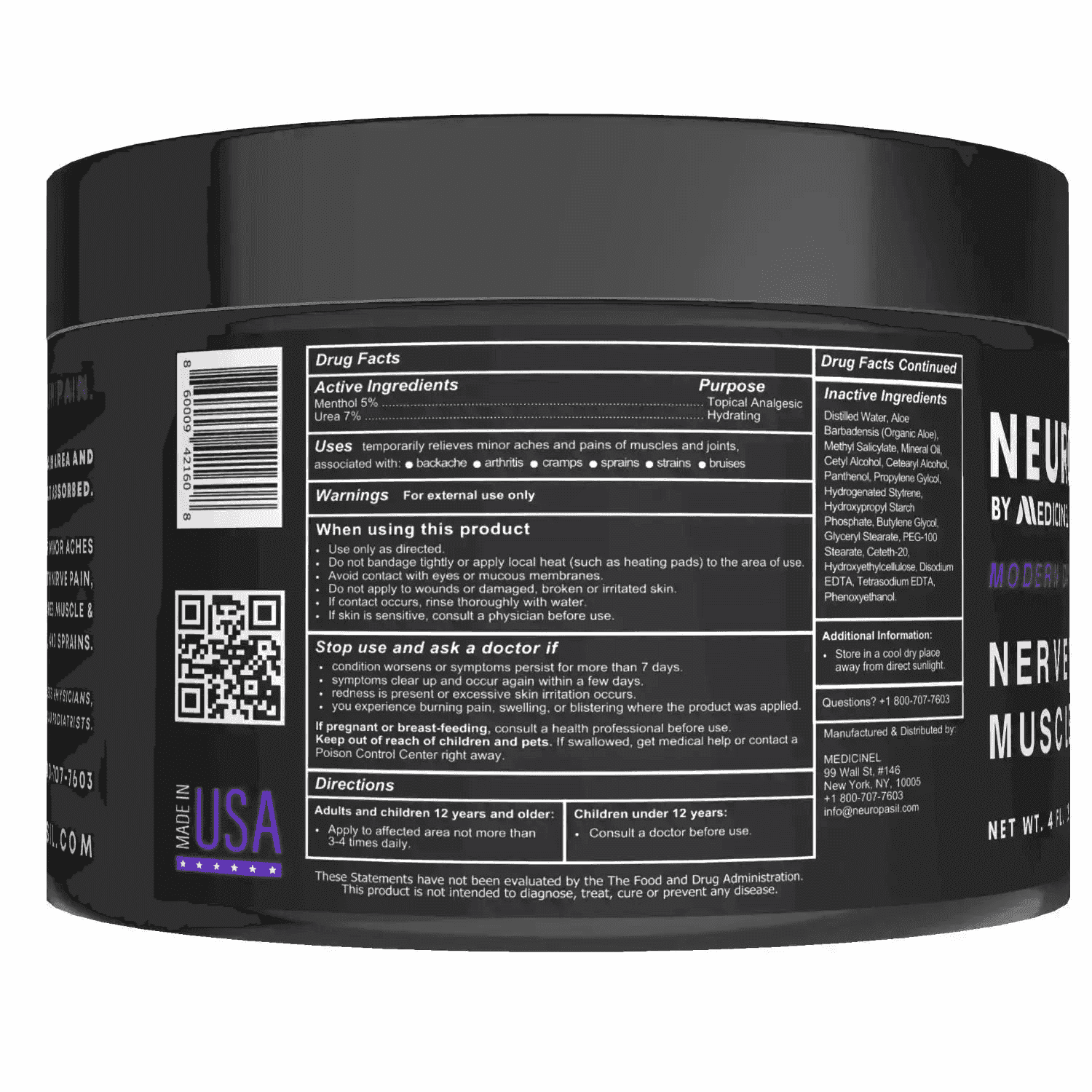
For fast-acting, soothing relief of muscle soreness and tension, topical pain relief creams can be a valuable addition to your routine. Our Neuropasil cream, for example, is formulated with natural ingredients like Aloe, Urea, and Menthol to provide targeted comfort. Applying it before or after stretching of trapezius muscles can help calm irritated tissues, making stretches easier to perform or prolonging the feeling of relief. Menthol provides a cooling sensation that can help dull pain perception, while Aloe and Urea contribute to skin health and absorption.
5. When to Seek Professional Medical Advice
While self-care and stretching are powerful, it's crucial to know when to consult a healthcare professional. Seek medical advice if you experience any of the following:
- Persistent or Worsening Pain: If your pain doesn't improve with self-care after a couple of weeks, or if it gets worse.
- Severe Symptoms: If you have severe, sharp, or staggering pain.
- Neurological Symptoms: Tingling, numbness, or weakness in your arms or hands.
- Limited Movement: If you can't move your shoulders, lift your arms, or have difficulty turning your head.
- Pain with Breathing: Seek immediate medical attention if upper back pain occurs when breathing.
- Balance Issues: If you have difficulty walking and/or maintaining balance due to neck pain.
- Signs of Injury: If you suspect a muscle strain or tear (e.g., a popping sensation at the time of injury, significant swelling, or an obvious dent where a muscle has split).
Acute neck pain usually resolves within four weeks, while chronic neck pain lasts longer than three months. Don't hesitate to reach out to a doctor or physical therapist if your symptoms are concerning.
Frequently Asked Questions about Trapezius Stretching
We often get asked common questions about the trapezius and how to manage its notorious tightness. Let's tackle some of them.
Why do my traps always feel tight, even after stretching?
This is a common and frustrating experience! Several factors can contribute to persistent tightness:
- Underlying Muscle Weakness: Sometimes, tightness is a symptom of weakness. If your middle and lower traps are weak, your upper traps may become overactive and constantly "on" to compensate, leading to chronic tightness.
- Chronic Stress: As we've discussed, stress causes increased trapezius muscle activity. If your stress levels remain high, your muscles may never fully relax, even after a good stretch.
- Poor Ergonomics: If your workspace or daily habits (like carrying heavy bags on one shoulder) haven't been adjusted, you're continuously re-aggravating the muscles.
- Incomplete Stretching Routine: You might be focusing only on one part of the trapezius (e.g., just the upper traps) and neglecting the middle and lower sections, which can create imbalances.
- Dehydration or Nutritional Deficiencies: While less common, sometimes simple things like not drinking enough water can contribute to muscle stiffness.
To truly address this, we need to look at the whole picture: strengthen weak muscles, manage stress, optimize ergonomics, and ensure a comprehensive stretching of trapezius routine.
Can improper stretching of trapezius muscles cause headaches?
Yes, absolutely. Tight trapezius muscles are strongly linked to various types of headaches, especially tension headaches and cervicogenic headaches (headaches that originate from the neck). When your traps are tight, they can refer pain to your head, temples, and even behind your eyes.
Improper stretching, such as aggressive or ballistic movements, can actually worsen the situation by irritating the muscle or surrounding structures. This can lead to increased muscle guarding, inflammation, and more severe headaches. That's why gentle, controlled, and pain-free stretching is crucial. The goal is to lengthen and relax the muscle, not to force it.
What's the single best stretch if I only have one minute?
If you're short on time but need quick relief, the Ear-to-Shoulder Stretch is our go-to recommendation. It's simple, effective, and can be done almost anywhere – at your desk, in your car (when safely parked!), or waiting in line.
- How to do it (quick recap): Sit or stand tall. Gently tilt your head to one side, bringing your ear towards your shoulder. Keep your opposite shoulder relaxed and down. Hold for 20-30 seconds, then switch sides. If you have a few extra seconds, add a gentle chin tuck!
This stretch directly targets the often-overworked upper trapezius, providing quick relief from neck and shoulder tension.
Conclusion
Successfully integrating stretching of trapezius muscles into your life doesn't have to be a battle. It's about understanding these powerful muscles, recognizing the causes of their pain, and approaching their care with a comprehensive strategy. We've learned that addressing all three parts of the trapezius—upper, middle, and lower—is key to open uping lasting relief.
Consistency is your greatest ally. Daily "movement snacks," intentional stretching sessions, and proper technique will yield far greater results than sporadic, intense efforts. Combine your stretching routine with ergonomic adjustments, self-massage, and consider the targeted comfort of topical pain relief solutions like Neuropasil. Most importantly, listen to your body and don't hesitate to seek professional medical advice when needed.
You have the tools now to take control of your trapezius pain. Accept this holistic approach, and we're confident you'll find the path to a happier, more comfortable, and pain-free life. For more in-depth strategies and solutions, explore our article: Discover our top treatments for trapezius strain relief and recovery.
References
- National Center for Biotechnology Information. Research Stress. Research shows that trapezius muscle activity increases during stressful situations. https://www.ncbi.nlm.nih.gov/pmc/articles/PMC5265893/
- Harvard Health Publishing. The importance of stretching. https://www.health.harvard.edu/staying-healthy/the-importance-of-stretching
- Cleveland Clinic. Neck Pain: Causes, Treatment, Prevention & When to Worry. https://my.clevelandclinic.org/health/diseases/21179-neck-pain