Understanding What's Causing Your Front Thigh Discomfort
Front thigh muscle pain is a common complaint affecting everyone from athletes to office workers. Understanding its root cause is the first step toward finding relief.
Quick Answer: Common Causes & Relief
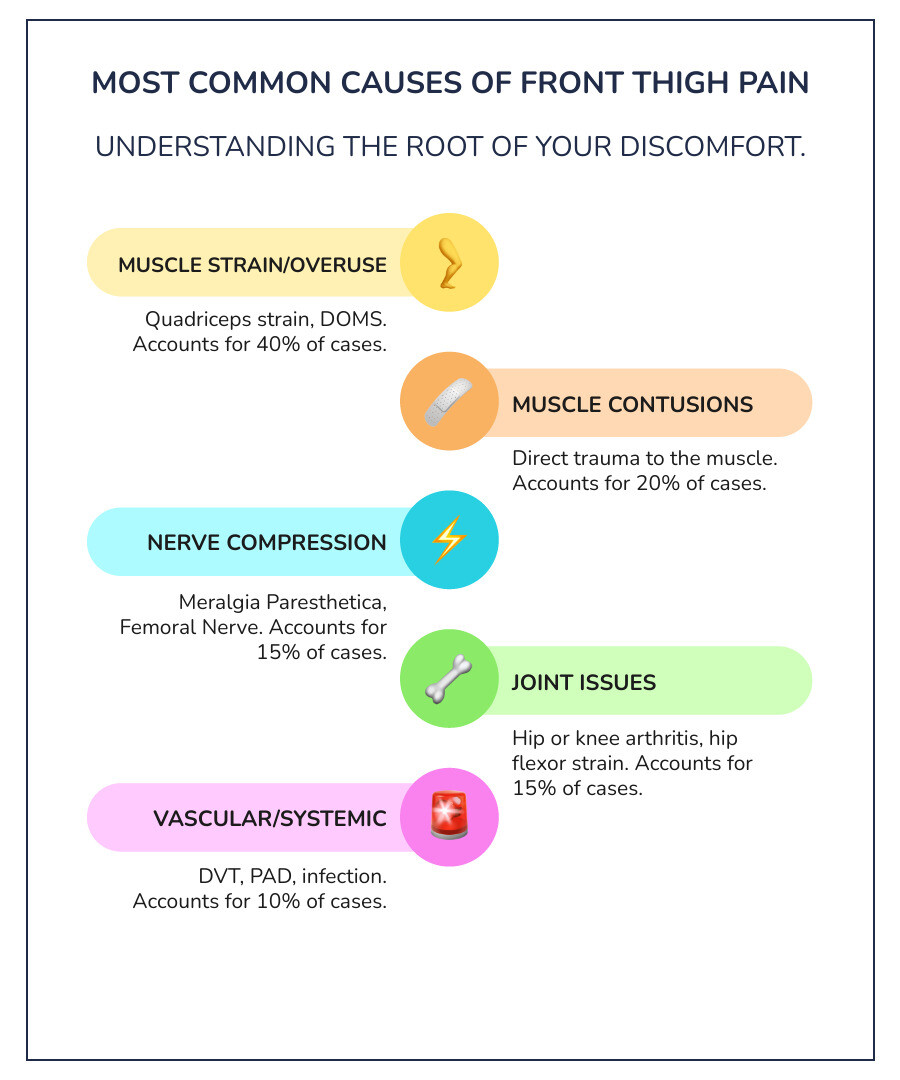
- Muscle Causes: Quadriceps or hip flexor strains, delayed onset muscle soreness (DOMS), and contusions.
- Nerve Causes: Meralgia paresthetica, femoral nerve compression, or lumbar radiculopathy.
- Joint Causes: Hip or knee arthritis, or referred pain from an inguinal hernia.
- Immediate Relief: Rest, ice, gentle stretching, and over-the-counter pain relievers.
- When to See a Doctor: If pain lasts over two weeks, you can't bear weight, or you see severe swelling.
The front of your thigh contains the quadriceps muscle group, four powerful muscles essential for extending your knee and stabilizing your leg. Pain here can severely limit daily activities like walking or climbing stairs, presenting as a dull ache, a sharp stab, or a burning sensation.
Muscle strains are a primary cause, especially in sports involving running or jumping. However, pain can also stem from hip arthritis, nerve compression, or even serious vascular issues. This complexity is why a proper diagnosis is crucial.
I'm Tony Enrico, founder of Neuropasil. My mission is to provide science-backed information and effective topical solutions to help you manage front thigh muscle pain and restore your mobility. This guide will explore the causes, diagnosis, and evidence-based treatments to help you find relief and prevent future injuries.
Understanding Your Front Thigh: Anatomy and Common Causes
The thigh is a complex structure of powerful muscles. While front thigh muscle pain often points to the quadriceps, it's important to understand the whole region.
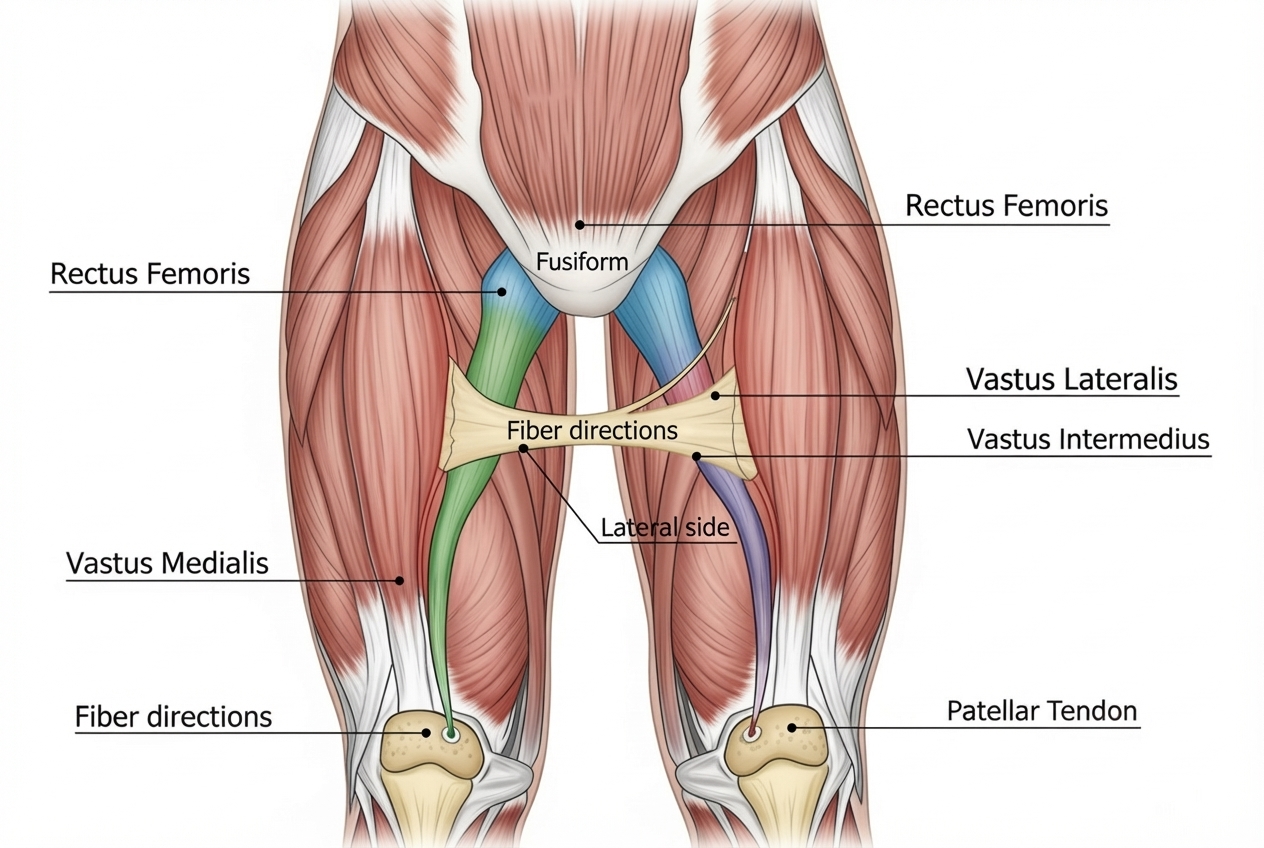
The quadriceps muscle group includes four muscles that extend the knee and flex the hip:
- Rectus Femoris: Center of the thigh; crosses the hip and knee.
- Vastus Lateralis: Outer thigh; extends the knee.
- Vastus Medialis: Inner thigh; extends the knee and stabilizes the kneecap.
- Vastus Intermedius: Under the rectus femoris; extends the knee.
Other key muscle groups like the hamstrings (back), adductors (inner thigh), and hip flexors (upper thigh) work with the quadriceps. An imbalance or injury in one area can cause pain in another. For more on thigh muscle injuries, the American Academy of Orthopaedic Surgeons provides comprehensive information on Muscle Strains in the Thigh.
Direct Muscle and Tendon Injuries
These are the most frequent culprits behind front thigh pain.
- Muscle Soreness (DOMS): Sharp pain peaking 24-72 hours after a new or intense workout. This is a normal response to microscopic muscle damage and usually resolves with rest.
-
Muscle Strain (Pulled Muscle): Occurs when muscle fibers are overstretched and tear. Symptoms include a sudden "pop," severe pain, tenderness, and possible bruising. Strains are graded by severity:
- Grade 1 (Mild): Minor fiber damage. Pain is present, but strength is good.
- Grade 2 (Moderate): More fibers are damaged, causing pain and noticeable weakness.
- Grade 3 (Severe): A complete or near-complete rupture, resulting in significant pain and loss of function.
- Quadriceps Tear: A severe strain involving a significant rupture of a quadriceps muscle or tendon. It causes sudden, severe pain and inability to bear weight.
- Contusion (Bruise): A direct blow to the thigh causing pain, tenderness, and bruising.
- Tendon Irritation (Tendonitis): Inflammation of the quadriceps tendons from overuse, causing pain with activity.
Risk factors include muscle tightness, muscle imbalances, poor conditioning, and fatigue, all of which make muscles more prone to injury.
| Muscle Strain Grade | Symptoms | Recovery Time |
|---|---|---|
| Grade 1 (Mild) | Mild pain, tenderness, slight stiffness, minimal loss of strength. | 10 days to 3 weeks |
| Grade 2 (Moderate) | Moderate pain, noticeable swelling, bruising, reduced strength and range of motion, limping. | 3 to 6 weeks |
| Grade 3 (Severe) | Severe pain, significant swelling and bruising, complete loss of muscle function, often a "popping" sensation at injury. | Up to 6 months, often requires surgical intervention. |
Referred Pain from Joints and Other Structures
Sometimes, front thigh pain originates elsewhere.
- Hip Arthritis: Can cause groin and upper thigh pain that may radiate to the knee, often worsening with walking. The Arthritis Foundation has more details.
- Knee Arthritis: Pain from the knee can radiate up the thigh.
- Hip Flexor Strain: A tear in the muscles at the front of the hip, causing pain when lifting the leg. See the Cleveland Clinic for more on hip flexor strain.
- Groin Pull (Adductor Strain): A tear in the inner thigh muscles, causing pain when bringing the legs together. The Cleveland Clinic explains this further.
- Inguinal Hernia: A weakness in the abdominal wall can cause groin pain that travels to the thigh, often worsening with coughing or lifting. The Mayo Clinic offers a comprehensive overview.
Nerve-Related Thigh Pain
Nerve issues often cause burning, tingling, or numbness. If you have nerve-related symptoms, our article on nerve pain relief may be helpful.
- Meralgia Paresthetica: Compression of a nerve on the side of the thigh, causing burning, tingling, or numbness on the outer thigh. Tight clothing or obesity can be causes. The AAOS has a detailed article on Burning thigh pain (meralgia paresthetica).
- Femoral Nerve Compression: Injury to the femoral nerve can cause pain, numbness, or weakness in the front thigh muscles.
- Diabetic Neuropathy: Nerve damage from high blood sugar can cause burning or shooting pain in the thighs.
- Lumbar Radiculopathy (Sciatica): A pinched nerve in the lower back (e.g., from a herniated disc) can cause referred pain, pins and needles, or a burning sensation in the front thigh.
Vascular and Systemic Causes
In some cases, thigh pain signals a more serious underlying condition requiring prompt medical attention.
- Deep Vein Thrombosis (DVT): A blood clot in a deep leg vein. Symptoms include swelling, heaviness, warmth, and redness in one leg. This is a medical emergency, as the clot can travel to the lungs.
- Peripheral Arterial Disease (PAD): Narrowed arteries reduce blood flow to the legs, causing pain (claudication) in the thigh or calf during activity, which subsides with rest.
- Pyomyositis (Muscle Infection): A rare bacterial infection in the muscle causing localized pain, swelling, and fever.
- Bone Fracture: A break in the femur (thigh bone) causes intense pain and inability to bear weight.
- Cancer (Sarcoma): In rare cases, a tumor in the thigh's bone or soft tissue can cause persistent, worsening pain and a palpable lump.
- Complications from Total Hip Replacement: About 15% of patients experience thigh pain after surgery due to factors like implant issues or nerve irritation.
Diagnosing Front Thigh Muscle Pain and When to See a Doctor
While some aches resolve with self-care, persistent or severe front thigh muscle pain requires a professional diagnosis.
How to Identify Your Symptoms
Observing your symptoms can help your doctor with the diagnosis. Note the following:
- Pain Location: Is the pain on the front, inner, or outer thigh? Does it extend to the hip or knee?
- Pain Type: Is it sharp, dull, aching, burning, or tingling?
- Associated Symptoms: Note any swelling, bruising, weakness, limited range of motion, or a "popping" sensation at the time of injury.
When to Seek Medical Attention for Front Thigh Muscle Pain
While home remedies are a good first step, certain signs indicate it's time to see a professional.
When to see a doctor:
- Pain persists for more than a week despite self-care.
- The pain is severe and limits daily activities.
- You are limping or unable to bear weight on the leg.
- There is noticeable swelling or redness.
- The pain is accompanied by fever or unexplained weight loss.
When to seek emergency care:
- Sudden inability to bear weight after trauma.
- A visible deformity of the thigh or hip.
- Signs of a Deep Vein Thrombosis (DVT): Sudden swelling, warmth, and redness in one leg.
- Signs of a Pulmonary Embolism (PE): DVT symptoms plus sudden shortness of breath, chest pain, or coughing up blood. Call 911 immediately.
The Diagnostic Process: What to Expect from Your Doctor
Your doctor will use a systematic approach to find the cause of your front thigh muscle pain.
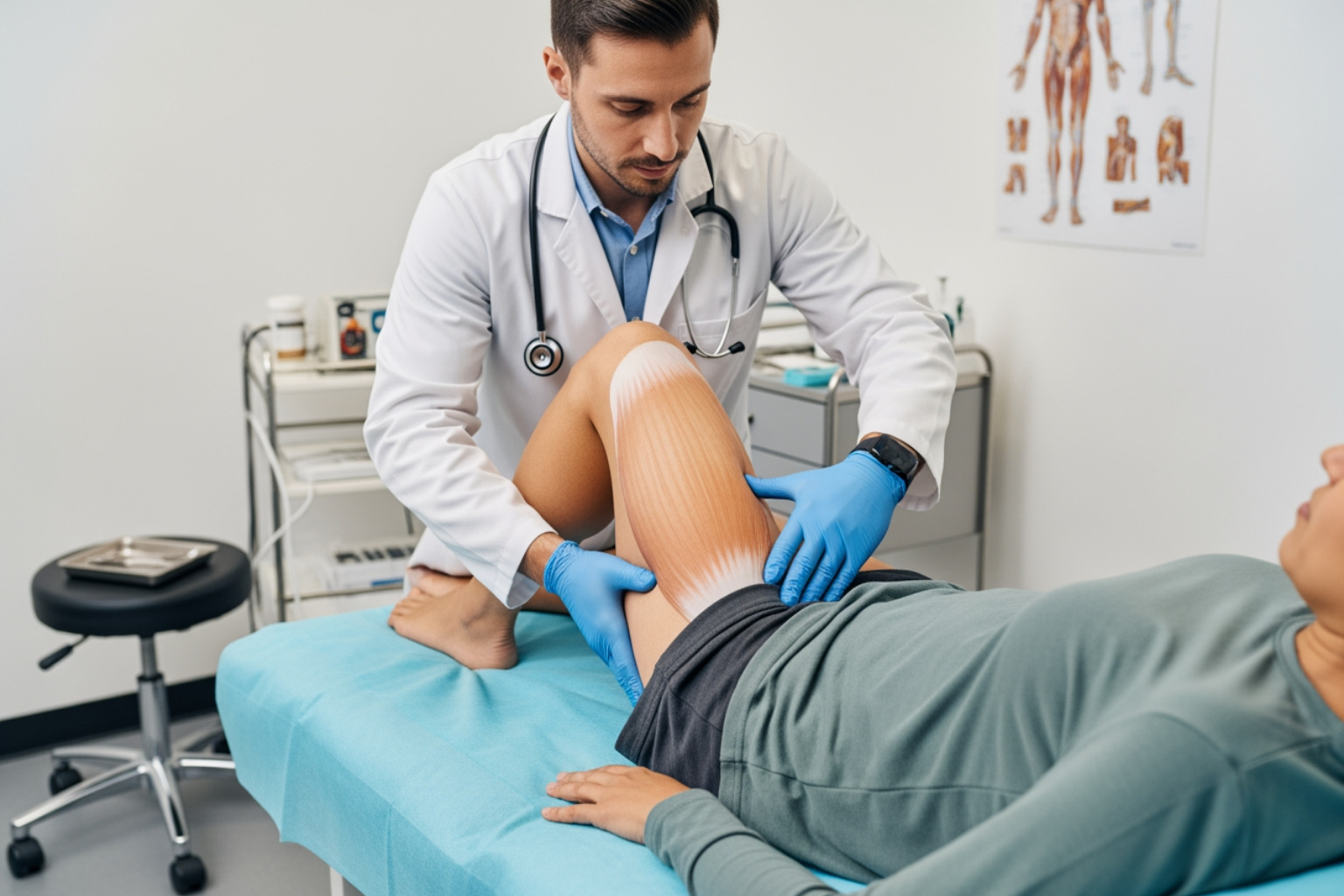
- Physical Exam: Your doctor will examine your thigh, hip, and knee, assessing range of motion, tenderness, and muscle strength.
- Medical History Review: You'll discuss your symptoms, recent injuries, activity levels, and overall health.
-
Diagnostic Tests: Depending on the exam, your doctor may order:
- X-ray: To check for fractures or arthritis.
- MRI: To get detailed images of soft tissues like muscles, tendons, and nerves.
- Ultrasound: To evaluate soft tissue injuries or detect blood clots (DVT).
- Electromyography (EMG): To assess nerve function and identify nerve damage.
- Blood Tests: To check for infection, inflammation, or clotting disorders.
Effective Treatment and Relief for Front Thigh Muscle Pain
Once a diagnosis is made, a combination of at-home care, lifestyle changes, and medical treatments can help you recover, restore function, and prevent future front thigh muscle pain.
At-Home and Self-Care Strategies
For mild strains or soreness, relief can often start at home.
- Rest: Avoid activities that aggravate your pain to allow your muscles to heal.
-
Ice or Heat Therapy:
- Ice: For the first 48 hours of an acute injury, apply cold packs for 15-20 minutes at a time to reduce swelling and numb pain.
- Heat: After the acute phase, or for chronic stiffness, use warm compresses for 15-20 minutes to relax muscles and improve blood flow.
- Gentle Stretching: Once acute pain subsides, gentle stretching can improve flexibility. Good options include the standing quadriceps stretch and the kneeling hip flexor stretch.
- Activity Modification: Temporarily adjust activities that cause pain, such as shortening runs or modifying your workstation.
- Over-the-Counter (OTC) Pain Relief: Medications like acetaminophen or ibuprofen can manage pain and inflammation. For targeted relief, many find our nerve pain relief cream effective for muscle and nerve discomfort.
Professional and Medical Treatments
When self-care isn't enough, professional intervention is key.
- Physical Therapy: A physical therapist can create a personalized program with strengthening and range-of-motion exercises to correct muscle imbalances and restore mobility.
- Massage Therapy: Can help improve circulation and reduce muscle tension, especially for chronic tightness.
- Prescription Medications: Your doctor may prescribe stronger anti-inflammatories, muscle relaxants, or nerve pain medications for severe pain.
- Injection-Based Treatments: Corticosteroid injections may be used to reduce severe inflammation in a joint or bursa.
- Surgical Intervention: Reserved for severe cases like complete tendon tears, complex fractures, or unresponsive hernias.
How to Prevent Future Front Thigh Muscle Pain
Proactive steps can safeguard your muscles and prevent recurrence.
- Proper Warm-Up and Cool-Down: Always prepare your muscles with a dynamic warm-up before activity and cool down with static stretches afterward.
- Regular Stretching: Consistently stretch your quadriceps, hamstrings, and hip flexors to maintain flexibility.
- Strengthening Imbalanced Muscles: Work to correct muscle imbalances, as they are a common source of strain.
- Maintaining a Healthy Weight: Excess weight adds stress to your joints and muscles.
- Proper Hydration and Nutrition: Ensure your muscles have the water and nutrients they need to function and recover.
- Gradual Increase in Activity: Avoid doing "too much, too soon" when starting or intensifying an exercise program.
- Listen to Your Body: Don't "push through" sharp or persistent pain. Rest and assess to prevent a minor issue from becoming a major injury.
For more tips on keeping muscles healthy, explore our blog on muscle pain prevention.
Frequently Asked Questions about Thigh Pain
We know you have questions, and we're here to provide clear, concise answers to some of the most common inquiries about front thigh muscle pain.
What is the most common cause of pain in the front of the thigh?
The most common causes are muscle strains of the quadriceps or hip flexors, typically from overuse or sudden movements. Delayed onset muscle soreness (DOMS) after an intense workout is also very frequent. As noted by Dr. Joshua Scott, a primary care sports medicine physician, delayed muscle soreness is a common reason for sharp pain in the front of the thigh after exercise.
Can a back problem cause front thigh pain?
Yes. A problem in the lower back, like a herniated disc or spinal stenosis (lumbar radiculopathy), can compress the femoral nerve. This can cause radiating pain, burning, tingling, or weakness in the front of the thigh, even without significant back pain. This is known as referred pain.
How can I tell if my thigh pain is a muscle strain or something more serious like a blood clot?
Distinguishing between a muscle strain and a blood clot (DVT) is critical, as a DVT is a medical emergency.
- Muscle Strain: Usually occurs during an activity, causing localized pain, tenderness, and possible bruising that worsens with muscle movement.
- Blood Clot (DVT): Often develops without a clear injury. Key signs include sudden swelling in one leg, warmth, redness, and a deep, aching pain. If you suspect a DVT, especially if you also have shortness of breath or chest pain, seek immediate medical attention.
Conclusion
Navigating front thigh muscle pain can be a challenging journey, but with the right knowledge and approach, relief is well within reach. We've explored the intricate anatomy of your thigh, digd into the myriad causes ranging from common muscle strains to more complex nerve and vascular issues, and outlined comprehensive strategies for diagnosis, treatment, and prevention.
The key takeaway is to listen to your body. Pay attention to the location, type, and associated symptoms of your pain. While many minor aches can be managed effectively with rest, ice, gentle movement, and over-the-counter pain relief, know when to seek professional medical attention. Early and accurate diagnosis is your best path to effective treatment and a quicker recovery.
Your body is resilient, and with proper care, you can overcome front thigh muscle pain and return to the activities you love. For targeted, soothing relief from muscle strains, aches, and nerve-related discomfort, many people find success with topical creams like Neuropasil, which uses natural ingredients to support recovery.
Find out more about Neuropasil and explore how our products can be a valuable part of your pain management toolkit.
References
- Muscle Strains in the Thigh - OrthoInfo - AAOS
- What to know about hip osteoarthritis
- Burning thigh pain (meralgia paresthetica)
- Cleveland Clinic Hip flexor strain
- Mayo Clinic Inguinal hernia
- Cleveland Clinic Groin strain
- Joshua Scott, MD - Cedars-Sinai
- Cleveland Clinic Quadriceps Tendon Tear
- American Academy of Orthopedic Surgeons Quadriceps Tendon Tear
- Everyday Health - Sharp Pain in the Front Thigh: 7 Causes
- Healthline - Pain in Upper Thigh
- NHS 24 MSK Clinical Advisory Group - Thigh problems
- Cleveland Clinic - Thigh Muscles
- Penn Medicine Abramson Cancer Center - Sarcoma Lump
- PubMed - Total Hip Arthroplasty Thigh Pain
- National Heart, Lung, and Blood Institute - Deep Vein Thrombosis (DVT)
- AccessMedicine - Peripheral Arterial Disease
- PubMed - Tropical pyomyositis
- NIDDK - Proximal Neuropathy
- WebMD - Leg Pain Causes