Why Muscle Recovery is Key to Your Fitness Gains
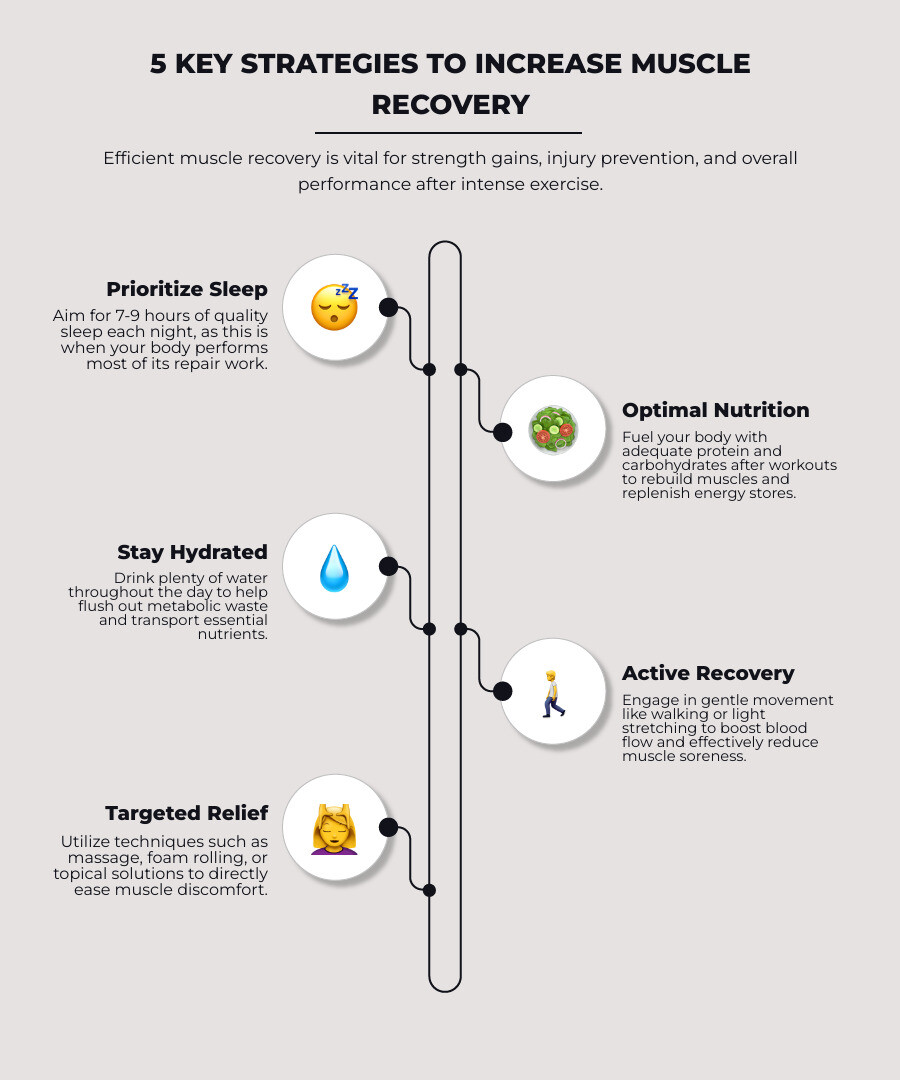
To increase muscle recovery fast and get back to your peak performance, focus on these key strategies:
- Prioritize Sleep: Aim for 7-9 hours of quality sleep each night. This is when your body does most of its repair work.
- Optimal Nutrition: Fuel your body with protein and carbohydrates after workouts to rebuild muscles and replenish energy.
- Stay Hydrated: Drink plenty of water to help flush out waste and transport nutrients.
- Active Recovery: Gentle movement like walking or light stretching can boost blood flow and reduce soreness.
- Targeted Relief: Consider massage, foam rolling, or topical solutions to ease muscle discomfort.
If you’ve ever felt stiff and sore the day after a tough workout, you’ve experienced Delayed Onset Muscle Soreness (DOMS). This ache, which typically appears 12 to 48 hours post-exercise, is a sign that you’ve created microscopic tears in your muscle fibers. This triggers a natural inflammatory response, your body's repair crew rushing in to heal and rebuild the muscle stronger than before. This breakdown-and-rebuild cycle is how you get stronger.
However, effective recovery is more than just waiting out the soreness. It's an active process crucial for preventing injury, improving performance, and enjoying an active life. Without it, you risk prolonged soreness, decreased performance, and even overtraining syndrome. As Tony Enrico, I've seen how crucial effective muscle recovery is for a pain-free, active life. My experience with Neuropasil has shown me the power of targeted solutions to help people increase muscle recovery and regain their freedom to move.
Fueling Your Recovery: The Role of Nutrition and Hydration

What you put on your plate and in your water bottle is what truly fuels your comeback after a tough workout. Your body relies on the right nutrition and hydration to increase muscle recovery and get stronger.
The Macronutrient Power Duo: Protein and Carbohydrates
Protein provides the essential amino acids needed to repair microscopic muscle tears and build new tissue. Research shows how vital protein is for this process. Active adults should aim for 1.4 to 2.0 grams of protein per kilogram of body weight daily to build and maintain muscle. Carbohydrates are your body's main fuel, stored as glycogen. After a workout, replenishing these stores is key to restoring energy. When you eat carbs and protein together, your body releases insulin, which helps guide nutrients like amino acids into your muscle cells. Studies highlight how this combination helps muscles refill their energy tanks faster than carbs alone. While daily intake is most important, consuming 20-40 grams of protein after your workout can give your recovery a head start.
Anti-Inflammatory Foods to Speed Up Healing
While some inflammation is a healthy part of repair, too much can slow you down. Foods rich in antioxidants and omega-3 fatty acids help calm excessive inflammation. Consider adding these to your plate:
- Tart Cherry Juice: Research shows it can significantly lessen post-exercise inflammation and muscle pain.
- Fatty Fish: Salmon, mackerel, and sardines are packed with potent anti-inflammatory omega-3s.
- Berries: Blueberries, strawberries, and raspberries are bursting with antioxidants to battle exercise-induced oxidative stress.
- Leafy Greens: Spinach and kale are packed with vitamins and antioxidants crucial for cellular repair.
- Nuts and Seeds: Almonds, walnuts, and chia seeds offer a mix of healthy fats and anti-inflammatory compounds.
- Turmeric: This spice contains curcumin, known for its remarkable anti-inflammatory properties.
Foods and Drinks That Hinder Recovery
To increase muscle recovery, it's smart to limit certain items. Processed foods, sugary drinks, and fried foods can promote inflammation while offering little nutritional value. Excessive alcohol consumption can also slow recovery, as research shows it can interfere with protein synthesis and disrupt sleep. Similarly, tobacco is detrimental, with reviews linking it to a higher risk of muscle injury and impaired healing.
Hydration: The Unsung Hero of Muscle Repair
Hydration is just as critical as nutrition. Dehydration can intensify soreness and impair muscle repair by hindering nutrient delivery. The American College of Sports Medicine (ACSM) provides simple guidelines:
- Before Your Workout: Drink about 2 to 4 ml of fluid per pound of body weight two to four hours before exercise.
- During Your Workout: Sip water throughout. For sessions over an hour, a sports drink can help replenish electrolytes.
- After Your Workout: To rehydrate, drink 1.5 liters of fluid for every kilogram of body weight lost (roughly 3 cups per pound).
Nutritional Timing to Increase Muscle Recovery
While your total daily nutrition is most important, when you eat can give your recovery a boost. The concept of an "anabolic window" suggests your muscles are primed to absorb nutrients post-workout.
- Pre-Workout Fuel: Consuming carbohydrates before exercise ensures you have the energy to perform your best.
- Post-Workout Nutrition: A mix of protein and carbohydrates within roughly 30-60 minutes after your session can maximize your body's ability to replenish glycogen and kickstart muscle repair. For more on healthy eating, explore additional resources about food as fuel.
Active and Passive Recovery Techniques
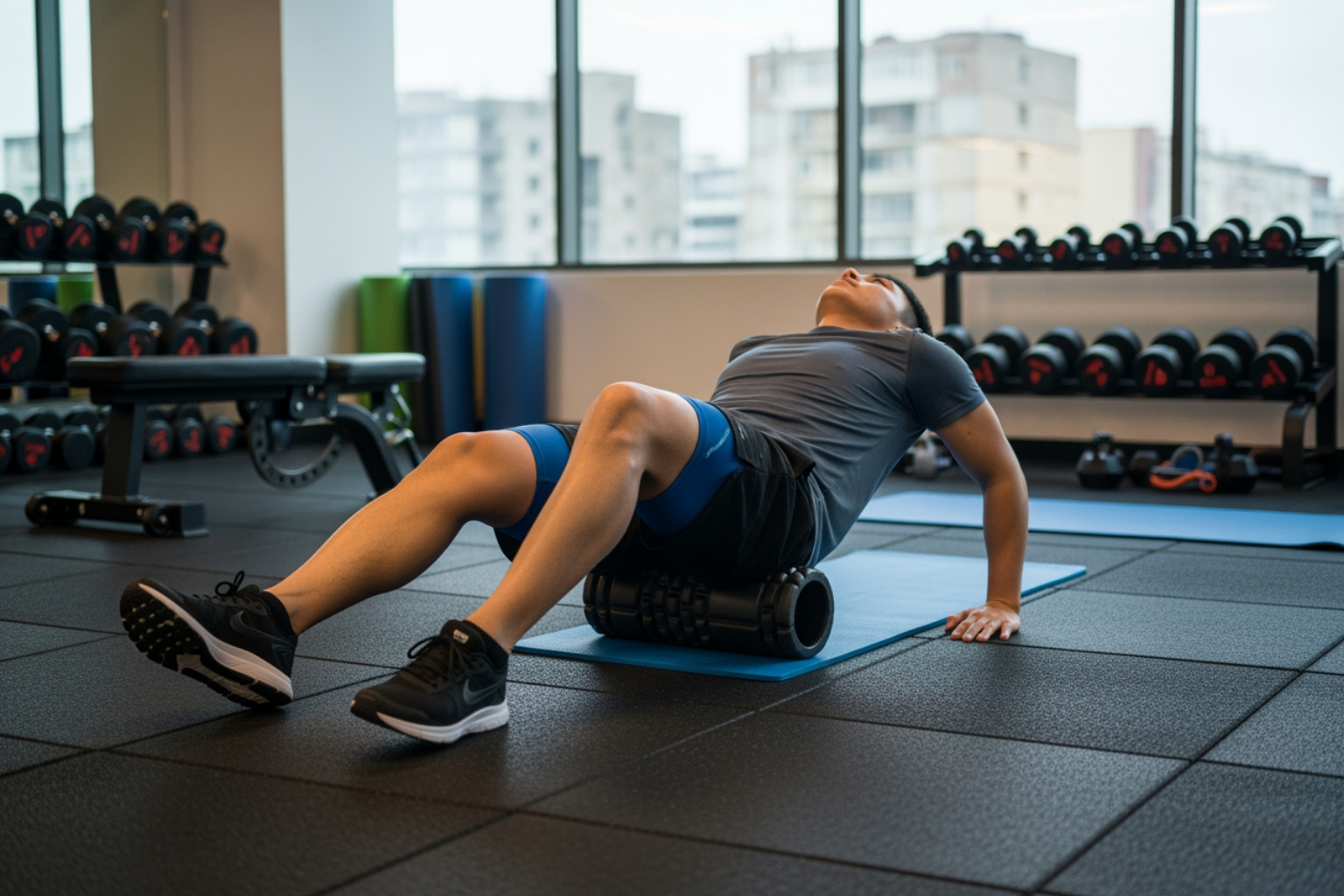
Beyond nutrition, how we physically treat our muscles after a workout makes a huge difference. These techniques can soothe sore spots, improve blood flow, and speed up the healing process to increase muscle recovery.
The Power of Touch: Self-Care Techniques
Massage isn't just a treat; it's a powerful recovery tool. A major review found massage to be one of the most effective ways to tackle delayed-onset muscle soreness and fatigue. Another great technique is self-myofascial release, commonly done with a foam roller. Think of it as a deep tissue self-massage. Foam rolling increases blood flow to your muscles, releases tight spots, and improves flexibility. This helps flush out metabolic waste and brings in nutrient-rich blood, which is essential for recovery.
Temperature Therapy: Hot and Cold Approaches
Both hot and cold therapies have unique benefits for muscle recovery.
Cold therapy, like cold compresses or cold-water immersion, helps constrict blood vessels. This action reduces inflammation and can numb pain receptors. A research review highlighted that cold-water immersion was effective in reducing DOMS. For extreme options like whole-body cryotherapy, which carries risks like frostbite, always seek professional guidance.
On the other hand, heat therapy from a warm towel or bath can speed up recovery. Heat increases blood flow, which helps relax muscles, deliver more oxygen for repair, and remove metabolic by-products. When using any temperature therapy, always listen to your body and avoid extremes.
How Active Recovery Can Increase Muscle Recovery
Sometimes the best way to recover is with gentle movement. Active recovery involves light, low-intensity exercise like a gentle walk or easy stretching after your main session. This promotes blood circulation, which helps flush out metabolic waste and deliver fresh oxygen and nutrients to your tired muscles. Incorporating proper warm-ups and cool-downs is also essential.
- A warm-up (10-15 minutes of dynamic stretching) gets your muscles ready and can reduce injury risk.
- A cool-down (5-10 minutes of low-intensity cardio) helps your body transition back to a resting state. While research is ongoing, a proper cool-down is a kind way to help your body wind down smoothly.
Lifestyle Factors: Sleep, Stress, and Habits
Our daily habits have a profound impact on our body's ability to increase muscle recovery. Often, the most powerful recovery tools are found outside the gym.
The Critical Role of Sleep in Muscle Repair
Sleep is the ultimate recovery tool. During deep sleep, our bodies release Human Growth Hormone (HGH), which is vital for tissue repair and muscle growth. Research shows that sleep deprivation can impair muscle recovery and even contribute to muscle loss. For adults, aiming for 7-9 hours of quality sleep per night is recommended. Creating a peaceful sleep environment—a cool, dark room free from screens—can make a significant difference.
How Alcohol and Tobacco Sabotage Your Gains
Certain habits can sabotage your progress. Consistently consuming alcohol may slow muscular recovery by interfering with protein synthesis and disrupting sleep. Tobacco consumption is also detrimental. While research is limited, some evidence suggests smoking is associated with an increased risk of muscular injury. Tobacco impairs oxygen delivery to muscles, delaying the healing process. To optimize health, avoiding both is a smart move.
Stress Management for Better Recovery
Stress has physiological effects that can hinder muscle recovery. When stressed, our bodies release cortisol, a hormone that can break down muscle tissue. Chronic stress makes it harder for muscles to repair themselves. Incorporating stress management techniques like meditation, deep breathing exercises, or yoga can help lower cortisol levels and promote a more anabolic (muscle-building) state. The mind-body connection is powerful, and a calm mind can lead to a more efficient recovery.
Topical Solutions to Increase Muscle Recovery
Sometimes, even with the right recovery plan, our muscles still feel sore. That's where targeted topical solutions can step in to offer direct comfort and help increase muscle recovery.
Targeted Relief for Sore Muscles
Topical creams and gels can be a soothing hug for tired muscles. They often contain ingredients like menthol, which creates a cooling sensation that can reduce perceived soreness. While these solutions don't speed up biological repair, they offer welcome temporary relief, allowing you to move more freely and continue with gentle active recovery.
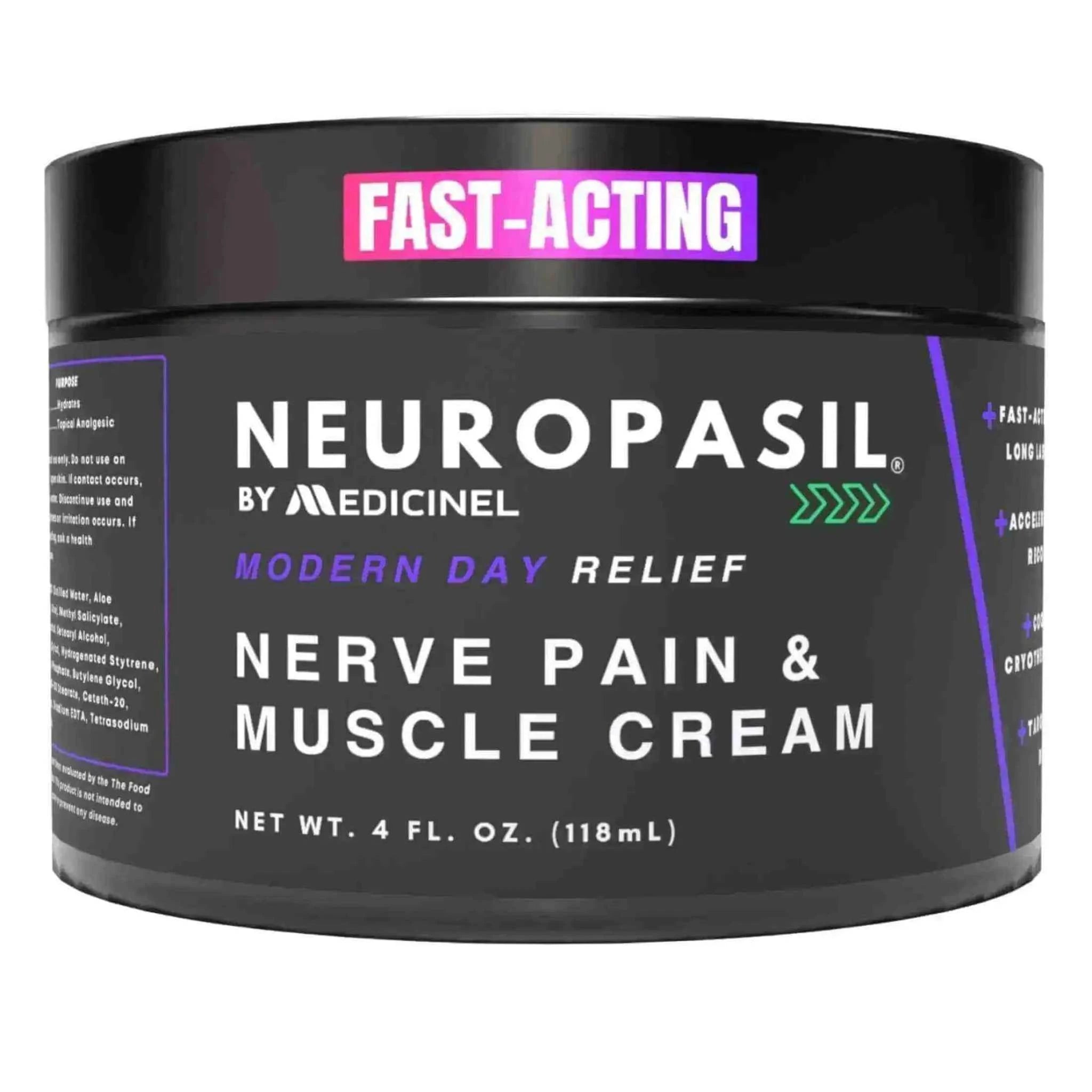
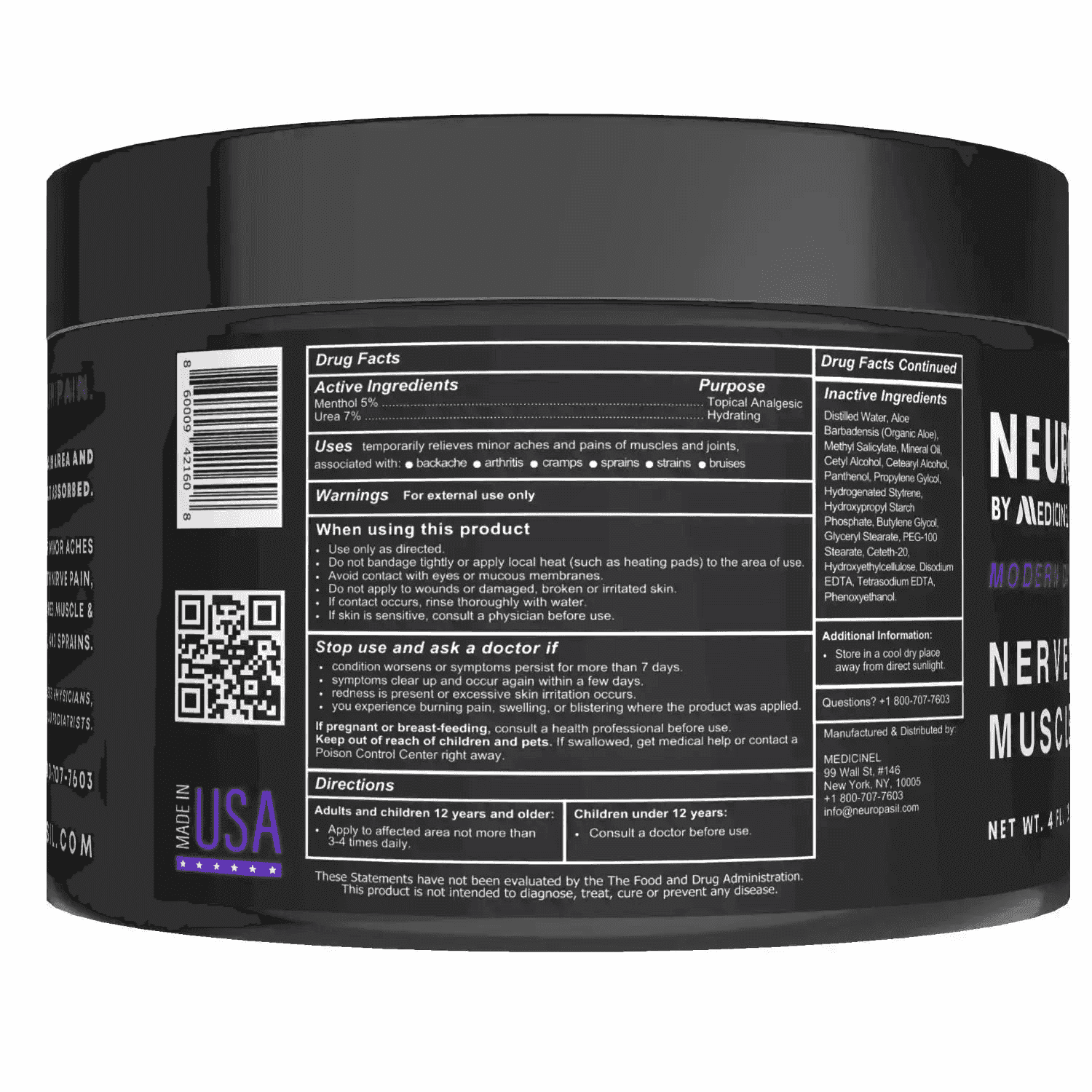
At Neuropasil, we provide natural, fast-acting topical creams designed for both nerve pain and sore muscles. Our blend, powered by Aloe, Urea, and Menthol, offers targeted relief right where you need it. Many athletes use Neuropasil for soothing relief from muscle soreness. You can explore how these products can help you find targeted relief for sore muscles.
Another physical aid is compression garments. A 2019 study found they helped reduce muscle recovery time in athletes. They work by applying gentle pressure, which can help reduce swelling and boost blood flow, contributing to less soreness.
The Food-First Approach to Recovery
While topical solutions and supplements have their place, we champion a "food-first" approach. A balanced diet of whole, unprocessed foods should always be the foundation of your muscle repair strategy. Supplements are meant to complement your diet, not replace it. If you're considering supplements, it's always best to chat with a healthcare professional to determine what's right for your individual needs.
Listening to Your Body: Soreness vs. Injury
One of the most important fitness skills is learning to distinguish between workout discomfort and an injury. Getting this right can mean the difference between steady progress and a frustrating setback.
How to Tell the Difference
Normal muscle soreness (DOMS) has a distinct personality. It's a dull, aching sensation affecting the whole muscle group, appearing 12 to 48 hours after exercise. The stiffness often loosens up with movement and fades over a few days.
An injury, however, often involves sharp, stabbing, or shooting pain that arrives immediately. You can usually pinpoint the exact spot, and movement makes it worse. You might see swelling, and the pain persists or worsens over time, often with a significant loss of function. Also, be aware of overtraining syndrome, which research shows affects many athletes. Its signs include persistent fatigue, a drop in performance, and nagging aches that won't quit.
When to Rest and When to See a Doctor
Rest days are a necessity. The American Council on Exercise (ACE) recommends a rest day every seven to ten days for those in high-intensity training. A light workout might need 24 hours of recovery, but a challenging session could require two to three days.
When should you seek medical advice? If you experience sharp, persistent, or worsening pain, it's time to make a call. Significant swelling, an inability to move a limb normally, or pain that doesn't improve with rest are all signs you need a professional evaluation. Getting checked out early can prevent a small problem from becoming a major one.
Personalizing Your Recovery Strategy
Recovery is not one-size-fits-all. An endurance athlete's needs differ from a strength trainer's. Your body type, training intensity, and age all play a role. Experiment with different strategies—foam rolling, cold showers, active recovery—and build a consistent recovery routine around what works for you.
Consider your specific fitness goals when crafting your plan. Most importantly, listen to your body's signals. That persistent tightness or unusual fatigue is valuable feedback. Learning to interpret these signals is how you'll truly increase muscle recovery and build a sustainable fitness practice that keeps you healthy and strong.
Frequently Asked Questions about Muscle Recovery
We get it – after putting in the hard work, you're eager to get back at it! Let's explore some of the most common questions about bouncing back stronger.
How long does it take for muscles to recover?
The time it takes for muscles to recover depends on the intensity of your workout, your age, nutrition, and sleep. For a lighter workout, you might feel ready in just 24 hours. A challenging session could require two to three days or more to fully recover. The golden rule is to listen to your body's signals. It’s the best guide you have to know when you're truly ready to tackle your next challenge.
Is it okay to work out with sore muscles?
For mild Delayed Onset Muscle Soreness (DOMS), it's often okay to engage in light activity. This 'active recovery' can increase blood flow and aid repair. However, if your soreness is severe, feels like a sharp pain, or makes it hard to maintain proper form, it's a sign to rest that muscle group. Pushing through significant pain can increase your risk of injury.
What is the single most effective way to recover?
There isn't one 'magic bullet' for muscle recovery. The most effective way to increase muscle recovery is a holistic one. The two most important pillars are consistent, quality sleep and optimal nutrition, especially adequate protein and carbohydrates. Beyond these, integrating active recovery, self-care techniques like foam rolling, and targeted relief builds a robust plan. This is where options like Neuropasil, with its natural, fast-acting topical creams, can offer soothing comfort. The real secret is consistency across all these areas.
Conclusion: Making Smart Recovery a Part of Your Routine
We've walked through the essential strategies that increase muscle recovery—from the foundational power of nutrition and sleep to the benefits of active recovery, self-massage, and targeted relief solutions like Neuropasil. Recovery isn't an optional add-on; it's where your muscles repair, grow stronger, and prepare for the next challenge. Without it, you risk injury and frustrating plateaus.
The beautiful thing about recovery is that it's deeply personal. Experiment with these strategies, listen to what your body tells you, and create a recovery routine that fits seamlessly into your life. By making smart recovery a non-negotiable part of your routine, you're doing more than just reducing soreness. You're preventing injuries, setting yourself up for consistent progress, and investing in a body that can keep moving freely and powerfully for years to come.
Let's commit to treating recovery with the same dedication we bring to our workouts. Your future self, standing stronger and moving with ease, will thank you for it.
References
We believe in providing well-researched, credible information to help you on your recovery journey. Here are the sources and studies that informed our guide:
- Protein Intake Recommendations: JISSN: International Society of Sports Nutrition Position Stand: protein and exercise
- Protein and Carbohydrate Co-ingestion: PMC NCBI: Co-ingestion of carbohydrate and protein
- Antioxidants and Free Radicals: National Cancer Institute: Antioxidants
- Tart Cherry Juice Benefits: PMC NCBI: Effect of tart cherry juice on muscle soreness and recovery
- Effects of Alcohol on Muscle Recovery: PMC NCBI: Alcohol and muscle recovery
- Tobacco and Musculoskeletal Health: Hindawi: Systematic review on tobacco use and musculoskeletal health
- ACSM Hydration Guidelines: ACSM: A Road Map to Effective Muscle Recovery
- Sports Drink Benefits: Mayo Clinic: Sports drinks: Useful for workouts?
- General Healthy Eating Information: American Heart Association: Food as Fuel Before, During and After Workouts
- Carbohydrate Replenishment Post-Activity: PMC NCBI: Carbohydrate intake after activity to replenish stored glycogen
- Post-Exercise Protein Intake: PMC NCBI: Protein intake after exercise
- Benefits of Massage Therapy: Mayo Clinic: Massage: Get in touch with its many benefits
- Meta-analysis on Recovery Techniques: PMC NCBI: A meta-analysis on recovery techniques
- Cold-Water Immersion Research: PMC NCBI: Cold-water immersion for recovery from exercise-induced muscle damage
- Cryotherapy Safety (Frostbite): American Academy of Dermatology: Cryotherapy
- Benefits of a Proper Cool-down: Mayo Clinic: Warm up, cool down: How to exercise safely
- Sleep Deprivation and Muscle Recovery: ACSM MSSE: Effects of Sleep Deprivation on Acute Skeletal Muscle Recovery
- Sleep Deprivation and Muscle Loss: PubMed: The effects of sleep loss on skeletal muscle recovery and protein metabolism
- Targeted Relief for Sore Muscles: Neuropasil.com
- Compression Garments Study (2019): PMC NCBI: The Effect of Compression Garments on Recovery from Exercise-Induced Muscle Damage
- Overtraining and Injury Risk: PMC NCBI: Overtraining Syndrome in Athletes: A Narrative Review
- ACE Rest and Recovery Guidelines: ACE Fitness: Rest and Recovery: How Much Do You Really Need?