Why Your Legs Hurt After a Workout: What's Really Happening
Legs hurt after workout is one of the most common experiences for anyone who exercises—whether you're a seasoned athlete or just getting back into training. The good news? That familiar ache is usually a sign your muscles are adapting and getting stronger. The not-so-good news? Sometimes, leg pain signals something more serious than normal soreness.
Quick Answer: Why do legs hurt after a workout?
- Normal soreness (DOMS) - Starts 12-24 hours after exercise, peaks at 1-3 days, caused by microscopic muscle tears
- Dehydration - Can cause cramping and muscle fatigue
- Muscle strain or sprain - Sharp pain, swelling, limited mobility
- Circulation problems - Persistent aches that worsen with activity
When to worry: Pain lasting more than 5 days, inability to bear weight, severe swelling, or dark urine needs medical attention.
Understanding the difference between good pain (your muscles rebuilding stronger) and bad pain (potential injury) is crucial for your recovery and long-term fitness goals. This guide will help you decode what your legs are telling you, so you can train smarter and recover faster.
I'm Tony Enrico, and I've spent years helping athletes and active adults understand and manage the discomfort that comes when legs hurt after workout sessions. Through Neuropasil, I've seen how proper knowledge paired with effective relief can keep you moving toward your goals without being sidelined by confusion or preventable injury.
Simple legs hurt after workout glossary:
- Muscle pain
- Muscle soreness
- lactic acid in legs
Understanding Muscle Soreness: DOMS vs. Acute Pain
When our legs hurt after workout, it's often due to one of two common types of muscle soreness: acute muscle soreness or Delayed Onset Muscle Soreness (DOMS). While both involve discomfort, their causes and timelines are quite different.
Delayed Onset Muscle Soreness (DOMS)
Imagine hitting the gym for the first time in a while, or pushing yourself with a new exercise. The next day, or even two days later, you feel that unmistakable ache. That, my friend, is DOMS. It's a physiological response to unaccustomed or intense exercise, particularly activities involving eccentric contractions (when your muscle lengthens under tension, like the lowering phase of a squat or running downhill).
The primary cause of DOMS isn't lactic acid, as once believed. Instead, it’s attributed to microscopic tears in our muscle fibers. As our body repairs these tiny tears, it initiates an inflammatory response, leading to the pain and stiffness we associate with DOMS. This process is actually a good sign, indicating that our muscles are adapting and rebuilding stronger.
DOMS symptoms typically start 12 to 24 hours after a workout. The pain tends to peak about one to three days after your workout, and then usually eases up after that. Most cases of DOMS resolve within 3 to 5 days. If DOMS lasts longer than five days, it's concerning and may indicate an injury. The American College of Sports Medicine (ACSM) provides an excellent overview of DOMS.
Acute Muscle Soreness
Acute muscle soreness is the immediate, often burning sensation you might feel during or directly after an intense workout. This type of soreness is primarily caused by the rapid accumulation of metabolic byproducts, like lactic acid, in the muscles during strenuous activity. Unlike DOMS, acute soreness usually dissipates within an hour or so once you stop exercising. It's a temporary discomfort signaling that our muscles are working hard and producing energy.
For years, lactic acid was incorrectly blamed for DOMS. We now know that while lactic acid contributes to acute muscle soreness, it clears from the muscles relatively quickly and is not the culprit behind the delayed pain of DOMS.
| Feature | Delayed Onset Muscle Soreness (DOMS) | Acute Muscle Soreness |
|---|---|---|
| Cause | Microscopic tears in muscle fibers, inflammatory response | Lactic acid and other metabolic byproduct accumulation |
| Sensation | Dull ache, stiffness, tenderness, reduced range of motion | Burning, aching sensation |
| Onset | 12-24 hours after exercise | During or immediately after exercise |
| Duration | Peaks 1-3 days, then subsides over 3-5 days | Disappears within minutes to an hour after exercise stops |
Why Do My Legs Hurt After a Workout? Common Causes Beyond Soreness
While DOMS is a frequent visitor, sometimes when our legs hurt after workout, the cause can extend beyond simple muscle repair. Let's explore other factors that might be contributing to that post-exercise ache.

The Role of Your Workout Routine
Our exercise choices and how we approach them play a significant role in how our legs feel afterward.
- Eccentric Exercises: As we mentioned, exercises that emphasize the lengthening phase of a muscle contraction are notorious for causing DOMS. Think of the lowering phase of a squat, the downhill portion of a run, or the controlled descent in a lunge. These movements place greater stress on muscle fibers, leading to more microtrauma and subsequent soreness. Specific activities like plyometrics (jump training), heavy resistance training, and long-distance running (especially downhill) are more likely to induce significant leg pain due to their eccentric components.
- New Workout Intensity or Type: Our muscles are creatures of habit. If we introduce a new exercise, increase the intensity significantly, or change our routine drastically, our bodies will respond with soreness. This is our body's way of adapting to the new demands. Starting a new exercise regimen or beginning to work out after a long period of inactivity will likely lead to DOMS.
- Overtraining: Pushing too hard, too often, without adequate rest can lead to more than just soreness. Overtraining can result in persistent fatigue, decreased performance, and even increased risk of injury. Our bodies need time to recover and rebuild. Ignoring the need for rest can lead to chronic pain, plateaus in progress, and a higher susceptibility to injuries like stress fractures or tendonitis.
- Importance of Warm-ups: A proper warm-up prepares our muscles for the work ahead. Dynamic stretching and light aerobic activity for 5-10 minutes increase blood flow, activate nerve-muscle connections, and improve our range of motion, potentially reducing the severity of post-workout soreness.
- Benefits of a Proper Cool-down: While research on its direct impact on DOMS is mixed, a cool-down routine is still beneficial. Gradually reducing activity for 10-15 minutes after exercise helps bring our heart rate back to normal, prevents blood pooling, and can speed up cardiovascular and respiratory recovery. Gentle static stretching during this time can also help improve flexibility and reduce stiffness.
Hydration and Nutrition's Impact
What we put into our bodies (or don't) can significantly influence how our legs hurt after workout.
- Muscle Cramps and Dehydration: During exercise, our muscles work hard and we sweat, losing fluids and electrolytes. Insufficient fluid intake can lead to dehydration and an imbalance of electrolytes (like potassium, sodium, and magnesium), which are crucial for muscle function. This can manifest as painful muscle cramps, especially in the legs. Studies suggest that dehydration can worsen muscle soreness, so drinking water before, during, and after exercise is crucial, especially in hot conditions.
- Protein for Muscle Repair: To repair those microscopic muscle tears and rebuild stronger, our bodies need protein. Consuming adequate protein after a workout provides the necessary amino acids for muscle protein synthesis, accelerating the recovery process.
- Anti-inflammatory Foods: Our diet can also help manage the inflammatory response associated with DOMS. Incorporating anti-inflammatory foods like tart cherry juice, turmeric (curcumin), omega-3 fatty acids, and green leafy vegetables can support our body's natural healing.
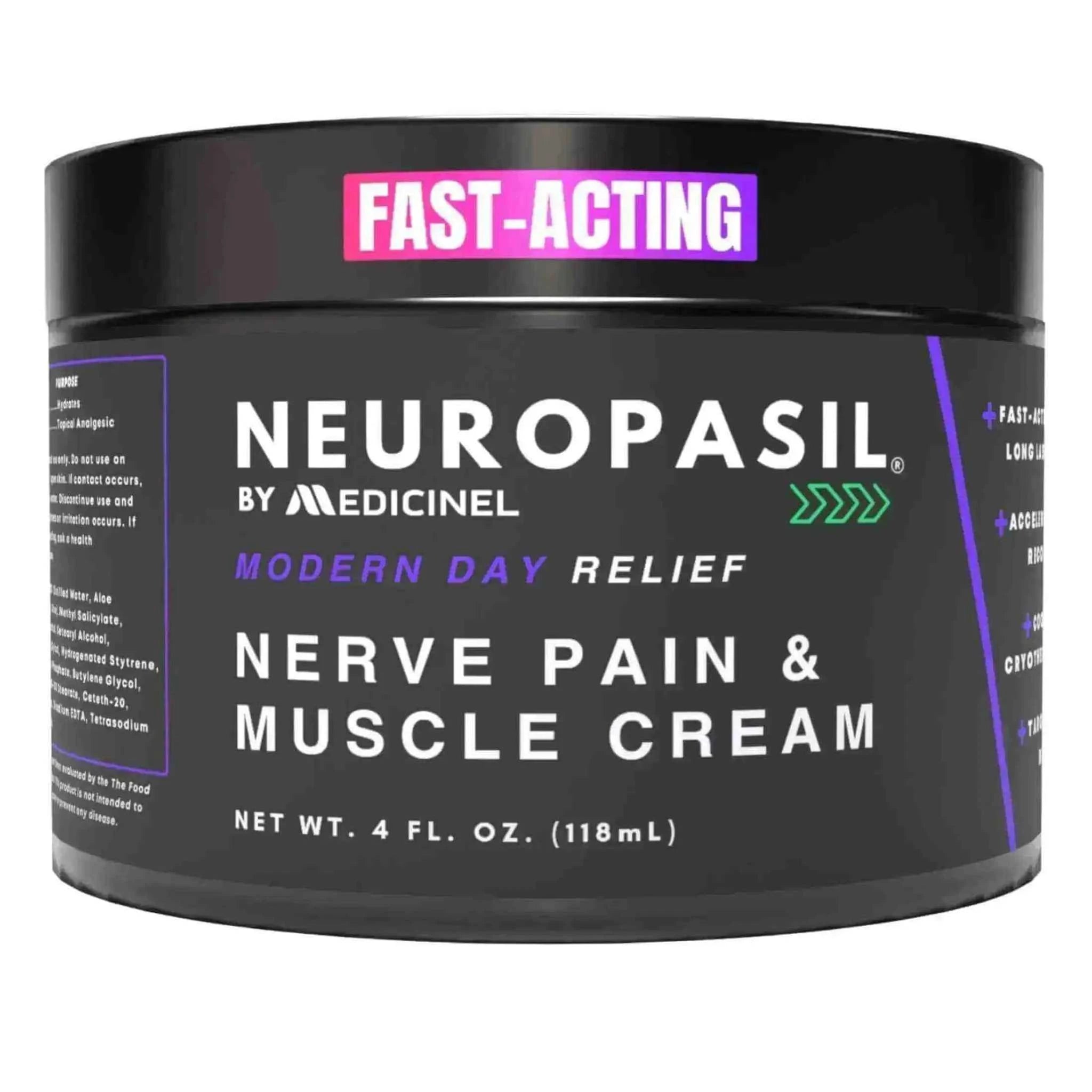
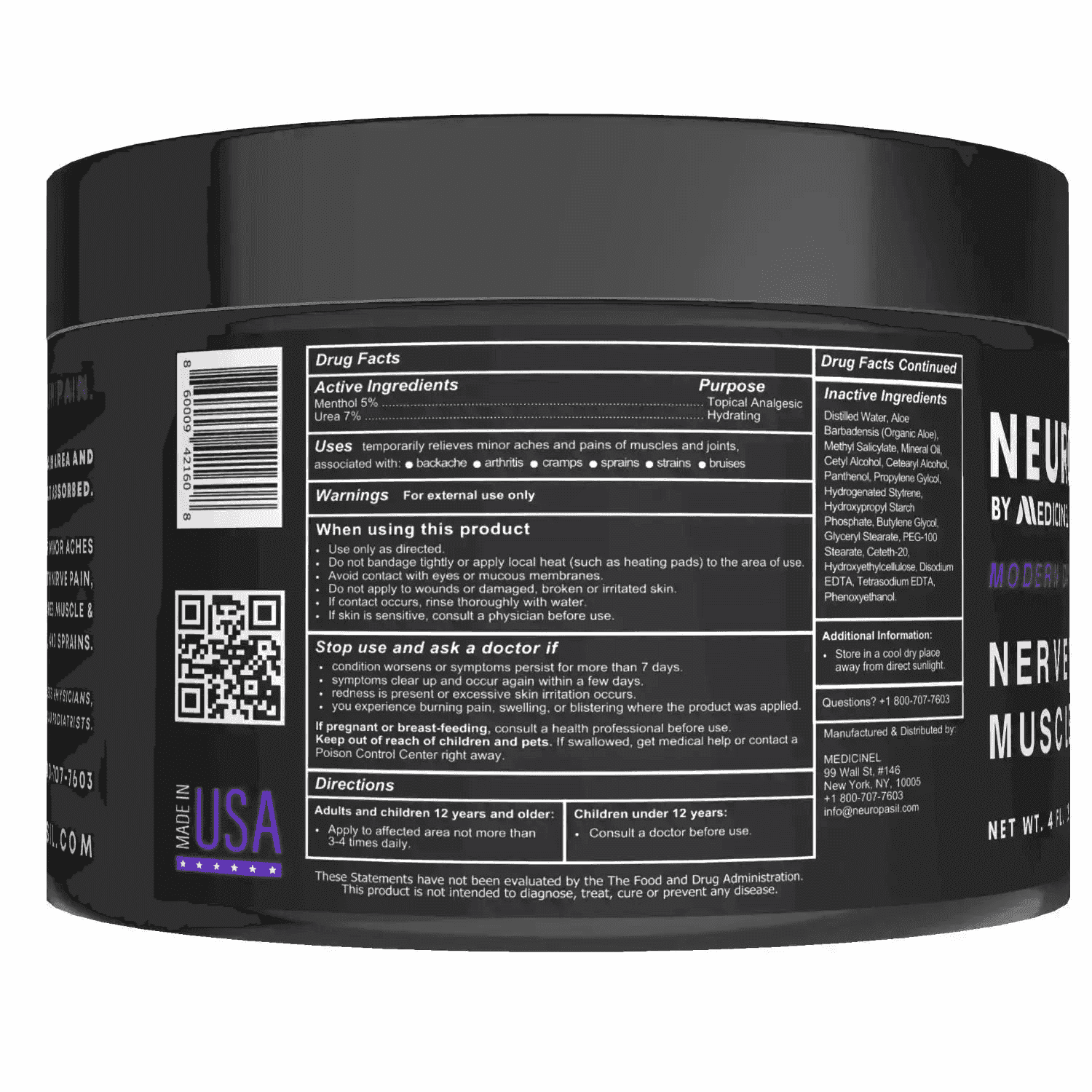
- How Neuropasil’s natural ingredients support muscle comfort: When our legs are aching, the right topical support can make a world of difference. Neuropasil offers fast-acting topical creams with natural ingredients like Aloe, Urea, and Menthol. Menthol, for example, creates a cooling sensation that can help overpower pain signals, providing targeted, soothing relief directly where it's needed most in our sore muscles.
More Serious Causes: Strains, Sprains, and Circulation Issues
Sometimes, when our legs hurt after workout, it's more than just soreness. It could be an injury or an underlying medical condition.
- Muscle Strains: A muscle strain, often called a "pulled muscle," occurs when muscle fibers are overstretched or torn. This can happen suddenly during intense activity or gradually due to overuse. Symptoms include sharp pain, tenderness, swelling, bruising, and limited movement in the affected area. Common leg strains include hamstrings, quadriceps, and calf muscles.
- Ligament Sprains: While muscles connect to bones via tendons, ligaments connect bones to other bones. A sprain occurs when a ligament is stretched or torn. In the legs, ankle and knee sprains are common. Symptoms are similar to strains: pain, swelling, bruising, and instability in the joint.
- Deep Vein Thrombosis (DVT): This is a serious condition where a blood clot forms in a deep vein, often in the leg. While not directly caused by exercise, exercise can sometimes exacerbate symptoms or, in rare cases, trigger it if there's an underlying predisposition. Symptoms include leg pain (often described as a cramp or soreness), swelling, redness, and warmth in the affected leg. If you experience these, especially in one leg, seek immediate medical attention. DVT can be a life-threatening condition.
- Peripheral Artery Disease (PAD): PAD involves narrowed arteries that reduce blood flow to the limbs, most commonly the legs. This can cause leg pain during exercise (claudication) that typically eases with rest. The pain might feel like cramping, aching, or fatigue in the calves, thighs, or buttocks. Over time, exercise puts added demands on our muscles, and if circulation is compromised, it can cause significant pain.
- When Pain Isn't Just Muscular: Pain can also originate from joints, nerves, or even bones. If the pain is sharp, persistent, accompanied by numbness or tingling, or feels "deep" within the bone, it warrants further investigation.
Is It Just Soreness or an Injury? Knowing the Difference
This is perhaps the most critical distinction to make when our legs hurt after workout. Learning to listen to our body's signals can prevent minor discomfort from escalating into a serious injury.
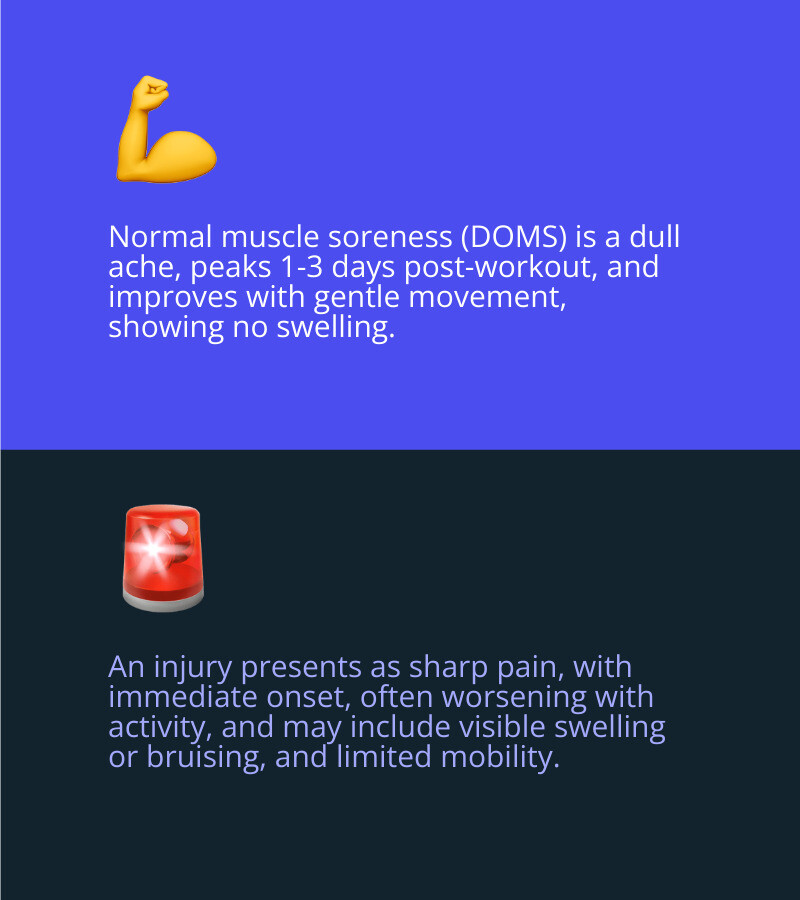
Symptoms of Normal Muscle Soreness (DOMS)
When we experience DOMS, the signs are usually quite characteristic:
- Dull, aching pain: The discomfort is generally widespread and feels like a persistent ache rather than a sharp, localized pain.
- Muscle stiffness: Our muscles might feel tight and stiff, making movement a bit challenging, especially when initiating movement after rest.
- Tenderness to touch: The affected muscles will likely be tender when pressed.
- Temporary strength loss: We might notice a slight, temporary decrease in muscle strength or power.
- Pain improves with movement: Often, once we start moving, the stiffness and discomfort of DOMS lessen. This is why light activity can be beneficial for relief.
The discomfort from DOMS typically peaks 1-3 days after your workout and then gradually subsides. Most cases resolve within 3 to 5 days.
Red Flags: When Your Legs Hurt After a Workout and It's an Injury
It’s crucial to recognize when the pain in our legs hurt after workout goes beyond normal soreness. These are the red flags that suggest we might have an injury or a more serious condition. Ignoring persistent leg pain can lead to long-term consequences, including chronic pain, impaired mobility, compensatory injuries in other body parts, and a significant reduction in overall quality of life and ability to maintain an active lifestyle.
- Sharp, stabbing pain: Unlike the dull ache of DOMS, injury pain is often localized and feels sharp or stabbing.
- Pain during exercise: If we experience sharp pain during the workout that forces us to stop, it's a strong indicator of an injury.
- Swelling and bruising: Visible swelling that doesn't subside, or significant bruising, especially if it appears immediately or shortly after the workout, points towards a strain, sprain, or contusion.
- Inability to bear weight: If we cannot put weight on our leg or find it extremely painful to walk, it's a serious sign that requires medical attention.
- Limited range of motion: An injury can severely restrict our ability to move a joint or muscle through its full range of motion, beyond the general stiffness of DOMS.
- Pain lasting over 5 days: While DOMS can sometimes linger, if our pain persists and doesn't improve after five days, it's concerning and warrants a medical evaluation.
- Rhabdomyolysis symptoms: This rare but serious condition can develop days after overexertion or heat injuries. It happens when skeletal muscle fibers break down and enter the bloodstream, potentially leading to kidney damage. Symptoms include severe muscle pain, weakness, dark or tea-colored urine, and significant swelling. This requires emergency medical attention.
Effective Strategies for Managing and Recovering from Leg Pain
When our legs hurt after workout, our primary goal is to manage the discomfort and promote efficient recovery. Thankfully, there are many strategies we can employ.
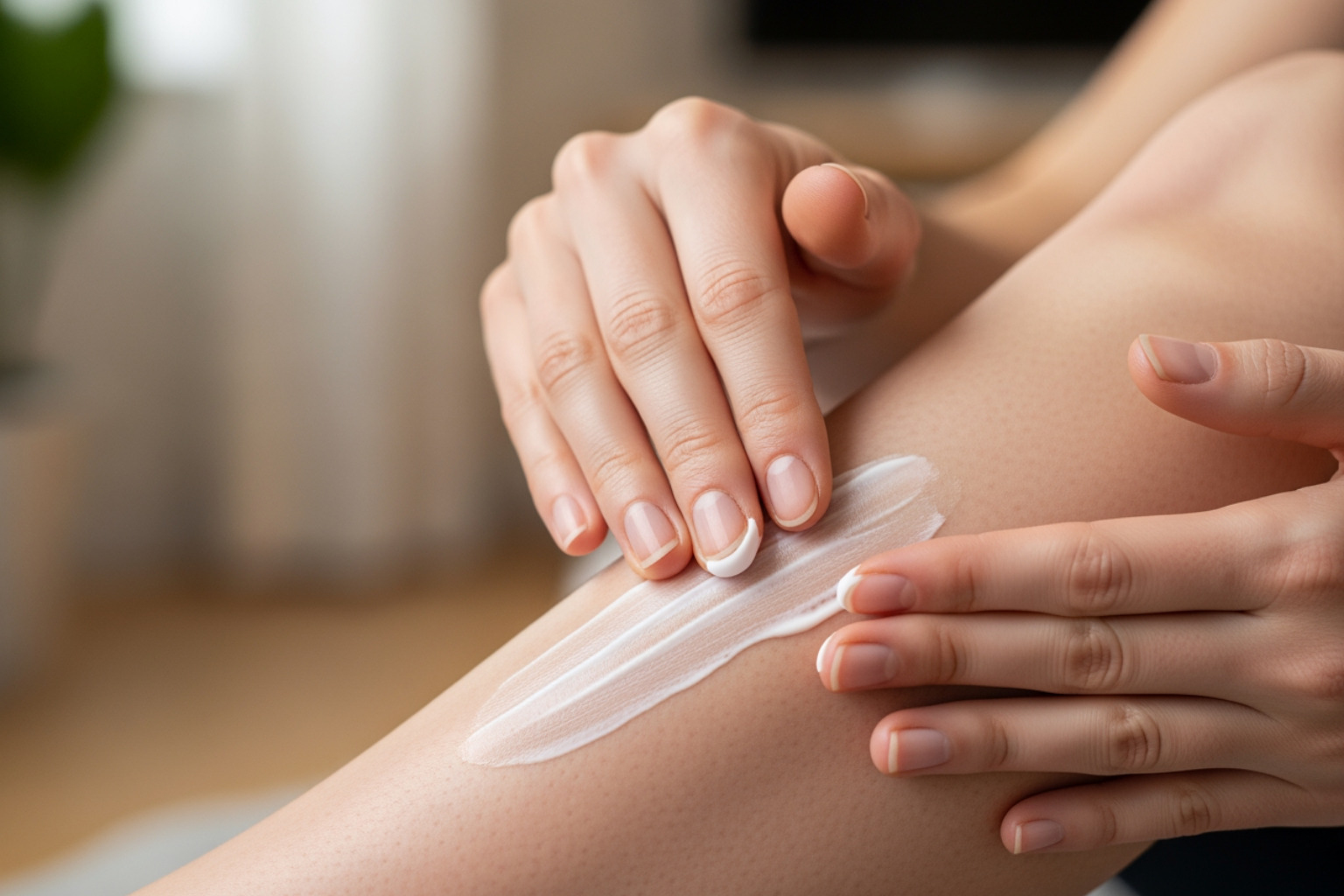
At-Home Remedies for When Your Legs Hurt After a Workout
These are our go-to methods for soothing sore muscles and encouraging healing:
- Active Recovery: Instead of complete rest, engaging in light, low-intensity activities can actually help. This "active recovery" keeps blood circulating, which aids in flushing out metabolic waste products and delivering nutrients to our muscles. Try a gentle walk, light cycling, or swimming laps. If we're ultra sore after a hard workout, skipping the weights and going for a walk is a great strategy for relieving soreness.
- Gentle Stretching: While stretching before a workout might not prevent DOMS, gentle static stretching after a workout and during recovery can help improve flexibility and reduce stiffness. Hold stretches for 15-30 seconds, never forcing into pain.
- Foam Rolling: Self-myofascial release using a foam roller can help release muscle tightness, improve blood flow, and alleviate soreness. Spend 10-15 minutes using a foam roller on affected areas before stretching.
- Massage: A good massage can do wonders for sore muscles. Research indicates that massage after strenuous exercise can relieve muscle soreness and improve muscle performance. It helps reduce swelling and alleviate pain from DOMS.
- Heat Therapy: Applying heat, such as a warm bath or a heating pad, can help relax stiff muscles and increase blood flow, promoting healing. A small study observed that 8-hour heat therapy applied immediately after exercise reduced muscle soreness and stiffness. However, avoid heat on acute injuries with swelling or bruising.
- Cold Therapy (Ice Packs): For immediate pain relief and to reduce inflammation, ice packs are excellent. Apply them to the sore area for 15-20 minutes at a time. Research suggests that immersion in 51.8–59°F (11–15°C) water for 11–15 minutes may be most beneficial for cold water immersion recovery.
The Role of Topical Pain Relief
When we need targeted relief for our aching muscles, topical pain relief products can be incredibly effective.
- How Topical Creams Work: Unlike oral medications that affect our entire system, topical creams are applied directly to the skin over the painful area. Their active ingredients penetrate the skin to provide localized relief.
- Menthol Benefits: Many effective topical pain relief creams, including Neuropasil, use menthol. Menthol creates a cooling sensation that distracts from pain signals and can provide a numbing effect. It helps to overpower the sensation of pain, offering temporary yet significant relief.
- Targeted Relief vs. Oral Medication: Topical solutions offer a way to address pain directly at the source, often with fewer systemic side effects than oral pain relievers. This can be particularly appealing for those who prefer to avoid pills or have sensitivities to oral medications. In some self-reported studies, topical pain relievers helped reduce pain by at least 50% in some people.
-
Benefits of Topical Creams:
- Localized pain relief: Applied directly to the source of discomfort.
- Fast-acting: Often provides quick relief.
- Reduced systemic side effects: Less impact on the entire body compared to oral medications.
- Easy to apply: Simple and convenient for self-care.
- Soothing sensation: Ingredients like menthol provide a pleasant cooling effect.
- Neuropasil: Our Neuropasil cream is formulated with powerful natural ingredients like Aloe, Urea, and Menthol to deliver fast-acting, targeted relief for muscle pain. It’s designed to soothe discomfort, making it an excellent choice when your legs hurt after workout. Many loyal customers testify to using Neuropasil for neuropathy, sciatica, fibromyalgia, plantar fasciitis, strains, sprains, aches and pains, joint discomfort, back and neck pain, cramps and aching feet. Athletes use Neuropasil to treat and recover from sore muscles. For powerful, soothing relief for muscle pain, find natural, fast-acting relief with Neuropasil cream. You can also learn more about our ingredients.
Nutrition and Hydration for Faster Recovery
What we consume is just as important as what we do in the gym when it comes to muscle recovery.
- Hydration Importance: We can't stress this enough! Staying well-hydrated is fundamental. Drink plenty of water before, during, and after your workout. An easy rule of thumb is to drink 8 ounces of water for every 15-30 minutes of exercise. If you lose weight during your workout, aim to drink 20-24 ounces of fluid for every pound lost to rehydrate effectively. Proper hydration prevents cramps and supports overall bodily functions essential for repair.
- Post-Workout Protein: Aim for a good source of protein after your workout to kickstart muscle repair. Lean meats, fish, eggs, dairy, tofu, beans, or a protein shake can provide the amino acids needed to rebuild and strengthen muscle fibers.
- Anti-inflammatory Foods: Continue to incorporate foods rich in anti-inflammatory compounds into your daily diet. Berries, fatty fish (like salmon), nuts, seeds, leafy greens, and spices like turmeric and ginger can all help reduce inflammation and support healing. Specific supplements like curcumin have also shown promise in reducing DOMS symptoms. A 2020 review suggests that supplementing 150–1500 milligrams (mg) of curcumin per day might help reduce DOMS.
Frequently Asked Questions about Post-Workout Leg Pain
We hear these questions all the time when people's legs hurt after workout. Let's clear up some common concerns.
How long is too long for legs to be sore after a workout?
Normal DOMS pain typically peaks around 24 to 48 hours after exercise and can last for 3 to 5 days. If your leg pain persists for longer than five days without improving, it's concerning and may indicate an injury. At this point, it's wise to seek professional medical advice to rule out something more serious.
Is it okay to work out with sore legs?
It depends on the severity of the soreness. If your legs are mildly sore, engaging in light activity or "active recovery" can actually be beneficial. Gentle movement helps increase blood flow, which can reduce stiffness and promote healing. However, if the pain is moderate to severe, if it limits your range of motion significantly, or if it feels like an injury rather than just muscle soreness, it's best to rest that particular muscle group. You can still work out other body parts or engage in cross-training that doesn't stress the sore area. Always listen to your body – pushing through severe pain can turn a minor issue into a significant injury.
Do sore muscles mean they are growing?
Sore muscles after a workout are often a sign that you've effectively challenged your muscle fibers, leading to those microscopic tears we discussed. The body then repairs these tears, making the muscles stronger and sometimes larger in the process. So, yes, soreness can be an indicator that your muscles are adapting and growing. However, it's important to note that a lack of soreness doesn't mean your workout was ineffective. As your body adapts to a routine, you might experience less soreness, but your muscles are still getting stronger. Consistent training and progressive overload are key for growth, whether you're sore or not.
Conclusion
Experiencing pain when your legs hurt after workout is a common part of the fitness journey. We've explored the nuances between normal Delayed Onset Muscle Soreness (DOMS) and more concerning signs of injury or underlying conditions. DOMS is usually a friendly reminder that your muscles are getting stronger, typically resolving within a few days. However, sharp, persistent pain, swelling, or an inability to bear weight are red flags that warrant immediate medical attention. Ignoring these signs can lead to chronic issues and hinder your long-term fitness goals.
Our bodies are incredibly resilient, but they also send us important signals. By understanding these signals, we can make informed decisions about our recovery and training. Accept active recovery, prioritize proper hydration and nutrition, and consider targeted relief with products like Neuropasil, which uses natural ingredients like Aloe, Urea, and Menthol to soothe aching muscles.
Our goal is to empower you to manage your post-workout pain effectively, ensuring you stay on track with your fitness goals safely and confidently. Keep listening to your body, train smart, and recover even smarter.
Explore our blog for more health tips.
References
American College of Sports Medicine. (n.d.). Delayed Onset Muscle Soreness (DOMS). Retrieved from https://www.acsm.org/docs/default-source/files-for-resource-library/delayed-onset-muscle-soreness-(doms).pdf?sfvrsn=8f430e18_2 Cabral, B. J. I., & Edding, S. N. (2023). Rhabdomyolysis. In StatPearls. StatPearls Publishing. Retrieved from https://www.ncbi.nlm.nih.gov/books/NBK448168/ Derry, S., et al. (2017). Topical analgesics for acute and chronic pain in adults - an overview of Cochrane Reviews. Cochrane Database of Systematic Reviews. Retrieved from https://www.ncbi.nlm.nih.gov/pmc/articles/PMC6481750/ Familydoctor.org. (n.d.). Sore Muscles. Retrieved from https://familydoctor.org/sore-muscles/ Guo, J., et al. (2017). Massage alleviates delayed onset muscle soreness after strenuous exercise: A systematic review and meta-analysis. Frontiers in Physiology. Retrieved from https://www.frontiersin.org/articles/10.3389/fphys.2017.00747/full Healthline. (n.d.). What to Know About Delayed Onset Muscle Soreness (DOMS). Retrieved from https://www.healthline.com/health/doms Machado, A. F., et al. (2015). Can water temperature and immersion time influence the effect of cold water immersion on muscle soreness? A systematic review and meta-analysis. Retrieved from https://www.ncbi.nlm.nih.gov/pmc/articles/PMC4802003 Mayo Clinic. (n.d.). Deep Vein Thrombosis (DVT). Retrieved from https://www.mayoclinic.org/diseases-conditions/deep-vein-thrombosis/symptoms-causes/syc-20352557 Mayo Clinic. (n.d.). Peripheral artery disease (PAD). Retrieved from https://www.mayoclinic.org/diseases-conditions/peripheral-artery-disease/symptoms-causes/syc-20350557 Medical News Today. (n.d.). DOMS: Causes, recovery, and prevention. Retrieved from https://www.medicalnewstoday.com/articles/delayed-onset-muscle-soreness Miller, M. D., et al. (2020). Exercise physiology. Retrieved from https://www.sciencedirect.com/topics/neuroscience/delayed-onset-muscle-soreness Petrofsky, J., et al. (2017). The efficacy of sustained heat treatment on delayed-onset muscle soreness. Retrieved from https://pubmed.ncbi.nlm.nih.gov/27454218 Van Hooren, B., & Peake, J. M. (2018). Do We Need a Cool-Down After Exercise? A Narrative Review. Sports Medicine. Retrieved from https://www.ncbi.nlm.nih.gov/pmc/articles/PMC5999142/ Yoon, W.-Y., et al. (2020). Curcumin supplementation and delayed onset muscle soreness (DOMS): Effects, mechanisms, and practical considerations. Retrieved from https://www.ncbi.nlm.nih.gov/pmc/articles/PMC7669469/