Why Choosing the Right Pain Relief Rub Cream Matters
Pain relief rub cream is a trusted solution for millions seeking fast, targeted relief from muscle aches, joint pain, and nerve discomfort without the systemic side effects of oral medications. Whether you're dealing with post-workout soreness, arthritis stiffness, or chronic nerve pain, the right topical analgesic can make a meaningful difference in your daily life.
Quick Answer: What to Look for When Comparing Pain Relief Rub Creams
| Factor | What to Consider |
|---|---|
| Active Ingredients | Menthol (cooling), Camphor (warming), Lidocaine (numbing), Methyl Salicylate (anti-inflammatory), Capsaicin (nerve signal blocker) |
| Pain Type | Muscle soreness, arthritis, nerve pain (neuropathy, sciatica), or joint inflammation |
| Format | Cream (moisturizing), Gel (fast-absorbing), Spray (no-mess), or Patch (long-lasting) |
| Natural vs. Synthetic | Natural options include Aloe, Arnica, Turmeric, CBD; synthetic options include Lidocaine, NSAIDs |
| Safety | Check for skin irritation warnings, avoid broken skin, no heating pads, patch test first |
The market offers dozens of options, from maximum-strength menthol formulas to prescription-strength gels now available over the counter. Some products use counterirritants for cooling or warming sensations, while others use anesthetics like lidocaine to numb pain directly. Natural alternatives with capsaicin, CBD, or essential oils have also gained traction.
Research shows that topical NSAIDs carry a lower risk of stomach upset and heart problems compared to oral NSAIDs, making them a safer choice for many. However, effectiveness varies, so understanding what each ingredient does—and matching it to your specific pain type—is essential for getting real results.
I'm Tony Enrico, and I've dedicated my career to helping people find safe, effective relief from chronic pain through Neuropasil's advanced pain relief rub cream formulations. Our mission is to restore comfort and mobility to one million people across North America by 2028, using science-backed ingredients that work fast without harsh chemicals.
Similar topics to pain relief rub cream:
Understanding How Pain Relief Creams Work
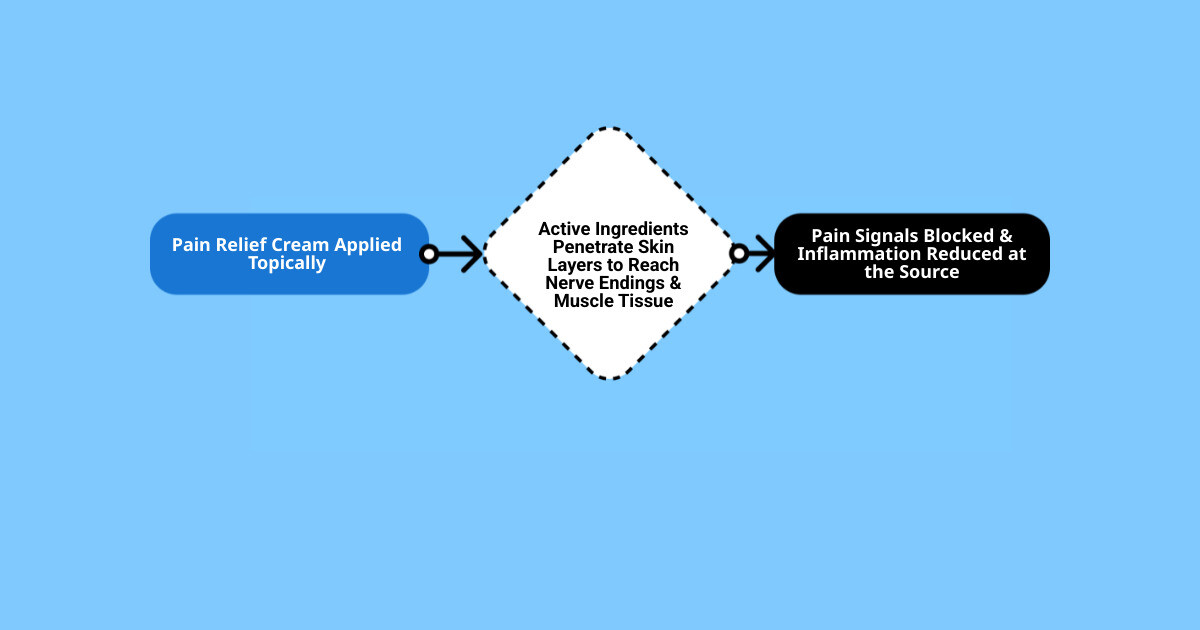
Have you ever wondered how rubbing a cream on your skin can make pain disappear? Unlike oral medications that travel through your bloodstream, topical analgesics take a direct route. When you apply a pain relief rub cream, the active ingredients soak through your skin to reach the nerve endings and muscle tissue beneath. It's a faster, more efficient path to relief.
These creams interfere with the neural pathways that carry pain signals to your brain. They don't necessarily heal the underlying injury, but they give you much-needed relief while your body does its repair work. At Neuropasil, our creams are designed to deliver active ingredients efficiently to where they're needed most. You can explore more info about our ingredients to understand our approach.
Common Active Ingredients and Their Mechanisms
What makes pain relief creams different comes down to their active ingredients. Each one tackles pain in a unique way.
Counterirritants create a strong sensation on your skin that distracts your brain from deeper pain. Menthol provides cooling relief, with many maximum-strength formulas containing 10-16%. It overwhelms pain signals with an intense cold sensation. Camphor takes the opposite approach with a warming sensation, often found in concentrations of 3-11%. It stimulates nerve endings with soothing heat. Some formulas combine both for a dual cooling-then-warming effect.
Salicylates, like methyl salicylate, are chemical cousins of aspirin. When absorbed, they reduce both pain and inflammation at the source. This is the ingredient responsible for the distinctive "wintergreen" smell in many muscle rubs, with some ultra-strength products containing up to 30%. Research shows these topical NSAIDs carry a lower risk of stomach upset and heart problems compared to oral NSAIDs.
Anesthetics like lidocaine take the most direct approach by numbing the area. Over-the-counter products can contain up to 4% lidocaine, which blocks nerve signals directly in the skin. This is a great option if you prefer not to experience the sensations of counterirritants.
Understanding these mechanisms helps you choose the right solution. For more detailed information, the Mayo Clinic offers excellent insights on scientific research on topical pain medicines.
Natural and Alternative Ingredients in a Pain Relief Rub Cream
Many pain relief rub cream products now incorporate natural ingredients that offer real relief.
Capsaicin, derived from chili peppers, works by depleting Substance P, a chemical that transmits pain messages. When first applied, it causes a temporary burning sensation, but with consistent use over two weeks, it can provide significant relief. It's often found in low concentrations, around 0.025%.
Arnica is a homeopathic favorite for bruising and muscle soreness, while Turmeric offers powerful anti-inflammatory properties. CBD (cannabidiol), a non-psychoactive compound from the cannabis plant, also shows promise for reducing inflammation and pain.
Many natural creams also incorporate essential oils like Copaiba and marjoram for their anti-inflammatory and muscle-relaxing properties. Supporting ingredients like aloe vera soothe the skin and improve absorption, while urea hydrates and improves the penetration of active ingredients.
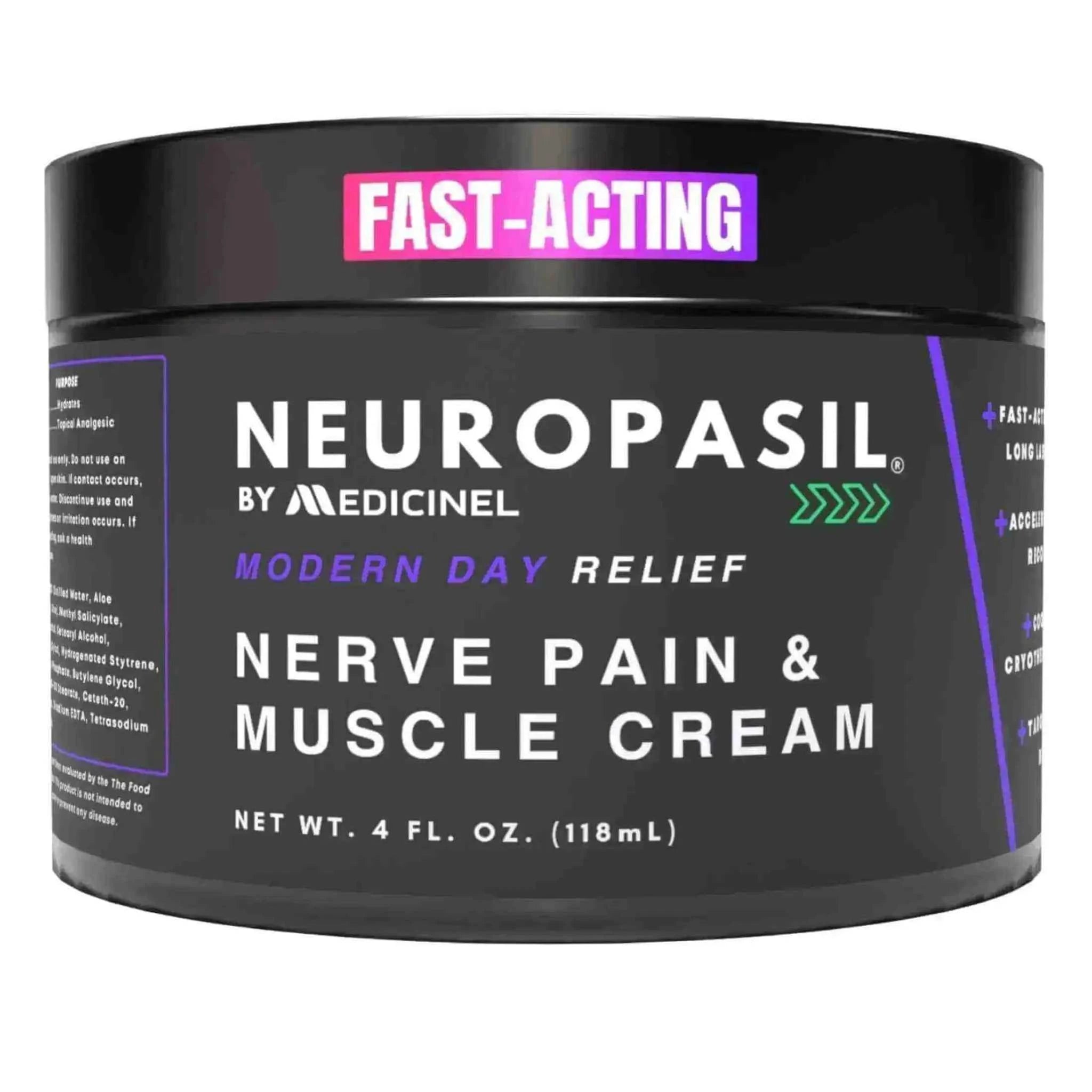
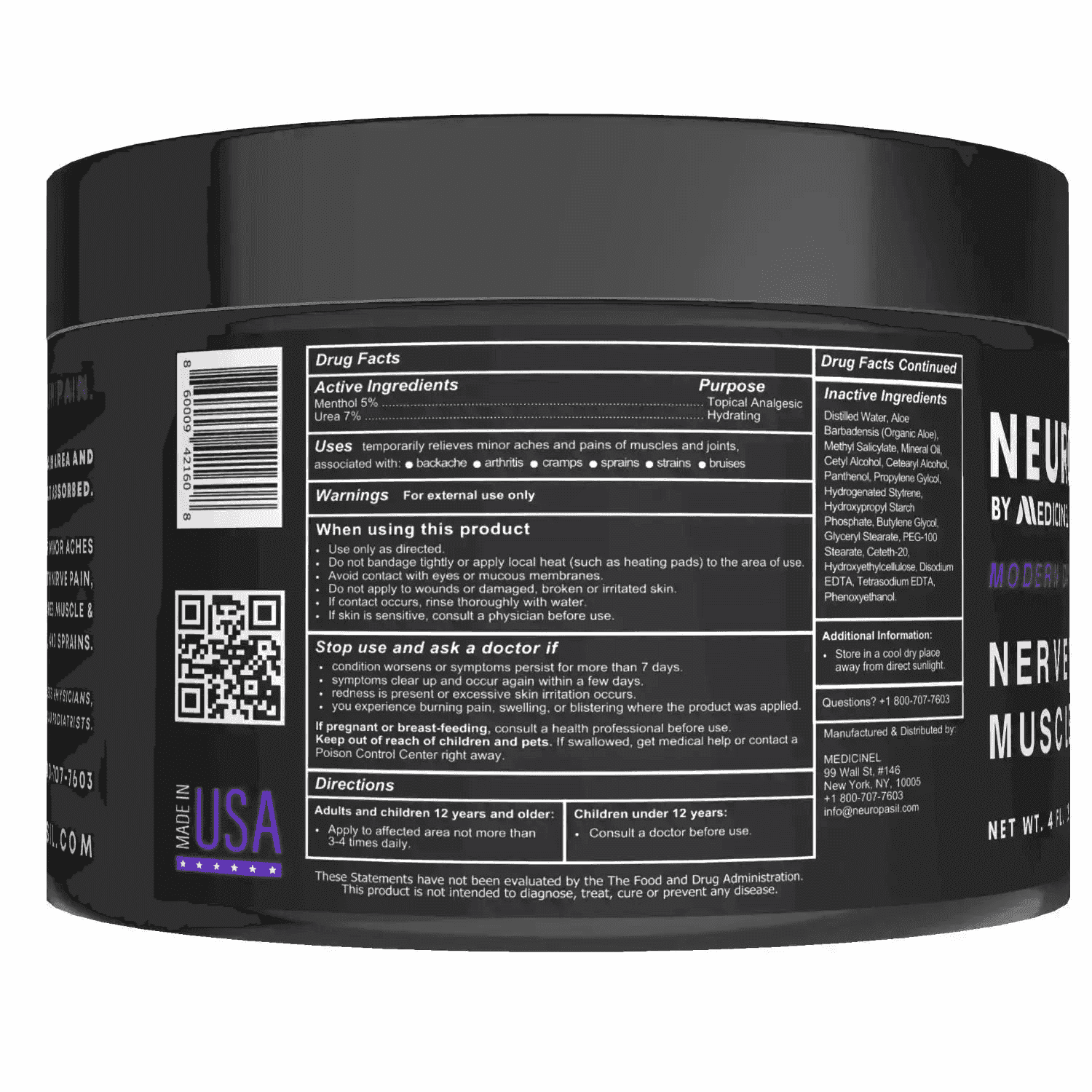
At Neuropasil, we combine aloe, urea, and menthol to deliver fast-acting, soothing relief that works in harmony with your body. To find more ways to soothe your aching muscles naturally, check out our guide to finding natural relief for muscle pain.
Topical vs. Oral Pain Relief: A Head-to-Head Comparison
When pain strikes, should you swallow a pill or reach for a pain relief rub cream? Both have their place, but they work in fundamentally different ways.
Oral medications like ibuprofen or acetaminophen take a systemic approach, traveling throughout your body. This is effective for widespread aches but carries risks of affecting your stomach, liver, or heart. In contrast, pain relief rub cream delivers active ingredients directly through your skin to the painful area. This localized approach means significantly less medication enters your bloodstream, resulting in fewer systemic side effects. Topical treatments work best for joints close to the skin—like hands, knees, or elbows—and for localized muscle or nerve pain.
| Feature | Topical Creams | Oral Pills |
|---|---|---|
| Speed of Relief | Often fast-acting (minutes for counterirritants), localized | Varies (30 minutes to an hour), systemic relief |
| Side Effects | Primarily localized (skin irritation, burning); low systemic risk | Systemic (stomach upset, heart problems, liver issues); higher systemic risk |
| Best For | Localized muscle aches, joint pain (esp. superficial joints like hands/knees), nerve pain, sprains, strains | Widespread pain, deeper pain, chronic conditions, fever, headaches |
| Cost | Generally affordable; OTC options widely available | Varies; some require prescriptions |
Benefits of Using a Pain Relief Rub Cream
The advantages of using a pain relief rub cream are compelling:
- Targeted Relief: You apply the cream precisely where it hurts, concentrating the active ingredients for maximum effect.
- Fast-Acting: Ingredients like menthol and camphor provide a cooling or warming sensation within moments.
- Fewer Systemic Side Effects: Because minimal amounts enter your bloodstream, the risk of gastrointestinal upset or cardiovascular concerns is dramatically reduced.
- Lower Risk of Stomach Upset: Topical NSAIDs are a great alternative for those with sensitive stomachs who can't tolerate oral NSAIDs.
- Convenience and Availability: Most creams are available over-the-counter and are easy to carry in a gym bag or purse for relief on the go.
Potential Drawbacks and Precautions
While topical relief is beneficial, it's important to be aware of potential downsides.
The most common issue is skin irritation or allergic reactions, such as redness or itching. Ingredients like capsaicin can cause a temporary burning sensation. Always perform a patch test by applying a small amount to your skin and waiting an hour to check for a reaction.
Topical creams have limits for deep pain, as the active ingredients may not penetrate deeply enough to reach the source. Proper usage is crucial:
- Never apply creams to broken or irritated skin.
- Do not use a heating pad over the cream, as this can cause burns.
- Keep the cream away from your eyes, nose, and mouth.
- Wash your hands thoroughly after application (unless treating your hands).
If you have allergies or take other medications like blood thinners, consult your healthcare provider before use. For detailed guidance on our specific formulations, you can find more info about our products.
How to Choose the Best Pain Relief Rub Cream for Your Needs
Finding the right pain relief rub cream doesn't have to be complicated. The secret is matching the product to your specific pain, lifestyle, and preferences. Consider what matters most: the type of pain you're experiencing, your daily routine, and whether you prefer a cooling, warming, or numbing sensation.
At Neuropasil, we've learned there's no one-size-fits-all answer. Understanding your options is the key to finding what works best for you.
Creams vs. Gels vs. Sprays
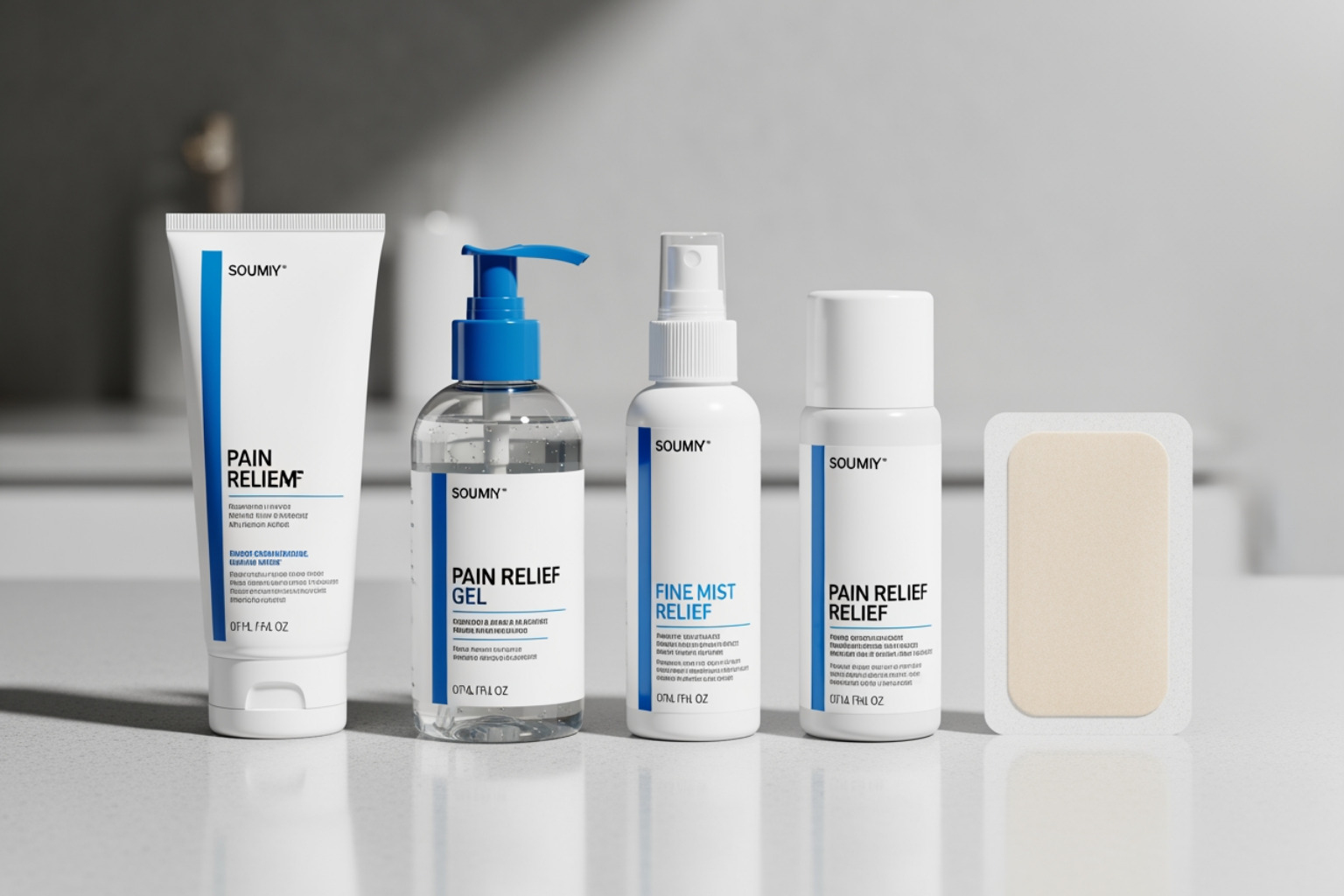
The delivery method of your pain relief rub cream affects how it feels and how quickly it works.
Creams are thicker and more moisturizing, making them ideal for massaging into larger areas or for those with dry skin. They tend to absorb more slowly, which can mean longer-lasting relief. Our Neuropasil Cream is formulated to penetrate deeply while soothing the skin.
Gels are lighter, absorb quickly, and leave minimal residue. They are fantastic if you need to get dressed quickly or dislike any tackiness on your skin.
Sprays offer a hands-free application, which is a game-changer for hard-to-reach areas like your back. They dry quickly and are incredibly convenient. We offer a Neuropasil Spray for those moments when you need easy application.
Patches, while not a cream, provide continuous, long-lasting relief for hours without reapplication, making them a discreet option for daytime use.
Matching Ingredients to Your Type of Pain
Different types of pain respond to different active ingredients. Matching them correctly can dramatically improve your results.
For Muscle Soreness: Counterirritants are your best bet. Menthol provides instant cooling relief, while camphor offers a soothing warmth to relax tight muscles. Methyl salicylate is an anti-inflammatory that tackles the root cause of soreness from exercise.
For Arthritis Pain: Anti-inflammatory ingredients are key. Topical NSAIDs have strong scientific backing for relieving arthritis pain in joints like hands and knees with fewer side effects than oral pills. Capsaicin can also be effective but requires consistent application for up to two weeks. For a natural approach, botanical ingredients like arnica and turmeric offer gentler relief. For comprehensive guidance, the Mayo Clinic is an excellent resource for understanding arthritis treatments.
For Nerve Pain: This burning, tingling sensation requires ingredients that directly affect nerve function. Lidocaine numbs nerve endings, while menthol can create a distracting cooling sensation. At Neuropasil, nerve pain is our specialty. We formulate our creams with Aloe, Urea, and Menthol to provide fast, soothing relief for neuropathy, sciatica, and fibromyalgia. The Aloe and Urea help the menthol penetrate effectively to quiet overactive nerve signals.
Our Top-Rated Pain Relief Creams

At Neuropasil, we've perfected formulations that combine the best of nature and science. We've developed a family of products, each designed to tackle specific types of pain with precision and care for athletes, arthritis sufferers, and those with nerve pain.
Best for Athletes: Neuropasil Muscle & Joint Relief Cream
For those who push their bodies, muscle soreness can derail a training schedule. Our Neuropasil Muscle & Joint Relief Cream was designed for this challenge. It's packed with a high dose of menthol and camphor to create a powerful cooling and warming sensation. The menthol works fast to quiet overworked muscles, while the camphor penetrates deeper to relax tightness. Athletes use Neuropasil to recover from sore muscles, strains, and sprains, and the non-greasy, no-mess applicator makes it easy to target specific spots.
Best for Arthritis: Neuropasil Advanced Relief Cream
Living with arthritis means dealing with persistent pain. Our Neuropasil Advanced Relief Cream focuses on sustained comfort. This clinically inspired formula brings together natural botanicals with proven active ingredients to address both pain and inflammation at the source. The goal is to provide lasting comfort that helps you move with greater ease. Many customers use Neuropasil daily as part of their arthritis management routine, helping them return to the activities they love. If you're looking for more strategies, we invite you to Learn more about managing pain through our resources.
Best for Nerve Pain & Natural Relief: Neuropasil Nerve Pain Relief Cream
Nerve pain—that burning, tingling, shooting sensation—requires a special approach. Our flagship Neuropasil Nerve Pain Relief Cream is built around three powerful natural ingredients: Aloe, Urea, and Menthol. Aloe soothes sensitive skin, Urea improves penetration so the active ingredients can reach the nerves, and Menthol delivers a fast-acting cooling sensation that interrupts pain signals. Loyal customers use Neuropasil for neuropathy, sciatica, and fibromyalgia, finding relief that is both fast and soothing, allowing them to sleep better and walk with less discomfort.
Best for Strong, Multi-Symptom Pain: Neuropasil Ultra Strength Cream
When you need serious relief for multiple types of discomfort, our Neuropasil Ultra Strength Cream is the answer. This is our most powerful formulation, combining high concentrations of Camphor, Menthol, and Methyl Salicylate for deep-penetrating, multi-angle relief. The camphor and menthol overwhelm pain signals, while the methyl salicylate works as a topical anti-inflammatory. This triple-action approach is ideal for severe muscle aches, stubborn back and neck pain, and significant sprains.
Frequently Asked Questions about Pain Relief Creams
We hear many of the same questions from customers about pain relief rub cream products. Here are the answers to the most common ones.
How do I apply pain relief cream correctly and safely?
Proper application makes all the difference. Follow these simple steps for effective and safe relief:
- Start with clean, dry skin to help the ingredients absorb properly.
- Apply a thin layer and massage it thoroughly into the affected area.
- Wash your hands thoroughly with soap and water afterward, unless you are treating your hands. Avoid touching your eyes or mouth.
- Never apply to broken or irritated skin, such as cuts or rashes.
- Do not use heating pads or tight bandages over the cream, as this can cause skin irritation or burns.
- If you have sensitive skin, perform a patch test first. Apply a small amount to your inner wrist and wait an hour to check for any reaction.
Always check the product's label for how often you can apply it, which is typically 3-4 times daily.
Can I use pain relief creams with other treatments?
Often, yes. Many people successfully use pain relief rub cream as part of a broader pain management plan.
Topical creams work well alongside physical therapy and massage, as the temporary relief can make exercises more comfortable. Some people also combine them with oral medications to reduce their reliance on pills. However, always consult your doctor or pharmacist before combining treatments, especially if you take blood thinners, are pregnant, or have underlying health conditions.
While you can use hot and cold therapy, never apply a heating pad directly over the cream. It's generally not advisable to layer multiple different topical products on the same area without professional guidance.
How long does it take for pain relief creams to work?
This varies depending on the active ingredients in your pain relief rub cream.
Counterirritants (Menthol & Camphor): These are the fastest-acting. You'll typically feel the cooling or warming sensation within minutes.
Lidocaine: The numbing effect usually begins within 15 to 30 minutes as the anesthetic blocks local nerve signals.
Salicylates & Topical NSAIDs: These anti-inflammatory ingredients may take 30 minutes to an hour to start working as they reduce inflammation at the cellular level.
Capsaicin: This ingredient is unique. While you'll feel an initial burning sensation, the true pain-relieving benefits can take up to two weeks of consistent, daily application to become effective.
Relief typically lasts for a few hours, but this can vary based on the formula and your activity level. Always check the product's instructions for guidance.
Conclusion: Finding Your Perfect Match for Pain Relief
We've explored how pain relief rub cream products work, from their active ingredients to their targeted application. The power of topical pain relief lies in its ability to deliver comfort exactly where you need it, offering faster relief with fewer side effects compared to oral medications.
Matching your cream to your specific type of discomfort is what makes all the difference. An athlete's needs differ from someone with chronic arthritis or neuropathy. Understanding which ingredients address your pain mechanism will lead to better results.
At Neuropasil, our mission is built on this principle. Our formulations combine the soothing properties of Aloe, the penetration-enhancing power of Urea, and the fast-acting cooling of Menthol. We are dedicated to helping one million people across North America find freedom from chronic pain by 2028. Every customer who regains mobility or finds comfort reminds us why this work matters.
If you're ready to experience what targeted, natural pain relief can do, we'd be honored to be part of your journey. Discover Neuropasil's solutions for pain relief and find the product that's right for you.
References
This guide was compiled using information from leading medical institutions and research databases to ensure accuracy. All factual claims regarding ingredient concentrations, efficacy, and safety are supported by the following sources:
-
Massey, T., et al. (2010). "Topical NSAIDs: A Review of the Literature." American Family Physician. Provides evidence for the lower systemic side effects of topical NSAIDs compared to oral versions.
- Source: https://www.aafp.org/pubs/afp/issues/2010/0215/p425.html
-
Cleveland Clinic. (2022). "Topical Pain Relievers." Offers a detailed overview of different active ingredients, how they work, and how long they take to provide relief.
- Source: https://my.clevelandclinic.org/health/treatments/11078-topical-pain-relievers
-
Mayo Clinic. (2021). "Osteoarthritis pain: Can I get relief from a cream?" Explains the use of topical analgesics, particularly for arthritis pain in superficial joints.
-
Derry, S., et al. (2016). "Topical NSAIDs for chronic musculoskeletal pain in adults." Cochrane Database of Systematic Reviews. Confirms the effectiveness of topical NSAIDs for chronic pain conditions like osteoarthritis.
-
U.S. Food & Drug Administration (FDA). Code of Federal Regulations Title 21, Part 348. Specifies the approved active ingredients and their concentrations for OTC topical pain relievers.
Note: This guide is for educational purposes and should not replace professional medical advice. Always consult with your healthcare provider before starting any new pain management regimen.