Why Post-Workout Muscle Soreness Happens
Soreness after workout is a common experience for anyone who exercises. Here's what you need to know:
Quick Answer:
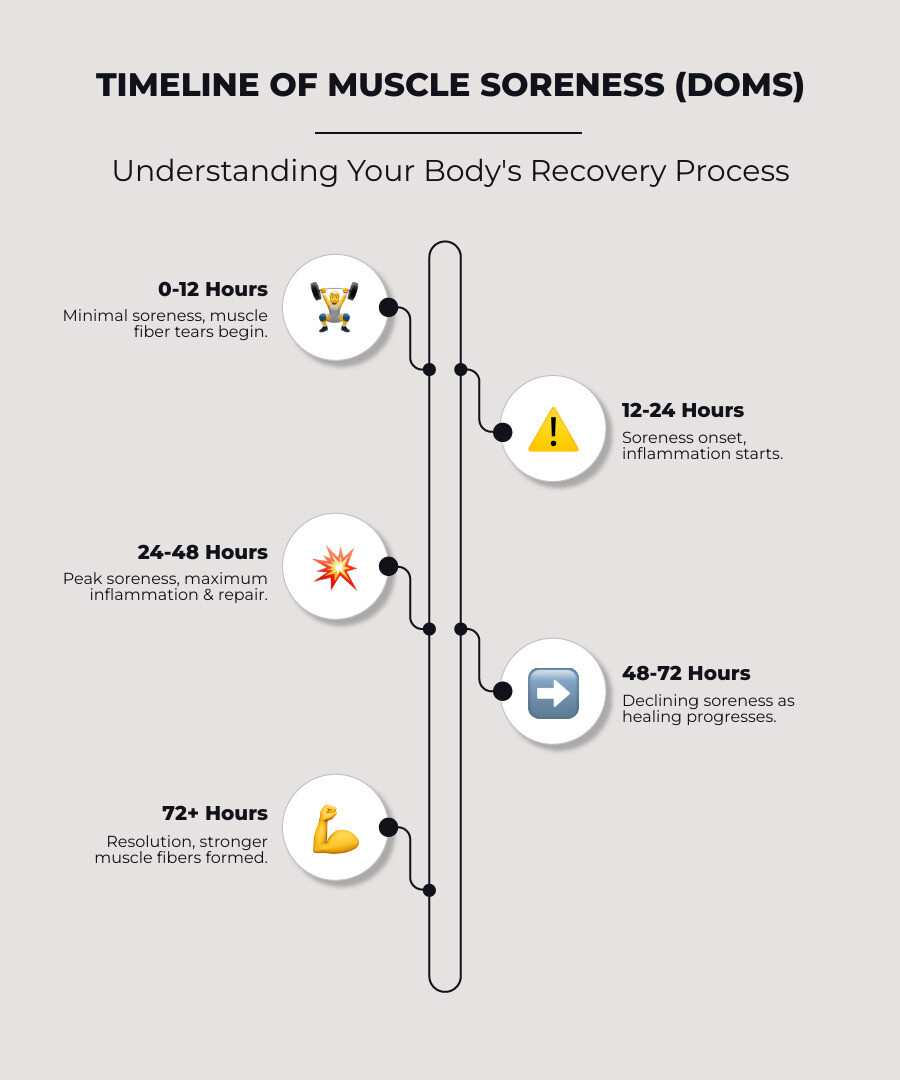
- What it is: Delayed Onset Muscle Soreness (DOMS), caused by microscopic tears in muscle fibers.
- When it starts: Typically 12-48 hours after exercise.
- How long it lasts: Usually 1-3 days, but can last up to a week.
- What causes it: New exercises, increased intensity, or eccentric movements (lengthening muscles under load).
- Is it normal? Yes—it's a sign your muscles are adapting and getting stronger.
After a hard workout, your body begins a remarkable repair process. The microscopic tears in your muscle fibers are not a cause for alarm; they are the catalyst for your muscles to heal and rebuild stronger than before. This is why the dull, achy feeling after a challenging session is completely normal.
The inflammation and stiffness you feel are signs that your body is working to flush out damaged cells and build new, stronger muscle tissue. While uncomfortable, it's a natural part of getting fitter.
Understanding Post-Workout Muscle Soreness
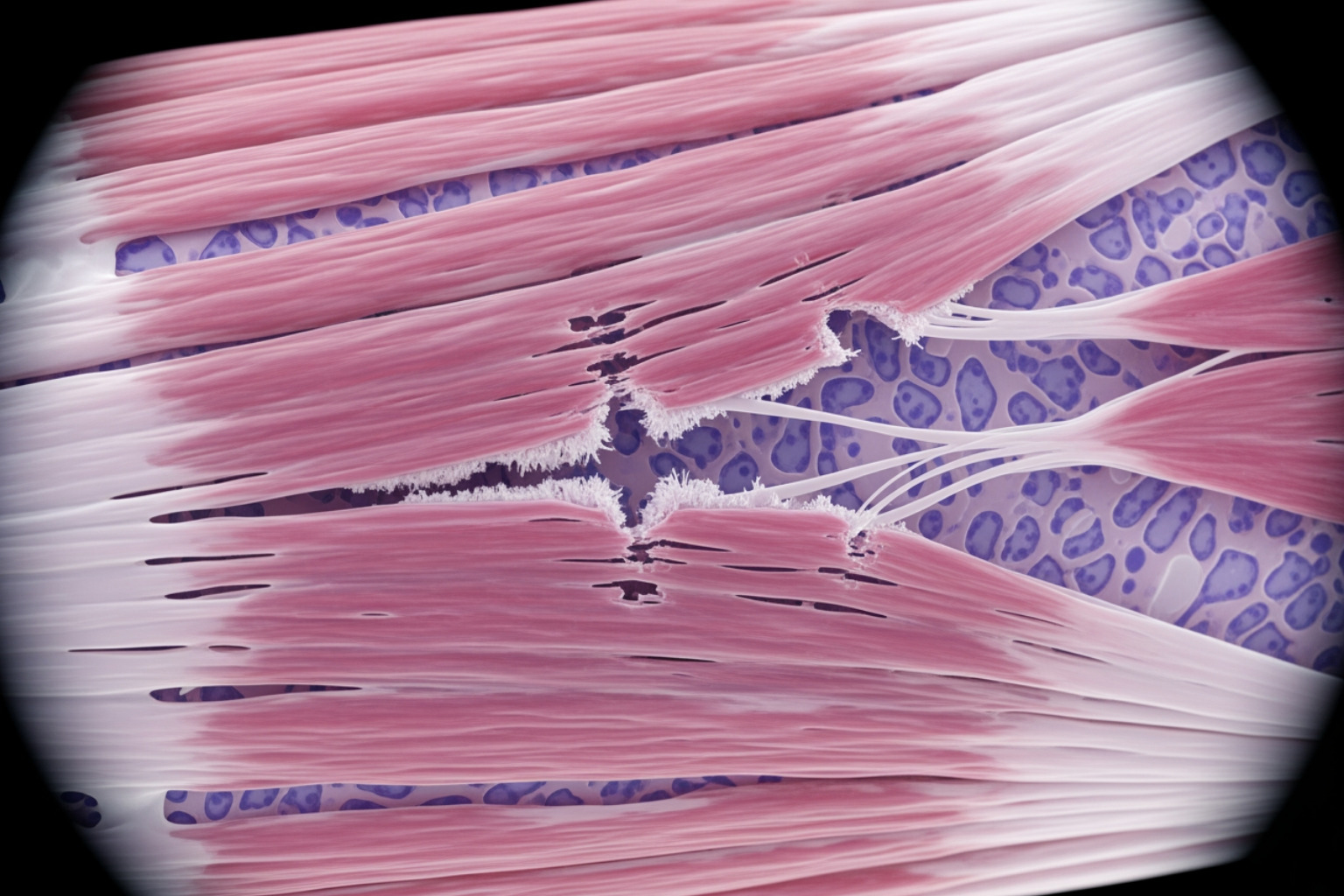
When you challenge your muscles, you create thousands of tiny tears in the muscle fibers. This sounds alarming, but it's a good thing. It's how your body builds strength and endurance through a cycle of breaking down and rebuilding muscle tissue.
Exercise involves two main muscle contractions. Concentric contractions shorten the muscle (like lifting a dumbbell), while eccentric contractions lengthen it under tension (like lowering the dumbbell slowly). These eccentric movements are the primary cause of soreness after workout because they create more microscopic tears.
After these tears occur, your body initiates an inflammation response. This is your body's repair crew rushing to the scene to clear out damaged tissue and start rebuilding. This inflammation causes tenderness and stiffness but is key to muscle adaptation and growth.
What is Delayed Onset Muscle Soreness (DOMS)?
That feeling when you wake up the day after a tough workout with achy, stiff muscles is DOMS—Delayed Onset Muscle Soreness. The "delayed" part is key, as it's different from the burn you feel during exercise.
DOMS typically appears 12 to 24 hours post-workout, with peak soreness hitting between 24 and 72 hours. This 12-48 hour delay is why you might feel fine immediately after a workout but struggle with stairs the next day. Symptoms include tenderness, stiffness, and a limited range of motion. This discomfort is a sign that your muscle repair process is in full swing. The American College of Sports Medicine confirms.pdf?sfvrsn=8f430e18_2) that DOMS is a normal response to pushing your body beyond its usual limits.
What Causes Muscle Soreness After a Workout?
A common misconception is that soreness after workout is caused by lactic acid. While lactic acid builds up during exercise, it clears from your system within an hour.pdf?sfvrsn=8f430e18_2) and doesn't cause delayed aches.
The real culprit is microscopic muscle damage. When you introduce new exercises, increase your workout's intensity, or perform movements that involve lengthening muscle under load (like running downhill or lowering weights), you create these tiny tears. Your muscles aren't yet adapted to these new stresses, which is why even a seemingly simple new activity can leave you surprisingly sore.
How Long Does Soreness Last and How Does it Vary?
Most of the time, soreness after workout lasts one to three days, with significant improvement after 72 hours. However, soreness lasting up to a week can still be normal, as long as it's improving. If pain worsens or doesn't decrease after five days, consult a healthcare professional, as it could be an injury.
The type of exercise also affects soreness. Research comparing various exercise types shows that different activities create different soreness patterns. For example, running vs. weightlifting places unique demands on your muscles. Furthermore, trained vs. untrained individuals respond differently, as a conditioned body is more efficient at the repair process. Your recovery timeline is unique to your fitness journey.
Effective Strategies for Managing Soreness After Workout
While soreness after workout is a natural part of progress, you don't have to suffer unnecessarily. Effective strategies can manage discomfort, speed up recovery, and get you back to your routine feeling refreshed.
Recovery techniques focus on gentle pain management and improving blood flow to assist your body's natural healing process. Let's explore the best ways to tackle that post-exercise ache.
Active Recovery and Gentle Movement
When your muscles are sore, the last thing you may want to do is move. However, active recovery—light, low-impact movement—can be incredibly beneficial. Instead of complete rest, try a leisurely walk, a relaxing swim, or gentle yoga. These activities increase blood circulation to sore muscles, which helps flush out metabolic waste and deliver oxygen and nutrients essential for repair. This can alleviate stiffness and reduce discomfort. For more tips, check out this info about relieving soreness.
The Role of Nutrition and Hydration
Proper nutrition and hydration are heroes of muscle recovery.
- Protein: Aim for 20-40 grams of protein after a workout to provide the amino acids needed to rebuild and strengthen muscle fibers.
- Carbohydrates: Replenish your muscles' depleted glycogen (energy) stores by consuming carbs, ideally with protein, within two hours of exercising.
- Anti-inflammatory foods: Foods rich in antioxidants help combat cellular damage from exercise. Good choices include tart cherries, fatty fish (like salmon), leafy greens, and watermelon. Find more ideas in this guide to the best foods for muscle recovery.
- Hydration: Staying hydrated is crucial. A 2005 study showed that hydrating before, during, and after exercise reduced muscle soreness. Drink plenty of water throughout the day.
Topical Relief and Self-Care
Sometimes, muscles need extra TLC. Self-massage can target sore spots, increase blood flow, and release tension. A review of various exercise recovery techniques suggests that massage can significantly reduce DOMS symptoms and perceived fatigue.
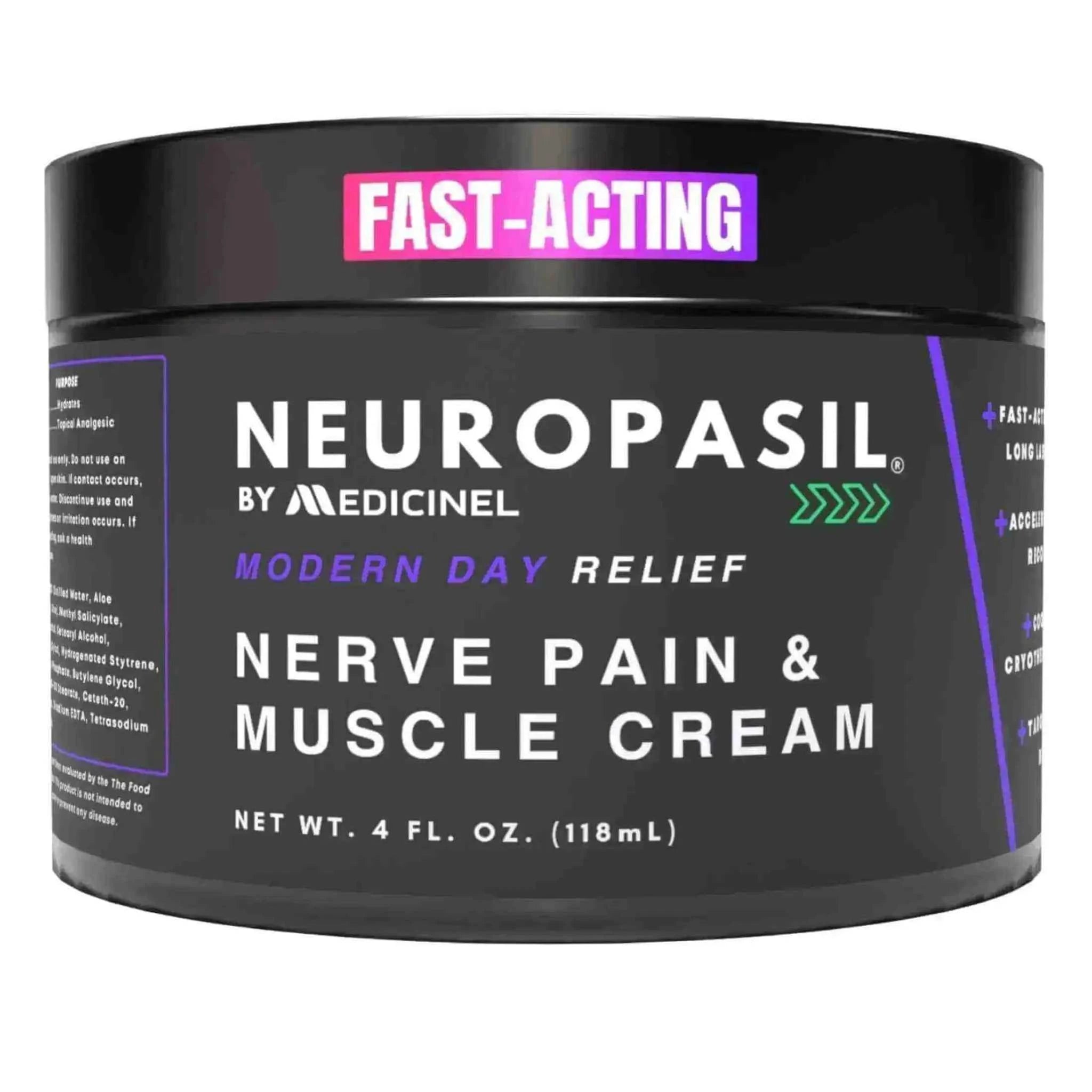
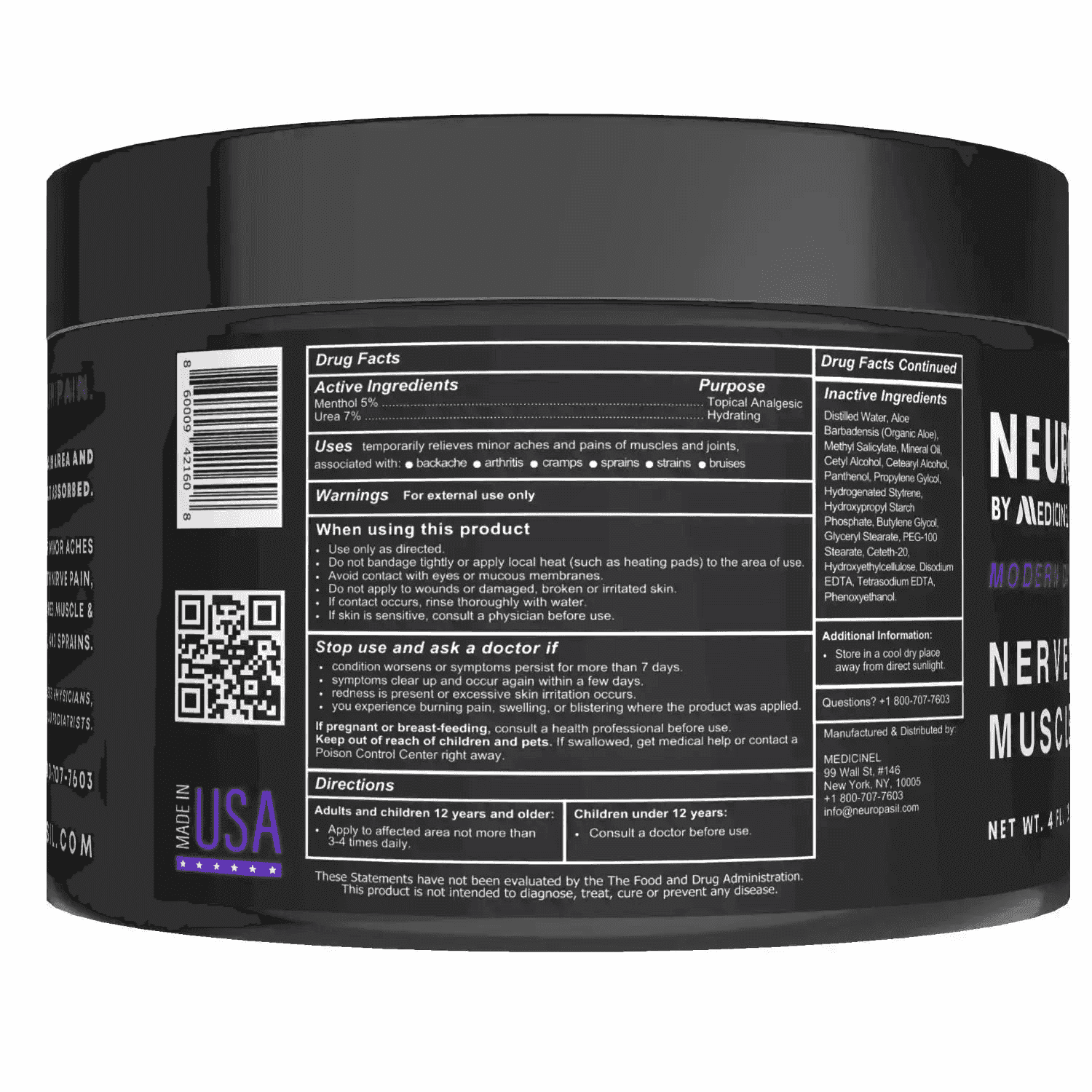
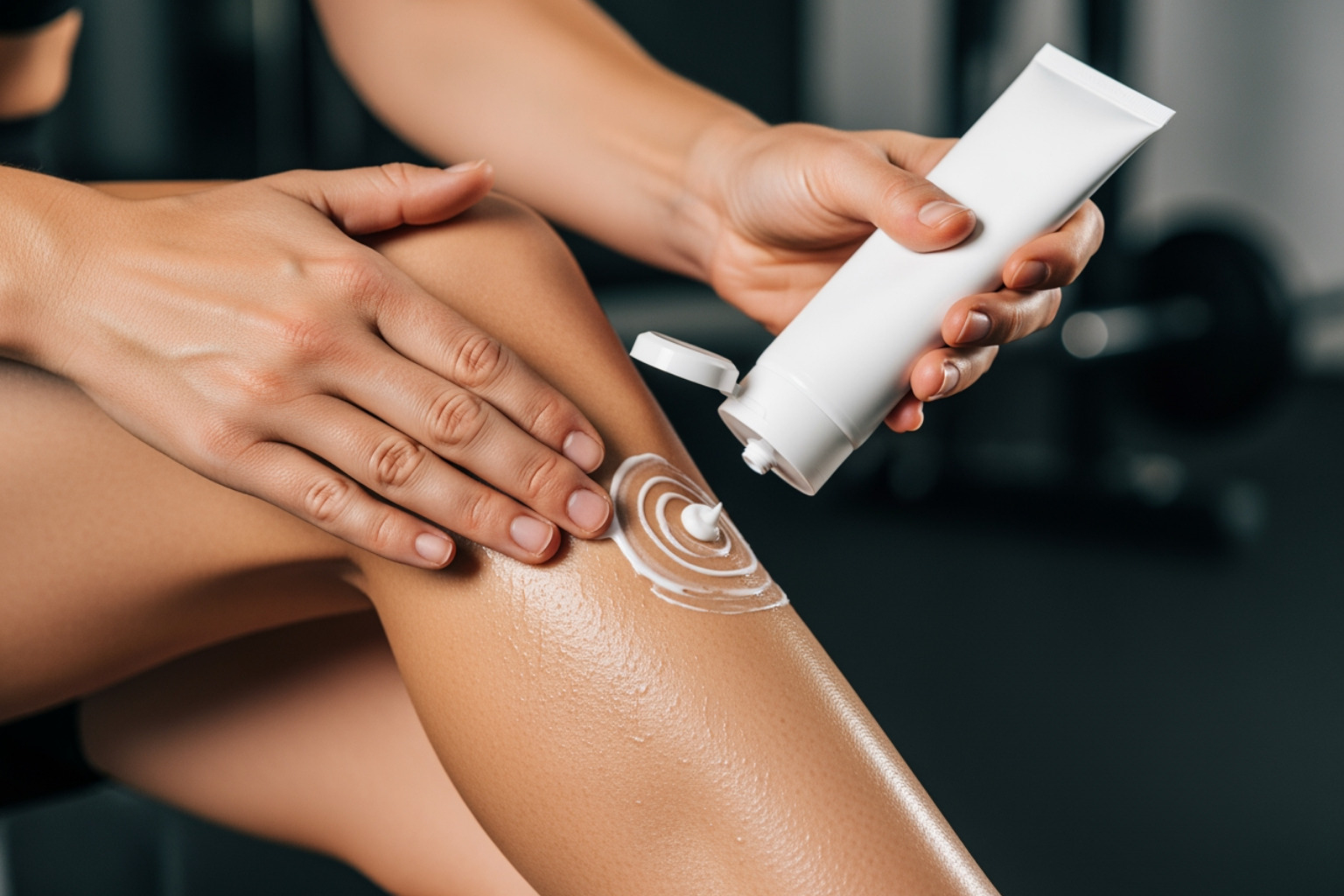
For targeted relief, muscle pain relief creams are a great option. Products with ingredients like menthol provide a cooling sensation that temporarily soothes pain. Neuropasil uses Aloe, Urea, and Menthol to deliver fast-acting, targeted relief for sore muscles. Applying a cream directly to the affected area is a convenient way to manage discomfort.
We invite you to Discover our fast-acting relief cream designed to help you bounce back faster from soreness after workout.
Heat and Cold Approaches
Both heat and cold approaches can be effective for soreness after workout.
- Cold therapy (ice packs, cold baths) can reduce inflammation and numb pain. A quick, 10-minute immersion in cool water (around 50°F or 10°C) may lessen DOMS.
- Heat therapy (warm baths, heat wraps) increases blood flow, promoting muscle relaxation and easing stiffness. Research on sustained heat treatment shows it can be effective in alleviating DOMS. Epsom salt baths are also a popular choice for relaxation.
The best choice often comes down to personal preference. Experiment to see what brings you the most relief.
Soreness vs. Injury: When to Be Concerned
It's crucial to distinguish between normal soreness after workout and an actual injury. While a dull ache is a sign of progress, sharp pain can indicate something more serious.
A low-level, dull ache that improves with gentle movement is usually normal DOMS. However, sharp, localized pain that worsens during exercise might signal an injury.
Distinguishing Normal Soreness from an Injury
This guide can help you tell the difference between typical DOMS and a potential injury:
| Feature | Delayed Onset Muscle Soreness (DOMS) | Muscle Injury (Strain, Sprain, Tear) |
|---|---|---|
| Type of Pain | Dull, aching, generalized tenderness | Sharp, sudden, stabbing, localized |
| Onset | 12-48 hours after exercise | Immediately during or shortly after the incident |
| Duration | 1-3 days, improving over time | Can last weeks; no relief after several days of rest |
| Associated Symptoms | Stiffness, mild swelling, reduced range of motion | Significant swelling, bruising, loss of function, weakness |
| Impact on Movement | Stiffness improves with gentle movement | Movement is difficult, painful, or impossible |
| When to Worry | Lasts longer than 5-7 days without improving | Any sharp pain, inability to bear weight, visible deformity |
Pain coupled with significant bruising, fever, or chills warrants immediate medical attention.
The Risks of Overtraining and Rhabdomyolysis
Excessive or persistent soreness can be a sign of overtraining, which occurs when you don't allow for adequate rest. This can lead to fatigue, declining performance, and increased injury risk.
A rare but severe risk of extreme overexertion is rhabdomyolysis. This serious condition involves the rapid breakdown of muscle tissue, releasing substances into the bloodstream that can damage the kidneys.
According to the Cleveland Clinic, key symptoms of rhabdomyolysis include:
- Severe muscle pain and weakness
- Swelling
- Dark, tea-colored, or brown urine
- Nausea or fatigue
If you experience these symptoms, especially dark urine after an intense workout, seek emergency medical attention immediately.
How to Prevent Excessive Muscle Soreness
Adopting smart training practices can significantly reduce excessive soreness after workout and keep your fitness journey enjoyable. The key is a combination of gradual progression, listening to your body, and consistency.
The Importance of Warm-Ups and Cool-Downs
Warm-ups and cool-downs are crucial for preparing your muscles and preventing soreness.
A proper warm-up with dynamic stretching (like leg swings or arm circles) increases muscle temperature and blood flow, making muscles more pliable and less prone to injury. It helps your body transition safely from rest to performance.
The cool-down helps your muscles return to a resting state. This typically involves light exercise followed by static stretching (holding stretches). While not a direct cure for DOMS, a cool-down can improve flexibility, reduce stiffness, and aid performance in future sessions. At Neuropasil, we believe in supporting your body's resilience, which starts with proper preparation. Find more about our ingredients, designed to work with your body's needs.
Progressing Your Workouts Safely
Doing too much, too soon is a common cause of severe soreness after workout. Your muscles need time to adapt, so progressing your workouts safely is critical.
- Start slowly: If you're new to exercise or returning from a break, begin with low-intensity, shorter workouts to ease your body into the routine.
- Increase gradually: Increase your workout intensity, duration, or weight slowly over time. This allows your muscles to adapt without being overwhelmed.
- Allow adaptation time: Consistency is more important than intensity at first. Regular, moderate workouts build a strong foundation and reduce the severity of DOMS over time as your muscles become more resilient.
Always listen to your body and scale back if you feel excessive pain. For more insights, Explore our blog for more fitness tips.
Frequently Asked Questions about Post-Workout Soreness
Here are answers to some of the most common questions about muscle soreness.
Is it okay to work out with sore muscles?
Yes, but be smart about it. If you have a low-level, dull ache, light activity or "active recovery" (like walking or swimming) can help by increasing blood flow. This can actually alleviate soreness. However, if your soreness after workout is severe, involves sharp pain, or limits your range of motion, it's best to rest the affected muscles or work different muscle groups. Avoid high-intensity exercise on severely sore muscles to prevent injury.
Does muscle soreness mean you had a good workout?
Not necessarily. Soreness often means you've challenged your muscles in a new way, which is necessary for growth. It's common for beginners or when trying new exercises. However, as your body adapts, you'll experience less soreness. A lack of soreness doesn't mean your workout was ineffective; it often means your body is becoming more efficient. Focus on progressive overload and consistency rather than chasing soreness as a measure of success.
What is the fastest way to get rid of muscle soreness?
There's no instant cure, but a combination of strategies is most effective for speeding up recovery:
- Active Recovery: Gentle movement like walking or stretching increases blood flow and reduces stiffness.
- Nutrition and Hydration: Drink plenty of water and fuel your body with protein for repair, carbohydrates for energy, and anti-inflammatory foods.
- Self-Care: Self-massage can release tension. For targeted comfort, topical creams with ingredients like menthol can provide a soothing, cooling sensation. Neuropasil's blend of Aloe, Urea, and Menthol offers this kind of fast-acting relief.
- Temperature Therapy: Experiment with cold packs to reduce inflammation or warm baths to ease stiffness.
- Sleep: Your body does most of its repair work while you sleep, so prioritize getting enough rest.
Conclusion
Experiencing soreness after workout is your body's way of telling you that you've challenged it to grow stronger. This normal sign of progress, known as DOMS, is a key part of any fitness journey.
The key is to listen to your body, distinguishing between healthy muscle fatigue and potential injury. By staying hydrated, fueling your body with proper nutrients, and using active recovery, you can manage discomfort and bounce back faster. Finding the right balance between effort and recovery is what makes fitness sustainable and enjoyable.
For moments when your muscles need extra support, topical solutions like Neuropasil offer targeted comfort. Our fast-acting creams help you recover so you can get back to doing what you love. For more insights, explore The ultimate guide to muscle relief.
References
This guide draws from scientific research and trusted medical sources to help you understand and manage soreness after workout. The information is based on insights from the following resources.
- American College of Sports Medicine. (n.d.). Delayed Onset Muscle Soreness (DOMS). https://www.acsm.org/docs/default-source/files-for-resource-library/delayed-onset-muscle-soreness-(doms).pdf?sfvrsn=8f430e18_2
- Cleveland Clinic. (2021). Rhabdomyolysis. https://my.clevelandclinic.org/health/diseases/21584-rhabdomyolysis
- Cleveland Clinic. (2023). What helps sore muscles after a workout? https://health.clevelandclinic.org/what-helps-sore-muscles-after-workout
- Dupuy, O., et al. (2018). An evidence-based approach for choosing post-exercise recovery techniques. Frontiers in Physiology. https://www.ncbi.nlm.nih.gov/labs/pmc/articles/PMC5932411/
- FamilyDoctor.org. (n.d.). Sore Muscles. https://familydoctor.org/sore-muscles/
- Healthline. (2024). What Is Delayed Onset Muscle Soreness (DOMS) and What Can You Do About It? https://www.healthline.com/health/doms
- Henry Ford Health. (2020). 8 Ways To Ease Post-Workout Muscle Soreness. https://www.henryford.com/blog/2020/02/8-ways-to-ease-post-workout-muscle-pain
- Medical News Today. (2022). Should you work out when sore? https://www.medicalnewstoday.com/articles/326892
- Memorial Hermann. (n.d.). Best Foods for Soreness and Muscle Recovery. https://www.memorialhermann.org/services/specialties/sports-medicine/athlete-services/sports-nutrition/sports-nutrition-articles/best-foods-for-soreness-and-muscle-recovery
- MU Health Care. (2023). Starting a New Workout? 6 Things to Know About Muscle Soreness. https://www.muhealth.org/our-stories/starting-new-workout-6-things-know-about-muscle-soreness
- Petrofsky, J., et al. (2017). The efficacy of sustained heat treatment on delayed-onset muscle soreness. Clinical Journal of Sport Medicine. https://pubmed.ncbi.nlm.nih.gov/27454218/
- PMC. (2005). Dehydration and symptoms of delayed-onset muscle soreness in hyperthermic males. https://pmc.ncbi.nlm.nih.gov/articles/PMC1323290/
- Vickers, A. J. (2001). Time course of muscle soreness following different types of exercise. BMC Musculoskeletal Disorders, 2(5). https://pubmed.ncbi.nlm.nih.gov/11701094/