Why Natural Muscle Recovery Matters for Every Body
Natural muscle recovery is your body's system for repairing and strengthening muscles after physical activity without synthetic supplements. It relies on a few core pillars:
- Nutrition: Consume protein (1.4-2.0g per kg of body weight) and carbs within 2 hours post-workout.
- Sleep: Get 7-9 hours of quality sleep for hormone production and muscle protein synthesis.
- Hydration: Drink 1.5 liters of fluid for every kg lost during exercise.
- Active Recovery: Use light movement like walking or stretching to improve blood flow.
- Anti-Inflammatory Foods: Eat foods like tart cherries, fatty fish, and berries to reduce inflammation.
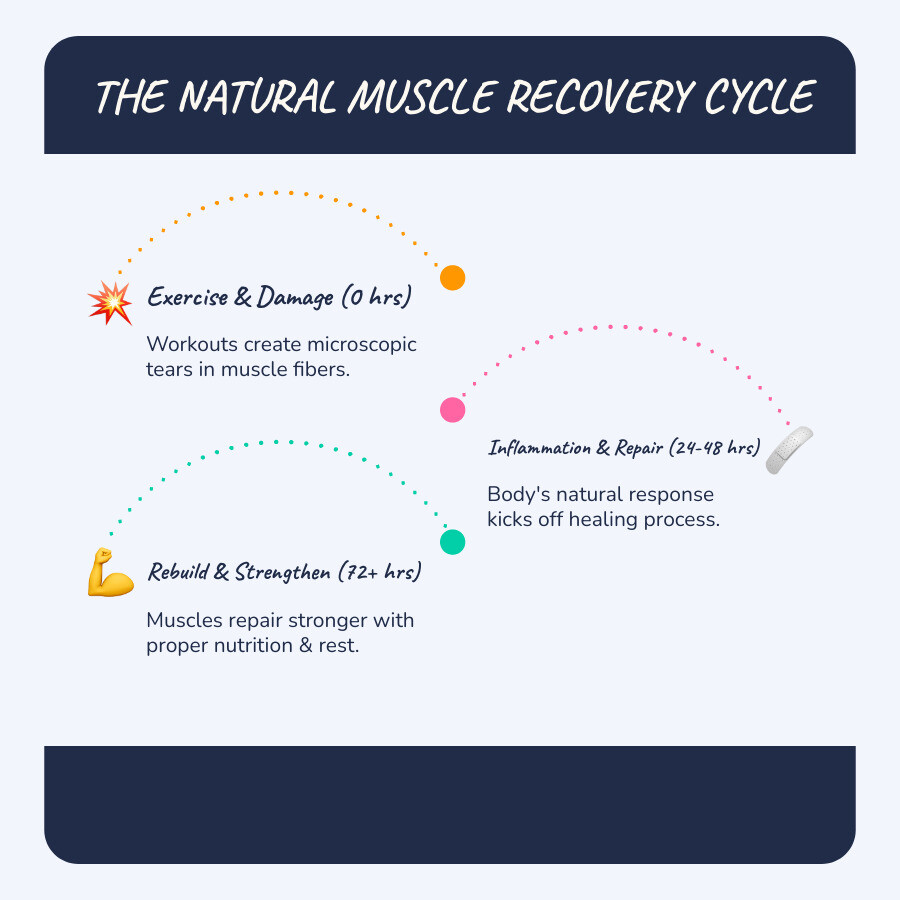
When you work out, you create microscopic tears in muscle fibers, a process called Exercise-Induced Muscle Damage (EIMD). This triggers a natural inflammatory response that kicks off the repair process. Without proper recovery, you're building on a shaky foundation, increasing your risk of injury and soreness.
Effective recovery matters whether you're an athlete needing to perform, a weekend warrior avoiding soreness, or anyone seeking pain relief without side effects. The science is clear: studies show that consuming roughly 1.6 grams of protein per kilogram of body weight daily maximizes muscle growth, while sleep deprivation impairs repair. Meanwhile, foods like tart cherries have been shown to reduce muscle damage through their antioxidant properties.
I'm Tony Enrico, and through my work with Neuropasil, I've helped thousands find effective solutions for natural muscle recovery and pain relief. My mission is to share evidence-based strategies that work.
Natural muscle recovery terms you need:
Understanding the Science of Muscle Repair
To master natural muscle recovery, you need to know what happens inside your muscles during exercise.

Your muscles are made of fibers. When you exercise, your body recruits these fibers to create force. This happens when two proteins, actin and myosin, slide past each other to shorten the muscle. Different types of muscle contractions all rely on this mechanism.
When you push hard, especially with movements where the muscle lengthens under tension (like lowering a weight), you create microscopic tears in these fibers. This is called Exercise-Induced Muscle Damage (EIMD). This controlled damage is the signal for your body to rebuild stronger.
In response, your body initiates inflammation. While often seen as negative, this initial inflammation is a necessary step in the repair process. It brings in cleanup crews to remove damaged tissue and start rebuilding. This phase is often accompanied by Delayed Onset Muscle Soreness (DOMS), the familiar ache that peaks 24 to 72 hours after a workout. While uncomfortable, it's a sign your muscles are repairing.
The real magic happens with satellite cells, which are stem cells on your muscle fibers. Damage activates them, causing them to multiply and fuse with existing fibers. This process, along with increased protein synthesis, rebuilds your muscle tissue stronger and larger than before.
This cycle—stress, damage, inflammation, and repair—is the foundation of getting stronger. Understanding it allows you to better support your body's natural muscle recovery with the right nutrition, rest, and techniques.
Fueling Your Recovery: The Ultimate Nutrition Guide
After a workout, your body needs the right materials to rebuild stronger. Nutrition is the cornerstone of natural muscle recovery, directly impacting how quickly you bounce back.
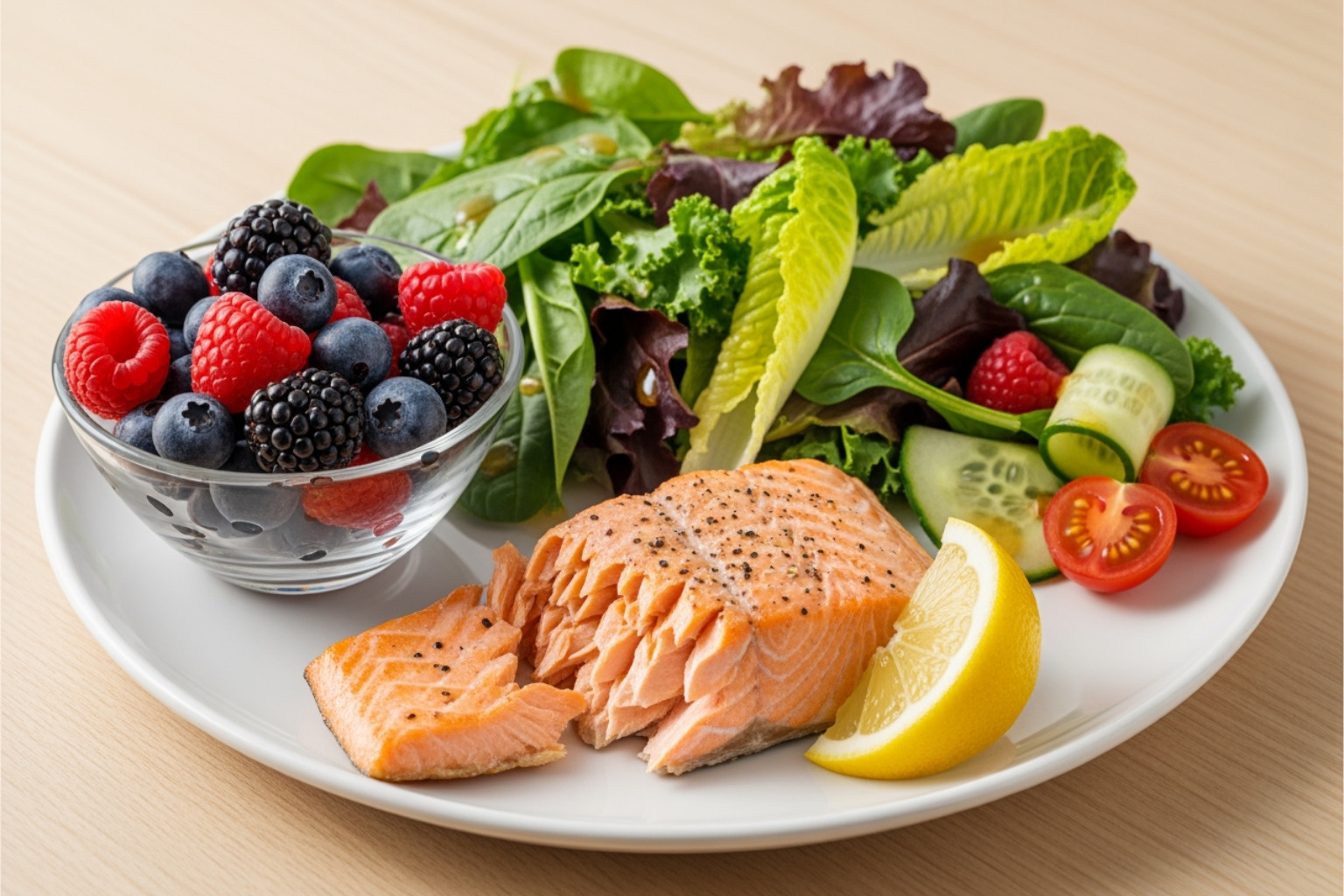
Recovery nutrition focuses on macronutrients (protein, carbs), micronutrients (vitamins, minerals), and anti-inflammatory foods. The Academy of Nutrition and Dietetics provides excellent guidance on eating for recovery.
The Power of Protein and Carbohydrates
Muscles grow after your workout, during rest.
- Protein provides the amino acids needed to repair muscle tears through a process called muscle protein synthesis. Research shows that consuming roughly 1.6 grams of protein per kilogram of body weight daily maximizes muscle growth. The International Society of Sports Nutrition suggests a range of 1.4–2.0 g/kg.
- Carbohydrates replenish your muscles' depleted fuel stores (glycogen). Studies show that consuming carbohydrates with protein after exercise improves glycogen replenishment and helps shuttle amino acids into muscle cells.
Aim to consume protein and carbs within two hours post-workout for the best results. For more tips, see our guides on optimizing muscle recovery & growth and using muscle recovery protein shakes.
Anti-Inflammatory Foods for Natural Muscle Recovery
While some inflammation is necessary for repair, too much can slow recovery. Anti-inflammatory foods help manage this response by providing antioxidants and omega-3s that neutralize cell-damaging free radicals. Antioxidants work by stabilizing these free radicals.
Key anti-inflammatory foods include:
- Tart Cherries & Berries: Packed with anthocyanins, these fruits are proven to reduce post-exercise inflammation and muscle pain. (Note: Tart cherry juice is high in sugar and may not be suitable for those with diabetes).
- Fatty Fish: Salmon and mackerel are rich in omega-3 fatty acids and high-quality protein, fighting inflammation and aiding muscle regeneration.
- Leafy Greens: Spinach and kale are loaded with antioxidants that combat oxidative stress.
- Turmeric & Ginger: Turmeric's curcumin and ginger's natural compounds are potent anti-inflammatories that reduce muscle soreness. For better absorption, consume turmeric with black pepper and a healthy fat.
For more strategies, explore our articles on natural anti-inflammatories and anti-inflammatory creams.
Natural Approaches: Benefits and Cautions
Using whole foods as your primary recovery strategy is ideal. However, natural supplements like turmeric, ginger, and omega-3s can be beneficial. Be aware that the FDA doesn't regulate supplements as strictly as medications, so quality varies.
Always consult a healthcare professional before starting any new supplement. They can ensure it's right for you and won't interact with other medications. The National Center for Complementary and Integrative Health is a great resource for evidence-based information. For more, see our guide on recovery-boosting supplements.
Foods and Drinks to Avoid
What you don't eat is just as important for natural muscle recovery. Avoid these inflammatory culprits:
- Processed Foods: High in unhealthy fats, sodium, and artificial ingredients that promote systemic inflammation.
- Sugary Drinks: Added sugars trigger inflammatory responses.
- Excessive Alcohol: Research shows alcohol slows muscular recovery, disrupts sleep, and causes dehydration.
- Smoking: Associated with an increased risk of muscular injury and negative impacts on the musculoskeletal system.
Lifestyle and Active Methods for Natural Muscle Recovery
Beyond nutrition, your daily habits are crucial for natural muscle recovery. Your routine should balance rest, stress management, and gentle movement on your "off" days.
The Critical Role of Sleep and Hydration
Sleep is when your body does its most important repair work. During deep sleep, your body releases growth hormone, which is essential for muscle growth. Research shows that sleep deprivation impairs muscle recovery by disrupting hormones and inflammatory responses. Aim for 7-9 hours of quality sleep per night.
Hydration is equally vital. Dehydration can severely impair your muscles' ability to repair themselves. The USADA recommends drinking 1.5 liters of fluid for every kilogram of body weight lost during exercise. Staying hydrated throughout the day is non-negotiable for optimal recovery.
For more tips, check out our articles on relieving muscle soreness and quick muscle recovery.
Stress Management and Active Natural Muscle Recovery
Chronic stress lifts cortisol levels, which can interfere with muscle repair by inhibiting protein synthesis. Your body doesn't distinguish between life stress and workout stress. Relaxation techniques like meditation or deep breathing can lower cortisol and create a better environment for healing.
Sometimes, the best rest is active. Active recovery involves light, low-intensity activities that stimulate circulation and help remove metabolic waste without adding stress. The benefits of active recovery are well-documented. Good options include:
- Light Cardio: Gentle walking, swimming, or cycling.
- Stretching: Improves flexibility and blood flow. See our guide on stretching for muscle recovery.
- Yoga and Pilates: Improve flexibility, core strength, and body awareness.
- Tai Chi and Qigong: Promote breathing, stress reduction, and strength through slow, meditative movements.
Therapeutic Techniques to Soothe Sore Muscles
When your muscles need extra TLC, these techniques can provide targeted relief.
- Massage and Foam Rolling: A 2020 review found that massage significantly improves flexibility and reduces DOMS by increasing blood flow. Foam rolling offers similar benefits at home.
- Contrast Water Therapy: Alternating between hot and cold water may help reduce swelling and improve circulation.
- Warm Baths and Saunas: Help relax muscles and increase blood flow. An Epsom salt bath can further ease muscle tension.
- Topical Pain Relief Creams: For targeted relief, creams with natural ingredients like menthol, aloe, and capsaicin are effective. Studies show capsaicin can reduce pain by up to 50% by blocking pain signals.
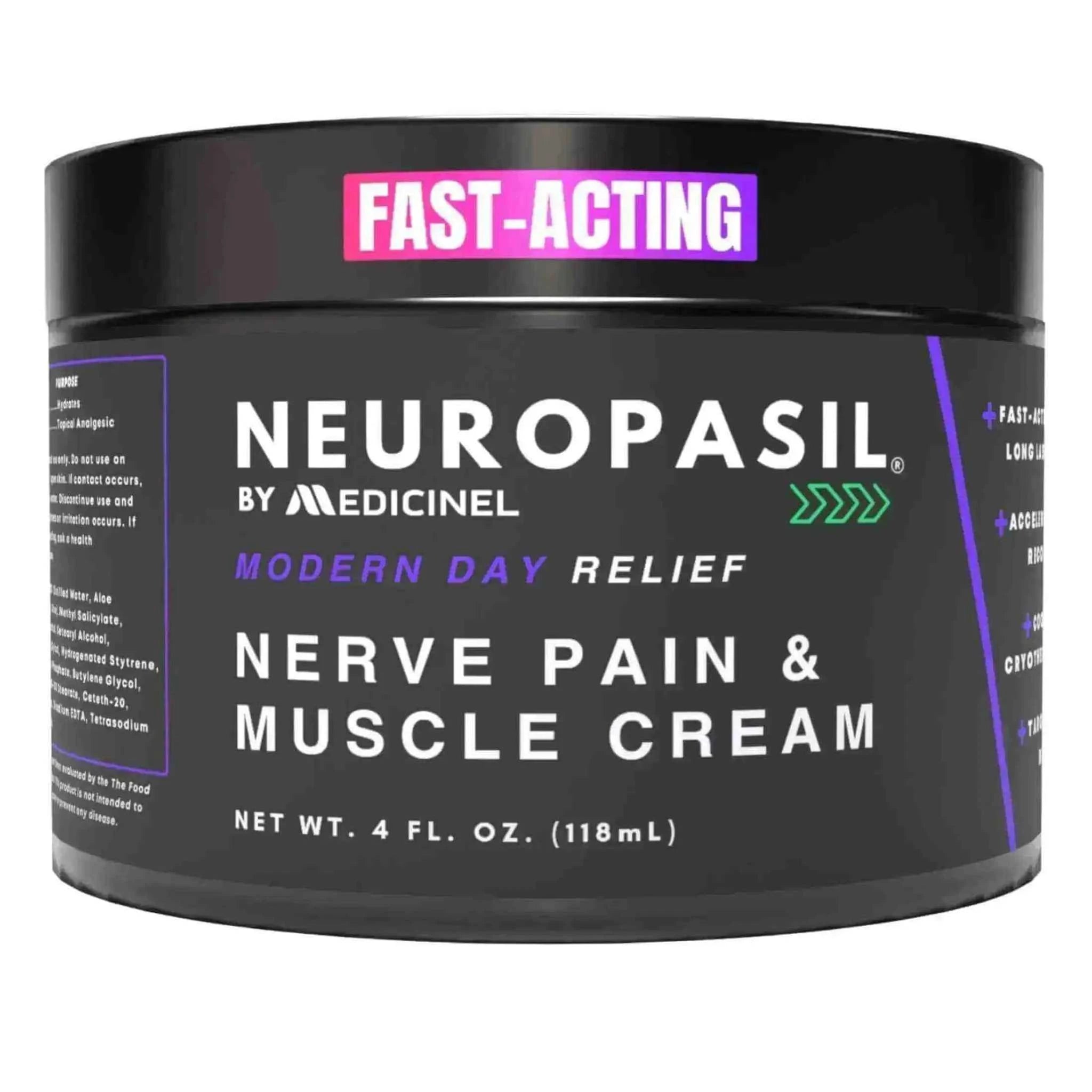
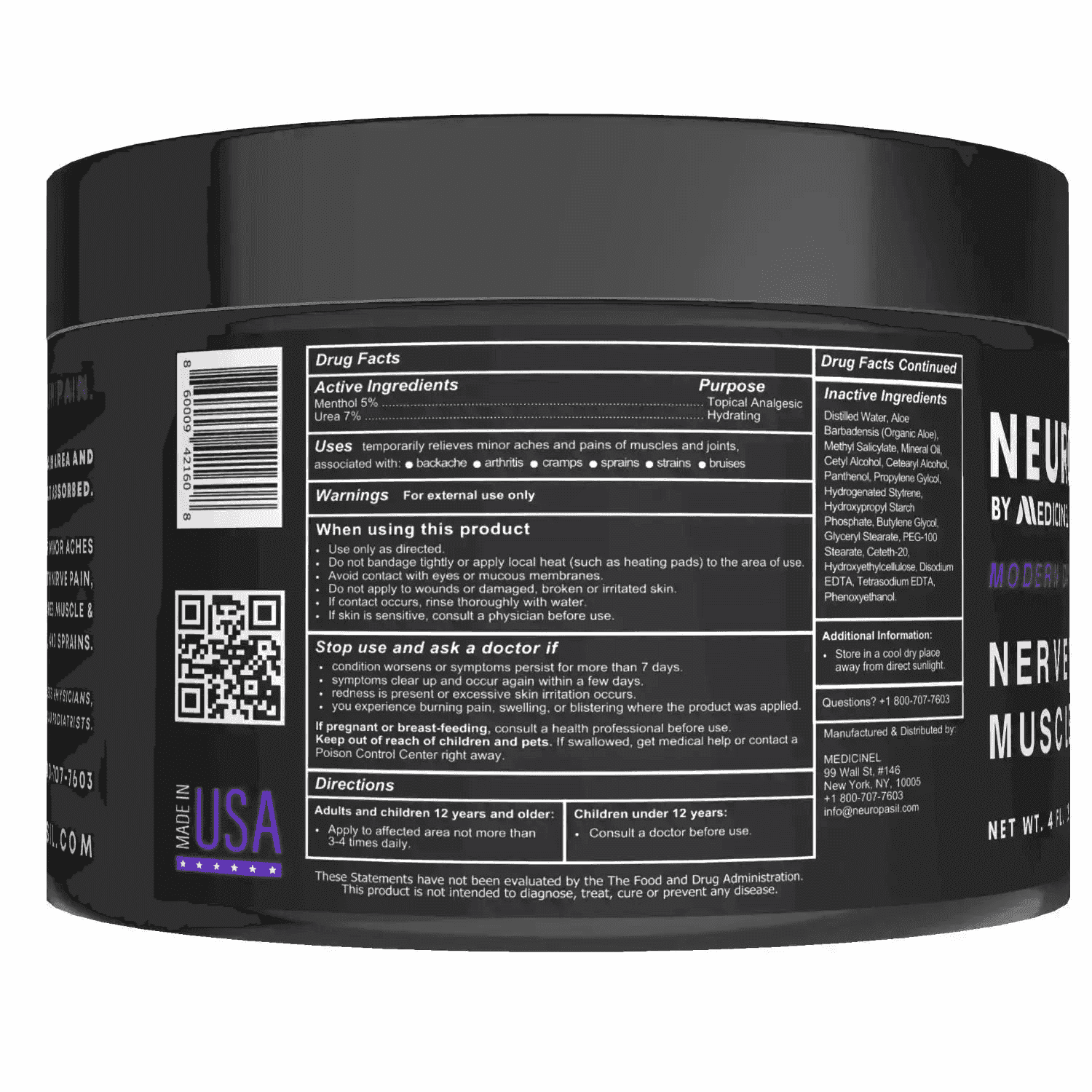
Neuropasil creams are powered by natural ingredients like Aloe, Urea, and Menthol to provide soothing relief for muscle aches and nerve pain, supporting your natural muscle recovery journey. Learn more in our articles on how Neuropasil cream works and choosing the best cream for stiff muscles.
Frequently Asked Questions
How long does muscle recovery actually take?
There's no universal timer for natural muscle recovery, but a typical window for a challenging workout is 24 to 72 hours. This is when Delayed Onset Muscle Soreness (DOMS) usually peaks and subsides. However, the exact time depends on several factors:
- Workout Intensity: A light jog may require less than 24 hours, while a marathon could take a week or more.
- Fitness Level: Well-trained individuals often recover more efficiently than beginners.
- Age: The body's repair processes naturally slow with age, so recovery may take longer.
- Lifestyle Factors: Your nutrition, sleep quality, hydration, and stress levels are critical. Failing to support your body in these areas will prolong recovery.
What are the signs I'm not recovering properly?
Your body sends clear signals when it's not getting enough recovery time. Learning to listen is key to avoiding overtraining and injury. Watch for these red flags:
- Persistent Soreness: Muscle aches that last longer than 72 hours or feel sharp rather than dull. Learn more about speeding up DOMS recovery.
- Decreased Performance: A consistent drop in strength, speed, or endurance during workouts.
- Chronic Fatigue: A deep exhaustion that lingers all day, even after a full night's sleep.
- Mood Changes: Increased irritability, anxiety, or a loss of motivation for exercise.
- Frequent Illness: A compromised immune system can be a sign your body is overtaxed.
- New Aches and Pains: Pain in joints, tendons, or ligaments that isn't typical muscle soreness.
Ignoring these signs increases your risk of injury and can lead to a frustrating cycle of working harder for worse results.
When should I see a doctor or dietitian?
While many recovery issues can be managed at home, it's crucial to seek professional guidance in certain situations. Consult a doctor or dietitian if you experience:
- Severe or Prolonged Pain: Pain that interferes with daily activities and doesn't improve with rest after a few days.
- Significant Swelling or Bruising: Could indicate a more serious injury like a muscle tear.
- Inability to Move a Limb: Numbness or tingling also requires immediate medical attention.
- Signs of Infection: Redness, warmth, fever, or discharge from an injured area.
- Suspected Overtraining: If you have chronic fatigue, poor performance, and mood disturbances, a doctor can rule out underlying medical issues.
- Underlying Health Conditions: Individuals with diabetes, kidney disease, or heart problems need custom recovery advice.
- Dietary Challenges: A registered dietitian can create a personalized nutrition plan if you have allergies or restrictions.
- Starting New Supplements: A professional can advise on safety, dosage, and potential interactions.
You can use resources like Healthline's care finder to locate qualified professionals in your area.
Conclusion
Natural muscle recovery is a science you can master by supporting your body's innate healing processes. By focusing on the three pillars—what you eat, how you rest, and how you move—you provide the essential tools for repair and growth. Fuel your body with adequate protein and anti-inflammatory foods, prioritize 7-9 hours of quality sleep, stay hydrated, and incorporate active recovery like stretching and light cardio.
Consistency is more important than perfection. The most vital skill is listening to your body. Persistent aches, fatigue, and performance drops are signals to adjust your recovery strategy, not signs of weakness. Honoring these signals builds long-term strength and resilience.
For times when you need targeted, immediate relief, natural topical solutions can be a game-changer. That's where Neuropasil comes in. Our cream uses the soothing power of Aloe, the deep-penetrating action of Urea, and the cooling relief of Menthol for fast-acting comfort. Trusted by athletes and individuals with chronic pain, Neuropasil offers a natural alternative for sore muscles, nerve pain, and joint discomfort.
Explore our resources like the ultimate guide to relieving muscle soreness and get started on your path to better recovery. Ready to feel the difference? Visit neuropasil.com or check out our Neuropasil Nerve Pain Relief Cream 4 oz to learn more.
References
- U.S. Preventive Services Task Force. (n.d.). Recommendations for Adults. https://www.uspreventiveservicestaskforce.org/home/getfilebytoken/oo3XPmknWkhsBbAuYZQyQw
- Morton, R. W., et al. (2017). A systematic review, meta-analysis and meta-regression of the effect of protein supplementation on resistance training-induced gains in muscle mass and strength in healthy adults. British Journal of Sports Medicine. https://www.ncbi.nlm.nih.gov/pmc/articles/PMC5867436/
- Dátilo, M., et al. (2020). Effects of Sleep Deprivation on Acute Skeletal Muscle Recovery After Exercise. Medicine & Science in Sports & Exercise. https://journals.lww.com/acsm-msse/Abstract/2020/02000/EffectsofSleepDeprivationonAcuteSkeletal.28.aspx
- McHugh, M. P., et al. (2022). "Precovery" versus recovery: Understanding the role of cherry juice in exercise recovery. Scandinavian Journal of Medicine & Science in Sports. https://www.ncbi.nlm.nih.gov/pmc/articles/PMC9306613/
- Pliability Team. (n.d.). 11 Best Natural Muscle Recovery Methods to Speed Up Healing. Pliability Blog. https://shop.pliability.com/
- National Center for Biotechnology Information. (n.d.). How the body repairs itself after exercise. PMC PubMed Central. https://pmc.ncbi.nlm.nih.gov/articles/PMC7909540/
- Lumen Learning. (n.d.). Types of Muscle Contractions: Isotonic and Isometric. SUNY Fitness. https://courses.lumenlearning.com/suny-fitness/chapter/types-of-muscle-contractions-isotonic-and-isometric/
- O'Connor, E., Mündel, T., & Barnes, M. J. (2022). Nutritional Compounds to Improve Post-Exercise Recovery. Nutrients, 14(23), 5069. https://doi.org/10.3390/nu14235069
- Academy of Nutrition and Dietetics. (n.d.). Nutrition for Injury Recovery. EatRight.org. https://www.eatright.org/fitness/recovery/injury-recovery/nutrition-for-injury-recovery
- National Center for Biotechnology Information. (n.d.). Carbohydrate ingestion and insulin response. PMC PubMed Central. https://pmc.ncbi.nlm.nih.gov/articles/PMC6019055/
- National Center for Biotechnology Information. (n.d.). Coingestion of Carbohydrate and Protein on muscle glycogen replenishment. PMC PubMed Central. https://pmc.ncbi.nlm.nih.gov/articles/PMC7803445/
- National Center for Biotechnology Information. (n.d.). Post-workout carbohydrates and protein for glycogen replenishment. PMC PubMed Central. https://www.ncbi.nlm.nih.gov/pmc/articles/PMC5596471/
- National Cancer Institute. (n.d.). Antioxidants and Cancer Prevention. Cancer.gov. https://www.cancer.gov/about-cancer/causes-prevention/risk/diet/antioxidants-fact-sheet
- National Center for Biotechnology Information. (n.d.). Anthocyanins in tart cherries and exercise recovery. PMC PubMed Central. https://pmc.ncbi.nlm.nih.gov/articles/PMC4271624/
- National Center for Complementary and Integrative Health. (n.d.). Turmeric. NCCIH.NIH.gov. https://www.nccih.nih.gov/health/turmeric
- National Center for Biotechnology Information. (n.d.). Anthocyanin anti-inflammatory benefits. PMC PubMed Central. https://www.ncbi.nlm.nih.gov/pmc/articles/PMC5872786/
- National Center for Complementary and Integrative Health. (n.d.). Paying for Complementary and Integrative Health Approaches. NCCIH.NIH.gov. https://www.nccih.nih.gov/health/paying-for-complementary-and-integrative-health-approaches
- National Center for Complementary and Integrative Health. (n.d.). About NCCIH. NCCIH.NIH.gov. https://www.nccih.nih.gov/about
- National Center for Biotechnology Information. (n.d.). Omega-3 supplements effectiveness and safety. PMC PubMed Central. https://www.ncbi.nlm.nih.gov/pmc/articles/PMC7362115/
- Lakićević, N., et al. (2019). The effects of alcohol consumption on recovery following resistance exercise: A systematic review. Journal of Functional Morphology and Kinesiology. https://www.ncbi.nlm.nih.gov/pmc/articles/PMC7739274/
- Al-Bashaireh, A. M., et al. (2018). The effect of tobacco smoking on musculoskeletal health: A systematic review. Journal of Environmental and Public Health. https://www.hindawi.com/journals/jeph/2018/4184190/
- USADA. (n.d.). Fluids and Hydration. USADA.org. https://www.usada.org/athletes/substances/nutrition/fluids-and-hydration/
- Healthline. (n.d.). 17 Tips to Sleep Better. Healthline.com. https://www.healthline.com/nutrition/17-tips-to-sleep-better
- Healthline. (n.d.). Active Recovery. Healthline.com. https://www.healthline.com/health/active-recovery
- Tai Chi for Health Institute. (n.d.). What is Tai Chi? TaiChiForHealthInstitute.org. https://taichiforhealthinstitute.org/what-is-tai-chi/
- National Qigong Association. (n.d.). What is Qigong? NQA.org. https://www.nqa.org/what-is-qigong-
- National Center for Complementary and Integrative Health. (n.d.). NIH Networks to Advance Emotional Well-Being Research. NCCIH.NIH.gov. https://www.nccih.nih.gov/news/press-releases/nih-networks-to-advance-emotional-well-being-research
- Davis, H. L., et al. (2020). Effect of sports massage on performance and recovery: A systematic review and meta-analysis. BMJ Open Sport & Exercise Medicine. https://www.ncbi.nlm.nih.gov/pmc/articles/PMC7228568/
- Healthline. (n.d.). DOMS (Delayed Onset Muscle Soreness). Healthline.com. https://www.healthline.com/health/doms
- Johns Hopkins Medicine. (n.d.). Ice Packs vs. Warm Compresses for Pain. HopkinsMedicine.org. https://www.hopkinsmedicine.org/health/treatment-tests-and-therapies/ice-packs-vs-warm-compresses-for-pain
- Harvard Health Publishing. (n.d.). Hot baths and saunas: Beneficial for your heart? Health.Harvard.edu. https://www.health.harvard.edu/heart-health/hot-baths-and-saunas-beneficial-for-your-heart
- National Center for Biotechnology Information. (n.d.). Capsaicin for pain relief. PMC PubMed Central. https://www.ncbi.nlm.nih.gov/pmc/articles/PMC6272969/
- Rodrigues, F., et al. (2023). The association between training frequency, symptoms of overtraining and injuries in young men soccer players. Frontiers in Physiology. https://www.ncbi.nlm.nih.gov/pmc/articles/PMC10138529/
- Healthline. (n.d.). Find Care. Healthline.com. https://care.healthline.com/find-care
- Jäger, R., et al. (2017). International Society of Sports Nutrition Position Stand: Protein and Exercise. Journal of the International Society of Sports Nutrition. https://jissn.biomedcentral.com/articles/10.1186/s12970-017-0177-8
- National Cancer Institute. (n.d.). Antioxidants and Cancer Prevention. Cancer.gov. https://www.cancer.gov/about-cancer/causes-prevention/risk/diet/antioxidants-fact-sheet
- U.S. Food & Drug Administration. (n.d.). What You Need to Know About Dietary Supplements. https://www.fda.gov/food/dietary-supplements/what-you-need-know-about-dietary-supplements
- Bodine, S. C., & Furlow, J. D. (2015). Glucocorticoids and Skeletal Muscle. Steroids. https://www.ncbi.nlm.nih.gov/pmc/articles/PMC4469931/
- Proctor, D. N., et al. (2008). Aging of skeletal muscle: a 12-year longitudinal study. Journal of Applied Physiology. https://journals.physiology.org/doi/full/10.1152/japplphysiol.90353.2008