Why Fast, Effective Recovery Matters for Your Hamstring
If you need to recover pulled hamstring quickly and safely, here's what works:
Immediate Action (First 2-3 Days):
- Rest - Stop the activity that caused the injury
- Ice - Apply for 15-20 minutes every 2-3 hours
- Compression - Use an elastic bandage to reduce swelling
- Elevation - Keep your leg raised above heart level
- Topical Relief - Apply menthol-based creams for targeted pain relief
Recovery Timeline:
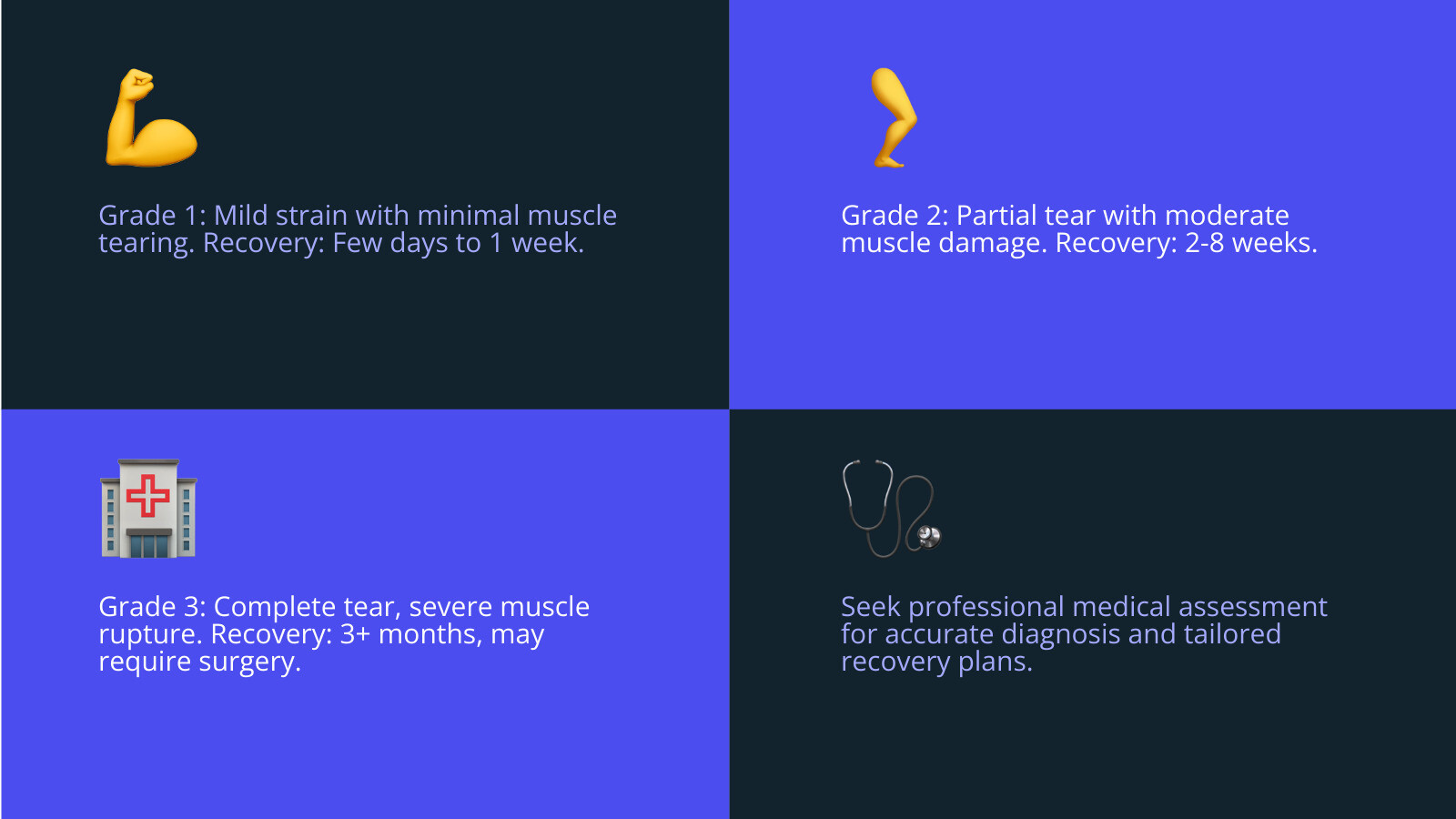
- Grade 1 (mild strain): Few days to 1 week
- Grade 2 (partial tear): 2-8 weeks
- Grade 3 (complete tear): 3+ months, may require surgery
A pulled hamstring is a frustrating injury where the muscles on the back of your thigh overstretch or tear, causing a sudden, sharp pain that stops you in your tracks. These strains are common in sports requiring explosive movements like sprinting or jumping, but can also happen from everyday activities.
The hamstring muscle group (semitendinosus, semimembranosus, and biceps femoris) bends your knee and extends your hip. When these muscles are pushed beyond their limits, the fibers tear, causing pain, swelling, and weakness. Proper recovery is not just about waiting for the pain to subside; it requires a structured approach to heal correctly and prevent re-injury, which can lead to chronic issues.
I'm Tony Enrico, and at Neuropasil, I help people recover pulled hamstring injuries using natural topical relief and evidence-based rehabilitation. My mission is to help you overcome pain from sports injuries or everyday strains.
This guide covers every stage of hamstring recovery, from immediate first aid to rehabilitation exercises that rebuild strength and prevent future injuries.
Recover pulled hamstring further reading:
Understanding Your Hamstring Injury: Symptoms, Causes, and Grades
Understanding your hamstring injury is the first step toward effective recovery. Injuries are classified into three grades by severity, which impacts your symptoms, treatment, and recovery timeline.
Common Symptoms of a Pulled Hamstring
Symptoms of a hamstring strain vary with the severity of the tear:
- Sudden, Sharp Pain: An immediate, sharp pain in the back of the thigh, sometimes with a "pop" or "snap."
- Tenderness: The injured area will be tender to the touch, helping to pinpoint the tear's location.
- Swelling: Swelling may appear within hours of the injury as a natural response to trauma.
- Bruising/Discoloration: Bruising can appear a day or two later, sometimes extending down to the knee or calf.
- Muscle Weakness: The injured muscle will feel weak, making it hard to bend your knee or extend your hip.
- Stiffness: The leg may feel stiff and difficult to move, especially the day after the injury.
- Difficulty Walking or Bearing Weight: It may be painful or impossible to walk or put weight on the leg.
- Muscle Spasms: Involuntary muscle contractions can cause additional pain.
- A Noticeable Gap or Lump: In severe (Grade 3) tears, a gap or lump may be felt in the muscle, indicating a complete rupture.
What Causes Hamstring Strains?
Hamstring strains occur when the muscle is overloaded, leading to overstretching or tearing. Common causes include:
- Muscle Overload: The most common cause, often during eccentric contractions (when the muscle lengthens as it contracts), like when slowing the leg down during a sprint.
- Explosive Movements: Activities like sprinting, jumping, sudden stops, changes in direction, and kicking put immense stress on the hamstrings.
- Poor Warm-Up: Cold, less elastic muscles are more susceptible to tears.
- Muscle Fatigue: Tired muscles absorb force less effectively, increasing injury risk.
- Muscle Imbalance: Significantly stronger quadriceps can overpower and strain the hamstrings.
- Poor Conditioning: A lack of hamstring strength and flexibility makes them prone to injury.
- Previous Injury: A history of hamstring strains is a major risk factor due to less resilient scar tissue.
- Age: Adolescent athletes are at risk during growth spurts, while older individuals may have decreased muscle elasticity.
Understanding these causes is key to prevention. For more details on muscle strains, you can refer to our blog post on muscle strain causes.
How to Recover Pulled Hamstring: A Phased Approach
The journey to recover pulled hamstring depends on the injury grade, your health, and adherence to a treatment plan. Rushing back too soon often leads to re-injury and a longer recovery. A careful, gradual return to activity is key.
Here's a general overview of typical recovery times:
| Injury Grade | Description | Typical Recovery Time |
|---|---|---|
| Grade 1 | Mild strain, minimal tearing | A few days to 1 week |
| Grade 2 | Partial muscle tear, moderate damage | 2 to 8 weeks |
| Grade 3 | Complete muscle tear/rupture | 3 months or longer, often requires surgery |
For more aftercare instructions, see MedlinePlus.
Phase 1: Immediate Steps to Recover Pulled Hamstring (First 2-3 Days)
The first 48-72 hours are critical. The goal is to minimize pain and swelling using the R.I.C.E. protocol.
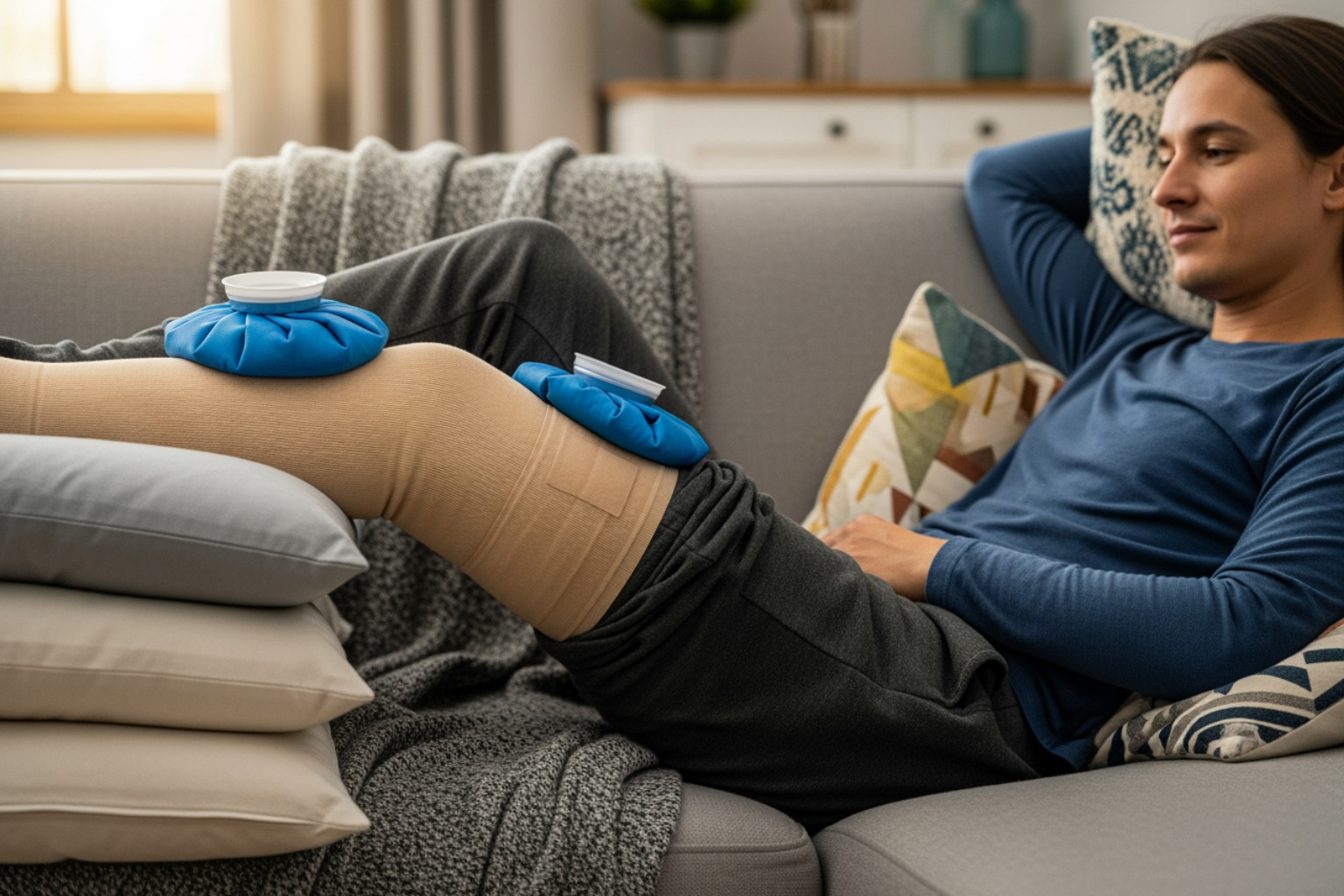
- Rest: Stop the activity that caused the injury. For severe injuries, crutches may be needed to avoid putting weight on the leg.
- Ice: Apply an ice pack wrapped in a towel for 15-20 minutes every 2-3 hours to reduce pain and swelling.
- Compression: Use an elastic bandage to wrap the thigh, which helps limit swelling and provides support.
- Elevation: Keep your injured leg raised above heart level to help drain excess fluid and reduce swelling.
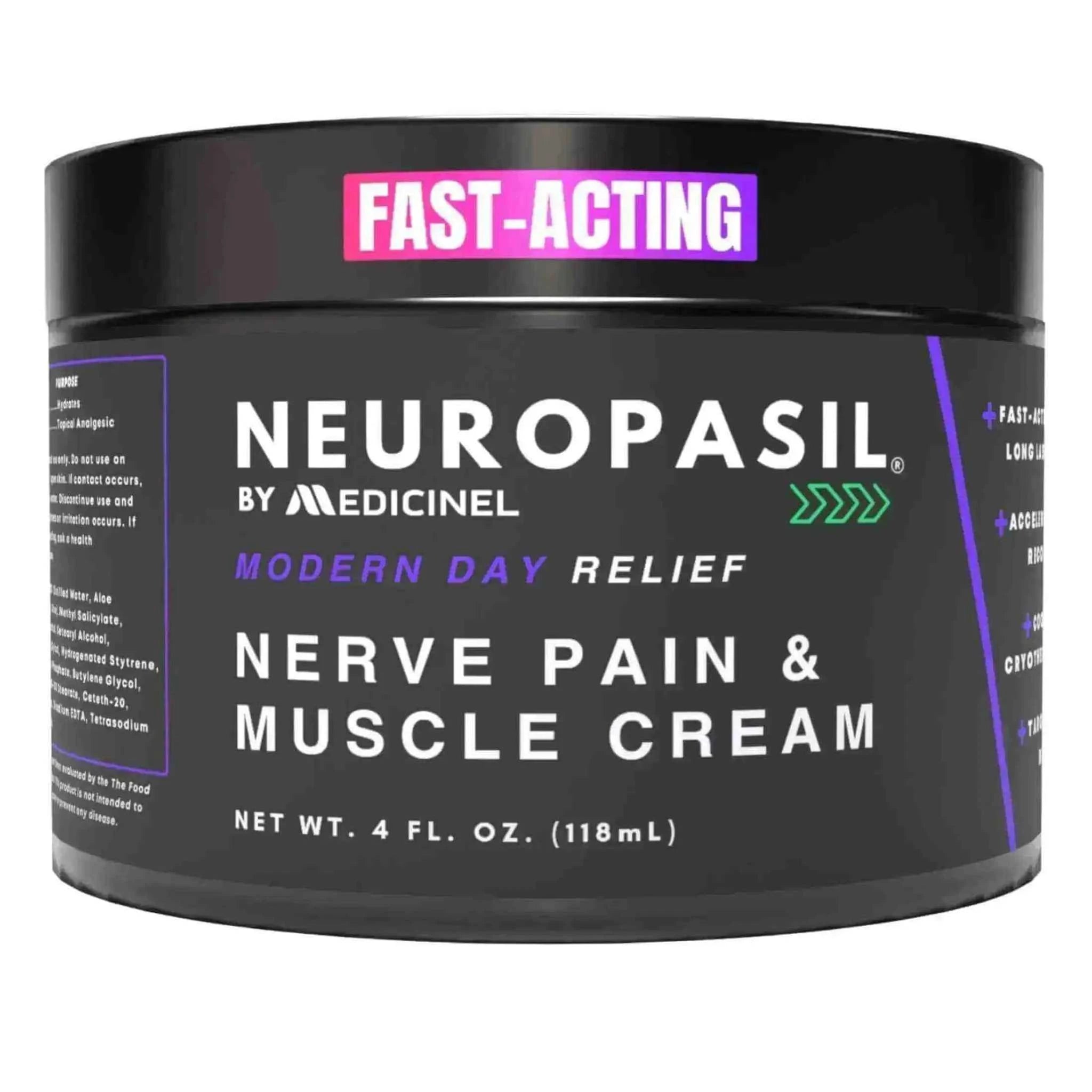
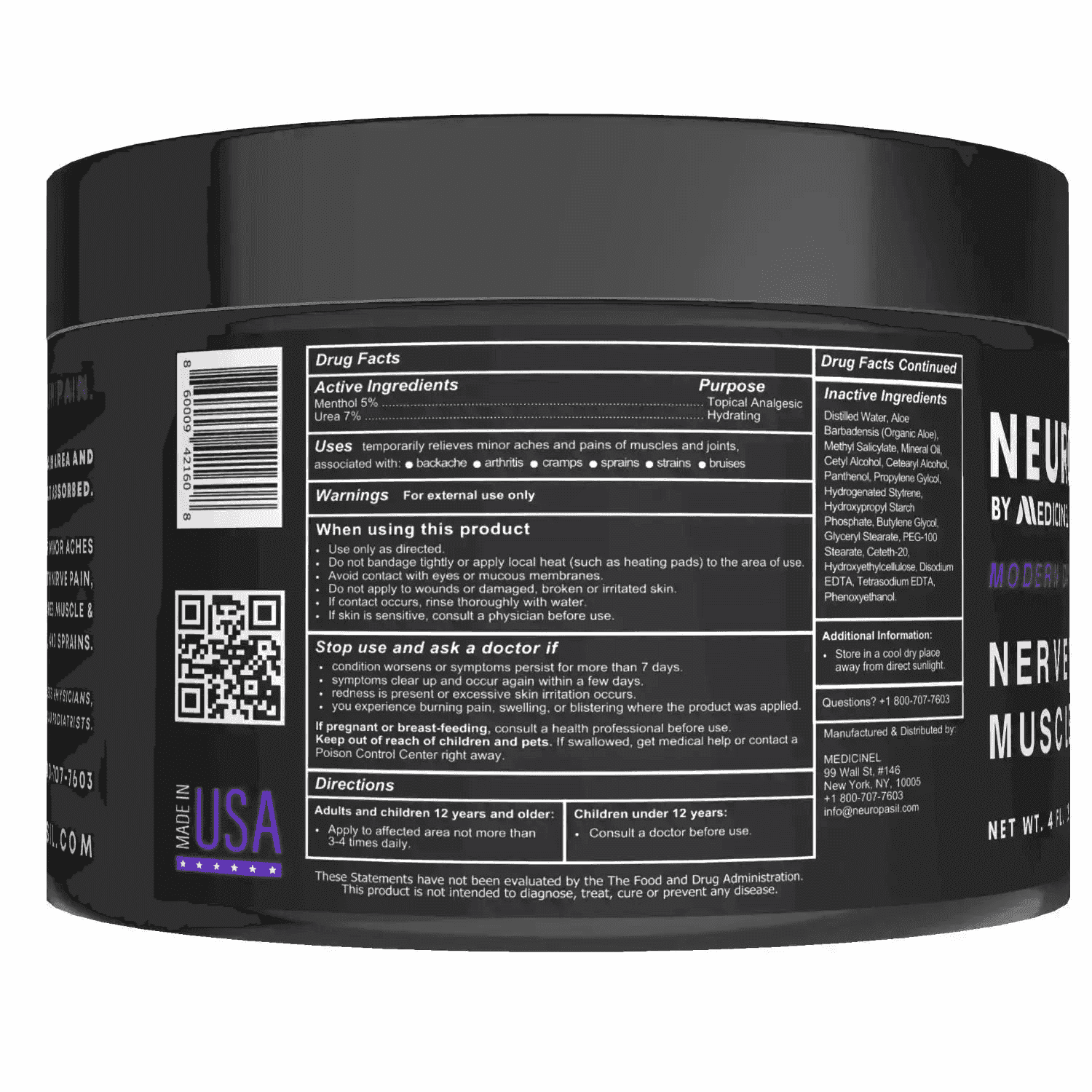
During this phase, topical pain relief can be highly effective. Menthol-based creams like Neuropasil provide a cooling sensation for fast-acting, targeted relief of sore muscles. You can find the best pain relief creams for muscle pain. Avoid heat, massage, and alcohol for the first 3 days, as they can increase swelling.
Phase 2: Professional Guidance and Advanced Care
After the first few days, as pain and swelling subside, transition to active recovery, preferably guided by a professional.
Physical Therapy: Physical therapy is a cornerstone of recovery, especially for Grade 2 and 3 injuries. A physical therapist will assess your injury, create a personalized rehab plan with progressive exercises, guide your form, and may use manual therapy to aid healing and prevent re-injury.
When Advanced Medical Care is Needed: Some severe injuries require medical intervention:
- Tendon Avulsion: The hamstring tendon tears completely away from the bone, often requiring surgery.
- Complete Tears (Grade 3): A full rupture of the muscle may need surgical repair, especially for athletes.
- No Improvement: If symptoms persist after weeks of conservative care, a doctor may suggest further investigation.
Surgery to reattach the muscle or tendon can have a lengthy recovery, taking 3-6 months or more before a return to athletic activities. Your doctor will determine the best course of action. For more information, see diagnosis and treatment options from Mayo Clinic.
Rehabilitation: Exercises and Preventing Future Injuries
Once initial pain and swelling are controlled, rehabilitation begins. This phase is crucial for regaining strength and flexibility to recover pulled hamstring fully and prevent re-injury. The biggest mistake is returning to activity too soon. A gradual progression guided by pain levels and professional advice is essential, especially for athletes and older individuals whose recovery may require special considerations.
Exercises to Recover Pulled Hamstring and Prevent Re-injury
Work with a physical therapist for a custom program. The following are common rehab exercises; always start gently and stop if you feel pain.
-
Gentle Stretching: Once cleared by a professional, perform gentle stretches to regain flexibility.
- Hamstring Set (Seated): Sit with the affected leg bent. Press your heel into the floor to tighten the hamstring. Hold for 6 seconds, then rest. Repeat 8-12 times.
- Hamstring Stretch in a Doorway: Lie on your back and place the heel of your injured leg against a doorframe. Slowly slide your heel up the wall until you feel a gentle stretch. Hold for at least 1 minute, repeating 2-4 times.
-
Strengthening Exercises: These are vital for rebuilding muscle.
- Hamstring Curl (Lying Down): Lie on your stomach. Bend your knee, lifting your foot toward your buttock, then slowly lower. Repeat 8-12 times.
- Hip Extension (Standing): Stand facing a wall for support. Keeping your leg straight, kick it back behind you. Repeat 8-12 times.
- Glute Bridges: Lie on your back with knees bent. Lift your hips until your body is straight from shoulders to knees, then lower. This strengthens glutes and hamstrings.
-
Eccentric Exercises: These strengthen the muscle as it lengthens and are key for prevention.
- Nordic Hamstring Curl: This is an advanced exercise. Kneel on a padded surface with your feet secured. Keeping your body straight, slowly lower yourself forward, using your hamstrings to control the movement. Catch yourself with your hands. See a video example of a nordic curl.
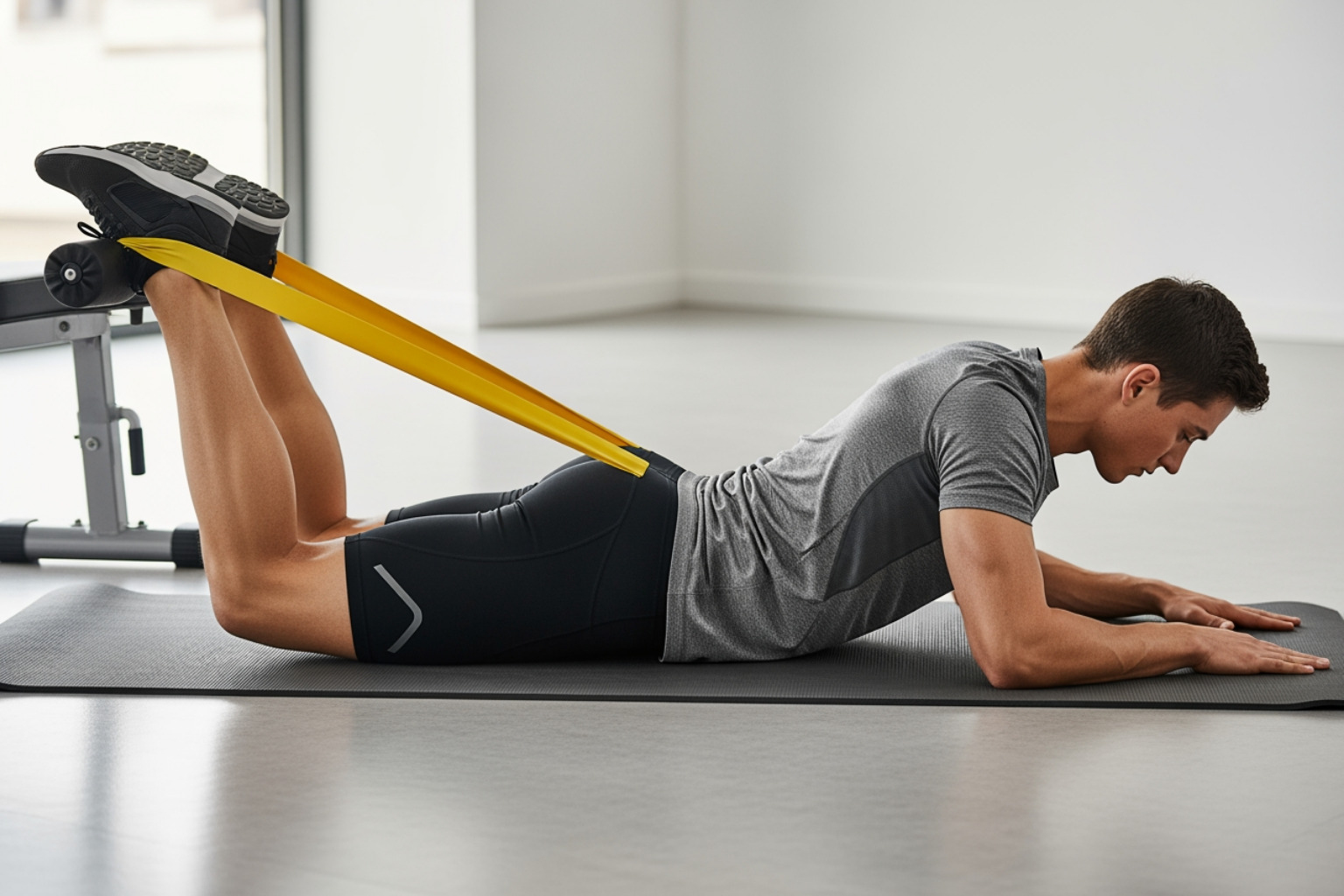
Managing soreness during this phase is important. Our natural topical creams with Aloe, Urea, and Menthol provide targeted relief, helping you stay consistent with your exercises. Learn more about our natural ingredients.
How to Prevent Future Hamstring Injuries
Once recovered, focus on prevention:
- Proper Warm-Up: Always perform a 10-15 minute dynamic warm-up (e.g., light jogging, leg swings) before activity.
- Regular Strengthening: Include hamstring, glute, and core exercises in your routine 2-3 times a week, focusing on eccentric movements.
- Improving Flexibility: Stretch regularly after exercise when muscles are warm.
- Address Muscle Imbalances: Strengthen weaker muscle groups to create balance.
- Listen to Your Body: Stop if you feel pain. Pushing through it leads to injury.
- Avoid Overexertion: Gradually increase workout intensity and duration.
- Proper Cool-Down: Include 5-10 minutes of static stretching after workouts.
For more health and wellness tips, read more on our blog.
When to Seek Professional Medical Help
While many mild strains can be managed at home, it's crucial to know when to see a doctor. Delaying evaluation for a serious injury can complicate recovery.
Seek medical attention if:
- You have severe pain and cannot walk or bear weight on your leg.
- You heard a "pop" or "snap" at the time of injury.
- You have significant, worsening swelling or bruising.
- You feel a large lump or gap in the muscle.
- You experience numbness or tingling in your leg or foot.
- Your symptoms don't improve after a few days of home care.
Diagnosis Process: A healthcare provider will perform a physical exam to check for tenderness, swelling, and bruising and to assess your range of motion and strength. They may also order imaging tests:
- X-ray: To rule out an avulsion fracture (where the tendon pulls a piece of bone away).
- Ultrasound: To visualize muscle tears and fluid collection.
- MRI (Magnetic Resonance Imaging): To get detailed images of soft tissues to determine the tear's exact location and severity.
If you're unsure, it's always best to consult a healthcare provider. While online symptom checkers like NHS 111 can offer general guidance, they are not a substitute for professional medical advice.
Frequently Asked Questions about Hamstring Recovery
Here are answers to common questions about hamstring recovery.
How long does a pulled hamstring take to heal?
Healing time varies by the injury's grade:
- Grade 1 (Mild Strain): A few days to 1 week.
- Grade 2 (Partial Tear): 2 to 8 weeks.
- Grade 3 (Complete Tear): 3 months or longer, especially if surgery is required. Surgical recovery can take 3-6+ months.
These are general timelines; individual recovery depends on age, health, and adherence to rehabilitation.
Should I use ice or heat on a pulled hamstring?
Use ice for the first 48-72 hours. Apply an ice pack for 15-20 minutes every 2-3 hours to reduce pain, swelling, and inflammation. After the initial phase and once swelling has subsided, you can introduce heat. Heat helps relax stiff muscles and promote healing by increasing blood flow. Never apply heat to an acute injury with swelling. A good approach is using ice after activity and heat before gentle stretching.
Can I walk with a pulled hamstring?
This depends on the injury's severity:
- Grade 1 Strain: You can likely walk with mild discomfort, but rest is important.
- Grade 2 Strain: Walking will probably be painful and difficult. Crutches may be recommended.
- Grade 3 Strain: Walking is usually impossible due to pain and instability. Crutches are almost always necessary.
In all cases, if walking causes pain, you should rest. Pushing through pain can delay healing and worsen the injury.
Conclusion
To recover pulled hamstring effectively requires patience and a disciplined approach. From immediate R.I.C.E. protocol to guided rehabilitation and a gradual return to activity, each step is crucial. Rushing the process risks re-injury and chronic pain.
Prevention is just as important as recovery. By incorporating proper warm-ups, regular strengthening, and flexibility work, you can keep your hamstrings healthy and resilient. Throughout your recovery, managing discomfort is key to staying on track. Topical pain relief, like Neuropasil's menthol-based creams, offers targeted, soothing relief for sore muscles, helping you stay comfortable during both rest and rehabilitation.
By following this guide, you are not just healing an injury but building a stronger, more resilient body. Take care of your hamstrings, and they'll take care of you.
Shop Neuropasil Nerve Pain Relief Cream
References
- Hamstring Muscle Injuries - OrthoInfo - AAOS
- Hamstring injury - NHS
- Hamstring Injury: Recovery Time, Treatment & Symptoms - Cleveland Clinic
- Hamstring injury - Diagnosis and treatment - Mayo Clinic
- Hamstring strain - aftercare: MedlinePlus Medical Encyclopedia
- Hamstring Strain: Rehab Exercises
- Nordic Hamstring Curl Exercise
- Pulled Hamstring Treatment - NYP
- Overexertion - Healthline
- Muscle Strains - Cleveland Clinic
- Calf Muscle Pain - Cleveland Clinic
- Get help from 111 online