Why Fast, Effective Trapezius Strain Treatment Matters
Trapezius strain treatment begins with understanding your options for relief and recovery. If you're dealing with upper back, neck, or shoulder pain right now, here's what works:
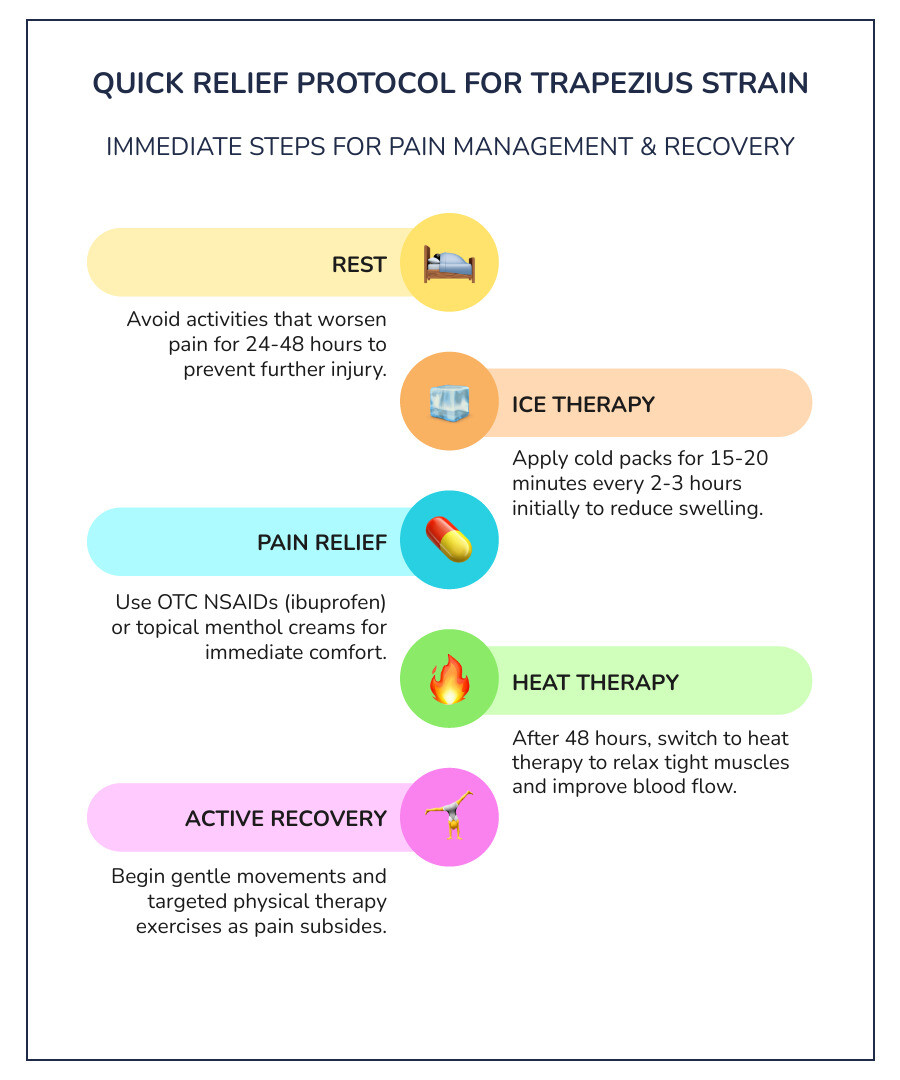
Quick Relief Protocol:
- Rest - Avoid activities that worsen pain for 24-48 hours
- Ice - Apply cold therapy for 15-20 minutes every 2-3 hours initially
- Pain Relief - Use OTC NSAIDs (ibuprofen) or topical menthol creams
- Heat - Switch to heat therapy after 48 hours to relax tight muscles
- Gentle Movement - Start light stretching as pain decreases
- Physical Therapy - Engage in targeted exercises for long-term recovery
More than 30% of people experience neck and shoulder pain each year, and the trapezius muscle is often the culprit. This large, triangle-shaped muscle spans your upper back, neck, and shoulders, supporting arm movement and maintaining posture. When it's strained, even simple tasks like turning your head, lifting your arm, or sitting at your desk become painful reminders that something's wrong.
The good news? Most trapezius strains heal completely with the right treatment approach. Grade 1 strains typically resolve in 1-3 weeks, while more severe cases may take a couple of months or longer. The key is starting treatment early and following a comprehensive plan that addresses both immediate pain relief and long-term recovery.
Whether your strain came from poor posture at work, a sudden awkward movement, heavy lifting, or sports activity, this guide walks you through every proven treatment method. From immediate at-home care to physical therapy exercises and prevention strategies, you'll learn exactly what works and why.
I'm Tony Enrico, and through years of developing effective trapezius strain treatment solutions at Neuropasil, I've helped thousands of people recover from debilitating upper back and shoulder pain. My mission is simple: provide you with the knowledge and tools to reclaim your comfort and mobility, so pain doesn't define your day.
Trapezius strain treatment terms to remember:
Understanding Trapezius Strain: Symptoms, Causes, and Diagnosis
Before we dive into trapezius strain treatment, let's first understand what we're dealing with. A trapezius strain occurs when the muscle fibers of your trapezius muscle are overstretched or torn. This large, flat, triangle-shaped muscle extends from the base of your skull, down your neck, across your shoulders, and into your mid-back. It's a crucial muscle for moving and stabilizing your shoulder blades, supporting neck movement, and aiding in lifting your arms. When this muscle is injured, it can significantly limit strength and movement in your arms and shoulders, making daily activities a real struggle.
What are the Symptoms and Causes?
Identifying the symptoms of a trapezius strain is the first step toward effective trapezius strain treatment. You might experience a range of discomfort, from a dull ache to sharp, debilitating pain.
The signs of a trapezius strain can vary, but there are several common indicators. Common symptoms include:
- Pain and tenderness: Localized pain in the upper back, neck, or shoulders, which can worsen with movement or pressure. This might feel like knots in the neck and upper back.
- Stiffness: A restricted feeling in the neck and shoulders, making it difficult to turn your head or raise your arms.
- Muscle spasms: Involuntary contractions of the muscle, often described as cramping or twitching.
- Limited range of motion: Difficulty moving your neck, shoulders, or arms through their full range, impacting daily tasks like driving or reaching overhead.
- Headaches: Tension headaches can sometimes originate from tight or strained trapezius muscles.
- Swelling or bruising: In more severe cases, you might notice visible swelling or bruising around the injured area.
- Tingling or weakness: Though less common, severe strains or associated nerve irritation can cause tingling or weakness in one or both arms.
The causes of a trapezius strain are often rooted in how we use (or misuse) our bodies in daily life. They can broadly be categorized into acute injuries or overuse.
Acute Injury: These are sudden events that cause immediate damage:
- Sudden movements: A violent twist of the neck, a rapid jerk, or an unexpected impact.
- Trauma or injury: Falls, car accidents (whiplash), or direct blows to the shoulder or upper back.
- Contact sports: Activities like football or boxing can lead to sudden, forceful movements or collisions that strain the trapezius.
Overuse: This happens gradually over time due to repetitive stress:
- Poor posture: Prolonged periods of slouching, hunching over a computer, or constantly looking down at a phone ("tech neck") puts immense strain on the trapezius.
- Repetitive tasks: Activities that involve repeated arm or shoulder movements, such as typing, weightlifting, playing certain instruments, or carrying heavy bags on one shoulder.
- Heavy lifting: Improper lifting techniques, especially using your back instead of your legs, can easily strain the trapezius.
- Anatomy of the Trapezius Muscle: Understanding the specific parts of this muscle (upper, middle, lower fibers) helps us appreciate how varied movements can lead to strain.
- Stress and tension: Mental stress and anxiety can lead to chronic muscle tightness, particularly in the upper back and neck, making the trapezius more susceptible to strain. Our muscles literally hold our tension.
How is a Trapezius Strain Diagnosed?
When you're experiencing pain, getting an accurate diagnosis is crucial for effective trapezius strain treatment. A healthcare professional, such as a doctor or physical therapist, will typically follow a systematic approach:
- Medical history review: They'll ask about your symptoms, when they started, what makes them better or worse, and any recent activities or injuries that might have contributed.
- Physical examination: This is where they'll assess your posture, check for swelling and points of tenderness in your trapezius, and evaluate your range of motion in the neck and shoulders. They might ask you to perform specific movements to pinpoint the source and intensity of your pain.
- Range of motion tests: These tests help determine how much your movement is limited and whether the pain is associated with neck or shoulder movements.
-
Imaging tests: While often not necessary for mild strains, imaging can be used to rule out other conditions or assess the severity of the injury, especially if symptoms are severe or persistent.
- X-rays: Primarily used to rule out bone fractures or other skeletal issues. They don't show muscle damage directly.
- MRI (Magnetic Resonance Imaging): This uses magnetic fields and radio waves to create detailed images of soft tissues, making it excellent for visualizing muscle fibers, tendons, and ligaments to identify the location and extent of a strain or tear.
- Ultrasound: Can help distinguish between different types of soft tissue injuries and can sometimes be used to assess muscle tears.
For a comprehensive understanding of various soft-tissue injuries, including strains, you can refer to resources like Sprains, Strains, and Other Soft-Tissue Injuries.
When should you see a doctor? If your pain is severe, doesn't improve with initial home care, or you experience significant weakness, numbness, or tingling, it's always best to consult a medical professional. They can provide an accurate diagnosis and guide you toward the most appropriate trapezius strain treatment plan.
Your Comprehensive Trapezius Strain Treatment Plan
Once you understand what a trapezius strain is and how it's diagnosed, the next step is to start on an effective trapezius strain treatment journey. Our goal is to alleviate pain, promote healing, and restore full function to your trapezius muscle. We'll explore everything from immediate at-home care to professional therapies.

Immediate Relief: The R.I.C.E. Method
For most mild to moderate trapezius strains, immediate self-care can make a significant difference. We recommend starting with a protocol like the R.I.C.E. method, especially in the first 24-48 hours after injury. This protocol helps reduce swelling and pain, kickstarting the healing process.
- Rest: The most crucial first step. Avoid activities that cause pain, swelling, or discomfort. Give your injured trapezius muscle a break to allow the torn fibers to heal and fuse. Continued use can worsen the injury and prolong recovery.
- Ice: Apply a cold pack or ice wrapped in a thin towel to the injured area for 15-20 minutes every 2-3 hours while you're awake, especially during the first 48 hours. Cold therapy helps constrict blood vessels, which reduces inflammation, swelling, and pain by numbing the nerve endings.
- Compression: While less practical for the trapezius compared to limbs, a compression bandage or supportive wrap can sometimes be used to help reduce swelling. Ensure it's snug but not so tight that it hinders circulation.
- Elevation: This is challenging for the trapezius, but the general principle is to keep the injured area liftd above heart level to help drain fluid and reduce swelling. When resting, try to support your neck and shoulders with pillows in a slightly liftd position.
Following the R.I.C.E. method diligently can significantly manage initial discomfort and set the stage for faster recovery.
Over-the-Counter and Topical Solutions for Fast Relief
Beyond R.I.C.E., many people find relief from over-the-counter (OTC) medications and topical solutions. These can be important tools in your trapezius strain treatment arsenal.
- NSAIDs (Nonsteroidal Anti-Inflammatory Drugs): Medications like ibuprofen and naproxen sodium can help reduce pain and inflammation. However, some modern protocols advise against using anti-inflammatories in the acute phase, as they may impair long-term tissue healing. Always consult your doctor for personalized advice.
- Acetaminophen: Acetaminophen can be effective for pain relief without the anti-inflammatory properties or potential bleeding risks associated with NSAIDs, making it a suitable option in the initial 48 hours.
- Topical Analgesics: These creams, gels, and patches are applied directly to the skin over the painful area. They often contain ingredients like menthol, camphor, or capsaicin, which create a cooling or warming sensation that can distract from pain and provide soothing relief. Menthol-based creams, in particular, are popular for their ability to provide a cooling effect that can ease muscle soreness and discomfort.
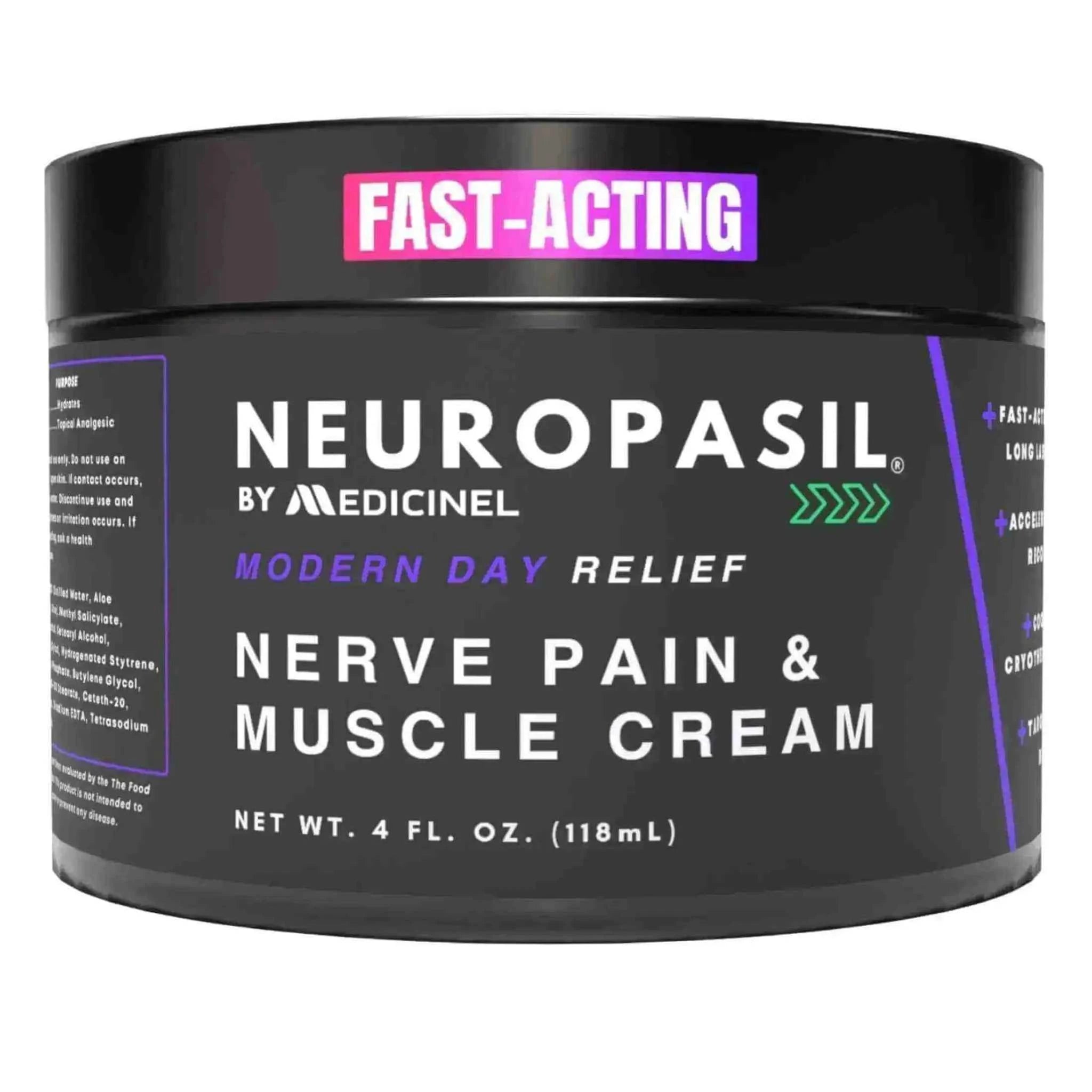
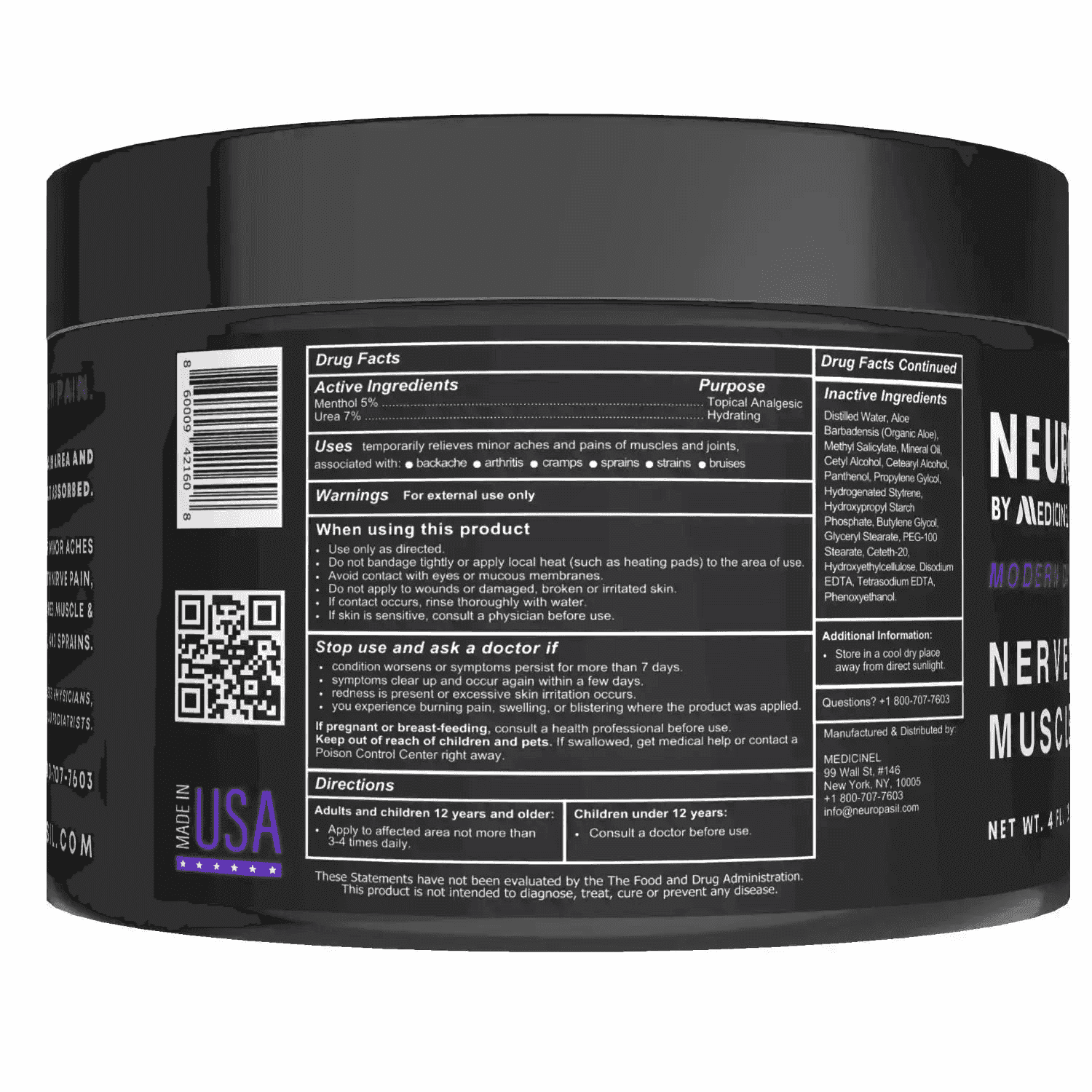
Here at Neuropasil, we understand the desire for targeted, fast-acting relief from muscle aches and pains. Our natural topical creams are formulated with powerful ingredients like Aloe, Urea, and Menthol to provide soothing relief for various types of pain, including muscle strains. Many of our loyal customers, including athletes, use Neuropasil to treat and recover from sore muscles, strains, sprains, and general aches and pains, experiencing fast-acting relief right where they need it.
For more detailed information on ingredients and how they work, check out our guide on More info about fast-acting relief strategies.
Top Ingredients in Pain Relief Creams:
- Menthol: Creates a cooling sensation, followed by a warming sensation, to temporarily relieve minor aches and pains.
- Camphor: Similar to menthol, it provides a cooling sensation and can act as a local anesthetic.
- Capsaicin: Derived from chili peppers, it works by depleting substance P, a neurotransmitter that sends pain signals.
- Aloe Vera: Known for its anti-inflammatory and soothing properties, often used as a base for topical creams.
- Urea: Helps with skin penetration, allowing active ingredients to reach deeper into the affected area.
Advanced Non-Surgical Trapezius Strain Treatment Options
If initial self-care isn't enough, or for more persistent pain, there are several advanced non-surgical trapezius strain treatment options that can provide significant relief and aid recovery, often as part of a comprehensive physical therapy plan.
- Massage Therapy: A skilled massage therapist can help release muscle tension, alleviate knots, and improve blood circulation to the injured trapezius. This can reduce stiffness and promote healing. Techniques like trigger point release, myofascial release, and soft tissue mobilization are often employed.
- Heat Therapy: Once the initial inflammation (typically after 48 hours) has subsided, applying heat can be very beneficial. A heating pad, warm compress, or warm bath encourages blood flow to the area, which helps relax tight muscles and deliver healing nutrients.
- Kinesiology Taping: You may have seen athletes wearing colorful elastic tape during competitions. Kinesiology tape, when applied correctly, can help support the muscle, reduce pain, improve circulation, and facilitate lymphatic drainage. While relatively new, some Research on Kinesiology tape for trapezius pain suggests it can be effective in relieving trapezius strains and trigger points.
- Corticosteroid Injections: In more severe cases where pain is significant and doesn't respond to conservative treatments, a doctor might recommend corticosteroid injections. These powerful anti-inflammatory medications are injected directly into the affected area to reduce inflammation and pain.
- When Surgery is Considered: For the vast majority of trapezius strains, surgery is rarely needed. Most strains respond well to non-surgical treatments and rehabilitation. However, if the injury is severe (a complete rupture of the muscle or tendon) or if non-surgical treatments have been ineffective after an extended period, surgery might be considered to reattach the torn muscle. This is typically a last resort for the most extreme cases.
Recovery and Rehabilitation: Exercises and Physical Therapy
Once the initial pain subsides, the focus of trapezius strain treatment shifts to recovery and rehabilitation. This phase is critical for restoring full strength, flexibility, and preventing future injuries. Physical therapy and targeted exercises play a central role here.

The Role of Physical Therapy in Recovery
Physical therapy is a cornerstone of effective treatment for muscle and joint pain, including trapezius strains. A physical therapist will work with you to create a personalized treatment plan custom to your specific injury and recovery goals.
Physical therapy typically involves:
- Pain management: Using various modalities like heat, ice, electrical stimulation (TENS), or manual techniques to keep pain levels manageable during recovery.
- Range of motion exercises: Gentle movements to improve flexibility and reduce stiffness in the neck and shoulders.
- Muscle strengthening: Targeted exercises to rebuild strength in the trapezius and surrounding muscles, which is essential for stability and preventing re-injury.
- Manual therapy: Hands-on techniques such as massage, mobilization, and stretching performed by the therapist to improve tissue flexibility and joint movement.
- Patient education: Learning about your condition, proper body mechanics, posture correction, and self-care techniques to empower you in your recovery.
- Functional training: Gradually reintroducing movements and activities that mimic daily tasks or sports to ensure a safe return to full function.
It might seem counterintuitive to exercise when you're hurting, but gentle, targeted movement is often the fastest way to heal strained muscle fibers. As physical therapists often say, "Movement is medicine." The key is finding your "movement sweet spot" – challenging your body enough to promote healing and strengthening without causing further pain. For more insights on this, you can explore our article on More info about relieving upper trapezius pain.
Best Exercises for Trapezius Strain Treatment
Once your pain has reduced and you have clearance from a healthcare professional, incorporating gentle stretches and strengthening exercises into your routine is vital. The following exercises are commonly recommended to restore flexibility and build resilience. Start slowly, listen to your body, and never push into pain.
Gentle Stretches: These help improve flexibility and reduce stiffness.
- Neck Side Bend: Gently tilt your head to one side, bringing your ear towards your shoulder. You can use your hand to apply gentle pressure for a deeper stretch. Hold for 20-30 seconds, then switch sides.
- Chin Tucks: Sit or stand tall, gently pull your chin straight back, as if making a double chin. You should feel a stretch at the back of your neck. Hold for a few seconds, release, and repeat.
- Levator Scapulae Stretch: Bring your chin towards your armpit on one side, then use the opposite hand to gently pull your head further down.
- Chest Stretch: Stand in a doorway, place your forearms on the frame, and gently lean forward to open up your chest and stretch the front of your shoulders, which can relieve tension on the trapezius.
Strengthening Exercises: These help build resilience and support.
- Scapular Squeezes: Sit or stand tall, gently squeeze your shoulder blades together as if trying to hold a pencil between them. Keep your shoulders down, not shrugging. Hold for 5-10 seconds, relax, and repeat 10-15 times.
- Wall Angels: Stand with your back against a wall, feet shoulder-width apart. Press your lower back against the wall. Bring your arms up with elbows bent at 90 degrees, forearms and hands against the wall. Slowly slide your arms up and down the wall, trying to keep your arms and back flat against it.
- Bent-Over Rows (light weight): With very light dumbbells (or no weight initially), bend forward at the hips with a straight back. Let your arms hang, then pull your elbows back, squeezing your shoulder blades together.
- Y-Raises: Lie face down on the floor or an incline bench. With arms extended forward, thumbs pointing up, raise your arms to form a 'Y' shape, squeezing your shoulder blades.
- Isometric Neck Exercises: Gently press your hand against your forehead, side of your head, or back of your head, resisting with your neck muscles without actually moving your head. Hold for 5-10 seconds.
The importance of gentle movement cannot be overstated. These exercises, when performed correctly and consistently, are foundational to lasting trapezius strain treatment and recovery. Always consult with a physical therapist to ensure you're performing exercises safely and effectively for your specific condition.
Prevention: The Key to a Pain-Free Future
The best trapezius strain treatment is prevention! Once you've recovered from a trapezius strain, implementing strategies to prevent its recurrence is paramount. This involves making conscious lifestyle adjustments, optimizing your environment, and adopting healthier habits.
Improving Posture and Ergonomics
Poor posture is a leading cause of trapezius strains, especially in our modern, screen-filled lives. Addressing this is a cornerstone of prevention.
- Guide to Good Posture: We encourage you to review foundational principles of good posture. When sitting, imagine a string pulling up from the top of your head, aligning your ears over your shoulders, and your shoulders over your hips. Keep your shoulders relaxed and slightly back, not hunched forward.
- Desk setup: Ensure your workstation is ergonomically friendly. Your computer monitor should be at eye level, allowing you to look straight ahead without craning your neck up or down. Your keyboard and mouse should be close enough so your elbows are at a 90-degree angle and your shoulders remain relaxed.
- Lumbar support: Use a chair that provides adequate lumbar support to maintain the natural curve of your lower back, which in turn helps support good upper body posture.
- Taking frequent breaks: Avoid prolonged sitting in one position. Every 30 minutes, stand up, stretch, and move around for a few minutes. This simple habit can significantly reduce muscle stiffness and strain.
- "Tech neck": Be mindful of how you use your phone or tablet. Holding it at eye level rather than looking down constantly can prevent the excessive forward head posture that strains the trapezius.
Lifestyle Strategies for Preventing Re-injury
Beyond workstation adjustments, several lifestyle habits can fortify your trapezius muscles and reduce your risk of future strains.
- Proper warm-up: Always warm up your muscles with light cardio and dynamic stretches before any physical activity, especially those involving your shoulders and upper back. This prepares your muscles for exertion, making them less prone to injury.
- Cooling down: After a workout, perform gentle static stretches to help your muscles recover and maintain flexibility.
- Regular exercise: Incorporate exercises that strengthen your back, shoulders, and core muscles. A strong core provides a stable base for your upper body, reducing the load on your trapezius. Shoulder exercises performed with high reps and low weight can improve joint stability.
- Stress-reduction techniques: Given the strong link between stress and muscle tension, practicing techniques like deep breathing exercises, yoga, or meditation can significantly help keep your trapezius relaxed and less prone to strain.
- Proper lifting techniques: When lifting heavy objects, always use proper form: bend at your knees and hips, keeping your back straight and the object close to your body (Mayo Clinic, n.d.). Let your legs do the work, not your back or shoulders. Avoid twisting while lifting.
- Stay hydrated: Dehydration can contribute to muscle cramps and stiffness. Drinking enough water supports overall muscle health and elasticity.
By integrating these preventative measures into your daily routine, you're not just treating a trapezius strain; you're building a foundation for long-term musculoskeletal health and a pain-free future.
Conclusion
Navigating the discomfort of a trapezius strain can be challenging, but with a clear understanding and a proactive approach, effective trapezius strain treatment and recovery are well within reach. We've explored the common symptoms, diverse causes, and diagnostic methods that pinpoint the issue.
Our survival guide emphasizes a multi-faceted approach, starting with immediate relief through the R.I.C.E. method and leveraging over-the-counter and topical solutions to manage pain. We then digd into advanced non-surgical treatments like massage, heat therapy, and kinesiology taping, reserving surgery for only the most severe, unresponsive cases. Crucially, we highlighted the indispensable role of physical therapy and targeted exercises in rebuilding strength, restoring flexibility, and empowering you with the knowledge to maintain your recovery. Finally, we equipped you with vital prevention strategies, focusing on posture, ergonomics, and healthy lifestyle choices to safeguard against future strains.
Your body is resilient, and with the right care, you can overcome a trapezius strain. The journey to recovery is about listening to your body, being consistent with your treatment plan, and making sustainable changes for long-term wellness. Don't let pain dictate your life; take control with informed action.
For fast, soothing relief from muscle strains, consider a natural topical solution like Neuropasil. Our unique blend of Aloe, Urea, and Menthol is designed to provide targeted comfort right when you need it.
Find fast relief and recovery today
References
Dubois B, et al. (2020). Soft-tissue injuries simply need PEACE and LOVE. British Journal of Sports Medicine. Retrieved from https://bjsm.bmj.com/content/bjsports/54/2/72.full.pdf
Gulotta LV. (2019). Muscle strain: Causes, symptoms, treatment. Hospital for Special Surgery. Retrieved from https://www.hss.edu/conditions_muscle-strain.asp
Halski, T., et al. (2015). Short-term effects of Kinesio taping and cross taping application in the treatment of latent upper trapezius trigger points. BioMed Research International. Retrieved from https://www.ncbi.nlm.nih.gov/pmc/articles/PMC4602325/
Healthline. (n.d.). Healing a Trapezius Strain. Retrieved from https://www.healthline.com/health/trapezius-strain
Hinge Health. (n.d.). Trapezius Strain: Symptoms, Causes, Treatment. Retrieved from https://www.hingehealth.com/resources/articles/trapezius-strain/
Mayo Clinic. (n.d.). Back pain. Retrieved from https://www.mayoclinic.org/diseases-conditions/back-pain/in-depth/back-pain/art-20044526
Mayo Clinic. (n.d.). Muscle strains - Diagnosis and treatment. Retrieved from https://www.mayoclinic.org/diseases-conditions/muscle-strains/diagnosis-treatment/drc-20450520
Mayo Clinic. (n.d.). Office ergonomics: Your how-to guide. Retrieved from https://www.mayoclinic.org/healthy-lifestyle/adult-health/in-depth/office-ergonomics/art-20046169
MedlinePlus. (n.d.). Guide to Good Posture. U.S. National Library of Medicine. Retrieved from https://medlineplus.gov/guidetogoodposture.html
Mulcahey, M. K. (2020). Sprains, Strains, and Other Soft-Tissue Injuries. OrthoInfo - American Academy of Orthopaedic Surgeons. Retrieved from https://orthoinfo.aaos.org/en/diseases--conditions/sprains-strains-and-other-soft-tissue-injuries/
Ourieff, J., & Scheckel, B. (2023). Anatomy, Back, Trapezius. In StatPearls. StatPearls Publishing. Retrieved from https://www.ncbi.nlm.nih.gov/books/NBK518994/
Resurgens Orthopaedics. (n.d.). Trapezius Strain: Signs, Causes & Treatment. Retrieved from https://www.resurgens.com/spine/conditions/trapezius-strain