Understanding Your Upper Calf Pain
Experiencing pain in upper calf can be concerning. While often a minor strain, it's important to know when it might be more serious. This guide will help you understand the causes, recognize warning signs, and find effective relief.
Here’s a quick overview:
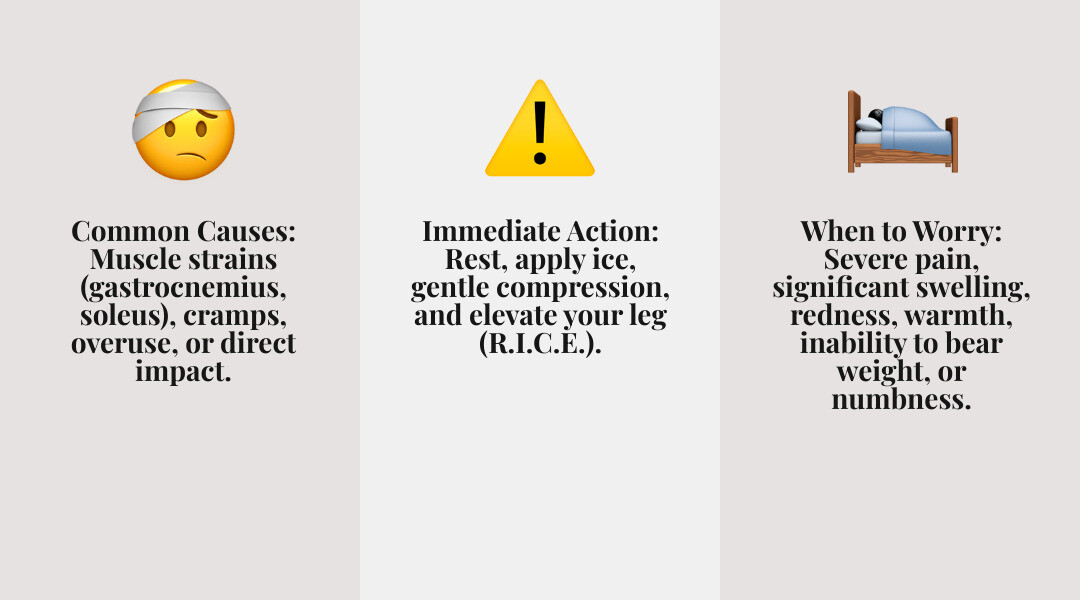
- Common Causes: Muscle strains, cramps, overuse, or direct impact.
- When to Worry: Severe pain, significant swelling, redness, warmth, inability to bear weight, or numbness.
- Immediate Action: Rest, ice, compression, and elevation (RICE).
The upper calf contains two main muscles: the gastrocnemius and the soleus. The gastrocnemius is the larger, visible muscle crucial for explosive movements like running and jumping. Beneath it lies the soleus, a flatter muscle essential for endurance activities like walking. Both connect to the heel via the Achilles tendon. Pain in this area can significantly impact daily activities, but understanding the anatomy helps pinpoint the source of your pain in upper calf.
As Tony Enrico, I've dedicated my career to developing topical pain relief solutions. My goal is to help people overcome discomfort, including pain in upper calf, so they can live active, pain-free lives.
Essential pain in upper calf terms:
Common Causes of Upper Calf Pain and Associated Symptoms
Most pain in upper calf stems from manageable muscular issues. Understanding the cause and its specific symptoms is the first step toward relief.
Common Muscular Causes of Pain in the Upper Calf
- Gastrocnemius Strain (Tennis Leg): A sudden, sharp pain in the large, superficial calf muscle, often caused by explosive movements like sprinting or jumping. It can feel like being hit in the leg and makes it hard to push off your toes. Calf strains in athletes are common, highlighting the risk in active individuals.
- Soleus Strain: A deeper, dull ache that develops gradually in the calf, often from overuse during endurance activities like jogging or prolonged standing. Unlike a gastrocnemius strain, the onset is typically less dramatic.
- Muscle Cramps (Charley Horse): A sudden, intense, and involuntary contraction of the calf muscle. These are often triggered by overuse, dehydration, or holding a position for too long. While usually brief, frequent cramps may warrant investigation. Learn more about muscle pain on our blog.
- Dehydration and Electrolyte Imbalance: Insufficient fluid intake can disrupt the balance of minerals like potassium and magnesium, which are crucial for muscle function, leading to cramps.
- Delayed Onset Muscle Soreness (DOMS): The familiar muscle ache that appears a day or two after a new or intense workout. This tender pain in upper calf is a normal part of muscle adaptation and resolves on its own.
- Contusion (Bruise): Pain, swelling, and discoloration resulting from a direct impact to the calf muscle. Most bruises heal well with basic care.
Symptoms to Watch For
Paying attention to your symptoms can help identify the cause of your pain in upper calf.
- Sudden, sharp pain: Often indicates an acute strain or tear.
- Aching or burning sensation: May suggest muscle fatigue, DOMS, or a nerve issue.
- Tenderness to the touch: A common sign of local injury or inflammation.
- Swelling or bruising: Can occur with strains and contusions, but significant swelling needs attention.
- Muscle tightness or stiffness: Common with cramps, strains, and overuse.
- Weakness in the leg: Suggests a more significant muscle injury or nerve involvement.
- Difficulty walking or standing on tiptoes: A key indicator of an injury to the calf muscles or Achilles tendon.
Serious Conditions That Can Cause Upper Calf Pain
While most upper calf pain is muscular, some cases signal a more serious issue requiring prompt medical attention. Recognizing these red flags is crucial for your health.
Vascular and Circulatory Issues
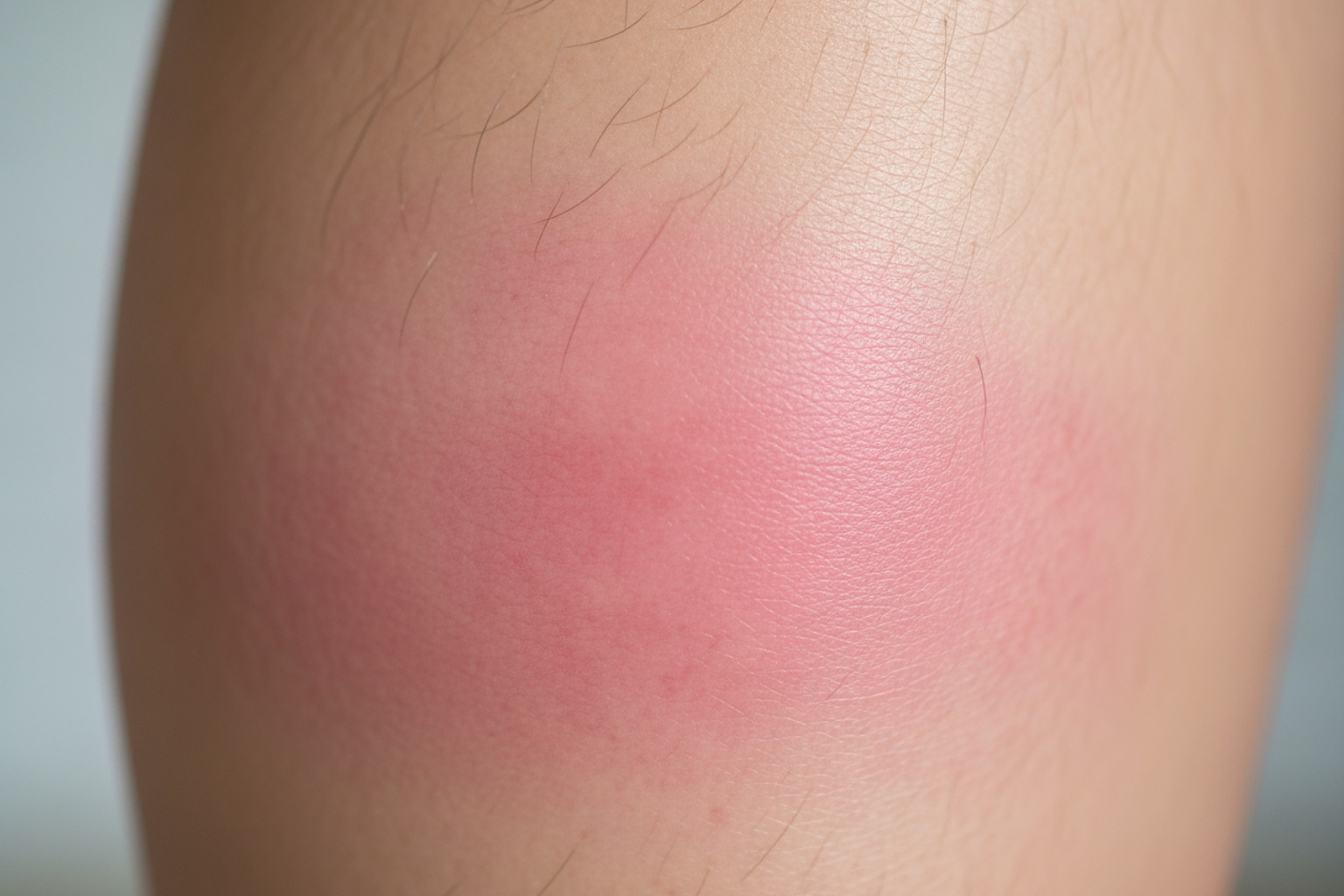
- Deep Vein Thrombosis (DVT): A blood clot in a deep leg vein, causing swelling, pain, redness, and warmth. DVT is a medical emergency as the clot can travel to the lungs. Risk factors include prolonged immobility and recent surgery. See more on DVT.
- Peripheral Artery Disease (PAD): Narrowed arteries reduce blood flow to the legs, causing cramping pain during activity that subsides with rest.
- Popliteal Artery Entrapment Syndrome: The main artery behind the knee is compressed by muscle or tissue, causing pain during exercise.
- Varicose Veins: Enlarged, twisted veins that can cause aching, throbbing, and a heavy feeling in the legs.
Nerve-Related and Referred Pain
Sometimes the pain originates from nerves, not the calf muscle itself.
- Sciatica: Pain, numbness, or tingling that radiates from the lower back down the leg, caused by irritation of the sciatic nerve. You can learn more about understanding nerve pain.
- Neurogenic Claudication: Nerve compression in the lower spine (spinal stenosis) causes leg pain and weakness that worsens with standing or walking and improves when sitting.
- Diabetic Neuropathy: Nerve damage from high blood sugar can cause burning pain, numbness, or tingling in the calf.
- Peroneal Nerve Dysfunction: Compression of a nerve near the knee can lead to pain on the outer calf and foot drop.
Other Serious Causes
- Ruptured Baker's Cyst: A fluid-filled sac behind the knee bursts, leaking fluid into the calf and causing sudden pain and swelling that can mimic DVT.
- Compartment Syndrome: A dangerous condition where swelling in a muscle compartment cuts off blood flow, causing severe pain, tightness, and numbness. It's a medical emergency often following a significant injury.
- Achilles Tendonitis or Rupture: Inflammation (tendonitis) causes a dull ache, while a rupture is a sudden, severe injury with a "pop" and intense pain.
- Bone Fracture: A break in the tibia or fibula causes significant pain, especially with weight-bearing.
- Osteomyelitis: A serious bone infection causing deep, aching pain, fever, and swelling.
When to Seek Immediate Medical Attention
Go to a doctor immediately if you experience any of the following:
- Inability to bear weight on the leg.
- Severe swelling, redness, or warmth, especially in one calf (potential DVT).
- A visible deformity in the leg.
- Fever with calf pain.
- Pale or cool skin on the leg, combined with severe pain.
- Shortness of breath or chest pain (potential pulmonary embolism).
- Sudden, severe pain without a clear cause or pain that worsens rapidly.
How Upper Calf Pain is Diagnosed and Treated
A proper diagnosis is key to effective treatment for pain in upper calf. The process involves identifying the root cause to create a targeted relief plan.
Diagnosis Process
A healthcare provider will use several methods to diagnose your pain:
- Physical Examination: Your provider will inspect the calf for swelling or bruising, palpate for tenderness, and assess your range of motion, strength, and circulation. The Thompson test may be used to check for an Achilles tendon rupture.
- Medical History Review: Discussing when the pain started, its characteristics, and your recent activities helps narrow down potential causes.
- Imaging Tests: An Ultrasound can visualize soft tissues and check for blood clots (DVT). An MRI provides detailed images of muscles, tendons, and nerves, while an X-ray can rule out bone fractures.
- Blood Tests: These can help rule out DVT (D-dimer test) or check for inflammation and electrolyte imbalances.
At Neuropasil, we believe in empowering you with knowledge. Learn about our approach to health and wellness.
Self-Care Strategies for Pain in the Upper Calf
For minor muscular issues, home care is often effective. The RICE protocol is a great starting point:
- Rest: Avoid activities that cause pain to allow the muscle to heal.
- Ice: Apply an ice pack wrapped in a cloth for 15-20 minutes at a time to reduce swelling and pain.
- Compression: Use a compression bandage to minimize swelling and provide support.
- Elevation: Lift your leg above heart level to reduce fluid buildup.
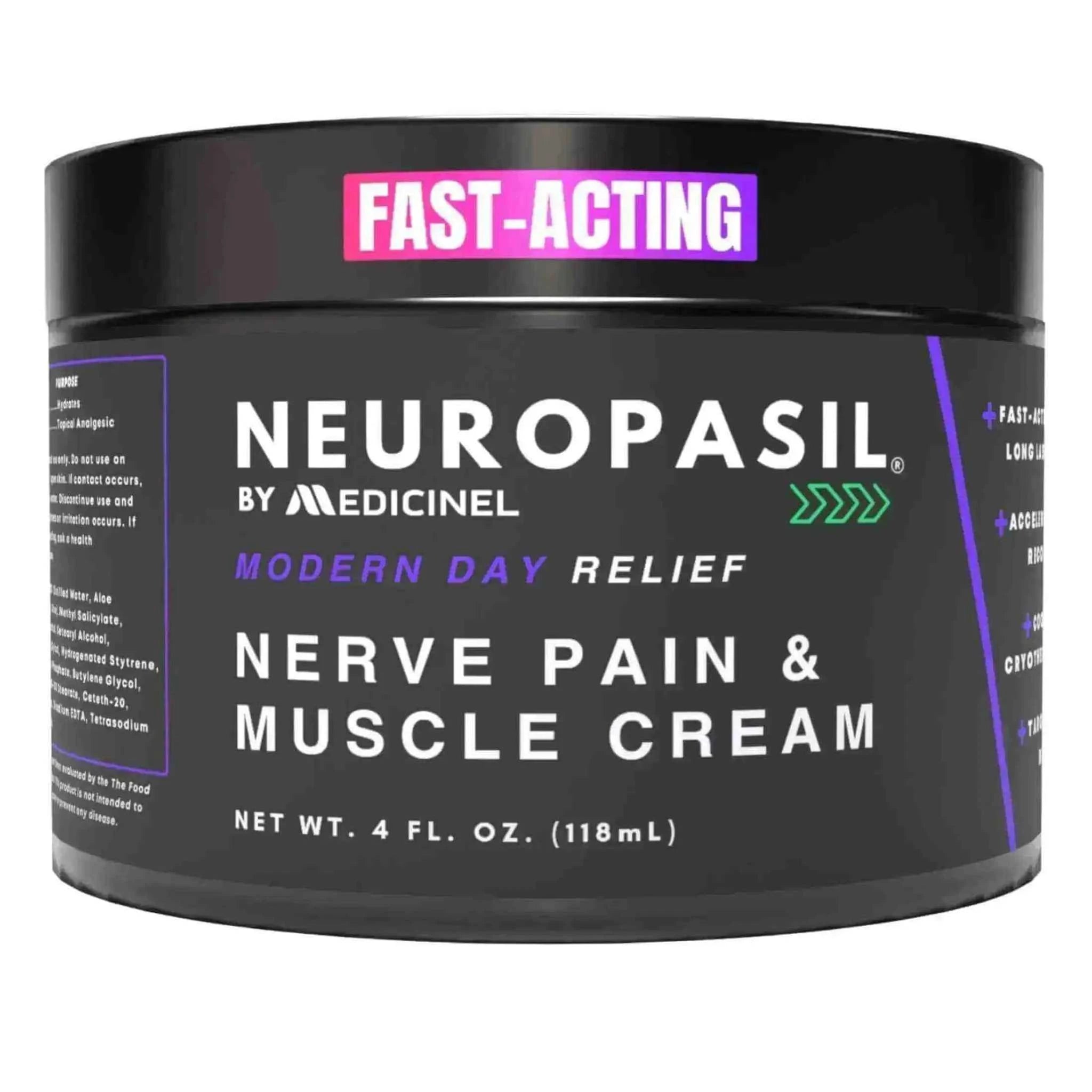
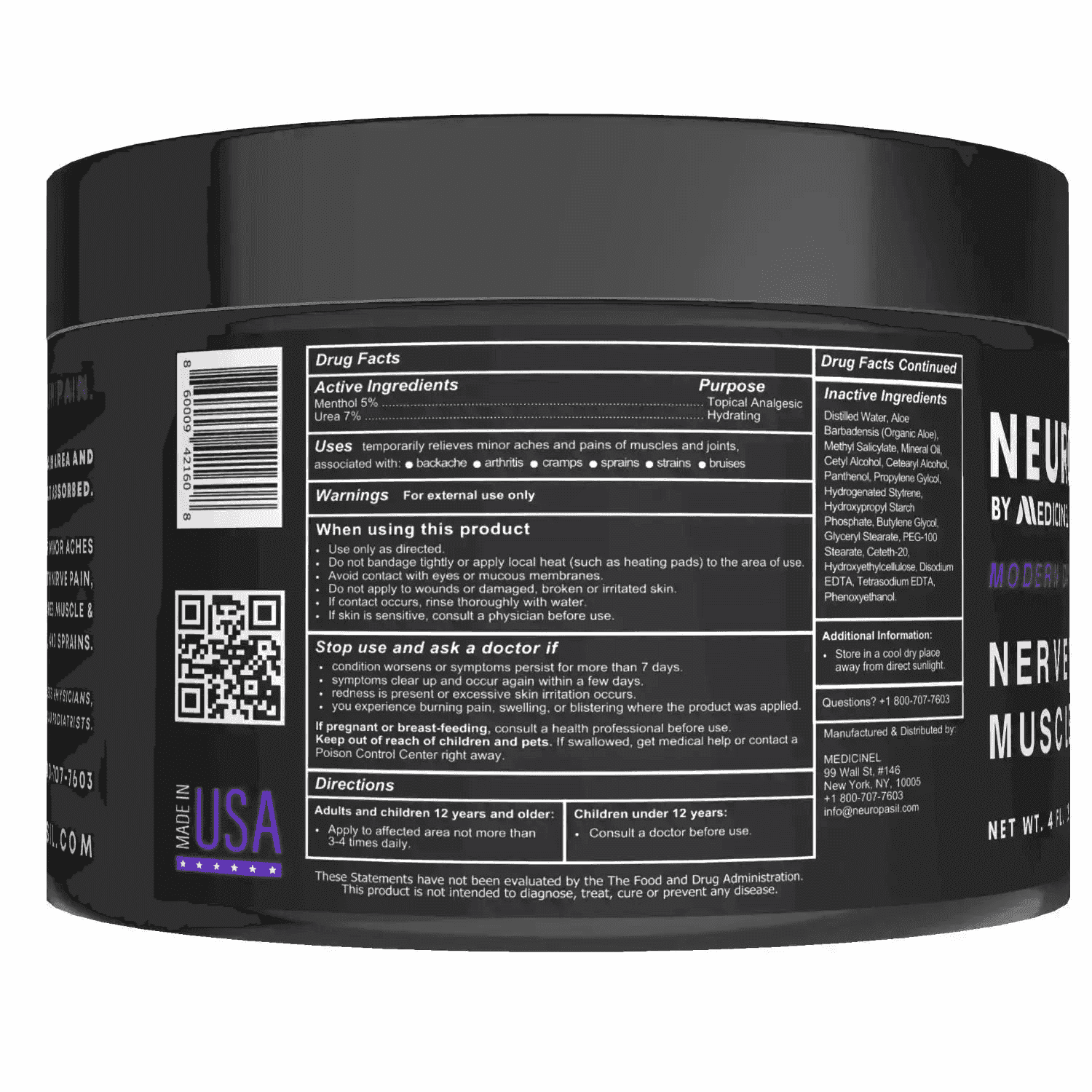
For targeted relief from muscle soreness and nerve-related discomfort, apply Neuropasil Nerve Pain Relief Cream. Its blend of Aloe, Urea, and Menthol provides soothing comfort directly to the affected area. Explore the benefits of our topical ingredients. Also, ensure proper Hydration and Nutrition, including electrolytes, to prevent cramps.
Medical Treatments
If self-care isn't enough, or if the pain is severe, seek professional medical treatment.
- Healthcare Provider Consultation: Essential for an accurate diagnosis and treatment plan.
- Prescription Medications: Your doctor may prescribe anti-inflammatories, muscle relaxants, or blood thinners for DVT.
- Supportive Devices: Braces, crutches, or a walking boot can immobilize the calf to promote healing.
- Physical Therapy: A therapist can guide you through exercises to restore strength and flexibility.
- Surgical Intervention: Reserved for severe cases like complete muscle ruptures, compartment syndrome, or nerve compression.
Recovery, Prevention, and Helpful Exercises
After addressing the initial pain, focusing on recovery and prevention is key to avoiding future pain in upper calf and building stronger, more resilient muscles.
Stretches and Exercises for Relief and Recovery
Always warm up before stretching and never push into sharp pain. Hold each stretch for 20-30 seconds.
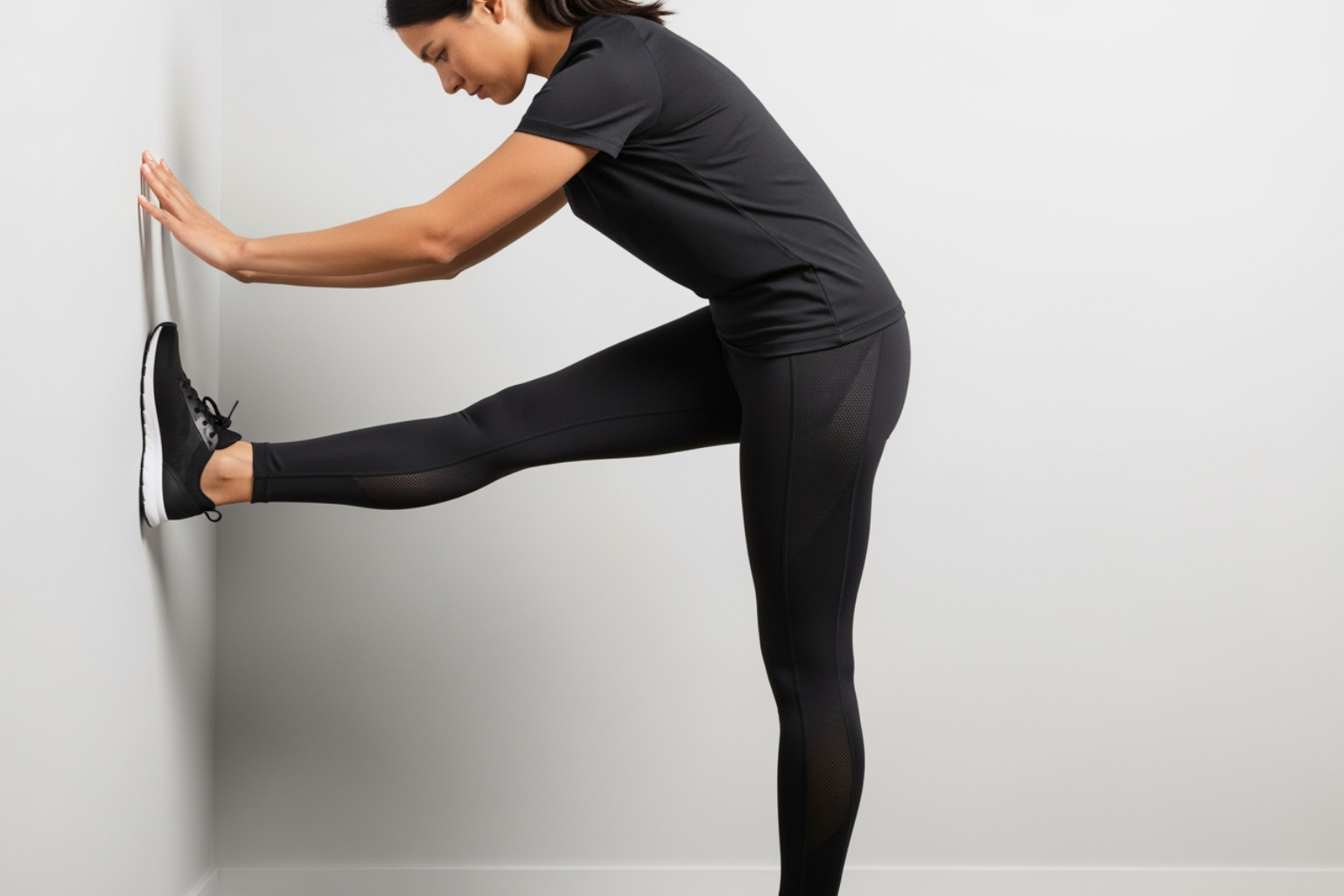
- Gastrocnemius (Straight-Knee) Wall Stretch: Facing a wall, step one leg back, keeping it straight with the heel on the floor. Lean forward to feel a stretch in the upper calf.
- Soleus (Bent-Knee) Wall Stretch: In the same position, bend the knee of your back leg while keeping the heel down to target the deeper soleus muscle.
- Seated Calf Stretch with a Towel: Sit with legs extended. Loop a towel around the ball of one foot and gently pull it toward you.
- Heel Raises: Stand and slowly rise onto the balls of your feet, then lower with control. This strengthens both calf muscles.
- Ankle Circles: Sit or lie down and rotate your ankle in circles, 10 times in each direction, to improve mobility.
Topical creams can support recovery. Read about the best pain relief creams for muscle pain.
Prevention Strategies
Incorporate these habits to reduce your risk of injury:
- Warm-Up and Cool-Down: Always prepare your muscles before activity and stretch afterward.
- Gradual Increase in Intensity: Avoid doing too much, too soon. Increase your workout intensity by no more than 10% per week.
- Wear Appropriate Footwear: Use shoes designed for your activity and replace them when worn out.
- Maintain a Healthy Weight: Reduce strain on your lower body joints and muscles.
- Stay Hydrated: Drink plenty of water and consider electrolytes during intense exercise to prevent cramps.
- Stretch Regularly: Daily stretching maintains flexibility and prevents tightness.
Recovery Timeline
Recovery time for pain in upper calf depends on the injury's severity, your age, and overall health.
- Mild Strains: Typically resolve in 1-3 weeks with self-care.
- Moderate to Severe Injuries: A Grade 2 strain may take 3-6 weeks, while a Grade 3 tear or fracture can require several months. Surgical recovery may take up to 6 months.
It is crucial to complete your full rehabilitation program, even after the pain subsides, to prevent re-injury. Returning to activity too soon is a common mistake. Find more health tips on our blog.
Conclusion
Understanding pain in upper calf is the first step to finding relief. Most cases are due to minor muscle issues that respond well to rest, stretching, and hydration. However, recognize the signs of serious conditions like DVT or nerve compression, which require immediate medical attention. Always listen to your body and seek professional help for severe or persistent symptoms.
For targeted relief from muscle aches, strains, and nerve-related discomfort, Neuropasil offers a powerful solution. Our fast-acting topical cream, formulated with Aloe, Urea, and Menthol, delivers soothing comfort directly where you need it. Whether you're an athlete recovering from a workout or dealing with chronic pain, Neuropasil can help you get back to the activities you love.
Don't let calf pain hold you back. Experience targeted, fast-acting relief for yourself.
Shop Neuropasil Nerve Pain Relief Cream and take the first step toward living pain-free.
References
We believe in providing you with reliable, well-researched information. To ensure our guide on pain in upper calf is as comprehensive and accurate as possible, we've consulted a range of trusted medical and health resources. Here are the sources that helped shape this valuable information:
- Cleveland Clinic. (2022). Calf Muscle Pain.
- Dixon, J. B. (2009). Gastrocnemius vs. soleus strain: how to differentiate and deal with calf muscle injuries. Current reviews in musculoskeletal medicine, 2(2), 74–77.
- Healthdirect Australia. (2023). Calf pain.
- Johns Hopkins Medicine. Claudication.
- Medical News Today. (2023). Calf pain: 9 causes, treatment, and stretches.
- MedlinePlus. (2023). Deep vein thrombosis.
- NHS 24. (2023). Calf problems.
- Sports Medicine Australia. Gastrocnemius (Calf) Strain.