Why Upper Thigh Soreness Affects More People Than You Think
Upper thigh soreness is a common discomfort that can affect anyone, from athletes to office workers. The pain can range from a dull ache to a sharp sensation, making daily activities like walking or sitting uncomfortable.
Quick Answer: What Causes Upper Thigh Soreness and How to Find Relief
- Muscle-Related: Strains, overuse, direct trauma, or post-workout soreness (DOMS).
- Nerve-Related: Sciatica, meralgia paresthetica, or diabetic neuropathy causing burning or tingling.
- Other Medical Issues: Hip arthritis, blood clots (DVT), or peripheral arterial disease (PAD).
- Immediate Relief: R.I.C.E. method (Rest, Ice, Compression, Elevation), gentle stretching, heat therapy, and topical pain relief creams.
- When to See a Doctor: Sudden severe pain, inability to bear weight, signs of a blood clot, or numbness in the groin area.
Your thighs contain the body's largest muscles—quadriceps, hamstrings, and adductors. When these muscles, nerves, or surrounding tissues are irritated, you feel it. Fortunately, most cases are manageable with the right approach.
Understanding the cause is the first step to relief. While sometimes it's obvious (like after a workout), other times the pain appears without a clear reason. The location and type of pain—whether muscular, nerve-related, or something else—often point to the underlying issue.
I'm Tony Enrico, and I've seen how debilitating upper thigh soreness can be. At Neuropasil, our mission is to provide fast, natural solutions for muscle and nerve pain, helping you get back to what you love.
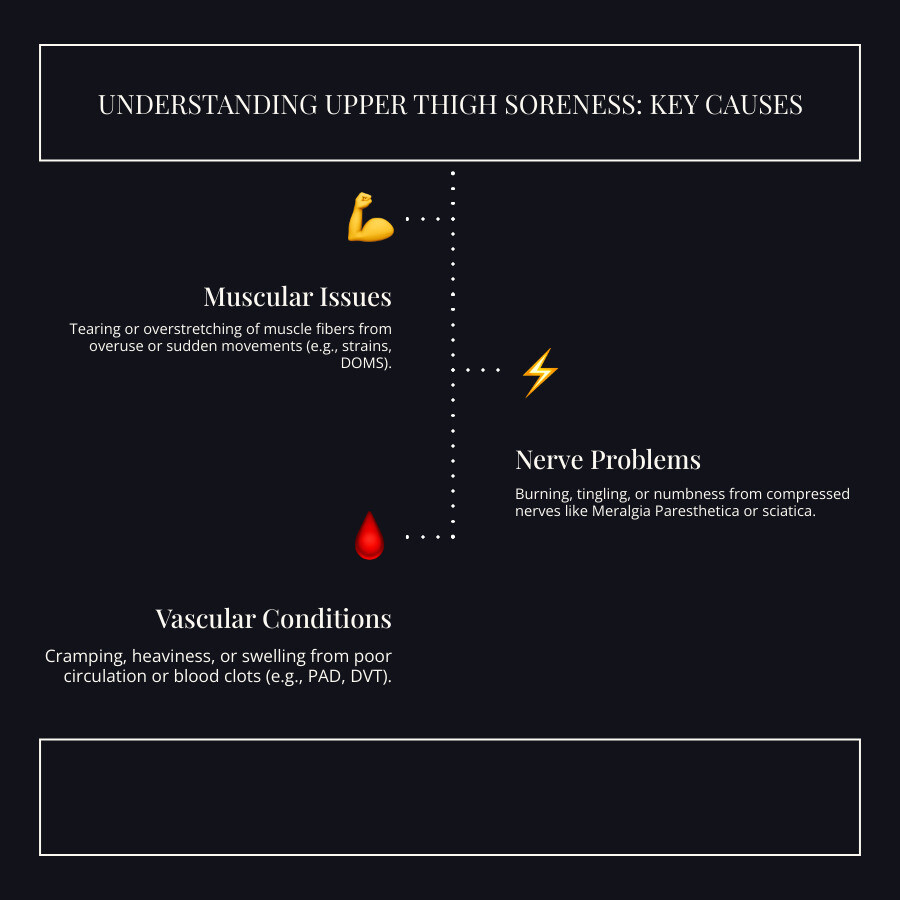
Understanding the Common Causes of Upper Thigh Soreness
When dealing with upper thigh soreness, identifying the cause is key. The pain can manifest as a dull ache, a sharp twinge, tingling, or a feeling of heaviness. Your thighs are complex, containing large muscles, nerves, and blood vessels, and an issue with any of these can cause discomfort. Let's explore the most common reasons for upper thigh pain.
Muscular Causes of Upper Thigh Soreness
Your thigh muscles—the quadriceps (front), hamstrings (back), and adductors (inside)—power you through daily movements. Sometimes, the demands we place on them lead to pain.
Muscle strains are a primary culprit, occurring when muscle fibers are overstretched or torn. This can happen suddenly or gradually from repetitive motion. Symptoms include localized tenderness, swelling, and bruising. A mild strain is a persistent ache, while a severe one causes sharp pain and limits movement.
Overuse injuries develop from repetitive stress without adequate rest, leading to inflammation and micro-tears that cause an ache that can persist even at rest.
Muscle imbalances, where some muscles are stronger or tighter than others, can put extra stress on weaker muscles, leading to soreness and injury.
Direct trauma, like a fall or a blow to the thigh, can cause a contusion (bruise), resulting in pain, swelling, and discoloration.
Delayed Onset Muscle Soreness (DOMS) is the familiar ache that appears a day or two after an intense or new workout. This is a normal part of muscle repair, typically fading within 72 hours.
It's important to distinguish between strains and sprains:
| Feature | Muscle Strain | Ligament Sprain |
|---|---|---|
| Affected Tissue | Muscle or tendon (connects muscle to bone) | Ligament (connects bone to bone) |
| Cause | Tearing or overstretching of muscle/tendon | Tearing or overstretching of ligament |
| Symptoms | Pain, tenderness, swelling, bruising, muscle weakness, difficulty moving muscle | Pain, swelling, bruising, joint instability, limited range of motion in joint |
| Location | Anywhere along a muscle or tendon | Near a joint |
For a deeper dive, see What is a sprain vs. a strain?.
Nerve-Related Issues
Sometimes, upper thigh soreness originates from nerves, not muscles. Nerve pain often feels different, presenting as burning, tingling, numbness, or shooting sensations.
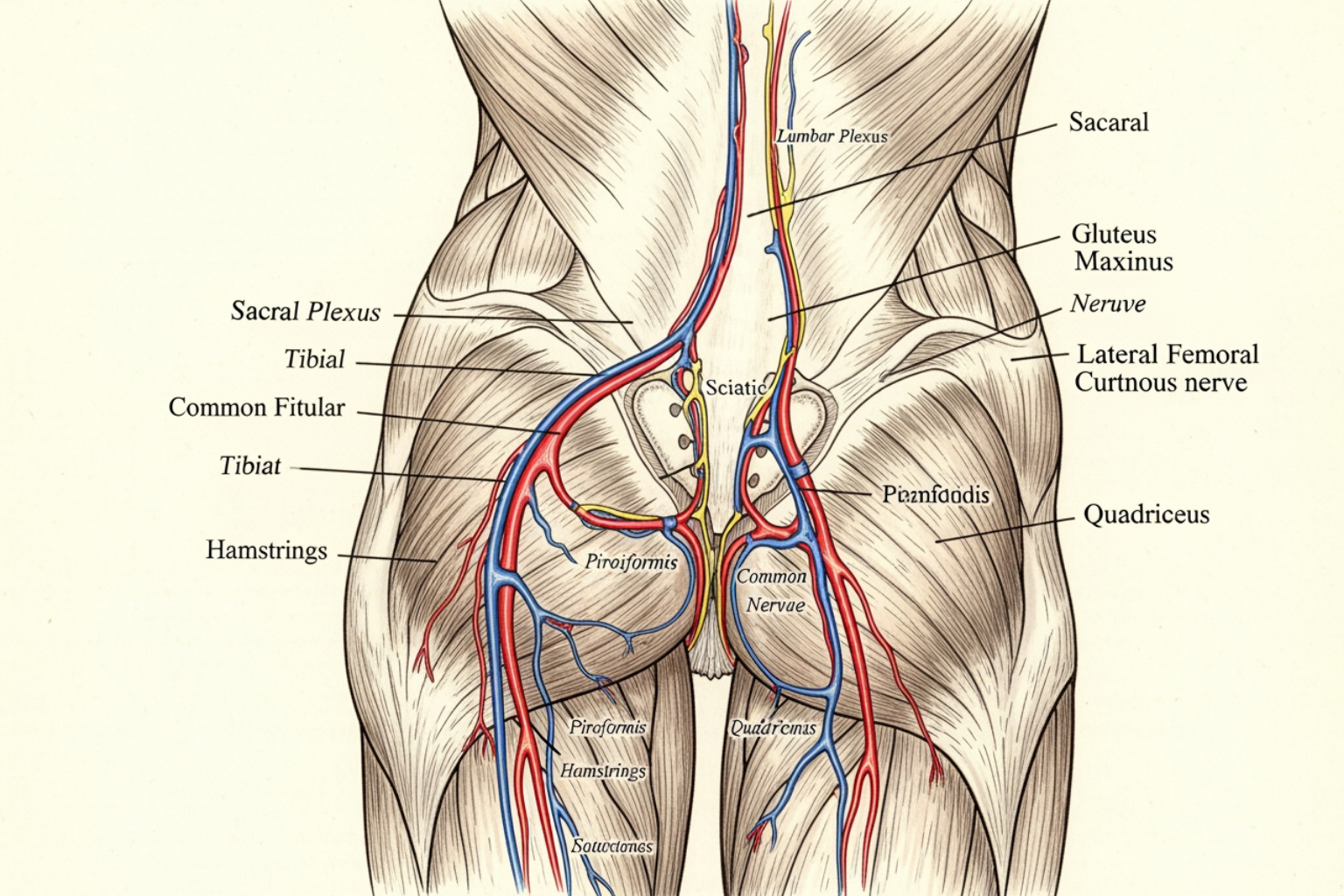
Meralgia paresthetica occurs when the lateral femoral cutaneous nerve is compressed, causing tingling, numbness, and burning pain on the outer thigh. It can be triggered by tight clothing, weight gain, or pregnancy. Learn More about Meralgia Paresthetica.
Sciatica involves compression of the sciatic nerve, which runs from the lower back down the back of the thigh. This often results from a herniated disc and causes sharp, shooting pain, often with numbness or tingling.
Lumbar radicular pain is similar to sciatica, caused by nerve root compression in the lower spine. The location of pain in the thigh depends on which nerve root is affected.
Diabetic neuropathy is nerve damage caused by high blood sugar over time. It can affect the thighs, leading to burning, tingling, or sharp pains.
Nerve pain requires specialized relief. Neuropasil was developed to target this type of discomfort. You can learn about nerve pain relief and how our formula is designed for nerve-related issues.
Other Medical Causes
Several other medical conditions can lead to upper thigh soreness, some of which require immediate attention.
Hip arthritis (osteoarthritis) often causes referred pain that radiates from the hip into the groin and upper thigh. The Arthritis Foundation explains how arthritis can cause referred pain.
Bursitis, the inflammation of fluid-filled sacs near joints, can cause pain in the upper thigh, especially after prolonged sitting.
Peripheral Arterial Disease (PAD) involves blocked arteries that reduce blood flow to the legs. The main symptom is cramping during activity (claudication), which resolves with rest.
Deep Vein Thrombosis (DVT) is a serious condition where a blood clot forms in a deep vein. Symptoms include swelling, warmth, redness, and tenderness. DVT is a medical emergency.
Fibromyalgia is a chronic condition causing widespread pain, including in the thighs, along with fatigue and sleep issues.
At-Home Remedies for Immediate Relief
When upper thigh soreness strikes, you can often find fast relief at home, especially for common issues like muscle strains or post-workout aches.
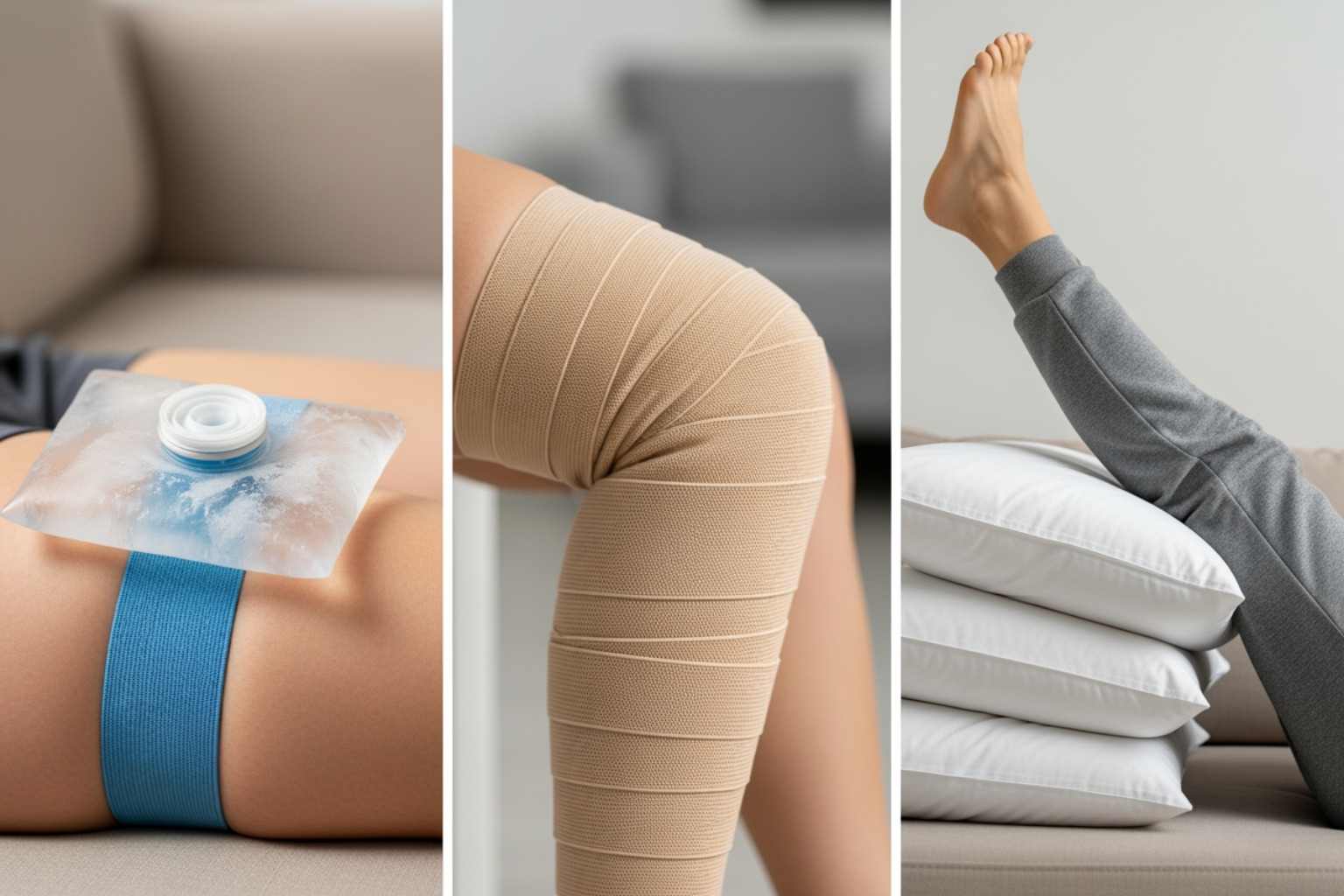
The R.I.C.E. method is a highly effective first-line treatment for acute muscle injuries:
- Rest: Give your thigh a break from strenuous activity, but avoid complete inactivity to promote healing.
- Ice: Apply an ice pack wrapped in a towel for 15-20 minutes at a time during the first 48 hours to reduce swelling and numb pain.
- Compression: Use an elastic bandage to provide support and control swelling, ensuring it's not too tight.
- Elevation: Prop your leg up above heart level to help reduce fluid buildup.
After the first 48 hours, heat therapy can help relax tight muscles and improve blood flow. Use a heating pad or take a warm bath for 10-15 minutes at a time.
Over-the-counter pain relievers like ibuprofen can reduce both pain and inflammation. Follow dosage instructions and consult a doctor if you need them for more than a few days.
Once the sharp pain subsides, perform gentle stretching to maintain range of motion and prevent stiffness. Stop if you feel any sharp pain.
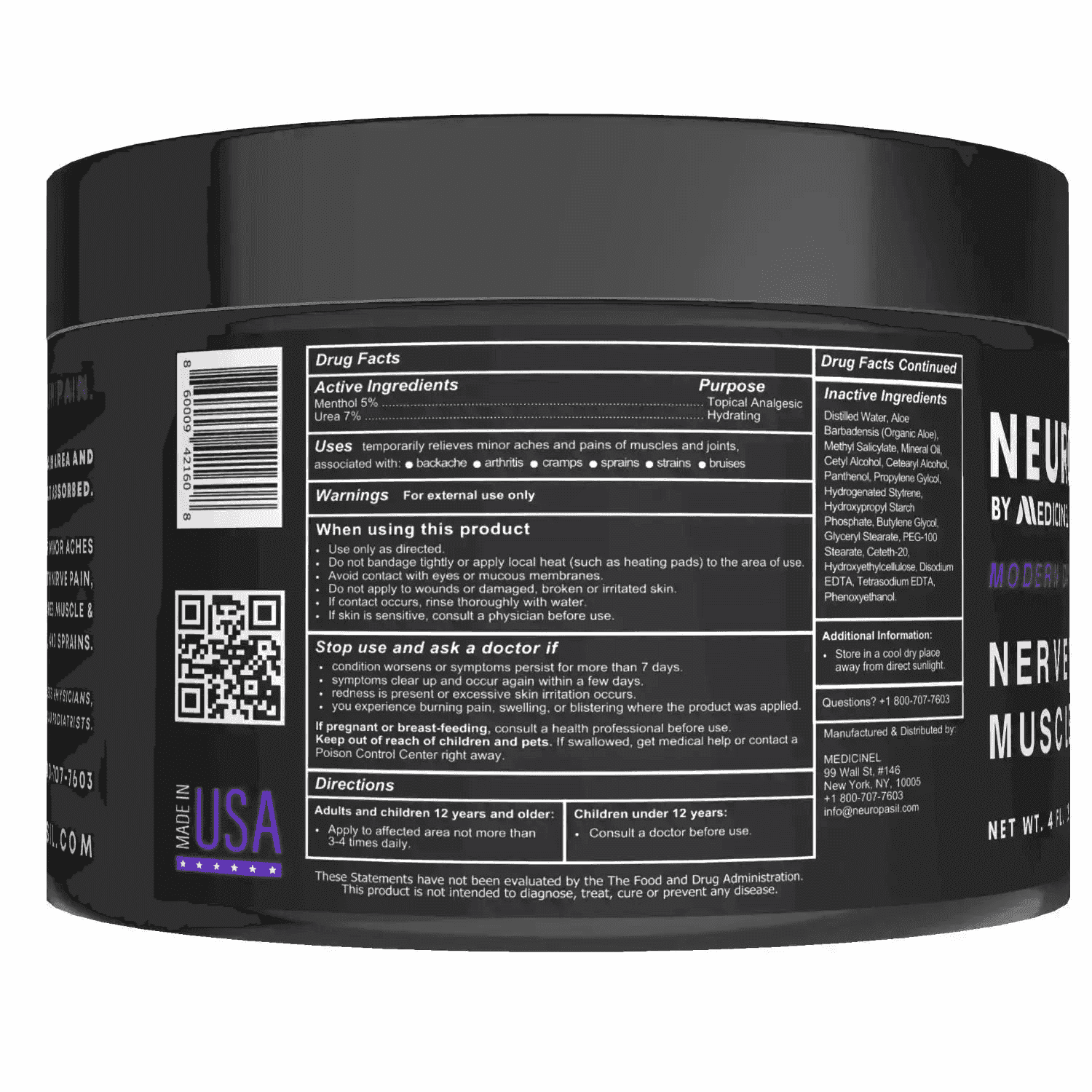
Topical pain relief creams offer targeted comfort. Ingredients like menthol provide a cooling sensation that distracts from pain signals, while aloe vera soothes tissue and urea helps ingredients penetrate the skin for more effective relief.
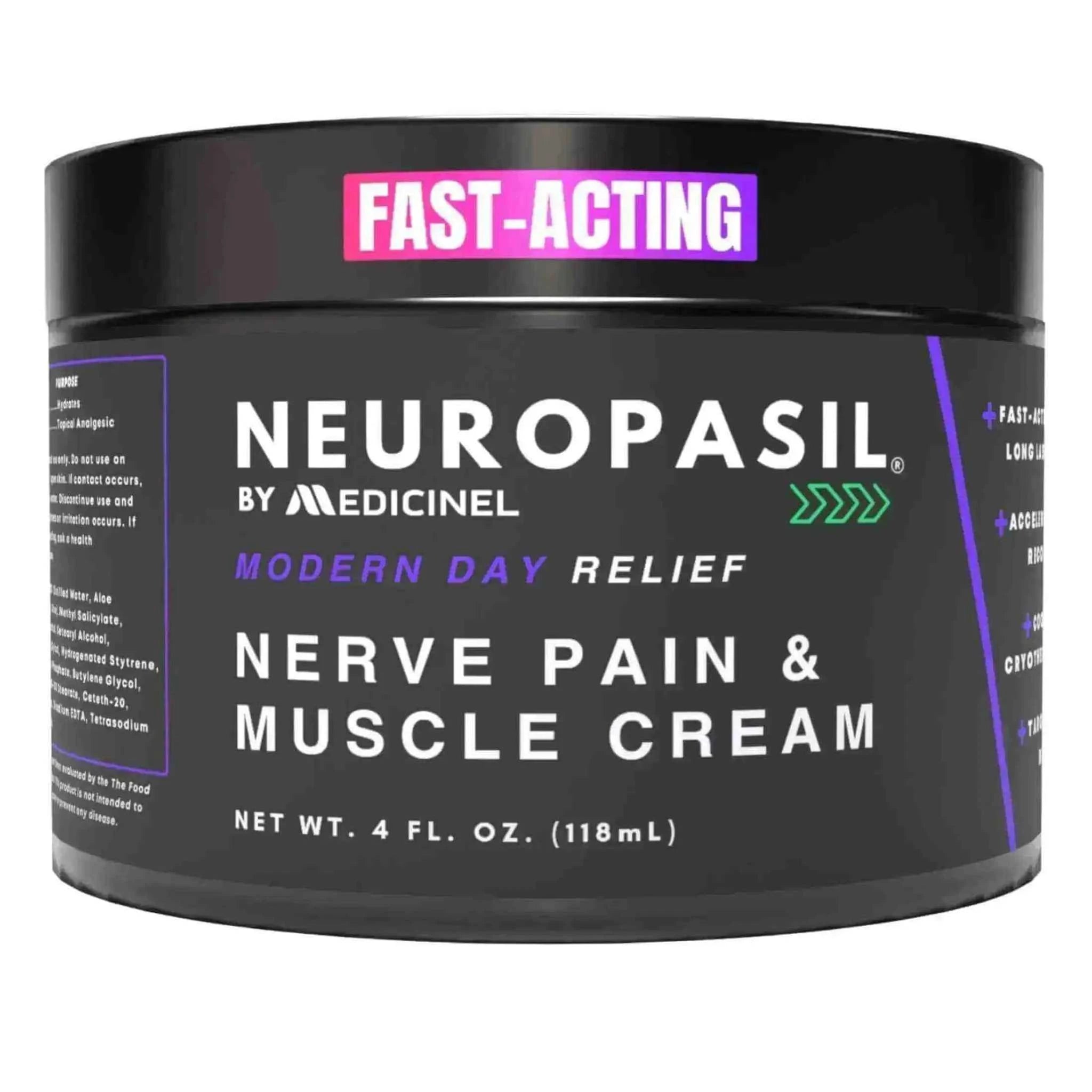
Our Neuropasil Nerve Pain Relief Cream combines these three ingredients for fast-acting relief from both sore muscles and nerve irritation. It's a go-to for athletes seeking faster recovery and for individuals managing chronic nerve pain from conditions like sciatica. If you're exploring options, check out our guide to the best pain relief creams to understand which ingredients work best for your needs.
When to See a Doctor and How to Get a Diagnosis
While many cases of upper thigh soreness resolve on their own, some symptoms are red flags for a more serious issue that requires professional attention. Ignoring these signs can be risky.
Seek emergency medical help immediately if you experience:
- Sudden, severe thigh pain without a clear cause.
- Inability to bear weight on the affected leg.
- Signs of a blood clot (DVT), such as sudden swelling, redness, warmth, or tenderness in one leg. If accompanied by shortness of breath or chest pain, it is a life-threatening emergency. Learn more about what are the risks of DVT?.
- Numbness in the groin area or loss of bladder/bowel control.
- Pain accompanied by fever, chills, or a visible deformity of the thigh or hip.
You should also consult a doctor if your upper thigh soreness doesn't improve with home care after a week, or if it gets worse. Persistent tingling, numbness, or weakness also warrants a professional evaluation. If you have a chronic condition like diabetes and develop new or changing thigh pain, check in with your doctor.
When you see a doctor, they will perform a physical examination and ask about your medical history and the specifics of your pain. This helps narrow down the potential causes.
Diagnostic tests may be used to get a precise diagnosis:
- X-ray: Checks for fractures, dislocations, or signs of arthritis.
- MRI (Magnetic Resonance Imaging): Provides detailed images of soft tissues like muscles, tendons, and nerves to identify tears or compression.
- Ultrasound: Can detect blood clots (DVT), fluid collections, and other soft tissue injuries.
- Electromyography (EMG): Assesses nerve and muscle function to diagnose conditions like sciatica.
- Blood tests: Can rule out infections, inflammation, or clotting disorders.
Getting the right diagnosis is the first step toward effective treatment and recovery from your upper thigh soreness.
Professional Treatments and Long-Term Prevention
Once you have an accurate diagnosis for your upper thigh soreness, professional treatment can accelerate your recovery and help you return to your favorite activities.
Physical therapy is often the cornerstone of recovery. A physical therapist will create a personalized program that may include:
- Deep tissue massage to release tight muscles.
- Strengthening exercises for the hips, core, and thighs to correct imbalances.
- Range of motion exercises to restore flexibility.
- Posture correction to address biomechanical issues.
For severe pain, a doctor might prescribe stronger medications, such as anti-inflammatories, muscle relaxants, or nerve pain drugs. Corticosteroid injections can reduce localized inflammation, while nerve blocks may be used for persistent nerve pain.
Surgery is a last resort, reserved for severe cases like complex fractures, major muscle tears, or nerve compression that doesn't respond to other treatments.
For more insights on managing discomfort, explore our blog for more on muscle pain.
Preventing Future Upper Thigh Soreness
The best approach to upper thigh soreness is prevention. Incorporating a few simple habits can keep your thighs healthy and pain-free.
- Warm-up and Cool-down: Always warm up with light cardio and dynamic stretches before activity, and cool down with static stretches afterward.
- Stay Hydrated: Drink plenty of water to prevent muscle cramps and soreness.
- Maintain a Healthy Weight: Excess weight puts extra strain on your leg muscles and joints.
- Improve Ergonomics: If you sit for long periods, ensure your workstation promotes good posture and take frequent breaks to stand and stretch.
- Listen to Your Body: Don't push through pain. Gradually increase workout intensity and wear supportive footwear.
Here are 3 essential thigh-strengthening exercises to help prevent soreness:
- Squats: Works the quadriceps, hamstrings, and glutes. Start with bodyweight and progress to weights.
- Lunges: Targets each leg to improve balance and correct muscle imbalances.
- Glute Bridges: Strengthens hamstrings and glutes, which are crucial for hip stability.
Frequently Asked Questions about Upper Thigh Pain
It's frustrating when upper thigh soreness disrupts your life. Here are answers to some of the most common questions we hear.
Why does my upper thigh hurt without injury?
Pain in the upper thigh can appear without an obvious injury. This is often due to referred pain, where the problem originates elsewhere but is felt in the thigh.
- Sciatica: A compressed nerve in your lower back can send shooting pain down your thigh.
- Hip Arthritis: Pain from an arthritic hip joint often radiates to the groin and upper thigh.
- Meralgia Paresthetica: Compression of a nerve to the outer thigh—often from tight clothing or prolonged sitting—can cause burning, tingling, or numbness.
- Sedentary Lifestyle: Poor posture and prolonged sitting can lead to muscle stiffness, imbalances, and nerve compression, resulting in a dull ache.
What is the difference between thigh soreness and a serious injury?
Knowing the difference is key to getting the right care.
Normal muscle soreness (DOMS) feels like a dull, generalized ache that appears 24-72 hours after exercise. It improves with gentle movement and resolves within a few days. There is no significant swelling or bruising.
A serious injury often involves sharp, sudden, and intense pain, sometimes with a popping sensation. It's typically accompanied by noticeable swelling, bruising, and warmth. You may find it difficult or impossible to bear weight on the leg.
Seek immediate medical attention for signs of a blood clot (DVT)—sudden swelling, redness, and warmth in one leg—or for sudden severe pain, numbness in the groin, or loss of bladder/bowel control.
How long does upper thigh soreness typically last?
Recovery time depends entirely on the cause and severity.
- DOMS: Typically lasts 24 to 72 hours.
- Minor Muscle Strain: Usually improves within a few days to two weeks with proper home care.
- Moderate Strain: May take up to six weeks to heal.
- Severe Injuries: A major muscle tear, fracture, or nerve damage can take several weeks to months to heal and often requires professional treatment like physical therapy.
- Chronic Conditions: Issues like arthritis or meralgia paresthetica may cause pain that comes and goes, requiring ongoing management rather than a one-time cure. With the right strategies, including topical treatments like our Neuropasil cream, you can manage discomfort and maintain your quality of life.
If your pain persists for more than a week or worsens, see a doctor. Early treatment can significantly improve your recovery.
References
Throughout this article, we've drawn on reputable medical sources to ensure you're getting accurate, trustworthy information about upper thigh soreness. Understanding the science behind your pain is crucial for finding the right treatment approach, and we believe in backing up our guidance with solid research.
The American Academy of Orthopaedic Surgeons provides comprehensive information about muscle strains in the thigh, including how they occur, their severity levels, and evidence-based treatment approaches. You can read more in their detailed guide: Muscle Strains in the Thigh.
For insights into how arthritis can cause pain that radiates to the thigh, we referenced the Arthritis Foundation's excellent resource on understanding the various sources of arthritis pain: Sources of Arthritis Pain.
Johns Hopkins Medicine offers authoritative information on meralgia paresthetica, that nerve compression condition affecting the outer thigh. Their resource explains the causes, symptoms, and treatment options: Meralgia Paresthetica.
The National Heart, Lung, and Blood Institute provides critical information about deep vein thrombosis (DVT), a serious condition that can cause thigh pain and requires immediate medical attention: Deep Vein Thrombosis (DVT).
Finally, the New Zealand Institute of Health and Fitness offers a clear explanation of the difference between sprains and strains, helping you understand what type of injury you might be dealing with: Sprains vs Strains.
We're committed to providing you with reliable, medically-sound information so you can make informed decisions about managing your upper thigh soreness. Your health and comfort matter to us, and we want you to feel confident in the steps you take toward relief and recovery.