Why Neck Pain Relief Matters Now More Than Ever
Neck pain relief is something millions of people search for every single day, and for good reason. Whether you're an athlete pushing through training, someone hunched over a desk for hours, or dealing with persistent aches that just won't quit, neck pain can steal your focus, your sleep, and your quality of life.
Quick relief strategies you can start today:
- Gentle stretching and movement - Improves blood flow and loosens tight muscles
- Heat or cold therapy - Reduces inflammation (cold) or relaxes stiffness (heat)
- Posture correction - Keeps your head aligned over your spine to reduce strain
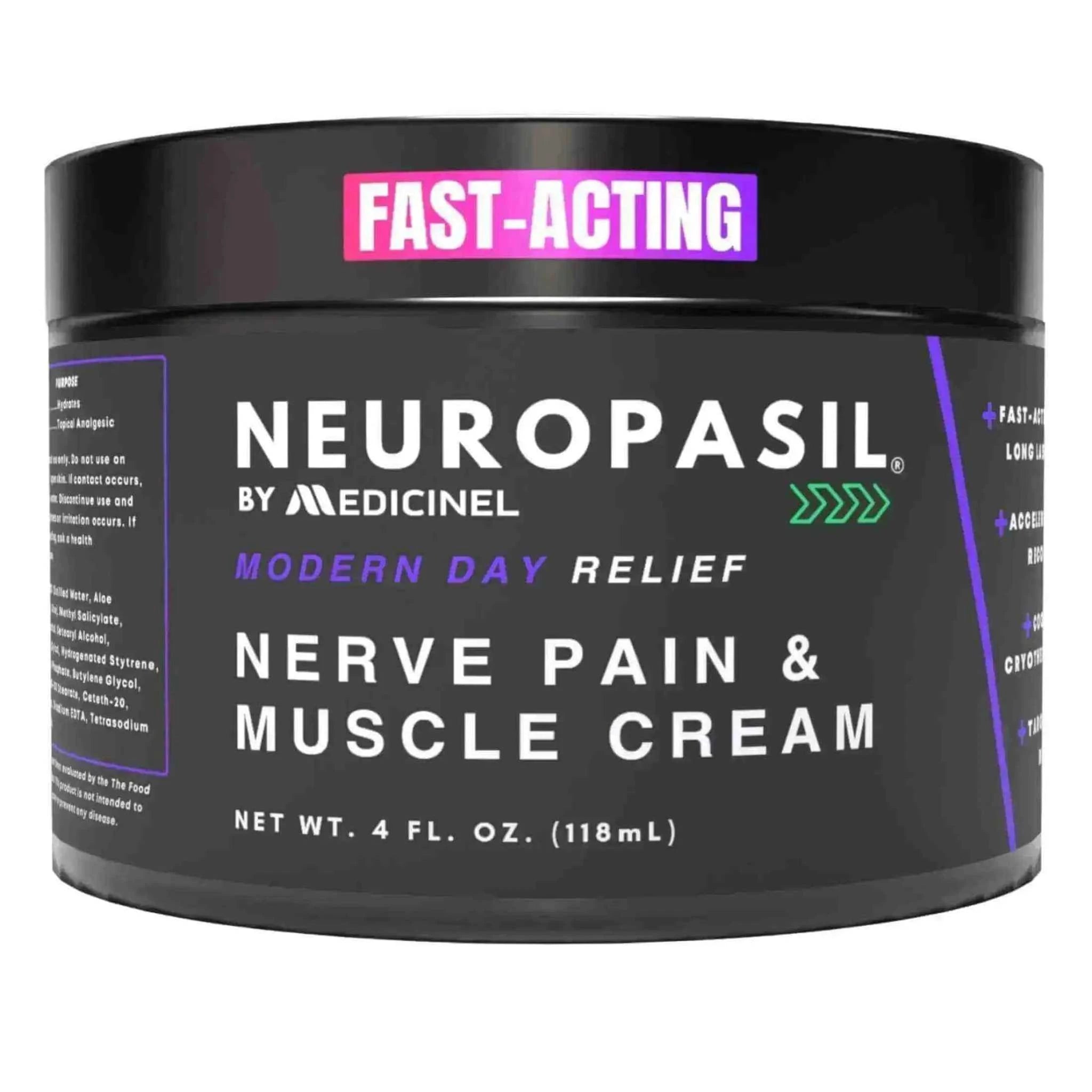
- Targeted topical relief - Fast-acting creams like Neuropasil deliver comfort right where you need it
- Better sleep position - Back or side sleeping with proper pillow support protects your neck
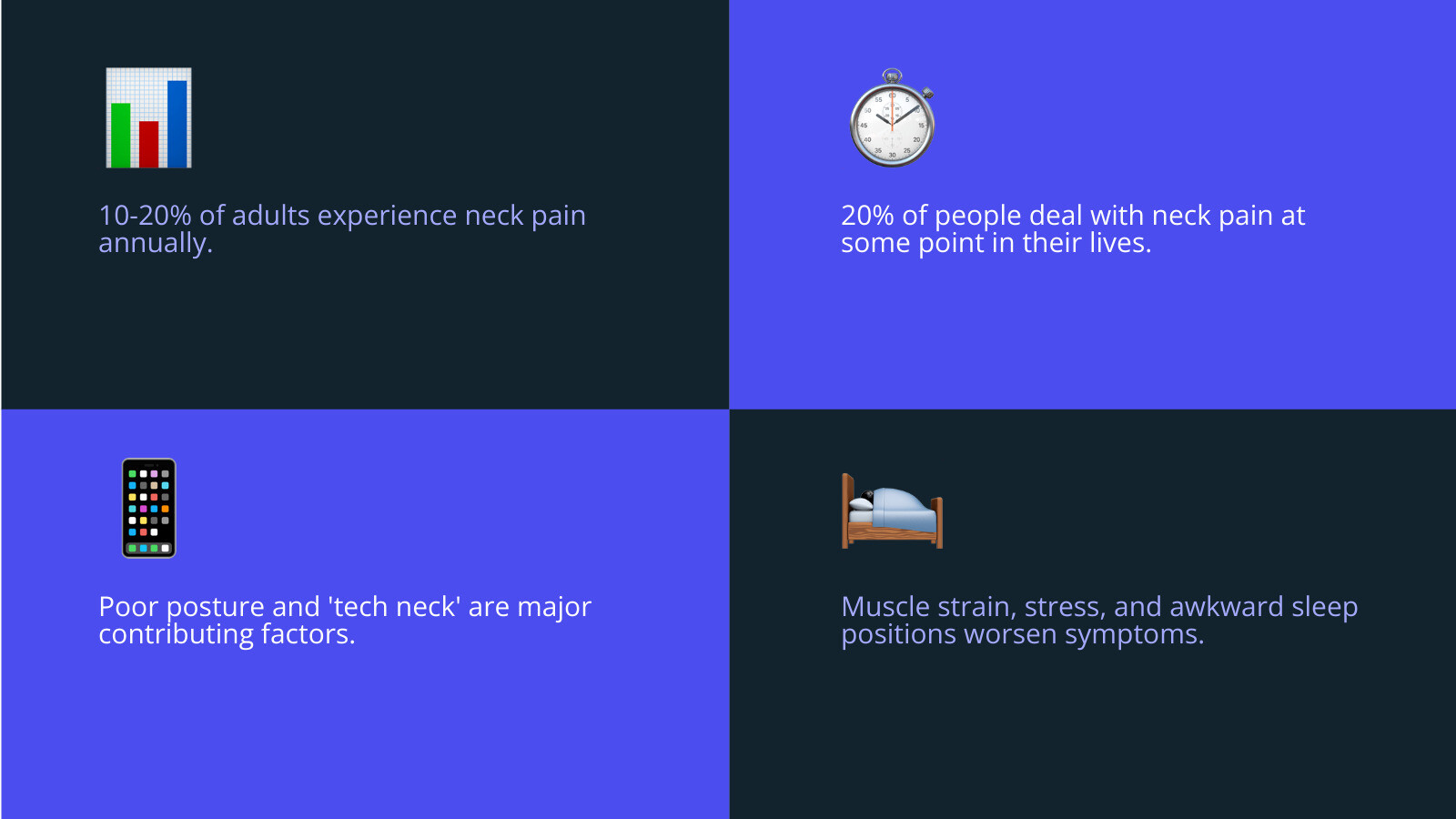
The numbers tell the story: neck pain affects 10% to 20% of adults, with women experiencing it more often. For some, it lasts just days. For others, it becomes a chronic companion that lingers for months or even years.
The most common culprits? Poor posture from staring at screens, muscle strain from overuse, stress that tightens your shoulders, and sleeping in awkward positions. Modern life isn't kind to our necks, but the good news is that simple changes can make a huge difference.
I'm Tony Enrico, and I've spent years helping people find real, lasting relief from nerve and muscle pain through effective topical solutions. My mission with Neuropasil is to bring neck pain relief to those who refuse to let discomfort control their lives, whether you're an athlete, a parent, or anyone who just wants to feel good again.
In this guide, you'll find five proven strategies to ease your pain and five common mistakes that make it worse. Let's get you back to feeling strong, mobile, and pain-free.
Similar topics to neck pain relief:
Understanding Your Neck Pain
Our neck, or cervical spine, is a marvel of engineering, supporting our 10- to 12-pound head while allowing incredible motion. This flexibility, however, makes it prone to injury. Seeking neck pain relief means addressing discomfort from various sources.
What Causes Our Necks to Ache?
Neck pain often stems from daily activities and issues that build up over time, including:
- Poor Posture: Hunching over computers or looking down at phones ("tech neck") puts immense pressure on neck muscles. Studies show that tilting your head 45-60 degrees can double the risk of severe symptoms compared to a neutral posture.
- Muscle Strain: Overuse, sleeping in an awkward position, or a sudden movement can strain neck muscles and ligaments.
- Stress: Mental stress causes us to unconsciously tense our neck and shoulder muscles, leading to stiffness and pain.
- Aging and Wear and Tear: Degenerative changes like osteoarthritis, spinal stenosis, or herniated discs are common causes of chronic neck pain as we age.
- Injuries: Accidents like whiplash or sports injuries can cause acute neck pain.
- Other Conditions: Less common causes include growths, bone spurs, or conditions like rheumatoid arthritis.
Types of Neck Pain: Acute vs. Chronic
Understanding your pain type guides your approach to neck pain relief:
- Acute Neck Pain: This is sudden pain lasting from a few days up to six weeks, often from a muscle strain or minor injury. It usually improves with self-care within a couple of weeks.
- Chronic Neck Pain: Pain lasting over three months is chronic. It's often more complex, involving structural or nerve issues, and can significantly reduce quality of life.
With nearly one in three people affected annually, finding effective neck pain relief is essential for our well-being.
The 5 DO'S: Proactive Steps for Neck Pain Relief
For lasting neck pain relief, a proactive approach is best. Here are five essential "DO'S" to incorporate into your daily life.
DO: Accept Gentle Movement and Stretching
Contrary to intuition, gentle movement is a top strategy for neck pain relief, as complete rest can increase stiffness.
Benefits of Movement and Stretching:
- Improved Blood Flow: Delivers oxygen and nutrients to muscles while flushing out waste products.
- Increased Flexibility: Slow, controlled stretching movements can ease tension and restore the neck's range of motion.
- Reduced Stiffness: Prevents muscles from becoming rigid.
- Strengthening: Specific exercises build stability and prevent future pain.
Simple Neck Stretches for Daily Relief:
Move slowly and stop if you feel sharp pain.
- Chin Tucks: Gently pull your chin straight back (creating a double chin). Hold for 5 seconds; repeat 10 times.
- Side-to-Side Tilts: Tilt your ear toward your shoulder, keeping shoulders relaxed. Hold for 15-20 seconds; repeat 3-5 times per side.
- Shoulder Rolls: Roll shoulders forward 5-10 times, then backward 5-10 times to release tension.
- Head Presses (Isometric Holds): Press your forehead into your palm, resisting with your neck. Hold for 5-10 seconds; repeat 5-10 times. Also, press against the side and back of your head.
- Shoulder Blade Squeezes: Squeeze your shoulder blades together for 5 seconds. Repeat 10-15 times to support good posture.
Consistency is key. For more on muscle recovery, explore what helps sore muscles.
DO: Optimize Your Posture and Ergonomics
Poor posture is a leading cause of neck pain. Simple adjustments to your environment can bring significant neck pain relief.
Understanding "Tech Neck":
Constantly looking down at devices, or "tech neck," puts excessive strain on your neck. While your head normally weighs 10-12 pounds, tilting it forward dramatically increases the load on your cervical spine. At a 60-degree angle—a common posture when using a phone—the strain is equivalent to 60 pounds. A 2019 study on students confirmed that those typing with their heads tilted were twice as likely to suffer severe symptoms.
Ergonomic Adjustments for Your Workspace:
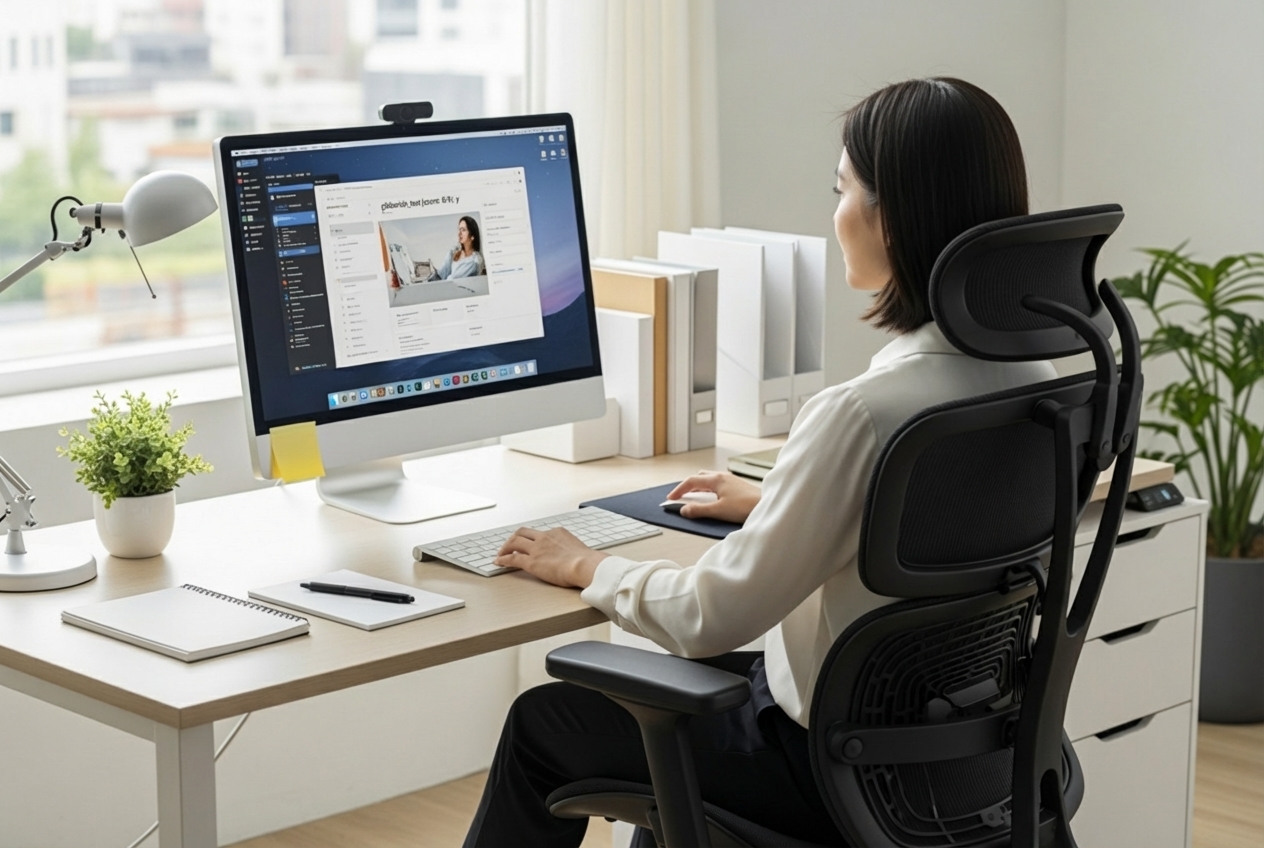
- Monitor at Eye Level: Position your screen so the top is at or just below eye level.
- Chair Support: Use a chair with good lumbar support, with feet flat on the floor.
- Phone Habits: Hold your phone closer to eye level and use a headset for long calls.
- Regular Breaks: Take short breaks every 20-30 minutes to stand and stretch.
Proper Lifting Techniques:
When lifting, bend at your knees, keep your back straight, and use your legs. The relationship between forward head posture and neck pain is well-documented, making these adjustments crucial.
DO: Use Heat and Cold Therapy Strategically
Heat and cold are time-tested remedies for neck pain relief. The key, as outlined by health institutions like Johns Hopkins Medicine, is knowing when to use each.
| Therapy | When to Use | Benefits | Duration & Application |
|---|---|---|---|
| Cold Therapy (Ice) | Acute pain, new injuries (first 48-72 hours), inflammation, swelling. | Reduces inflammation, numbs pain, constricts blood vessels to minimize swelling. | Apply an ice pack (wrapped in a thin towel) for 15-20 minutes at a time, several times a day. |
| Heat Therapy | Chronic pain, muscle stiffness, tension, soreness, before stretching/exercise. | Relaxes tight muscles, increases blood flow, promotes healing, soothes aches. | Apply a heating pad (low setting) or warm compress for 15-20 minutes. |
Cryotherapy (cold therapy) is best for new injuries, while heat helps with chronic stiffness. Never fall asleep with a heating pad or ice pack. For related pain, see our guide on managing arthritis pain.
DO: Prioritize Restorative Sleep
Poor sleep posture can cause a stiff neck, while restorative sleep is vital for neck pain relief.
How Sleep Posture Impacts Neck Pain:
Sleeping in positions that twist your neck puts prolonged strain on the cervical spine. Stomach sleeping is a common culprit, forcing your head to one side for hours.
Recommended Sleeping Positions for Neck Health:
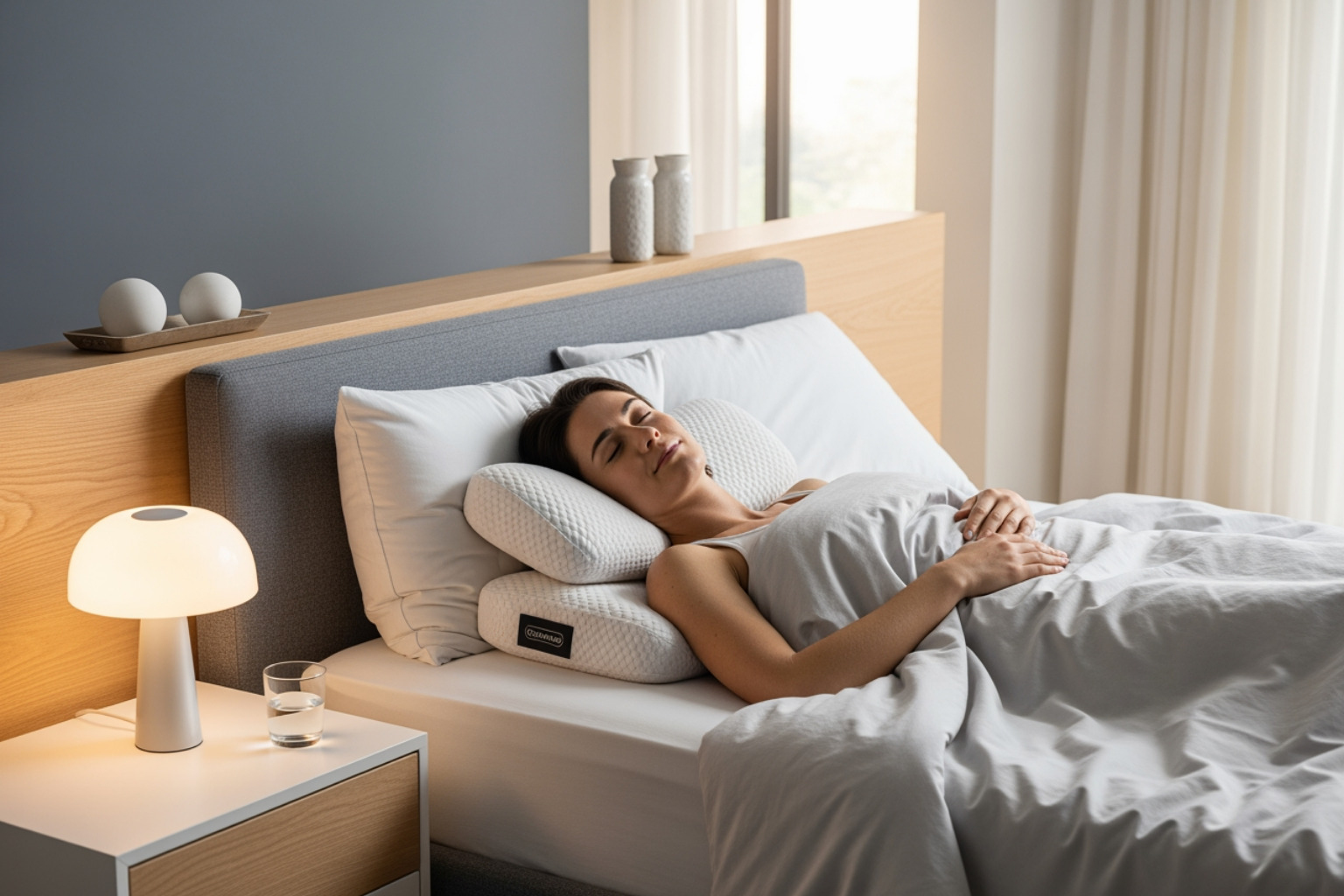
- On Your Back: This is ideal for keeping your head, neck, and spine in a neutral position.
- On Your Side: This is also a good option, as long as your pillow keeps your spine straight.
Pillow Choice is Paramount:
A supportive pillow is essential. Choose one that fills the gap between your neck and the mattress, keeping your head aligned. Cervical pillows are specially designed for this. Avoid using too many pillows, which can push your head too far forward. As Harvard Health notes, "Be sure to keep your head in line with your body, not cocked at an angle."
DO: Consider Targeted and Alternative Approaches for Quick Neck Pain Relief
For stubborn pain, targeted approaches can make a real difference in achieving neck pain relief.
Topical Creams for Targeted Relief:
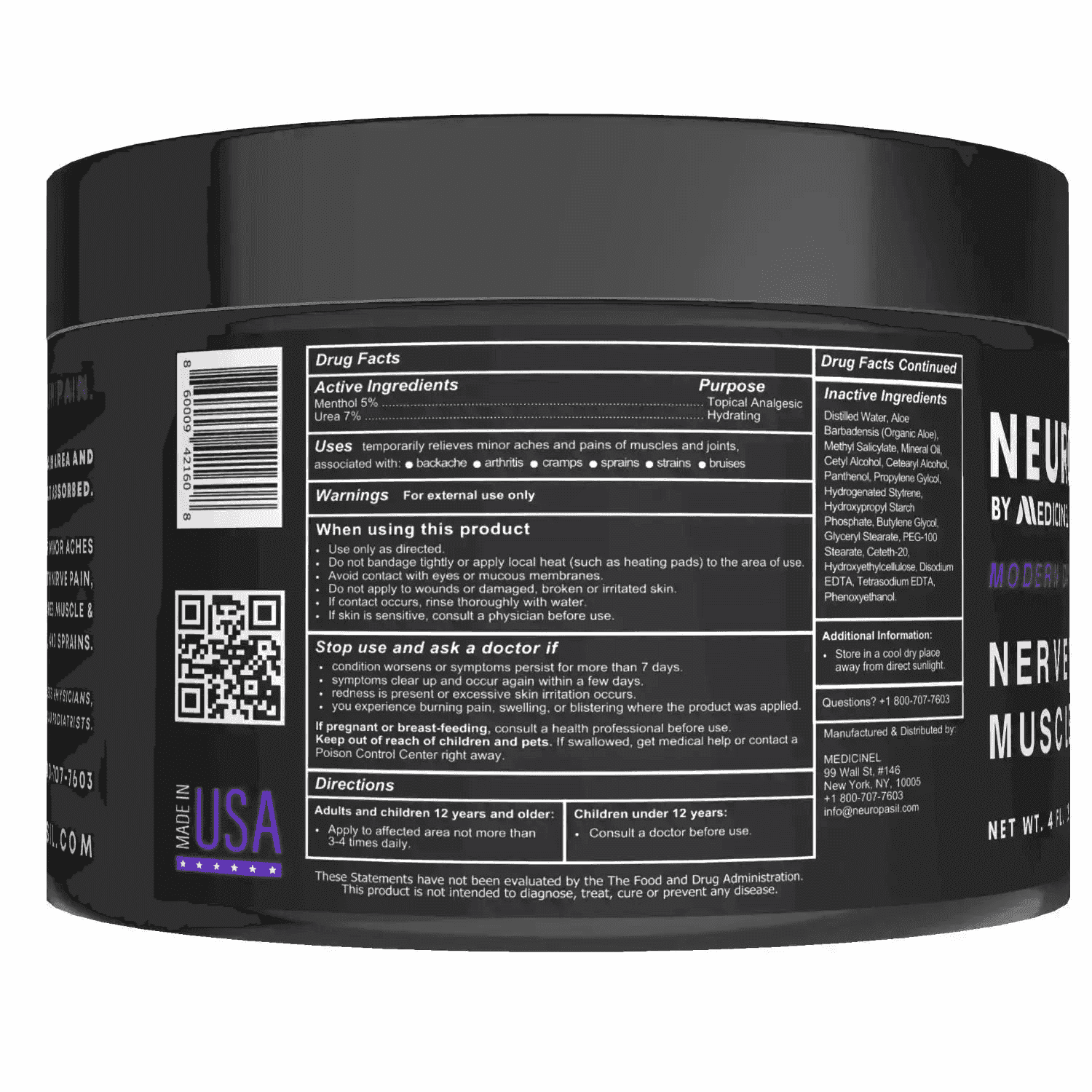
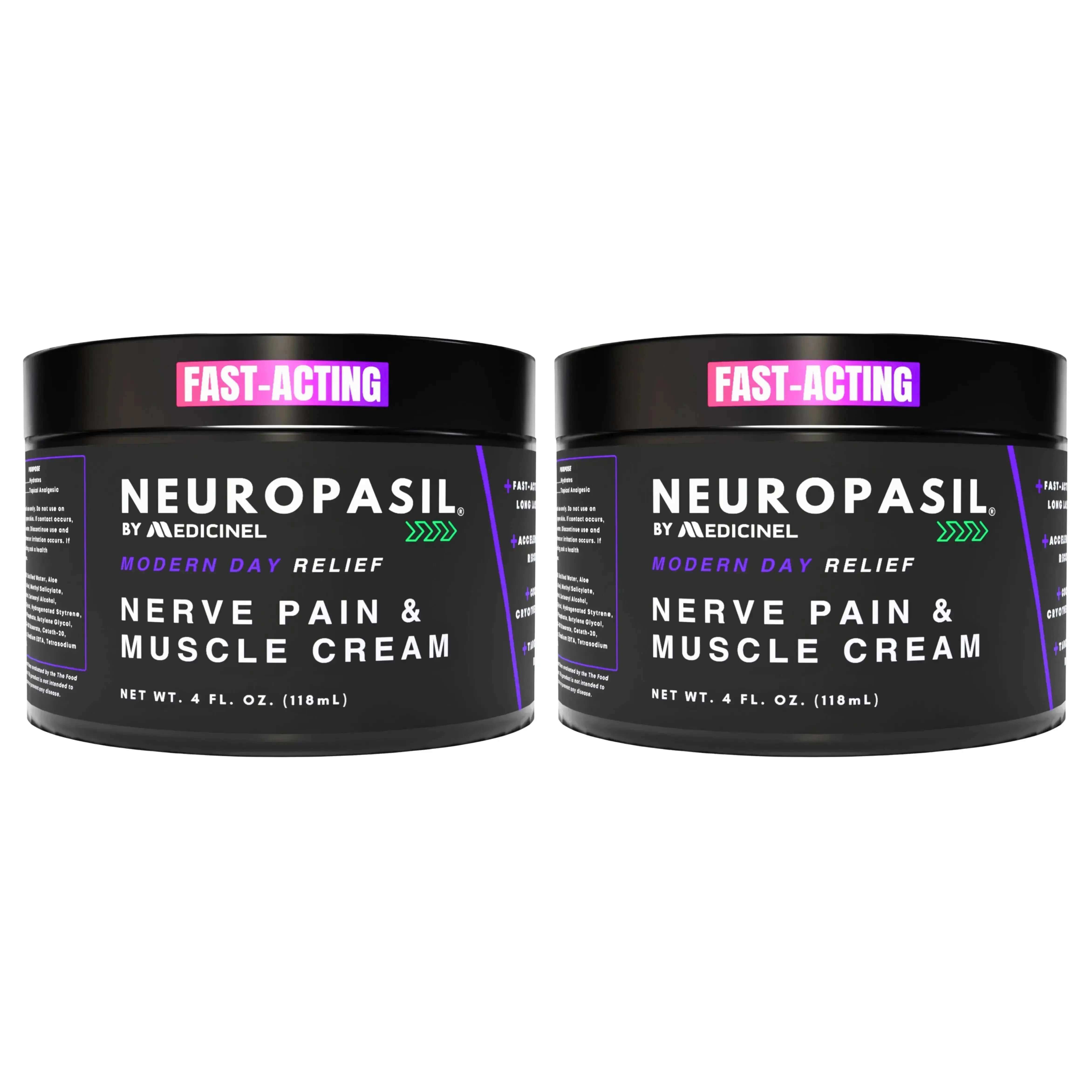
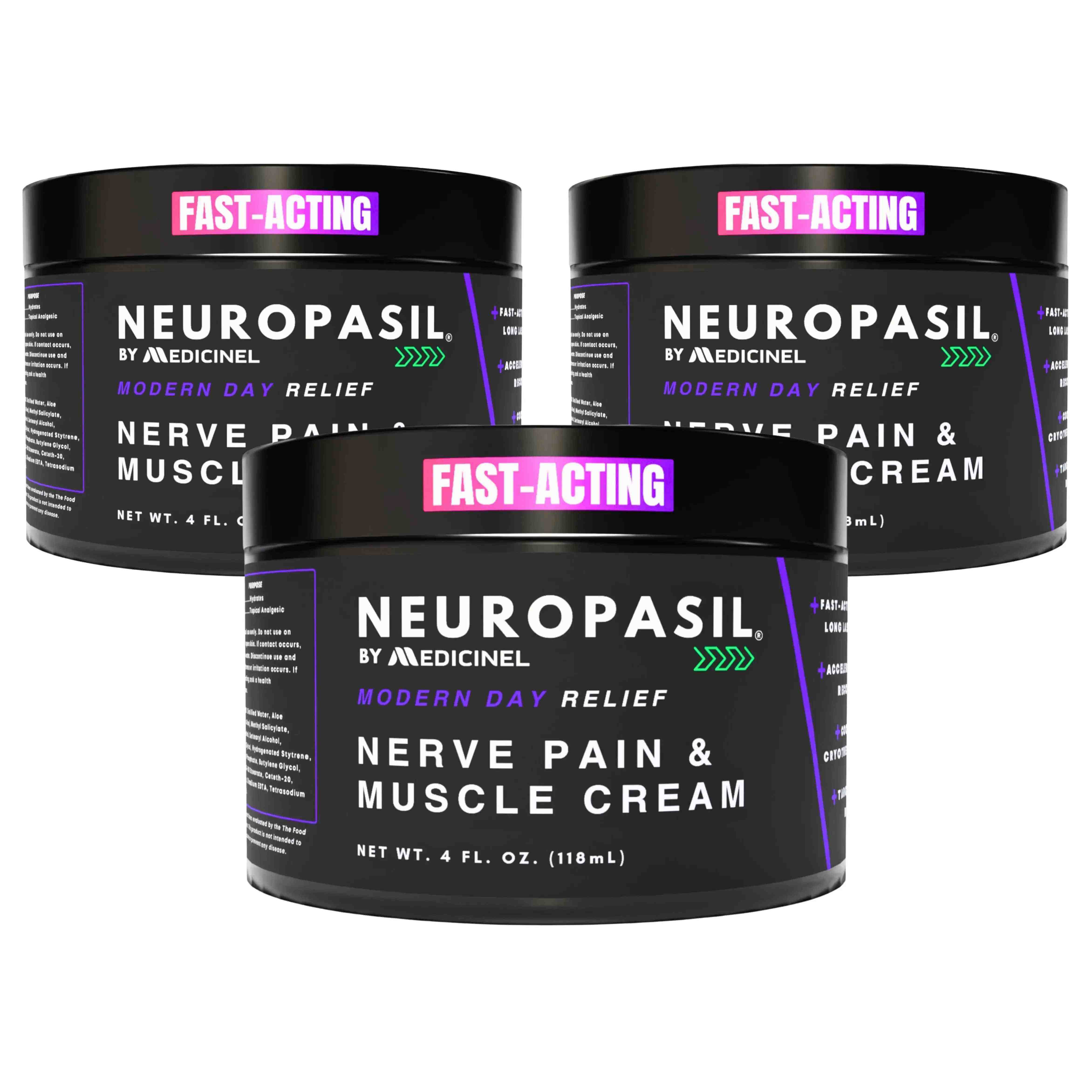
We at Neuropasil offer natural, fast-acting topical creams for nerve pain and sore muscles. Powered by Aloe, Urea, and Menthol, Neuropasil delivers targeted relief right where you need it. Applied to the neck and shoulders, it works quickly to soothe discomfort and reduce inflammation. Many customers find it essential for recovery and daily comfort. For more on topical solutions, see our guide on gel muscle pain relief.
Gentle Self-Massage:
A gentle massage can loosen tight muscles, increase blood flow, and reduce stress. Use your fingertips to apply gentle pressure in circular motions on tender spots. The benefits of massage for pain relief are widely recognized.
Relaxation Techniques:
Stress leads to muscle tension. Practices like mindfulness, meditation, and deep breathing can calm your nervous system and complement other neck pain relief strategies.
The 5 DON'TS: Common Mistakes That Worsen Neck Pain
Avoiding common mistakes is as crucial for neck pain relief as adopting good habits.
DON'T: Ignore the Pain or "Push Through It"
Pain is your body's alarm system. Ignoring a persistent or worsening neck ache can turn a minor strain into a more serious injury. It's vital to distinguish between the healthy discomfort of muscle fatigue and the sharp, radiating pain that signals a problem. While prolonged bed rest is not advised, short periods of rest for acute pain can be beneficial before starting gentle, active recovery.
DON'T: Stay in One Position for Too Long
Prolonged static positions, especially with poor posture, cause neck and shoulder muscles to become stiff and fatigued. To prevent this, take short breaks every 20-30 minutes to get up, walk around, and perform gentle stretches. Even small micro-movements like shoulder shrugs or head turns can help. Set a timer as a reminder to move.
DON'T: Sleep on Your Stomach or with Too Many Pillows
Your sleep habits can worsen neck pain. Stomach sleeping is the worst position, as it forces your head to twist to one side for hours, straining your cervical spine. Likewise, using too many pillows pushes your neck into an unnatural forward bend, similar to "tech neck." Stick to one supportive pillow that keeps your spine aligned, whether you sleep on your back or side.
DON'T: Underestimate the Impact of Stress
Stress has powerful physical effects, and the neck is a common target. When stressed, we unconsciously tense our neck and shoulder muscles, leading to tightness and pain. Actively managing stress is a key tool for neck pain relief. Incorporate techniques such as:
- Mindfulness and meditation
- Deep breathing exercises
- Gentle yoga or Tai Chi
For more on how stress affects muscles, see our guide on muscle spasm relief.
DON'T: Rely Solely on Pills for Neck Pain Relief
While pain medications can offer temporary help, relying on them alone is a mistake. Pills often mask the symptom (pain) without addressing the root cause, such as poor posture or stress. Furthermore, long-term use of some OTC pain relievers can have serious side effects, as noted by the FDA. A more effective approach integrates multiple strategies: lifestyle changes, exercise, stress management, and supportive sleep. Topical solutions like Neuropasil are a vital part of this. Our cream provides targeted relief directly to the source of pain, complementing other strategies without the systemic side effects of oral medications.
When to See a Doctor for Your Neck Pain
While most neck pain improves with self-care, certain "red flag" symptoms require professional medical attention.
When to Contact a Healthcare Professional:
You should consult a doctor if your neck pain is severe, persists for more than a week, or is accompanied by any of the following:
- Pain that radiates down your arm or leg
- Numbness, tingling, or weakness in your arms or legs
- Pain that follows an injury, such as a fall or car accident
- Fever, chills, or unexplained weight loss
- Severe headache, dizziness, or nausea
- Stiffness so severe you can't touch your chin to your chest
- Loss of bladder or bowel control (a medical emergency)
- Trouble with balance or coordination
The Mayo Clinic's guide on neck pain advises seeking medical attention for severe or concerning symptoms.
Potential Diagnostic Methods:
A doctor will perform a physical exam and may recommend diagnostic tests to pinpoint the cause:
- X-rays: To see bone spurs, arthritis, or other structural changes.
- Computed Tomography (CT) Scan: For detailed images of bone and soft tissues.
- Magnetic Resonance Imaging (MRI): To visualize soft tissues like discs, ligaments, and nerves.
- Electromyography (EMG): To check for nerve compression or damage.
- Blood Tests: To screen for inflammatory conditions or infections.
These tools help your doctor create a targeted and effective treatment plan.
Frequently Asked Questions about Neck Pain
Here are answers to some of the most common questions we hear about neck pain relief.
How long does neck pain typically last?
The duration depends on the cause.
- Acute Neck Pain from strains or stress usually improves within a week or two, though it can last up to six weeks.
- Chronic Neck Pain persists for longer than three months and may require ongoing management. Mild to moderate pain often responds to self-care in 2-3 weeks. If your pain is severe or doesn't improve, see a doctor.
What is the fastest way to relieve a stiff neck at home?
A combination of strategies provides the quickest neck pain relief at home:
- Gentle Stretching: Perform slow neck tilts, chin tucks, and shoulder rolls.
- Heat or Cold Therapy: Use a warm compress for stiffness or an ice pack for acute inflammation (15-20 minutes each).
- Topical Analgesics: Applying a fast-acting cream like Neuropasil, with Aloe, Urea, and Menthol, can provide quick, localized relief.
- Rest and Posture Correction: Take a break from aggravating activities and be mindful of your posture.
Can my phone really cause neck pain?
Yes, absolutely. The habit of looking down at our phones causes "tech neck," putting immense strain on the cervical spine. A 2019 study on students found that those who typed with their heads tilted were twice as likely to suffer severe neck pain. To prevent this, hold your phone closer to eye level, use a headset for long calls, and take frequent breaks to stretch.
Conclusion: Your Path to a Pain-Free Neck
Navigating neck pain can be challenging, but you can take actionable steps to find significant neck pain relief and prevent future discomfort. The key is a combination of mindful "DO'S" and avoiding common "DON'TS."
By embracing gentle movement, optimizing posture, using heat and cold therapy, and prioritizing good sleep, you build a strong foundation for recovery. Integrating a targeted topical solution like Neuropasil into your routine provides fast-acting, soothing relief for sore muscles and nerve pain, complementing your other self-care strategies without relying on pills.
Long-term neck pain relief comes from consistent lifestyle changes. By making these adjustments and listening to our bodies, we can reclaim our mobility and quality of life. Take these steps toward a healthier, pain-free you.
For more information on solutions for muscle discomfort, explore our guide to find the best products for muscle pain.
References
- American Association of Neurological Surgeons. ‘Neck Pain’. Available from: https://www.aans.org/en/Patients/Neurosurgical-Conditions-and-Treatments/Neck-Pain
- Harvard Health. ‘Cryotherapy: Can it stop your pain cold?’. Last updated 27 October 2020. Available from: https://www.health.harvard.edu/blog/can-cryotherapy-stop-your-pain-cold-or-is-just-a-lot-of-hot-air-2018041813612
- Harvard Health. ‘Neck pain: Symptoms, causes, & how to relieve it. Last updated 15 June 2023. Available from: https://www.health.harvard.edu/pain/how-to-soothe-a-sore-neck#:~:text=Be%20sure%20to%20keep%20your,Report%20from%20Harvard%20Medical%20School
- John Hopkins Medicine (Treatment, Tests, and Therapies). Ice Packs vs. Warm Compresses For Pain. Page last reviewed: 8 August 2021. Available at: https://www.hopkinsmedicine.org/health/treatment-tests-and-therapies/ice-packs-vs-warm-compresses-for-pain#:~:text=facts%20in%20mind.-,Heat,useful%20when%20muscles%20are%20tight
- Mayo Clinic. ‘Neck Pain Symptoms and Causes’. Last reviewed 25 August 2022. Available from: https://www.mayoclinic.org/diseases-conditions/neck-pain/symptoms-causes/syc-20375581
- Mayo Clinic. ‘Neck Pain Diagnosis and Treatment’. Last reviewed 25 August 2022. Available from: https://www.mayoclinic.org/diseases-conditions/neck-pain/diagnosis-treatment/drc-20375587
- Mayo Clinic. ‘Most Neck Pain Improves with Self-care, Time’. Last updated 12 August 2013. Available from: https://newsnetwork.mayoclinic.org/discussion/most-neck-pain-improves-with-self-care-time/
- Mount Sinai - New York. Head & Neck Pain Treatment NYC. Available from: https://www.mountsinai.org/care/pain-management/services/head-neck
- NCBI (National Center for Biotechnology Information). The Relationship Between Forward Head Posture and Neck Pain: a Systematic Review and Meta-Analysis. Page last reviewed: 2019 December. Available at: https://www.ncbi.nlm.nih.gov/pmc/articles/PMC6942109/
- NCBI (National Center for Biotechnology Information). The effect of cryotherapy on nerve conduction velocity, pain threshold and pain tolerance. Page last reviewed: June 2007. Available at: https://pubmed.ncbi.nlm.nih.gov/17224445/
- NCBI (National Center for Biotechnology Information). The cold truth: the role of cryotherapy in the treatment of injury and recovery from exercise. Page last reviewed: August 2021. Available at: https://pubmed.ncbi.nlm.nih.gov/33877402/
- NCBI (National Center for Biotechnology Information). 2019 study on students and smartphone use. Available at: https://www.ncbi.nlm.nih.gov/pubmed/30676270
- NYU Langone Health. Neck Pain. Available from: https://nyulangone.org/conditions/neck-pain
- The Physiological Society (The Journal of Physiology). Passive heat therapy improves endothelial function, arterial stiffness and blood pressure in sedentary humans. Page last reviewed: 8 June 2016. Available at: https://physoc.onlinelibrary.wiley.com/doi/full/10.1113/JP272453
- The Cleveland Clinic. Neck Pain. Available from: https://my.clevelandclinic.org/health/symptoms/21179-neck-pain
- The Cleveland Clinic. 'Is Your Smartphone Causing Your Neck Pain? Beware of ‘Text Neck’'. Available from: https://health.clevelandclinic.org/text-neck-is-smartphone-use-causing-your-neck-pain/
- The Cleveland Clinic. The benefits of massage. Available from: https://health.clevelandclinic.org/benefits-of-massage/
- The Cleveland Clinic. Quit smoking. Available from: https://health.clevelandclinic.org/quitting-smoking/
- U.S. Food & Drug Administration (FDA). 'FDA Drug Safety Communication: FDA strengthens warning that non-aspirin nonsteroidal anti-inflammatory drugs (NSAIDs) can cause heart attacks or strokes'. Available from: https://www.fda.gov/drugs/drug-safety-and-availability/fda-drug-safety-communication-fda-strengthens-warning-non-aspirin-nonsteroidal-anti-inflammatory
- AHC Health News. Do you have tech neck? Available from: https://www.ahchealthenews.com/2019/07/02/do-you-have-tech-neck/
- SAGE Journals. Slow, controlled stretching movements can ease tension. Available from: https://journals.sagepub.com/doi/10.1177/0269215515575747