Why Muscle Pain Happens and What You Can Do About It
What helps muscle pain depends on the cause, but relief often comes from a combination of proven strategies. Here's what works:
Quick Answer: Top Remedies for Muscle Pain Relief
- R.I.C.E. Method - Rest, Ice, Compression, Elevation for acute injuries
- Cold Therapy - Reduces inflammation and numbs pain in the first 24-48 hours
- Heat Therapy - Relaxes stiff muscles and improves blood flow for chronic soreness
- Topical Pain Relief Creams - Fast-acting, localized relief with natural ingredients like menthol
- Gentle Movement - Light stretching and walking to increase circulation
- Hydration and Nutrition - Water and anti-inflammatory foods support recovery
- Quality Sleep - Essential for muscle repair and healing
From post-workout soreness to neck tension from office work, muscle pain is a universal experience. The good news is that most muscle pain responds well to simple, effective treatments you can start right away.
Muscle pain (myalgia) can stem from exercise-induced micro-tears (DOMS), overuse, poor posture, or stress. Understanding the cause—whether it's an acute injury needing cold therapy or chronic stiffness that benefits from heat—is key to a faster recovery.
This guide details seven proven strategies to relieve muscle pain, explaining when to use ice versus heat, how to support your body's healing, and which topical treatments deliver fast results without pills.
I'm Tony Enrico, and through Neuropasil's advanced topical formulas, I've helped people find natural solutions for muscle and nerve pain. Understanding what helps muscle pain is central to our mission of bringing relief to over one million people across North America by 2028.
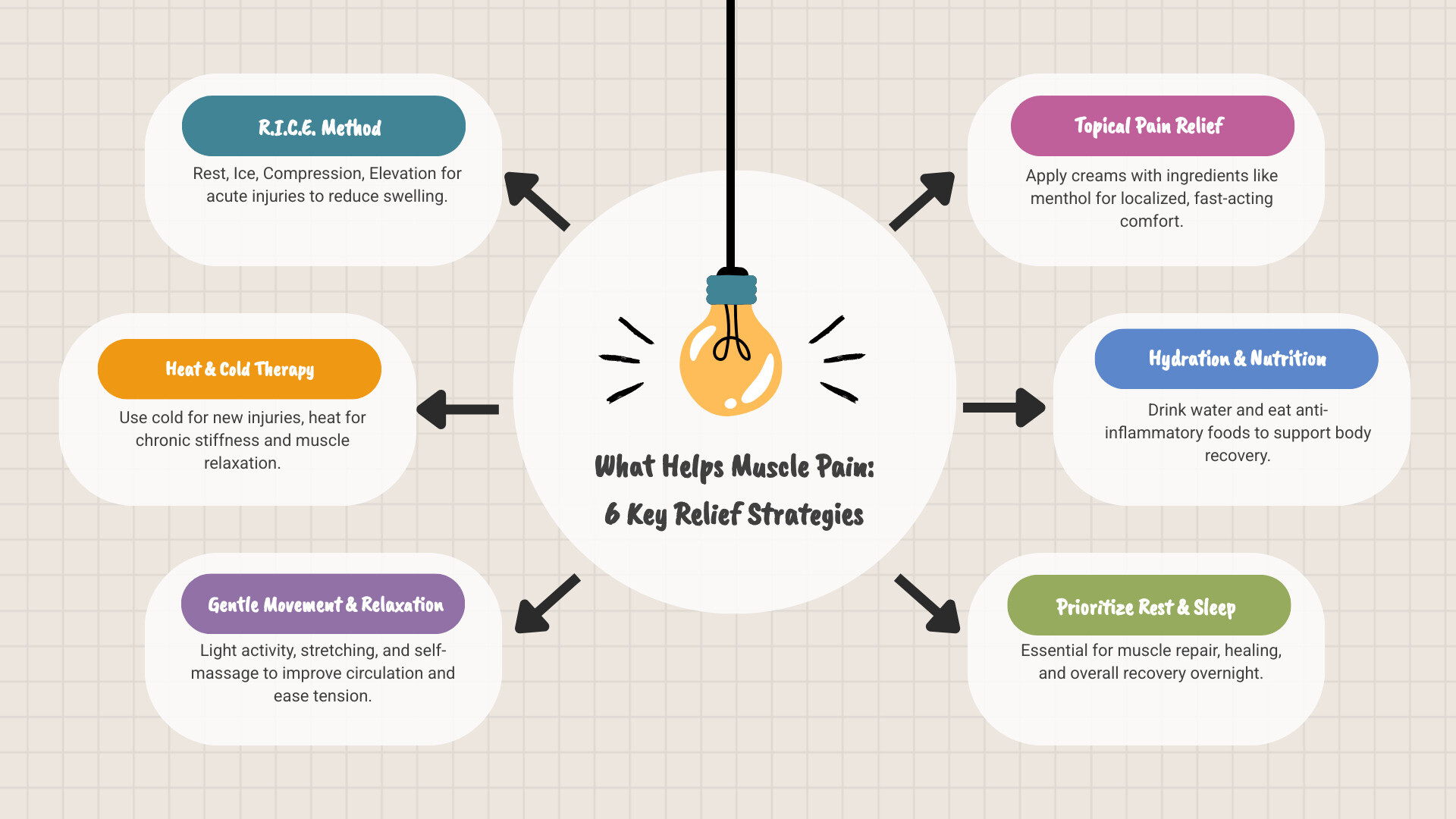
Quick look at What helps muscle pain:
First, Understand Your Pain: Soreness vs. Injury
Before trying a remedy, it's crucial to know if you're dealing with general soreness or a more serious injury, as this guides your treatment.
Delayed Onset Muscle Soreness (DOMS)
If you feel a dull, widespread ache a day or two after a new or intense workout, you likely have Delayed Onset Muscle Soreness (DOMS). This is a normal response to exercise, caused by microscopic tears in muscle fibers that signal your muscles are adapting and growing stronger.
Key characteristics of DOMS:
- Onset: Begins 12 to 24 hours after activity.
- Peak: Most intense 24 to 72 hours post-activity.
- Duration: Usually subsides within three to five days.
- Feeling: A dull ache, general stiffness, and tenderness.
- Cause: New or intense exercise.
DOMS is a temporary part of building stronger muscles. For more insights, you can learn about DOMS from health experts.
Muscle Injuries: Strains, Sprains, and More
Unlike DOMS, a muscle injury (myalgia) can be more serious. Common injuries include a muscle strain (an overstretched or torn muscle) or a contusion (bruise) from blunt force.
Symptoms that suggest an injury rather than soreness:
- Sharp, sudden pain
- Localized tenderness in a specific spot
- Visible swelling or bruising
- Limited range of motion or difficulty moving the joint
- Muscle weakness or inability to bear weight
- A palpable gap or "dent" in the muscle, indicating a severe tear
If you suspect a muscle strain, learn how to manage it by understanding muscle strains and finding a guide to muscle strain treatment.
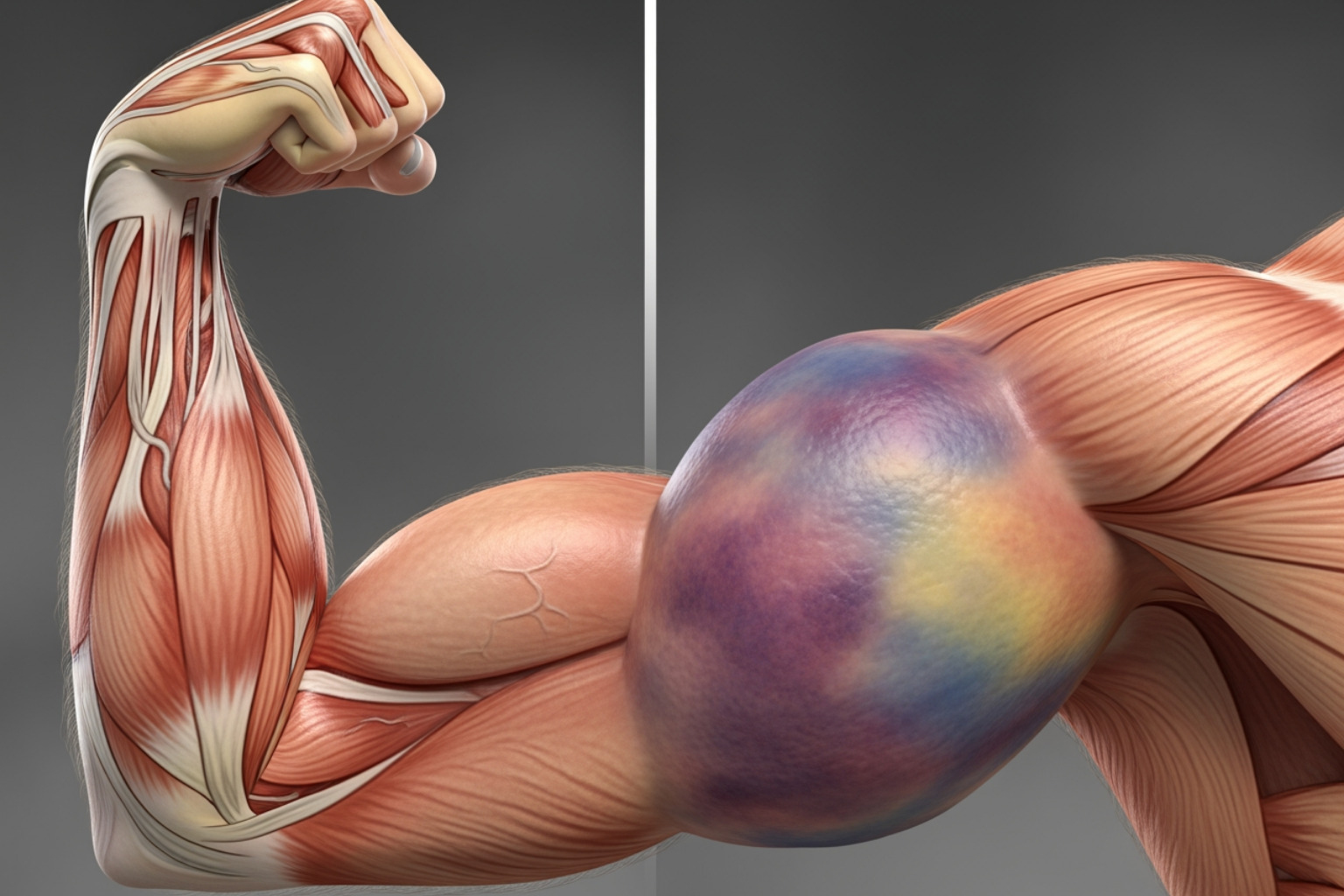
Now that we've distinguished between soreness and injury, let's explore immediate relief steps.
7 Immediate Steps for What Helps Muscle Pain
1. Use the R.I.C.E. Method for Acute Muscle Discomfort
For a sudden muscle pull or strain, the R.I.C.E. method is your go-to for immediate care. Applying Rest, Ice, Compression, and Elevation within the first 24-48 hours can significantly reduce swelling and pain.
- Rest: Avoid activities that cause pain. This means avoiding strenuous use of the injured muscle.
- Ice: Apply a towel-wrapped ice pack for 15-20 minutes every two to three hours to numb pain and reduce inflammation.
- Compression: Gently wrap the area with an elastic bandage to control swelling. Ensure it's snug but not tight.
- Elevation: Raise the injured area above heart level to help drain fluid and reduce swelling.
The R.I.C.E. method is a powerful first defense. For more details, consult resources on self-care for muscle strains and find your path to healing a pulled muscle.
2. Try Heat and Cold Therapy: What helps muscle pain best?
The ice vs. heat debate is common, but both are excellent tools if used correctly.
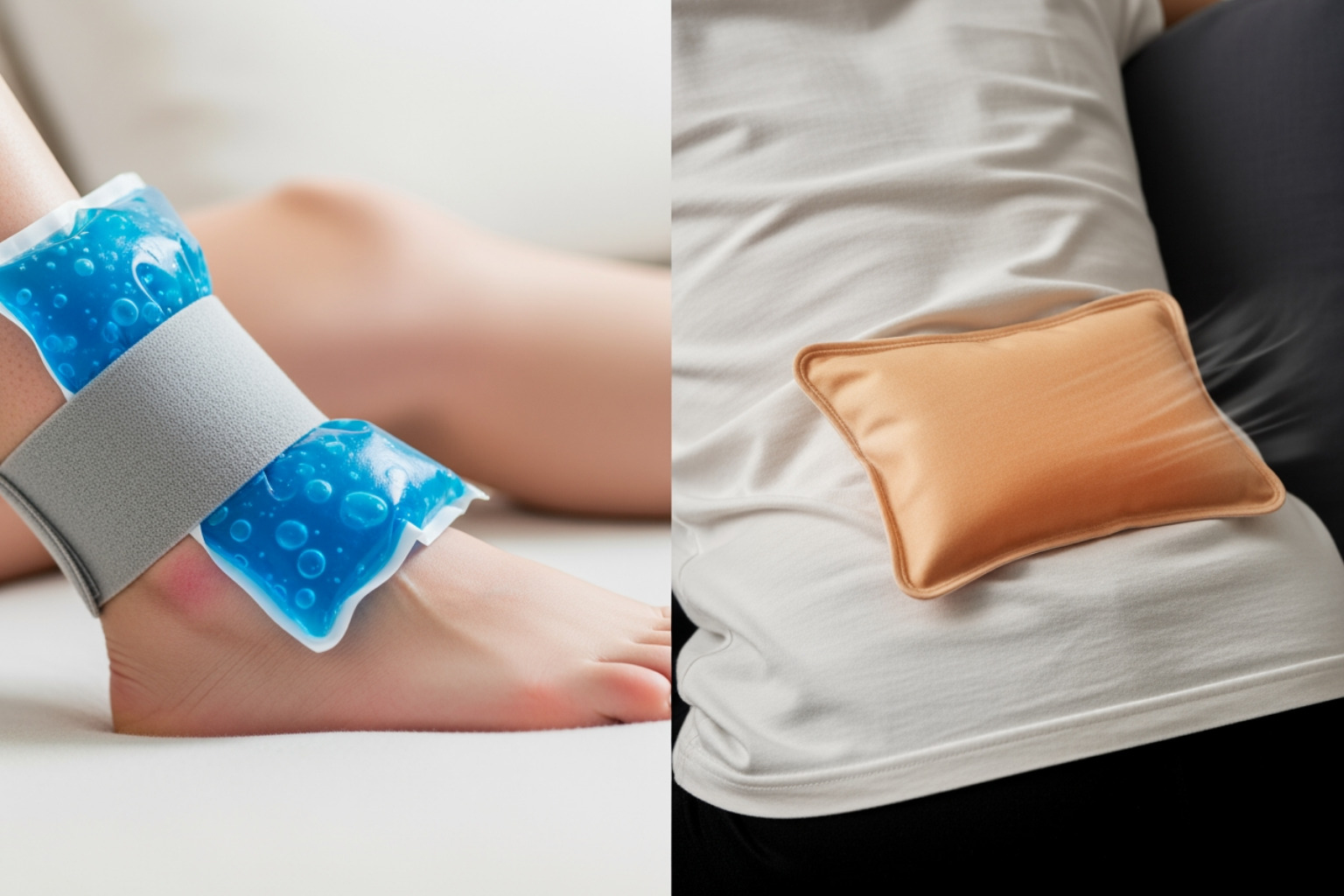
Cold Therapy
Cold therapy (cryotherapy) is best for acute injuries and inflammation (first 24-48 hours). It constricts blood vessels, reducing swelling and numbing pain.
- When to use it: New strains, sprains, swelling, and post-workout soreness (DOMS).
- Application: Apply a cloth-wrapped ice pack for 15-20 minutes at a time, repeating every few hours.
Heat Therapy
Heat therapy is for chronic stiffness and older injuries without swelling. It increases blood flow to relax muscles and improve flexibility.
- When to use it: Stiff muscles, non-inflamed soreness, and muscle spasms after 48 hours.
- Application: Use a heating pad or take a warm bath for up to 20 minutes. Avoid heat on new, swollen injuries, and never combine menthol-based topicals with a heat source.
To learn more, explore using cold versus heat for pain and find out does cooling cream help muscles?.
3. Gentle Movement and Stretching
While rest is important, complete immobility can worsen stiffness. Gentle movement is often more effective.
- Active Recovery: Light activities like walking or swimming increase blood flow to sore muscles, delivering oxygen for repair and flushing out waste products.
- Stretching: Can ease pain by lengthening stiff muscles. Use dynamic stretches (e.g., arm circles) for warm-ups and static stretches (holding for 15-30 seconds) for cool-downs.
Always move slowly and gently, stopping if you feel sharp pain. For guidance, try these back exercises for pain relief or explore our guide on how to stretch for muscle recovery.
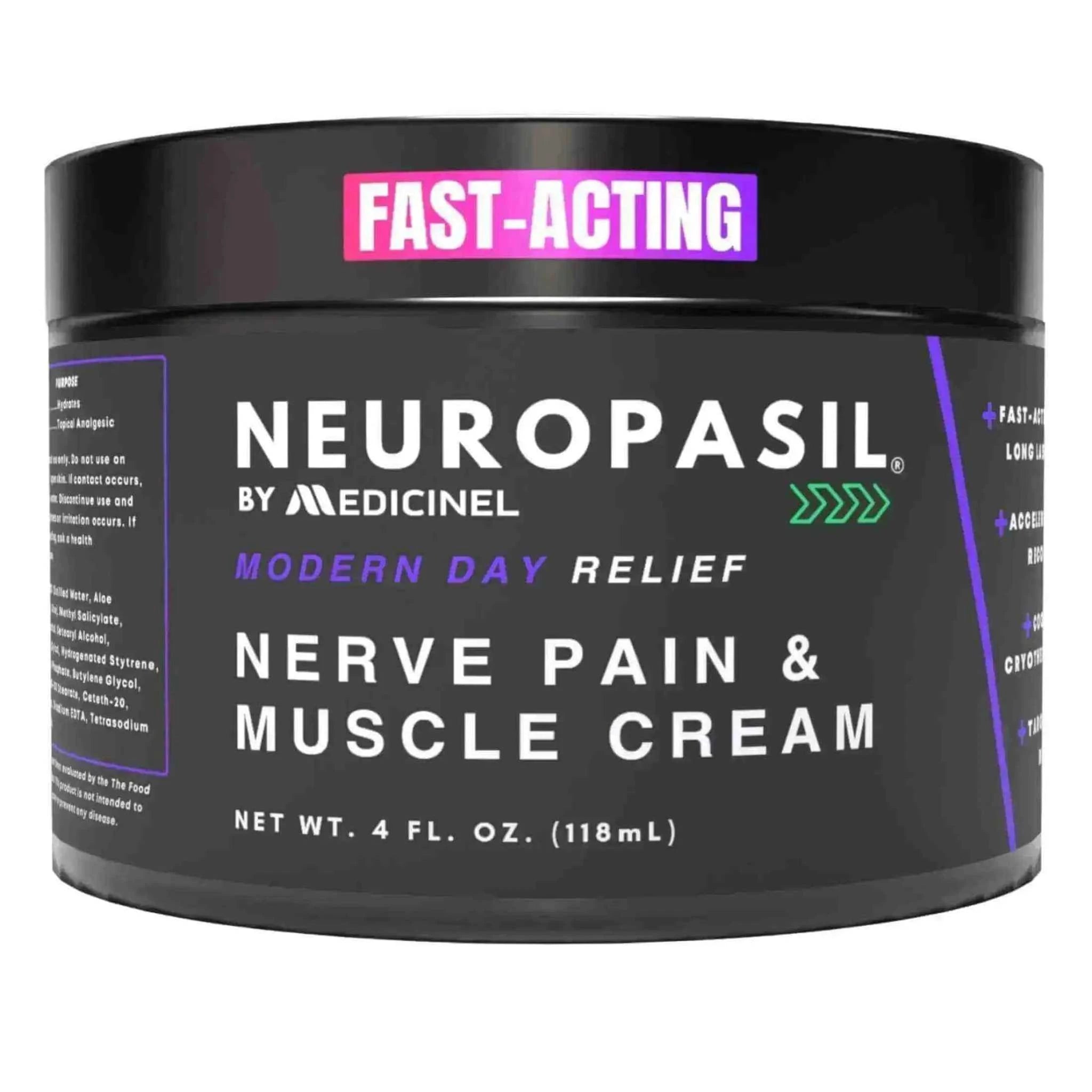
4. Use Neuropasil Muscle & Nerve Pain Relief Cream
For targeted, fast-acting relief, topical creams are an excellent choice. Applied directly to the skin, they work precisely where it hurts, often with fewer side effects than oral medications.
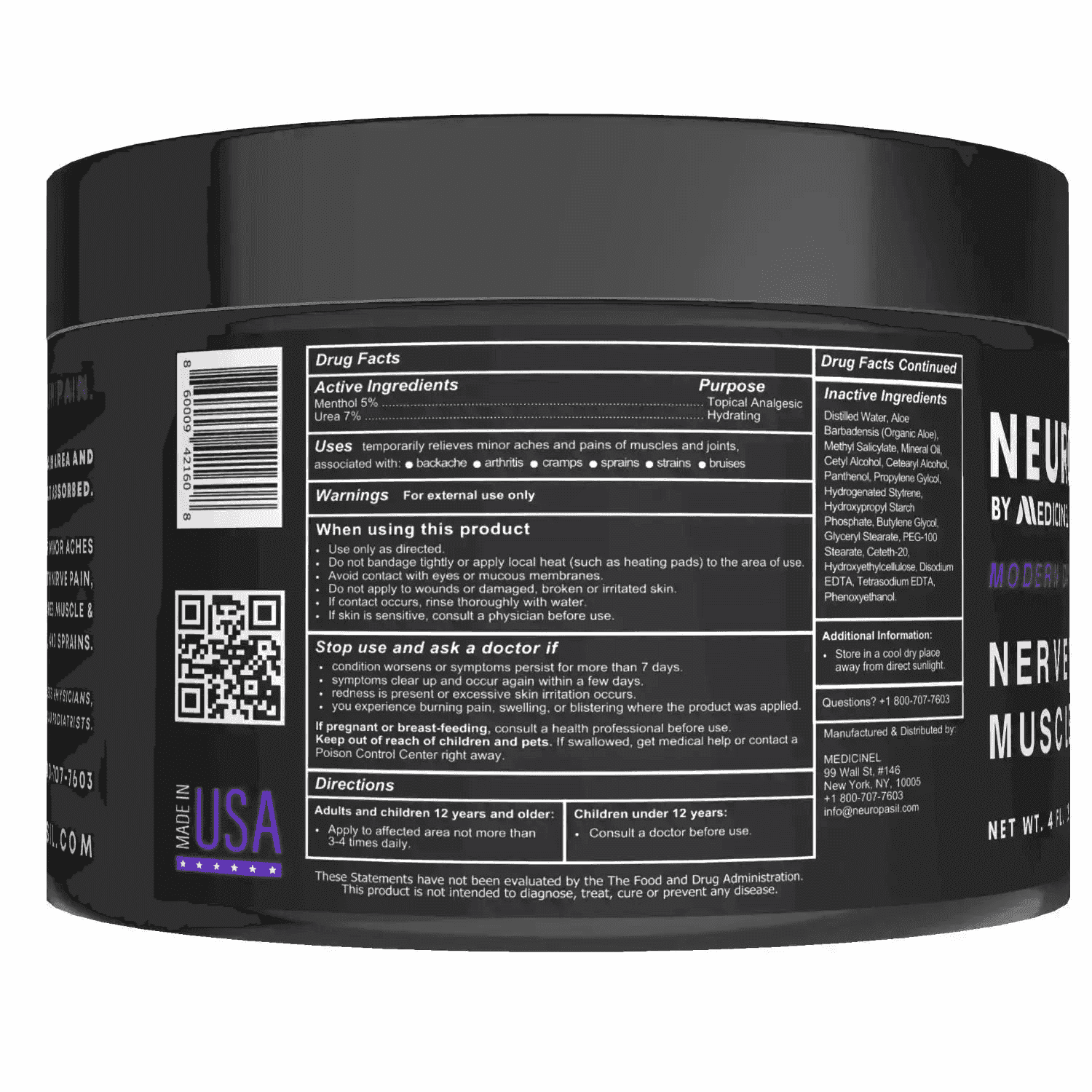
Our Neuropasil Muscle & Nerve Pain Relief Cream is designed for this kind of targeted relief, powered by a unique blend of natural ingredients:
- Menthol: Creates a cooling sensation that temporarily overrides pain signals.
- Aloe: Soothes and calms irritated skin and muscles with its anti-inflammatory properties.
- Urea: Helps the active ingredients penetrate deeper into tissues for more effective relief.
Customers use Neuropasil for everything from post-workout recovery to managing pain from neuropathy, sciatica, and fibromyalgia. Its non-greasy formula provides fast comfort for strains, sprains, and joint discomfort.
To understand how topicals work, read about how topical pain relievers work. For more options, see a guide to the best muscle pain ointments and compare oral vs. topical options.
5. Hydrate and Fuel Your Body for Recovery
What you put into your body is just as critical as external treatments. Proper hydration and nutrition are fundamental for muscle recovery.
Hydration
Dehydration is a common cause of muscle cramps and aches. Water is essential for flushing out metabolic waste and ensuring proper muscle function. Drink plenty of water throughout the day, especially around exercise, as dehydration can lead to muscle cramps and aches.
Nutrition
Your muscles need the right fuel to repair and rebuild.
- Protein: The building block of muscle, essential for repairing micro-tears after exercise.
- Complex Carbohydrates: Replenish your muscles' primary energy source.
- Anti-inflammatory Foods: Incorporate anti-inflammatory foods like turmeric, ginger, tart cherries, and leafy greens to help reduce inflammation.
For a comprehensive guide, check out a practical guide to muscle recovery after the gym.
6. Explore At-Home Muscle Relaxation Techniques
Hands-on techniques can provide immense relief by targeting muscle tension and improving circulation.
- Self-Massage: Gently massaging sore muscles increases blood flow and releases tension.
- Foam Rolling: This technique uses a foam cylinder to apply pressure to muscles, helping to break up knots and improve range of motion.
- Epsom Salt Baths: Soaking in a warm bath with Epsom salts (magnesium sulfate) can be incredibly relaxing for sore muscles. Learn more about the potential benefits of Epsom salt baths.
- Relaxation Techniques: Stress often manifests as muscle tension. Practices like meditation and deep breathing can calm your nervous system and alleviate discomfort.
7. Prioritize Rest and Sleep: What helps muscle pain overnight?
Quality sleep is non-negotiable for muscle recovery. During deep sleep, your body releases growth hormone, which is essential for repairing tissue and building stronger muscles.
- Muscle Repair: Sleep is when your body mends the micro-tears from exercise. Without it, soreness lasts longer.
- Reduced Inflammation: Sleep helps regulate your body's inflammatory response, and deprivation can worsen pain.
- Stress Management: Lack of sleep is a major stressor that increases muscle tension.
If pain disrupts your sleep, try to maintain a consistent sleep schedule. Learn more about how sleep affects muscle recovery.
Prevention is Key: How to Avoid Future Muscle Aches
While knowing what helps muscle pain is crucial for relief, preventing it in the first place is even better. Many muscle aches and minor injuries are avoidable with a consistent and mindful approach to your physical activity and daily habits.
- Proper Warm-Up: Never skip your warm-up! A 10-15 minute warm-up prepares your muscles for activity. As recommended by health organizations like the American Heart Association, it increases blood flow, raises muscle temperature, and improves flexibility, making your muscles less susceptible to injury. Include light cardio and dynamic stretches.
- Cool-Down and Stretching: Just as important as warming up is cooling down. After your workout, spend 10-15 minutes gradually decreasing your activity level, followed by static stretches. This helps prevent blood pooling, reduces stiffness, and maintains flexibility.
- Progressive Overload: When starting a new exercise or increasing intensity, do so gradually. Trying something new or doing too much too soon is a primary cause of DOMS and injury. Gradually increase exercise difficulty in small increments, allowing your muscles to adapt and strengthen over time.
- Listen to Your Body: Pay attention to signals of fatigue or discomfort. Pushing through sharp pain is a recipe for injury. Learn the difference between healthy muscle fatigue and warning signs.
- Avoid Overexertion: While challenging your muscles is good, overexertion can lead to significant pain and injury. Be mindful of your limits, especially when trying new activities. Protecting yourself from overexertion is vital.
- Proper Form: Incorrect technique during exercise or daily activities can place undue stress on muscles and joints. If unsure about form, consider consulting a fitness professional.
- Stay Hydrated and Nourished: As discussed, consistent hydration and a balanced diet are foundational for muscle health, recovery, and preventing cramps.
- Vary Activities and Move Regularly: If your job involves repetitive motions or prolonged sitting, vary your activities and take regular breaks to stretch. This prevents muscles from becoming stiff and tight. Our guide on 7 ways to prevent leg ache after running offers specific advice for active individuals.
By adopting these preventative measures, you'll not only reduce the frequency and intensity of muscle pain but also improve your overall physical well-being.
When to See a Doctor for Muscle Pain
While many muscle aches respond well to home remedies and self-care, there are times when muscle pain can be a symptom of a more serious underlying condition. Knowing when to seek professional medical attention is crucial for your health and safety.
You should contact a healthcare provider if you experience any of the following:
- Severe, Unbearable Pain: If the pain is intense, prevents you from moving a limb, or significantly interferes with your daily activities.
- Signs of Infection: Muscle pain accompanied by redness, swelling, increased warmth around the affected area, or a fever.
- Pain After a Tick Bite or Rash: This could indicate conditions like Lyme disease.
-
Pain Accompanied by Other Symptoms:
- Muscle weakness
- Numbness or tingling
- Loss of bladder or bowel control
- Dizziness or extreme fatigue
- Worsening Pain: If your muscle pain is getting progressively worse despite home treatment.
- Persistent Pain: If the muscle pain has lasted more than a week without a known cause, or if it doesn't improve after several days of self-care.
- Suspected Chronic Conditions: If you suspect your muscle pain might be related to a chronic condition like fibromyalgia, chronic fatigue syndrome, or an autoimmune disorder.
- Chest Pain, Abnormal Heartbeat, or Shortness of Breath: These are emergency symptoms and could indicate a heart attack. Seek immediate medical care.
Myalgia can sometimes be a sign of a long-term condition that needs attention. Taking your pain seriously and knowing when muscle pain is a concern is vital. For a broader understanding of potential causes, explore the complete list of whole body pain reasons.
Conclusion: Your Path to Muscle Pain Relief
Muscle pain is a common and often unavoidable part of life, but it doesn't have to dictate your daily activities or limit your enjoyment. Understanding what helps muscle pain empowers you to take control of your discomfort and accelerate your recovery.
We've explored seven immediate and effective strategies:
- The R.I.C.E. method for acute injuries.
- Strategic use of heat and cold therapy for different types of pain.
- The power of gentle movement and stretching to improve circulation and flexibility.
- The targeted relief offered by Neuropasil Muscle & Nerve Pain Relief Cream.
- The foundational importance of hydration and proper nutrition.
- The soothing benefits of at-home muscle relaxation techniques.
- The restorative magic of prioritizing rest and quality sleep.
Beyond these immediate steps, prevention is your best long-term strategy. By incorporating proper warm-ups, cool-downs, progressive training, and mindful body awareness, you can significantly reduce the likelihood of future aches.
When muscle pain strikes, you now have a comprehensive toolkit at your disposal. For fast-acting, targeted relief, consider our Neuropasil Muscle & Nerve Pain Relief Cream, crafted with natural ingredients like Aloe, Urea, and Menthol to soothe your muscles and nerves. Take a proactive approach to your muscle health, listen to your body, and don't hesitate to seek medical advice when needed. Your path to lasting muscle pain relief starts now.
Find your ideal muscle pain relief solution with Neuropasil
References
American Heart Association. (2023). Warm-Up, Cool-Down. https://www.heart.org/en/healthy-living/fitness/fitness-basics/warm-up-cool-down Cleveland Clinic. (2022). Do Epsom Salt Baths Really Work?. https://health.clevelandclinic.org/do-epsom-salt-baths-really-work/ Cleveland Clinic. (2022). Muscle Strains. https://my.clevelandclinic.org/health/diseases/22336-muscle-strains Cleveland Clinic. (2021). Dehydration. https://my.clevelandclinic.org/health/diseases/15400-dehydration Cleveland Clinic. (2021). Muscle Pain (Myalgia). https://my.clevelandclinic.org/health/symptoms/17669-muscle-pain Cleveland Clinic. (n.d.). Topical Pain Relief: What Is It and How Does It Work?. https://health.clevelandclinic.org/topical-pain-relief-what-is-it-and-how-does-it-work Harvard Health Publishing. (2021). Cold versus heat for pain relief. https://www.health.harvard.edu/pain/cold-versus-heat-for-pain-relief-how-to-use-them-safely-and-effectively Healthline. (2023). What Is DOMS (Delayed Onset Muscle Soreness) and What Can You Do About It?. https://www.healthline.com/health/doms Healthline. (2021). 10 Foods That Help Relieve Muscle Soreness. https://www.healthline.com/nutrition/10-foods-that-help-relieve-muscle-soreness Healthline. (2020). The Signs of Overexertion. https://www.healthline.com/health/overexertion Mayo Clinic. (n.d.). Back exercises in 15 minutes a day. https://www.mayoclinic.org/healthy-lifestyle/adult-health/in-depth/back-pain/art-20546859 Mayo Clinic. (n.d.). Muscle strains. https://www.mayoclinic.org/diseases-conditions/muscle-strains/diagnosis-treatment/drc-20450520 Sleep Foundation. (2023). Sleep and Athletic Performance. https://www.sleepfoundation.org/physical-activity/sleep-and-athletic-performance