Why Natural Aloe Pain Relief Is Your Solution to Persistent Discomfort
Aloe pain relief is a trusted natural solution for muscle, joint, and nerve discomfort. From post-workout soreness to chronic conditions like arthritis, aloe vera offers effective relief without harsh chemicals. Called the "plant of immortality" by ancient Egyptians, its healing reputation is backed by modern science confirming its anti-inflammatory and analgesic properties.
The clear gel inside aloe leaves contains over 75 active compounds that reduce inflammation, soothe nerves, and promote healing. It provides immediate cooling while its bioactive compounds penetrate deep to address the root cause of pain. This guide covers five methods, from simple home remedies to advanced formulas, to help you find the right solution.
Top 5 Methods for Aloe Pain Relief:
- Direct Topical Application: Apply pure aloe gel to sore muscles or joints for immediate cooling.
- DIY Aloe Compress: Create a compress for sustained contact and deeper penetration.
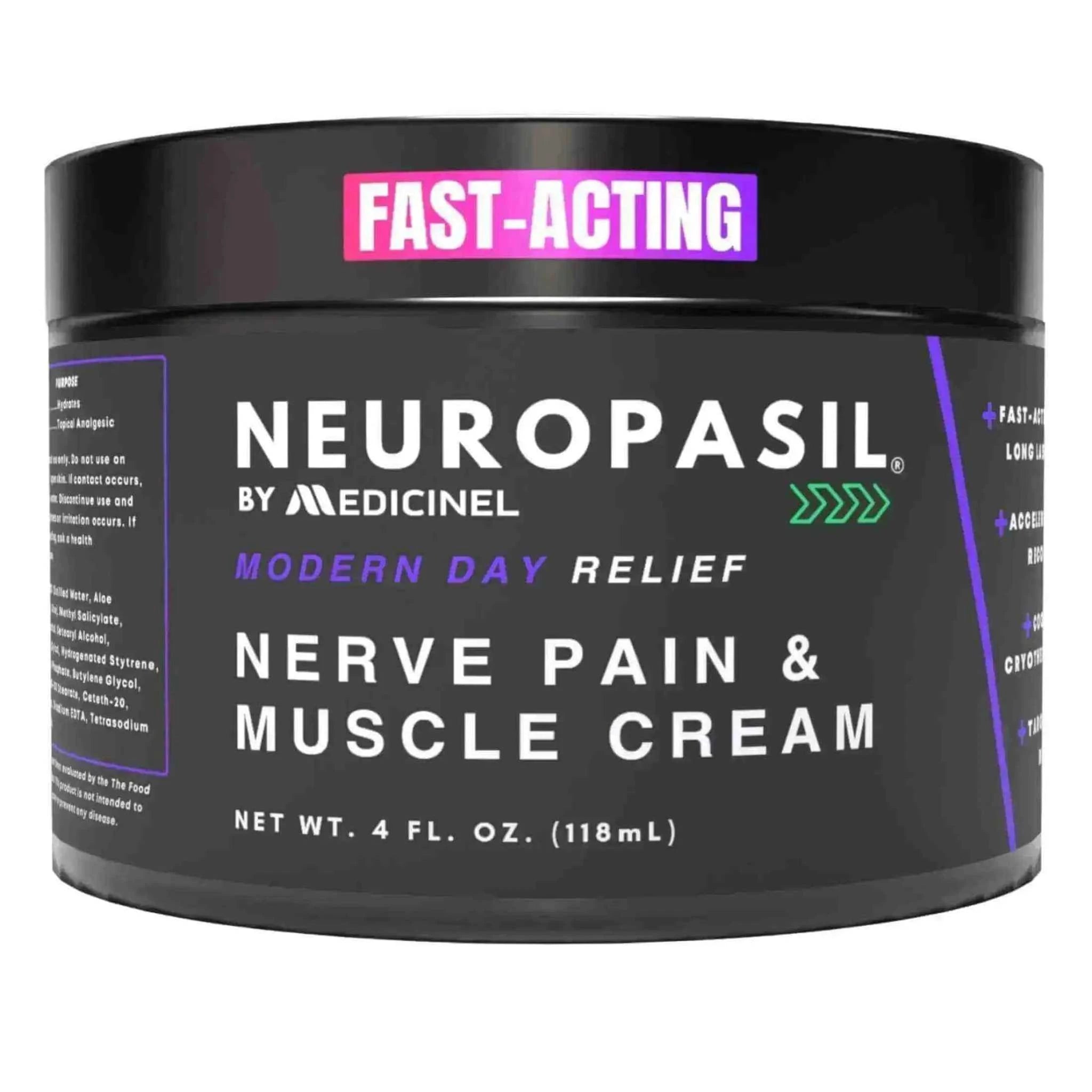
- Advanced Pain Relief Creams: Use multi-ingredient formulas like Neuropasil that combine aloe with other natural actives.
- Post-Workout Recovery: Massage aloe-based creams into muscles to speed recovery.
- Oral Aloe Supplements: Take purified aloe juice to address systemic inflammation.
I'm Tony Enrico, and I developed Neuropasil—an advanced aloe pain relief cream—to help people find natural, effective solutions. It combines aloe vera with other proven ingredients to deliver fast, lasting comfort.
Handy aloe pain relief terms:
The Science Behind Aloe Vera's Pain-Relieving Power
The effectiveness of aloe pain relief is rooted in the plant's chemistry. The Aloe barbadensis miller plant is a pain-fighting powerhouse packed with compounds studied for their healing properties.
Anti-inflammatory and Analgesic Properties
Pain is almost always linked to inflammation. Aloe vera's gel contains polysaccharides like acemannan, which calm the body's inflammatory response by suppressing pro-inflammatory molecules. This leads to less swelling, reduced tissue damage, and less pain.
Beyond reducing inflammation, aloe acts as a natural painkiller. It contains salicylic acid, a compound similar to aspirin, which blocks pain signals and soothes nerve endings. This makes it particularly effective for nerve-related discomfort like sciatica or neuropathy.
Key Active Compounds
While aloe gel is 99% water, the remaining 1% is a concentrated mix of healing ingredients:
- Anthraquinones: Present in small, safe amounts in purified gel, these contribute to pain relief.
- Salicylates: Provide aspirin-like effects, reducing both pain and inflammation.
- Enzymes: Bradykinase helps break down excessive inflammation at a cellular level, speeding up the healing process.
Aloe also delivers a cocktail of vitamins (A, C, E, B12), minerals, and amino acids that support tissue health and accelerate recovery.
Improved Circulation and Muscle Repair
Applying aloe vera improves blood flow to the affected area. Increased circulation delivers more oxygen and nutrients to damaged tissues while flushing away waste products that cause soreness. This is a key reason why aloe-based creams like Neuropasil provide relief that goes beyond the surface.
For muscle injuries or post-workout soreness, aloe offers a one-two punch. Its anti-inflammatory compounds reduce swelling, while improved circulation delivers the building blocks muscles need to repair themselves. This helps you recover faster from both everyday aches and more serious strains.
To learn more, check out this scientific research on aloe's analgesic properties for a comprehensive look at the clinical evidence.
5 Proven Methods for Aloe Pain Relief
Here are five effective methods for using aloe vera in your pain management routine, from simple DIY solutions to advanced formulations for chronic conditions.
Method 1: Direct Topical Application for Acute Aloe Pain Relief
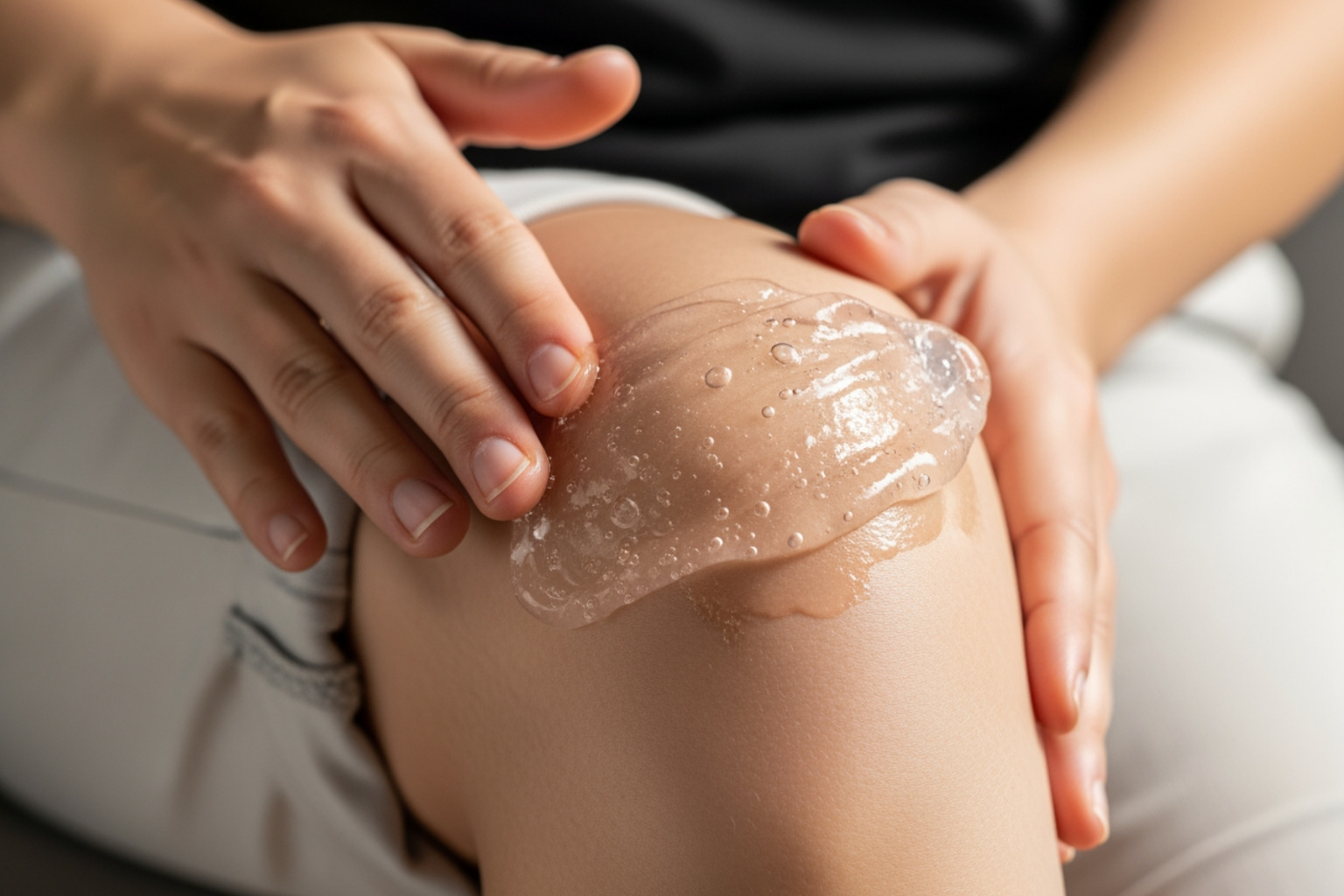
For sudden discomfort, applying pure aloe gel offers immediate, cooling aloe pain relief. If using a fresh leaf, cut it open, drain the yellow latex, and scoop out the clear gel. Otherwise, use a high-quality store-bought gel that lists Aloe Barbadensis Leaf Juice as the first ingredient and is free of alcohol or artificial fragrances.
This method is perfect for sunburns and minor muscle strains, as the cooling sensation provides instant relief while the healing compounds begin repairing damaged tissue.
Method 2: Creating a DIY Aloe Compress for Joints
For deeper, more sustained aloe pain relief for inflamed joints, an aloe compress is highly effective. Soak a clean cloth in pure aloe gel until saturated, then apply it to the swollen area (knee, elbow, ankle). Leave it on for at least 20-30 minutes.
The sustained contact allows aloe's active compounds to penetrate deeper into the tissues, amplifying its anti-inflammatory and pain-relieving effects. For acute injuries like sprains, chill the compress in the refrigerator first for added numbing and anti-inflammatory benefits. This method is excellent for reducing swelling from joint-related discomfort.
Method 3: Using Neuropasil Creams for Targeted Aloe Pain Relief
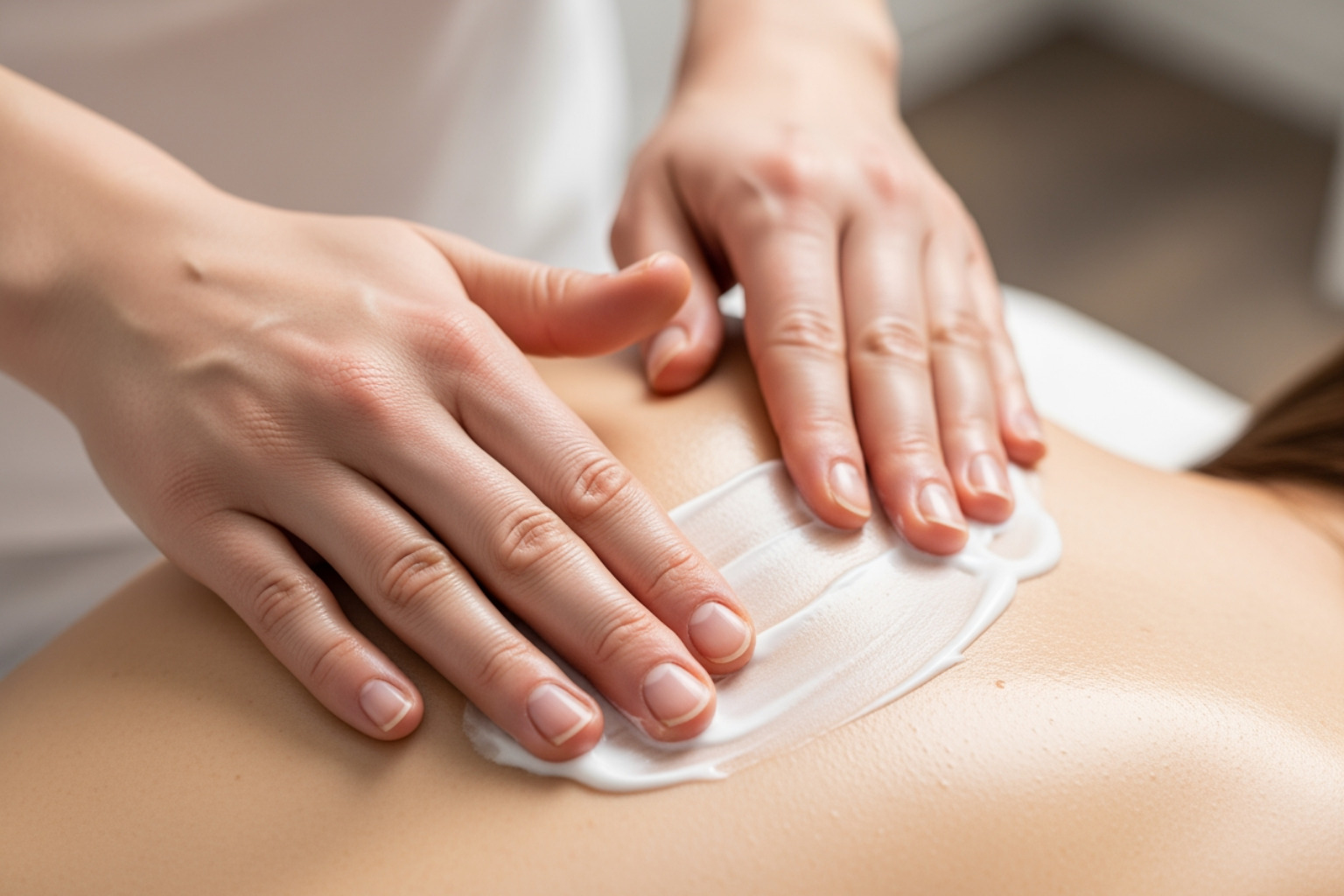
For persistent or deep-seated pain, advanced formulations like Neuropasil offer more power than pure aloe alone. Multi-ingredient formulas work synergistically, where each component improves the others for more comprehensive, longer-lasting aloe pain relief.
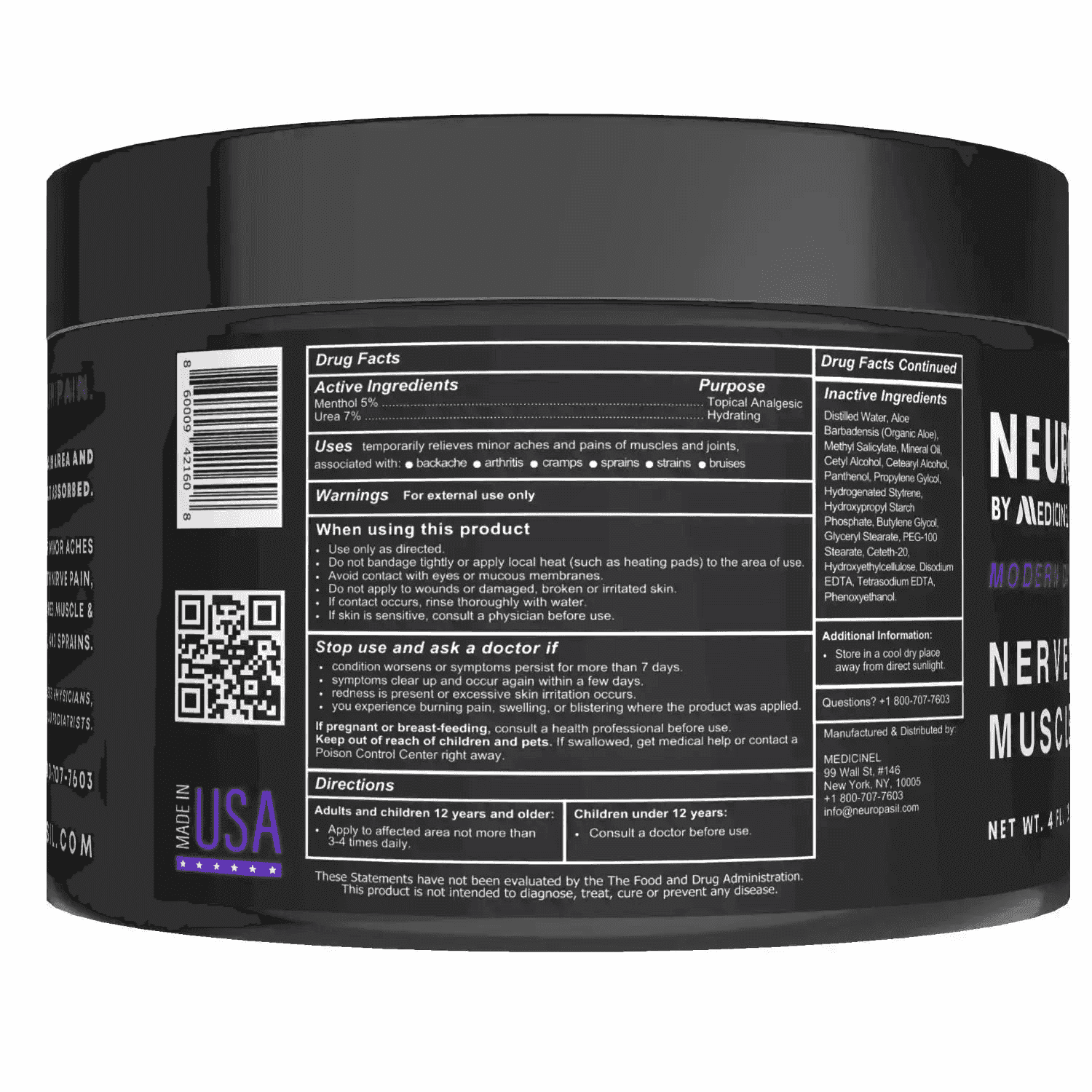
Neuropasil pairs aloe's anti-inflammatory power with menthol for an immediate cooling-to-warming sensation that interrupts pain signals, and urea, a transdermal carrier that helps the active ingredients penetrate deeper into muscle and nerve tissues. We designed Neuropasil to address pain at its source, and it is trusted for managing neuropathy, arthritis, sciatica, fibromyalgia, plantar fasciitis, and other aches and pains.
If you need targeted relief, explore our natural, fast-acting pain relief creams.
Method 4: Incorporating Aloe into Your Post-Workout Routine
Aloe pain relief can transform your recovery. Applying an aloe-based cream like Neuropasil after a workout can significantly reduce Delayed Onset Muscle Soreness (DOMS). The anti-inflammatory properties soothe micro-tears in muscle fibers, while ingredients like menthol provide comfort and boost circulation to speed healing.
For best results, apply the cream within 30-60 minutes after your workout. Gently massage it into fatigued muscle groups like your quads, back, or shoulders. This helps the product absorb and stimulates blood flow, reducing downtime and improving performance.
Method 5: Oral Aloe Vera for Systemic Inflammation
While topical applications target specific areas, oral aloe vera (in juices or capsules) can address inflammation throughout the body. This approach to aloe pain relief works from the inside out. Research suggests oral aloe can help reduce systemic inflammation, which may offer complementary support for chronic conditions like osteoarthritis.
Crucially, only use decolorized, purified aloe vera products for oral consumption. Unpurified products contain a harsh latex that can cause serious gastrointestinal issues. Always read labels carefully and choose products processed for safe oral use. Before starting any oral supplement, talk to your doctor, especially if you have existing medical conditions or are taking other medications. The NCCIH notes on aloe vera safety highlight that oral use can have side effects.
Choosing the Right Aloe Vera Product
Navigating the options for aloe pain relief is easier when you know what to look for. For quality, check that Aloe Barbadensis Leaf Juice is the first ingredient and the purity percentage is high. For oral supplements, look for "decolorized" or "purified" to ensure harmful compounds have been removed. Avoid products with alcohol, artificial fragrances, dyes, or parabens, as these can cause irritation and offer no therapeutic benefit.
Comparing Pure Aloe Gel vs. Neuropasil Multi-Ingredient Pain Cream
| Feature | Pure Aloe Gel (Topical) | Neuropasil Multi-Ingredient Pain Cream (Topical) |
|---|---|---|
| Primary Benefit | Cooling, soothing, hydration, minor inflammation | Targeted pain relief, deep penetration, muscle & nerve recovery |
| Key Ingredients | Primarily Aloe Barbadensis Leaf Gel/Juice | Aloe, Urea, Menthol, other natural actives |
| Penetration | Surface to mid-dermal layers | Deep into muscle and nerve tissues (improved by Urea) |
| Speed of Relief | Immediate cooling, gradual anti-inflammatory | Fast-acting analgesic & anti-inflammatory |
| Best For | Sunburn, minor cuts, skin irritation, mild muscle soreness | Neuropathy, Arthritis, Sciatica, Fibromyalgia, chronic muscle/joint pain, post-workout recovery |
| Additional Benefits | Skin hydration, wound healing | Nerve pain relief, improved muscle recovery, long-lasting comfort |
Choosing between a gel and a cream depends on your pain. Pure aloe gel is ideal for surface-level issues like sunburns or minor skin irritations. For deeper, persistent pain from conditions like arthritis or sciatica, a formulated cream like Neuropasil is essential.
Creams are designed to tackle joint, muscle, and nerve pain. The importance of a good carrier agent can't be overstated. Your skin is a barrier, and active ingredients need help penetrating it. In Neuropasil, we use Urea, which creates pathways for aloe and menthol to travel deeper, reaching the source of the pain in muscles and nerves. This is the difference between temporary surface relief and addressing the problem where it starts.
Potential Side Effects and Safety Precautions
Aloe pain relief is very safe for most people, especially when used topically. However, it's wise to be aware of potential side effects.
Topical Side Effects
Side effects from topical aloe are rare but can include mild skin irritation, redness, or itching, especially with a new product. Allergic reactions are also rare but possible, particularly if you're allergic to plants like garlic or onions. Signs include hives or swelling.
Always perform a patch test before widespread use. Apply a small amount of the product to your inner forearm and wait 24 hours to check for any reaction. This simple step can prevent significant irritation.
Risks of Oral Consumption
Taking aloe vera orally requires more caution. The primary concern is unpurified aloe latex, the bitter yellow sap in the leaf. It contains aloin, a potent laxative that can cause severe cramping, diarrhea, and dangerous electrolyte imbalances. Long-term use of unpurified oral aloe has also been linked to health risks in animal studies. Only consume decolorized, purified oral aloe products where these compounds have been removed.
Oral aloe can also interact with medications for diabetes, heart conditions, and blood thinners. For detailed information, consult the NCCIH notes on aloe vera safety.
Who Should Be Cautious
Certain individuals should avoid oral aloe or use it only under medical supervision:
- Pregnant or breastfeeding women
- Children under 12
- Individuals with intestinal conditions like Crohn's disease or appendicitis.
For most people, topical application is the safest and most effective route for aloe pain relief. If you are considering oral supplements, always consult your doctor first to ensure it is a safe choice for your health profile.
Frequently Asked Questions about Using Aloe for Pain
How long does it take for aloe vera to relieve pain?
Topical aloe provides an immediate cooling sensation within seconds. The deeper anti-inflammatory and healing effects that provide true aloe pain relief build over time. For minor issues, you may feel significant improvement in a few hours. For chronic pain, consistent application over several days is key to experiencing the full benefits.
Can I use aloe vera for nerve pain like sciatica?
Yes. Aloe vera's analgesic and anti-inflammatory properties can help reduce neuropathic (nerve) pain. For sciatica, aloe helps reduce the inflammation around the sciatic nerve, which can relieve pressure and pain. Because nerve pain is deep, using a formulated cream like Neuropasil is particularly effective. Its ingredients, including urea, help the aloe penetrate to the source of the pain, while menthol interrupts pain signals for faster relief.
Is it better to use fresh aloe or a formulated product for pain?
It depends on the type of pain. Fresh aloe gel is excellent for surface-level issues like sunburns and minor skin irritations. For chronic or deep-seated pain from arthritis, neuropathy, or intense muscle soreness, a professionally formulated cream like Neuropasil is superior. It's designed for deep penetration and combines aloe with other powerful, natural pain-relievers to address complex pain more effectively.
Conclusion
Pain shouldn't dictate your life. As we've seen, aloe pain relief is a scientifically validated solution for modern discomfort, evolving from an ancient healing remedy. Its anti-inflammatory and analgesic properties offer genuine relief without harsh chemicals.
We've covered five methods, from simple direct application and DIY compresses to advanced creams like Neuropasil for chronic pain and post-workout recovery. The key to success is choosing the right method for your needs and applying it consistently.
You now have the knowledge to use aloe safely and effectively. It's time to put it into action and give your muscles and joints the gentle, powerful care they deserve.
Ready to experience the difference? Find your perfect pain relief solution today and find why thousands trust Neuropasil to reclaim an active, comfortable life.
References
Throughout this comprehensive guide on aloe pain relief, we've drawn upon peer-reviewed scientific research and trusted health authorities to ensure you receive accurate, evidence-based information. If you're interested in diving deeper into the science behind aloe vera's remarkable healing properties, these resources offer valuable insights.
The National Center for Complementary and Integrative Health (NCCIH) provides essential safety information about aloe vera use, including important considerations for both topical and oral applications. This government resource is particularly helpful if you're considering adding aloe supplements to your wellness routine.
For those curious about the immune-boosting properties of oral aloe vera, a fascinating 2014 study published by the National Center for Biotechnology Information (NCBI) examined how oral administration of Aloe vera gel stimulates cell-mediated immunity and antibody production. This research helps explain why aloe may offer systemic anti-inflammatory benefits beyond just topical relief.
If you're specifically dealing with knee pain or arthritis, you'll find the 2014 research on Aloe vera for knee pain particularly encouraging. This study provides clinical evidence for aloe's effectiveness in managing joint discomfort.
Finally, the cornerstone of our understanding of aloe's pain-relieving mechanisms comes from comprehensive scientific research on aloe's analgesic properties published in 2015. This study details the specific compounds in aloe vera that contribute to its remarkable ability to reduce pain and inflammation.
These references represent just a fraction of the growing body of scientific literature supporting aloe vera as a legitimate, effective natural remedy for pain management. As research continues, we're finding even more ways this ancient plant can support modern wellness needs.